REVIEW · CUSCO
Cusco: Cultural Walking Tour with Local Guide⭐⭐⭐⭐⭐
Book on GetYourGuide →Operated by Andean World Explorer · Bookable on GetYourGuide
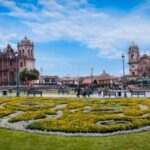
Cusco can feel like a maze at first. This walking tour makes sense of it with a local guide and a route that ties major sights together in a logical loop. You’ll start at the main square near the Inca fountain, then head toward the city’s Inca roots and colonial-era streets.
I especially like the guide-led pacing and the way it mixes big-name stops with smaller details you’d normally miss. You’ll get live commentary in English or Spanish, and you’ll also visit a luthier where traditional music and instruments come into the story.
One consideration: it’s a steady walk and it isn’t listed as wheelchair-friendly, and it’s not suitable for people over 70. Also, entrance fees aren’t included, so plan for that cost if you’ll need tickets for any stops.
In This Review
- Key Takeaways Before You Walk Off
- Main Square Start: The Fastest Way to Get Your Bearings
- Qoricancha: When You See Inca Craft Up Close
- The 12-Angled Stone: The Detail That Forces a Second Look
- San Blas: Walking the Neighborhood, Not Just Passing Through
- Viewpoints: Short Breaks That Add Real Perspective
- Luthier Visit and Traditional Music: Culture You Can Hear
- Price and Value: What $1.20 Covers (and What It Doesn’t)
- Who Should Book This Cusco Walking Tour
- Practical Tips for a Smooth 138-Minute Walk
- Should You Book It?
- FAQ
- Where does the tour meet?
- How long is the Cusco cultural walking tour?
- What language is the live tour guide available in?
- What’s included in the tour price?
- Are entrance fees included?
- What parts of Cusco does the tour cover?
- Does the tour include a music or instrument component?
- Is free cancellation available?
- Is the tour suitable for wheelchair users or older travelers?
Key Takeaways Before You Walk Off
- Main square start: easy to find, near the Inca fountain
- Qoricancha included: you’ll visit the Inca palace site early in the tour
- Small-detail payoff: the famous 12-angled stone is part of the route
- San Blas streets: you’ll move through both Inca and colonial areas
- Luthier and music: you’ll see traditional instruments up close and hear how they fit
- Guide matters: the route is designed for a live, explanatory experience
Main Square Start: The Fastest Way to Get Your Bearings
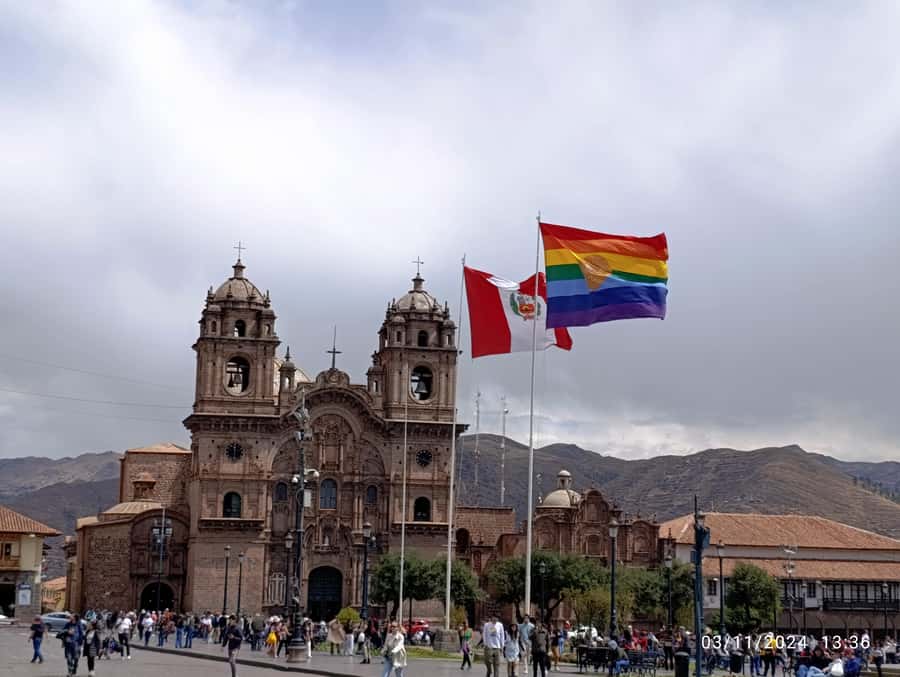
If Cusco is your first high-altitude city with tight streets and layered architecture, you’ll appreciate a tour that begins with orientation. This one starts at the main square (near the Inca fountain), so you can anchor yourself right away instead of wandering in circles.
From there, the tour is built like a guided “connect-the-dots” walk. You’ll move from landmark to landmark, but the real value is that the guide explains what you’re seeing while you’re still standing in front of it. That matters in Cusco, where stonework and building styles can look similar until someone points out the cues.
The route also includes best viewpoints around the city. That gives your legs a short break from nonstop street-level walking and gives you context. In other words: you’re not only collecting photos. You’re learning where you are in the bigger layout of Cusco.
You can also read our reviews of more walking tours in Cusco


Qoricancha: When You See Inca Craft Up Close
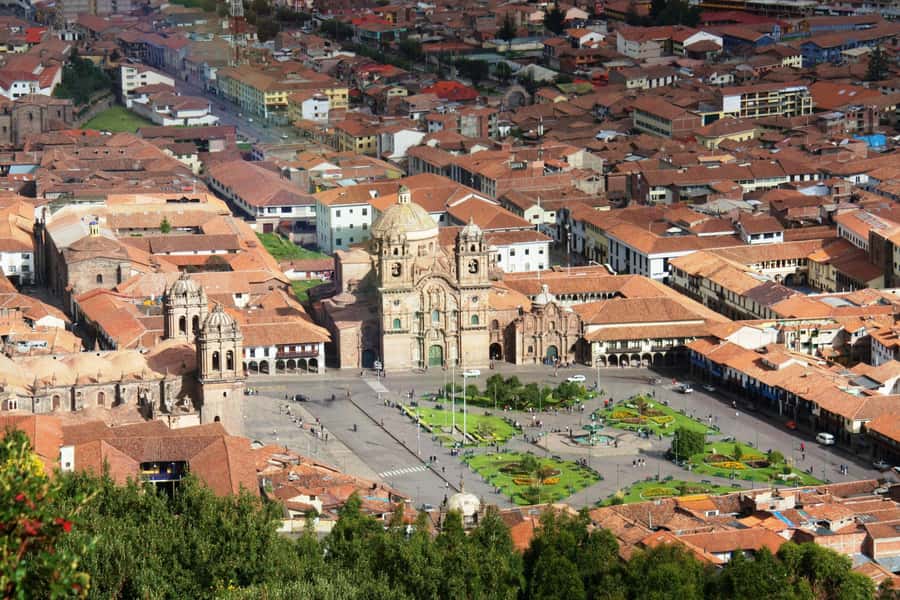
One of the main draws is the visit to Qoricancha, described as the ancient Inca palace. This is where the tour’s theme clicks: you’re not just sightseeing—you’re seeing how Inca engineering and design shaped the space, and then how later Cusco developed around it.
What I like about making Qoricancha an early stop is timing. If you start with a major site, you’ll spot patterns later as you keep walking. Then when you move through the Inca and colonial streets after, you’ll be able to compare building styles without thinking too hard.
A practical note: the tour says entrance fees are not included. So if any part of the Qoricancha visit requires a ticket, you’ll want to budget for it separately. It’s common in Cusco, and it’s better to plan than to find out mid-tour.
The 12-Angled Stone: The Detail That Forces a Second Look
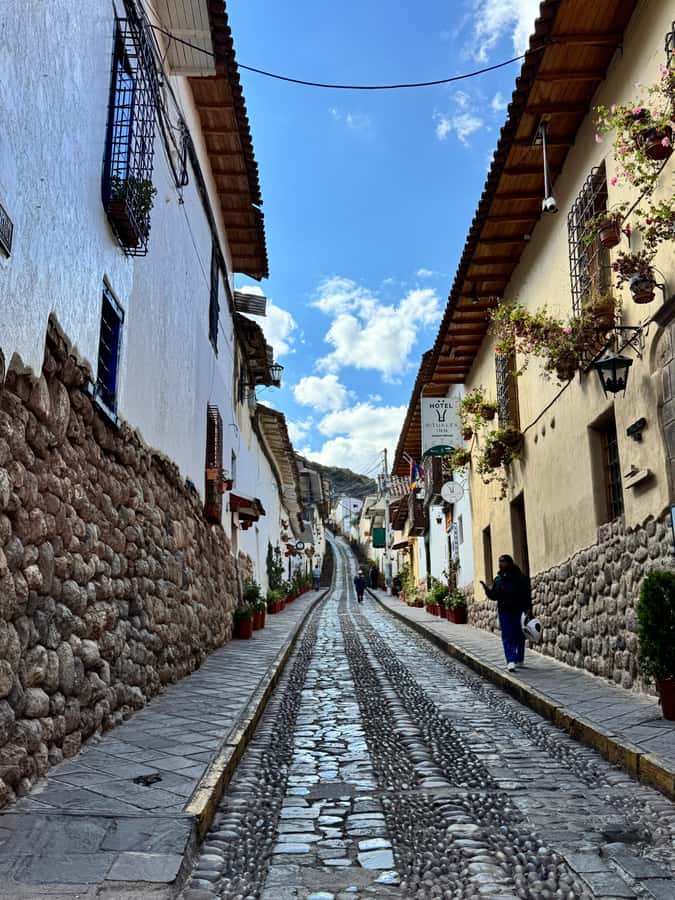
Cusco rewards curiosity, and this tour includes a specific curiosity stop: the famous 12-angled stone. That’s the kind of feature that sounds like a trivia item until you see it in person. Up close, those angles aren’t just “cool geometry.” They’re proof of precision and intention.
I like that the tour doesn’t only focus on the famous big plazas. It includes a pinpoint feature you’d almost certainly miss if you were walking alone, because it’s the sort of thing you might not realize is noteworthy until someone flags it.
If you’re the kind of traveler who enjoys texture and craftsmanship—stonework seams, edges, how walls meet—you’ll probably love this stop. And even if you’re not, it’s still a great way to break up the broader neighborhood walking with something concrete and memorable.
San Blas: Walking the Neighborhood, Not Just Passing Through
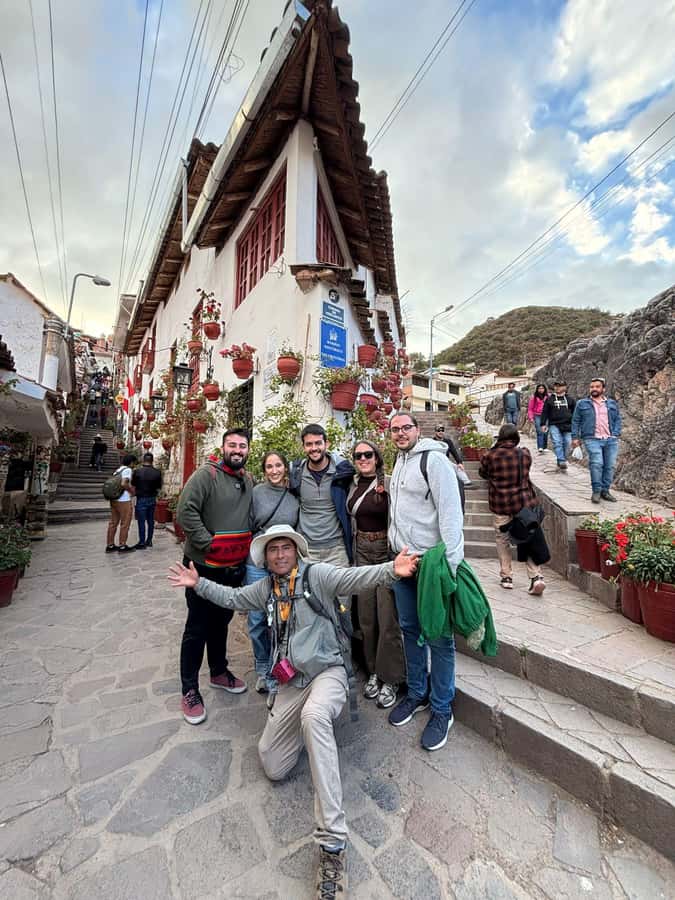
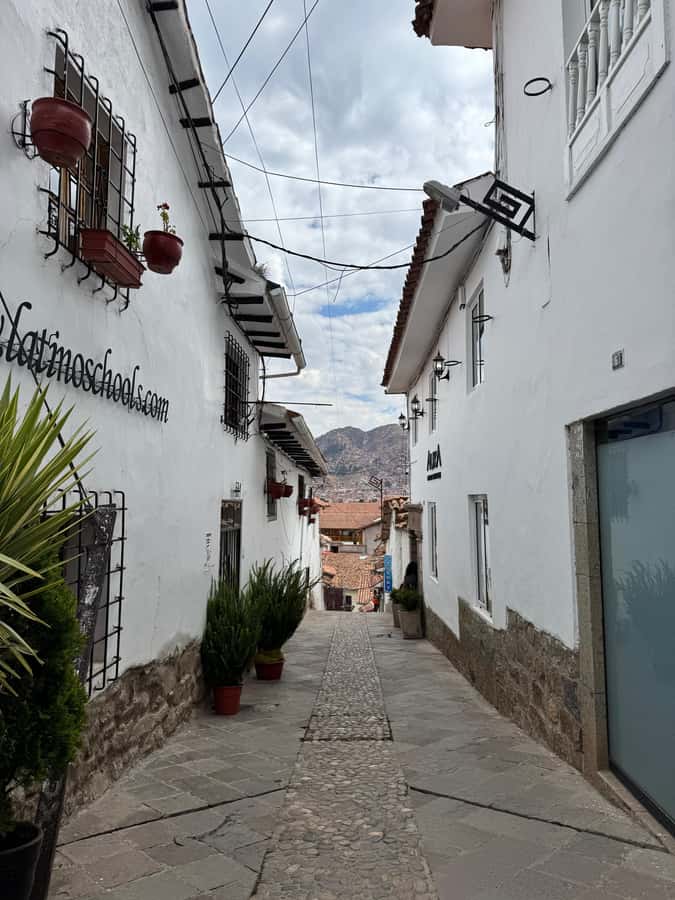
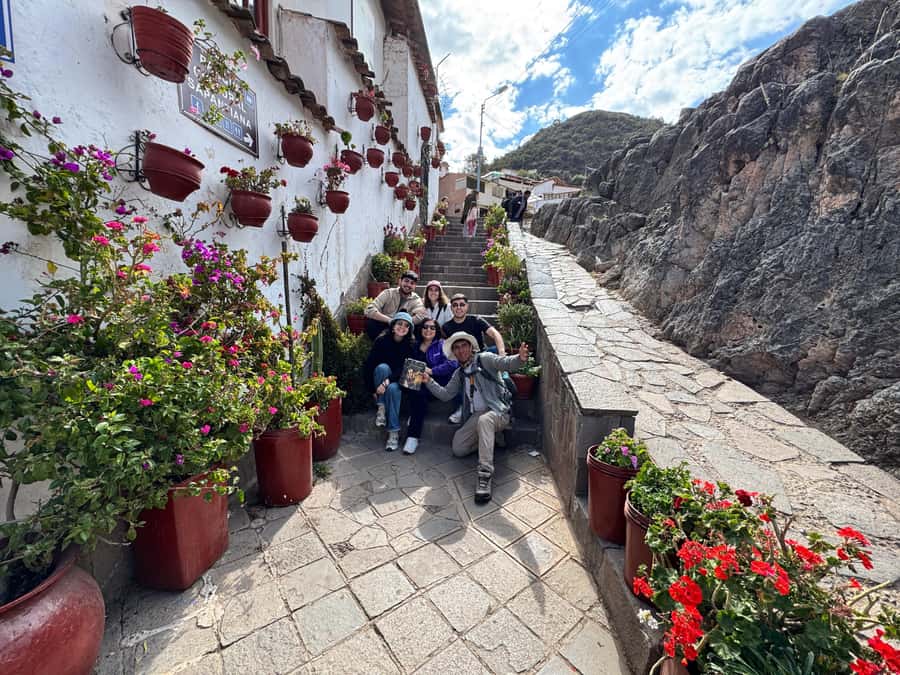
Next comes San Blas, described as a traditional neighborhood. This part of the tour is important because it shifts you from monuments to daily street life. You’re not only collecting sites—you’re moving through the kind of streets where Cusco’s character shows up in architecture, street rhythm, and the way people inhabit the area.
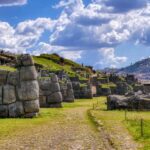
The tour also specifically mentions walking through Inca and colonial streets, so you’ll experience the city in layers. That blend is one of Cusco’s defining qualities: you can feel the Inca foundation, then see later influences continuing the story.
What to expect here: you’ll do more street walking than museum-style stopping. The good news is that the guide is there to keep it meaningful. If you’re traveling with friends, this is also the part where conversation clicks—everyone has something to look at, and the guide helps you name what you’re seeing.
Viewpoints: Short Breaks That Add Real Perspective
The tour includes visits to the best viewpoints in the city. Even when you’re only briefly looking out over Cusco, viewpoints change how you understand the walk you just did (and the walk you’ll do next).
I think these stops are a smart design choice for a 138-minute route. Without viewpoints, a walking tour can start to feel like one long “step, step, step.” With viewpoints, you get a pause that makes the earlier sights easier to remember.
Because the tour doesn’t list the exact viewpoint names, treat it as a guided “find the angle” experience rather than a set of must-see spots you’ll study beforehand. If you’re the type who likes comparing photos later, just be ready to stop, look, and listen while the guide tells you what you’re actually viewing.
You can also read our reviews of more guided tours in Cusco




Luthier Visit and Traditional Music: Culture You Can Hear
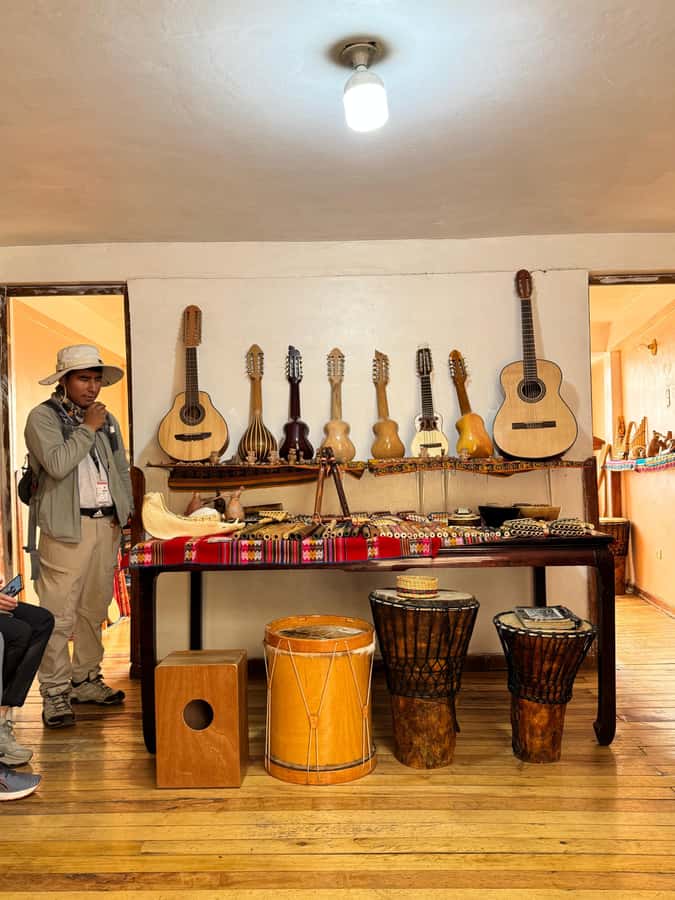
One of the most distinctive parts is the visit to a luthier, followed by traditional music. This isn’t just background entertainment. It’s a way to connect craftsmanship to culture.
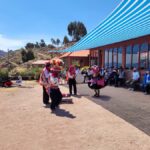
You’ll enjoy traditional music while the tour guide explains the traditional musical instruments. That’s a big plus if you like travel experiences that go beyond landmarks and into how people create meaning—through sound, instruments, and local tradition.
Why this matters for value: you’re paying for a guide, yes, but you’re also getting a cultural moment that’s harder to replicate on your own with zero planning. A walking route can be copied with a map. A live explanation of instruments—done with a local craft connection—is tougher.
As always, keep in mind that services not mentioned aren’t included, and entrance fees aren’t listed. But the tour does include the guide and the live cultural segment as part of the experience.
Price and Value: What $1.20 Covers (and What It Doesn’t)
The price is listed at $1.20 per person, and that’s so low it feels almost too good to be true. Here’s how I’d think about value without assuming magic: you’re paying for a guided walking route that lasts 138 minutes and includes specific stops like Qoricancha, the 12-angled stone, San Blas, viewpoints, and a luthier/musical segment.
What you aren’t paying for (based on the provided info): entrance fees. That’s the main likely add-on cost. If tickets are required for any stops along the way, your total cost could rise.
Still, even with potential entrance fees, you’re getting a live, English/Spanish guide for about two and a half hours plus several curated elements. And there’s another value angle: guide quality. The route has been praised specifically for guides like Ernesto and Nilo, with strong emphasis on the guide experience.
Who Should Book This Cusco Walking Tour
This tour is a good match if you want structure without getting stuck in long museum time. You’ll do a walking-focused experience, you’ll see key landmarks, and you’ll end up with a deeper sense of Cusco’s Inca-to-colonial layers.
It’s also a strong pick for people who like culture that’s explained in plain terms, especially around instruments and music. If you’re the type who reads signs but still wants context, a guide-led route like this tends to click fast.
Who should think twice:
- Wheelchair users (not suitable)
- People over 70 (not suitable)
If you’re unsure about your walking tolerance, the duration—138 minutes—is a helpful benchmark. Plan to wear comfortable shoes and expect continuous movement, with viewpoint pauses and stops along the way.
Practical Tips for a Smooth 138-Minute Walk
Cusco streets can be uneven, and a tour like this is designed to keep you moving. You’ll get the most out of it if you treat it like a guided stroll with frequent “stop and look” moments.
A few practical moves I recommend:
- Wear comfortable walking shoes with grip.
- Bring a light layer. Even in warm sun, conditions can shift.
- Keep your questions for the guide. The whole point here is live explanations at the exact moment you’re looking at the feature.
- If you plan to visit any parts that might require a ticket, remember entrance fees aren’t included.
Also, since the meeting point can vary by booked option, but is stated as near the Inca fountain, give yourself a few extra minutes to find the exact spot and join the correct group.
Should You Book It?
I’d book this tour if you want a Cusco overview that’s more than a checklist. The mix of Qoricancha, the 12-angled stone, San Blas, viewpoint stops, and the luthier/music segment gives you both landmark grounding and hands-on cultural context.
Skip it if mobility is an issue for you, because it’s not listed as suitable for wheelchair users and it’s not recommended for people over 70. Also, keep your budget realistic by factoring possible entrance fees.
If you’re trying to make the most of a limited time window in Cusco, this 138-minute guided walk is built for exactly that: efficient, structured, and designed to help you understand what you’re seeing instead of just snapping photos and moving on.
FAQ
Where does the tour meet?
The meeting point is in the main square, near the Inca fountain. Exact location may vary depending on the option booked, but it’s centered around that area.
How long is the Cusco cultural walking tour?
The duration is 138 minutes.
What language is the live tour guide available in?
The live guide offers Spanish and English.
What’s included in the tour price?
The tour includes a professional, expert, friendly guide.
Are entrance fees included?
No. Entrance fees are not included.
What parts of Cusco does the tour cover?
You’ll visit the main square area, Qoricancha, the 12-angled stone, San Blas, and you’ll walk through Inca and colonial streets. The tour also includes viewpoint stops.
Does the tour include a music or instrument component?
Yes. You’ll visit a luthier and enjoy traditional music while the guide explains traditional musical instruments.
Is free cancellation available?
Yes. You can cancel up to 24 hours in advance for a full refund.
Is the tour suitable for wheelchair users or older travelers?
It’s not suitable for wheelchair users and not suitable for people over 70, based on the provided information.