REVIEW · CUSCO
Cusco: Historic Walking Tour with Pisco Sour and Music Show
Book on GetYourGuide →Operated by Real Cusco Walking tour · Bookable on GetYourGuide
Cusco rewards slow walking, and this tour is built for it. You’ll move from the big sights of Plaza de Armas to the quieter lanes of San Blas, while your guide ties it all together with the meaning behind Inca and colonial Cusco. I especially like two parts: the way you get street-level context at landmarks like Qoricancha and the hands-on stop with a luthier (instrument maker). One thing to keep in mind: the music-show component can be affected by local availability, so plan to be flexible if the exact venue is closed.
It’s also a great “first-day in Cusco” option because it stays focused and paced. In a small group (up to 10), you’re not stuck listening to a lecture from the back row. If you’re sensitive to walking time or crowds, though, this route still requires steady footwork on uneven old-stone streets.
You’ll end the walk with a Peruvian classic in hand: either a pisco sour or a non-alcoholic chicha morada. That final stop turns the tour from history class into a simple Cusco moment you can actually remember.
In This Review
- Key things to love about this Cusco walking tour
- Where the tour starts in Plaza de Armas (and why it matters)
- Cusco Cathedral and the Cathedral-to-Qoricancha storyline
- The Company of Jesus and the colonial footprint you can spot
- Balcony views, the 12 and 13 angled stones, and street-level Inca math
- The Andean Trilogy carved on an Inca wall
- Into San Blas: the neighborhood walk that feels like Cusco
- Luthier workshop: where Andean music starts
- Andean music show: what you should expect (and what to do if it changes)
- The 7 Borreguitos Street photo moment
- Temple of the First Inca ruler: Manco Capac
- The pisco sour or chicha morada finish (and what pairs well with it)
- Pace, group size, and guide styles (what makes the tour feel worth it)
- Price and value: why $10 can feel like more
- Who this tour fits best (and who should choose something else)
- Should you book this Cusco historic walk with pisco and music?
- FAQ
- How long is the Cusco historic walking tour?
- How much does it cost?
- What’s included in the price?
- Where do we meet the guide?
- What languages are available?
- Is museum entry included?
- Is this tour wheelchair accessible?
Key things to love about this Cusco walking tour
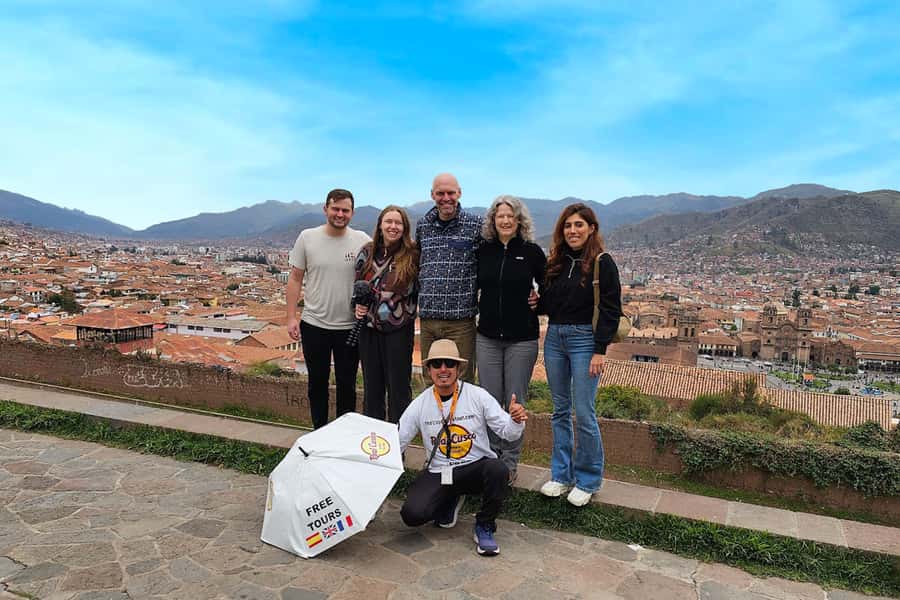
- Small group feel: limited to 10 participants, so questions don’t get lost.
- San Blas on purpose: not just a photo stop—more time in the neighborhood.
- Real Cusco craft: a visit to a luthier’s workshop gives context for Andean instruments.
- Iconic and odd details together: Qoricancha plus the 12 and 13 angled stones.
- Food-and-drink finish: pisco sour or chicha morada to cap the walk.
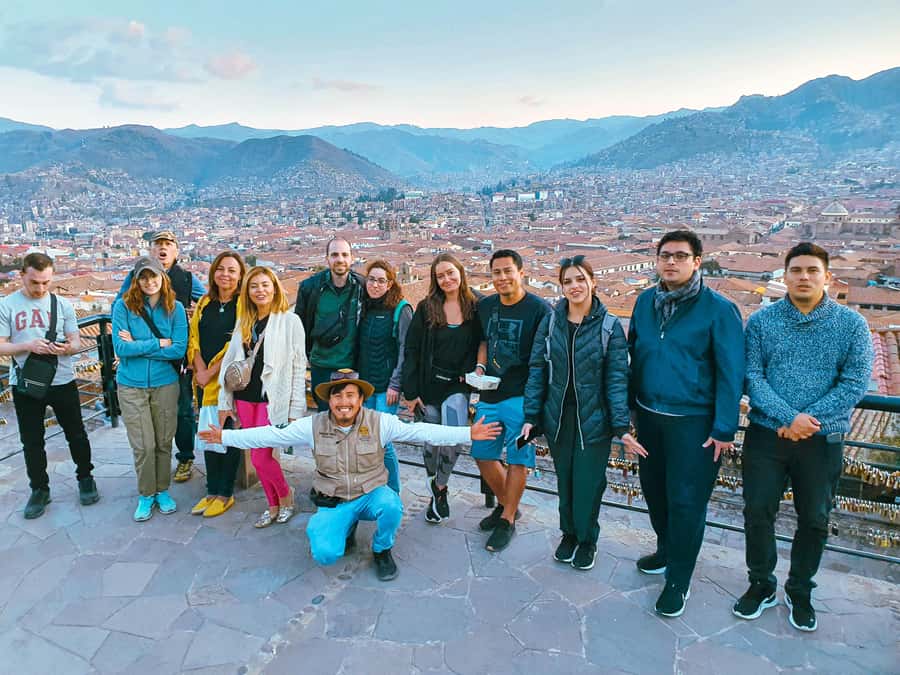
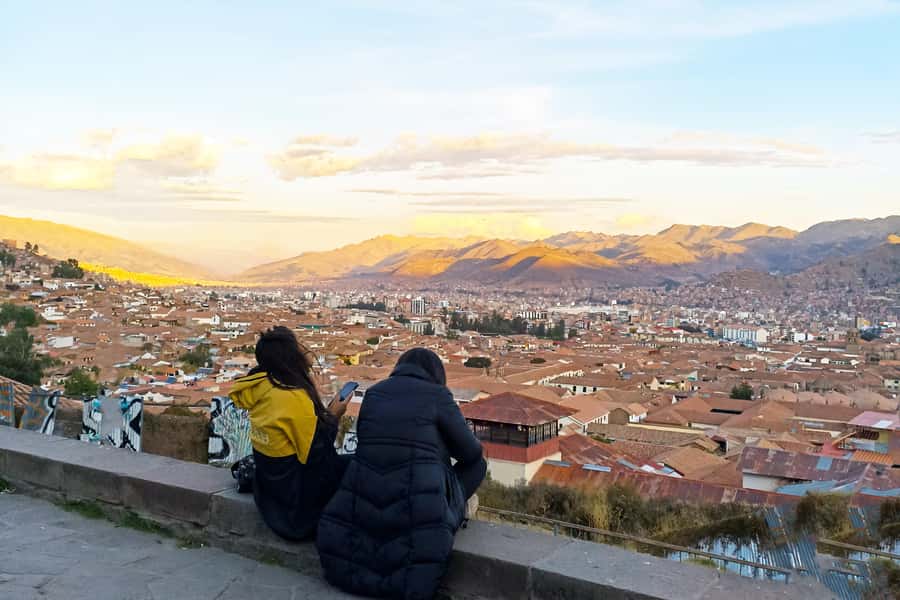
- Cusco views included: you’ll hit viewpoints along the way, including a sunset-time moment.
Where the tour starts in Plaza de Armas (and why it matters)
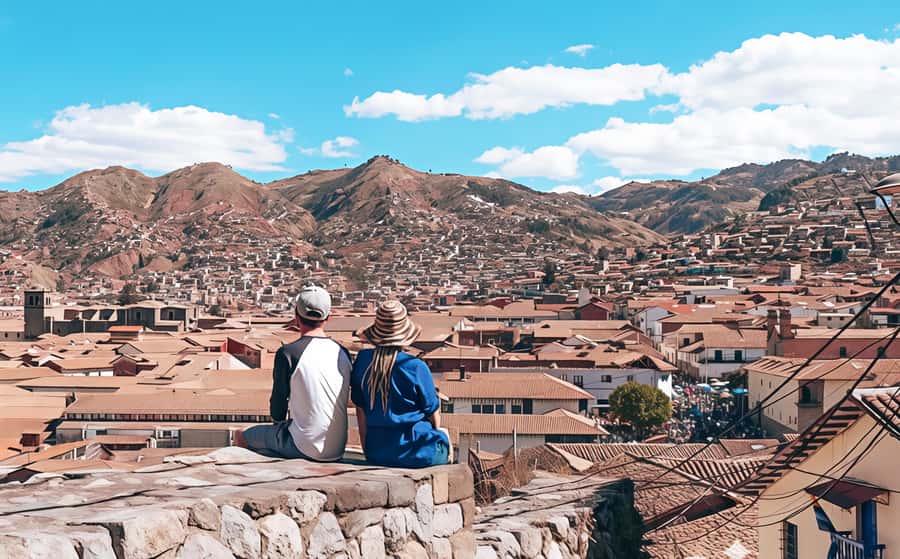
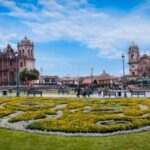
You meet next to the Inca Fountain in Plaza de Armas, with your guide holding a white umbrella. That’s a smart choice: it anchors you in the historic center on day one, when Cusco can feel like a maze of steep streets.
From there, you’ll work your way through the old city in a logical flow—major landmarks first, then the more charming side streets. It’s the kind of route that helps you understand where everything sits relative to everything else, so later you can explore on your own without constantly guessing.
Timing-wise, you’re looking at about 2 hours, so this isn’t the day-long Cusco slog. It’s enough time to see a lot, but not so much that you feel wrecked when you still want to eat, wander, or rest.
You can also read our reviews of more walking tours in Cusco

Cusco Cathedral and the Cathedral-to-Qoricancha storyline
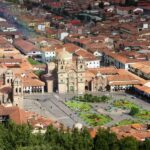
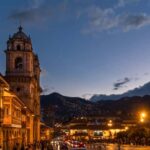
Your walk begins with the Cusco Main Square and the Cathedral. This is more than a quick photo moment. The point is to orient you in the mix of power that shaped Cusco: Inca foundations under Spanish rule.
Then the tour shifts toward Qoricancha, also known as the Sun Temple. This stop is where the guide’s narration does its best work—showing how layers of Cusco’s past overlap in real streets and real stones. If you like history that shows up in front of your eyes instead of only in museum glass, this part hits.
The Company of Jesus and the colonial footprint you can spot
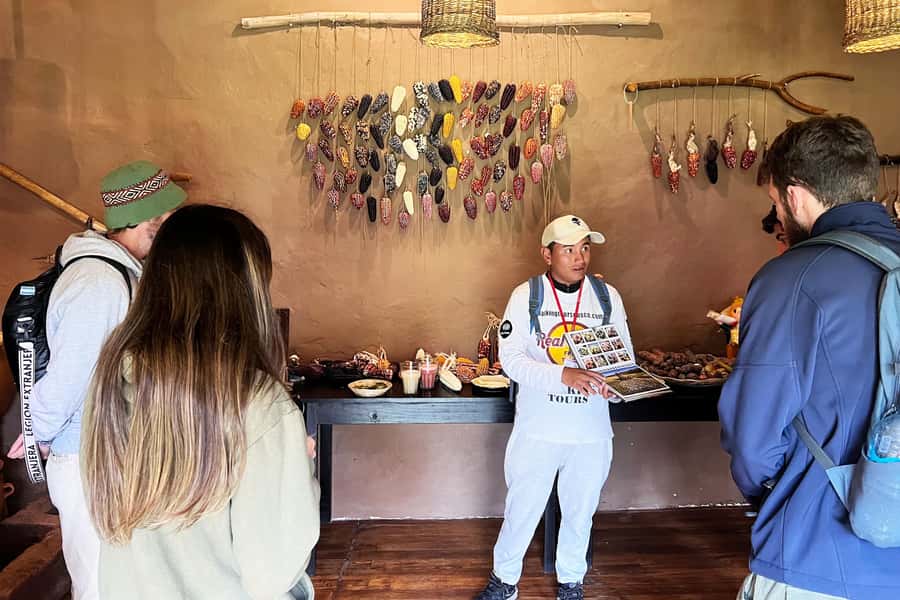
Next up is the Company of Jesus. Even if you don’t catch every architectural detail, you’ll understand why it matters once you connect it to the larger colonial story. Cusco’s Spanish buildings often sit right on top of older structures, and the guide helps you notice that contrast instead of just seeing “old stone.”
This is the kind of stop that works especially well early in your trip. You start to see patterns—where power moved, what was built to replace what, and how Cusco kept its identity even when the names changed.
Balcony views, the 12 and 13 angled stones, and street-level Inca math
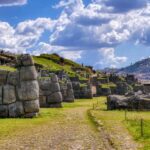
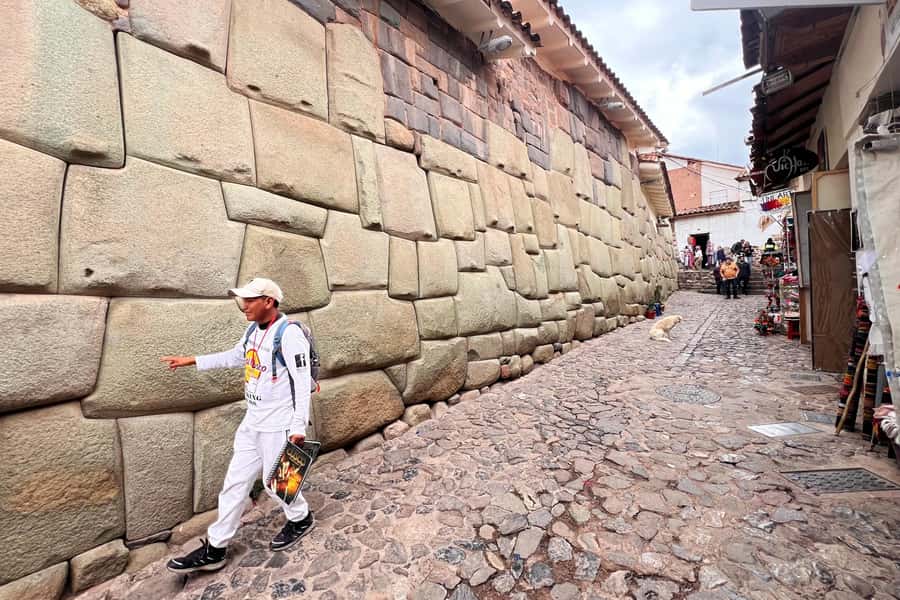
One of the tour’s fun tricks is how it keeps you looking upward and outward, not just straight ahead. You’ll gaze up at one of Cusco’s most beautiful balconies, then continue to a set of famous stones: the 12 and 13 angled stones.
These are the details that make Cusco feel different from any other high-altitude town. The guide explains what you’re seeing and why locals talk about it. It’s the sort of stop that turns a walk into a scavenger-hunt for meaning.
If you’re the type who enjoys small but memorable stops, you’ll probably love the pace here. You’re not rushing; you’re being asked to look, then you’re given context right after you see it.
The Andean Trilogy carved on an Inca wall
You’ll also meet an Inca wall feature that represents the Andean Trilogy: silhouettes of the Condor, Puma, and Snake. This is where the tour becomes visually specific, not generic.
The animals aren’t just decoration. They’re tied to Andean worldview, and the guide helps you connect the symbolism to what Cusco worship and storytelling looked like long before Spanish arrival. If you’ve ever tried to learn Andean culture from a book and felt like it was missing the “why,” this is the kind of explanation that makes it click.
You can also read our reviews of more historical tours in Cusco

Into San Blas: the neighborhood walk that feels like Cusco
Then you shift into San Blas, one of Cusco’s most picturesque areas. Here the tour slows down in a good way. You’ll stroll its charming streets rather than just threading through them.
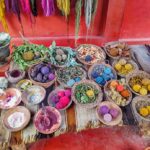
San Blas is a neighborhood where you can feel the craft culture—artists, musicians, and small workshops—without it turning into a theme park. The tour’s value is that you go with a guide who can point out why places look the way they do, instead of only telling you what to photograph.
Luthier workshop: where Andean music starts
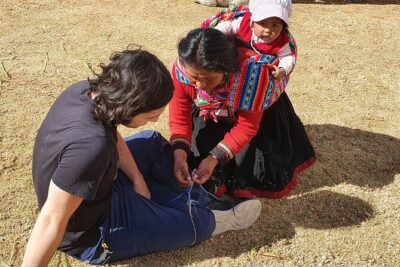
A key included stop is a visit to a luthier’s workshop—the instrument maker. This is a big deal if you care about music and not just performances.
You’ll see how instruments connect to daily life and cultural tradition. Even if your brain is buzzing from altitude and sightseeing, this stop gives you a different kind of input: hands, materials, craft, and sound culture rather than only architecture.
This is also where the tour quietly earns its low price. You’re paying for more than a walk—you’re paying for access to a skilled craft space that you probably wouldn’t find as easily on your own.
Andean music show: what you should expect (and what to do if it changes)
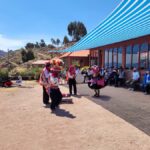
After the workshop, you’ll watch an Andean music show. The idea is simple: give you a cultural payoff after you’ve seen the instruments and learned the symbolism.
One practical consideration: in at least one recent experience, the specific music-show vendor was closed, and the guide recommended an alternate local dance show afterward. The takeaway for you is to keep expectations flexible. If the schedule shifts, your guide may suggest a nearby option that keeps the evening energy going.
The 7 Borreguitos Street photo moment
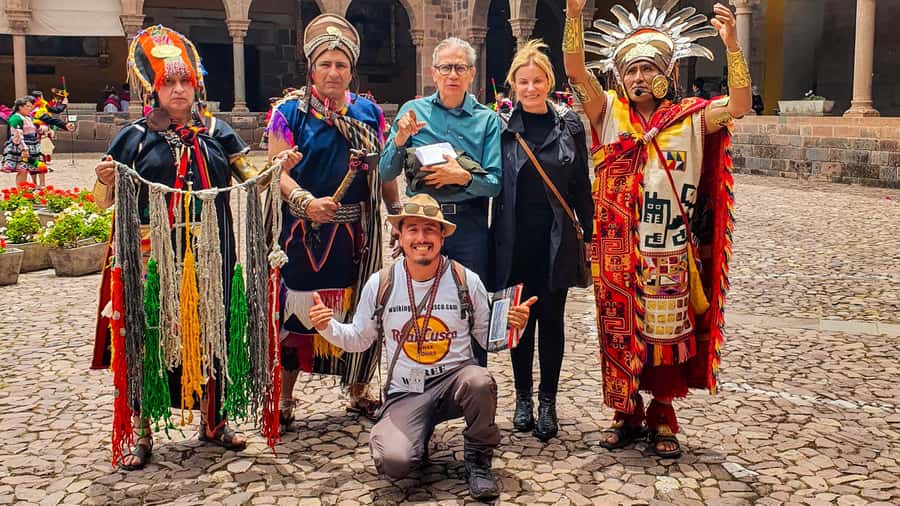
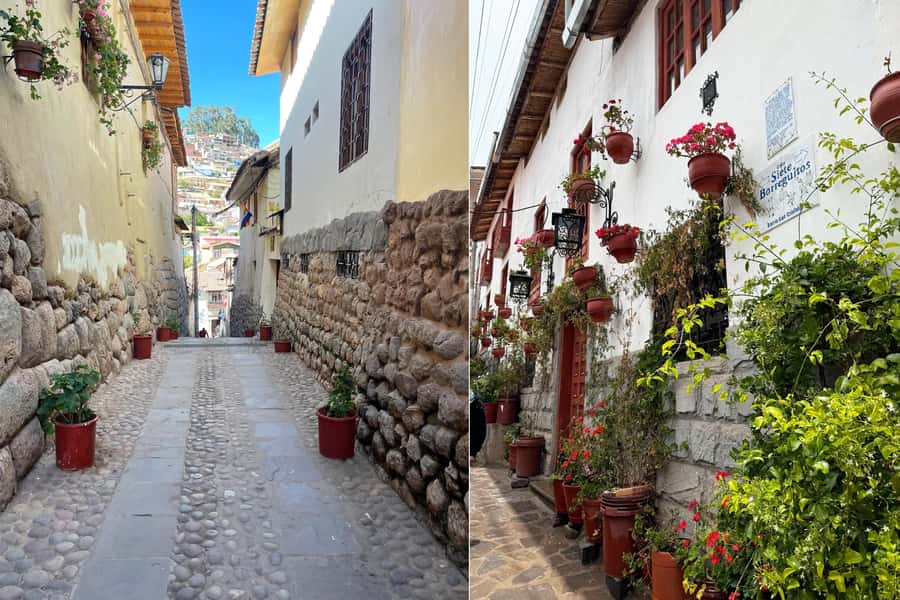
You’ll hit 7 Borreguitos Street, known for being one of Cusco’s most picturesque stretches. This is one of those places where the city’s angles, stones, and shadows work together in your camera frame.
The tour’s timing makes sense here: it’s not random. You’ve built enough context by then that the photo moment feels like a real part of the walk, not a disconnected stop.
If you want the shot, keep your eyes on the lighting. Even when you can’t change the weather, you can change your timing and position.
Temple of the First Inca ruler: Manco Capac
Finally, you visit the Temple of the First Inca Ruler, Manco Capac. This is a fitting close to a tour that starts with major public squares and ends by returning to the Inca origin story.
The guide frames Manco Capac in a way that’s meant for walking-tour comprehension, not academic trivia. You get a sense of Cusco’s origin narrative as something local people carry forward, not only something written in textbooks.
At this stage, the best benefit is mental. You’ll leave understanding how to connect the landmarks you saw earlier with the story arc you just followed.
The pisco sour or chicha morada finish (and what pairs well with it)
The tour ends with a drink: either a pisco sour or a non-alcoholic chicha morada. This is a smart decision because Cusco sightseeing can be draining. A clear finale keeps the whole thing memorable, not just exhausting.
If you’re choosing between them, here’s a practical way to think about it:
- Choose pisco sour if you want the full Peru experience and you’re feeling fine altitude-wise.
- Choose chicha morada if you prefer something sweet and non-alcoholic with a local flavor.
Either way, it’s a good moment to reset before you head into your next meal or evening plans.
Pace, group size, and guide styles (what makes the tour feel worth it)
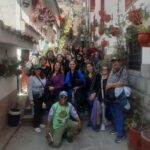
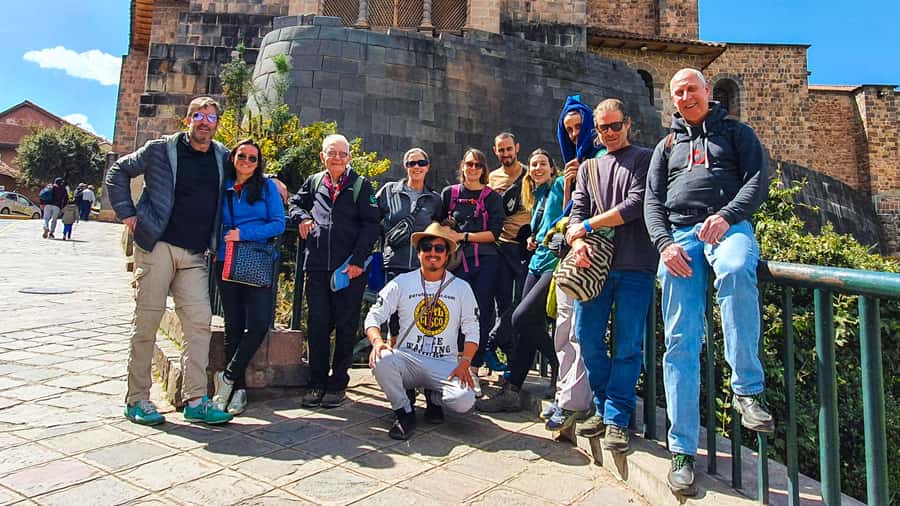
This is a small-group experience—limited to 10 participants—and that changes how the tour feels. With fewer people, your guide can answer questions without repeating themselves ten times. It also helps if you’re new to Cusco and want help with practical orientation.
The guides vary in style, but the common thread is enthusiasm. Some guides are described as entertaining, with a professional anthropology background, and a lot of enthusiasm for both the Inca and colonial layers of Cusco. You’ll also get travel tips during the walk, which is genuinely useful if you’re trying to plan around altitude, timing, and where you’ll want to return.
Price and value: why $10 can feel like more
At $10 per person, the value is mostly about inclusions. You’re not just paying for someone to point out buildings. You’re getting:
- A bilingual guide (English and Spanish)
- A stop at a luthier’s workshop
- An Andean music show
- A drink: pisco sour or chicha morada
That combination adds up fast in any city, and Cusco is no exception. If you’re short on time, this tour gives you a lot of “Cusco meaning per hour.” It’s also a low-risk way to learn the city’s basics before you spend money on larger tours.
Who this tour fits best (and who should choose something else)
This walk fits well if you want:
- A first introduction to Plaza de Armas, Qoricancha, and San Blas
- A mix of big landmarks and smaller details (like the angled stones)
- A cultural ending with instruments and an Andean music show
- A short, guided format with a drink payoff
It’s not suitable for everyone. It’s listed as not appropriate for people with mobility impairments or wheelchair users, and it isn’t suitable for hearing-impaired people. It’s also not for babies under 1 year, and there are age limits (not for people over 95).
If you know you’ll struggle with uneven stone streets and frequent uphill, I’d look for a different format.
Should you book this Cusco historic walk with pisco and music?
I’d book it if you’re arriving in Cusco and want a structured introduction that still feels personal. The pairing of Qoricancha + San Blas + craft (luthier) + music + a local drink is a strong mix for the time and price.
Skip it (or at least consider alternatives) if you need a step-free route or you’re expecting only museum-style pacing. Also, if you’re very schedule-sensitive about the music performance, keep a flexible mindset—local availability can affect the show.
If you want a simple plan that helps you understand Cusco fast and then keep exploring on your own, this is a smart choice.
FAQ
How long is the Cusco historic walking tour?
The tour lasts 2 hours.
How much does it cost?
It costs $10 per person.
What’s included in the price?
You get a bilingual tour guide, a visit to a luthier’s workshop, and a drink at the end: either a pisco sour or chicha morada.
Where do we meet the guide?
Meet next to the Inca Fountain in Plaza de Armas, and your guide will be holding a white umbrella (coordinates: -13.516772, -71.9787231).
What languages are available?
The tour is offered in English and Spanish.
Is museum entry included?
Museum entry isn’t included. Any museum stops are described as optional.
Is this tour wheelchair accessible?
No. It’s not suitable for people with mobility impairments or for wheelchair users.