REVIEW · CUSCO
Historic/music Cusco FreeWalkingTour “free drink” Group Tour
Book on GetYourGuide →Operated by Real Cusco Walking tour · Bookable on GetYourGuide
Cusco rewards the curious. This 2-hour historic-and-music walking tour turns Plaza de Armas into a storybook, with stops like Qoricancha and a complimentary Pisco Sour along the way. I like that it keeps things moving and practical, not lecture-only. One thing to note: if the group uses a loudspeaker, there can be moments when it’s hard to catch every word.
My favorite part is the way the tour links Inca-era details to what you can actually hear and see in the streets. You’ll get a visit with a skilled luthier and then an Andean musical performance with panoramic views—exactly the kind of stop that makes Cusco feel personal, not like a checklist. The walking is pretty steady, so plan for a true stroll, not a sit-and-smile tour.
There’s also the tipping expectation. Even though the price looks tiny, the tour is a guided service, and the guide typically expects a gratuity of around 30 soles (about $10 USD). If you’re the type who hates tipping, this won’t feel worth it.
In This Review
- Key things that make this Cusco walking tour work
- Where the tour starts: Plaza de Armas and the Inca Fountain meeting spot
- Cathedral to Company of Jesus: why the opening architecture matters
- Qoricancha (Sun Temple): the stop that ties the whole theme together
- The 12 and 13 angled stones and the Andean Trilogy on an Inca wall
- San Blas streets: art vibes, calmer pace, and real local craft
- Andean musical performance with panoramic city views
- 7 Borreguitos Street: the postcard moment you’ll actually understand
- Ending at Manco Capac: finishing with a First Inca Ruler site
- Pisco Sour and Chicha Morada: the included tastings you should plan for
- Price, tips, and real value for your $2 booking
- Who this tour suits best (and who should skip it)
- Should you book this Cusco FreeWalkingTour?
- FAQ
- How long is the Historic/music Cusco FreeWalkingTour?
- Where does the tour meet?
- What languages is the tour offered in?
- What drinks are included?
- Is a tip required?
- Who can join, and who can’t?
Key things that make this Cusco walking tour work
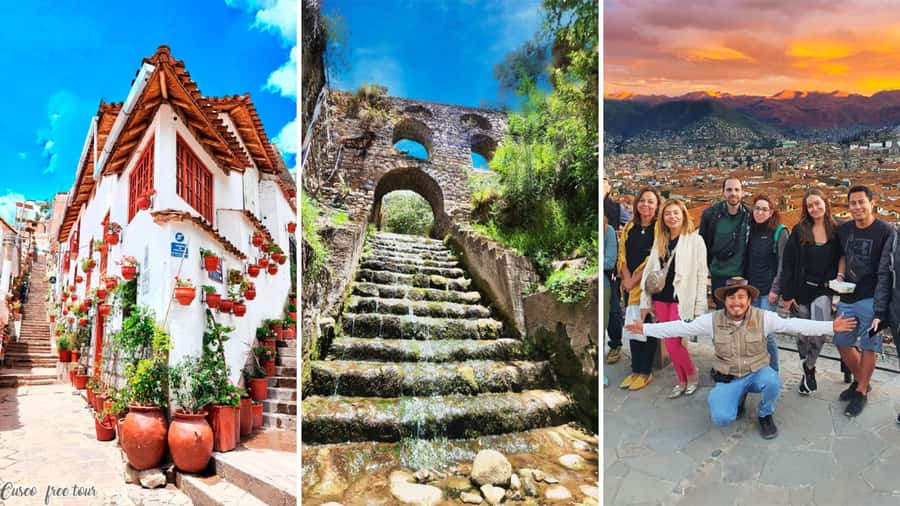
- Small group pace (about 10 people): you should get commentary that stays human-sized, not lost in a crowd.
- Pisco Sour or Chicha Morada included: you get a real taste moment tied to the ending of the walk.
- Qoricancha + specific Inca stone details: you’ll see the Sun Temple area and famous angled stones, not just generic sights.
- Andean music with a luthier visit: instruments aren’t just shown; you’ll hear music performed with city views.
- Old-town photo streets: 7 Borreguitos Street is a major highlight for views and atmosphere.
Where the tour starts: Plaza de Armas and the Inca Fountain meeting spot
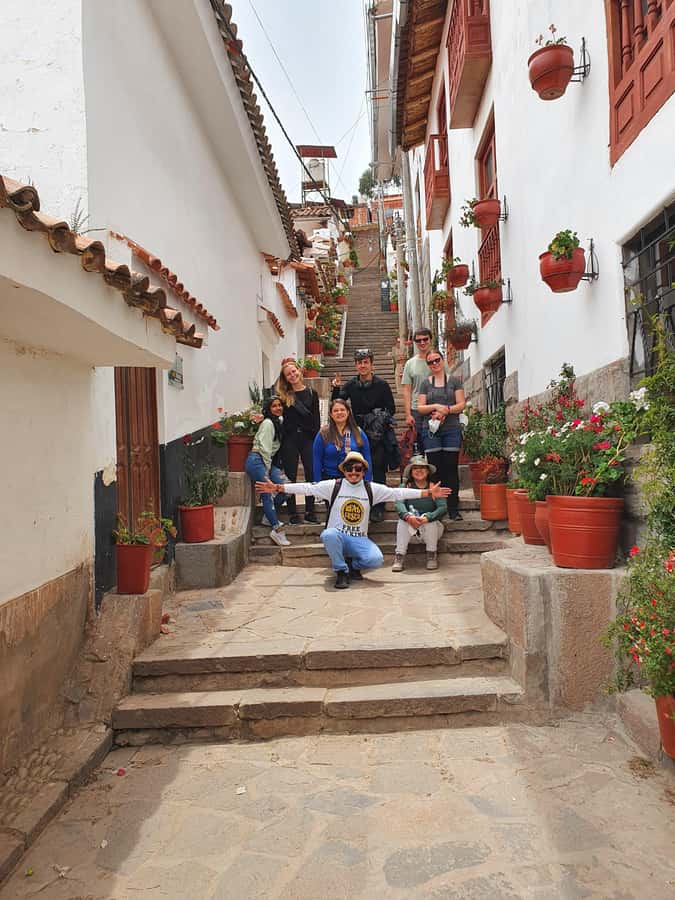
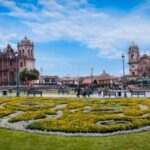
You’ll meet at the Inca Fountain in Plaza de Armas. It’s a smart pick because it puts you right in the center of Cusco, where you can orient quickly and still feel like you’re beginning something important. The coordinates for the meeting point are -13.5167681, -71.9787795, which can help if you’re using a maps app.
From there, the tour kicks off with iconic square-level sights. Expect you’ll be staring up at the Cathedral and the Company of Jesus building as part of the opening context. This first stretch matters because it sets the theme: Cusco isn’t one era. It’s stacked layers—Inca foundations and later architecture sharing the same streets.
I also like that the tour is only 2 hours. That’s a sweet spot for Cusco on a first day. It’s long enough to learn names and patterns, short enough that you don’t feel trapped in your itinerary.
You can also read our reviews of more historical tours in Cusco

Cathedral to Company of Jesus: why the opening architecture matters
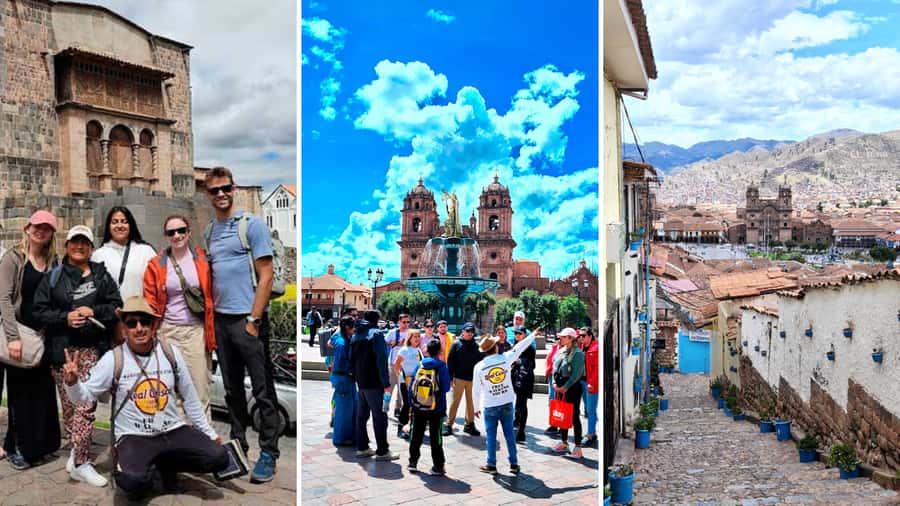
The tour’s early focus isn’t random. You’re starting with big landmarks you’ll likely pass later anyway, but here you get help decoding what you’re looking at. When someone points out key features while you’re still fresh and not yet tired, it sticks.
You’ll walk in a way that makes the main square feel like a launchpad. Then the guide’s commentary pushes you from What is this? into Why it matters. It’s the difference between taking photos and actually understanding what those photos represent.
Practical note: even though the group is about 10, you’re still in tight old streets. If you don’t like being shoulder-to-shoulder, position yourself early in the group so you don’t get stuck behind someone who moves slow.
Qoricancha (Sun Temple): the stop that ties the whole theme together
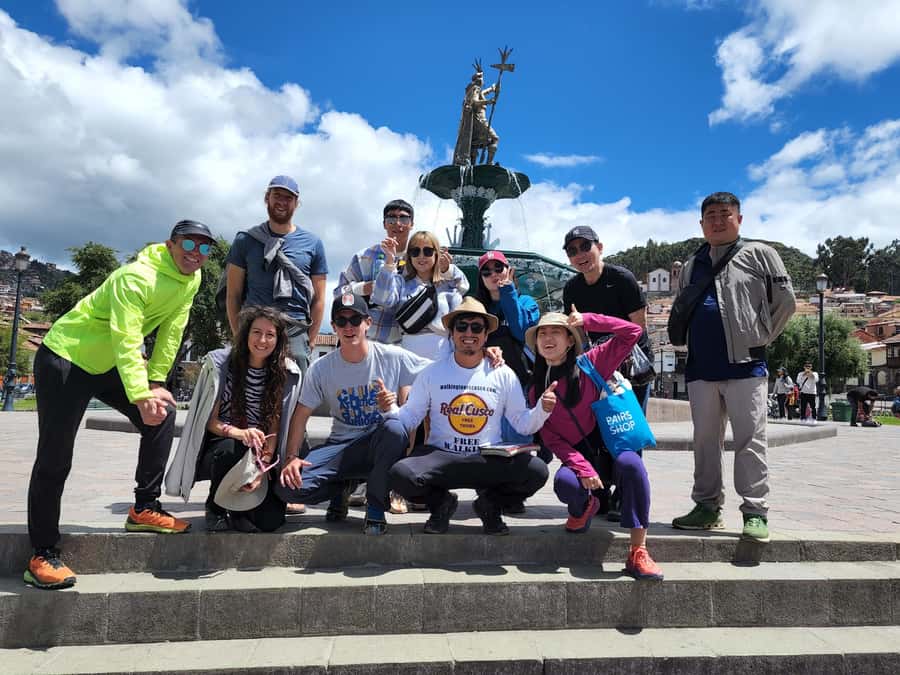
Soon, the tour hits Qoricancha, the Sun Temple. This is the moment where you feel the focus shift from general streets to specific, famous Inca-linked details. The guide’s job here is to make the site more than a name on a map.
You’ll also move through nearby spots tied to what the tour calls the city’s iconic visual features. One of the more memorable items on this walk is the city balcony—the kind of viewpoint that’s visually dramatic and easy to photograph once you know where to stand.
The key benefit: Qoricancha gives your tour a backbone. After this, the other Inca details don’t feel random. They start to feel like a connected story of how Cusco was built, rebuilt, and remembered.
The 12 and 13 angled stones and the Andean Trilogy on an Inca wall
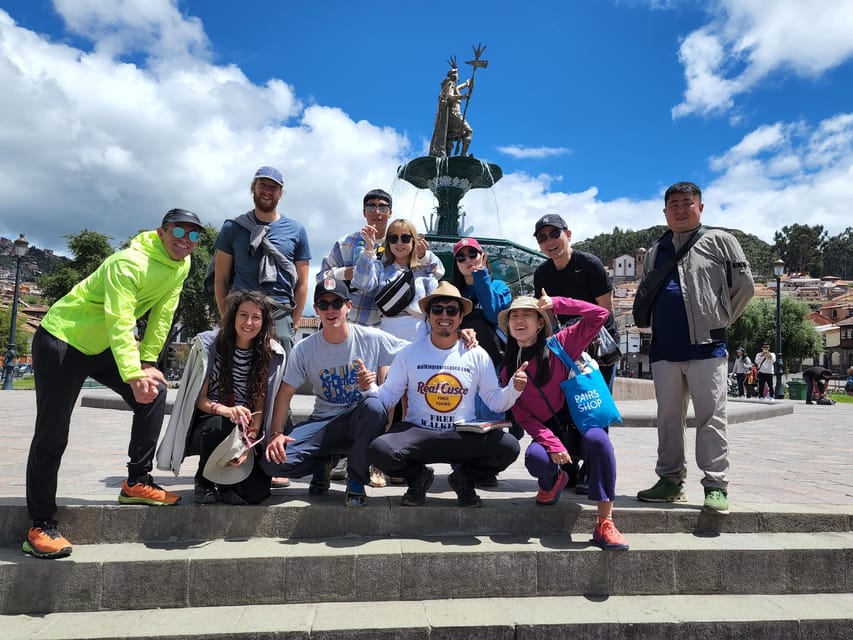
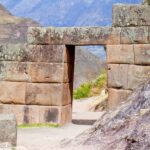
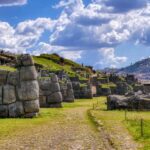
Two of the most specific stops come one after the other: the 12 and 13 angled stones and the Andean Trilogy carvings. These are the kind of details you’d probably miss if you were just wandering.
Here’s why I think these are worth the time:
- Angled stones are a concrete clue that Cusco’s architecture has technique and intention, not just decoration.
- The Andean Trilogy (the Condor, Puma, and Snake) carved into an ancient Inca wall is the tour’s “myth meeting stone” moment. You’re not only seeing symbols; you’re learning how people associated animals and meaning with the built environment.
If you like tours that give you something to look for afterward, this is that kind of tour. When you leave, you’ll start seeing Cusco differently—more patterns, more references, more “oh, now I get it” moments.
San Blas streets: art vibes, calmer pace, and real local craft
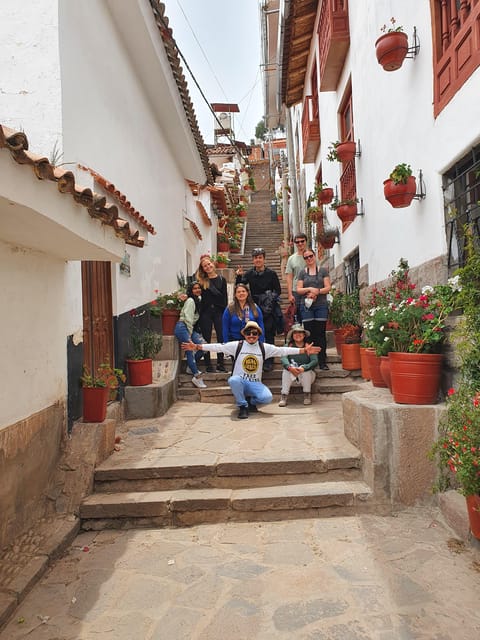
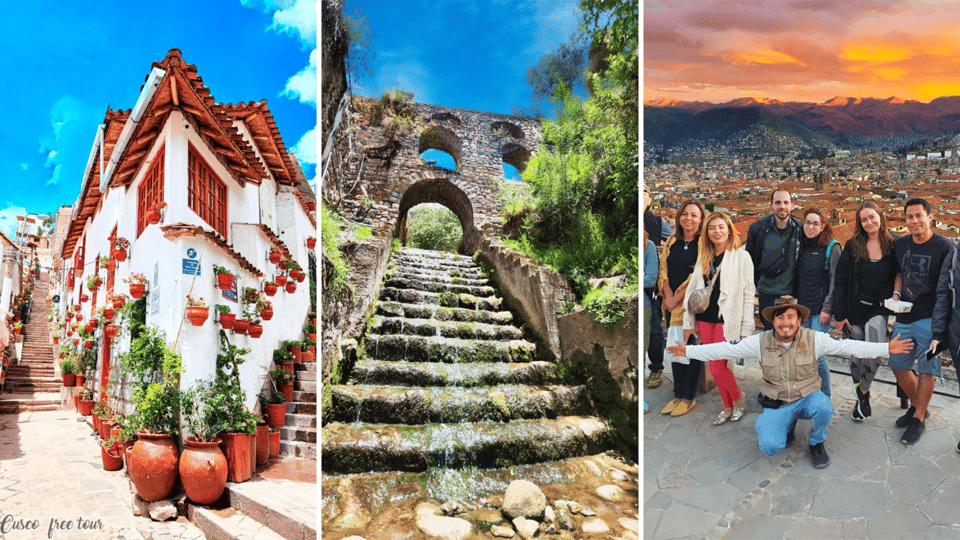
After the main historic anchors, you’ll head into San Blas, a neighborhood known for its artistic charm. This part of the tour helps balance the intensity of the earlier landmarks. The streets feel more walkable, more atmospheric, and you’ll likely slow down naturally for photos.
The tour then includes a stop at a skilled luthier. If you’ve never watched someone create or work on string instruments, this is a special change of pace. It’s one thing to hear music. It’s another to understand the people and craft behind it.
The value here is practical: you’ll come away knowing that Cusco’s music isn’t just entertainment. It’s tied to makers, tools, and local tradition—something you can respect instead of just consuming.
Andean musical performance with panoramic city views
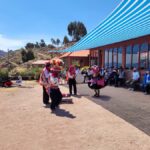
Next comes the part many people remember most: an Andean musical performance. The tour connects it to the earlier luthier visit, so the instruments don’t feel like a random show.
The performance also happens with panoramic views of the city. That matters because it changes the mood. You’re not hearing music while rushing down streets. You’re taking it in while looking out over Cusco, which makes the sound and setting feel linked.
One caution: sound quality can be hit-or-miss in old venues and tight outdoor corners. If you’re sensitive to audio issues, consider standing close to where the guide is speaking so you don’t miss the story context.
And yes, this is the kind of stop where a good guide really pays off. Guides who explain with humor tend to make the performance more than background noise.
7 Borreguitos Street: the postcard moment you’ll actually understand
Then you’ll reach 7 Borreguitos Street, often described as Cusco’s most picturesque thoroughfare. This is where the tour becomes almost purely visual.
But I like that it’s not just photo time. Because you’ve already learned key points about what to notice—Inca-linked details, carvings, symbolism—your photos come with context. Instead of only capturing a pretty street, you’re also capturing a place with meaning.
This is also where the tour’s structure helps you. The most scenic streets aren’t usually near the first stops, so a guided route saves you from guesswork. You’ll know you’re at the right place at the right moment.
Ending at Manco Capac: finishing with a First Inca Ruler site
The tour wraps at the Temple of the First Inca Ruler, Manco Capac. Ending on a site tied to a foundational figure gives the walk a satisfying arc. It’s a strong final punctuation mark after Qoricancha, stone details, and San Blas.
By the time you reach this point, you’re usually ready to exhale. That’s good, because it’s also when the drink choice arrives.
Pisco Sour and Chicha Morada: the included tastings you should plan for
At the end, you’ll have a choice between:
- Pisco Sour, the national drink of Peru
- Chicha Morada, a beloved non-alcoholic beverage
The tour includes the complimentary Pisco Sour tastings, and the tasting choice is part of the experience flow. I like this setup because it makes the drink feel tied to the tour, not like a random bar stop.
Practical thought: if you’re not into alcohol, pick Chicha Morada and still enjoy the ritual. It’s a nice way to experience local flavor without committing to a cocktail.
Also, water is not included, so bring a small bottle if you want it. Cusco walking tours can add up fast, and you don’t want hydration to be an afterthought.
Price, tips, and real value for your $2 booking
The listed price is $2.00 per person, and the tour includes professional guides, complimentary Pisco Sour tastings, and visits to local artisans. On paper, it looks like a bargain so big it feels suspicious. The part that makes sense is this: you’re paying for the core coordination and a light service, while the guide’s work is supported through a tip.
Know this ahead of time: you’re expected to tip around 30 soles or 10 USD for the guide service. If you treat the tip as part of the real cost, the overall value becomes clearer:
- You’re getting a guided route across major sights without needing to plan links between them.
- You’re getting commentary that connects landmarks and specific details like the 12 and 13 angled stones and the Condor/Puma/Snake carvings.
- You’re getting a music component with craft context from a luthier, plus a included tasting.
If you’re already someone who likes structure on day one in Cusco, this tends to be worth it. If you’re the type who hates walking with a group or refuses to tip, you’d probably have a better time spending your money on a self-guided wander plus one paid activity.
Who this tour suits best (and who should skip it)
This experience is a good fit if you:
- want a first-day Cusco orientation with iconic stops in 2 hours
- like tours that point out specific details you can look for later
- want history plus a hands-on cultural moment via Andean music
- don’t mind short city blocks and steady walking
It’s not a fit if you:
- use a wheelchair (not suitable)
- are over 95 years (not suitable)
Also consider the tour length and walking style. It’s designed for people who can comfortably explore old streets on foot.
Should you book this Cusco FreeWalkingTour?
I’d book it if you want a tight, well-timed introduction to Cusco that blends landmarks with a cultural stop you can feel—especially the luthier visit and the Andean musical performance. The route covers the kind of “I would have walked past that” moments—stone details, carvings, specific streets—without forcing you into a long day.
I’d skip it if you’re hard on tipping, hate group audio issues, or only want major sites with no craft or performance component. The tour’s value comes from the guide’s storytelling and the included tasting, not from staying still.
If you decide to go, do yourself a favor: bring comfortable shoes and a bottle of water, show up at the Inca Fountain on time, and plan your expectations for a small-group walk that moves fast enough to keep you engaged.
FAQ
How long is the Historic/music Cusco FreeWalkingTour?
It lasts 2 hours.
Where does the tour meet?
You meet at the Inca Fountain on Cusco Main Square (Plaza de armas). Coordinates are -13.5167681, -71.9787795.
What languages is the tour offered in?
The live guide speaks English and Spanish.
What drinks are included?
You’ll get complimentary Pisco Sour tastings, and at the end you can choose Pisco Sour or Chicha Morada.
Is a tip required?
Yes. A gratuity of around 30 soles or 10 USD for the guide service is required.
Who can join, and who can’t?
It is not suitable for wheelchair users and people over 95 years.