REVIEW · CUSCO
Cusco: Full-Day Sacred Valley History Tour
Book on GetYourGuide →Operated by PVTravel · Bookable on GetYourGuide
Cusco’s Sacred Valley day can feel like a moving time machine. You’ll start with mountain views over the Sacred Valley at El Mirador, then hit Inca highlights at Pisac and Ollantaytambo, and finish with textile traditions in Chinchero. I especially like the way this route mixes scenery with hands-on culture—market life at Pisac, stonework at Ollantaytambo, and dye-and-knitting know-how in Chinchero. The one possible snag is logistics: pickup timing can be a little messy at the start, so you’ll want to build in some buffer.
Two things make the experience work well for most visitors. First, the small group size (up to 15) keeps you from feeling lost in a crowd, and your bilingual guide can actually answer questions. Second, the itinerary doesn’t just drop you at ruins—it gives you context for what you’re seeing, including how Incas used fertile highland plains and irrigation systems. If you’re the type who gets cranky if lunch runs late or if you’re waiting around before the tour begins, plan for that.
In This Review
- Key Stops and What Makes Them Worth Your Time
- Price and Value: Is $45 a Good Deal?
- Morning Pickup From Cusco: When You Should Be Ready
- El Mirador: A View That Sets the Story
- Pisac: Market Energy Meets Inca Stonework
- What you’ll enjoy
- What to keep in mind
- Urubamba Lunch: Filling the Tank Before the Ruins Run
- Ollantaytambo: Inca Architecture With Religious Meaning
- Why Ollantaytambo feels special
- Timing and pacing reality
- Chinchero: Natural Dyes, Old Customs, and Color You Can See
- What makes it more authentic
- Guides and the Bilingual Advantage
- Getting the Most Out of a Long Day (Without Burning Out)
- Who This Tour Suits Best
- Should You Book This Cusco Sacred Valley History Tour?
- FAQ
- How long is the Cusco: Full-Day Sacred Valley History Tour?
- What time does pickup happen in Cusco?
- Is lunch included, and where do you eat?
- Are entrances and tickets included?
- What languages are the guides?
- Is the tour suitable for wheelchair users?
- What should I bring?
Key Stops and What Makes Them Worth Your Time
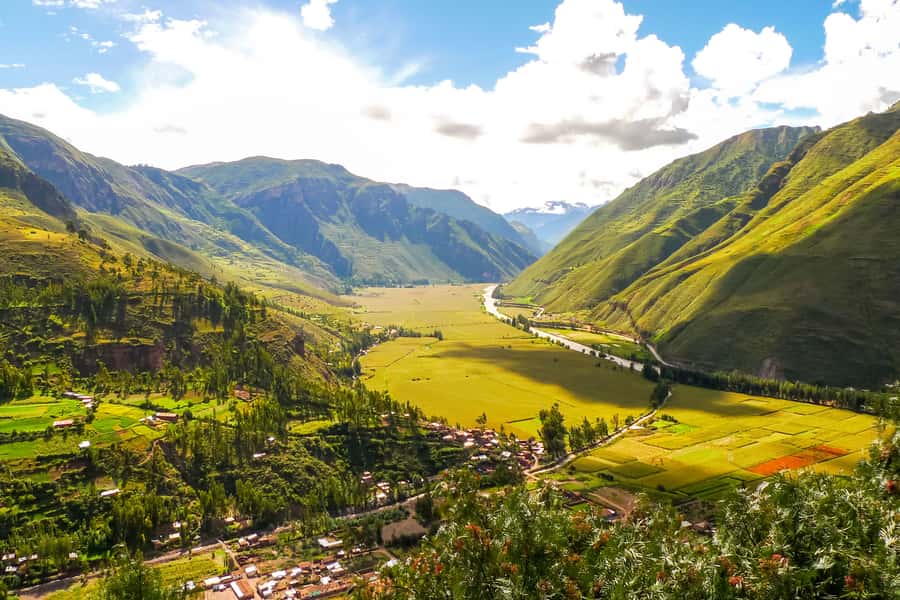
- El Mirador lookout: a quick history-and-view combo before you head down into the valley
- Pisac market: color, local goods, and Inca-era agricultural terracing nearby
- Urubamba buffet lunch: fueling break with time to reset before the afternoon ruins
- Ollantaytambo ruins: Inca construction with religious symbolism tied to Wiracocha
- Chinchero textiles: natural dyes and traditional knitting techniques, plus Quechua culture
Price and Value: Is $45 a Good Deal?
At $45 per person, this is the kind of price that works well if you want a full day of Sacred Valley sights without renting anything or coordinating multiple transfers. You’re paying for the practical stuff too: hotel pickup in Cusco’s historic center, round-trip transport, and a bilingual guide (English/Spanish). For many people, that’s the real value—less hassle, more time actually looking and learning.
One important detail: the touristic ticket is not included (S/70 per person). Also, entrances to ruins are included only if your option covers them. So when you budget, think: base price plus the likely ticket/entry costs. If you’re trying to keep costs predictable, confirm what you’ll pay on the day before you settle in.
You can also read our reviews of more historical tours in Cusco


Morning Pickup From Cusco: When You Should Be Ready
Your day typically starts with pickup from hotels in Cusco’s historic center at around 7:30AM, and you’ll return around 7:00PM. The tour is long, so you’ll want to treat the morning as “be ready early” rather than “everything will start exactly on time.”
A theme worth planning for: the first part of the day can have some waiting. One person noted pickup was later than expected and the group sat for a while before rolling. That doesn’t mean the whole day runs badly—once the driving starts, the pace often becomes smooth—but it does mean you should:
- set an earlier routine than you think you need
- keep water handy
- wear comfortable shoes even before you leave, since you’ll be moving at stops
If you hate schedule uncertainty, this is the main point to consider.
El Mirador: A View That Sets the Story
Before you get deep into ruins and markets, the tour takes you to El Mirador (Lookout Point). This stop is a classic “get your bearings fast” moment: you look out over the Sacred Valley and then your guide connects that landscape to Inca settlement logic.
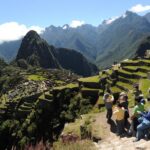
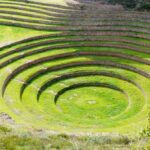
Here’s what makes it more than just a photo stop. The Sacred Valley was attractive to the Incas because of fertile highland plains in the Andes—farmlands where crops could thrive at elevation. From El Mirador, you can often visualize why the Incas focused here. You’ll also see hints of the engineering that followed, like contour terracing and irrigation channels, which show up again later in your day.
Practical tip: this viewpoint can be breezy. Bring a light layer if you tend to get cold easily.
Pisac: Market Energy Meets Inca Stonework
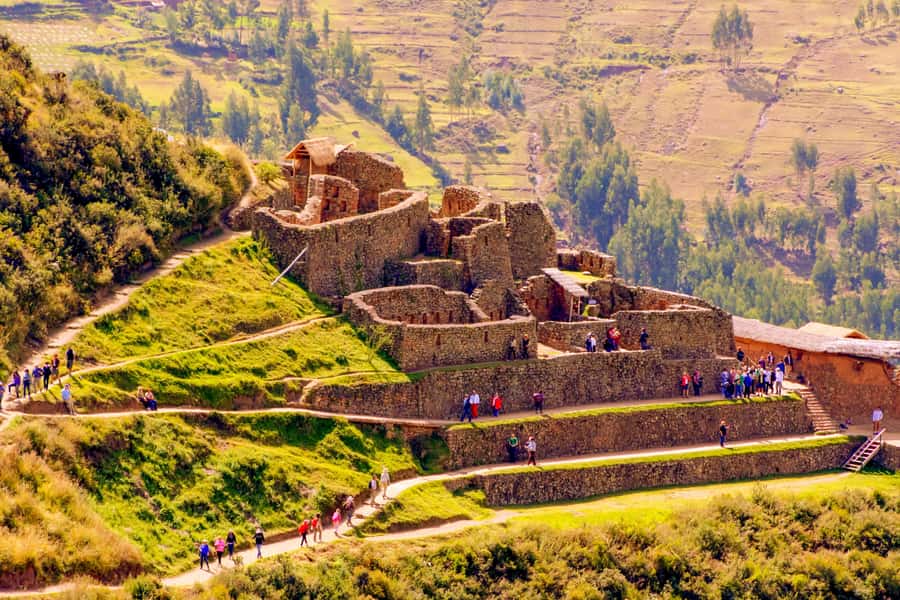
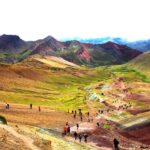
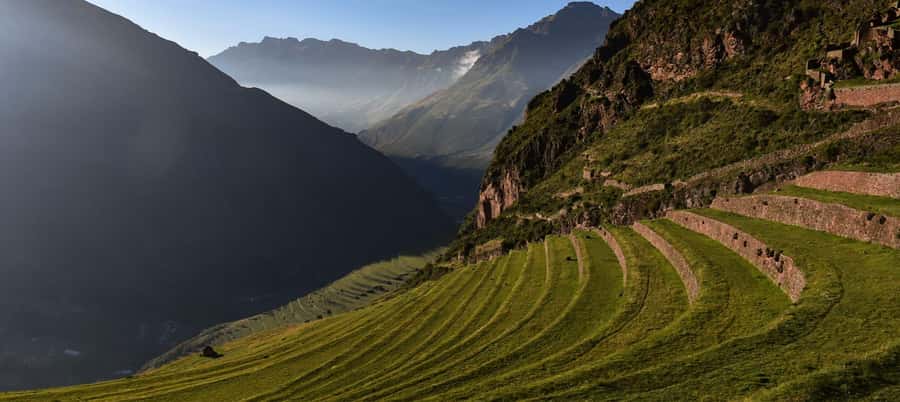
Next comes the ruins of Pisac, with a lot of attention on Inca culture and agriculture. Pisac is one of the best stops for seeing how the past and present sit side by side.
What you’ll enjoy
At Pisac, you get two experiences running in parallel:
- Inca agricultural terraces and stonework in the surrounding site areas
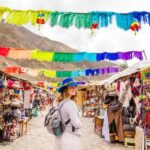
- the colorful Pisac market, where you can watch local life and browse crafts
Even if you’re not shopping, the market is useful for understanding the living culture of the valley. It’s one thing to read about textiles and farming; it’s another to see the goods, the rhythms, and the people who still make this place function.
You can also read our reviews of more tours and experiences in Cusco


What to keep in mind
Market areas can be busy and a bit chaotic. If you want photos without constant foot traffic, aim to keep your camera ready but don’t expect empty scenes. Also, if you’re sensitive to crowds or bargaining intensity, treat this like a browsing window—not a shopping mission.
Urubamba Lunch: Filling the Tank Before the Ruins Run
After Pisac, you’ll drive toward Urubamba, where you stop for a buffet lunch. For many people, lunch is the day’s practical anchor: you refuel before the afternoon ruins and the later cultural stop.
The food can be decent, and the restaurant setting may feel pleasant. One person described the buffet as underwhelming and bland, and another mentioned lunch started later than hoped and ran long, which left them hungry earlier and then seated longer than necessary. Translation: don’t plan your whole afternoon snack schedule around lunch happening right on time.
If you’re the type who gets lightheaded on long days, bring a small snack for the time between stops. Your day is long enough that a tiny safety plan helps.
Ollantaytambo: Inca Architecture With Religious Meaning
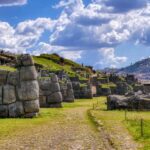
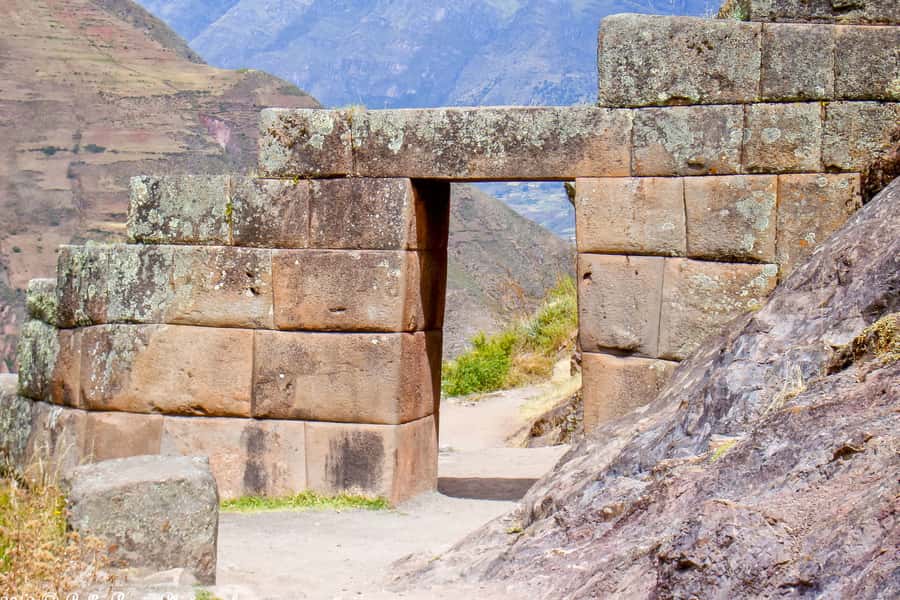
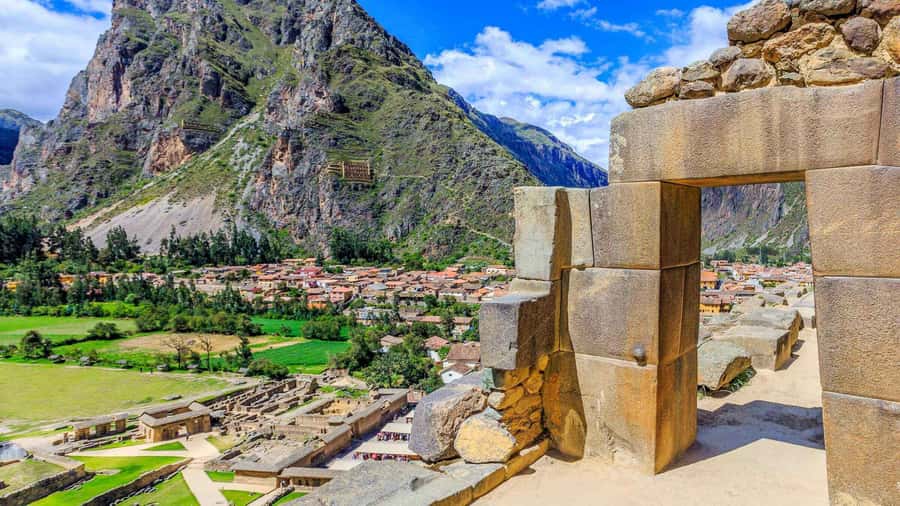
In the afternoon, you’ll head along the Urubamba River to Ollantaytambo, one of the most important Inca construction areas you’ll see that day. This is a stop where stone details matter, and your guide’s explanations can turn “interesting ruins” into “I understand what I’m looking at.”
Why Ollantaytambo feels special
Ollantaytambo isn’t only impressive because of size. It’s described as extraordinary partly because you can find rock formations representing Wiracocha, a key Inca god. That kind of symbolic framing matters: it tells you that these places weren’t built only for defense or storage—they were also tied to belief.
You’ll also walk among structures that show how the Inca made a town out of stone. Even if you don’t catch every detail, the sheer coherence of the construction tends to stick.
Timing and pacing reality
This is a full-day tour, so don’t expect a slow museum pace. You’ll have time to explore, but you’ll likely feel the rhythm: brief orientation from your guide, time to look, then onward. If you love ruins, wear shoes with solid traction—Ollantaytambo terrain can be uneven.
Chinchero: Natural Dyes, Old Customs, and Color You Can See
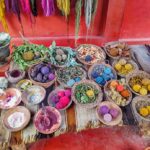
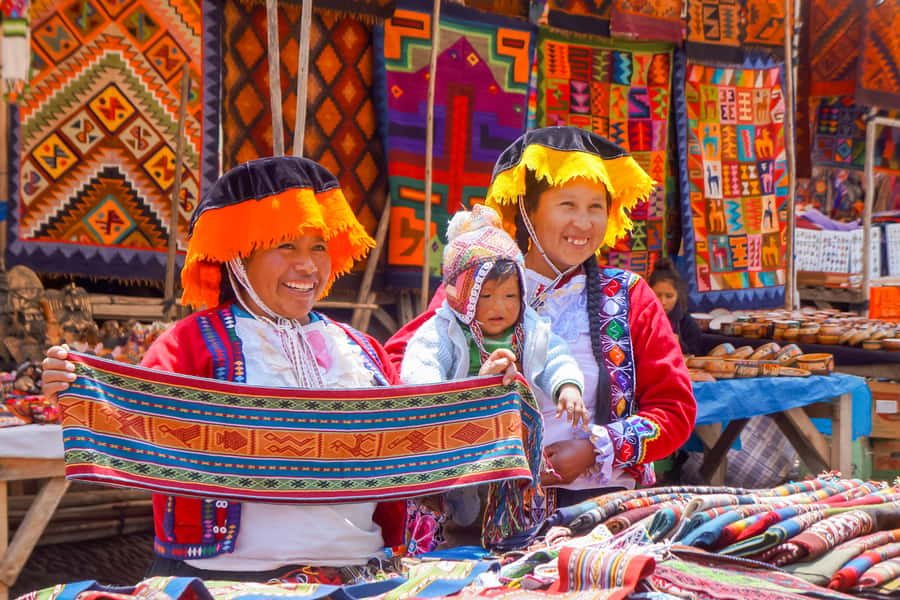
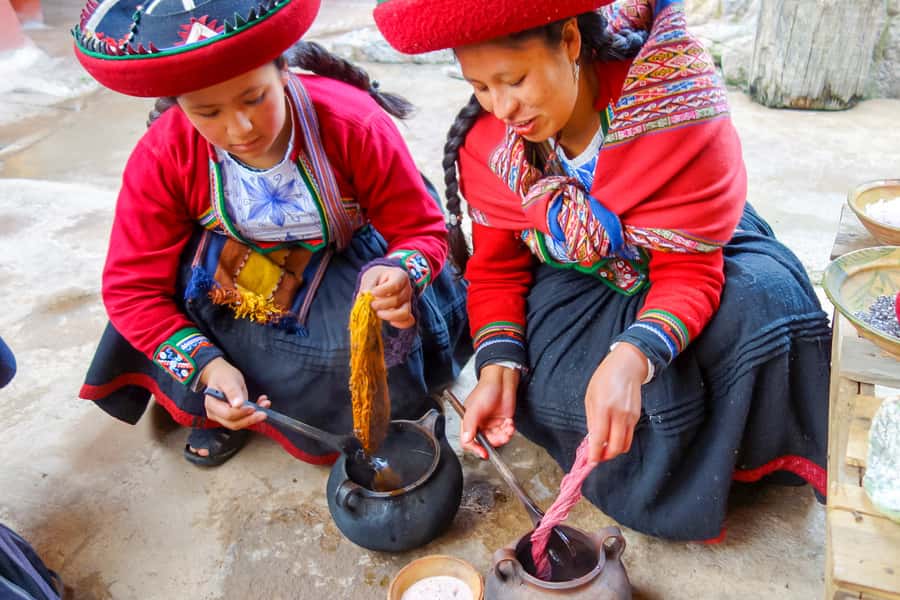
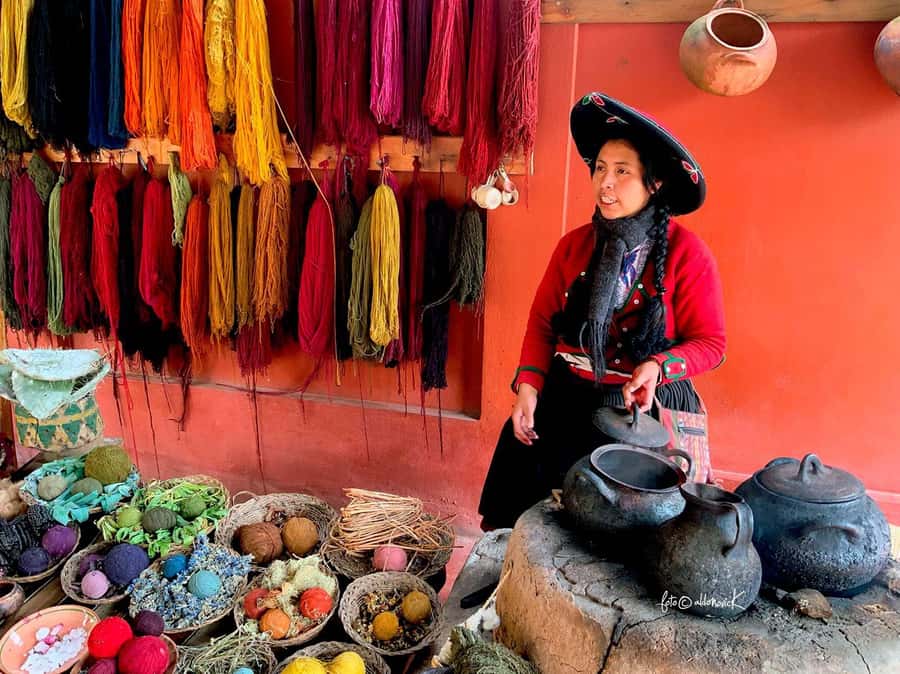
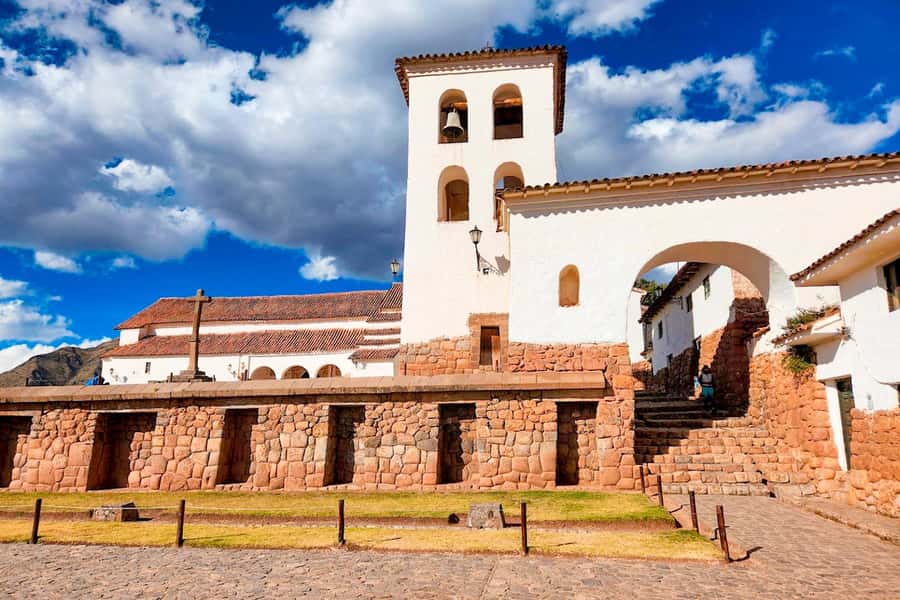
The day ends with Chinchero, known for traditional textile work. This stop is about how natural dyes are made for artisanal textiles, and how dyeing and knitting techniques have been passed down.
This is where the tour turns from stone to craft—and it’s often the most memorable part for people who like everyday culture. You may see local practices tied to alpaca and sheep wool and hear about how Quechua-speaking communities continue older customs.
What makes it more authentic
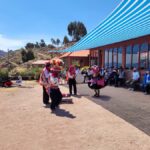
Chinchero isn’t presented as a costume show. You’re seeing people described as living in dwellings and conditions nearly the same as their ancestors and dressing in multicolored clothing. Even if you don’t speak Quechua yourself, you’ll get a sense that this place is still functioning as a community—not just a backdrop.
One practical note from experience: bring cash if you want to buy textiles or small crafts. Even if you don’t plan to shop, having cash makes the day easier.
Guides and the Bilingual Advantage
One of the strongest parts of this tour is the guide. Bilingual interpretation (English/Spanish) means you won’t be stuck guessing what you’re seeing. People have specifically praised guides like Eddy and Manuel for explaining the history of Cusco and its people and for guiding you through each stop with clear context.
That matters because the Sacred Valley can feel like a pile of names unless someone ties them together. When you understand irrigation, terracing, and settlement patterns, the sites become easier to read with your eyes.
Getting the Most Out of a Long Day (Without Burning Out)
This tour is 11 hours, so your comfort strategy is as important as the itinerary. Here’s what I’d do if you want the day to feel rewarding, not exhausting:
- Wear comfortable shoes with grip (you’ll move in multiple locations)
- Bring a light layer for viewpoints and open areas
- Carry a small snack in case the lunch timing runs late or you get hungry before the buffet
- Plan for short walks and uneven terrain at ruins
- If you’re shopping at Pisac or Chinchero, set a budget before you start wandering
You’ll cover a lot of ground. The trick is to decide what you want from the day: big sights, culture learning, or craft browsing. This route supports all three, but you’ll enjoy it more if you pick your priorities.
Who This Tour Suits Best
This Sacred Valley day trip is a strong match if you:
- want one organized day instead of planning multiple legs on your own
- like a guide who gives context, not just directions
- enjoy markets and local craft traditions alongside major ruins
- appreciate a small group pace (up to 15)
It’s also a good option if your broader Peru plans include Machu Picchu. One traveler noted that some people continued on to train connections from Ollantaytambo, so the timing can align with real-life itineraries.
It may be less comfortable if you:
- hate schedule uncertainty at the start (pickup timing can be inconsistent)
- need wheelchair-friendly access (it’s noted as not suitable for wheelchair users)
Should You Book This Cusco Sacred Valley History Tour?
I’d book it if you want a practical, guided day that ties together the Sacred Valley’s why (fertile plains and Inca engineering) with the wow (Pisac terraces, Ollantaytambo stonework, Chinchero textiles). For the money, $45 feels fair—especially because pickup, transport, and bilingual guiding are included.
But I’d think twice if your biggest travel stress trigger is waiting around before the tour begins. If that’s you, go in with flexibility, set your expectations about timing, and focus on the payoff: the learning stops and the culture you can actually see with your own eyes.
FAQ
How long is the Cusco: Full-Day Sacred Valley History Tour?
The tour is listed as 11 hours.
What time does pickup happen in Cusco?
Pickup is included from hotels in the historic center of Cusco, with pickup around 7:30AM.
Is lunch included, and where do you eat?
Yes. You get a buffet lunch in Urubamba as part of the itinerary.
Are entrances and tickets included?
Entrances to ruins are included if you select that option. A touristic ticket is noted as S/70.00 per person and is not included.
What languages are the guides?
The tour includes a bilingual guide in English and Spanish.
Is the tour suitable for wheelchair users?
No, it is not suitable for wheelchair users.
What should I bring?
Bring comfortable shoes, since you’ll walk and move through multiple sites during the day.