REVIEW · CUSCO
From Cusco: Salkantay Trek to Machu Picchu 5D/4N or 4D/3N
Book on GetYourGuide →Operated by MACHU PICCHU JUNGLE · Bookable on GetYourGuide
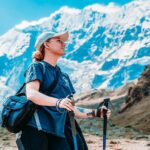
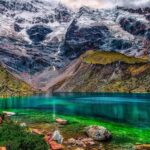
Humantay Lake steals the show fast. This route is a high-altitude trek that ends with a guided Machu Picchu visit, after you earn the views the hard way. I love the Humantay Lake color and the fact that your Machu Picchu time comes with a structured guided tour. The main drawback to plan for is the very early starts and big altitude days, so you’ll want real trekking stamina and proper rain-or-sun gear.
You also get two different lengths—either 4 days/3 nights or 5 days/4 nights—so you can match the trek to your schedule. One key step: confirm which Machu Picchu circuit you’re assigned (2A/2B is the full classic plan; 3B is a lighter stop set; 1B focuses on the upper terrace photo angle).
In This Review
- Key things that make this trek work
- Salkantay Trek to Machu Picchu: what you’re really signing up for
- Price and value: the $50 headline vs the real budget
- Day-by-day: the walk from Humantay to Salkantay Pass to Aguas Calientes
- Day 1: Cusco to Soraypampa, then the hike to Humantay Lake
- Day 2: Soraypampa to Salkantay Pass (4,630 m) and down to camp
- Day 3: rainforest trails to La Playa, then Cocalmayo hot springs
- Day 4: Llactapata viewpoint and the walk down toward Aguas Calientes
- Day 5: Aguas Calientes to Machu Picchu, then back to Cusco
- Machu Picchu circuits: how to choose what you’ll see
- Guides, cooking, and group support that matter on tough days
- Lodging and “carry the right amount” logistics
- What you’ll want to pack (and what people forget)
- Should you add Humantay, hot springs, and Llactapata to your “must-do” list?
- Booking checklist: the parts that can derail Machu Picchu plans
- Who this trek suits best
- Should you book this Salkantay-to-Machu Picchu tour?
Key things that make this trek work
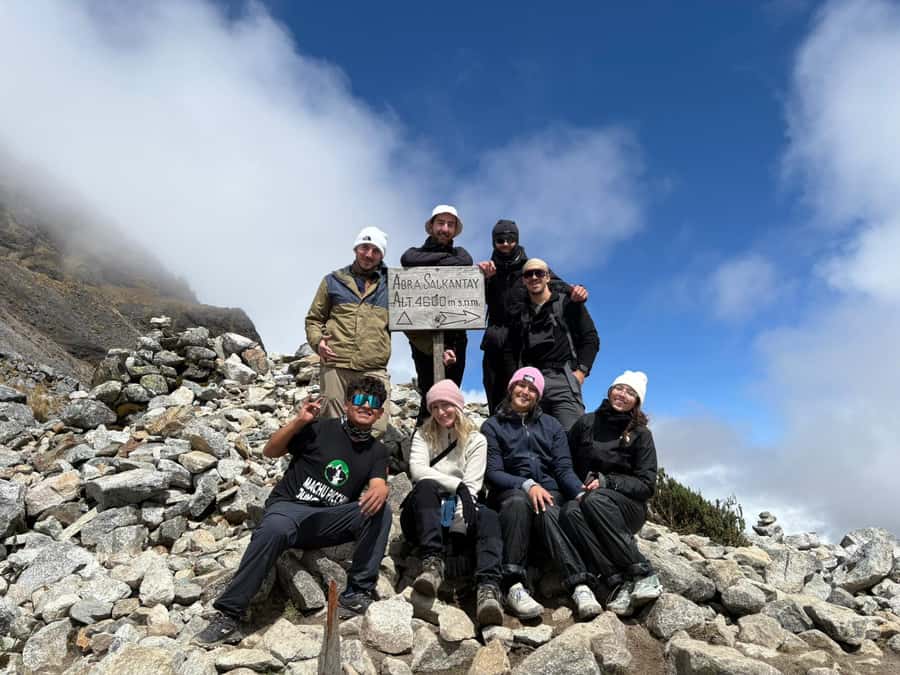
- The Salkantay Pass day is the centerpiece at about 4,630 m, with serious scenery and a big sense of accomplishment.
- Humantay Lake is timed right: you hike up to it and take in the views before continuing toward camp.
- You get guided structure at Machu Picchu with a 2.5-hour guided tour and a circuit choice (2A/2B, 3B, or 1B).
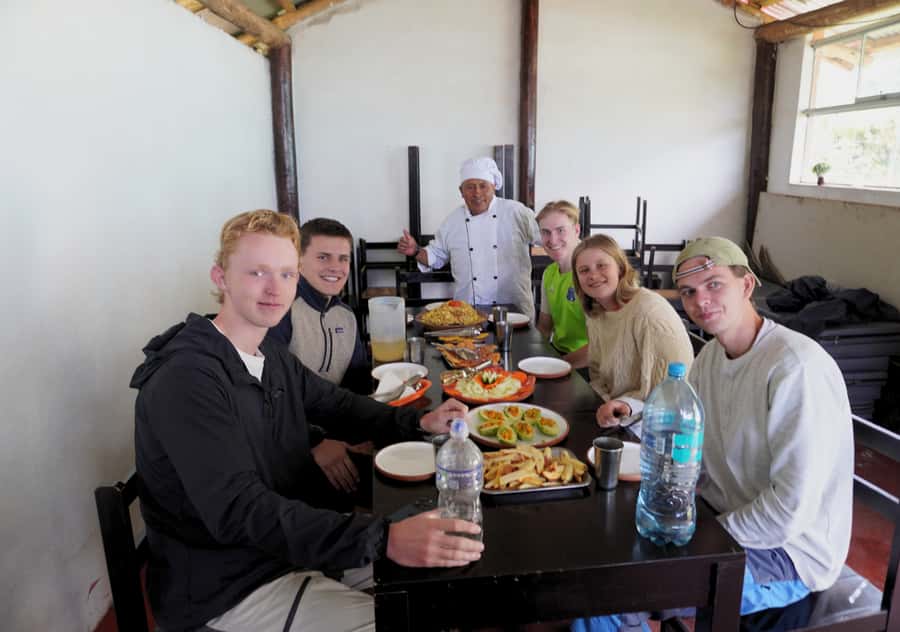
- Food and comfort are handled for you: a professional chef cooks with a real setup, plus regular tea breaks and coca tea each morning.
- Hot springs and rainforest detours happen: Cocalmayo hot springs and a Santa Teresa rainforest segment with bridges, waterfalls, and fruit plantations.
- You travel with limited carry: the trip includes a duffle bag system (up to 6 kilos) plus a horse to carry that load and cooking equipment.
Salkantay Trek to Machu Picchu: what you’re really signing up for
This is not a drive-by sightseeing day. You’re trekking from the Cusco region into the high Andes, then shifting gears into lower terrain with rainforest walking and waterfalls. The point is the contrast: thin air and steep climbs early on, then more greenery and recovery time before the big finish at Machu Picchu.
I like that the tour keeps the day plan clear and supported. You’re not expected to figure out food, camps, or the flow of the hike on your own. And you’re not left guessing how Machu Picchu will be handled once you arrive in Aguas Calientes.
You’ll get a real sense of how the Inca landscape connects: high passes, Inca-linked trail segments, and the final reveal at Machu Picchu. It’s “slow travel” in the truest way—one long day at a time.
You can also read our reviews of more hiking tours in Cusco

Price and value: the $50 headline vs the real budget
The listed price is $50 per person, but Machu Picchu isn’t the only cost you should plan for. The package includes the Machu Picchu entrance reservation process (you pay the government ticket price later at the briefing), but several extra items are not included.
Here’s what you should expect to potentially add:
- Machu Picchu-related fees: bus up and bus down from Aguas Calientes are not included (priced separately).
- Humantay entrance: there’s a specific entrance fee for Humantay.
- Gear rentals: sleeping bag and trekking poles are available for rent, but not included automatically.
So, is it good value? Usually, yes—because the trip handles a lot of the “infrastructure pain.” You get guide support, chef-cooked meals, camp arrangements (cabins), and transportation to the trail start. If you already own poles and a sleeping bag, and you’re organized with your Machu Picchu ticket plan, the overall value tends to hold up well.
Day-by-day: the walk from Humantay to Salkantay Pass to Aguas Calientes
Day 1: Cusco to Soraypampa, then the hike to Humantay Lake
Your day begins with an early pickup at 4:30 a.m. After that, you get a scenic drive of about 3 hours to the trailhead area. Once you’ve eaten breakfast, you start hiking toward Soraypampa (around 3,800 m).
From there, the rhythm is steady: about 3 hours to Soraypampa, then lunch, then another 2 hours toward Humantay Lake (around 4,200 m). The lake part is the payoff—views that feel unreal even when your legs are already tired.
Finally, you continue for about 2 more hours to the campsite, where dinner happens in camp and you can actually enjoy the night sky. This is also the day to take acclimatization seriously. Don’t force speed; focus on controlled effort.
Day 2: Soraypampa to Salkantay Pass (4,630 m) and down to camp
Day two wakes you with coffee or coca tea, then you start climbing again. The hike to the highest point is around 3 hours to Salkantay Pass (about 4,630 m), which is the big altitude moment of the whole trek.
After reaching the pass, you get views that make the climb feel worth it. There’s also time for a nearby lake visit, then you begin the descent, about 3 hours down to Wayracmachay for lunch.
Then it’s more descent through changing conditions. You’ll walk roughly 3 hours to reach camp around Chayllay or Collpapampa (about 2,770 m) near a local village. This day is where pace matters. Going too fast up top can mess with your energy for the long downhill.
Day 3: rainforest trails to La Playa, then Cocalmayo hot springs
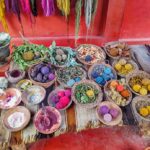
This is where the trek changes character. After breakfast, you walk through the rainforest zone near Santa Teresa, crossing wooden bridges and passing waterfalls. You’ll also see plantations along the way—bananas, passion fruit, and avocados are specifically part of this segment.
You’ll reach La Playa, where lunch is a buffet. Then the group splits in a subtle way: people on a shorter version of the trek say goodbye here, while the longer walkers continue.
In the afternoon, you’ll have options, including a visit to Cocalmayo hot springs (or simply resting at camp). Hot springs aren’t just a fun add-on. They’re a smart recovery tool after two days of climbing and high-altitude strain. You finish with dinner and a group bonfire before heading back to your room.
Day 4: Llactapata viewpoint and the walk down toward Aguas Calientes
If Day 2 is altitude effort, Day 4 is “big picture” walking. You follow part of the original Inca Trail and after about 2 hours of climb, you reach Llactapata (around 2,700 m).
Llactapata matters because it gives you an archaeological stop that looks down over Machu Picchu. It’s like a preview that adds meaning to the final day. After visiting, you descend again—about 2 hours—to Hidroeléctrica, where lunch happens.
Then you walk on toward Aguas Calientes, check into your accommodation, and have dinner with the group (scheduled for 7:00 p.m.). This is the day to keep your evenings calm. You want a rested body for the Machu Picchu morning.
Day 5: Aguas Calientes to Machu Picchu, then back to Cusco
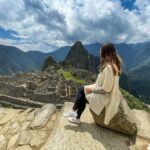
Machu Picchu day starts early. After breakfast, you climb stairs for about 1 hour to the main gate and typically arrive around 6:30 a.m. This early arrival is one of the biggest “practical advantages” of organized treks: you’re in place early for the guided portion.
You then get a 2.5-hour guided tour of Machu Picchu based on your assigned circuit. After the tour, you descend and return according to your reservation plan.
If you go back by car, transportation covers the route back to Cusco with return times set between 6:00 a.m. and 9:00 a.m. If you go back by train, you choose your train time, then take a local car from Ollantaytambo back toward Cusco.
Machu Picchu circuits: how to choose what you’ll see
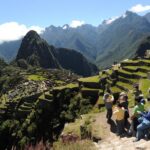
This trek includes a guided Machu Picchu visit, but the circuit determines your “shape of the visit.” Before you reserve, you should check the available circuit options, because that affects what parts of the site you’ll cover.
Here’s what each circuit means in plain terms:
- Circuit 2A or 2B: the full visit plan, and it’s the most popular option.
- Circuit 3B: a lower stop plus a middle viewpoint and sacred temples.
- Circuit 1B: the upper terrace option, focused on the classic photo angle.
If you’re the type who wants maximum coverage and flexibility, 2A/2B is usually the best match. If you’re aiming for fewer steps and more targeted sights, 3B or 1B may fit better. Either way, the guided tour helps you move with less confusion once you’re inside the site.
Guides, cooking, and group support that matter on tough days
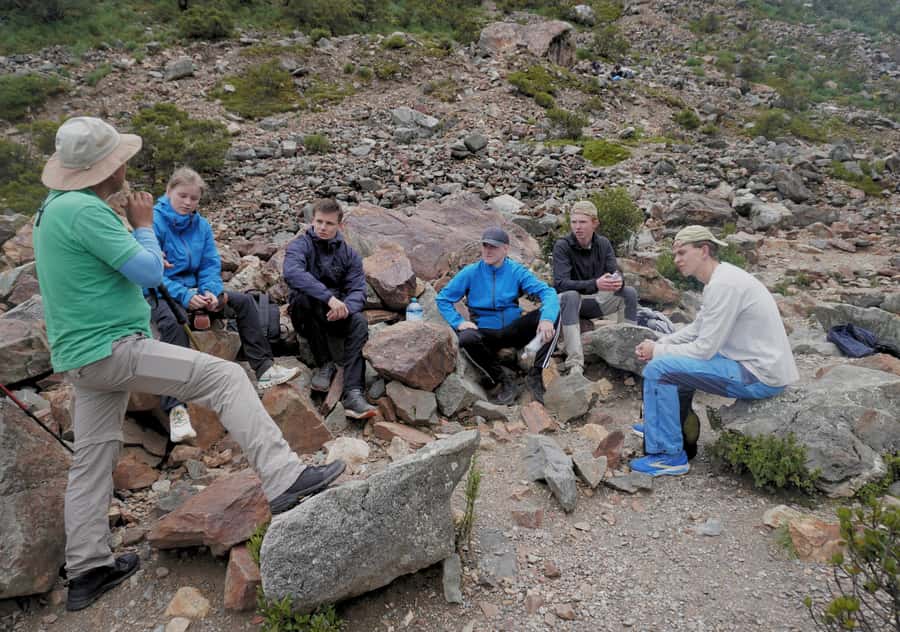
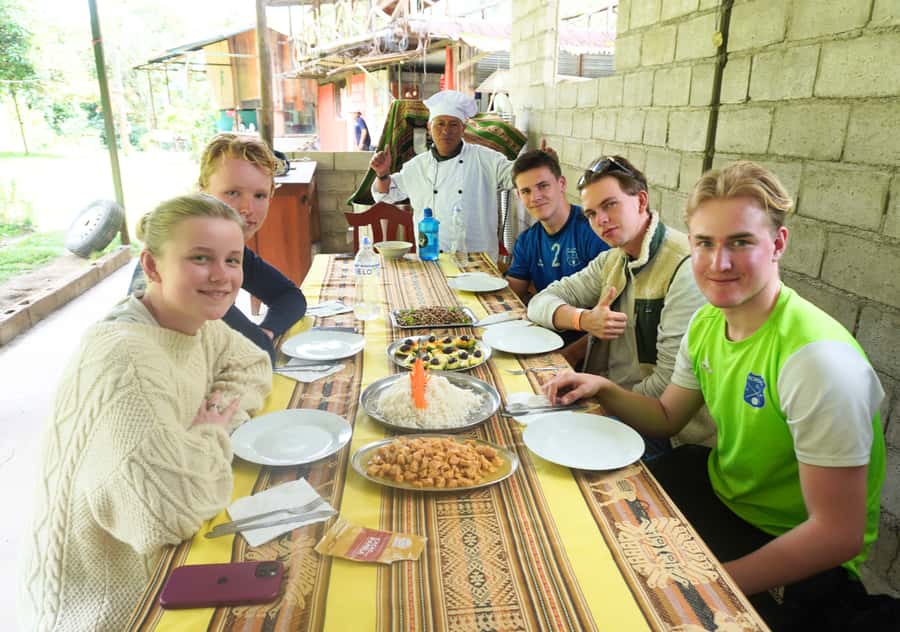
The tour runs with an English/Spanish speaking professional guide, and that support is a big deal when you’re tired and altitude is involved. You’ll also benefit from having a chef and cooking equipment, not just simple trail snacks.
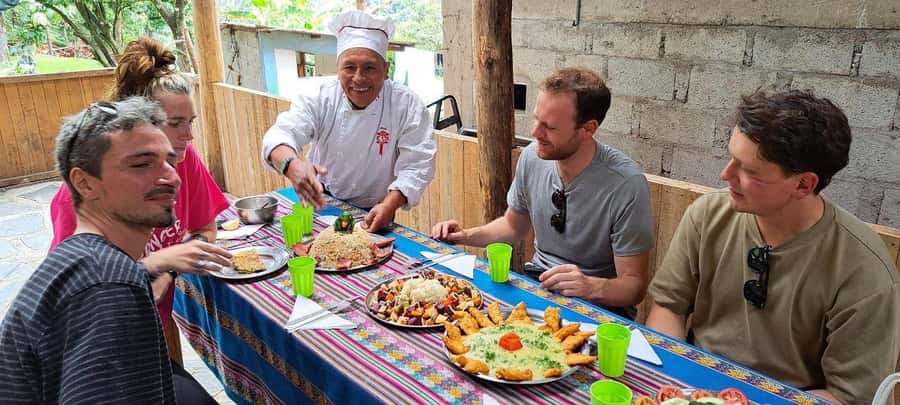
In one recent group, the care was specifically praised: a guide named Fernandez for steady help, Edgar for tasty and healthy meals, and Eulogio for being quick to assist. Even if the exact staff changes, the structure is the same: you get a team that handles meals, timing, and practical help during the walk.
You’ll also have tea time each afternoon—popcorn, cookies, chocolate, and coffee are included. Then mornings at camp come with coca tea to wake up. That’s small on paper, but on the trail it’s real morale management.
Lodging and “carry the right amount” logistics
You’ll spend nights in cabins for the trekking portion—3 nights in cabins for the 5-day version, and 2 nights in cabins for the 4-day version. Then there’s 1 night in a hotel in Aguas Calientes.
One practical feature I really like: you’re not carrying everything. The package includes a duffle bag system (up to 6 kilos) and a horse to carry those items plus the cooking equipment. That keeps your personal load lighter, which helps a lot when the days include both climbs and long descents.
If you’re traveling light, you’ll be happier. Pack for mountain weather changes: sun one hour, cold wind the next, rain possible at any time.
What you’ll want to pack (and what people forget)
You don’t need luxury. You need function. Bring:
- Passport (you’ll need it urgently for reservations)
- Comfortable shoes that work on uneven trail
- Hat and sunscreen
- Camera
- Water
- Rain gear
- Comfortable clothes
- If you don’t own them, plan to rent a sleeping bag and trekking poles
A lot of discomfort on treks comes from the small stuff: wet socks, no rain layer, or boots that haven’t been broken in. Since this route includes high points and rainforest walking, it’s worth being prepared for both cold and damp.
Should you add Humantay, hot springs, and Llactapata to your “must-do” list?
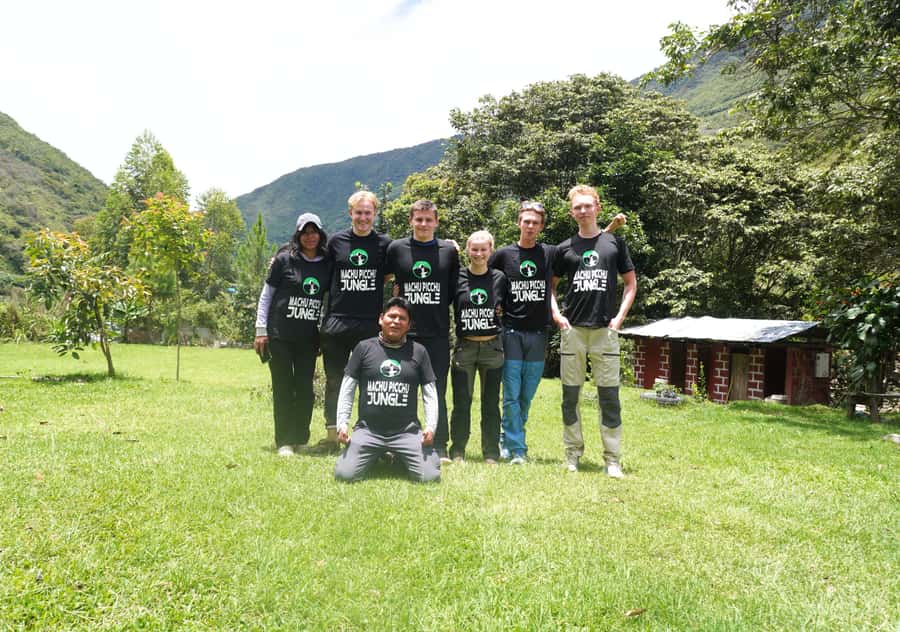
These stops aren’t filler. Each one plays a different role:
- Humantay Lake is your early “earned reward,” and it helps you understand why the route starts the way it does.
- Cocalmayo hot springs are a recovery tool as much as a fun detour. After high-altitude stress and long walking, soaking can make the next day feel less brutal.
- Llactapata gives you an archaeological preview of Machu Picchu. It turns the final arrival into something more than just seeing a landmark.
If you like variety, this trek works because it’s not one mood for five days. It’s altitude, then rainforest, then an archaeological crescendo.
Booking checklist: the parts that can derail Machu Picchu plans
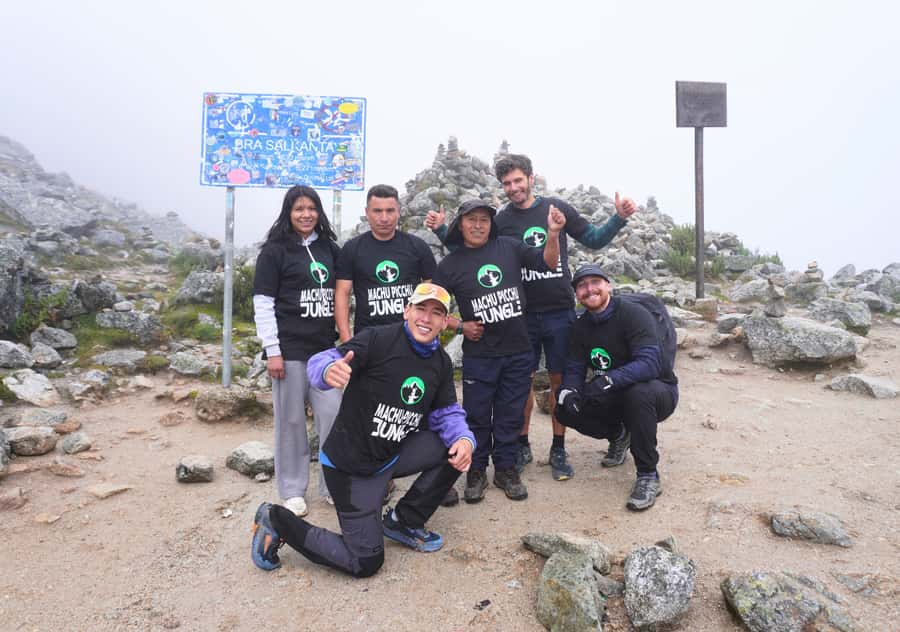
Machu Picchu entry is handled through a reservation process, but you still need to act fast. You’re required to send your passport so the reservations can be processed. Also, confirm the availability of your ticket during the briefing and plan for the possibility of purchasing in Aguas Calientes if tickets aren’t available through the government website.
A key practical tip: book 2 to 4 months ahead if you can. Machu Picchu tickets are limited, and you don’t want a late scramble while you’re already in Peru.
Who this trek suits best
This trek fits best if you:
- Want a walking route with real variety (high pass, rainforest, hot springs)
- Are comfortable with early starts and altitude climbing
- Prefer a structured group setup with a guide, meals, and camps handled for you
- Want Machu Picchu with a guided visit rather than self-navigating your first time in
If you’re dealing with serious altitude concerns or you’re not ready for strenuous hiking days, you should think carefully and talk it through with your clinician before committing.
Should you book this Salkantay-to-Machu Picchu tour?
Book it if you want the classic Salkantay experience with support: a guide-led Machu Picchu visit, cabin-style overnight comfort during the trek, chef-cooked meals, and recovery breaks like hot springs. I also think it’s a strong value when you account for what’s included: transport to the start, camp operations, and structured timing to Machu Picchu.
Skip it (or at least pause) if your schedule is too tight for ticket timing, or if you know you can’t handle early mornings and altitude days. This trek rewards people who plan, pack smart, and keep a steady pace.
If you’re organized about your Machu Picchu circuit choice and you’re ready for the 4:30 a.m. start, this is one of the most satisfying ways to reach Machu Picchu on foot from Cusco.