REVIEW · CUSCO
Manu Adventure (4 Days)
Book on Viator →Operated by Palotoa Amazon Travel · Bookable on Viator
Bird calls start early, and you feel it. This Manu National Park trip runs from the Andes down into the Amazon, with a naturalist guide helping you spot animals you’d never notice on your own. I love that it builds in real time for both birding and forest hiking, not just a quick photo stop.
What I especially like is the mix of daytime wandering and the after-dark part of the jungle. You do night walks, with a chance to look for nocturnal creatures like caiman eyes, and you get hands-on jungle moments like hot springs at Aguas Calientes.
One possible drawback: the days are long and you’ll do walking on trails (plus an early 6:00 am start), so this is best if you have moderate physical fitness and don’t mind getting a bit muddy.
In This Review
- Key takeaways before you go
- Manu in four days: why this route makes sense
- Cusco departure at 6:00 am: Huancarani, Paucartambo, and Tres Cruces
- San Pedro for Peru’s national bird: Cock of the Rock hunting (the smart kind)
- Atalaya to Aguas Calientes: river travel and natural hot springs
- Night walks: how the jungle looks when the sun is gone
- Day 3 jungle trails: monkeys, collared peccaries, eagles, parrots, toucans
- Day 4: early boat back, then Cusco in the evening
- Price and value: what $1,000 really covers
- Guides and support that affect your actual sightings
- What to pack (and what to prioritize)
- Who this Manu Adventure is best for
- Should you book Manu Adventure (4 Days)?
- FAQ
- What time does the tour start?
- How long is the Manu Adventure tour?
- Is pickup included?
- What’s the maximum group size?
- Is this tour physically demanding?
- Are admission tickets included?
- Is the experience refundable?
Key takeaways before you go
- Manu National Park UNESCO access plus cloud-forest zones, so the scenery and wildlife change fast across four days
- San Pedro trail for the Cock of the Rock (Peru’s national bird), plus monkeys and orchids
- Boat rides to Aguas Calientes, with time to bathe in natural hot springs
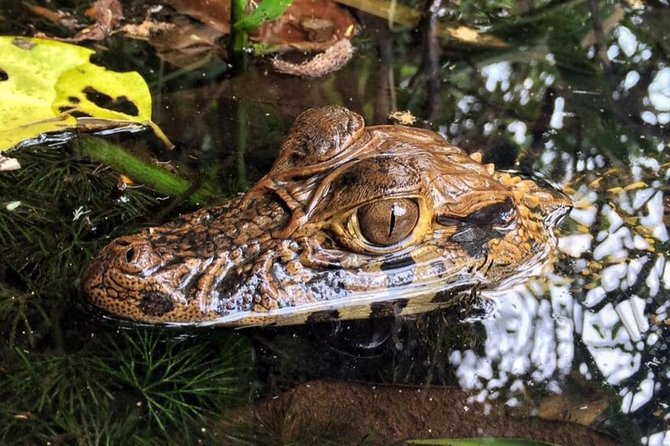
- Night walks with caiman-eye searching and other nocturnal wildlife opportunities
- Small group cap (10 travelers), which helps you keep up with your guide and see more
- Eco-lodge nights in the forest, including Paradise Lodge and R.E. Amazon
Manu in four days: why this route makes sense
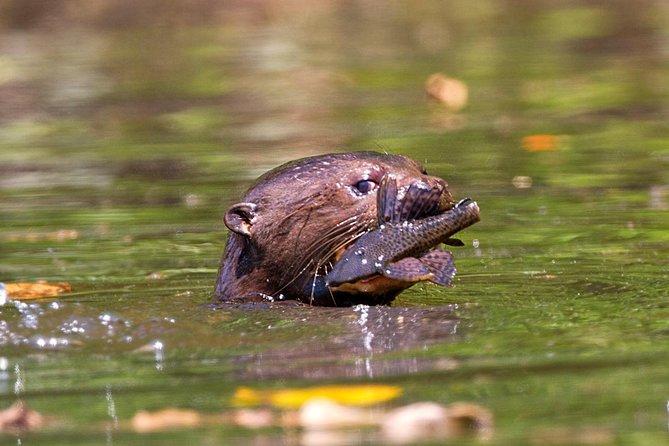
Manu is one of those places where the rainforest feels like it’s running on a different clock. The big win of this tour is that you don’t just “arrive and leave.” You spread the experience over four days, so you get morning light for birds, full-day jungle trails for mammals and plants, and evening darkness for nocturnal life.
You also get a noticeable mix of environments. The drive includes higher Andean towns and the cloud forest edge, then you drop into the Amazon basin style of travel—boats, river bends, and rainforest lodges. That matters because wildlife shifts with altitude, temperature, and time of day.
And you’re not stuck staring at the jungle from one spot. You’ll walk multiple trails (including a one-hour walk from San Pedro), ride boats where birds pop up constantly, and follow guides who know where to focus. The tour’s small size (up to 10 people) helps too, since it’s easier to keep track of everyone on narrow paths and in boat lines.
You can also read our reviews of more tours and experiences in Cusco

Cusco departure at 6:00 am: Huancarani, Paucartambo, and Tres Cruces
Day 1 starts early in Cusco, with pickup offered and the meeting time set for 6:00 am. From there, you move by private bus through mountain terrain, with breaks that keep you functional for the rest of the day. A breakfast stop is built in at Huancarani, which is a lifesaver when you’re leaving Cusco before most coffee has even kicked in.
You’ll also pass through the town of Paucartambo, where you take a short walk around the area. It’s not long, but it gives you a human pulse—local life and streets—before the natural world takes over.
Then comes Tres Cruces, the entrance to the Cultural Zone of Manu and the cloud forest. This is the stage where the air feels different, and your guide can start pointing out plants and habitat changes that set up what you’ll see later in deeper rainforest.
San Pedro for Peru’s national bird: Cock of the Rock hunting (the smart kind)
The highlight of Day 1 is the walk from San Pedro, roughly one hour of hiking to observe the Cock of the Rock—Peru’s national bird—along with monkeys and orchids. This is a very “Manu” moment: you’re not just visiting a park sign, you’re in the habitat where the wildlife actually makes its living.
A key practical point: birding in the cloud-forest edge works best when you stay focused and quiet. You’ll want closed-toe shoes, long sleeves if you get sunburn easily, and patience for the slow payoff. The value here is that your guide is helping you read behavior—where birds call from, how they move, and when to stop and look.
You’ll finish the day at Paradise Lodge in the evening. After a full day of transit plus a trail walk, that lodge time matters. It’s not just “sleep somewhere”—it’s your first taste of eco-lodge comfort after hours moving toward the Amazon.
Atalaya to Aguas Calientes: river travel and natural hot springs
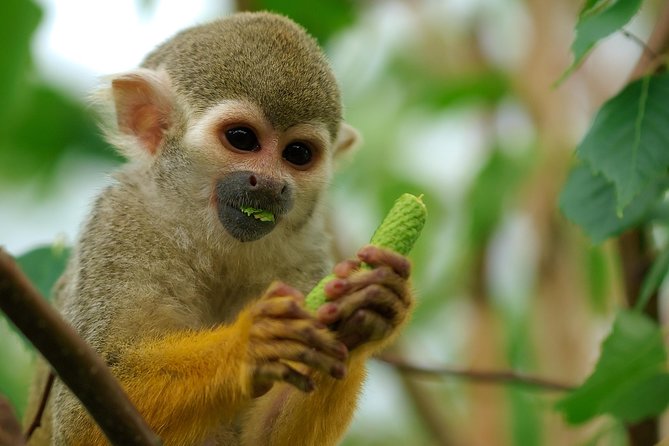
Day 2 is a classic shift: private bus to Atalaya, then motorized boat down the river. On the way, you stop at a coca plantation and at a viewpoint where you can get an overview of the jungle and the river. Those pauses help break up the travel fatigue and give you a better sense of where the river system sits in the bigger Manu region.
At Atalaya, you get onto a boat to Aguas Calientes, and you’ll have time to bathe in the natural hot springs. This is one of those practical pleasures that makes the whole trip feel more humane. After days of humid air and trail walking, the warmth is a reset button.
During the boat trip, you’re watching for animals—especially birds—and the scenery keeps changing as you move along the waterway. This is also when you’ll start appreciating why Manu is so highly valued for wildlife viewing. Birds show up often from the river edge, and you get repeated chances to spot them without hiking uphill every hour.
In the afternoon you head to R.E. Amazon, then you go out at night for a walk to observe nocturnal creatures. That timing is important: after dinner and once it’s dark, the forest switches gears.
Night walks: how the jungle looks when the sun is gone
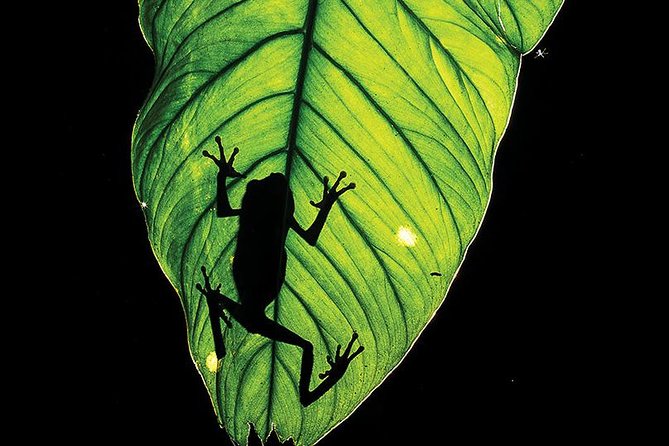
Night in the rainforest isn’t just “dark.” It’s a different kind of activity—different animals, different sounds, and different movement. On this tour, the night-walk concept shows up on Day 2 and Day 3, which gives you more than one shot at nocturnal sightings.
Day 2 includes a night walk to observe nocturnal creatures from the lodge area and surrounding forest. Day 3 goes further. After dinner and darkness, the plan is to search for caiman eyes—a small detail on paper, but a big deal in reality because it’s exactly the kind of “this is why I came” moment that only happens in the Amazon after hours.
From the guide-side, the best experience comes when you follow directions quickly—stay close, keep your light discipline, and be ready to freeze when something moves. If you’re coming from a city mindset, this can feel awkward for the first few minutes. Then it clicks, and you realize how much the jungle communicates with motion, calls, and stillness.
Day 3 jungle trails: monkeys, collared peccaries, eagles, parrots, toucans
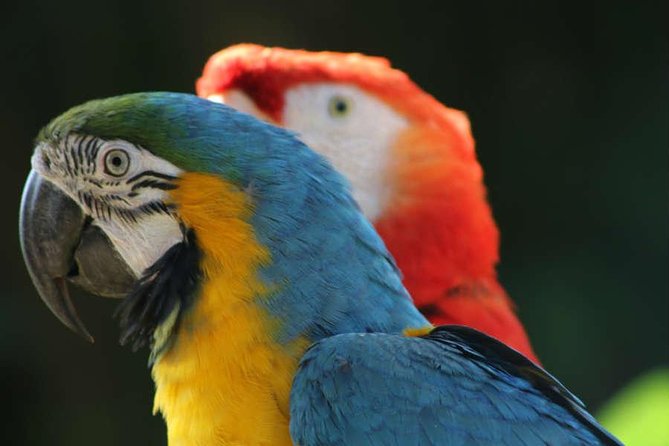
Day 3 is your big walking day in deeper jungle conditions. You’ll explore using a vast trail system with a small day pack that carries lunch. That setup is smart because it means you’re not doing the “stop every 10 minutes” style tour. You can settle into a slower rhythm and still eat when you need to.
Expect a mix of wildlife types. The plan includes monkeys and collared peccaries, plus birds like eagles, parrots, and toucans. There’s also time for plant-focused learning—medicinal plants and giant trees—so you’re not only chasing animals. You’re understanding the living system that supports them.
The day also mentions possible time to swim and fish. That’s optional based on conditions, but it’s a reminder that Manu isn’t only a viewing experience. When it’s safe and appropriate, you get chances to experience the water and shoreline edges too.
After dark, the caiman-eye search returns, and then you sleep again in a comfortable lodge. Having two nights in this environment (instead of just one) increases your odds of seeing more behavior, not just more species.
Day 4: early boat back, then Cusco in the evening
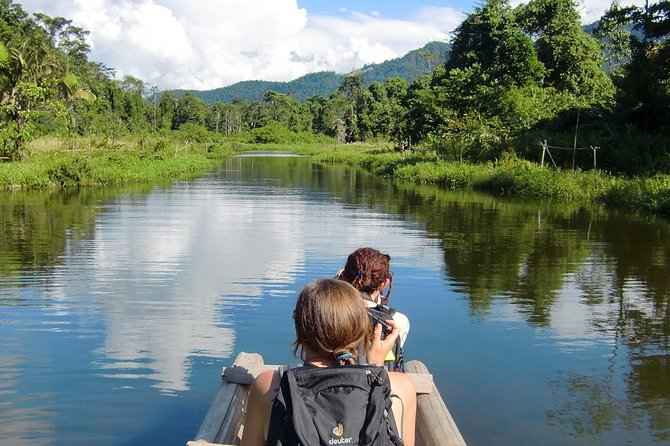
Day 4 starts very early so you can return by boat to Atalaya. Then a private bus is waiting for the drive back to Cusco. This is the “wrap it up” day, and it’s built around timing—getting you out before the day’s conditions change too much.
You’ll arrive in Cusco in the evening, which works well if you still want to spend some time resting, eating well, and cleaning up after a few days in the Amazon. The overall flow matters here: you end where you began, and you don’t feel stranded between river time and city time.
It also helps you avoid a common problem with jungle tours—missing the last chance to adjust for jet lag or altitude changes from Cusco. You’re back before the next day starts, so you can manage the crash and recover without rushing.
Price and value: what $1,000 really covers
$1,000 per person is not cheap, but it can be reasonable for a four-day trip into Manu when you look at what’s included and what’s not easy to replicate.
First, you’re paying for transportation that matches the region: private bus segments, plus motorized boat travel, plus local lodge stays. That’s a big part of why these trips cost more than a day trip.
Second, each day includes an admission ticket. If you’ve done Peru’s national parks before, you know entrance fees add up fast, and the time spent on a proper guided route is part of the price, not an add-on.
Third, the small group size (up to 10) is a value multiplier. It’s easier to keep quiet for birds, keep track of everyone on trails, and get attention from your guide.
Finally, the tour includes a mix of “soft learning” and “hard sightings.” You’re not only looking for animals. You’re also learning about plants and how medicinal species fit into life in the region. That helps justify the cost for people who don’t want a pure photo safari.
One financial warning in plain language: the experience is non-refundable and cannot be changed for any reason. So only book if your dates are solid.
Guides and support that affect your actual sightings
The success of wildlife tours often comes down to the guide’s eye and local instincts. In this case, you may be with local naturalist guides such as Abel or Jack, who are specifically praised for wildlife and flora/fauna spotting. There are also mentions of support staff like Raul coordinating during the trip and Gladis responding quickly during the planning stage.
What you should take from that: this is the kind of route where your guide’s focus changes your day. A good guide helps you pause at the right moment, scan the right height (ground level for mammals, mid-level for birds, canopy-edge behaviors), and interpret plant signals that tell you what animals might be nearby.
Also, since the group is small, you get more chances to ask quick questions while you’re stopped—especially during the plant and culture moments along the way.
What to pack (and what to prioritize)
You’re in the Amazon, but you’re also starting from Cusco. That means you’ll want gear for humidity, mud, and early mornings.
Priorities that make sense for this exact tour style:
- Closed-toe shoes for forest trails and wet footing
- A light rain layer (even if the forecast looks calm)
- Bug protection you actually trust
- A small day bag for lunch and essentials on Day 3
- A flashlight/headlamp for night-walk situations (use it as instructed)
For comfort, think about warm layers for early hours and cool water time near the hot springs. The plan includes bathing in natural hot springs and possible swimming, so you’ll be grateful you packed a spare change of clothes.
Finally, if you eat vegetarian, it’s worth checking directly. There’s at least one mention of vegetarian meal options being handled well by the cook on a similar Manu trip experience. Don’t wait until you’re in the lodge—ask ahead.
Who this Manu Adventure is best for
This is a strong fit if you want a guided Amazon experience that mixes wildlife, plant learning, and eco-lodge comfort—without rushing every hour. The four days help you see the forest from multiple angles: day trails, boat travel, and night walks.
It’s also a good option if you’re coming to Peru mainly for nature, and you like structure. You’ve got clear timing: an early start from Cusco, boat days, and two separate night opportunities for nocturnal sightings.
If you’re someone who dislikes early mornings, long bus rides, or moderate trail walking, you might find the schedule challenging. This tour calls for moderate physical fitness, so pace yourself and plan on walking days being real walking.
Should you book Manu Adventure (4 Days)?
Book it if you want the most “worth it” version of Manu: real time in Manu National Park, multiple ways to see wildlife, and two chances to experience the forest after dark. The Cock of the Rock-focused walk, the hot springs in Aguas Calientes, and the caiman-eye search are the kinds of highlights that don’t feel like checkboxes.
Don’t book it if your dates aren’t locked in, because the trip is non-refundable and can’t be changed. Also skip it if you know you can’t handle early starts and forest trail walking.
If you like a small group, you enjoy learning beyond photos, and you’re ready for the Amazon to run your schedule for four days, this tour is a solid choice.
FAQ
What time does the tour start?
The meeting time is 6:00 am.
How long is the Manu Adventure tour?
It lasts about 4 days.
Is pickup included?
Pickup is offered.
What’s the maximum group size?
The tour has a maximum of 10 travelers.
Is this tour physically demanding?
It’s described as suitable for travelers with moderate physical fitness.
Are admission tickets included?
Yes, admission tickets are included during the tour.
Is the experience refundable?
No. The experience is non-refundable and cannot be changed for any reason.