REVIEW · CUSCO
Sacred Valley: Chinchero, Maras, Moray, Ollantaytambo Private or Small-Group
Book on Viator →Operated by Visit South America · Bookable on Viator
Salt, stone, and Inca math in one day. This Sacred Valley day wraps big sights into a logical route, starting with Chinchero textiles and moving through Moray and the Maras salt pools before finishing at the dramatic stone terraces of Ollantaytambo. I like that you’re not just staring at ruins—you’re getting context as you go, with a guide who keeps the story moving.
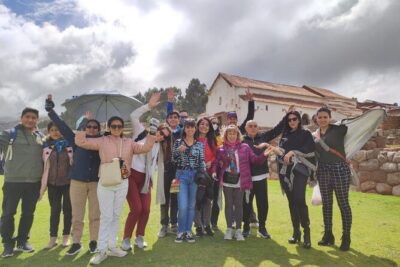
My second favorite part is the human touch from the guide and driver. In the feedback, guides like Noe and Guillermo get called out for clear explanations and for taking time with photos, plus helping when people need extra support on uneven ground. With a small-group setup, you’re less likely to feel like a number in a bus line.
One thing to consider: it’s a long day with a lot of driving, and the entrance fees are not included. If you’re trying to squeeze this in perfectly, plan for extra time and budget for sites and lunch stops.
In This Review
- Key Things I’d Watch For
- Chasing the Sacred Valley Circuit: What the Day Feels Like
- Chinchero’s Textiles: More Than a Quick Craft Stop
- Moray: The Inca’s Temperature Testing Site (and Why It Matters)
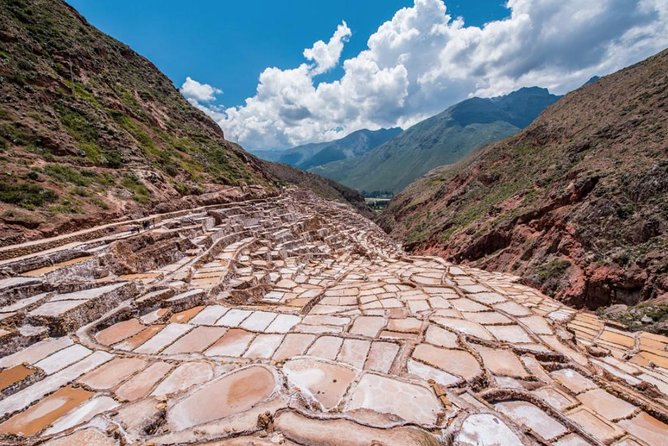
- Salinas de Maras: 3,000 Salt Pools on a Mountainside
- Ollantaytambo: Temple of the Sun, Manyaraqui Square, and Stone Terraces
- Transfers, Timing, and the Small-Group Advantage
- Price and What You’re Really Paying For
- Lunch, Photos, and Comfort: The Stuff That Makes the Day Work
- Who Should Book This Sacred Valley Route
- Should You Book This Tour?
- FAQ
- How long is the Sacred Valley tour?
- Is this tour private or small-group?
- What time does the tour pick you up?
- What are the main stops?
- Are entrance fees included in the price?
- Is lunch included?
- What’s included besides the tour sites?
- What happens if weather is bad?
- What is the cancellation window?
Key Things I’d Watch For
- Two Chinchero stops for weaving + dyeing: you’ll see craft work tied to the local area, not just one quick photo stop
- Moray explains the Inca testing idea: you spend enough time to understand the dome-shaped terraces
- Maras is all about the salt pools: 3,000 small pools carved into a mountain is the wow factor here
- Ollantaytambo ends with stone terraces and steps: you’ll see major features like the Temple of the Sun and Manyaraqui Square
- Long drive time is part of the package: return to Cusco is around 4 to 5pm, so wear comfy shoes and expect a full day
- Entrance fees add up: the tour lists entrance fees as extra, so don’t forget that budget line
Chasing the Sacred Valley Circuit: What the Day Feels Like
This tour is built as a single, full-day route through the Sacred Valley’s most famous stops, with round-trip hotel transfers from Cusco or the Sacred Valley area. You’ll start with a pickup around 8am, then you’ll be on the road for hours before you finally wind back into Cusco around 4 to 5pm.
That schedule matters because it shapes how you experience each place. You won’t just pop in and out. You’ll have a real chunk of time at key sites—Chinchero for about an hour at the archaeological complex, time at Moray, and then time at Maras and Ollantaytambo. The trade-off is obvious: you’re giving up a slow, flexible pace. If you hate car time, this one might feel like work.
Still, I like the structure. It helps you connect the dots: textiles and daily craft culture at Chinchero, Inca engineering at Moray, salt production at Maras, then a big defensive/ceremonial finish at Ollantaytambo.
You can also read our reviews of more private tours in Cusco
Chinchero’s Textiles: More Than a Quick Craft Stop
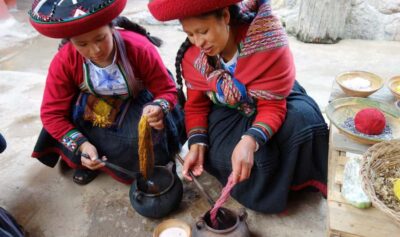
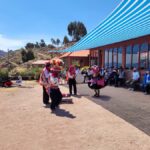
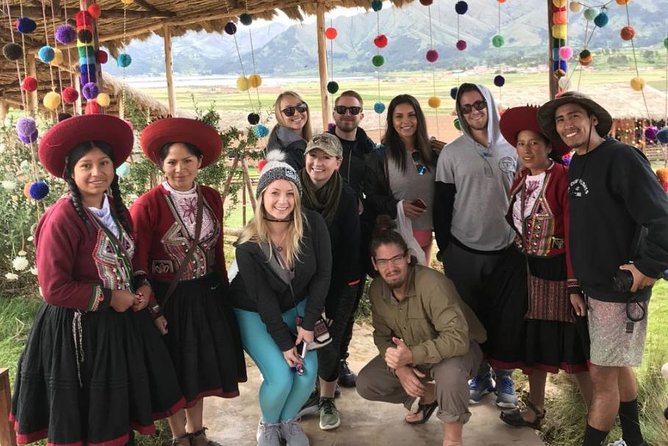
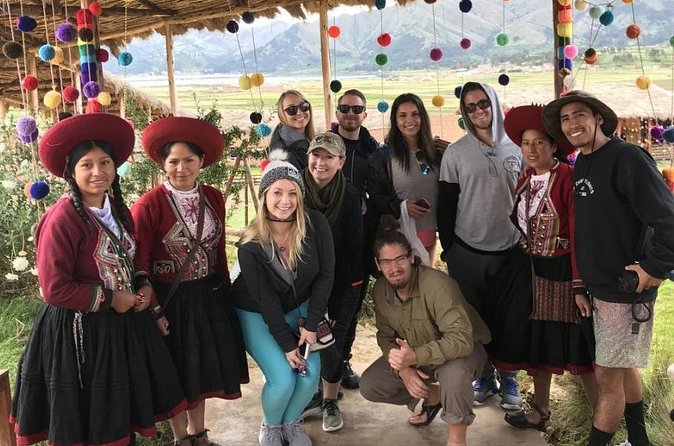
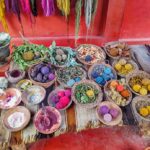
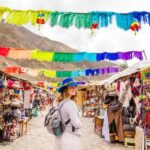
Chinchero is where the day gains texture. You start at the archaeological complex, then you also spend time around the Chinchero area learning traditional textile techniques. The focus is on women’s tissue work and coloring—how people turn materials into patterned textiles.
What I like here is the shift from “tourist facts” to real process. Even if you don’t speak Spanish, you’ll see hands-on technique and learn what the designs and methods connect to locally. This is also a good place to slow down, because textiles are visual and personal. You can take your time looking at details that you’d otherwise miss when you’re hustling for ruins photos.
A practical note: textile visits can involve standing on uneven ground and spending time in the sun. Bring layers, because Andean daylight can feel strong even when mornings are cool.
Moray: The Inca’s Temperature Testing Site (and Why It Matters)
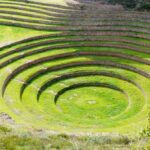
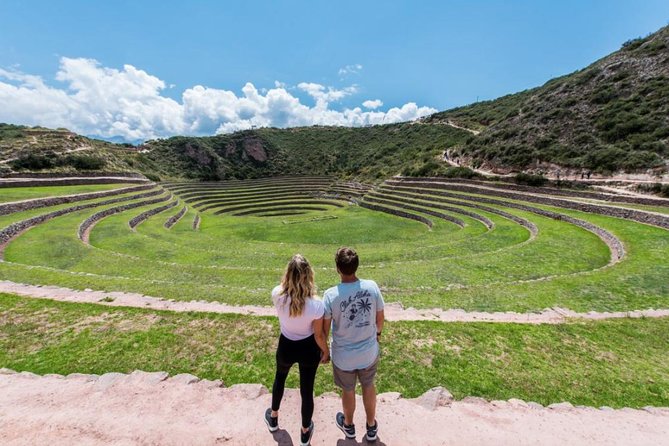
Moray is one of those places that can look like just another set of terraces—until your guide explains what the Incas were trying to do. The big idea here is the dome-like shapes carved into the ground. The Incas used these natural-looking basins to test optimal growing temperatures for different crops.
You’ll spend about 30 minutes exploring here during the main valley portion, with a separate 40-minute block listed as well, so it’s not rushed in a way that prevents you from understanding the layout. Moray works best when you listen for the “why,” not just the “what.” When you understand the testing concept, the shapes stop being purely aesthetic.
The drawback? Terraces mean steps and slopes. If you’re moving slowly, it helps to wear shoes with real grip and to take your time. In the feedback, at least one person specifically noted the guide’s help when climbing was tough—so don’t be shy about telling your guide what you can manage.
Salinas de Maras: 3,000 Salt Pools on a Mountainside
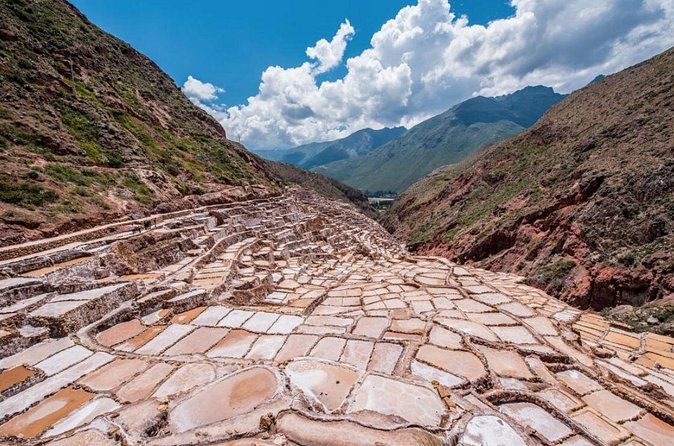
Maras is the place you’ll remember even after the photos fade. The salt mines are fed by a mountain stream, and the water flows into thousands of shallow, carved pools. The tour description frames it clearly: around 3,000 salt pools cut into the mountain.
This is a rare “production landscape” sight. It’s not just ruins. It’s a working resource that people have used for a long time, with the mines dating back to pre-Inca times. That changes the vibe. You’re not only looking at the past—you’re seeing an ongoing tradition tied to the geography.
You’ll have about 40 minutes at Salinas de Maras. That’s enough time to walk along viewpoints and take in how the pools step down across the hillside. If you go expecting a single overlook, you might miss the scale. Take a slow walk where you can, especially if the day isn’t too crowded.
One small consideration: the ground around the salt pools can be irregular and slippery if there’s moisture. Good traction matters more here than elsewhere.
Ollantaytambo: Temple of the Sun, Manyaraqui Square, and Stone Terraces
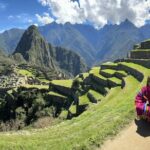
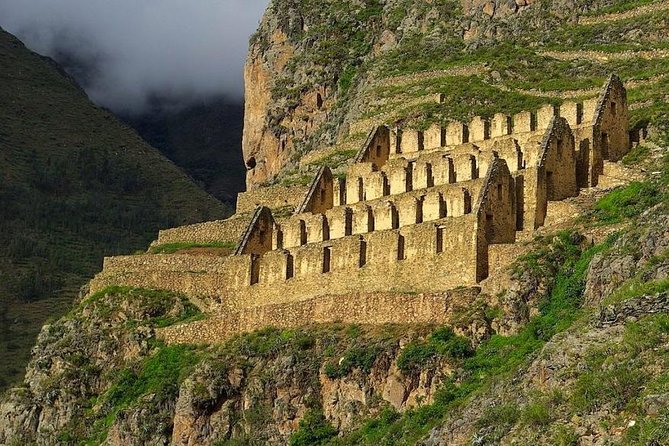
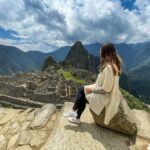
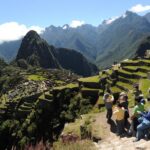
By the time you reach Ollantaytambo, the day starts to shift from production and agriculture to stone power. You’re looking at a massive Inca fortress area, with terraces built across a hillside and big stone structures that still dominate the view.
You’ll likely focus on major features such as the Temple of the Sun and Manyaraqui Square. The route also highlights the “megaton rock structures,” plus terraces and steps leading upward to the highest points. Even if you’ve seen Inca sites before, Ollantaytambo has a different feel because the stones look built to last through real use, not only ceremonial display.
Time here is shorter than some stops—about 30 minutes for the archaeological park in the schedule—but it’s still enough to get the main layout if your guide is good at directing your attention. The key is not to rush to the highest point immediately. Look around first, then move in. It helps you understand how the terraces guide movement.
If you’re sensitive to altitude discomfort or fatigued legs, this is where you’ll want to set expectations early. In the feedback, people noted personal support when climbing was hard, and that’s worth paying attention to when you book.
Transfers, Timing, and the Small-Group Advantage
This is where the tour’s format can make or break the experience. You get private transportation and pickup from hotels in Cusco or the Sacred Valley area. That matters because it reduces the friction of coordinating taxis or figuring out where to meet at each stop.
The tour also emphasizes a small group, which is meaningful on a route this long. On the road, you’ll want room to ask questions. At stops, you’ll want the guide to notice when someone is struggling and to help adjust pace. Reviews specifically mention guides taking time to help with climbing and taking photos—both are easier in a smaller group than in a big, fast-moving crowd.
That said, long drives are real. One review called out the slowdown that happens when additional pickups add time on the way back. If your day is tightly scheduled (like you’re catching a later train that same evening), build in buffer time for traffic and last-mile delays.
Price and What You’re Really Paying For
The listed price is $148.72 per person, and the day runs about 8 to 9 hours. For that price, you’re not just buying seats in a vehicle. You’re getting a bilingual guide, English/Spanish, plus round-trip transfers and safety support (first aid kit and oxygen).
What’s not included is equally important. Entrance fees are listed at about $30 per person for sites in the route, and lunch is not included on the tour’s detail line (though the highlights mention buying lunch at a typical Peruvian restaurant). So your “all-in” budget is usually the tour price plus entrance fees plus whatever you choose to eat.
Is it good value? I think it can be, especially if:
- you want a guide to connect the sites (textiles to agriculture to salt to fortress)
- you prefer the smaller-group feel over rushing with large crowds
- you want someone to handle logistics between scattered stops
If you’re traveling super light on activities—skipping all indoor sites and doing only photos—then you might find you’re paying more than you’ll use. But if you like explanations, this price buys you more than transportation.
Lunch, Photos, and Comfort: The Stuff That Makes the Day Work
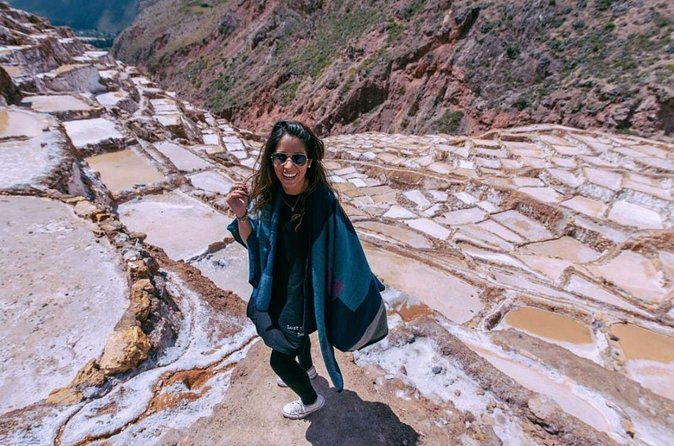
This day is built around multiple different terrains. You’ll go from Chinchero’s craft-focused atmosphere to terrace walking at Moray and uneven steps at Ollantaytambo. Then you finish with the salt pools, which can mean slippery footing depending on conditions.
I’d plan on:
- good walking shoes (terraces are not flat)
- a light layer for morning vs. midday sun
- water access, even though water isn’t listed as included
On food: since lunch is not bundled the same way every time, treat lunch as your responsibility even if you’re guided to a typical restaurant or buffet-style meal option during the day. One piece of feedback mentioned an awesome buffet with many choices, which suggests you’ll likely have decent options when you stop.
Photos are another practical angle. Several reviews highlight guides like Noe and Guillermo for snapping good pictures. If you care about photos, tell the guide early. A little direction goes a long way—like where you want the background (terraces, stone, mountains).
Also, the driving is usually handled professionally. One reviewer noted that during their ride they encountered repeated rock avalanches and still felt safe. That doesn’t mean risk is always the same, but it does hint the driver is used to the route’s hazards and can handle it calmly.
Who Should Book This Sacred Valley Route
This tour fits best if you want a structured overview of the Sacred Valley with a guide doing the heavy lifting. I’d especially recommend it if you:
- want Chinchero textiles plus major Inca sites in one day
- prefer a small group and bilingual explanations
- like having someone support you when walking conditions get rough
It may not be the best choice if:
- you hate long drives and want a slow pace
- you need lots of free time at each stop and don’t want set time windows
- you’re very price-sensitive and don’t plan to pay entrance fees
If you’re traveling with limited time in the Cusco area, this route gives you a strong mix without forcing you to plan routes between sites yourself.
Should You Book This Tour?
I’d book this Sacred Valley day if you want a one-day plan that covers the big names—Chinchero, Moray, Maras, and Ollantaytambo—with a guide who can connect what you’re seeing. The small-group feel and the attention to photos and pacing are real advantages, and the guide’s support on steep or uneven ground can make the difference between a stressful day and a memorable one.
Skip it only if you know you won’t like a long day of driving, or if you’re hoping entrance fees and a full meal are already wrapped into the price. With the entrance fee add-on and lunch handled during the day, your budget should include those extras.
If that all sounds manageable, this is a solid way to experience the Sacred Valley’s variety—craft culture, agricultural experimentation, salt production, and Inca stone engineering—without needing to piece together anything on your own.
FAQ
How long is the Sacred Valley tour?
It runs about 8 to 9 hours.
Is this tour private or small-group?
It’s listed as private or small-group, and only your group participates.
What time does the tour pick you up?
Pickup is listed for 8am.
What are the main stops?
The route includes Chinchero, Moray, Maras (Salinas de Maras), and Ollantaytambo.
Are entrance fees included in the price?
No. Entrance fees are listed as $30 per person for the sites, and they are not included.
Is lunch included?
Lunch is not included, though the highlights say you can purchase lunch at a typical Peruvian restaurant.
What’s included besides the tour sites?
Round-trip transfers, private transportation, a bilingual guide (English/Spanish), and first aid kit plus oxygen are included.
What happens if weather is bad?
The experience requires good weather. If canceled due to poor weather, you’ll be offered a different date or a full refund.
What is the cancellation window?
You can cancel up to 24 hours in advance for a full refund.