REVIEW · CUSCO
Private Tour to Sacred Valley and Machu Picchu from Cusco
Book on Viator →Operated by Machu Picchu Sacred · Bookable on Viator
Machu Picchu, planned down to the minute. This private 2-day Cusco experience links the Sacred Valley highlights with an included, guided Machu Picchu citadel tour, while your pickups, train logistics, and key tickets are handled. I especially like the all-in support feel, where lunch on Day 1 and breakfast are included, so you’re not scrambling between stops. One thing to consider: Day 1 is long and action-packed, so if you’re easily worn out by road time and early starts, plan for some slow recovery.
The best part for me is how the day is built around timing. You visit signature Inca sites across the valley (Chinchero, Moray, Maras, Ollantaytambo), then you ride the tourist train onward so you’re set up for the Machu Picchu experience on Day 2. My only caution is that Day 2 includes a guided tour that lasts about 3 hours, plus additional waiting time in Aguas Calientes before leaving, so it’s not a quick, relaxed stroll-only day.
In This Review
- Key Highlights You’ll Care About
- A Two-Day Sacred Valley and Machu Picchu Flow from Cusco
- Day 1: Chinchero Market, Moray Terraces, Maras Salt Mines, and Train Time
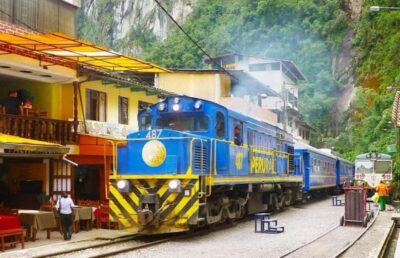
- Ollantaytambo to Machu Picchu Town: Why the Train Segment Is More Than Transit
- Day 2: Bus Up and the 3-Hour Guided Machu Picchu Citadel Tour
- Aguas Calientes Lunch and the 3-Hour Waiting Block
- Price and Value: What $600 Covers and Why It’s Not Just a Ticket Bundle
- Guide Quality: The Names You’ll Hear and the Service Tone You Want
- Practical Tips So You Don’t Feel Rushed
- Who This Private Tour Suits Best
- Should You Book This Private Tour?
Key Highlights You’ll Care About
- Private group pace: it’s just your group, so the guide can flex to your questions and timing
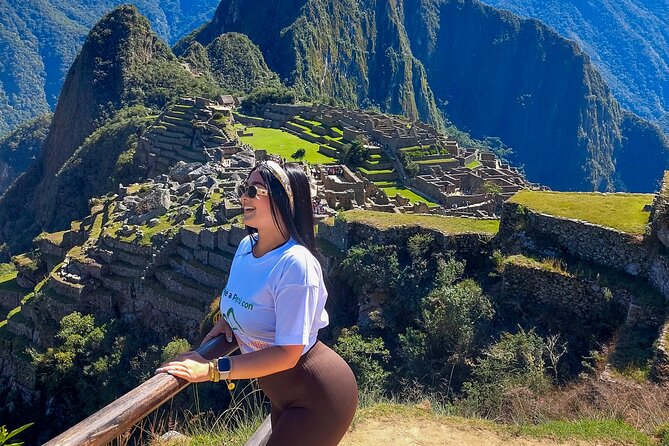
- Ticketed Machu Picchu time: admission to the citadel is included, with a guided visit that lasts about 3 hours
- Sacred Valley classics in one sweep: Chinchero market, Moray, and the Maras salt terraces are built in
- Hotel pickup and return: you get picked up in Cusco and there’s private transportation back from Ollantaytambo
- Real guidance, not just transit: guides are highlighted for clear explanations and patience, including at Machu Picchu
A Two-Day Sacred Valley and Machu Picchu Flow from Cusco
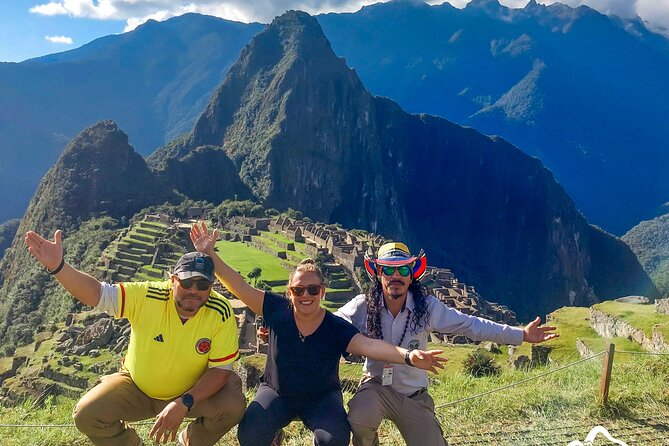
This is the kind of plan that works well when you want maximum sights without having to coordinate every moving part. You start with a hotel pickup in Cusco, then the itinerary focuses on the Sacred Valley first—so you build context for what you’ll see at Machu Picchu later.
Why this sequencing matters: Sacred Valley sites (especially places like Moray and the salt terraces in Maras) aren’t just scenic stops. They help you understand how Inca agriculture, water, and labor were organized. Then, once you’re standing in Machu Picchu, the place stops feeling like a single photo location and starts feeling like part of a working world.
The tour is designed as a true private outing. That means you’re not getting shuffled around with strangers. It also usually makes it easier to handle questions on the fly—like how these sites connected, or what you should watch for when the view opens up.
You can also read our reviews of more private tours in Cusco
Day 1: Chinchero Market, Moray Terraces, Maras Salt Mines, and Train Time
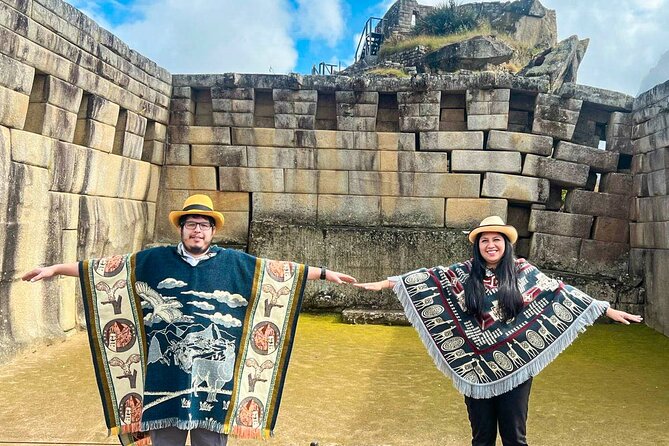
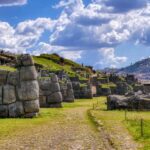
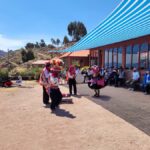
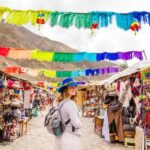
Day 1 runs from roughly 06:30 to 16:00, starting with Chinchero. From the start, you’re on an “Inca today” path: Chinchero isn’t only archaeological. You also visit its traditional market, which is a great way to shift your mindset from ruins to living culture. You’ll see daily crafts and local rhythms, and it gives your brain something grounding before you hit more formal stone-and-ritual sites.
From Chinchero, the route continues to the Maras salt mines (Salineras de Maras). This site works because it’s practical, not theoretical. The terraced salt pools are visually striking, but they’re also a reminder that natural resources and human engineering went together here. You’re not just walking through a postcard—you’re seeing a system in action, built for extraction and managed over time.
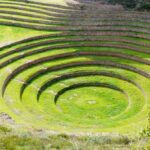
Next comes Moray, known for its circular terraces. Even without getting lost in technical details, these terraces stand out because they look like an Inca experiment in microclimates. The guide’s role matters here. A good explanation helps you connect the visual design to why the Incas would build something like this instead of treating it as decoration.
Lunch is included on Day 1 in the heart of the Sacred Valley of Urubamba. That’s more valuable than it sounds. After several hours on the go, having lunch handled helps you keep energy for the afternoon, instead of hunting for food with limited time and possibly limited options.
Then you head to Ollantaytambo, where you’ll visit its fortress area. This spot is especially helpful if you like understanding how Inca towns worked, since the layout feels both defensive and functional. From there, the plan moves you toward the tourist train that takes you onward to the Machu Picchu town area.
A practical note: Day 1 is definitely the busiest day. If you’re prone to motion sickness, sore knees, or just fatigue from early starts, pack accordingly (more on that later).
Ollantaytambo to Machu Picchu Town: Why the Train Segment Is More Than Transit
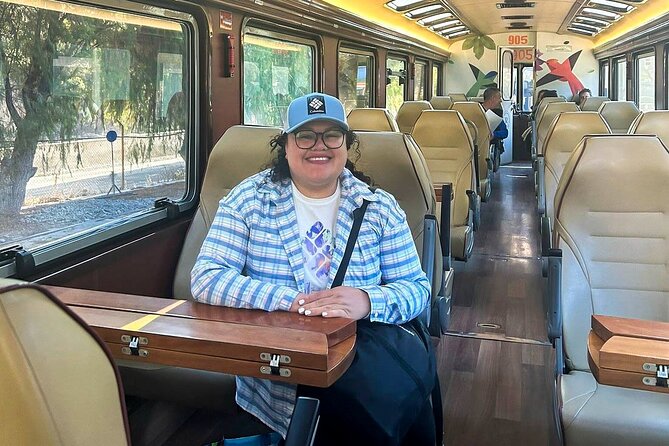
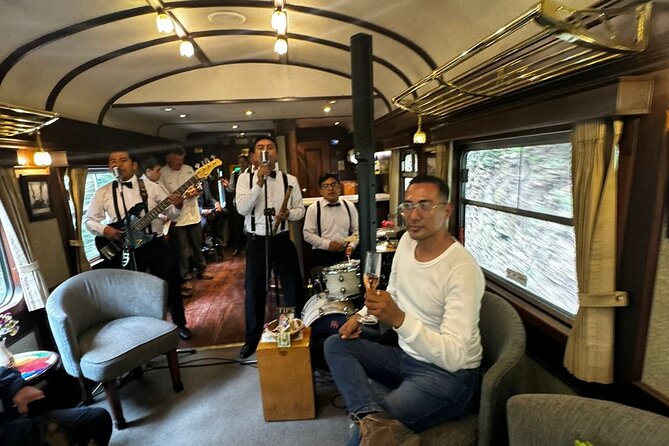
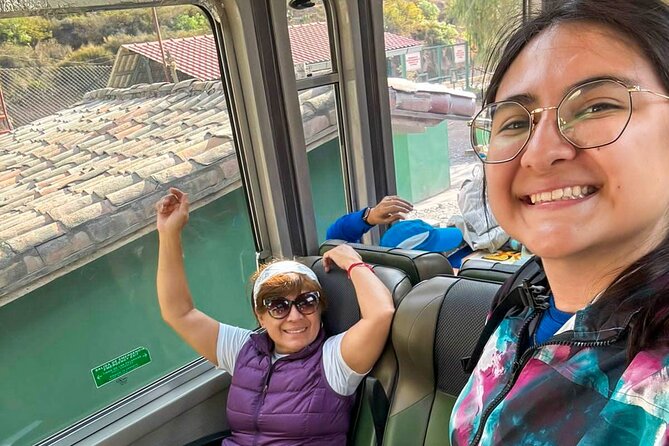
The tourist train from Ollantaytambo to the town connected to Machu Picchu matters because it breaks up the journey. Instead of doing all road time and then arriving stressed, you get a smoother handoff between sightseeing and your overnight base.
That helps your Machu Picchu morning. When you’re tired, you miss details: the small visual alignments, the way crowds move, even the weather changes. Having the train segment built in gives you a calmer transition, and it also makes the Day 2 start more manageable.
Also, when your transportation is handled as part of the tour, you don’t spend your energy figuring out platforms, schedules, and last-minute confirmations. You can focus on what matters: being ready for the bus up to the citadel and getting oriented once you’re there.
Day 2: Bus Up and the 3-Hour Guided Machu Picchu Citadel Tour
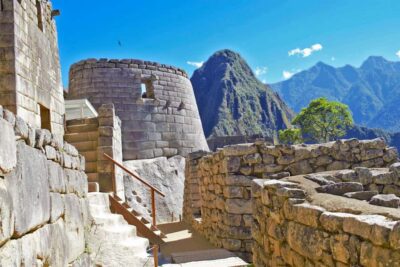
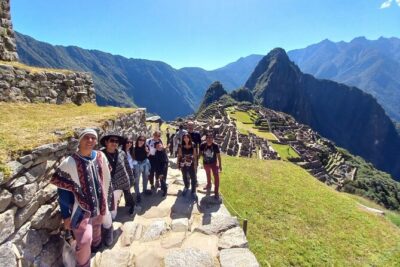
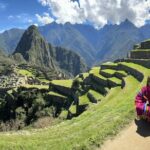
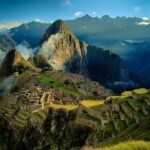
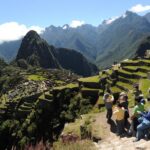
Day 2 is all about Machu Picchu, starting with heading to the station and boarding the bus to the citadel. Once you’re up, you get a guided tour that lasts about 3 hours. That time window is important: it’s long enough for context, but not so long that you’re stuck waiting for the group to catch up.
Here’s what I think the guide does best in a setup like this: they help you see patterns. Machu Picchu can feel like a single dramatic viewpoint, but guided structure usually points out how the site is organized—where you should look, what specific areas mean, and how the place was used.
You’ll also appreciate a guide who communicates clearly and stays patient with questions. In the experience profile for this operator, guides such as Elvis are repeatedly praised for explaining the story with clarity and for supporting the group all the way back to the train. That kind of steadiness matters, especially when you’re dealing with crowds, time slots, and the bus flow.
After the guided citadel visit, the tour moves you to Aguas Calientes. Lunch is included there, which is a big relief because this is the point where a lot of people start to run out of steam.
Then you head to the train station, and the plan includes waiting time of about 3 hours before leaving. That means you shouldn’t treat Aguas Calientes like a quick stop with no downtime. It’s a place to eat, reset, and plan your pacing for the final leg.
Aguas Calientes Lunch and the 3-Hour Waiting Block
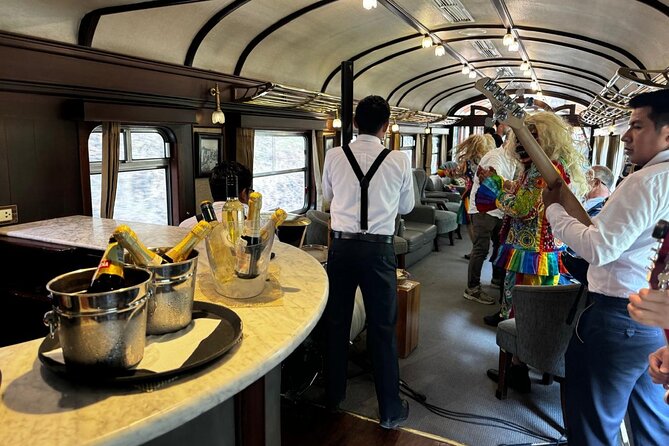
Aguas Calientes is often described as a launchpad, but for this tour it becomes a real part of your day. Since lunch is included, you’re not stuck negotiating food options under pressure.
The waiting period—about 3 hours—is the part you’ll want to plan for mentally. You might feel like, wait, we’ve already seen Machu Picchu, why do we still have so long before the train? The practical answer is simple: the travel schedule needs room for bus timing, platform logistics, and a smoother return.
So treat it like a rest block, not a failure of the itinerary. Bring something for that window: water, a light layer (temperatures can shift), and a little something to keep your phone charged. If you’re traveling with camera gear, this is also when you’ll want to manage batteries and storage.

Price and Value: What $600 Covers and Why It’s Not Just a Ticket Bundle
At $600 per person for a private, two-day program, the value comes from what’s included, not from the headline number. You’re paying for organization and risk reduction.
Here’s what you get covered:
- Pickup from your hotel in Cusco
- Sacred Valley tour components (transport, guide, and tickets)
- Lunch on Day 1
- Breakfast
- Machu Picchu citadel entrance ticket
- A professional Machu Picchu guide for about 3 hours
- Private return transportation from Ollantaytambo back to your hotel in Cusco
What’s not included:
- Dinners
- Lunch on Day 2 (in Machu Picchu town)
Why that matters: for Machu Picchu, the hardest part isn’t only getting there—it’s getting there without last-minute headaches. When transport, key tickets, and guided time are grouped together, you’re buying a system that keeps the day moving.
Also, because it’s private, you’re not paying for a seat in a large group experience. You’re paying for a tailored group pace, which becomes a real quality difference when you’re dealing with questions, photo stops, and timing across several locations.
If you’re comparing this to cheaper options, watch for what happens to ticket timing, guide hours, and transportation handoffs. A “cheaper” price can quickly evaporate once you add missed inclusions, extra taxis, or the stress tax of coordinating on your own.
Guide Quality: The Names You’ll Hear and the Service Tone You Want
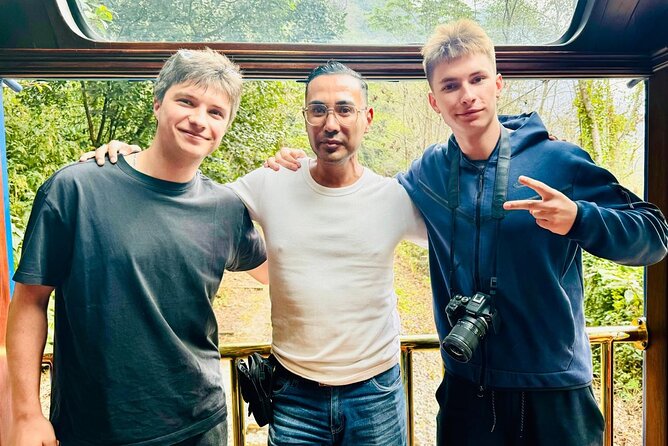
One strong theme in the service style here is attentive, friendly guidance. Guides like Willy are described as caring and story-focused, with strong knowledge and help for the whole group. At Machu Picchu, Elvis is praised for guiding people to the most relevant areas, explaining the site clearly, and even helping with photos.
You may also see names like Camille mentioned in the communication style. And Shirley is referenced in connection with coordination and keeping a group happy and informed.
Even if you never meet those exact people, the key signal is the service tone: guides who care, explain with patience, and support you through the full schedule rather than dropping you at a viewpoint and leaving you to figure the rest out.
Practical Tips So You Don’t Feel Rushed
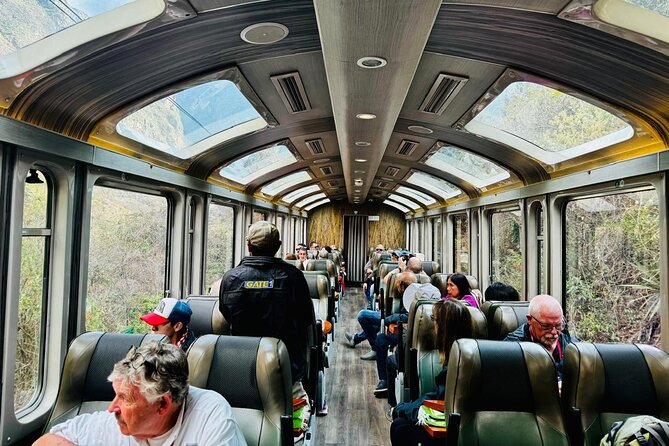
I’d treat this itinerary like two full days of effort, not a light sightseeing weekend. A few practical choices will make a big difference:
- Wear good walking shoes. Salt terraces, uneven stone areas, and pathways add up.
- Bring layers. Morning can feel cool, and later in the day you may want something lighter.
- Plan for a busy Day 1. It starts early and stays full through the Sacred Valley circuit before the train onward.
- Have a flexible mindset for Aguas Calientes waiting time. That 3-hour block isn’t optional, so use it.
- Moderate fitness is required. The tour notes moderate physical fitness, which usually means you should expect uphill walking, stairs, and a packed schedule.
- Camera and phone strategy. You’ll likely take a lot of photos at multiple stops. Keep backups or charging solutions ready, especially during the wait in town.
If you’re sensitive to altitude, pace yourself and hydrate. Machu Picchu is high, and even short exertion can feel heavier than you expect.
Who This Private Tour Suits Best
This private Sacred Valley and Machu Picchu plan fits best if you:
- Want Machu Picchu with a proper guided visit (about 3 hours), not just a quick self-guided circuit
- Prefer having transport and key tickets handled, especially with train and bus connections
- Like a full, structured Sacred Valley day with Chinchero, Moray, and Maras
- Are traveling as a couple or small group who can benefit from private pacing
It may feel less ideal if you:
- Want a super-relaxed pace with fewer moving parts
- Get overwhelmed by long days and scheduled waiting time
- Are traveling with mobility limitations that make uneven terrain hard (the tour only states moderate fitness, not specific accessibility support)
Should You Book This Private Tour?
Yes, I’d book it if you want a well-organized, private experience that covers the Sacred Valley build-up and then delivers a guided Machu Picchu citadel visit. The biggest reason: the essentials are included—pickup, key tickets, lunch on Day 1, breakfast, and a professional guide when you’re most likely to want context and clear direction.
I’d think twice if you’re hoping for a slow, minimal-transport itinerary. Day 1 starts early and Day 2 includes guided time plus a waiting block in Aguas Calientes. If you can handle a packed schedule, this tour is a strong value move for turning Cusco into both Sacred Valley context and Machu Picchu reality.
If you want to reduce stress and spend your energy on the sights instead of logistics, this private plan is made for you.