REVIEW · CUSCO
Sacred Valley Pisac Ollantaytambo and Chinchero Full-Day Tour
Book on Viator →Operated by Willka travel Cusco · Bookable on Viator
Three Inca towns in one long day. This Sacred Valley day trip connects Pisac terraces, Ollantaytambo’s stone-built town, and Chinchero’s Inca-to-colonial layers, with a mirador stop for big valley views and an included buffet lunch.
I especially like the mix of “big ruin” stops and real-life village moments, and the included buffet lunch makes the long day feel manageable. One thing to consider: the schedule is tight, and you should plan on paying a partial entrance fee (PEN 70 cash) for the Sacred Valley sites.
In This Review
- Key things to know before you go
- Getting to the Sacred Valley: mirador views before the walking starts
- Pisac Archaeological Park: terraces, cemeteries, and royal buildings
- Pisac Market stop: real local life, if it’s available
- Urubamba River Bridge lunch: buffet fuel for the afternoon
- Ollantaytambo: the Inca gatekeeping town
- Chinchero: the Tupac Inca Yupanqui estate and the colonial church on top
- Mercado de Artesanias: alpaca wool dyed with natural plants
- Guide quality, group size, and how to avoid common snags
- Price and value: $28 plus the PEN 70 entrance fee
- Should you book this Sacred Valley tour?
- FAQ
- How long is the Sacred Valley Pisac Ollantaytambo and Chinchero full-day tour?
- What does the tour cost?
- Is lunch included?
- Are entrance fees included?
- Does the tour include hotel pickup and drop-off?
- What if I’m staying in a private apartment?
- What group size should I expect?
Key things to know before you go
- Mirador first, ruins second for that quick Sacred Valley view boost before you start walking
- Pisac’s terraces and Inca cemeteries give you a clear sense of how people used this land
- Ollantaytambo’s strategic design—built to defend the route toward Machu Picchu
- Chinchero on top of an older Inca estate (then a colonial church later)
- Alpaca-wool dyeing with natural plants at the artisan market stop
- A buffet lunch included with a vegetarian option if you ask ahead
Getting to the Sacred Valley: mirador views before the walking starts
This is a long day with early hotel pickup in Cusco’s historical center, then a ride out into the Sacred Valley. You’ll have a moment at a mirador to take in the valley before you start visiting sites—use it to orient yourself, not to rush for photos.
I like this pacing because it helps you understand what you’re seeing. When the ruins finally appear, you can mentally map how the Incas used the slopes, rivers, and ridgelines. If you’re sensitive to long drives, pack a light layer—Cusco-area mornings can be cool.
The tour runs about 10 hours 30 minutes, and it ends back in the Cusco city center (hotel drop-off isn’t listed as included). If you’re tying the day to a train schedule for Machu Picchu, it can work, but check your timing carefully.
You can also read our reviews of more tours and experiences in Cusco

Pisac Archaeological Park: terraces, cemeteries, and royal buildings
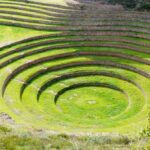
Pisac is the kind of stop that makes you slow down—even if you only have an hour. The archaeological park focuses on Inca agricultural terraces, plus Inca cemeteries and royal buildings. In other words, you’re not just looking at stones; you’re seeing a working landscape plus ceremonial space.
What you’ll enjoy here:
- Terraces that show how engineering turned slopes into farms
- Cemeteries and ceremonial structures that communicate how the Inca world organized life and death
- Royal Inca buildings that hint at power and planning
What to watch for:
- Time feels short. An hour goes fast once you’re moving, taking pictures, and trying to follow the guide’s explanations.
- Entrance cost isn’t included. The tour’s Sacred Valley entrance fee is listed as PEN 70 cash.
If you want photos with fewer people, aim to move early within your allotted time. The guide’s explanation helps you frame shots beyond “big view,” like aligning terrace lines and key structures.
Pisac Market stop: real local life, if it’s available
After Pisac’s ruins, the day shifts into the town vibe with a market visit in Pisac. This stop is geared toward everyday life—an Indian market where you can watch people shop and go about their routines.
A practical note: the exact market experience can vary based on access or reopening status. So if this market is a top reason you booked, treat it as a bonus when it’s operating smoothly, not as a guaranteed highlight.
Tips that keep this stop enjoyable:
- Bring small bills and coins for easy purchases.
- If you buy anything, keep an eye on sizes and what’s actually included in the price.
- Use the market time to observe rather than only shop—this stop works best when you’re curious.
Even when you don’t buy a thing, it’s a helpful contrast: you go from Inca-built terraces to a modern town where the same valley culture still shapes daily life.
Urubamba River Bridge lunch: buffet fuel for the afternoon
Lunch happens around the Urubamba River Bridge area, and it’s a buffet at a restaurant. This is one of the best “value” parts of the tour because you don’t have to hunt for food during a tight schedule, and you get enough variety to keep everyone happy.
Look for:
- A buffer of choices so you can eat quickly and still feel like you got a good meal
- A vegetarian option if you requested it when booking
What matters on a day this long:
- Drinks aren’t included. If you like soda or bottled water, plan for extra spending.
- Eat something filling but not heavy; you’ll still walk through two more major site stops after lunch.
One reason this lunch stop works is psychological. After a morning of archaeological walking, a proper sit-down meal keeps the afternoon from feeling rushed.
Ollantaytambo: the Inca gatekeeping town
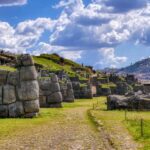
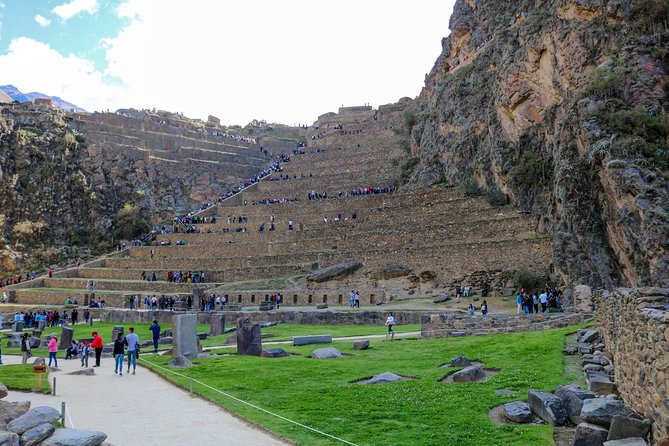
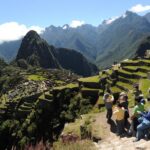
Ollantaytambo is often the main draw, and for good reason. The archaeological park includes the town layout and the major site area, built to guard the entrance to Machu Picchu. In simple terms: this was a place where control mattered, not just worship or farming.
As you walk the streets and see the archaeological structures, it helps to keep three themes in mind:
- Defense and control: the route toward Machu Picchu wasn’t an accident
- Religious and cultural purpose: stone and space were designed for ceremonies too
- Daily town life: the area feels like a built environment, not a museum set
This is also where the day can become physically demanding. You’ll want comfortable shoes with grip, because you’re on uneven surfaces and moving at a steady pace. If you like photos, consider pacing yourself early in the stop so you’re not running out of time at the end.
If you’re hoping for a faster, more independent visit, the structured group rhythm can feel limiting. On the other hand, a strong guide makes a huge difference here—people have cited guides such as Jonathan for clear, energetic explanations, and Luigi for being helpful and engaging.
Chinchero: the Tupac Inca Yupanqui estate and the colonial church on top
After Ollantaytambo, the tour heads to Chinchero, described as a picturesque village. This stop includes the archaeological complex connected to the royal estate of Tupac Inca Yupanqui, plus village views that help you understand the setting.
Two layers make Chinchero extra interesting:
- The Inca estate remains connect the site to imperial power and planning.
- The Iglesia Colonial de Chinchero was built on top of the earlier Inca estate, showing how colonial rule repurposed existing sacred and strategic ground.
Admission for parts of this area is listed as free for some stops, which is nice for budgeting. Still, time is limited—around 40 minutes for the archaeological complex and short periods for the church and artisan market.
Mercado de Artesanias: alpaca wool dyed with natural plants
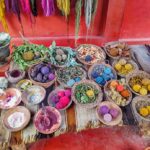
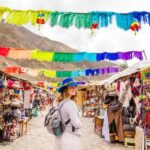
The artisan market stop is where the tour becomes more hands-on, and it’s one of the most practical cultural takeaways. You’ll see how local people dye alpaca wool with natural plants from the region.
Even if you don’t buy anything, this is a good moment to slow down and ask questions, because the process ties craft to environment. It also gives you something different from the purely architectural sites—an everyday craft that still connects to local knowledge.
If you’re planning to shop, keep your expectations realistic:
- Some vendor-style stops can take more time than you want if you’re trying to maximize site walking time elsewhere.
- If you dislike shopping interruptions, focus on observing first, then decide quickly.
This is the stop where you’ll likely remember the textures and colors most clearly, long after the stone details start blending together.
Guide quality, group size, and how to avoid common snags
This tour caps at 19 travelers, which is a good size for a day with multiple stops. Smaller groups tend to move more smoothly, and you’ll usually get clearer access to the guide when you have questions.
Guides matter a lot on this route, because timing decides everything. People have especially highlighted Jonathan for an energetic, supportive style and Luigi for being friendly and helpful. That said, you still should expect some pacing constraints—this is a full-day circuit with set stop durations.
A couple of practical things you can control:
- Confirm your pickup details. If you’re staying in a private apartment and pickup isn’t possible, you’ll meet at Calle Garcilaso 265 Of 3.
- Bring cash in soles for the Sacred Valley entrance fee (PEN 70).
- Wear shoes made for uneven outdoor walking, not slick soles.
If you’re the type who loves wandering for 30 extra minutes on your own, you might find the schedule a bit tight. If you’d rather be guided through key points and keep the day efficient, this format is a solid fit.
Price and value: $28 plus the PEN 70 entrance fee
At $28 per person, the price is attractive for a 10.5-hour day that includes hotel pickup, a professional guide, a buffet lunch, and tourist transportation. The “gotcha” isn’t hidden; it’s just that not all costs are bundled.
Here’s what to budget beyond the $28:
- Partial Sacred Valley entrance fee: PEN 70 cash
- Drinks
- Gratuities/tips, which are not included
So is it good value? Usually, yes—because the itinerary covers multiple major sites in one go, and the lunch saves you the hassle of finding food mid-drive. The value improves further if you get a strong guide and the stops run on time. If you’re sensitive to shopping detours or you want more time at each ruin, the schedule may feel less like a bargain and more like a checklist.
Should you book this Sacred Valley tour?
I’d book this if you want a single-day overview that hits Pisac, Ollantaytambo, and Chinchero without planning transfers yourself. It’s especially worth it if the included buffet lunch and guided framing are what you want on a tight trip window.
I’d think twice if you strongly prioritize independent time at one site, or if you’re relying on the Pisac market stop as your must-do. This tour is built for structure, and while the sites are impressive, the time blocks are fixed.
If you’re comfortable bringing cash, wearing good walking shoes, and moving with the group, you’ll likely find the day gives you a clear picture of how the Inca world shaped this valley—then how traditions and crafts continue there today.
FAQ
How long is the Sacred Valley Pisac Ollantaytambo and Chinchero full-day tour?
It runs for about 10 hours 30 minutes.
What does the tour cost?
The price is $28.00 per person.
Is lunch included?
Yes. A buffet lunch is included, and a vegetarian option is available if you advise the provider when booking.
Are entrance fees included?
A partial entrance fee to the Sacred Valley is not included and must be paid in cash: PEN 70.00 per person.
Does the tour include hotel pickup and drop-off?
It includes hotel pickup in the historical center of Cusco. It does not include hotel drop-off; the trip ends in the city center of Cusco.
What if I’m staying in a private apartment?
Pickup may not be possible. The meeting point is Calle Garcilaso 265 Of 3.
What group size should I expect?
The tour has a maximum of 19 travelers.