REVIEW · CUSCO
City Tour Cusco
Book on GetYourGuide →Operated by Machupicchu Tou Services · Bookable on GetYourGuide
Cusco’s stones teach you fast. This 5-hour City Tour Cusco connects the Inca heart of the city with its Spanish-era look, so you can actually spot how Inca and Spanish architecture sit side by side and how Cusco’s art styles show up in everyday details. For $15, it’s a focused way to get oriented in a place that can feel overwhelming at first.
I love how the stops are built around meaning, not just photos—especially when you tour the three levels of Sacsayhuamán and learn what the massive structures were doing in Inca times. The guide was gentle and clearly well-prepared, with broad knowledge that made the “why” behind each site feel simple. The main consideration: this tour isn’t suitable for people with mobility impairments.
In This Review
- Key highlights at a glance
- Entering Inca Cusco the right way: from Plaza De Armas to Sacsayhuamán
- Q’enqo: the Puma shrine and what Pachamama means on stone
- Tambomachay: architectural excellence you can connect to water
- Puca Pucará: a watchtower that makes the valley make sense
- The Cusco city context: spotting Inca and Spanish architecture
- Price and value: what $15 covers (and what to plan for)
- Who this tour is best for (and the one group to skip it)
- Tips to make the most of your 5 hours
- Should you book City Tour Cusco?
- FAQ
- How long is the City Tour Cusco?
- How much does the tour cost?
- Where is pickup available?
- Where does the tour finish?
- Which languages are the guides?
- Are entrance tickets included?
- What does the tour include?
- What do I need to bring?
- Is the tour suitable for people with mobility impairments?
- Is luggage allowed?
Key highlights at a glance
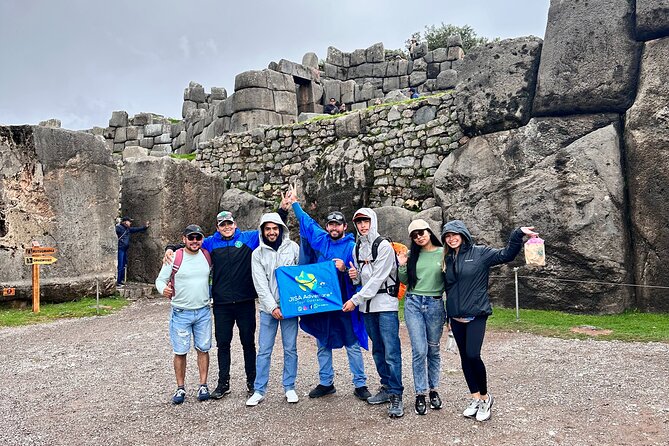
- Sacsayhuamán’s three levels: walk through the ceremonial fortress and understand what you’re seeing.
- Q’enqo’s Puma shrine: a quieter stop with strong symbolism tied to Pachamama.
- Tambomachay’s living water: spring sources that still help irrigate terraces and fields.
- Puca Pucará from above: a strategic watchtower feel with big valley views.
- Inca + Spanish city context: you finish with a clearer read of Cusco’s mixed architecture.
- A strong guide for the time: short tour, but serious explanations.
Entering Inca Cusco the right way: from Plaza De Armas to Sacsayhuamán
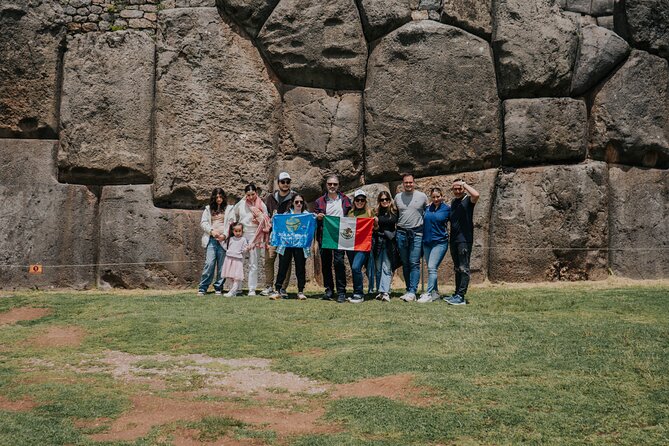
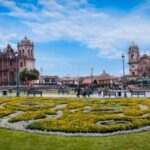
The day starts with pickup around central Cusco. You can meet at Plaza De Armas or arrange hotel pickup (the collection schedule is provided, and you can also coordinate from a neutral point if needed). From there, you head out to Sacsayhuamán, one of the places that makes Cusco feel like it has its own language.
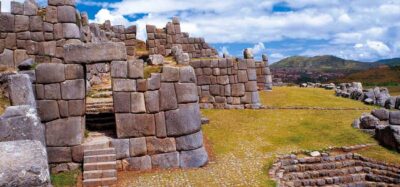
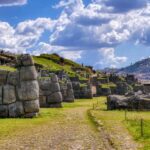
Sacsayhuamán is a ceremonial fortress built with colossal stonework. What makes this stop worth your time is the way the guide helps you read the structure instead of just admiring it. You tour the three levels, and you get directed toward details that are easy to miss on your own—like what you’re seeing in the upper part, including the bases of the great towers that dominated Cusco in Inca times.
Even better: the fortress sits within its environment, so you get a sense of why it was placed where it was. You’re not just “at ruins.” You’re at a viewpoint of power and ritual, laid out to control sightlines and reinforce Inca authority.
One practical note: because you move through multiple levels, plan on some walking and steps at least at this site. If mobility is an issue for you, this is not the right fit.
You can also read our reviews of more city tours in Cusco
Q’enqo: the Puma shrine and what Pachamama means on stone
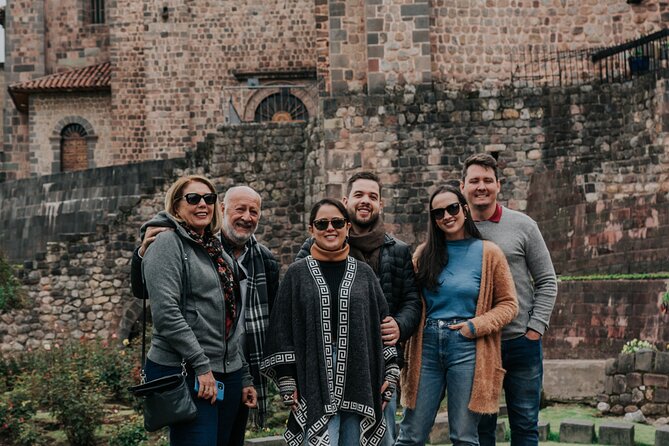
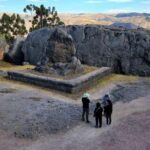
Next comes Q’enqo, described as an ancient Inca shrine and temple connected with the Puma. This is the kind of place where the stones feel specific—carved, shaped, and positioned to communicate a belief system.
The stop centers on the shrine’s altar. You’ll learn how Q’enqo houses an altar for sacrifices, and how it connects to Pachamama, the Andean concept of the earth’s life force. That topic can sound abstract until someone gives you the practical mental picture: it’s not just mythology. It’s how people explained land, seasons, and survival.
What I like about having this in the middle of the day is contrast. Sacsayhuamán is huge and fortress-like; Q’enqo feels more focused and symbolic. If you’re trying to understand Inca culture from the inside out, this stop helps you shift from scale to meaning.
Tambomachay: architectural excellence you can connect to water
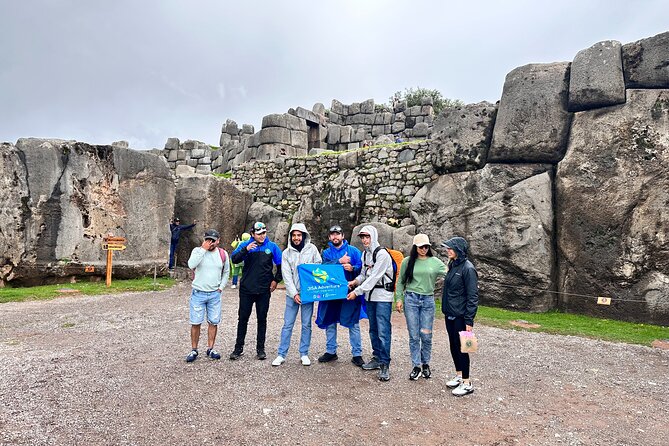
After Q’enqo, the tour moves to Tambomachay, a site known for remarkable architectural excellence and described as one of the pillars of Andean cosmovision. In plain terms: this is where you see how Inca thinking and practical engineering overlap.
The standout detail here is the spring water sources. You’ll observe how they still help irrigate the fields and terraces of the city. That’s the key difference between a “dead ruin” and a living place: this one still supports everyday land use.
It also makes the tour more satisfying if you care about connections. You get to compare ceremonial stone design with something functional—water management that continues to matter. Even if you don’t go deep into technical explanations, the guide’s interpretation helps you understand why these sites aren’t random stops. They’re part of an integrated worldview.
Puca Pucará: a watchtower that makes the valley make sense
The final Inca-focused stop is Puca Pucará, described as a strategic watchtower that dominates the valley and the imperial city. This is where the day turns from “what happened here?” to “how did people see from here?”
A watchtower is all about advantage: height, lines of sight, and the ability to monitor movement. The tour’s value here is perspective. From Puca Pucará, Cusco doesn’t feel like disconnected sites. It starts to look like a coordinated system of control, defense, and ceremonial presence.
If you tend to remember places better when you understand their purpose, you’ll appreciate this last stop. It ties the morning together and gives you a mental geography you can keep after you’re done.
The Cusco city context: spotting Inca and Spanish architecture
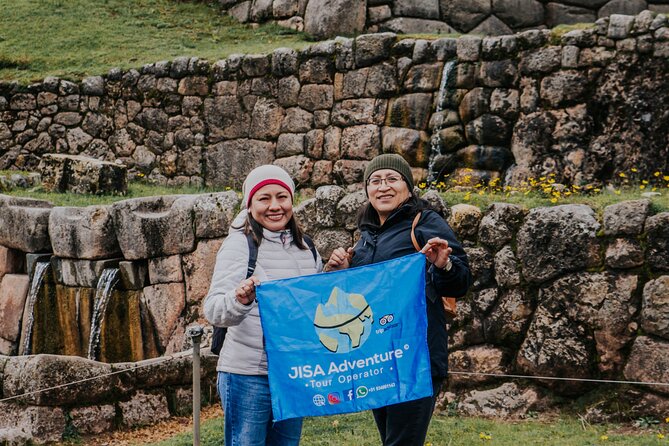
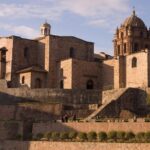
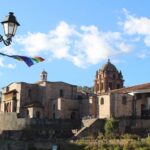
What makes this tour more than a “checklist” is the city context you’re given. The experience is built around discovering Inca culture from its capital Cusco, and then you’re guided to notice how Inca and Spanish architecture overlap in everyday views.
That kind of guidance matters because Cusco can be visually confusing. You might see old stone and later stone and feel like they’re just different styles. With a trained guide’s explanation, it becomes easier to spot the patterns: how the past influences the present look, and how local Cusco art styles connect to what you’re seeing around town.
You also start and finish in a central rhythm: you’re picked up from the Cusco core options and you finish at the Cuzco Main Square. That matters because it gives you a natural place to pause afterward—grab water, orient yourself for dinner, and compare what you learned against what you see walking back.
Price and value: what $15 covers (and what to plan for)
At $15 per person for a 5-hour experience, the value is strong if you want guided context. The tour includes:
- Tourist transportation
- A professional tourist guide
- Guided on the sites for about 5 hours
- Assistance from your agency 24/7
That’s the real bargain: you’re paying for interpretation, not only transit. You’re also getting a tight route that covers multiple meaningful sites without needing to plan transport between them yourself.
What you should budget for separately:
- Entrance tickets (not included)
- Meals or beverages, snacks or other items (not included)
- Travel insurance (not included)
So yes, $15 is the headline price, but the honest value picture includes entrance fees and your own food plan. If you arrive in Cusco with some patience to carry a bit of extra cash for tickets and water, this tour is a good deal for what you get.
Who this tour is best for (and the one group to skip it)
This City Tour Cusco works best for you if:
- it’s your first time in Cusco and you want a guided overview quickly
- you care about Inca culture and want explanations tied to specific stone sites
- you like having a plan that ends back near Plaza De Armas, where you can continue at your own pace
It may be a miss if you have mobility concerns. The tour is not suitable for people with mobility impairments, and at least one stop involves touring multiple levels. Also, the rules say luggage or large bags aren’t allowed, so travel light helps.
If you’re the type who likes to understand what you’re looking at—rather than just collecting stamps—this format is a solid fit. The guide quality is a consistent strength.
Tips to make the most of your 5 hours
Here are a few practical ways to get better value from the time you spend:
- Bring your passport or ID card. You’ll need it for the activity.
- Don’t plan on bringing large luggage. Pack small so you’re not stressed during pickup and transit.
- Focus your questions before you reach the sites. When the guide is explaining the tower bases at Sacsayhuamán or the symbolism at Q’enqo, those are the moments you’ll get the best clarity.
- Keep your energy steady. This is a tight circuit: fortress → shrine → water-related architecture → watchtower. Treat it like an active day.
One more small comfort: the pickup is coordinated with a schedule, and you can coordinate a neutral meeting point if you need it. That reduces the “where do we meet?” headache that often eats travel time.
Should you book City Tour Cusco?
I think you should book this if you want a guided Cusco foundation fast. For $15 and about 5 hours, you get a meaningful line-up—Sacsayhuamán, Q’enqo, Tambomachay, and Puca Pucará—plus a city context that helps you see the Inca and Spanish mix without guessing.
Skip it only if mobility is a concern or if you need to travel with large bags. If you’re traveling light and you’d enjoy learning what the stones were built to do, this tour is a smart first step in Cusco.
FAQ
How long is the City Tour Cusco?
The tour lasts 5 hours.
How much does the tour cost?
The price is $15 per person.
Where is pickup available?
Pickup options include Plaza De Armas, Cusco, and hotel pickup (a collection schedule is provided). Pickup can also be coordinated from a neutral point.
Where does the tour finish?
The tour finishes at the Cuzco Main Square.
Which languages are the guides?
The live tour guide offers English and Spanish.
Are entrance tickets included?
No. Entrance tickets are not included.
What does the tour include?
It includes tourist transportation, a professional tourist guide, guided site time (about 5 hours), and 24/7 agency assistance.
What do I need to bring?
Bring your passport or ID card.
Is the tour suitable for people with mobility impairments?
No. The tour is not suitable for people with mobility impairments.
Is luggage allowed?
No. Luggage or large bags are not allowed.