REVIEW · CUSCO
BUS 180 CUSCO
Book on GetYourGuide →Operated by Top Inka Travel · Bookable on GetYourGuide
Cusco looks different when it’s wrapped in 180 degrees of glass. This BUS 180 outing turns your first day into a moving viewpoint, with live dance and a lakeside story show after you roll past major landmarks. You’ll get the scenic drive feel without spending your morning hunting for rides or timing.
Two things I really like: you see Cusco’s top sights—Cathedral, Cristo Blanco, Qorikancha, Sacsayhuaman, Qenqo, and Pukapukara—from a panoramic bus with photo stops and guided commentary. And later you get a hands-on-style moment with a Pisco Sour demonstration, plus a traditional dance performance that keeps the energy up.
One drawback to consider: this tour boards at 13:50 at the Plaza de Armas area, and there’s no hotel pickup. If you prefer slow mornings or you’re not sure how to get to the main square on your own, plan that first.
In This Review
- Key points to know before you go
- Why a 180° Bus Changes Your First Day in Cusco
- Meeting at Plaza de Armas: Timing and Getting On
- The Scenic Circuit: Cathedral to Pukapukara Without Too Much Backtracking
- The Guided Part That Actually Helps: What You Should Listen For
- Huayllarccocha Lake: Andean Myths Staging and Live Performances
- The Restobar Stop and the Pisco Sour Preparation Demo
- Price and Value: What $37 Really Buys You
- Who This Tour Fits Best (and Who Might Prefer Something Else)
- A Few Small Rules to Save Your Day
- Should You Book BUS 180 Cusco?
- FAQ
- What time does the BUS 180 Cusco tour board?
- How long is the tour?
- Where is the meeting point?
- What’s included in the price?
- Are entrances or meals included?
- Is this tour wheelchair accessible?
Key points to know before you go
- 180° panoramic viewing means you spend less time staring at bus windows and more time actually spotting views.
- Guided commentary in English and Spanish helps you connect place names to what you’re seeing.
- Major Cusco landmarks are covered in one smooth circuit: from Cathedral and Qorikancha to Sacsayhuaman and Qenqo.
- Huayllarccocha lake myth staging adds theater to the day, not just sightseeing photos.
- Live dance and a Pisco Sour demo give you two memorable cultural moments before you head back to the main square.
- No hotel pickup and no wheelchair access can make logistics tricky for some people.
Why a 180° Bus Changes Your First Day in Cusco
Cusco can feel intense when you arrive—altitude, cobblestones, and a lot of new names thrown at you fast. I like tours like this because the pacing is built in. You start in the afternoon, sit down, and let the route happen while you focus on spotting the key sights.
The big draw is the 180° bus setup. It’s designed for panoramic views, so you don’t spend the ride craning your neck and fighting your seat angle. Instead, you can actually take in what’s around you as the city and viewpoints roll by.
And because the tour includes performances later, it doesn’t feel like you’re only doing “drive-by photos.” The day has a rhythm: sightseeing, then story and dance, then a drink lesson. That structure makes it easier to enjoy even if you’re still adjusting to Cusco.
You can also read our reviews of more tours and experiences in Cusco.

Meeting at Plaza de Armas: Timing and Getting On
Boarding is at the main square area (Plaza de Armas), with the scheduled boarding time listed as 13:50. The meeting point is tied to the main square of Cusco, and the starting location is given as Pl. Haukaypata 195—so I’d treat the whole Plaza de Armas zone as your target.
You should also know the tour ends back at the Plaza de Armas. That’s convenient because you’re not left stranded across town after a 5-hour block.
No hotel pickup is listed. If you’re staying farther out, map your walk or taxi plan ahead of time. The good news: you can usually find your bearings fast in the center because Plaza de Armas is the hub.
The Scenic Circuit: Cathedral to Pukapukara Without Too Much Backtracking
This is a “panoramic way” tour. That wording matters. You’re not doing a long museum checklist inside every stop. Instead, you’ll see a chain of famous Cusco sites from the bus, with photo opportunities and guided moments.
Here’s what the route covers:
- Cusco Cathedral: You’ll pass a main landmark at the heart of the city. Even if you don’t step inside (entrances aren’t included), seeing it from the street gives you immediate context for where Cusco’s power and faith have anchored the city.
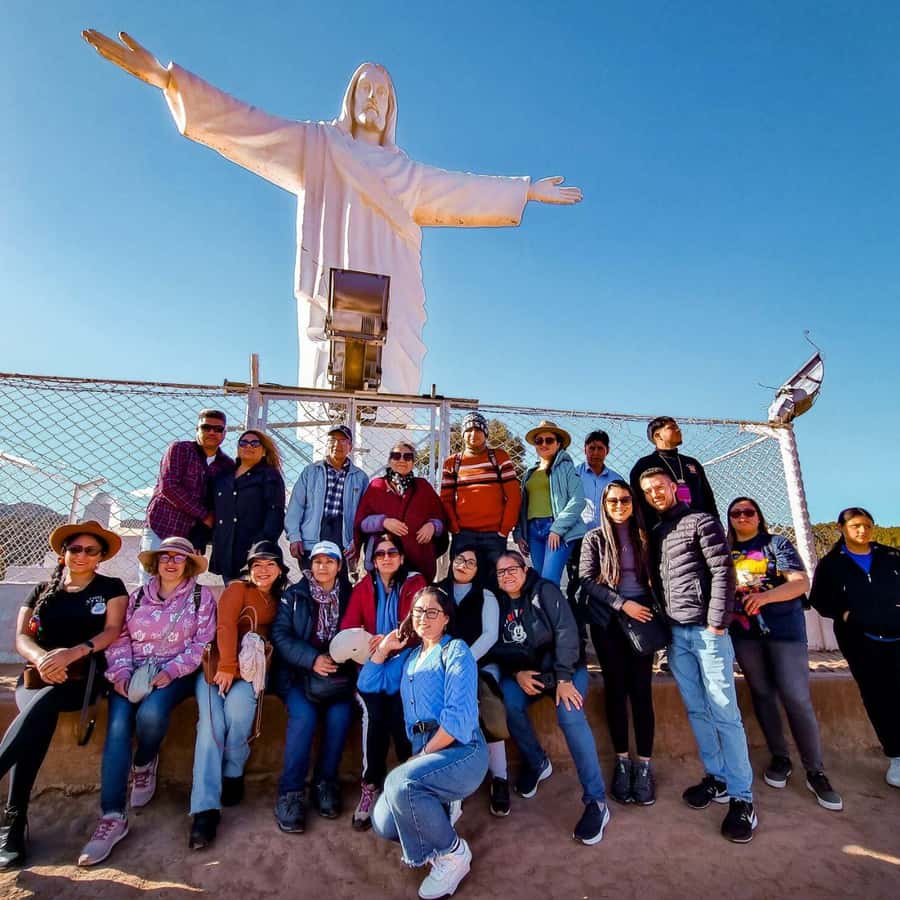
- Cristo Blanco: This viewpoint stop is the kind of place that helps you understand Cusco’s geography. From up above, you start to see why the city sits where it does, and how the hills frame everything.
- Qorikancha: Often tied to the idea of an important sacred space, Qorikancha is worth your attention because it represents layers of Cusco’s past. From a bus ride, you get recognition and direction—enough to know what you’re looking at when you later return on your own.
- Sacsayhuaman: This is the big one for most first-timers. Even from outside, the scale can hit you. You’ll get the sense of how the site was built to endure and how it watches over the city.
- Qenqo: You’ll catch it as part of the panoramic circuit. Qenqo tends to reward even quick looks because the terrain and stone features can read differently depending on your angle.
- Pukapukara: Another classic stop on Cusco’s circuit. The viewpoint aspect is key here—your understanding grows when you see it as part of a wider set of places rather than one isolated stop.
Because entrances aren’t listed as included, I recommend treating this as a “see and orient yourself” tour. If you want deep interior time, plan a separate stop later. For a first day, that’s often the smartest move: get oriented now, explore in full later.
The Guided Part That Actually Helps: What You Should Listen For
A professional guide is included, in English and Spanish. That matters more than people think. When you’re in Cusco, you’re hit with lots of names—Cathedral, Qorikancha, Sacsayhuaman—and it’s easy to memorize them without meaning.
I’d focus on what the guide emphasizes during the drive and photo stops. Use those moments to connect:
- What each site is known for
- Why it’s positioned where it is
- How the sites relate to the surrounding hills and the city’s layout
You’ll get the tour structure for the afternoon, but your job is simple: pay attention to the “why,” not just the “what.” If you do that, the panoramic bus ride turns into a map in motion.
Huayllarccocha Lake: Andean Myths Staging and Live Performances
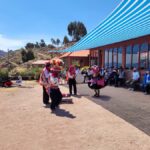
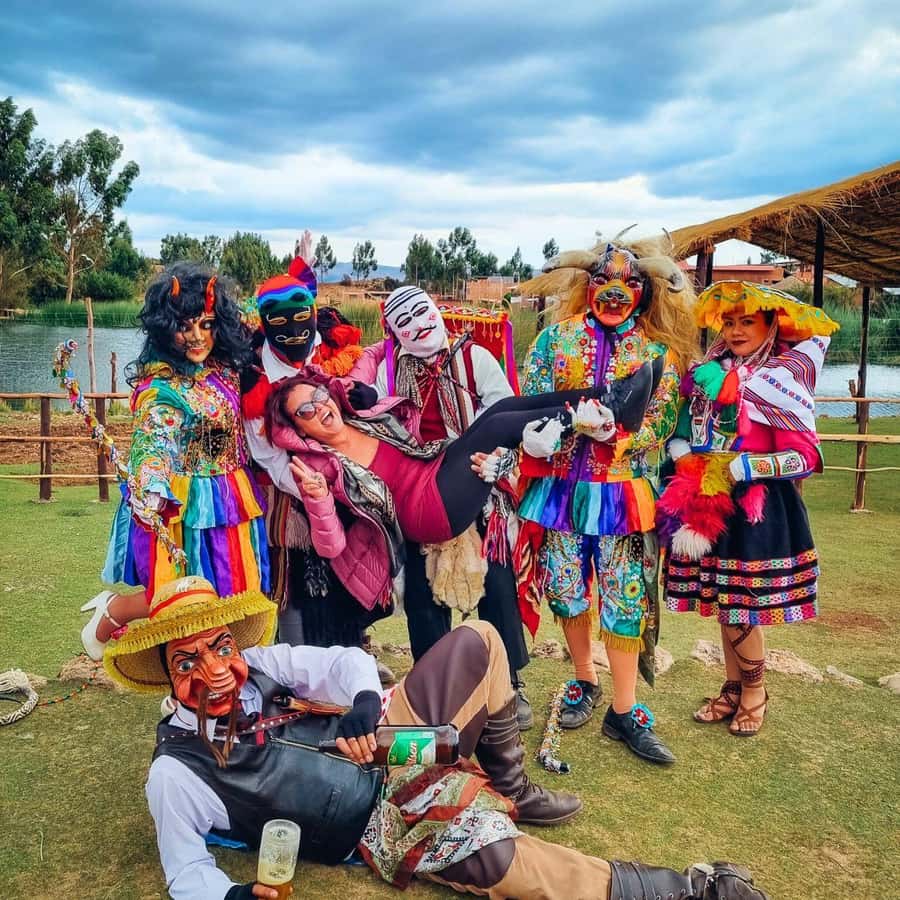
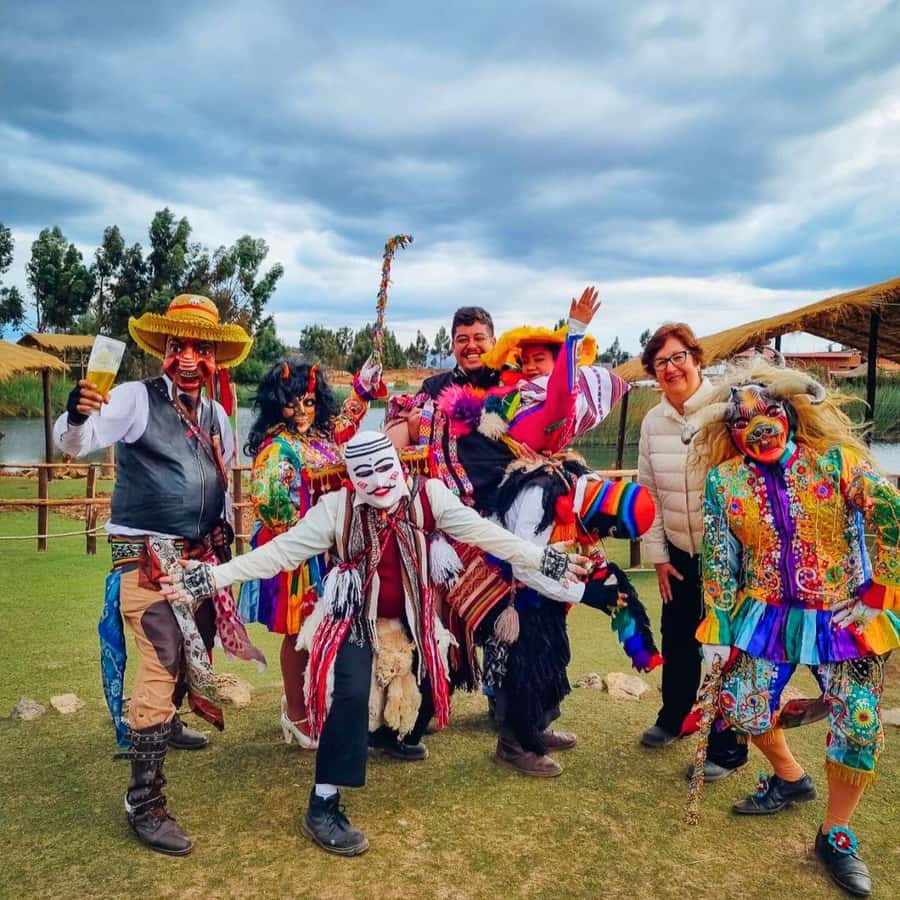
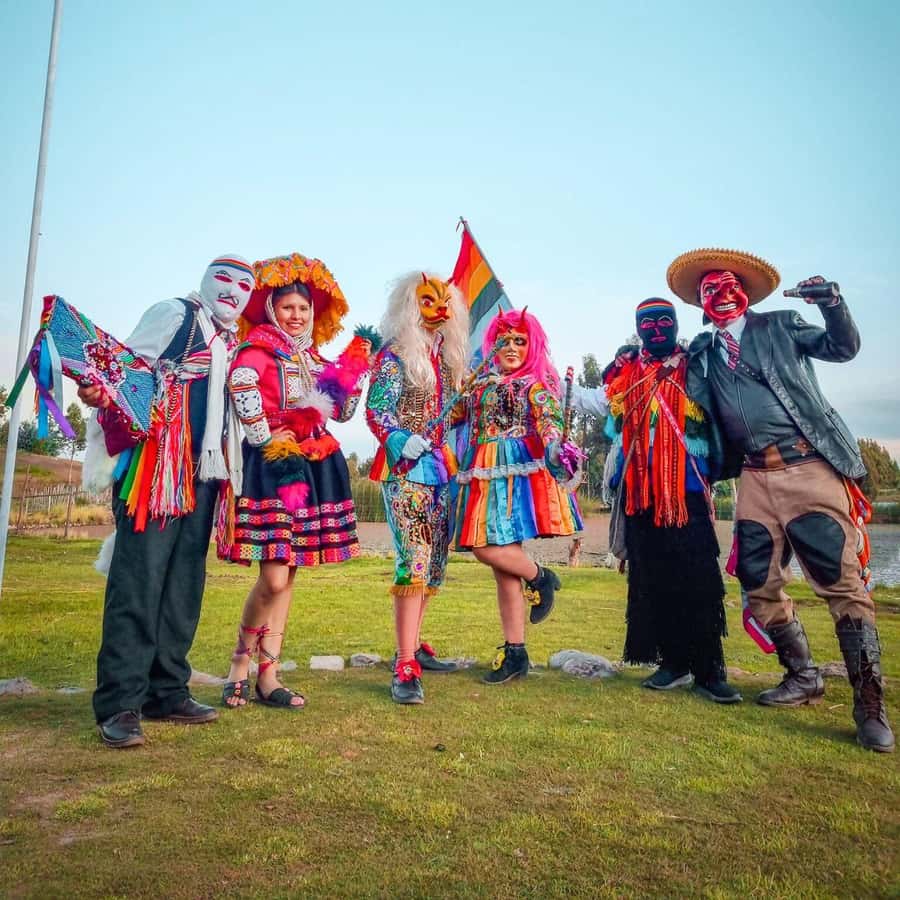
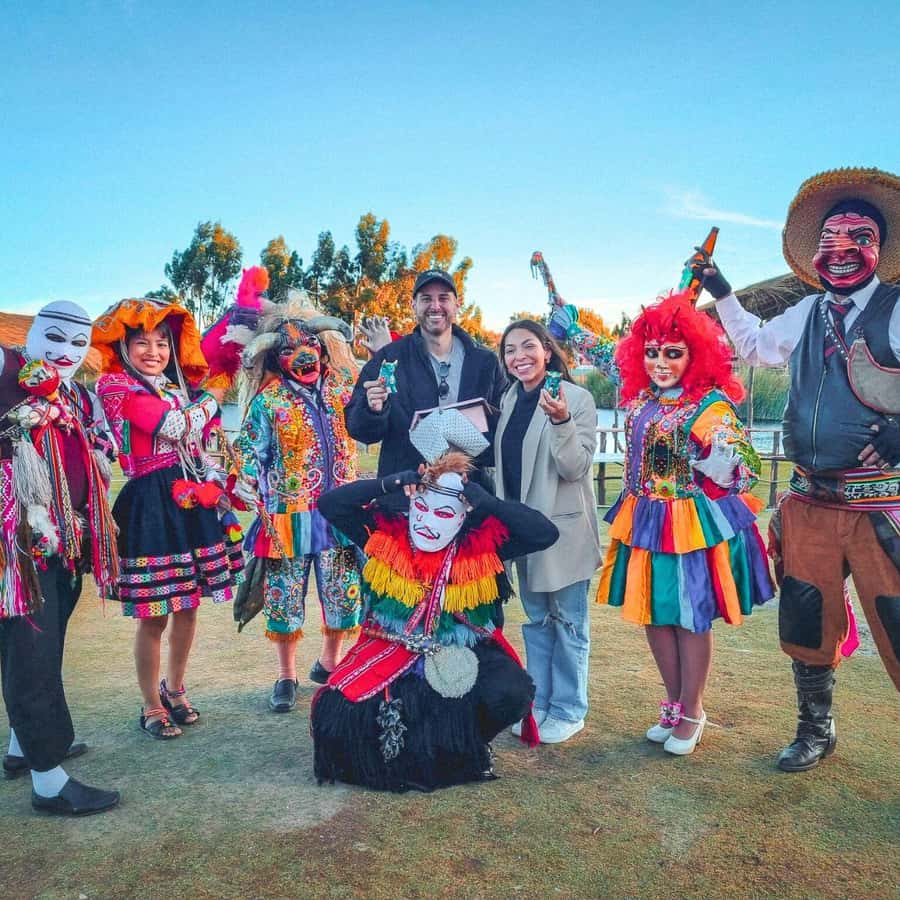
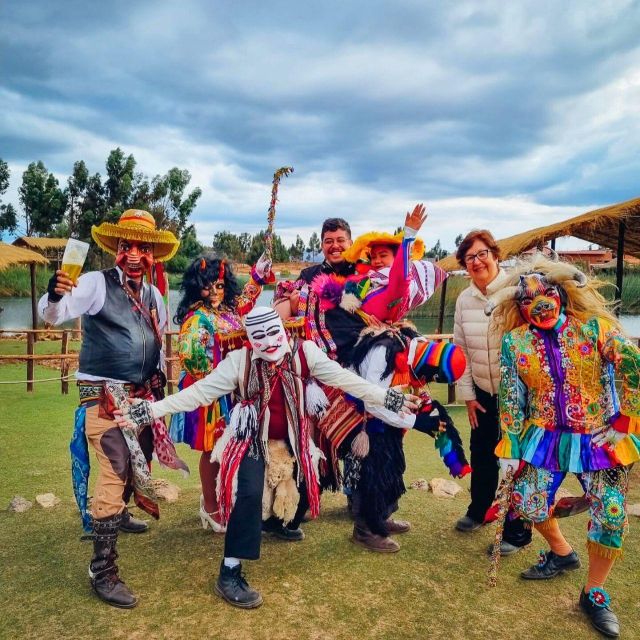
After the panoramic city circuit, you’ll arrive at Huayllarccocha lake, described as a magical place where staff are waiting for a staging of Andean myths. This part is more theatrical than sightseeing. It’s where the tour shifts from “places” to “story.”
If you like cultural performances, this is the moment to lean in. Staging usually means you’re not just watching a dance from a distance—you’re there as part of the atmosphere. The tour also includes traditional dance as a live element, so even if the sights don’t all click instantly, the performance adds a different kind of connection.
The key practical point: because this happens at a lake setting, conditions can feel different from central Cusco. Bring layers you can tolerate, and keep your phone secure for photos. I wouldn’t count on everyone having perfect weather.
This segment is also one of the main reasons the tour feels like more than a bus loop. You come away with memories tied to sound, movement, and a story setting—not just stone and streets.
The Restobar Stop and the Pisco Sour Preparation Demo
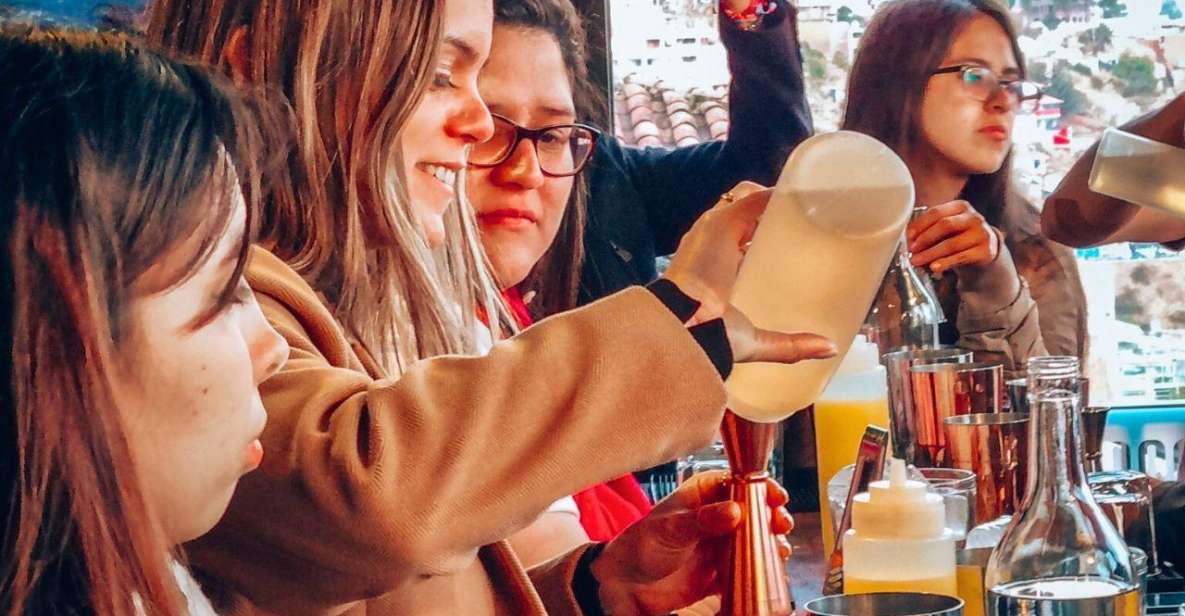
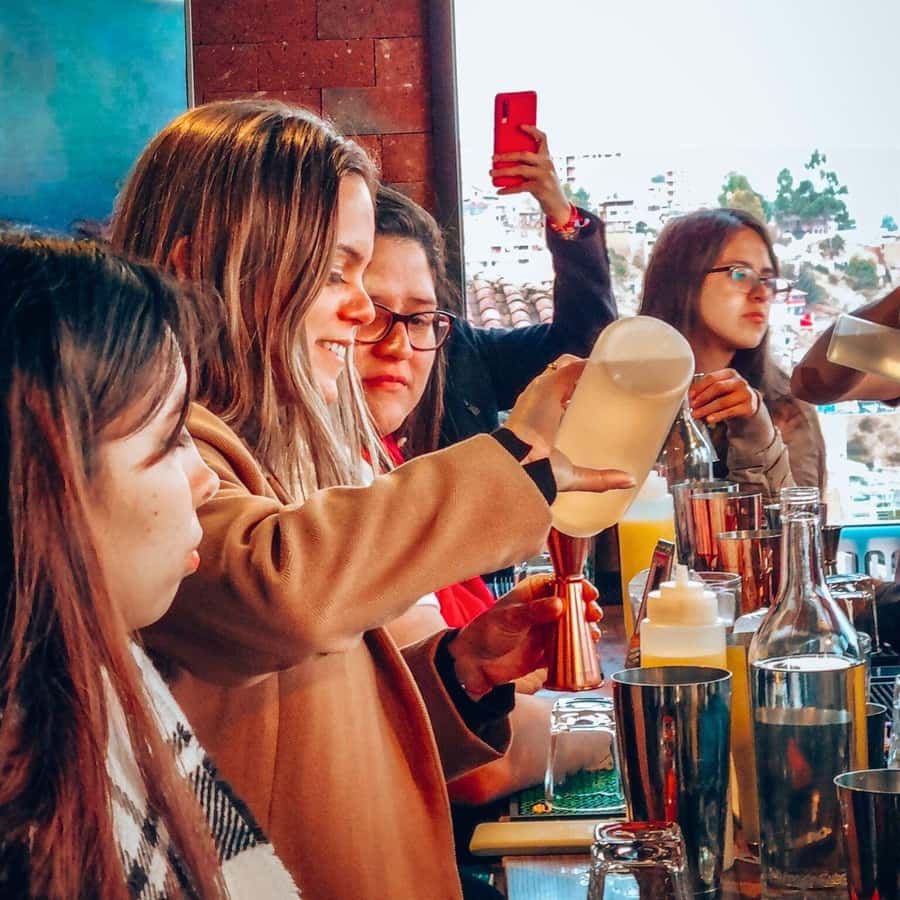
At the end of the staging, you go to a restobar, where there’s a demonstration of how to prepare a Pisco Sour. I like these kinds of demos because they give you something concrete to talk about later. It’s not just tasting; it’s learning the process enough to understand what you’re ordering when you see it again.
There’s also a clear rule: alcohol and drugs are not allowed, and alcoholic drinks are not allowed in the vehicle. So don’t expect a party bus vibe. The intent is cultural and structured, with alcohol rules written clearly.
If you’re the type who enjoys food and drink experiences, this demo is a solid add-on. It fits the tour’s format: first you see Cusco, then you watch stories through dance, and finally you get a short “how it’s made” moment that translates into the rest of your trip.
Price and Value: What $37 Really Buys You
The price is listed as $37 per person for 5 hours. That’s a bargain level if what you want is: transport plus guidance plus planned entertainment.
Here’s what’s included:
- Tourist transport / Bus 180
- A professional guide (English and Spanish)
- The bus experience itself
- The tour components that come with the route and included activities
What’s not included:
- Hotel pickup
- Entrances
- Travel insurance
- Meals
So the value depends on your goals. If you’re happy with exterior viewing, photo stops, and guided orientation, you’ll likely feel it’s priced fairly. If you want to enter sites for longer times or you expect food to be part of the deal, you’ll need to budget extra.
For a practical approach, assume you’ll pay for your own meals and any entrance fees you choose to add later. The tour gets you moving, informed, and entertained during the afternoon, and then you can spend the rest of your trip exploring at your pace.
Who This Tour Fits Best (and Who Might Prefer Something Else)
I think this tour is ideal if you’re:
- In Cusco for the first time and want quick orientation of major sites
- Interested in a mix of sightseeing plus performances
- Comfortable meeting at the main square and handling your own transit to the pickup point
- Looking for a guided afternoon without getting bogged down in entrance tickets
It may not be the best match if you:
- Need wheelchair access (it’s not suitable for wheelchair users)
- Want a long, slow, in-depth walk-through of each monument (entrances aren’t included)
- Prefer tours that start in the morning (this one boards at 13:50)
If you’re traveling with a friend and want a shared “fun but structured” day, this format can work really well. The bus ride keeps you from logistics headaches, while the performance and demo give you something to remember besides stone.
A Few Small Rules to Save Your Day
The tour explicitly states that alcohol and drugs are not allowed, and alcoholic drinks are not allowed in the vehicle. That’s worth respecting early so you’re not dealing with rules in the moment.
Also, the tour runs 5 hours and ends back in the Plaza de Armas area. Plan a loose evening after that. In Cusco, a relaxed schedule helps your body adjust after an active afternoon.
Should You Book BUS 180 Cusco?
I’d book this if you want an afternoon that balances big-name Cusco sights with real cultural performance, all wrapped in a panoramic bus experience. At $37, the included transport, bilingual guide support, and the two show-style moments (Andean myth staging with live dance, plus the Pisco Sour demo) make it a strong value for a first taste of Cusco.
I’d skip it if you need deep entry time at monuments, want morning hours, or rely on wheelchair-friendly access. And if getting to Plaza de Armas feels stressful, choose a tour that includes pickup—or plan your route to the main square carefully.
If you’re ready for a fun, guided orientation day with clear rules and no fuss, this is a smart bet.
FAQ
What time does the BUS 180 Cusco tour board?
The boarding time is listed as 13:50, and you board at the main square area in Cusco (Plaza de Armas).
How long is the tour?
The duration is 5 hours.
Where is the meeting point?
The meeting point is the main square of Cusco, and the starting location is listed as Pl. Haukaypata 195.
What’s included in the price?
Included are tourist transport, a professional guide (English and Spanish), and the Bus 180.
Are entrances or meals included?
No. Entrances, meals, and travel insurance are not included.
Is this tour wheelchair accessible?
No. It is not suitable for wheelchair users.