REVIEW · CUSCO
City Tour in Cusco & visit Museum South American Camelid
Book on Viator →Operated by Chullos Travel Peru · Bookable on Viator
Cusco’s stones tell a clear story. This half-day tour strings together key Inca and Spanish-era landmarks with a real guide voice, so you walk away with a map in your head, not just photos. I like that you can pick a morning or afternoon slot, which makes it easier to fit into acclimatization days.
I really like the pacing and the mix of stops. You start at Plaza de Armas, then head to Qorikancha and the bigger archaeology sites around Cusco, with enough time at each place to actually absorb it. I also appreciate the small group size (up to 15) and the included bilingual guide plus air-conditioned transport.
One thing to keep in mind: this is a bus-heavy route, and a few people reported timing or meeting-up issues, plus that some guides may not be equally strong in English. If you’re sensitive to schedule changes or language nuance, it’s smart to go in with flexible expectations.
In This Review
- Key Points Worth Noting
- Cusco in 4–5 Hours: The Goal of This Half-Day Tour
- Starting at Plaza de Armas: Your Quick Orientation Anchor
- Qorikancha (Temple of the Sun): Museum Time That Changes How You See Cusco
- Sacsayhuaman: The Big-Stone Stop That Sets the Tempo
- Q’enqo and Puka Pukara: Shorter Stops, Stronger Impact
- Tambomachay’s Water Temple: A Calm Reset Between Ruins
- The Camelid Museum Stop: A Useful Cultural Side Note
- How the Route Actually Feels: Bus Tour, Not Walk Marathon
- Price and Tickets: What $11.70 Really Buys You
- Guides Matter: When Bilingual Works Great
- Who Should Book This Tour (and Who Might Prefer Something Else)
- Should You Book This Cusco City Tour?
- FAQ
- How long is the Cusco city tour?
- How much does it cost?
- What’s included in the price?
- What’s not included?
- Where does the tour start and end?
- Is it a morning or afternoon tour?
- How big is the group?
- Is cancellation free?
- Is the guide bilingual?
Key Points Worth Noting
- Small group max 15: easier questions, less lost-in-the-crowd chaos
- Inca-to-Spanish focus: you’ll connect what you see at each site to Cusco’s bigger story
- Time at each stop is planned: from a quick 10 minutes at Plaza de Armas to longer museum-style time at Qorikancha
- Air-conditioned vehicle + guide included: comfort matters after you arrive at high altitude
- Entrance fees not included: budget for site tickets so you’re not stuck deciding on the spot
- Some schedules include the camelid museum: a useful cultural add-on alongside the archaeology
Cusco in 4–5 Hours: The Goal of This Half-Day Tour
This tour is built for orientation. You’re not trying to conquer every ruin in the Cusco region. Instead, you get a tight, guided circuit that helps you understand why Cusco looks the way it does now, using the backbone of Inca foundations and the overlay of Spanish influence.
It’s also a smart “bridge day” if your trip is heavy. People often use it between big travel moments to rest a bit while still seeing real sites. And yes, it’s still Cusco: there’s walking and some climbing, but it’s manageable enough that it works well as an acclimatization-friendly introduction.
The duration runs about 4 to 5 hours, depending on your departure slot and how the day flows. You’ll use the vehicle for most transfers, so you spend your energy on the stops that matter.
You can also read our reviews of more city tours in Cusco
Starting at Plaza de Armas: Your Quick Orientation Anchor
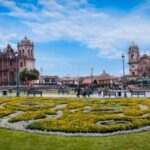
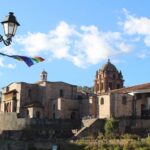
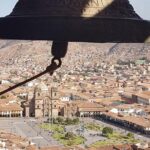
The tour starts at Plaza de Armas de Cusco (Del Medio 123, Cusco 08000). That’s the perfect first move because Plaza de Armas is the easiest place to mentally lock onto. Even if you’ve only been in Cusco for a few hours, you’ll likely recognize it right away.
Expect an external look at the main square, not a long museum-style stop. The planned time is about 10 minutes, which sounds short, but it works as a warm-up. You get a short guided frame for how this colonial-era center sits atop (and beside) older Inca city logic.
Practical note: this is one of the spots where being on time really counts. If your group gets split up, everyone feels it fast because the bus timing depends on the meet point.
Qorikancha (Temple of the Sun): Museum Time That Changes How You See Cusco
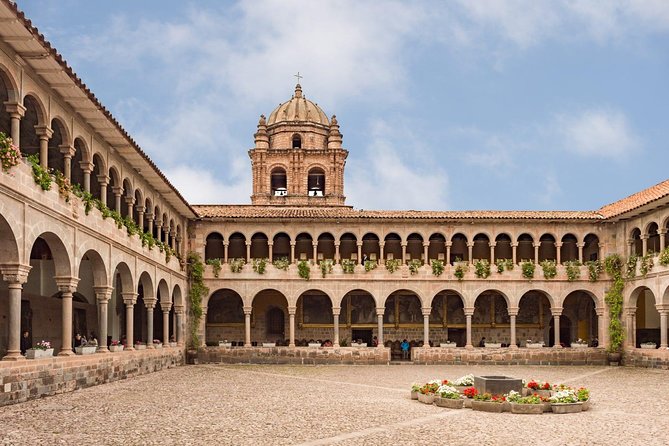
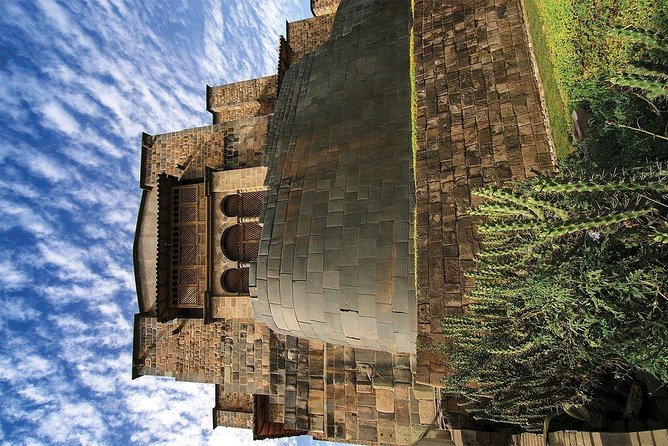
Next comes Qorikancha, including the museum and archaeological site context around the Temple of the Sun. You’ll get about 45 minutes here, which is the longest stop in the circuit after the bigger fort/ritual sites.
This is where you learn the key idea that Cusco wasn’t only an Inca capital. It was an Inca center that the Spanish reshaped, often by building new structures into the existing sacred geography. Qorikancha is a strong example of that collision—religious meaning, political power, and stonework all in one.
One useful reason to like this stop: it sets up the rest of the tour. When you later look at other sites, you’ll have a better sense of what your guide is pointing at and why it matters.
Entrance tickets aren’t included, so if you want to avoid delays, have your ticket plan ready before you arrive at Qorikancha.
Sacsayhuaman: The Big-Stone Stop That Sets the Tempo
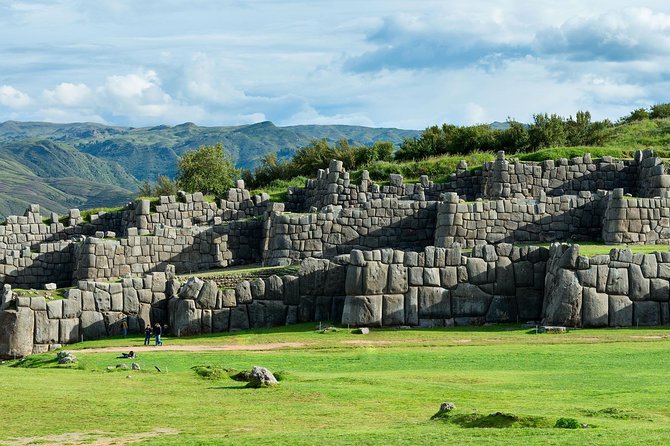
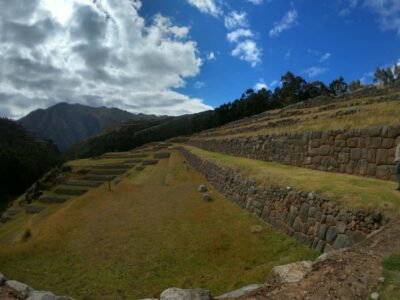
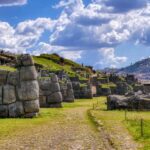
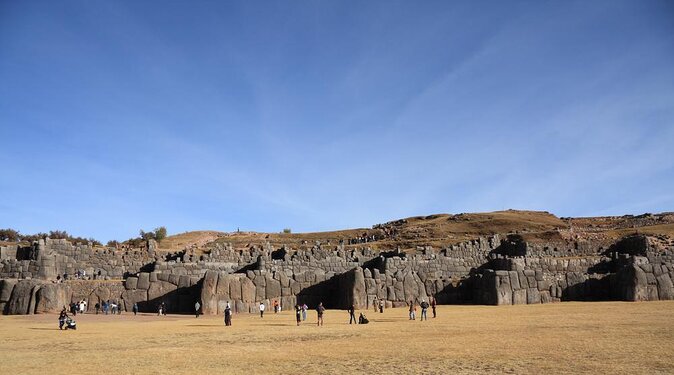
Then you head to Sacsayhuaman, with about 45 minutes at the site. This is the fortress-like archaeology stop most people remember because the scale is hard to ignore and the stonework invites questions.
On a practical level, this is also the kind of place where a guide helps a lot. Without explanation, you might just see impressive walls. With explanation, you start recognizing the logic behind the layout and why it served ceremonial or strategic purposes in the Inca worldview.
Altitude reality check: Sacsayhuaman can feel demanding because you’re walking on uneven ground. The upside is that it’s a guided pace. And for many people, it’s a good “I’m acclimating” test: you’ll learn your limits while still feeling productive.
Q’enqo and Puka Pukara: Shorter Stops, Stronger Impact
After Sacsayhuaman, the tour moves into the more compact archaeology stops:
- Q’enqo for about 30 minutes
- Puka Pukara for about 30 minutes
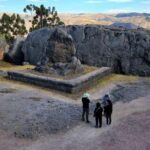
These two stops are quick, so you’ll want to stay mentally switched on. Q’enqo is known for carved stone features tied to ritual use, and Puka Pukara is associated with a site often described around red-hued stone and fort-like function.
What makes these stops valuable in this tour format is balance. After the big-scale wall and views, Q’enqo and Puka Pukara feel like the tour tightening its focus. You go from seeing size to seeing detail.
Because they’re shorter, they also help if you’re not feeling great due to altitude. You get a meaningful dose without turning your half day into an endurance event.
Entrance fees apply here too, so keep your ticket ready and don’t assume each site entry will be handled for you.
You can also read our reviews of more museum experiences in Cusco
Tambomachay’s Water Temple: A Calm Reset Between Ruins
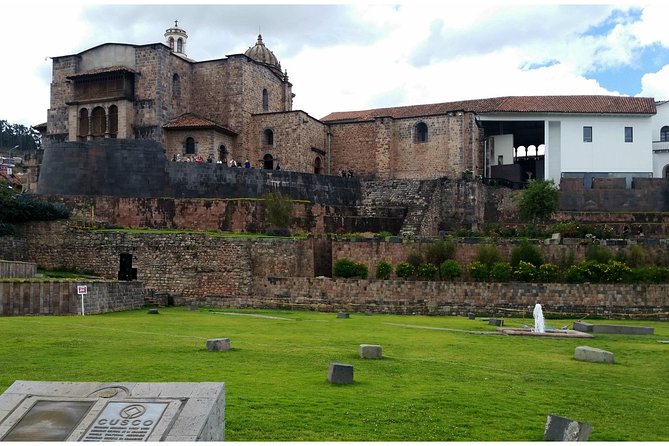
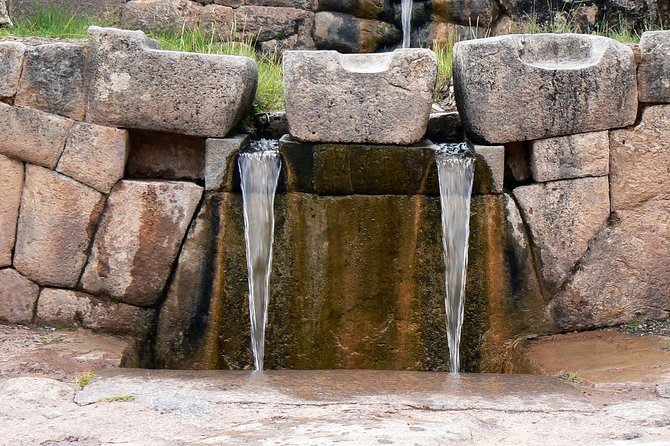
The last archaeology stop is Tambomachay, often referred to as a water temple. Plan for about 30 minutes here.
This is a nice reset after the more visually intense sites. Instead of pure stone spectacle, the focus shifts to water-related sacred meaning and the way the Incas shaped the environment around ritual life.
Even if you’re not a “ruin detail” person, this stop tends to land well because it changes the mood of what you’re seeing. It can also help you end the tour with a smoother brain, which matters because Cusco days can feel long after jet lag.
After Tambomachay, the tour ends back at the meeting point, so you’re not left searching for your way home.
The Camelid Museum Stop: A Useful Cultural Side Note
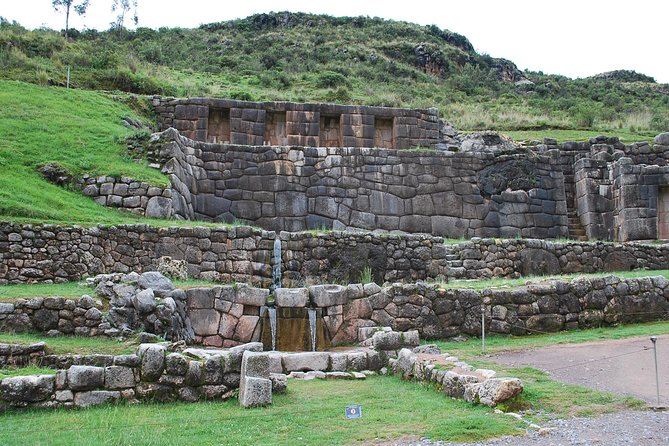
Your experience title includes a visit to the Museum South American Camelid. The key point for planning is simple: it’s a museum-focused add-on that sits alongside the archaeology circuit.
If you enjoy learning how everyday animals connect to Andean life, this kind of stop can be a good mental bridge. It can also be a relief valve in a day that’s otherwise mostly outdoors and stone-based.
Because the exact timing and how long you’ll spend there isn’t spelled out in the provided details, treat it as an extra block in the schedule rather than something you can optimize around. If you have tight plans later that day, don’t schedule them too close to the tour’s end time.
How the Route Actually Feels: Bus Tour, Not Walk Marathon
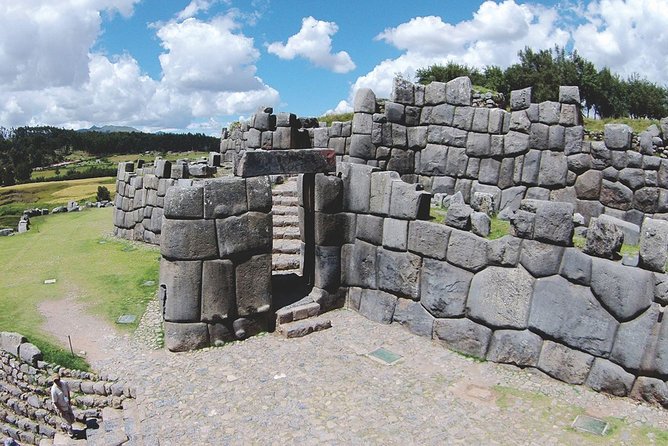
This is not a “stroll through everything on foot” tour. It’s more like: one main walking beat where it matters, then you’re bussed between major sites. That’s a good thing in Cusco, where distances add up quickly and altitude can slow you down.
The air-conditioned vehicle is included, which helps. It also makes the time between stops feel more controlled. You’re not stuck in the sun for every transfer.
That said, bus tours have a trade-off. If you love exploring street by street, you may wish you had more time in each location on your own. If you want a guided overview that gets you oriented fast, this format is a strong fit.
A small-group cap (maximum 15) makes a noticeable difference here. You’re less likely to feel separated, and the guide can manage the flow better.
Price and Tickets: What $11.70 Really Buys You
The price is $11.70 per person, which is strikingly low for a guided half-day with a bilingual professional and vehicle. At this rate, the value comes from what’s included: a professional bilingual guide, air-conditioned transport, and all the guided information.
The main catch is the obvious one: entrance tickets are not included. So the real cost equation depends on how you handle admission.
A helpful budgeting tip you might consider (based on common guidance shared by other visitors): the partial site ticket has been mentioned around 70 soles for the cluster of stops tied to this kind of itinerary, while a general ticket has been mentioned around 130 soles if you’re planning additional visits on another day. The best move is to decide early whether your Cusco plan is one day only or multiple days of archaeological sites.
Also plan for timing. If you want to avoid frustrating delays, don’t wait until the last second to figure out ticket options on site.
Meals aren’t included either. That matters because you’ll be out for most of your half day. Bring a light plan for food if you’re sensitive to hunger when altitude hits.
Guides Matter: When Bilingual Works Great
The tour includes a professional bilingual guide. In practice, that can make the tour feel effortless, especially when the guide can explain both the big story and the small details at the right pace.
Some guides named in experience feedback include Luis (Lucho), Edwin, Regina, and Pavel. The common thread is clear: when the guide is confident and attentive, the tour turns into real learning, not just reading stone labels.
A balanced note: not every bilingual performance is equally strong for every listener. A couple of reports pointed out that English understanding wasn’t always clear, and one report flagged an English challenge. So if English precision matters a lot to you, consider booking with a group size that’s small (this one is), and keep your questions simple and direct.
Also, some reports mentioned time changes or difficulty finding everyone. That’s why the first meeting spot matters. Arrive a little early at Plaza de Armas so you’re not dealing with last-minute regrouping.
Who Should Book This Tour (and Who Might Prefer Something Else)
Book this tour if you want:
- A fast Inca-and-Spanish Cusco orientation before you start deeper exploring
- A guided way to see the major archaeology circuit without researching every stop yourself
- A half day that helps with acclimatization, since the walking is manageable and the rest is transport
- A small-group feel (max 15) with a guide you can ask questions of
You might skip it (or pair it differently) if:
- You want lots of free time at each site without bus rhythm
- You need highly polished English narration at all times
- You’re the type who gets stressed by any schedule tweaks
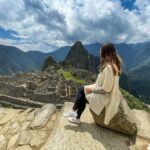
This tour pairs especially well with a trip that includes later highlights like Machu Picchu, because it gives you a mental framework for the Inca story before you get to the big one.
Should You Book This Cusco City Tour?
Yes, if you want an efficient, guided “Cusco starter pack” with real archaeological stops. The price is an easy win, and the route is structured to cover the sites that most people use to understand Cusco’s story quickly. The small group limit and included air-conditioned vehicle make it comfortable enough for a first day in town.
If you’re planning to see several major sites over multiple days, use this as your anchor and then match your admission strategy to your wider itinerary. If you’re mainly in Cusco for one short block, make sure you’re ready for entrance fees so the day stays smooth.
One extra practical note: there’s free cancellation up to 24 hours before the experience starts, so you can book now and adjust if your schedule changes.
FAQ
How long is the Cusco city tour?
It lasts about 4 to 5 hours.
How much does it cost?
The price is $11.70 per person.
What’s included in the price?
You get a professional bilingual guide, an air-conditioned vehicle, and the guided information.
What’s not included?
Entrance tickets and meals are not included.
Where does the tour start and end?
It starts at Plaza de Armas de Cusco (Del Medio 123) and ends back at the same meeting point.
Is it a morning or afternoon tour?
You can choose a morning or afternoon tour based on your schedule.
How big is the group?
The tour has a maximum of 15 travelers.
Is cancellation free?
Yes. You can cancel for a full refund up to 24 hours before the experience starts.
Is the guide bilingual?
Yes. The tour is described as bilingual in English and Spanish.