REVIEW · CUSCO
Cochahuasi Animal Sanctuary® Admission Ticket
Book on Viator →Operated by Cochahuasi Animal Sanctuary · Bookable on Viator
Rescued Andean animals tell their stories. This Cochahuasi Animal Sanctuary admission ticket in Cusco is built around a local guide who helps you see the rescued animals up close and understand what recovery and conservation actually mean. It’s wildlife tourism with a purpose, and the visit is short enough to fit cleanly into a busy day.
I love the way the guide connects what you’re seeing to the animals’ backgrounds, including why some can’t ever go back to the wild. I also like that you can explore at your own pace after the initial orientation, so you’re not stuck following a rushed script.
One thing to consider: the sanctuary may not look like a postcard version of a wildlife park. Some animals live in enclosures and living spaces can feel small, so go expecting a real care setup, not a carefree zoo experience.
In This Review
- Key highlights to know before you go
- Cochahuasi in Cusco: a realistic 45–90 minute wildlife visit
- Tickets and price: $10 value, and why timing can save hassle
- What the guided admission includes, and what you get for it
- Stop-by-stop: how your visit usually unfolds
- Andean wildlife you might see, plus the hard truth about release
- Conservation in action: what to watch for, and what to question
- Getting there from Cusco: the remote factor and how to avoid headaches
- Who this is best for (and who might want a different plan)
- Practical tips to make the visit smoother
- Should you book the Cochahuasi Animal Sanctuary ticket?
- FAQ
- How long does the Cochahuasi Animal Sanctuary admission visit take?
- What does the ticket cost?
- Is a guide included with the admission?
- Are food and drinks included?
- Where is this experience located?
- What kind of fitness level is required?
- Are children allowed?
- What is the group size limit?
- What is the cancellation policy?
- How far is it from Cusco and how should I get there?
Key highlights to know before you go
- Book ahead to avoid waiting in line and lock in your timing
- Local guide included so you’re not just looking at cages and guessing
- Short, flexible visit that usually lands between 45 minutes and 1 hour 30 minutes
- Rescue-and-rehab focus with clear explanations of recovery and what can (or can’t) be released
- Small groups (maximum 15 travelers), which makes questions easier
- Great wildlife value at $10 per person, especially compared to paying on site
Cochahuasi in Cusco: a realistic 45–90 minute wildlife visit
This ticket is for entry to Cochahuasi Animal Sanctuary with a guide, and the whole experience typically runs from about 45 minutes to 1 hour 30 minutes. That time window matters in Cusco. You can squeeze it between other activities without turning the sanctuary into your whole day.
Expect a visit that mixes gentle movement through the grounds with focused stops for each animal or habitat area. The guide sets context first, then you get the freedom to linger where you feel like it. That rhythm helps because animal care stories are not one-size-fits-all; you’ll likely hear different reasons for why each animal ended up here and what care looks like now.
It’s also a place where you’ll get more from paying attention than from speed. If you’re the kind of traveler who likes to ask one good question and then look closely, this works well.
You can also read our reviews of more tours and experiences in Cusco

Tickets and price: $10 value, and why timing can save hassle
The published price is $10 per person for admission, and the site is booked in advance by many people (on average about 6 days ahead). Booking ahead is not just about convenience. It’s also your best way to reduce waiting and keep your day on schedule.
Now for value: wildlife sanctuaries can cost a lot, and it’s easy to feel like you’re paying for “seeing animals.” Here, you’re also paying for a guide and conservation context. That’s why the cost feels more fair than a basic entry ticket.
One practical note from experience on the ground: you may see a different price if you pay directly at the sanctuary. Some visitors reported a higher rate in soles when buying on site compared with the $10 USD option. If you want the easiest math, book in advance and arrive with your plan already set.
If your schedule changes, you can cancel for free up to 24 hours before the experience starts. If you’re close to departure day, that flexibility helps you keep options.
What the guided admission includes, and what you get for it
Your ticket includes a local guide. That’s the big differentiator. Instead of wandering and trying to interpret animal behavior on your own, you’ll get explanations tied to the animals’ rescue stories and current situation.
You should also know what is not included: food and drinks are not part of the ticket. If you’re going as a half-day add-on, plan for water and a snack outside the sanctuary so you don’t end up cutting your visit short because you’re hungry.
The sanctuary visit is designed for a broad range of travelers, but there’s one physical note: the activity calls for a moderate physical fitness level. That doesn’t sound like a hike, but it’s still smart to wear comfortable shoes and be ready for walking on uneven ground or paths.
Children must be accompanied by an adult, which also keeps the experience safer and easier for the animals.
Stop-by-stop: how your visit usually unfolds
The experience centers on one main stop: Cochahuasi Animal Sanctuary. There isn’t a multi-leg itinerary with lots of moving parts. The value is in how the guide structures your time inside.
Here’s the typical flow you can expect:
1) Orientation and rescue context
A local guide brings you into the sanctuary and helps you understand what you’re about to see. This is where the visit becomes more than sightseeing, because you learn why particular animals are here and what their recovery or ongoing care requires.
2) Up-close viewing with guidance
You’ll see rescued Andean wildlife at close range. The guide helps you spot patterns in behavior that make sense in a sanctuary environment, and you’ll likely hear practical details about health, needs, and ongoing treatment.
3) Self-paced exploring
After the initial guidance, you can slow down or move on at your own speed. This part is genuinely useful. Some animal areas naturally hold your attention longer, and self-pacing means you’re not penalized for taking time.
The sanctuary also limits group size to 15 travelers max, so your questions won’t get swallowed by a crowd.
Andean wildlife you might see, plus the hard truth about release
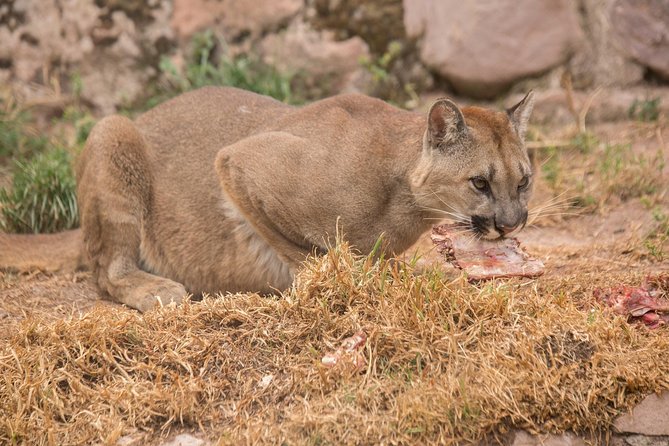
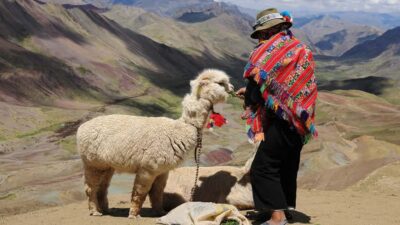
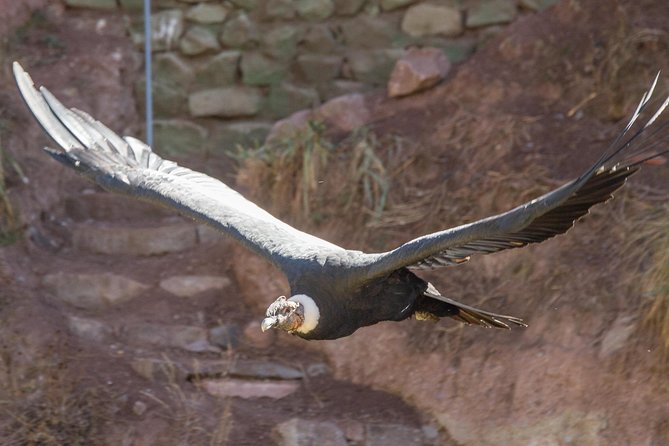
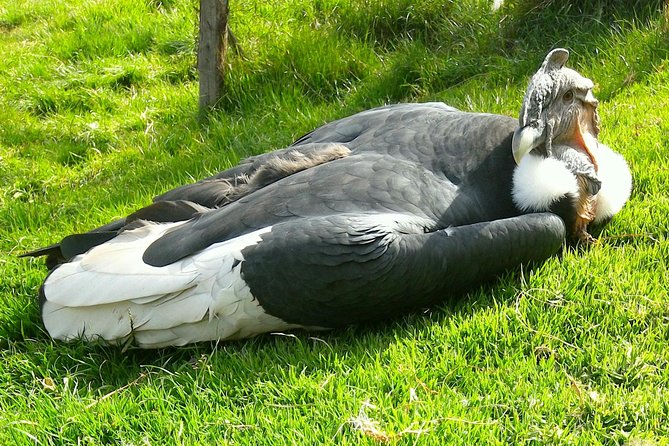
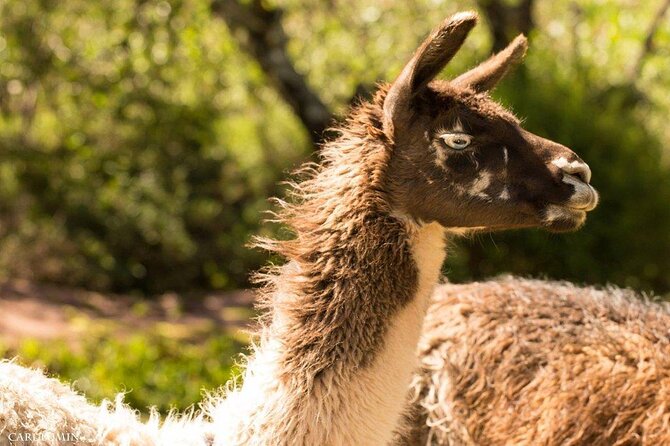
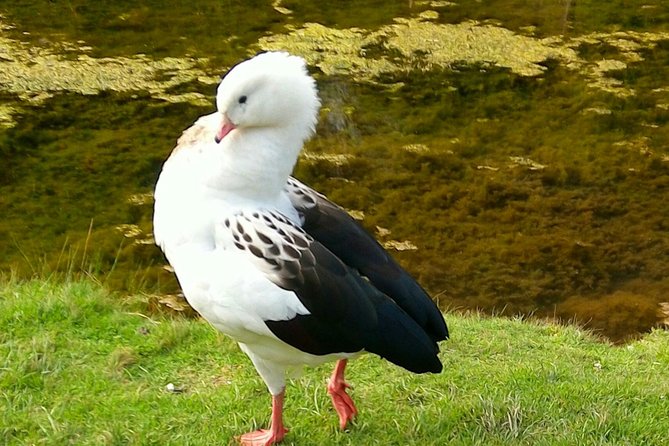
Cochahuasi is all about wildlife from the Andes, and that can include larger animals such as pumas, bears, condors, monkeys, llamas, and alpacas. You may not see every species every time, but the collection focuses on animals native to the region.
Here’s the part I think matters most: you’ll learn why sanctuaries are sometimes a final home. Many rescued animals can’t return to the wild due to injuries or because of human imprinting (an animal that becomes too accustomed to people). Even when rehab is successful, not every animal is a fit for release. That’s not just sad—it’s practical.
Some animals can eventually be released back to the wild after recovery. Others can’t and require permanent care. A good guide will help you understand which category each animal falls into and why, so you’re not left thinking the sanctuary is only a holding area.
Also, don’t expect every story to be about a single rescue moment. The care can be ongoing, and you might hear examples of specialized solutions developed for an animal’s needs, especially when injuries were severe.



Conservation in action: what to watch for, and what to question
This sanctuary is clearly tied to conservation. The goal is to protect rescued animals, educate visitors, and support long-term care decisions. That said, it’s still fair to discuss the reality on the ground.
You may notice animals housed in enclosures. In one review perspective, that looked too much like cages, and someone felt the premises were small and not well kept. Other visitors described animals as safe, well cared for, and content, and praised the guides for explaining current status and recovery work.
So how do you handle that contradiction as a visitor? Treat the guide as your reality-check. If you see something that feels off, ask how the space connects to the animal’s health needs and safety. A sanctuary isn’t a showroom. It’s a medical and care environment first.
If you’re sensitive to animal welfare topics, go into this with a prepared mindset: you’re not touring a resort-like facility. You’re visiting a place where some living conditions are shaped by injury, behavior, and safety requirements.
And one more thing that helped readers feel better: guides tend to be passionate. When someone truly knows each animal’s story, the experience feels less like viewing and more like understanding care.
Getting there from Cusco: the remote factor and how to avoid headaches
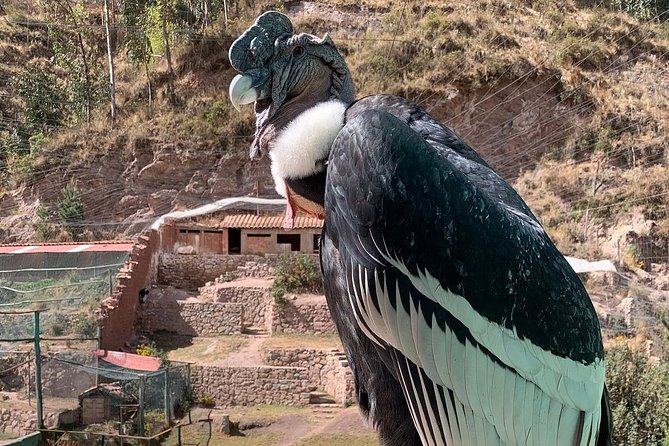
Cochahuasi is about 30 minutes from Cusco. That’s manageable, but the sanctuary can feel more remote than you expect. Plan your transport so you don’t end up waiting around.
A common tip from visitors: arrange a taxi or Uber to get there, and don’t assume the ride back will be automatic. One review noted that the driver might wait and return you to your hotel for an agreed small fee. That’s smart: it reduces stress when the sanctuary visit runs from 45 minutes to 1.5 hours.
If you’re traveling on a tight schedule, confirm the return timing with whoever drives you. Ask the guide or staff what the usual wrap-up timing looks like so you can plan your pickup window.
Who this is best for (and who might want a different plan)
This is a strong match for wildlife lovers who want more than photos. If you care about conservation, you’ll likely appreciate the stories behind each animal and the explanation of whether and why release is possible.
It also works for people who like compact plans. Because the whole visit is one main stop and capped at small group size, you’re not juggling bus transfers or long waits.
You might want to think twice if:
- You expect open, spacious habitats like a large wilderness park
- You strongly dislike the sight of animals in enclosures
- You’re looking for a leisure, low-emotion outing (this visit can involve heavy rescue stories)
Families should be aware that children must go with an adult, and the visit is best handled with comfortable shoes and some patience while you walk and listen.
Practical tips to make the visit smoother
A few small moves can make a big difference:
- Wear comfortable shoes. The visit requires moderate physical fitness.
- Bring water and a snack if you think you’ll get hungry. Food and drinks aren’t included.
- Plan for a ride back. The area can feel remote, and it helps to have a pickup plan before you enter.
- Ask your guide questions. The experience gets better when you connect what you’re seeing to the rescue and current-status explanations.
- Take your time. The sanctuary is meant to be explored at your own pace after orientation.
If you’re the type who loves learning details, you’ll probably leave with a better understanding of conservation trade-offs—why some animals thrive with ongoing care, and why other outcomes aren’t possible.
Should you book the Cochahuasi Animal Sanctuary ticket?
I’d book it if you want a focused, guided wildlife visit with real conservation context in Cusco. At $10 per person, it’s usually good value because the guide is included and the visit is short enough to fit almost anywhere.
I’d hold off or choose another option if enclosures and compact housing are a dealbreaker for you. This is also not a food-and-drinks outing, so plan your day accordingly.
If you do book, here’s the smart decision rule: go with respect for how sanctuaries work, use the guide to understand the animals’ needs, and plan your transport so you can enjoy the full visit without stress.
FAQ
How long does the Cochahuasi Animal Sanctuary admission visit take?
The experience usually lasts about 45 minutes to 1 hour 30 minutes.
What does the ticket cost?
It costs $10.00 per person.
Is a guide included with the admission?
Yes. A local guide is included.
Are food and drinks included?
No. Food and drinks are not included.
Where is this experience located?
It takes place in Cusco, Peru.
What kind of fitness level is required?
You should have a moderate physical fitness level.
Are children allowed?
Children must be accompanied by an adult.
What is the group size limit?
The experience has a maximum of 15 travelers.
What is the cancellation policy?
You can cancel for a full refund up to 24 hours before the experience starts. If you cancel less than 24 hours in advance, the amount paid is not refunded.
How far is it from Cusco and how should I get there?
It’s about 30 minutes from Cusco. Planning a clear taxi/Uber return helps because the sanctuary area can feel remote, and a driver may be able to wait for you for an additional small fee.