REVIEW · CUSCO
Sacred Valley – Pisac and Ollantaytambo day tour
Book on Viator →Operated by Machupicchu Latin America · Bookable on Viator
Your Sacred Valley day moves fast.
I like how this trip strings together small-group attention, hands-on local culture, and major Inca sights in one long but efficient morning-to-evening run. You get the Pisac citadel with its terraces and panoramic views, plus a stop at a community animal rescue where alpacas, llamas, and even vicuñas are part of the day. One thing to plan for: site entrances and lunch are not automatically included unless you pick the all-inclusive option, so your real budget depends on what you choose.
You’ll also get Cusco hotel pickup and drop-off, and the route is built to reduce stress: you’re guided from place to place instead of DIY-ing buses and timing. There’s even a practical option to end at Ollantaytambo train station early enough to connect toward Aguas Calientes and Machu Picchu. Do expect a bit of uphill effort at the Inca sites, especially if you want the best angles and top views.
In This Review
- Key highlights to know before you go
- Sacred Valley day tour: what the $29 price really buys
- Morning logistics: how the day stays smooth
- The drive through Cusco-area Inca sites (Saqsaywaman and Tambomachay)
- Manos De La Comunidad: meet alpacas, llamas, and vicuñas
- Mirador Taray: the short viewpoint stop that sells the Sacred Valley
- Pisac Inca citadel: terraces, temples, and real engineering
- Pisac market time: souvenirs and a taste of daily life
- Urubamba lunch: simple food, useful break
- The weaving stop (and what to do if you hate shopping)
- Ollantaytambo Archaeological Park: the climb that changes the vibe
- Ending at Ollantaytambo train station for Machu Picchu connections
- What group size feels like in real life
- What to bring and how to pace yourself
- Is the upgrade worth it?
- Should you book the Sacred Valley Pisac and Ollantaytambo day tour?
- FAQ
- What time does pickup start?
- How long is the tour, and when do we get back to Cusco?
- Are the entrance tickets to Pisac and Ollantaytambo included?
- Is lunch included in the price?
- Can I continue to Machu Picchu after the tour?
- How big is the group?
- Is an English-speaking guide provided?
- Do I need a passport?
- Is free cancellation available?
Key highlights to know before you go
- Cusco pickup and drop-off keeps the day simple, even when you start around 7:30am
- Manos De La Comunidad lets you meet Andean camelids up close, with free admission listed
- Taray viewpoint photos are the classic Sacred Valley overview in a short stop
- Pisac citadel ruins plus market time balances engineering and everyday life
- Ollantaytambo delivers the dramatic stone fortress feel, with an optional train-station finish
- Small-group size (max 15; guided walking max 10) helps you actually hear your guide
Sacred Valley day tour: what the $29 price really buys
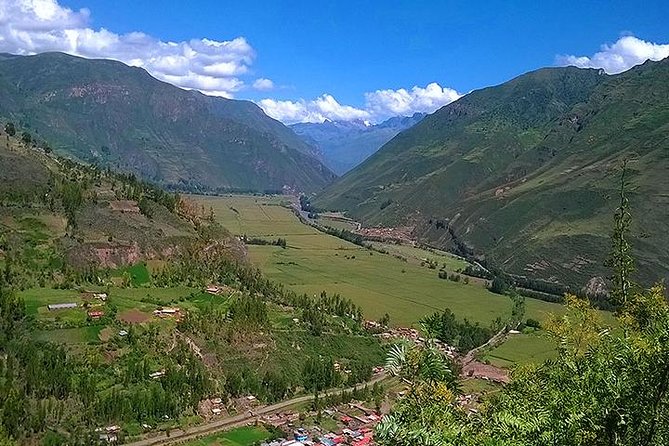
At $29 per person, this is priced like a value ticket. And it is—mainly because the basics are included: Cusco hotel pickup and drop-off, transport in a comfortable vehicle, an English-speaking guide, plus a bottle of water.
But here’s the part that matters for your planning: admissions and meals are not included in the basic setup. On the itinerary, Pisac and Ollantaytambo list admission as not included. Lunch at Urubamba is also on your own. So your final cost isn’t just the base fare—it’s the add-ons you choose.
If you’re the type who wants fewer decisions and fewer cash moments during a tight day, the all-inclusive upgrade (it’s offered) can make sense. If you prefer control—especially if you’re good at buying tickets in Peru with Peruvian soles—the basic route can still be good value. Either way, I’d recommend you ask what the upgrade covers before you pay, because “all-inclusive” should mean more than just lunch.
You can also read our reviews of more tours and experiences in Cusco.

Morning logistics: how the day stays smooth
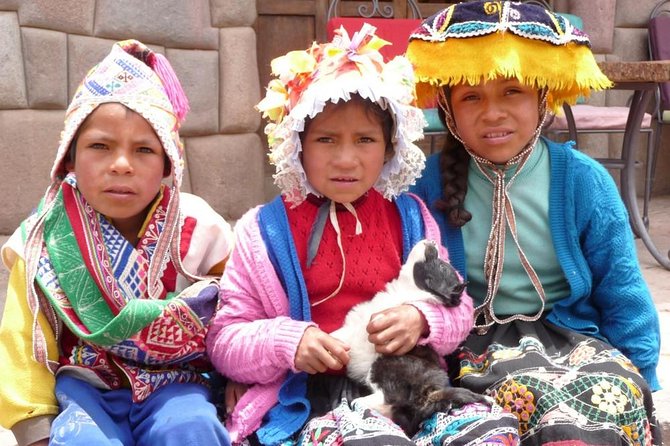
This tour starts early. Breakfast at your hotel is suggested, then pickup and departure happen around the morning start time (listed as 7:30am start time, with pickup and departure noted at 7:00am). The day is long—about 9 hours—and the return to Cusco lands around 17:30 to about 6pm.
What makes the morning work is the sequencing. You begin with a fast “get into the Sacred Valley story” drive, including passing major Cusco-area Inca sites like Saqsaywaman and Tambomachay on the way into the valley. Then you move right into first stops that don’t require big endurance: an animal rescue visit, a quick photo viewpoint, and later a longer ruins block.
You’ll want to go into this day with the mindset of timed highlights, not a slow wander. If you’re okay with that (and you’re in Cusco for only a limited window), the structure is a win.
The drive through Cusco-area Inca sites (Saqsaywaman and Tambomachay)
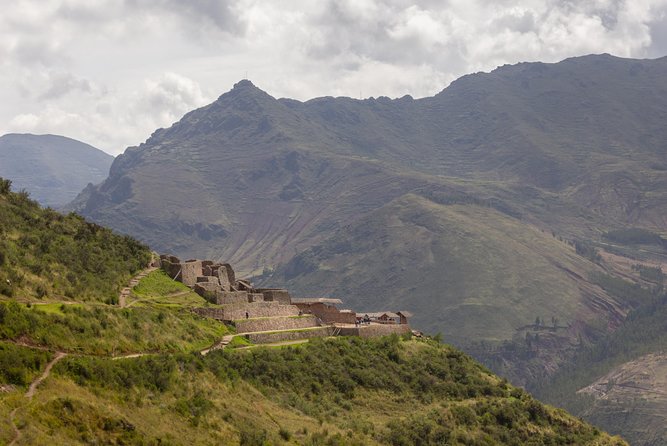
Even before the Sacred Valley proper, you’re given a sense of scale. Passing Saqsaywaman and Tambomachay on the route into the valley adds context: you’re not just arriving at ruins, you’re seeing how Inca power and design framed the whole region.
This is especially useful if it’s your first full day in Cusco. One consistent theme from the tour experience is that it helps people get acclimated—less jumping between random ticket lines, more staying on schedule with a guide explaining what you’re looking at.
If you’re sensitive to altitude, keep this in mind: you’ll still be at elevation all day. Hydrate, go slow on stair climbs, and don’t try to “win” the ruins with speed.
Manos De La Comunidad: meet alpacas, llamas, and vicuñas
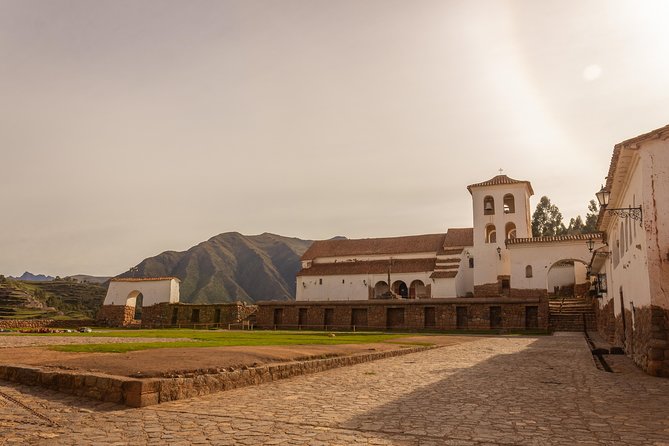
This is one of the strongest “everyone likes it” parts of the day. You arrive at Manos De La Comunidad and spend about 30 minutes, with admission listed as free. The focus is on a local animal rescue center, where you can get up close with alpacas, llamas, and rare vicuñas.
In practice, this stop tends to do two things well:
1) It breaks up the day before the big walking climbs.
2) It adds a living, local component to the Inca theme—Andean camelids are part of the culture, economy, and landscape of this region.
Some guides also help you understand why these animals matter and how they fit into local life. If you like hands-on moments, this is the part you’ll remember.
Mirador Taray: the short viewpoint stop that sells the Sacred Valley
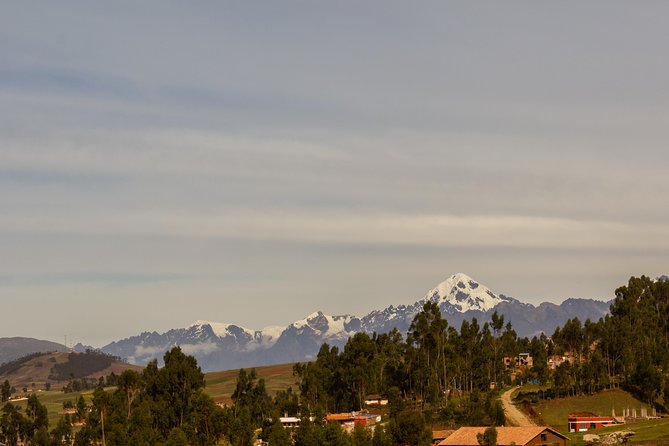
Next is Taray Viewpoint, scheduled for about 15 minutes. It’s quick, but it’s built for results: you get the classic Sacred Valley panorama that shows you why Pisac and Ollantaytambo are where they are.
This stop is also a good altitude check. If you’re tired, you can take photos, breathe, and be back in the vehicle soon. If you’re energetic, you’ll have time to frame a few angles without feeling rushed.

Pisac Inca citadel: terraces, temples, and real engineering
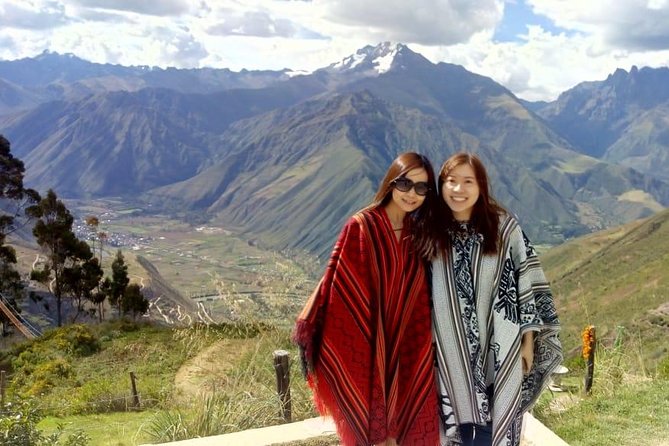
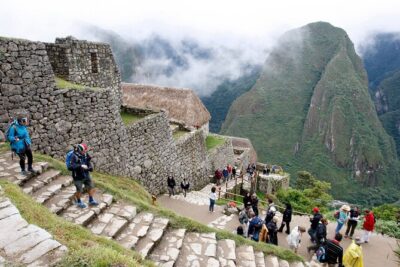
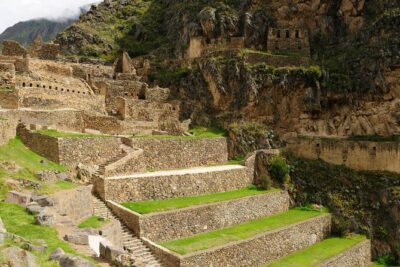
Your Pisac start is the heart of the morning. The itinerary blocks about 30 minutes at the Pisac Archaeological Park (admission not included). The site is famous for its agricultural terraces and the ceremonial layout that includes the Temple of the Sun.
What makes Pisac worth your time is the engineering you can still see:
- terraces that show how the Incas managed water and farming on slopes
- carved and arranged spaces tied to ritual life
- the sense that this was both a political-religious center and a working agricultural system
One practical tip: wear shoes with grip. Even in “short” ruins visits, stone paths and steps can be slippery or uneven, especially if the day gets warm after a cool morning.
Pisac market time: souvenirs and a taste of daily life
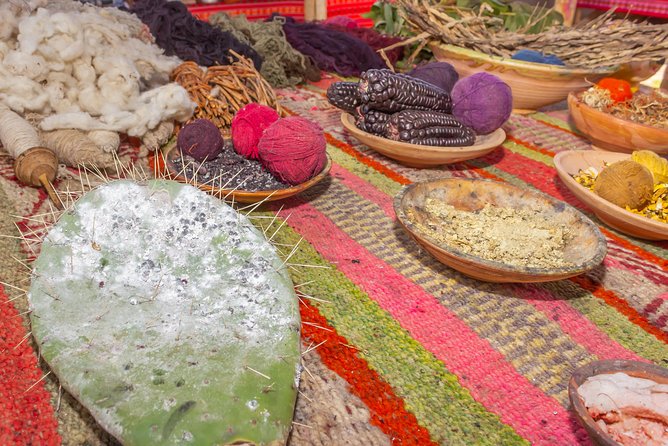
After the guided ruins portion, you get time for the Pisac Market. This is where you can browse local handicrafts and souvenirs (buying is optional and at your own expense).
This is also a moment where you can decide what kind of traveler you are:
- If you enjoy chatting and bargaining, this is your chance.
- If you’d rather spend more time with the view, you can keep the market visit focused and not lose the whole hour to shopping.
Either way, I like this stop because it gives you something living instead of just stone. You see what people sell today in a town shaped by centuries of cultural mixing.
Urubamba lunch: simple food, useful break
Lunch happens in Urubamba, around the midday window. The itinerary lists about an hour, and it’s explicitly own expense.
Because many people are going on to Machu Picchu the next day, the lunch stop is about keeping you fueled—not about turning the day into a foodie quest. Your guide helps keep it safe and quality-focused.
A practical heads-up: Urubamba restaurants aren’t packed into one tiny area. If you’re trying to keep costs down, you may find the best options depend on where you’re seated and what’s easiest for the group.
If you’re budgeting, consider skipping the buffet and ordering what you actually want. But if you just want low-effort dining, a buffet can be the easiest way to handle a tight schedule.
The weaving stop (and what to do if you hate shopping)
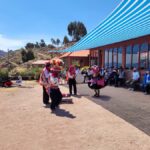
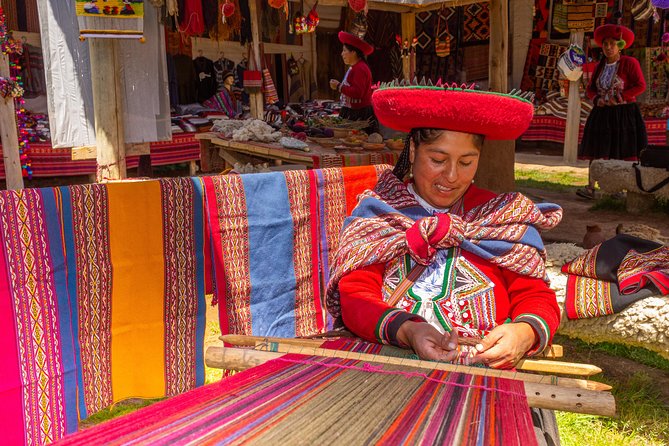
On the drive, you’ll also stop by a local weaving house where you can watch a demonstration on dyeing and weaving techniques. This is the kind of stop that can be either inspiring or irritating depending on your tolerance for retail.
Here’s the balanced reality: these craft stops are often community-linked, and purchase opportunities may be offered nearby. The good news is that the experience is presented as optional in the sense that guides typically give you time and choice, not a forced hard-sell.
If you truly want to minimize shopping, do this early:
- tell your guide at the start of the day what you want (more ruins, less store time)
- keep your decisions simple and quick when you’re offered a shop stop
This matters because some people run into longer retail-ish detours, including demonstrations tied to artisan production and occasional shop time. The day can still be great, but your mindset and your communication will shape how it feels.
Ollantaytambo Archaeological Park: the climb that changes the vibe
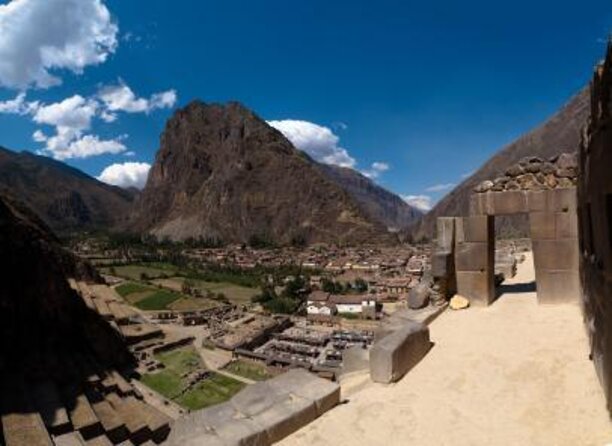
Then comes Ollantaytambo. The itinerary schedules about 1 hour at the Archaeological Park (admission not included). This is a different energy from Pisac. You’re dealing with a massive stone fortress feel and a site that reads like both defense and ceremony—plus it’s known as a living town, not just a set piece.
Ollantaytambo is also where walking stops being “museum easy.” Some parts require a steeper, more challenging climb to reach the best viewpoints and angles. If you’re traveling with limited mobility, go slowly and take breaks. If you’re fit, you’ll probably want to spend a few extra minutes at photo points once you reach the higher areas.
Why it lands so well: the architecture feels solid and commanding, and the layout helps you understand why Ollantaytambo is tied to Inca resistance narratives.
Ending at Ollantaytambo train station for Machu Picchu connections
If your plan includes Machu Picchu, the timing option is the big practical advantage. The tour can end at Ollantaytambo train station at 3:00pm or 4:00pm, and the tour notes you can take trains from 15:37pm onwards.
That’s a lifesaver if you’re trying to keep logistics under control. Instead of worrying about getting across town after the ruins, the day is structured so you exit at the station with time to buy and board.
If you’re not going to Machu Picchu right away, you can also return to Cusco around 17:30 and keep your evening flexible.
What group size feels like in real life
This is listed as a maximum of 15 travelers, and the guided walking portion is capped at max 10 people. In plain terms: that’s small enough for a guide to notice if someone can’t keep up, asks too many questions, or needs a quick re-route for better photos.
In feedback tied to guides like Luis and Gary, there’s a pattern of guides using that small size to adjust timing. That can mean:
- more time at viewpoints when a group wants it
- helping coordinate train-station timing for Machu Picchu travelers
- skipping or shortening certain optional stops when the group is ready to move on
So if you value personalization, this is better than a large bus shuffle.
What to bring and how to pace yourself
This is an outdoorsy, elevation day. You don’t need special gear, but a few choices make the day feel easier.
Bring
- Water (you’ll get 1 bottle, but plan to refill if you’re thirsty)
- A light layer for morning and late-day temperature shifts
- A comfortable day bag and a small stash of snacks if you get hungry between stops
Wear
- shoes with grip for uneven stone and steps
- sun protection (Cusco-area sun can feel intense even when it starts cool)
Pace
- Don’t treat the ruins like a race. Take your time on climbs at Pisac and especially at Ollantaytambo.
- If you feel altitude drag, slow down and focus on breathing before you push for the top photo.
Is the upgrade worth it?
The tour offers an all-inclusive upgrade that includes attraction admission and lunch. That can be worth it if you hate decision-making and want the day to be one fixed price.
But based on how the day is structured, here’s the honest way to think about value:
- The base tour is cheap because key costs (admissions + lunch) are separate.
- The upgrade may or may not be cheaper than buying entrances and lunch yourself.
- The biggest “value win” is time and stress, not just price.
If you do the basic tour, plan to pay for admissions and meals during the day. If you do the upgrade, confirm exactly which entrances and what lunch style are included, then you’ll know you truly bought convenience.
Should you book the Sacred Valley Pisac and Ollantaytambo day tour?
Book it if:
- you want a one-day Sacred Valley introduction with the big names
- you like meeting animals and learning hands-on culture, not only stone ruins
- you appreciate a schedule that ends with an option for the Machu Picchu train connection
- you’re traveling with a small group vibe, not a giant crowd
Consider skipping (or at least asking hard questions) if:
- you strongly dislike optional shopping stops and want a strict ruins-first itinerary
- you hate the idea of admissions and lunch being extra costs unless you upgrade
- you have mobility limits and don’t want a day that may include a steeper climb at Ollantaytambo
If you do book, send a quick message before departure about your preferences—especially if you want more time at ruins and less time in shops. A good guide can make this day feel like your kind of trip.
FAQ
What time does pickup start?
Pickup is scheduled for about 7:00am, and the experience lists a start time of 7:30am. Breakfast at your hotel is suggested before you depart.
How long is the tour, and when do we get back to Cusco?
The duration is about 9 hours. The tour typically returns to Cusco around 17:30 to about 6pm.
Are the entrance tickets to Pisac and Ollantaytambo included?
No. The itinerary lists admission as not included for Pisac and Ollantaytambo.
Is lunch included in the price?
Lunch is not included in the base tour price. Lunch in Urubamba is at your own expense unless you choose an all-inclusive package option.
Can I continue to Machu Picchu after the tour?
Yes. There is an option to end the tour at Ollantaytambo train station at 3:00pm or 4:00pm, so you can take trains from 15:37pm onward to Aguas Calientes.
How big is the group?
The tour has a maximum of 15 travelers, and the walking tour is max 10 people.
Is an English-speaking guide provided?
Yes. The tour includes an English-speaking guide.
Do I need a passport?
Yes. A current valid passport is required on the day of travel.
Is free cancellation available?
Yes. Free cancellation is available up to 24 hours in advance for a full refund.