REVIEW · CUSCO
2-Day Sacred Valley & Machu Picchu by Train – Small Group Tour
Book on Viator →Operated by Elvis Adventures Peru · Bookable on Viator
Machu Picchu gets the spotlight, but the build-up matters. This small-group 2-day trip strings together Cusco’s Inca leftovers, the Sacred Valley’s terraces and markets, and an evening in Aguas Calientes so you can tour Machu Picchu the next day with less scramble.
Two things I really like: you get a guided walk at Machu Picchu (not just a photo dash), and you’re not stuck in a long driving day from Cusco to the ruins. Plus, the route includes stops that show daily Inca life ideas—farming terraces at Pisac and Ollantaytambo’s fortress layout—so the site feels more understandable, not random.
One drawback to consider: the whole schedule runs on train and bus timing, and you’re dealing with early starts. If you’re the type who hates tight logistics (or you have a flight the next morning), you’ll want to plan extra buffer time.
In This Review
- Key points worth knowing before you go
- Why this 2-day Sacred Valley + Machu Picchu circuit works
- Cusco morning: Inca ruins and the option to get your bearings
- Awana Kancha alpaca farm: hands-on culture, not just a photo wall
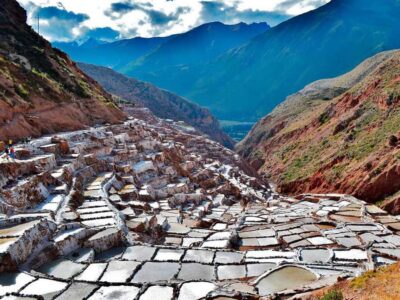
- Taray viewpoint: the terraces that explain Sacred Valley agriculture
- Pisac archaeological site: terraces, stonework, and why water matters
- Pisac market shopping: what to buy, and how not to overpay
- Urubamba lunch: a big buffet break before the fortress
- Ollantaytambo fortress + the train to Aguas Calientes
- Evening in Aguas Calientes: check in and let the day settle
- Machu Picchu guided tour: temples, terraces, and real time to look
- Coming back to Cusco: train departure at 2:00 PM and private transfer
- Price and logistics: is $599 good value?
- Small group comfort: who it suits (and who should plan extra carefully)
- Should you book this Sacred Valley and Machu Picchu train tour?
- FAQ
- Is Machu Picchu entrance included on this tour?
- What about Huayna Picchu or Machu Picchu Mountain tickets?
- Are pick-up and drop-off in Cusco included?
- What train is included?
- Is lunch included on both days?
- Can I cancel for a full refund?
Key points worth knowing before you go
- Max 9 travelers keeps the pace calm and makes questions feel normal (not shouted over a crowd).
- Hotel pickup and drop-off in Cusco reduces the hassle of meeting transfers on your own.
- The Sacred Valley part mixes culture and scenery with quick, focused stops like Awana Kancha and Pisac.
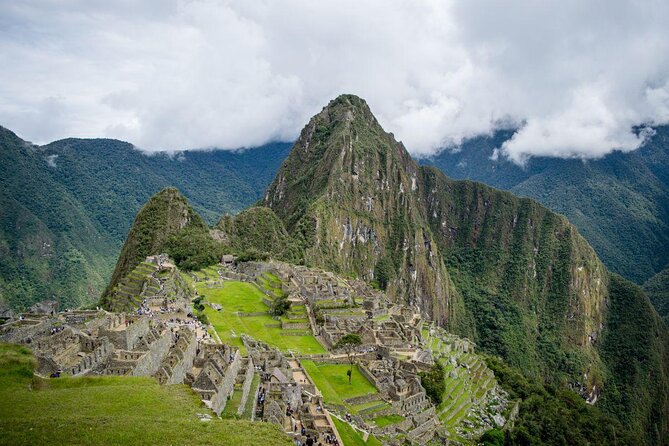
- Machu Picchu entrance is included, plus the bus from Aguas Calientes to the site.
- The train is in the Expedition category (with the tour mentioning an upgraded panoramic option may be used).
- Optional additions like Huayna Picchu and Machu Picchu Mountain are not included, so you must plan those separately.
Why this 2-day Sacred Valley + Machu Picchu circuit works
This trip is built around one big idea: see more than just the final postcard. You start in Cusco and work your way through the Sacred Valley’s major historical stops, then you use the train to shift travel time into scenic movement instead of hours on the road.
For most first-timers, that’s the sweet spot. Cusco is high-energy and confusing. Sacred Valley is where Inca engineering makes sense. Then Machu Picchu becomes the payoff, and you’re not arriving exhausted or rushed.
Also, with a group capped around nine people, the day doesn’t feel like you’re being herded by a megaphone. The guides on this route are often described as organized and personable, and names like Ruben and Elvis come up often for good reason.
You can also read our reviews of more tours and experiences in Cusco



Cusco morning: Inca ruins and the option to get your bearings
You pick up from your Cusco hotel in the morning and head out toward the Sacred Valley. The early drive is not just transit—it’s time to get your bearings in a place that can feel huge and steep even when you’re staying central.
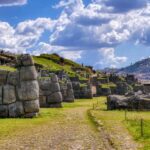
Along the way, you pass major Cusco-area Inca sites like Sacsayhuaman, Qenqo, and Pucapucara. These are the kind of ruins that help you recognize Inca stonework styles and the way the city sits within the surrounding terrain.
There’s also an optional stop at Cristo Blanco for panoramic views of Cusco’s historic skyline. If you’re a photographer, this is one of those “quick stop, big payoff” moments. And even if you just want orientation, the view helps you connect Cusco’s geography to what you’ll see later in the Valley.
Awana Kancha alpaca farm: hands-on culture, not just a photo wall
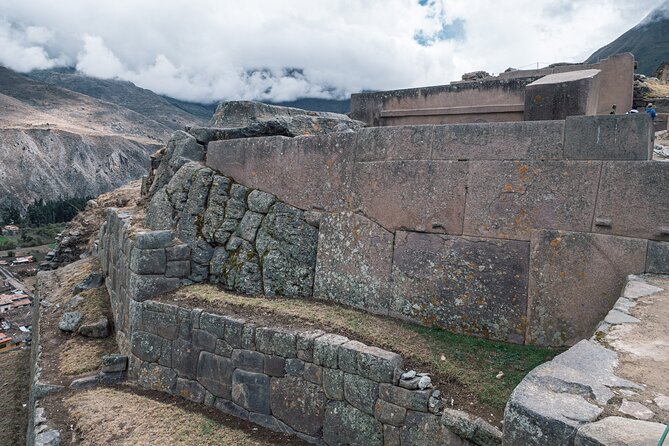
Next up is Awana Kancha, described as the largest alpaca farm in the Sacred Valley. You’re there for a short visit, but it’s designed to feel interactive: you meet llamas, alpacas, huanacos, and vicuñas, and you can feed them.
This is the part where the trip connects animals to Andean craft. Your guide talks about how wool shaped textile traditions for centuries, which makes the later souvenir shopping at Pisac feel more grounded. Yes, you’ll get great photos. But the bigger value is learning what you’re actually looking at when you see weaving patterns and products.
If you’re worried about animal-focused stops, this one is brief and straightforward. Still, keep in mind you’ll be on a schedule, not wandering at your own pace.
Taray viewpoint: the terraces that explain Sacred Valley agriculture
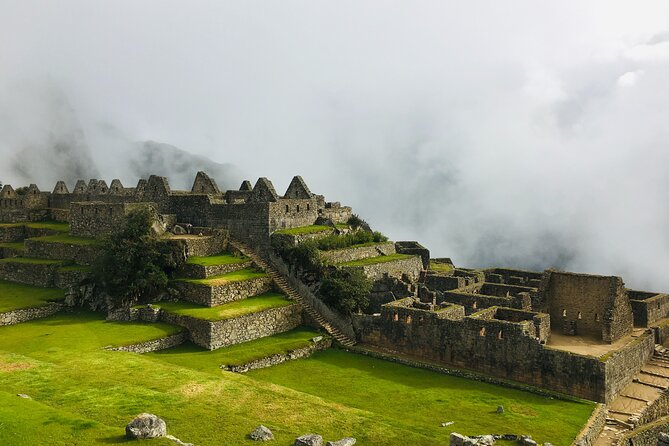
Then comes Taray Viewpoint, a short photo stop focused on the Sacred Valley’s views—Inca terraces, villages, and dramatic mountain backdrops. It’s only about ten minutes, so it’s not the time to read every detail.
What makes this stop useful is what your guide connects it to: how the Valley’s fertile conditions helped the Inca grow food in a landscape that could be challenging. Even a quick viewpoint stop can turn into a lesson when someone explains the farming logic behind what you’re seeing.
Bring a lens you can actually use quickly. The stop is short, and you’ll want to move.
Pisac archaeological site: terraces, stonework, and why water matters
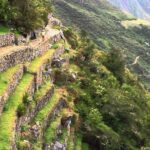
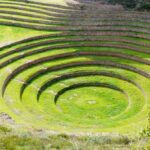
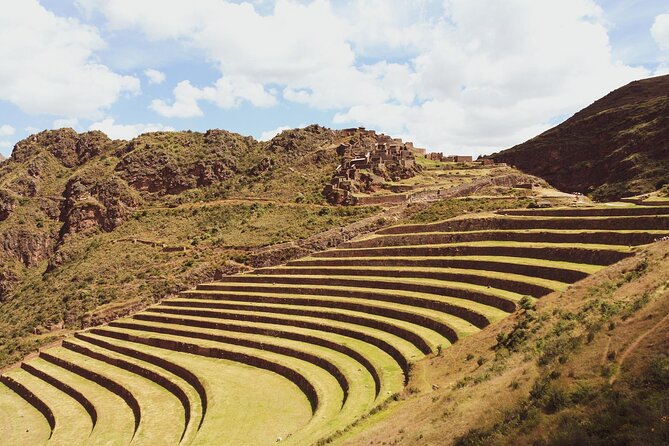
After the viewpoint, you visit Pisac’s archaeological park. This is a proper ruin walk with a guide, and it’s one of the best “engineering” stops on the itinerary. Pisac is known for agricultural terraces carved into the mountainside, plus stone residences, ceremonial spaces, and water channels.
Here’s why I like this portion: it teaches you how the Inca treated land like a system, not a backdrop. If Machu Picchu feels like it came out of nowhere for you, Pisac helps you see the same thinking in a smaller, more accessible way.
The time here is about 45 minutes, so you won’t get to be slow and wander forever. But for a small-group train tour, it’s a good balance.
Important practical note: the archaeological ticket for Pisac is not included in the tour price. You’ll want to budget for it.


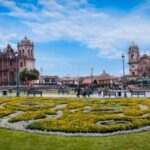

Pisac market shopping: what to buy, and how not to overpay
Then you hit Pisac Market, which is a fun mix of color, music, and working craft stalls. You can find handwoven textiles, ceramics, silver jewelry, and small souvenirs that look and feel like the real thing rather than factory copies.
My best advice for market time: shop with your eyes first, then ask questions. The area is great for gifts, but you don’t want to buy the first item you like and then regret it ten minutes later.
Also, market stops are short by design. You’ve only got about 15 minutes here, so if you’re trying to do serious shopping, you’ll need to act fast.
Urubamba lunch: a big buffet break before the fortress
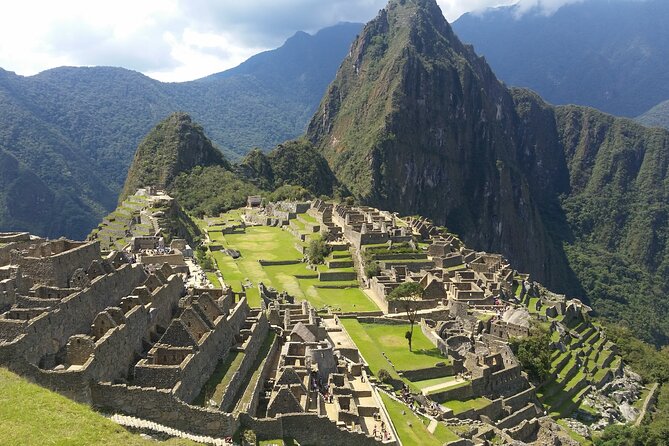
Lunch in Urubamba is scheduled as a buffet with many options. The description mentions a spread of 50+ dishes and highlights both local and coastal-style flavors. There are vegetarian options too, which is helpful when you’re eating on a schedule.
This part matters because day one has multiple walking stops and a long travel arc toward Ollantaytambo. A proper meal keeps you from turning cranky at the train station.
Ollantaytambo fortress + the train to Aguas Calientes
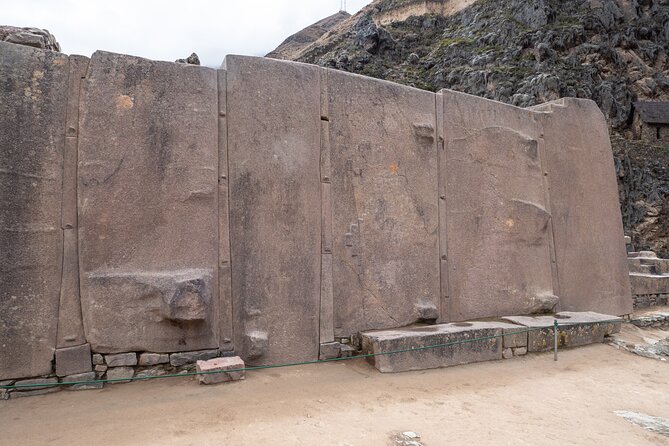
After lunch, you visit Ollantaytambo, the Inca fortress town that helped protect the Sacred Valley. This stop is where you see how defensive architecture and sacred space can overlap. Terraces, temples, and the town layout are the story.
Then it’s straight to the train station. You board your train toward Aguas Calientes for the night.
The ride is about two hours along the Urubamba River corridor, with views of mountains, valleys, and Inca sites. The tour notes Expedition category as included, and it also mentions an upgraded panoramic option may be used. Either way, the main value is shifting travel from roads to rails so you arrive with more energy for Machu Picchu day.
Evening in Aguas Calientes: check in and let the day settle
When you arrive in Aguas Calientes, the tour team escorts you to your hotel. That’s a simple but important touch—getting checked in quickly helps you avoid feeling lost in a small tourist hub where everything seems to run on queues.
Your evening is free. You can stroll, grab a casual bite, or rest. This free time isn’t glamorous, but it’s a huge part of why a two-day tour can feel calmer than a rushed day trip.
Optional extras like Aguas Calientes hot springs are not included, so if you want them, you’ll have to plan that separately.
Machu Picchu guided tour: temples, terraces, and real time to look
The next morning starts with breakfast and a bus ride to Machu Picchu’s entrance. From there, you begin a guided tour through temples, terraces, and interior corners of the citadel.
This guided portion is where the experience clicks. Without a guide, Machu Picchu can look like a gorgeous grid of stones. With a guide, you’re learning the logic of the site—its spiritual meaning, how spaces relate, and why the Inca built where they built.
Your entry ticket to Machu Picchu citadel is included, and the bus from Aguas Calientes is included too. That removes a bunch of common friction points for independent planning.
After the tour, you get spare time to explore on your own before returning by bus to Aguas Calientes. Lunch on the second day is not included, so decide early how you’ll handle food once you’re back.
Pro tip: you don’t need to run everywhere to get good views. Use your spare time to find one or two viewpoints and linger. Machu Picchu rewards patience.
Coming back to Cusco: train departure at 2:00 PM and private transfer
At 2:00 PM, you board the train back to Ollantaytambo. Your driver is waiting at the station for the final transfer to Cusco, with an arrival around 6:00 PM.
This is one of those parts where logistics matter. If your travel day after Cusco is tight, you’ll breathe easier knowing you’re not returning at midnight. The tour gives you an evening to decompress before sleep.
Still, remember that train timing can shift slightly in real life. I’d treat the return time as a target, not a guarantee, and plan your next day accordingly.
Price and logistics: is $599 good value?
At $599 per person for an approximately two-day trip, you’re paying for two things: organized access to Machu Picchu and the transport chain that gets you there without DIY stress.
Included basics that drive value:
- Hotel pickup in Cusco and private transport back to Cusco
- A guided visit at Pisac and Ollantaytambo plus the guided tour at Machu Picchu
- Machu Picchu entrance included
- Train from Ollantaytambo to Aguas Calientes (Expedition category)
- Bus from Aguas Calientes to Machu Picchu included
- Breakfast and at least one included lunch (with day-one lunch described as a buffet)
What you should budget separately:
- Huayna Picchu and Machu Picchu Mountain tickets (optional)
- Hot springs at Aguas Calientes (optional)
- Lunch on the second day (not included)
Compared with the real cost of buying everything separately plus dealing with timing, this price can feel fair—especially when you’re not a planner type. But if you already know exactly how you’ll handle entry tickets, buses, and train reservations, this may be more about convenience than savings.
Small group comfort: who it suits (and who should plan extra carefully)
This tour is a strong fit if you want:
- A structured flow through Sacred Valley + Machu Picchu without guessing the order
- A guided Machu Picchu day where you’re not just hunting viewpoints
- A manageable group size (max 9 travelers)
It may not be ideal if:
- You hate early mornings. You’ll start around 7:00 AM with pickup.
- You’re trying to do multiple big hikes at Machu Picchu. Optional mountain tickets cost extra and aren’t included.
One more consideration: the whole experience runs on schedules—train departure times and bus connections. If you have an international flight the next morning (or a very exact appointment), give yourself buffer time in Cusco. That’s not fear-mongering; it’s smart travel. Machu Picchu logistics are busy by nature.
Should you book this Sacred Valley and Machu Picchu train tour?
I’d book it if you want the classic route with good structure, and you value being guided at Machu Picchu. The mix of Pisac + Ollantaytambo before the citadel makes the second day more meaningful. And with the small-group limit, you’re more likely to get real answers instead of just a running commentary.
Skip it or at least rethink your plan if you already planned Huayna Picchu/Machu Picchu Mountain and want to handle everything independently. Also, if you’re extremely sensitive to timing and you have a tight flight right after, build in slack time in Cusco.
If your goal is a smooth, organized two-day arc from Cusco to the ruins—this is the kind of plan that lets you focus on seeing, not negotiating transportation.
FAQ
Is Machu Picchu entrance included on this tour?
Yes. The tour includes the entrance ticket to Machu Picchu citadel, plus the bus from Aguas Calientes to Machu Picchu.
What about Huayna Picchu or Machu Picchu Mountain tickets?
Those are not included. The tour notes that you’d need to purchase them separately as optional activities.
Are pick-up and drop-off in Cusco included?
Yes. The tour provides hotel pickup in Cusco and private transport back to Cusco at the end.
What train is included?
The included train is Ollantaytambo to Aguas Calientes in the Expedition category. The itinerary also mentions an upgraded panoramic option may be available.
Is lunch included on both days?
Lunch on the second day is listed as not included. Day-one lunch in Urubamba is part of the scheduled meal.
Can I cancel for a full refund?
Yes. The policy states free cancellation is allowed if you cancel at least 24 hours in advance for a full refund.