REVIEW · CUSCO
Classic Inca Trail 4 Days to Machu Picchu
Book on Viator →Operated by Vidal Expeditions · Bookable on Viator
Machu Picchu, reached one hard day at a time. This Classic Inca Trail route mixes Inca ruins, high passes, and a guided landing at Machu Picchu, not just a final photo stop. I especially like the small group (max 8) and the way porters and a chef keep the trip moving with camp setup and food. The main consideration is altitude and effort: you’ll hit a highest pass around 4,216 m.
You’ll also get a steady rhythm of guided history and breaks, with stops like Llactapata and Puyupatamarca before the big finish. I like having a professional bilingual guide for both the trail days and the Machu Picchu circuit. If you’re prone to altitude issues or prefer an easier hiking pace, this won’t feel comfortable.
In This Review
- Key highlights to know before you go
- What the Classic 4-Day Inca Trail includes (and why that matters)
- The Cusco-to-altitude reality check (what to plan for)
- Day 1: Llactapata near km 82, plus that first Inca-site moment
- Day 2: the highest pass (~4,216 m) and the real test of the trek
- Day 3: Puyupatamarca, Runkuracay, and that cloud-forest feeling
- Day 4: Inti Punku (Sun Gate) to Machu Picchu, then back to Cusco
- Price and value: is $820 a fair deal for this route?
- Who this Inca Trail trek fits best (and who should reconsider)
- Food, water, and sleep: the practical comfort checklist
- Should you book this Classic 4-Day Inca Trail?
- FAQ
- How many days is the Classic Inca Trail to Machu Picchu?
- What is the group size for this trek?
- Are the guides bilingual?
- What Inca sites are included before Machu Picchu?
- Which day is the most challenging?
- What are the included meals, and what is not included?
- What camping items are provided?
- Is a sleeping bag included?
- How do you get back to Cusco after visiting Machu Picchu?
- Is it refundable if I cancel, or if the trek is canceled due to weather?
Key highlights to know before you go
- Small group size up to 8 trekkers for a more controlled, personal feel on the trail
- Porters and a cook handle shared camping equipment and meals, so you hike with less weight
- High-pass day at about 4,216 m is the toughest stretch and sets the tone for the whole trek
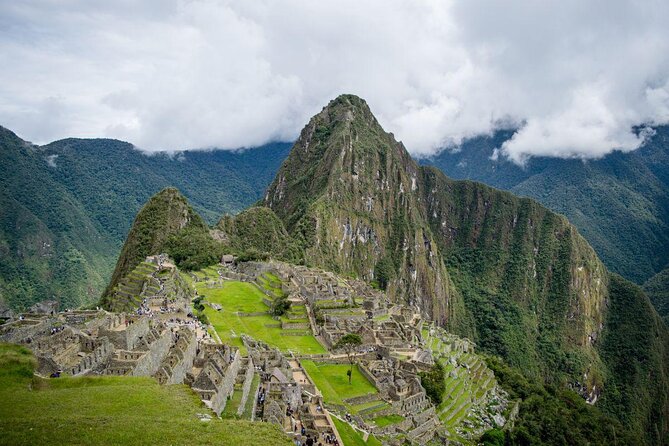
- Inca sites before Machu Picchu (Llactapata, Puyupatamarca, Runkuracay) give you context, not just a final goal
- Sun Gate arrival on Day 4 with time for a first view, then a guided explore inside Machu Picchu
- Return transport is included: train Aguas Calientes to Ollantaytambo, then bus to Cusco
What the Classic 4-Day Inca Trail includes (and why that matters)
This trek runs about four days and follows a classic rhythm: start near Cusco, hike sections of the historic Inca route, camp overnight, then reach Machu Picchu via Sun Gate. You’re not traveling as a crowd. The group is capped at eight, which tends to make logistics smoother when the trail gets steep or slow.
The tour is built around guided support and shared camp life. You get a professional bilingual guide on the trek and during the Machu Picchu visit, plus porters and a cook who manage shared camping gear and meals. That means you’re focused on hiking and taking in the sites, not hauling camp staples all day.
Comfort-wise, camping is included in a practical way: you get a tent for two people and a basic sleeping pad. If you’re the type who sleeps lightly, you may want to budget for an optional inflatable sleeping mattress (listed at $15 USD). Also note what’s not included: a sleeping bag, bottled water, and certain meals on specific days.
Finally, the tour price is $820 per person. What makes it feel more reasonable is that it bundles the things that usually add up fast on a Machu Picchu trip: a guided multi-day trek, camping setup support, included meals, and admission tickets for the Inca sites and Machu Picchu.
You can also read our reviews of more tours and experiences in Cusco

The Cusco-to-altitude reality check (what to plan for)
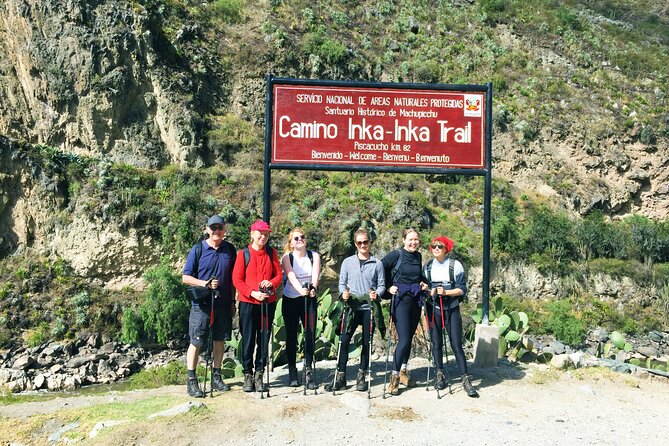
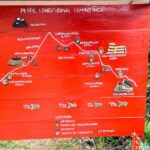
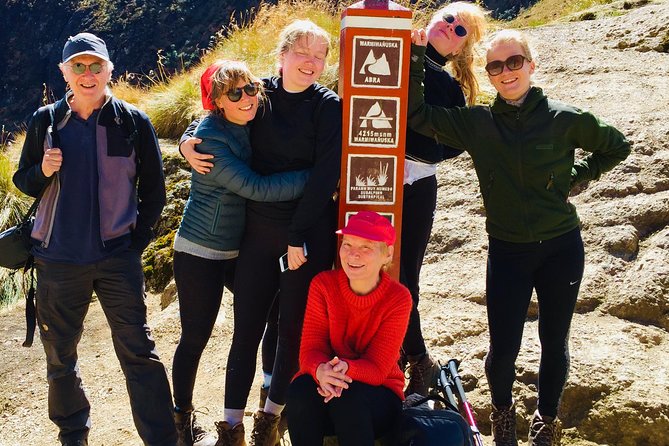
You’ll be dealing with altitude the entire time. The route climbs to passes around 4,216 m on Day 2, plus other high points near 3,960 m and 3,660 m on Day 3. Even the camp altitude is significant—Day 2’s second night is about 3,600 m.
That’s why the tour calls for moderate physical fitness. Moderate here doesn’t mean easy. It means you can hike for hours uphill and handle reduced pace without panicking. If your body reacts badly to altitude, I’d treat this as a serious planning item, not an afterthought.
My best practical advice: plan to arrive in Cusco a few days early to acclimatize. That’s the simplest way to stack the odds in your favor before you start hiking at elevation. Once you begin the trek, keep a steady pace, drink when you can, and don’t try to “win” the trail by rushing early.
You’ll also want to pack for temperature swings. Daytime can feel manageable, then nights at camp are cold enough that having the right sleep setup matters. Since a sleeping bag isn’t included, you should arrange your own before you go. Warm layers and rain gear are smart because the final approach includes dense high rainforest conditions.
Day 1: Llactapata near km 82, plus that first Inca-site moment
Day 1 starts with hotel pickup in Cusco. You’ll then drive to km 82 and go through a checkpoint before the hike begins. This matters because it reduces the “where do we stand?” stress at the start and gets you onto the trail with momentum.
Your first stop is Llactapata, an Inca archaeological zone you’ll explore with your guide. The plan includes time for explanation and history, then lunch at the next spot before heading onward through the area. Llactapata is one of those entries that makes you understand the broader story of the region. You’re not just training legs for Machu Picchu. You’re learning how the Inca connected places—views, stonework, and travel routes included.
It also helps that Day 1 is a warm-up rather than the max-effort day. You get moving time, guided site time, and then you can settle in for the harder climbing ahead. If you’re worried about stamina, this first day is a good indicator of how your pacing feels at altitude.
One small practical note: bottled water isn’t included, so plan on having enough for the hike and for camp. Starting with a hydration habit on Day 1 sets you up well for the summit day.
Day 2: the highest pass (~4,216 m) and the real test of the trek
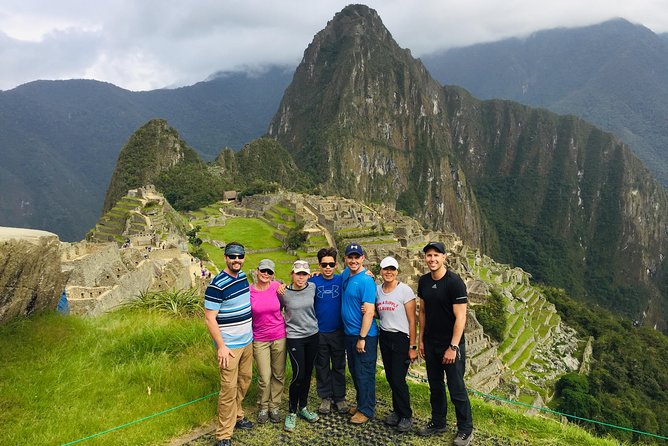
Day 2 is the toughest day and the most memorable for most people, and it’s not subtle. The hike through the Inca Trail route takes about five hours to reach the highest pass around 4,216 meters. This is the section where you’ll feel the altitude plus the sustained climbing.
Once you reach the summit, the schedule gives you time to rest and take in the views. That’s important. Don’t treat the summit like a photo stop only. A real rest here helps you descend without burning your legs.
After the summit, you descend for a few hours to the lunch spot and then continue to camp. Your second night is at about 3,600 meters, in Pacaymayu. The trip layout usually means you’ll have a chance to relax after you arrive—so after a punishing high climb, you can reset, eat, and prepare for Day 3.
The camp support is a big part of why this trek works. With porters and a cook carrying shared camping equipment, you aren’t stuck managing camp while exhausted. Meals are included on Day 2, and that matters on a day when you need steady energy rather than improvising.
Day 3: Puyupatamarca, Runkuracay, and that cloud-forest feeling
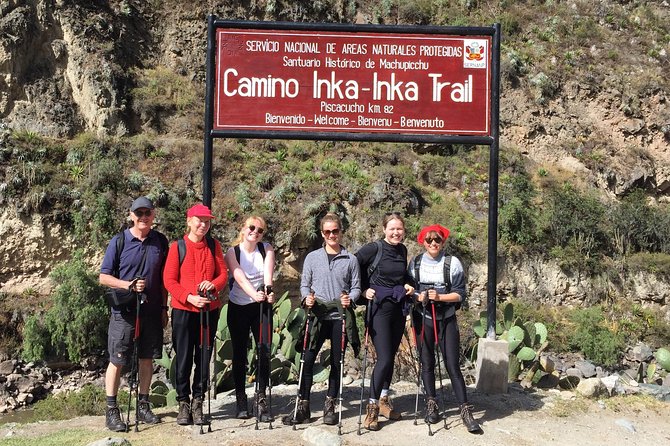
Day 3 is the “beautiful but still serious” day. After breakfast, you move into a section described as combining high mountain terrain and cloud-forest. That mix is usually what makes Day 3 feel different from Day 2. You still climb, but the surroundings can feel more alive and textured.
You start with time and hiking toward the next pass around 3,960 m. Then you go down for lunch. During the morning hike, you’ll also explore an Inca site where your guide gives history, which turns what could be only a grind into a learning walk.
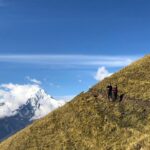
After lunch, the day becomes more strategic: you climb gradually to the last pass around 3,660 m. From there, you can see the Machu Picchu mountain, which is a huge mental shift. You’re not just hiking toward a destination anymore. You’re staring at the shape of it in the distance.
Then you descend for a couple of hours to reach the campsite. In the afternoon, you visit additional Inca sites with impressive views, and during dinner your guide organizes a ceremony to say thanks to the team. The itinerary also includes taking another path to town after dinner, so this day doesn’t end at camp in the same way Day 2 does.
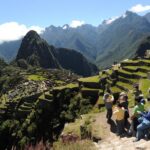
Your Day 3 also includes Runkuracay. You’ll get time to explore and capture photos after your guide explains the history. That photo-and-explanation combo is one of the best ways to actually remember ruins: you learn what you’re seeing, then you document it.
Day 4: Inti Punku (Sun Gate) to Machu Picchu, then back to Cusco
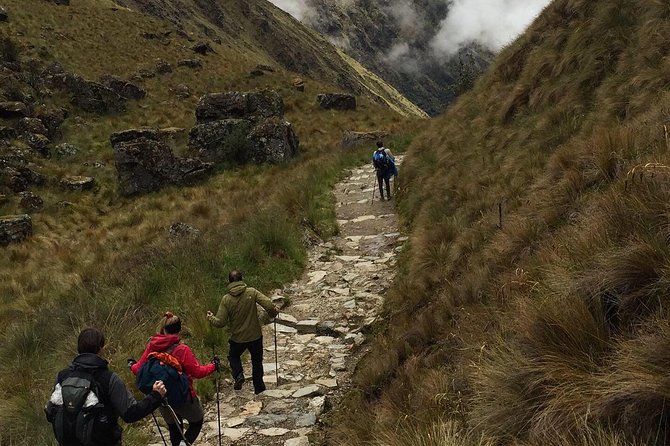
Day 4 is all about timing and that first view. You check the next control, hike toward Inti Punku Sun Gate, and the route passes through dense high rainforest. This portion tends to feel slower and more humid, but it’s often part of why the reveal hits harder when the trail opens up.
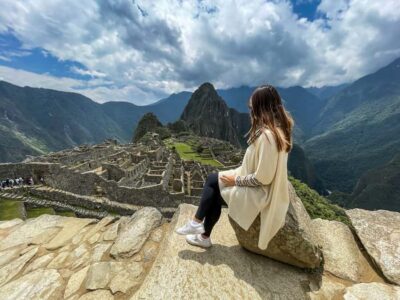
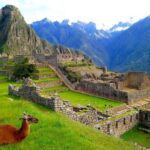
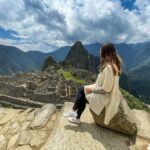
After a few hours, you arrive at Sun Gate and enjoy your snack while waiting for that first look at Machu Picchu. Then you continue downhill to Machu Picchu itself. There’s time for the classic viewpoint photos, and you’ll also have a moment to use restrooms or enjoy a coffee before the guided exploration begins.
From there, you explore the outstanding areas of Machu Picchu with your guide providing explanations. The plan includes a longer on-site visit after you reach the main complex, so you’re not rushed out after a quick walk.
After the Machu Picchu visit, you leave the site and go down to Aguas Calientes for lunch and goodbye time with your guide. Then the transport is straightforward: you take the train from Aguas Calientes to Ollantaytambo (about two hours), followed by bus back to Cusco.
The practical value here is that you don’t have to stitch together a transport puzzle after a long trek. You finish walking, eat, and then transition back to city travel with tickets already included.
Price and value: is $820 a fair deal for this route?
At $820 per person, this trek isn’t cheap, but it isn’t random pricing either. The value comes from what’s bundled.
You’re paying for:
- A professional bilingual guide for the entire trek and Machu Picchu visit
- Camping accommodation for the trekking nights (tent for two and a basic sleeping pad)
- Porters and a cook to carry shared equipment and prepare meals
- Admission tickets included for the stops along the way, plus Machu Picchu
- Meals included across the days (breakfast 3, lunch 3, dinner 3)
- Return transport after Machu Picchu: train to Ollantaytambo plus bus to Cusco
The biggest “watch-outs” that affect effective cost aren’t hidden. Bottle water isn’t included, a sleeping bag isn’t included, and Day 1 breakfast plus Day 4 lunch are not included. If you need the inflatable sleeping mattress, that’s an add-on ($15 USD).
So the real question isn’t only whether $820 is low or high. It’s whether you want to pay for convenience and support versus managing those details yourself. For most people, a supported trek like this is the smoother path to the classic experience.
Who this Inca Trail trek fits best (and who should reconsider)
This trek fits best if you:
- Are up for strenuous hiking with an altitude challenge
- Want guided context at multiple Inca sites, not just a single-day Machu Picchu visit
- Prefer a small-group setup (max 8)
- Appreciate camp support so you can focus on trekking
It may be a poor match if you:
- Have significant altitude sensitivity and haven’t acclimatized well in the past
- Want a low-effort hiking plan
- Are unprepared for the need for a sleeping bag and cold-night gear
If you’re a first-timer, the structured days and guided explanations help a lot. If you’re experienced, the high pass still delivers a real test, and the multi-stop approach gives you variety.
Food, water, and sleep: the practical comfort checklist
The meal plan is solid. You’ll have breakfasts (3), lunches (3), and dinners (3) included. What isn’t included is Day 1 breakfast and Day 4 lunch, so plan on eating those on your own.
Bottled water isn’t included. That means you’ll want a plan for hydration before each hiking block. Bringing enough or arranging water during the non-trek times matters.
For sleep, you get a tent and a basic sleeping pad. If you know you’ll struggle with cold nights or thin mats, consider the optional inflatable sleeping mattress. Since a sleeping bag isn’t included, make sure you bring one sized for cold conditions.
One more small gear point: even with porters managing shared camping equipment, you’ll still carry your personal day needs. Keep your pack light and organized, and be ready for rain conditions on the final day’s rainforest hike.
Should you book this Classic 4-Day Inca Trail?
If your goal is the full classic arc—Inca ruins before Machu Picchu, one big altitude test day, and a Sun Gate arrival with guided time inside—you should seriously consider this trek. The small-group size, bilingual guide, and camp support make it a strong value for the effort involved.
I’d book if you’re physically prepared, can acclimatize in Cusco first, and you have the sleep gear squared away (especially a sleeping bag). I’d reconsider if altitude is a known problem for you or if you need a softer pace.
FAQ
How many days is the Classic Inca Trail to Machu Picchu?
It runs for about four days.
What is the group size for this trek?
The maximum group size is 8 travelers.
Are the guides bilingual?
Yes. You get a professional bilingual guide on both the trek and the Machu Picchu tour.
What Inca sites are included before Machu Picchu?
The trek includes Llactapata, Puyupatamarca, and Runkuracay, plus the Sun Gate (Inti Punku) approach on Day 4.
Which day is the most challenging?
Day 2 is described as the most challenging day, with a highest pass around 4,216 meters after about five hours of hiking.
What are the included meals, and what is not included?
Lunch (3), breakfast (3), and dinner (3) are included. Day 1 breakfast, Day 4 lunch, and bottled water are not included.
What camping items are provided?
Camping accommodation is included, including a tent for 2 people and a basic sleeping pad.
Is a sleeping bag included?
No. A sleeping bag is not included.
How do you get back to Cusco after visiting Machu Picchu?
You take the tourist train from Aguas Calientes to Ollantaytambo (about 2 hours), then a bus to Cusco.
Is it refundable if I cancel, or if the trek is canceled due to weather?
The experience is non-refundable and cannot be changed for any reason. If it’s canceled due to poor weather, you’ll be offered a different date or a full refund. If the minimum number of travelers isn’t met, you’ll be offered a different date or a full refund.