REVIEW · CUSCO
From Cusco: Chinchero Weavers, Moray, Maras Salt Mines Tour
Book on GetYourGuide →Operated by Viaja con Amaru Explorer · Bookable on GetYourGuide
This route hits three Inca-era ideas in one morning. I like how the tour links Moray as an agricultural experiment with Maras as salt production and then finishes in Chinchero for textile know-how—so it’s not just sightseeing. One thing to consider: you’ll pay separate entrance fees for Moray and the salt mines, and the day is tight from 8:00 to about 15:00.
I also like that the experience is guided by a professional bilingual instructor, with energy and clear explanations. A previous guide named Irina handled both Spanish and English and kept the pace moving so you still had time to enjoy the sights without getting stuck in the thickest crowds. The main drawback is simple: no lunch is included, so you’ll want to plan food around the schedule.
In This Review
- Key highlights you’ll care about
- A 6-hour Cusco circuit that connects three Inca-era themes
- Morning logistics: 8:00 pickup, return by about 15:00
- Moray Inca terraces: the agricultural laboratory you can understand fast
- Maras Salt Mines: thousands of ponds and the salt-cascade look
- Chinchero weavers: where the textile process becomes real
- What you pay: $13 tour price plus real entrance fees
- Guide quality and crowd-smart timing (Irina as an example)
- What to bring (and what to skip)
- Who this tour suits best in Cusco
- Should you book this Moray–Maras–Chinchero tour?
- FAQ
- What time does the tour start and when do I get back?
- How long is the Moray, Maras, and Chinchero tour?
- What stops are included on the itinerary?
- What entrance fees are not included?
- Is lunch included?
- What language is the guide?
- Is the tour wheelchair-friendly?
Key highlights you’ll care about
- Moray’s circular terraces show how different zones created different growing conditions
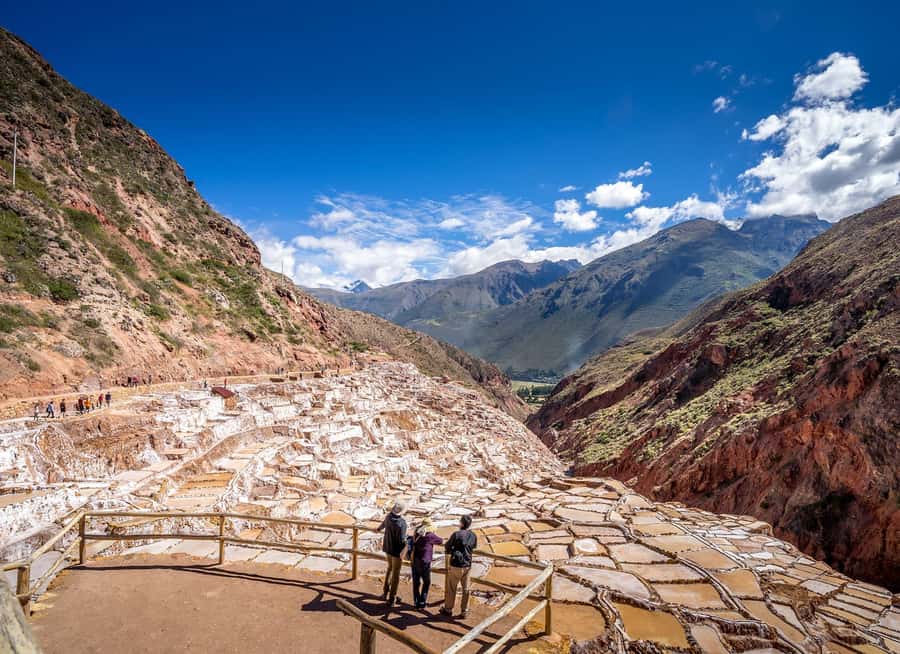
- Maras salt mines feature over 3,500 small salt ponds with described medicinal properties
- Chinchero weavers help you understand the textile process behind Andean tradition
- Bilingual guiding (Spanish/English) with lively explanations, like Irina’s approach
- Good time management that helps you enjoy stops instead of only rushing photos
A 6-hour Cusco circuit that connects three Inca-era themes
This tour is built like a practical loop: you start in Cusco’s historic center, then you go straight to the agricultural wonder of Moray, continue to the salt mines area at Maras, and finish in Chinchero for textiles. It’s only about 6 hours, so it’s a solid choice if you’re short on time but still want the big-name sites around Cusco Region.
What makes this route feel coherent is the theme. Moray is about controlled climate for crops. Maras is about harvesting salt in a working landscape. Then Chinchero brings you to hands-on cultural knowledge, where textiles are part technique and part survival skill—exactly the kind of practical heritage the Andes are good at teaching.
You can also read our reviews of more tours and experiences in Cusco.


Morning logistics: 8:00 pickup, return by about 15:00
The day starts with hotel pickup from the historic center of Cusco at 8:00 a.m. You’ll have round-trip transportation included, so you don’t need to figure out rides between sites.
The itinerary runs until about 15:00 p.m., when you’re dropped back in the historic center. That timing matters. It lets you pack a major excursion before the evening, and it also means you should think about lunch as a separate step, not an automatic inclusion.
Moray Inca terraces: the agricultural laboratory you can understand fast
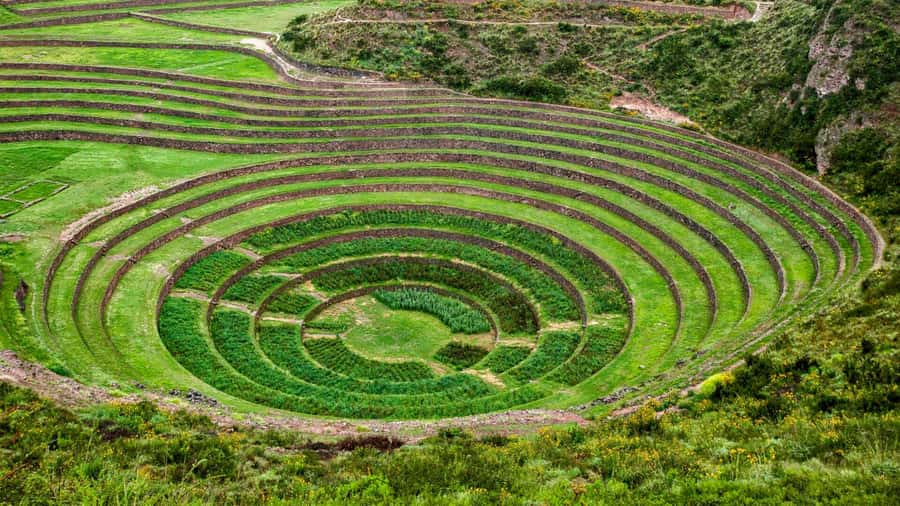
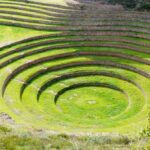
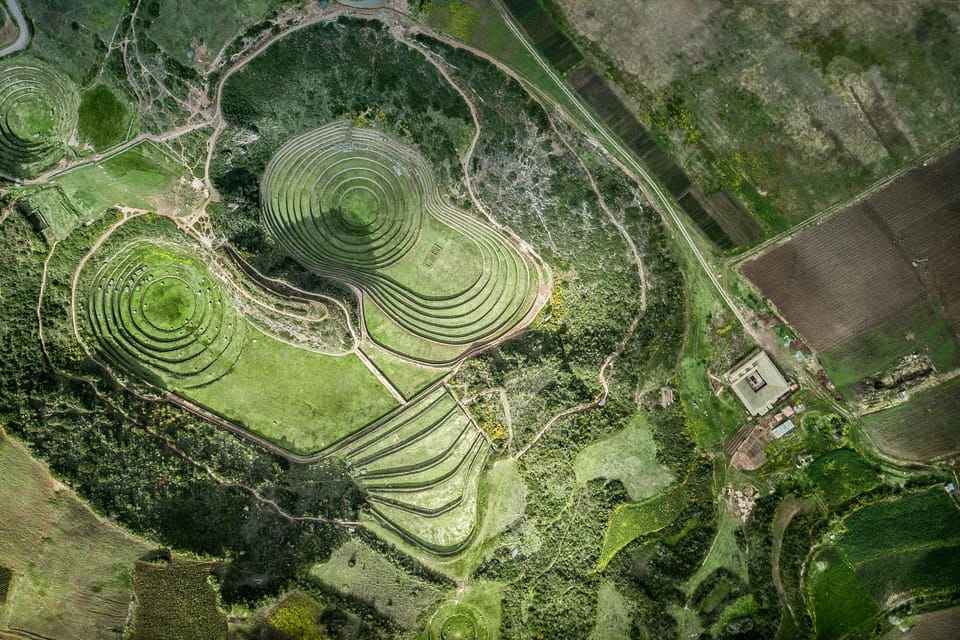
Moray is famous for its circular terraces, and the tour’s explanation is the real payoff: each terrace reflects different climates. You’re not just looking at old ruins. You’re seeing an Inca idea for experimenting with growing conditions in a compact space.
Here’s what I think makes Moray a great first stop on this kind of route: it sets the mental model for the rest of the day. When you understand how the Incas used microclimates, you start noticing how the next locations relate to work, water, and production rather than only architecture.
Practical tip: bring water and a camera. Moray’s terraces create lots of photo angles, and you’ll want a clear view as you walk the viewpoints available during your time there.
Maras Salt Mines: thousands of ponds and the salt-cascade look
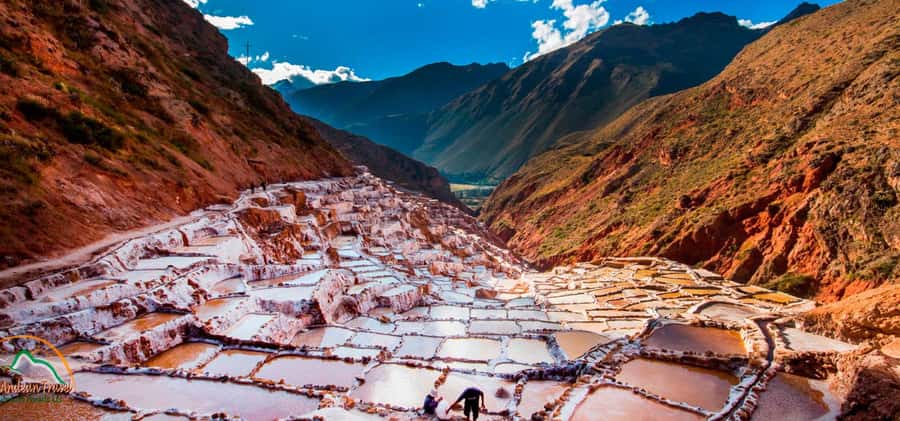
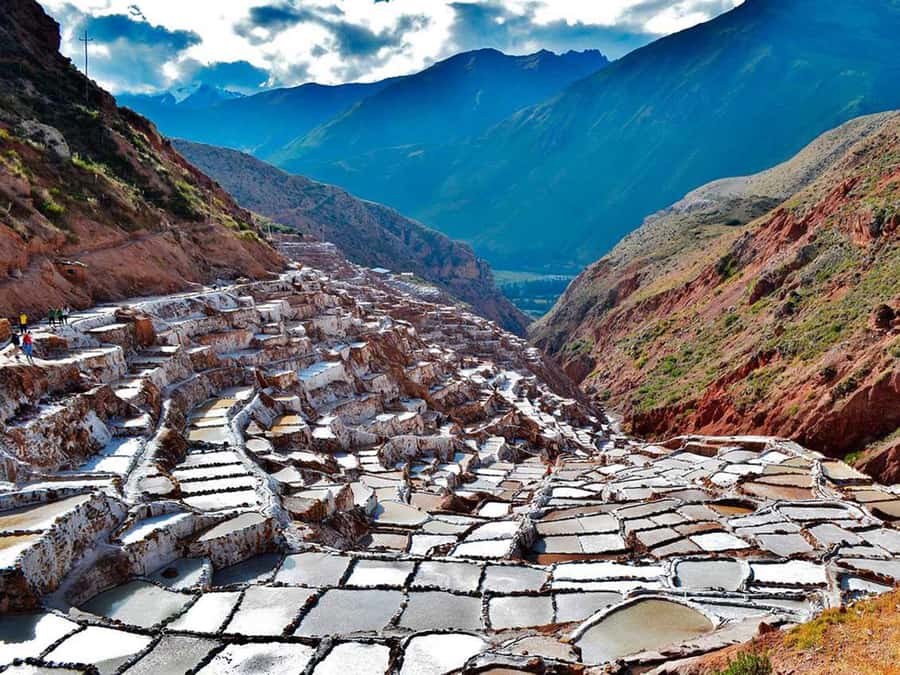
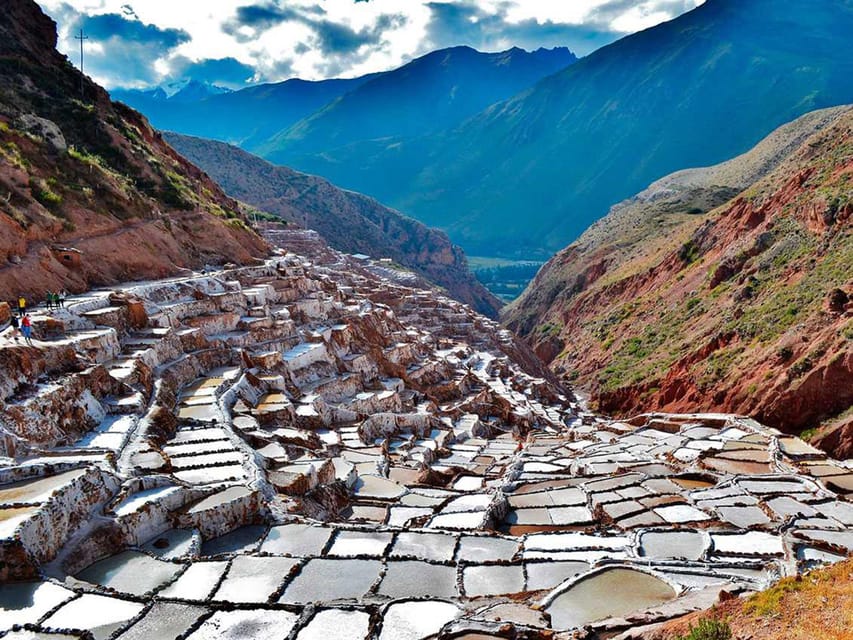
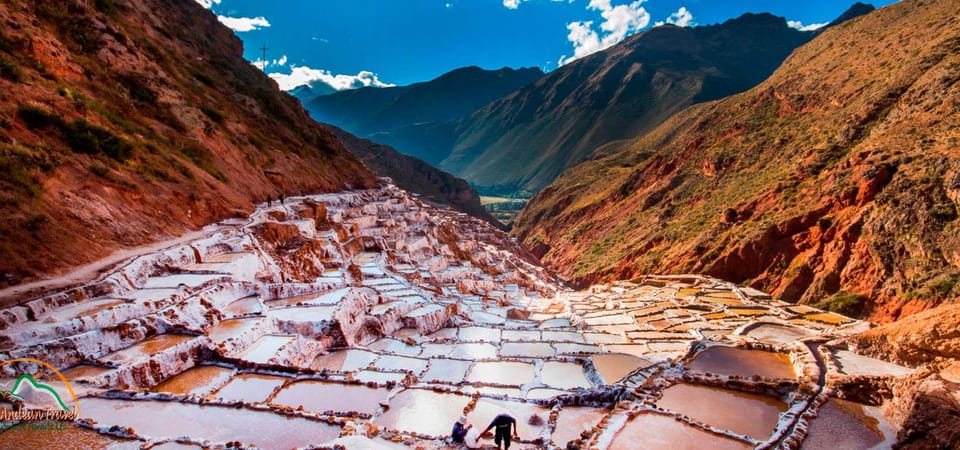
After Moray, you head to the salt mines of Maras, where the tour highlights the sheer number of ponds—more than 3,500 salt ponds. The area is often described as having ponds with medicinal properties, and the guide’s job is to connect that claim to the local salt-harvesting practice.
Visually, Maras works because it looks patterned and tiered. Even if you don’t catch every technical detail, you’ll understand the concept quickly: many small basins collect and concentrate salt over time, creating a striking grid on the hillside.
One consideration: this is a good place to pay attention to footing and sun exposure. You’re likely outside for stretches, so sunscreen matters, and cash helps if you want to buy something from local vendors along the way.
Chinchero weavers: where the textile process becomes real
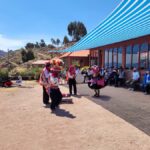
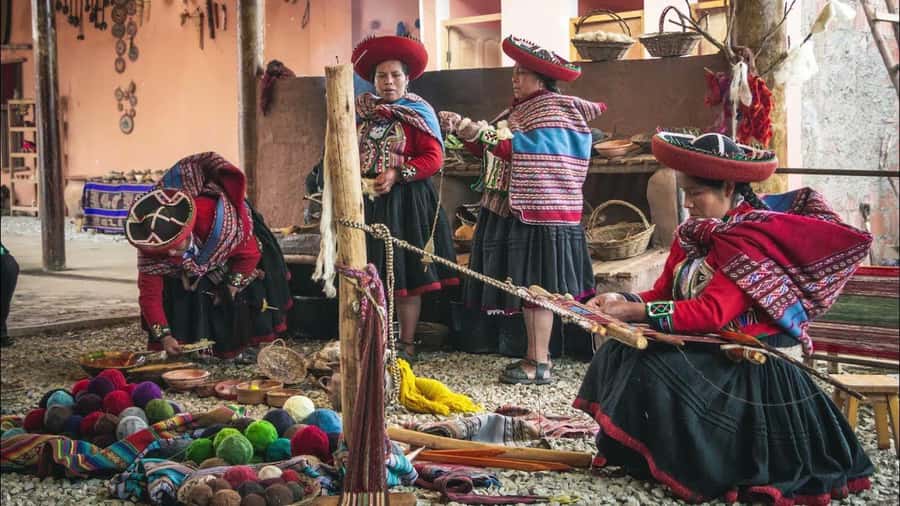
The last stop is Chinchero, focused on learning about the textile process. This is where the day shifts from land production (agriculture and salt) to a craft that depends on materials, skill, and repetition.
Even if your Spanish is basic, a bilingual guide can help you connect the dots. You’ll usually get a clearer understanding of how Andean weaving traditions work—what’s being made, why certain methods exist, and how textiles fit into everyday life. And because the tour starts with Moray’s climate logic and then goes to Maras’s production logic, the textile section feels less random. It’s another example of adapting knowledge to the conditions around you.
Practical tip: bring a camera, but also take a moment to look closely at what people are doing. Textiles reward slow observation, not just quick snapshots.

What you pay: $13 tour price plus real entrance fees
The listed tour price is $13 per person, and the big value move here is what’s bundled: round-trip transportation and a professional bilingual guide. That’s a meaningful inclusion when you’re trying to cover three separate destinations.
But you should budget for the separate entrances:
- Moray entrance: S/. 70 (or about $20)
- Maras Salt Mines entrance: S/. 15 (or about $5)
- Lunch: not included
So a realistic minimum for attractions is roughly $13 + $20 + $5 = about $38, before any meal you choose. That can still be good value if you care about guided context at each stop and you want one organized day instead of arranging separate tickets and transport yourself.
Guide quality and crowd-smart timing (Irina as an example)
The most praised part of this experience is the guide. One verified review specifically called out Irina, describing her as excellent and bilingual in Spanish and English. The key detail wasn’t just language—it was clarity and energy.
Another review praised the way the tour avoided heavy crowds enough that you had time to enjoy the sights rather than feeling rushed from one photo spot to the next. That matters in Cusco Region. Certain viewpoints get busy fast, and a smart guide plan can turn a stressful day into a calmer one.
If your Spanish is limited, don’t worry. The tour is designed around live guide support in both Spanish and English, so you can follow along without guessing.
What to bring (and what to skip)
For this kind of half-day outing, pack for sun and simplicity:
- Camera
- Sunscreen
- Water
- Cash
Also note what’s not allowed: alcohol and drugs. You’ll want to keep the day straightforward, especially because you’re moving between multiple outdoor areas.
Who this tour suits best in Cusco
This tour is a strong fit if you want a focused introduction to three different facets of the Cusco Region: Inca agricultural experimentation, salt harvesting, and textiles in Chinchero.
It’s also a good match for people who appreciate structure. You’ll be picked up in the historic center at 8:00, you’ll visit key stops in a logical order, and you’ll be back by about 15:00, so you can plan the rest of your day.
Not suitable for:
- Wheelchair users
- People with pre-existing medical conditions
The tour likely involves uneven ground and outdoor walking, so the safety limit isn’t something to ignore.
Should you book this Moray–Maras–Chinchero tour?
Book it if you want a one-day plan that connects agriculture, salt production, and textile culture without making you juggle transportation between sites. The bilingual guiding and the crowd-smart pacing are real reasons this works well, especially when you’re trying to see a lot but still enjoy it.
Skip it or think twice if you have limited mobility, a medical condition that makes outdoor walking tricky, or you’re counting on lunch being included. This route is fast and focused, and that’s great—just plan meals and entrance fees so there are no surprises.
If you’re ready for an active morning with clear explanations and big visual payoffs at Moray and Maras, this is a solid value way to use your time in Cusco.
FAQ
What time does the tour start and when do I get back?
The tour starts with pickup at 8:00 a.m. from your hotel in Cusco’s historic center, and the return is approximately 15:00 p.m..
How long is the Moray, Maras, and Chinchero tour?
The duration is 6 hours.
What stops are included on the itinerary?
You visit Moray, then the salt mines of Maras, and then Chinchero to observe the textile process.
What entrance fees are not included?
Moray has a partial tourist entrance fee of S/. 70 (or about $20), and Maras Salt Mines has an entrance fee of S/. 15 (or about $5). Lunch is also not included.
Is lunch included?
No, lunch is not included.
What language is the guide?
The live guide provides Spanish and English.
Is the tour wheelchair-friendly?
No. It is not suitable for wheelchair users. It’s also not suitable for people with pre-existing medical conditions.