REVIEW · CUSCO
Cusco: Sacred Valley Day Trip with Maras & Moray Salt Mines
Book on GetYourGuide →Operated by explorer southamerica · Bookable on GetYourGuide
Salt, stone, and Inca ideas in one long day. This Sacred Valley day trip is interesting because it ties food, farming experiments, and sacred sites into a single route you can actually follow from morning to night. Two stops I really liked are Maras salt mines and Moray, the Inca agricultural laboratory you can’t help but look at closely.
I also appreciated the practical rhythm of the day: a guided start, a midday pause for an Andean buffet lunch in Urubamba, then more archaeology in the afternoon. If you get a guide like Christian (a name that shows up with this operator), you’ll likely get clear explanations and plenty of room for questions.
One consideration: it’s a long day with early pickup and late return, plus the tour includes paid entrances for Maras and Moray that aren’t included in the base price. If you’re not comfortable walking and standing for hours, or you need step-free access, this may feel like too much.
In This Review
- Key highlights at a glance
- Starting at Dawn: Cusco pickup and the road into the Sacred Valley
- Chinchero: a quick guided stop before Moray
- Moray’s terraces: the Inca agricultural laboratory
- Maras salt wells: thousands of pools, one of the valley’s big wow moments
- Urubamba lunch break: fuel up at the Andean buffet
- Ollantaytambo: Temple of the Sun and the feel of purpose
- Pisac: finishing with major archaeological complexes
- Price and value: what $35 really buys (and what costs extra)
- What your guide does for you (and why it matters)
- Timing, pace, and how to prepare like a pro
- Who this Sacred Valley day trip is best for
- Should you book the Cusco: Sacred Valley Day Trip with Maras & Moray Salt Mines?
- FAQ
- Is lunch included on this tour?
- What is the total cost, considering entrance fees?
- What time do I get picked up in Cusco?
- What time will I return to Cusco?
- What stops are included in the one-day itinerary?
- What languages are offered by the guide?
- What should I bring for the day?
- Is there free cancellation and a reserve option?
Key highlights at a glance
- Dawn pickup from central Cusco (around 6:00–7:00 AM) so you spend the daylight seeing sites
- Chinchero + Moray for a first look at how the Incas organized life around this valley
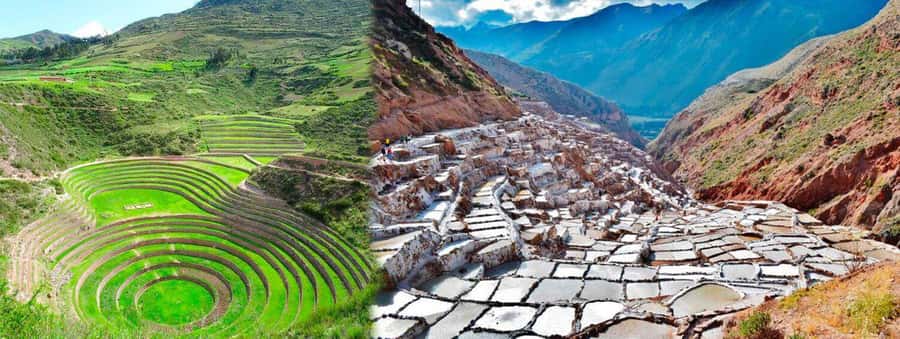
- Maras salt wells on the mountain slope with thousands of pools older than 3,000 years
- Urubamba Andean buffet lunch as your planned break in the middle of the day
- Ollantaytambo (including the Temple of the Sun) followed by Pisac to round out the Sacred Valley circuit
- Not-included entrances: Maras S/15 (about $5) and Moray partial ticket S/70 (about $20)
Starting at Dawn: Cusco pickup and the road into the Sacred Valley
Your day starts early, with hotel pickup in Cusco—near or within the historic center—typically between 6:00 and 7:00 AM. You’re in a vehicle heading about 35 kilometers from Cusco into the Sacred Valley, which helps you beat the later crowds and use the whole day.
This part matters because Sacred Valley touring is really about flow. Instead of picking one site and spending half a day traveling back and forth, this itinerary strings the major stops together in the order your guide can explain. The valley itself is tied to the Incan food system, and the guide usually frames it that way from the beginning.
You can also read our reviews of more tours and experiences in Cusco

Chinchero: a quick guided stop before Moray
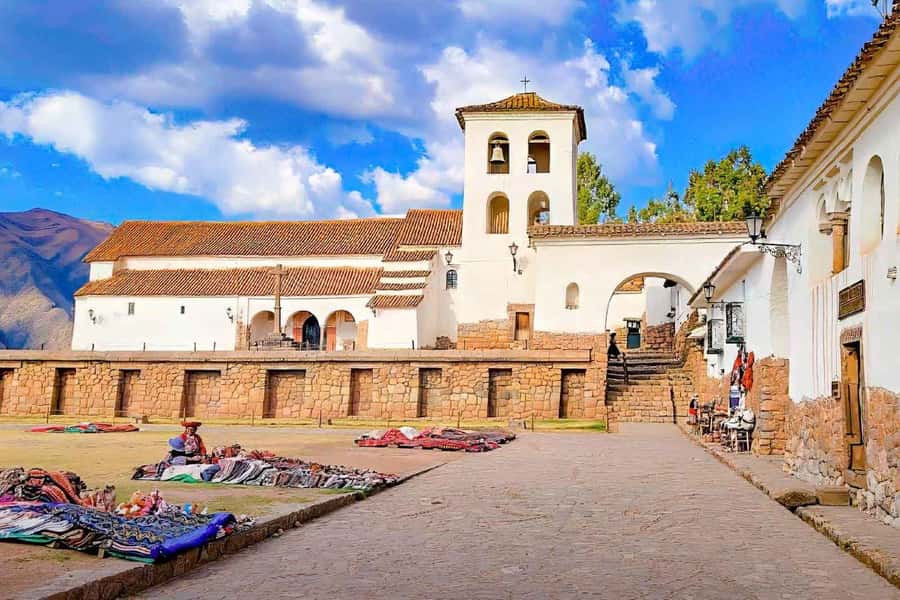
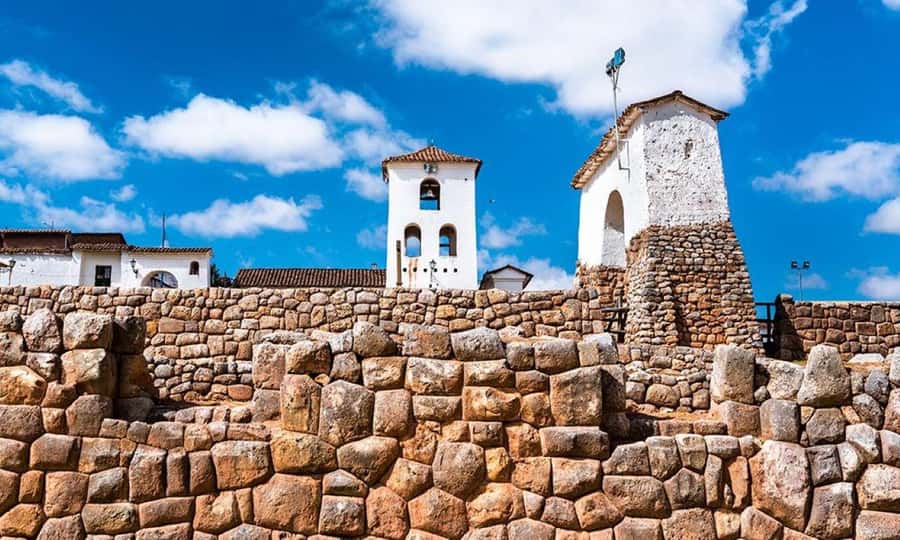
First comes Chinchero, with a brief guided tour before you head on. That short introduction is useful: it gives you context so when Moray appears on the horizon, it doesn’t feel like random ruins—you see it as part of a planned Inca landscape.
You won’t want to treat the Chinchero stop as a full sightseeing day. Think of it as a “warm-up” and orientation moment: a way to get your bearings on Inca-era ideas before you move into the more dramatic sites later.
Moray’s terraces: the Inca agricultural laboratory
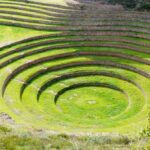
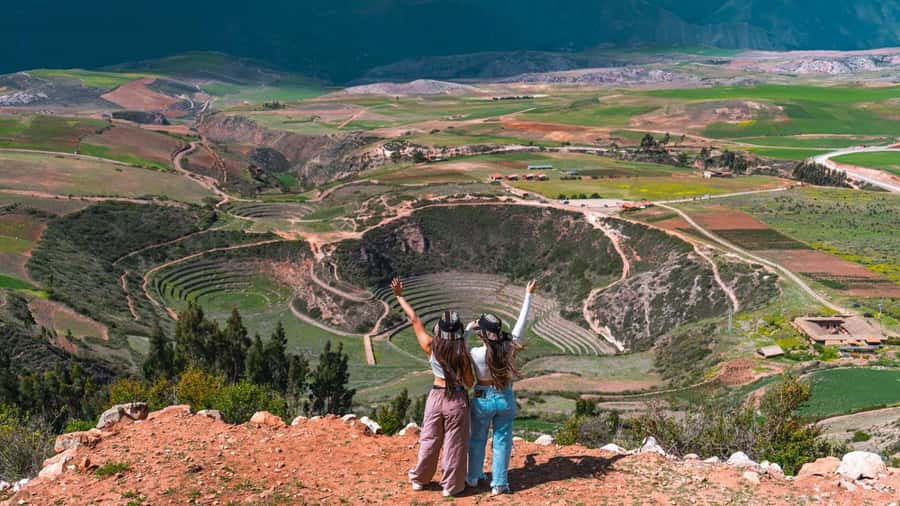
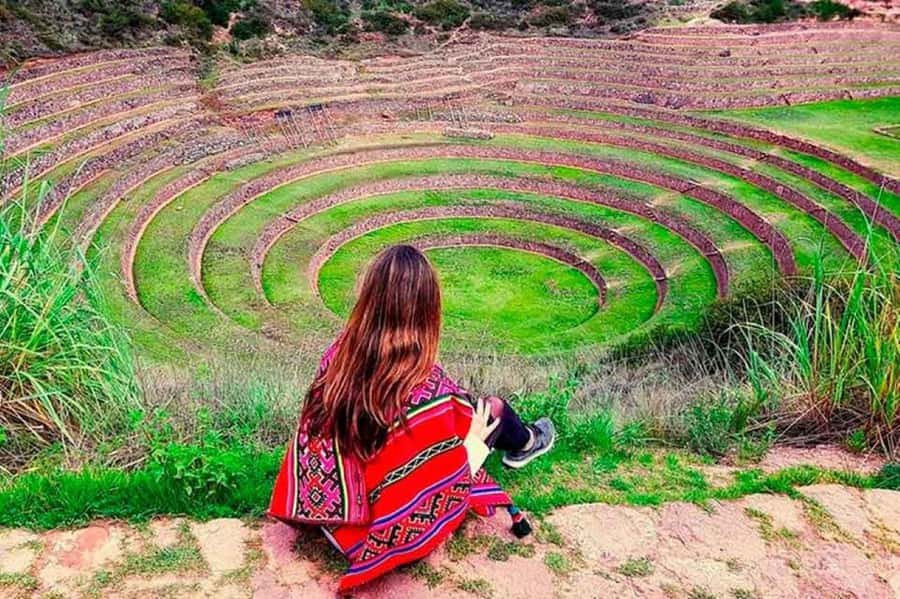
Next up is Moray, described on this tour as the Incas’ agricultural laboratory. Even if you’re not a farming nerd, the setting does something. Those terrace-like forms make you stop and think about experimentation—how an empire could test, compare, and refine crop-growing across different conditions.
What I like about Moray in a day-trip format is that it gives you a different angle from the usual stone-temple focus. You’re not only seeing monuments—you’re seeing a place connected to how food was studied and produced. The guide’s job here is big: they connect the site to the wider idea of the Sacred Valley as a resource for the Incan Empire.
Keep in mind Moray entrance is not included. The tour lists the cost as a partial tourist ticket (about S/70 or $20). If you want a smooth morning, have cash ready, because the tour also asks you to bring cash.
Maras salt wells: thousands of pools, one of the valley’s big wow moments
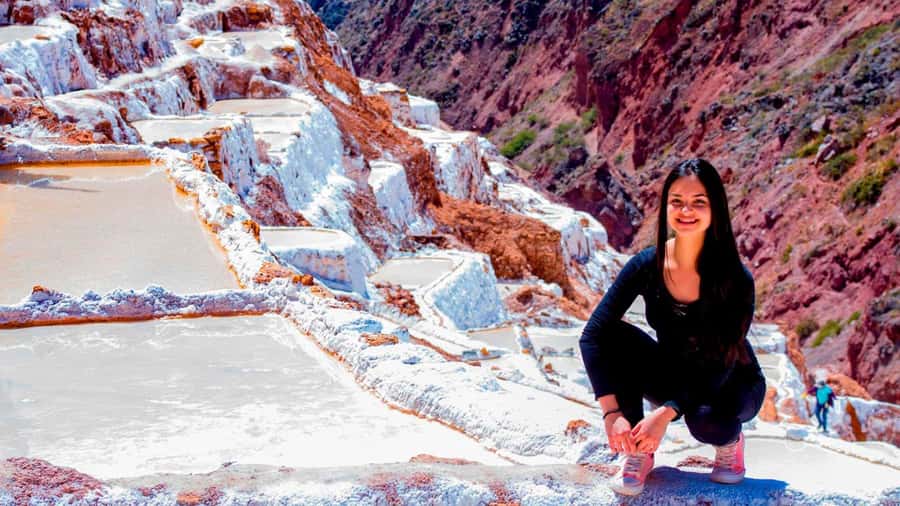
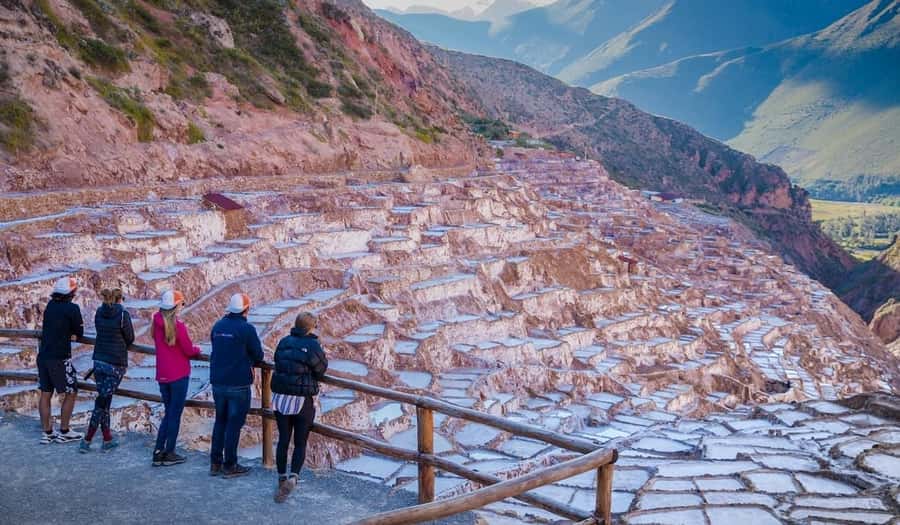
Then you get to one of the signature scenes: the salt wells of Maras. The tour describes them as over 3,000 years old, and when you look at the slopes covered with pools, that age becomes more than a number. It feels like something people kept working long after the original builders were gone.
From a value standpoint, this is the kind of stop that makes the day trip feel worth it. It’s not just “another ruin.” It’s an active-looking landscape of small units—thousands of salt pans—arranged down the mountain in a way that lets you understand scale quickly.
Like Moray, Maras entrance is also not included (listed as S/15 or $5). This is one of those “check your budget now, thank yourself later” items. Once you’ve paid for Maras and Moray, you’ll have a clear idea of your true total spend.
Urubamba lunch break: fuel up at the Andean buffet
After the salt-and-terraces portion, you’ll take a break in Urubamba for an included Andean buffet lunch. I like this timing because it hits before the afternoon archaeology wave. By then, your feet and attention are both tired, and lunch resets you.
A buffet is practical on a day like this: you can eat quickly, adjust your portion size, and avoid getting stuck waiting for a single plated meal. The tour keeps it simple—an included lunch rather than an optional upgrade—so you’re not guessing what will or won’t cost extra.
If you’re sensitive to altitude or long travel, treat lunch as your hydration anchor. The tour doesn’t spell out water rules, but bringing a power bank (listed as what to bring) helps because you’ll likely be using your phone/camera during breaks and later at the sites.
Ollantaytambo: Temple of the Sun and the feel of purpose
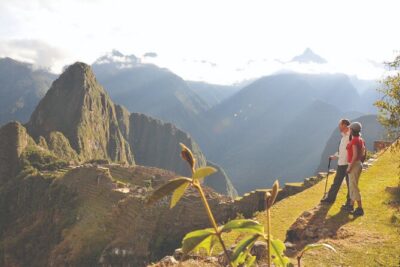
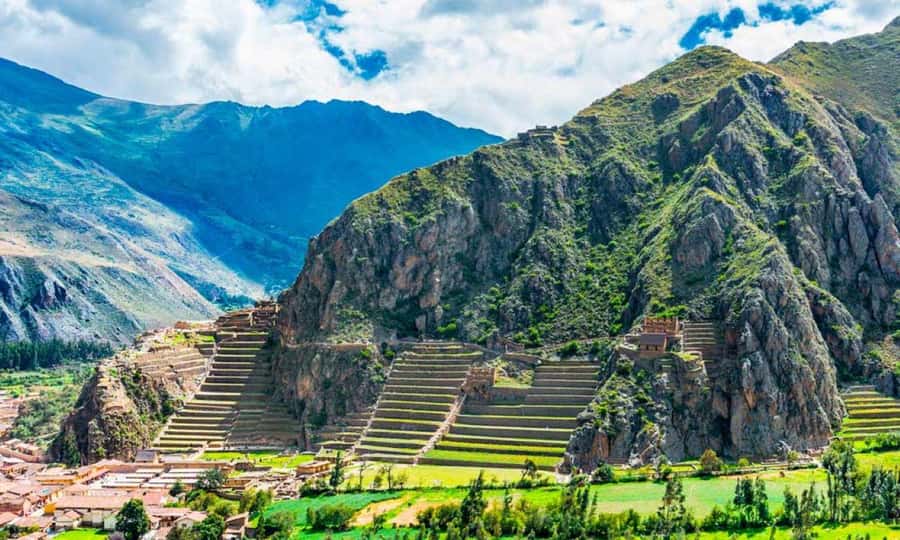
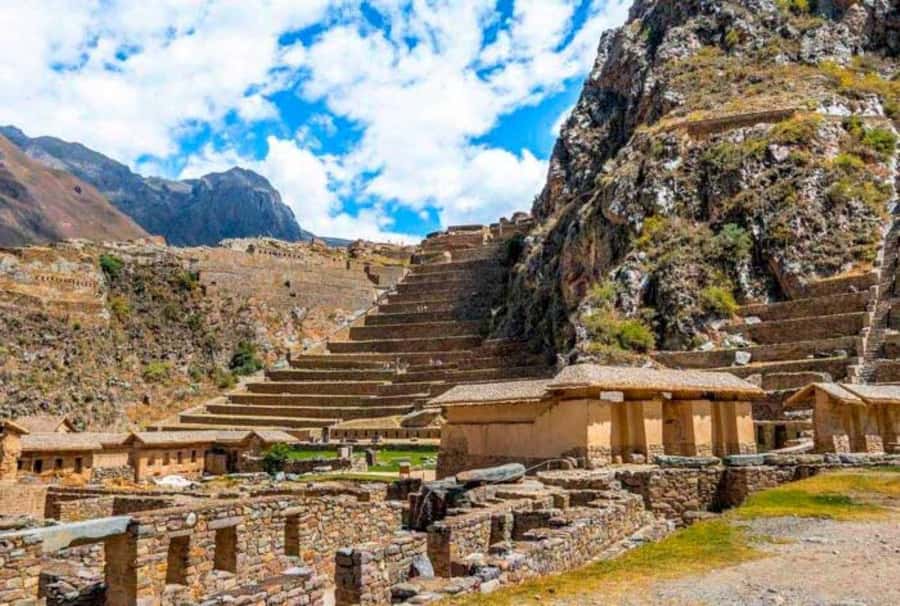
In the afternoon, you move to Ollantaytambo, visiting the archaeological center and its most important complexes, including the Temple of the Sun. This is one of those stops where the stonework and layout start to tell a story even before the guide explains it.
Why it works in a day-trip plan: by the time you reach Ollantaytambo, you’ve already seen how the valley fed the empire and how it was studied through farming. Now you’re seeing how power, ritual, and settlement came together.
The main drawback here isn’t the site—it’s the day’s energy level. Ollantaytambo is the kind of place where you want a little more time to look slowly. In a one-day schedule, you’ll get the “greatest hits” tour version, so don’t expect to wander as freely as you would on a multi-day stay.
Pisac: finishing with major archaeological complexes
Your last stop is Pisac, also described as an archaeological center with important complexes to visit. Pisac is a solid closer because it keeps the story moving: you leave the day with at least two major anchors in your memory—Ollantaytambo and Pisac—rather than only one.
I’d treat Pisac as your “slow down if you can” moment, even if you only have a short window. If you’re taking photos, this is a good time to change lenses/angles and get those wider views that show how the site sits in the valley.
After that, you return to Cusco, with drop-off near Plaza de Armas around 6:30–7:00 PM. That’s late enough that I’d skip heavy plans for the night after you get back.
Price and value: what $35 really buys (and what costs extra)
The base price is listed as $35 per person for a full day with hotel pickup, a professional guide, and an included buffet lunch. For a one-day Sacred Valley route, that’s a fair setup, especially because it covers the hard part: transportation and sequencing.
The not-included items are the two big entrance fees:
- Maras entrance: S/15 (about $5)
- Moray entrance (partial tourist ticket): S/70 (about $20)
So your realistic “tour day” budget is closer to $60 per person once you add those entrances (plus any extras you choose at the sites). If you’re comfortable paying for entrances and you want the convenience of a guided route, the overall value still makes sense.
Where the value can dip: if you’re only interested in one of the salt/terrace/archaeology stops, you might feel you’re paying for parts you didn’t come for. If Sacred Valley is your priority, the route is built to give you breadth in one day.
What your guide does for you (and why it matters)
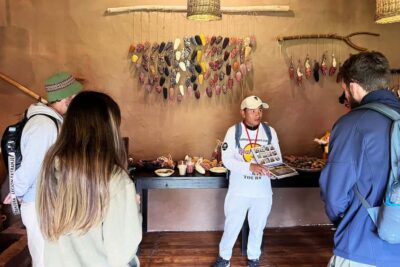
This is one of those tours where the guide makes or breaks the day. The itinerary covers multiple archaeological areas plus two signature “production” stops (Moray and Maras), and a good guide connects them into one story.
One guide name that stands out is Christian, who’s been praised for explaining Inca history clearly and answering extra questions. If you care about understanding what you’re looking at—not just taking photos—pick this tour with the expectation that your guide will do real work during the day.
You’ll also have live interpretation in Spanish and English, so if you want to ask follow-ups, you can do that without guessing.
Timing, pace, and how to prepare like a pro
This day is built on early starts and packed blocks. Pickup runs between 6:00–7:00 AM, and you’re back near Plaza de Armas around 6:30–7:00 PM. That pace is ideal if you’re short on time in Cusco and want a full Sacred Valley hit, but it’s not ideal if you planned to sleep in or take long breaks.
Here’s what you should bring, based on the tour’s requirements:
- Passport
- Camera
- Cash (useful for entrance fees like Maras and Moray)
- Power bank
- And skip the extras that aren’t allowed: drones, smoking in the vehicle, alcohol and drugs, and littering.
Also, the tour asks you to provide a WhatsApp number with the correct country code. That’s worth doing early, because it helps the provider communicate with you during the process.
Who this Sacred Valley day trip is best for
This tour is a strong match if you want:
- A one-day overview of the Sacred Valley without dealing with separate transport for each stop
- A mix of Inca agriculture and archaeology
- The convenience of a planned buffet lunch rather than improvising food all day
It may feel like the wrong fit if:
- You need step-free access (the tour is listed as not suitable for wheelchair users)
- You have visual impairments that require accommodations not offered on this route
- You dislike long days with lots of moving between sites
Should you book the Cusco: Sacred Valley Day Trip with Maras & Moray Salt Mines?
I’d book it if you’re in Cusco for a short time and you want one day that explains the Sacred Valley as an Inca engine—food production, farming experimentation, and major ceremonial sites. The included lunch and pickup keep it practical, and the two paid entrance stops are predictable add-ons.
Don’t book it if you’re only hunting for one type of sight. This itinerary is intentionally broad, so you’ll get the best payoff when you’re open to seeing both salt wells and archaeological centers in the same day.
If you go, go with a simple mindset: ask questions, take a few photos, and leave room to look at the big patterns—how the valley was built to sustain an empire, not just to impress tourists.
FAQ
Is lunch included on this tour?
Yes. You get an included Andean buffet lunch in Urubamba.
What is the total cost, considering entrance fees?
The tour price is listed as $35 per person, but entrance fees are not included for Maras and Moray. Maras is S/15 (about $5) and Moray is a partial tourist ticket of S/70 (about $20).
What time do I get picked up in Cusco?
Pickup is scheduled between 6:00 and 7:00 AM from your hotel near or within the historic center.
What time will I return to Cusco?
You’ll be dropped off near Plaza de Armas around 6:30 to 7:00 PM.
What stops are included in the one-day itinerary?
The tour includes Chinchero, Moray, the Maras salt wells, lunch in Urubamba, Ollantaytambo (including the Temple of the Sun), and Pisac.
What languages are offered by the guide?
The live tour guide operates in Spanish and English.
What should I bring for the day?
Bring your passport, camera, cash, and a power bank.
Is there free cancellation and a reserve option?
Yes. You can cancel up to 24 hours in advance for a full refund, and you can reserve now and pay later.