REVIEW · CUSCO
From Cusco: 2-Day Trip to the Sacred Valley and Machu Picchu
Book on GetYourGuide →Operated by Peru Andes Top · Bookable on GetYourGuide
Two days can feel like a whole chapter. You’ll mix Sacred Valley ruins, a scenic train to Aguas Calientes, and a guided Machu Picchu visit with everything stitched together. It’s a great option if you want the big sights without the planning headache.
What I like most is how organized the experience is from the moment you’re picked up in central Cusco, plus the fact it runs with a small group and certified guides in Spanish or English. In feedback, guides such as William (Sacred Valley) and Uriel (Machu Picchu) get called out for being patient, clear, and genuinely into the story—not just reciting dates.
One consideration: your Machu Picchu views depend a lot on timing and weather. Even with early tickets (like a 7:00 am entry in late December), visibility can be less favorable than you hoped, though the visit still lands as memorable.
In This Review
- Key things to know before you go
- A tight, organized route from Cusco to Machu Picchu
- Pisac: terraces, irrigation systems, and Inca cemetery scale
- The Pisac craft market stop (and how to use it)
- Urubamba lunch break: flexible food time where you can reset
- Ollantaytambo: temples, terraces, warehouses, and a giant monolith
- The train to Aguas Calientes: views, timing, and the seat-side detail
- Day 2 to Machu Picchu: bus ride up, then a guided walk
- Aguas Calientes overnight and your post-tour time
- Price and value: what $370 covers and what you’ll pay separately
- What to pack, group size, and the pace reality
- Should you book this Cusco-to-Machu Picchu plan?
- FAQ
- What’s included in the trip price?
- Are Pisac and Ollantaytambo entrance tickets included?
- Is Machu Picchu entrance included?
- Do I get to choose between train types?
- Where do I stay during the trip?
- What language will the guides speak?
- What should I bring, and what isn’t allowed?
- Can I cancel and get a refund?
- What if I need help during the trip?
Key things to know before you go
- Small group (up to 15) means better control at sites and less waiting around.
- English/Spanish guided tours keep the archaeology from feeling like random stones.
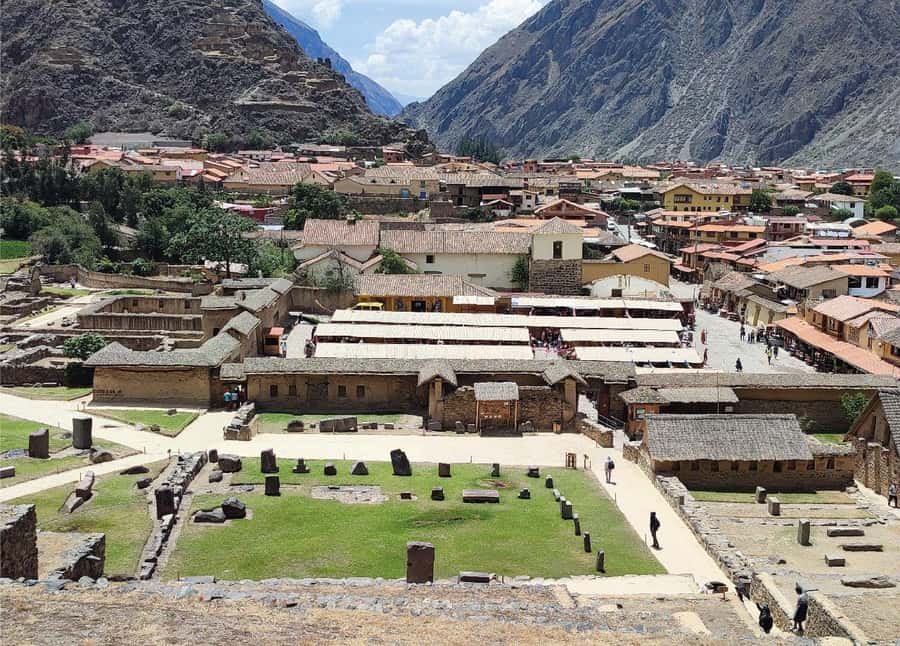
- Pisac is a multi-layer stop: terraces, irrigation systems, stone walls, and a major Inca cemetery.
- Ollantaytambo adds stone-carving context plus terraces, temples, warehouses, and a big monolith.
- Train choice affects your river views (and seat side can matter).
- Machu Picchu is timed and early: you’ll do the climb by bus in the morning, then tour with a guide.
A tight, organized route from Cusco to Machu Picchu
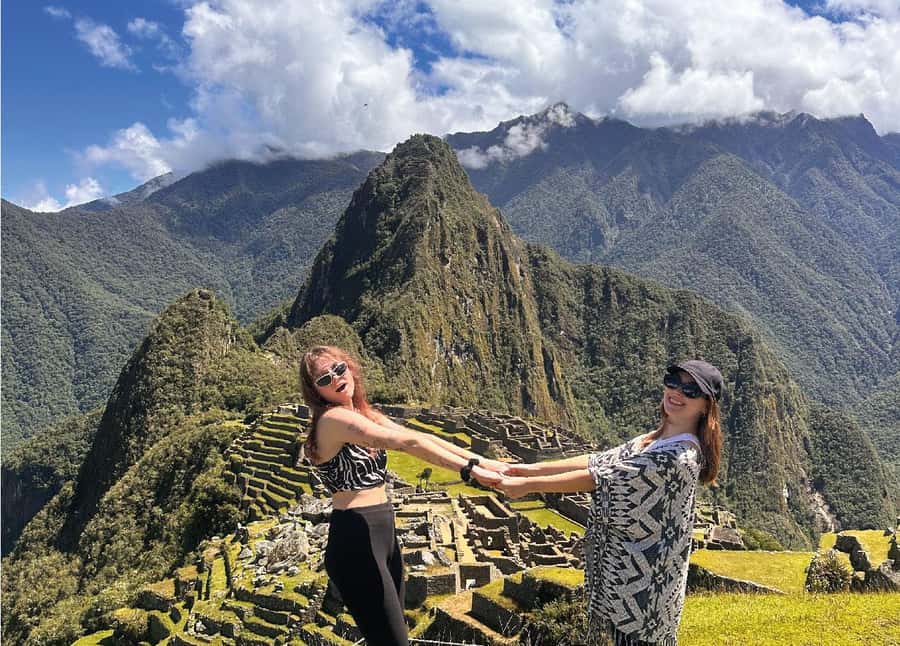
This is a smart “two days, two regions” plan. Day 1 is about the Sacred Valley highlights and learning how the Incas reshaped land, water, and living space. Day 2 is the payoff: Machu Picchu with a guide, plus the return to Cusco after lunch.
The practical value here is the built-in flow. You get hotel pickup and drop-off, then transfers between sites, a train down to Aguas Calientes, and a bus up to Machu Picchu. If you’d rather not juggle multiple tickets and schedules on your own, that structure is the point.
The pace is busy, but it’s not chaotic. You’ll be moving through several major stops, yet the tour is designed so you’re not spending your energy figuring out what’s next.
You can also read our reviews of more tours and experiences in Cusco


Pisac: terraces, irrigation systems, and Inca cemetery scale
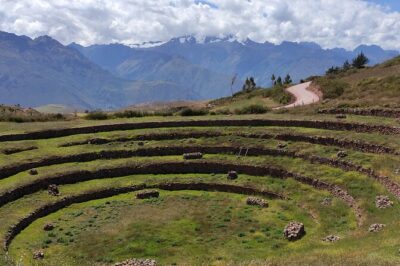
Pisac is the first big archaeological wow. You’ll visit the site and take in the stone walls, agricultural terraces, and irrigation systems—exactly the kind of “how they made a landscape work” details that make Sacred Valley ruins more than just monuments.
Two things about Pisac make it especially worthwhile:
- The agricultural terraces aren’t only scenic. They show how farming and engineering went together.
- The site includes what’s described as the largest cemetery in the Inca Empire, which adds a very different tone to what you’re seeing.
One small heads-up: the entrance to Pisac isn’t included in the tour price. You should plan on paying approximately $22 for site entry.
The Pisac craft market stop (and how to use it)
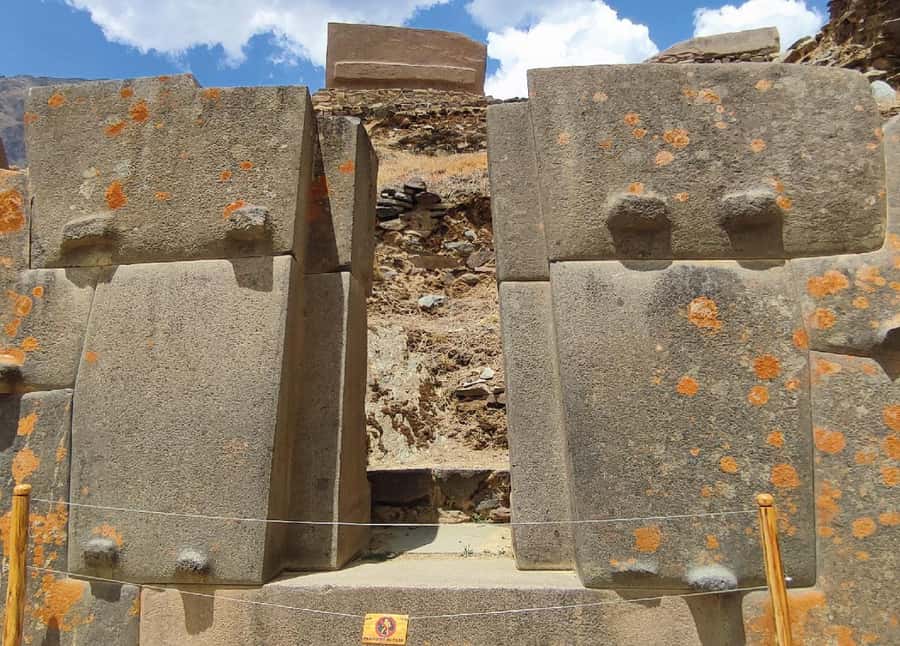
Right after Pisac, the tour includes time at the Pisac craft market. This is your chance to shop in a place where you’re already in the right zone—textiles, ceramics, jewelry, Andean instruments, alpaca products, and general souvenirs.
Here’s how I’d treat this stop: go with a plan, not a hope. If you want one or two items, this is the moment. If you’re mainly browsing, keep your focus on quality and materials so you don’t get swept up by the noise of shopping.
Also note the tour is set up for a smooth day, so don’t expect unlimited time here. It’s a stop, not a full-day market mission.
Urubamba lunch break: flexible food time where you can reset
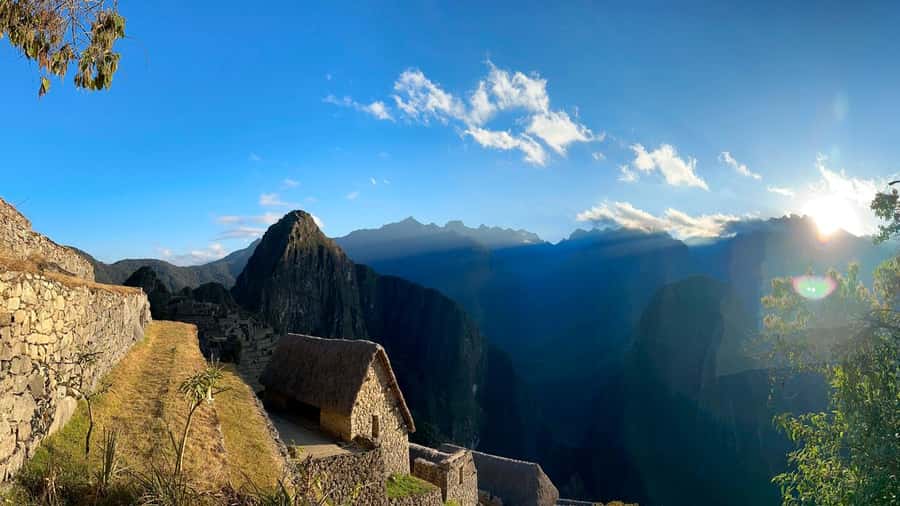
As the day continues, you’ll travel through the Sacred Valley toward Urubamba. The plan includes a lunch option where you can purchase food at local restaurants, typically with traditional dishes using fresh products.
This is one of those “budget reality” parts. Lunch in the Sacred Valley is not included. You’ll pay for your own meal here, while lunch that’s included comes later in Aguas Calientes.
If you’re sensitive to big schedule changes, this lunch window is also where you can slow down for 30 minutes, use the restroom, and mentally reset. Sacred Valley days can feel like a highlight parade, and you’ll thank yourself for building in one proper pause.
Ollantaytambo: temples, terraces, warehouses, and a giant monolith
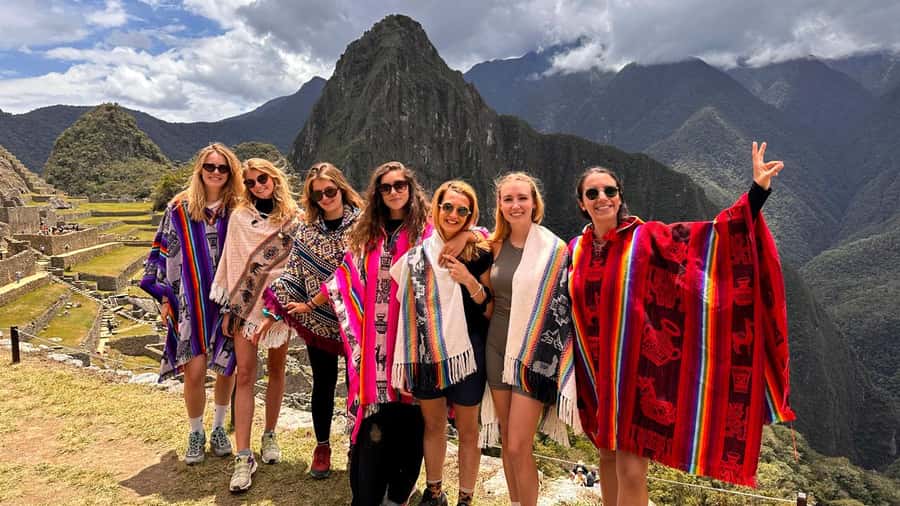
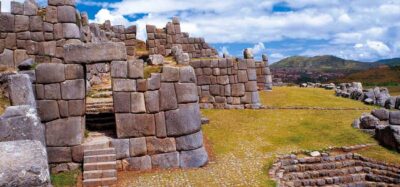
In the afternoon, you’ll visit Ollantaytambo, a major Inca complex with a feel that’s different from Pisac. Instead of the “farming + water” focus, Ollantaytambo adds the urban side: temples, terraces, warehouses, and a large Inca monolith.
The tour also points out Inca stone-carving techniques here. That matters because it helps you see patterns: how the Incas shaped and fit stone so the structures still look precise today.
Like Pisac, Ollantaytambo site entry isn’t included. There’s an additional cost of about $22 for that entrance ticket.
You can also read our reviews of more tours and experiences in Cusco





The train to Aguas Calientes: views, timing, and the seat-side detail
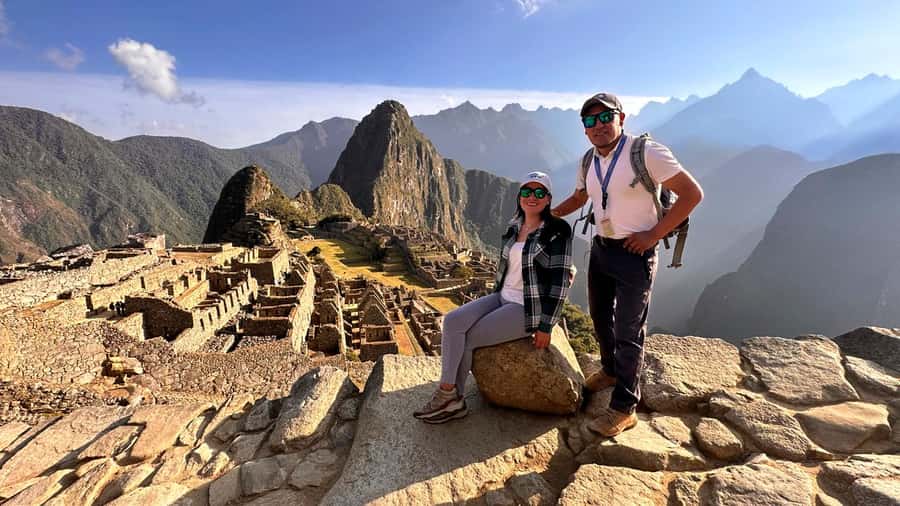
After Ollantaytambo, you take the train to Aguas Calientes. You can choose between the Tourist Train and the Panoramic Train.
What makes the train ride more than a transfer is the view. You’ll travel while looking at scenery tied to the Urubamba River and the canyon it cuts. In other words: it’s moving, and it’s scenic, so it doesn’t feel like you’re trapped on a long bus.
One practical tip from real experience: the view can depend on which side of the train you’re seated on. Some people have felt disappointed when they were assigned the side with fewer river views both ways. If your booking lets you request preferences, try to aim for the better-view side for at least one direction.
Also remember the “no big luggage” rule. If you’re packing heavy, you’ll feel it on trains and buses—so travel light.
Day 2 to Machu Picchu: bus ride up, then a guided walk
The second morning starts early with a bus from Aguas Calientes to Machu Picchu. On the ride up, you’ll have views of the canyon area shaped by the Urubamba River.
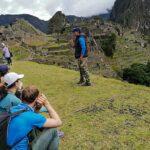
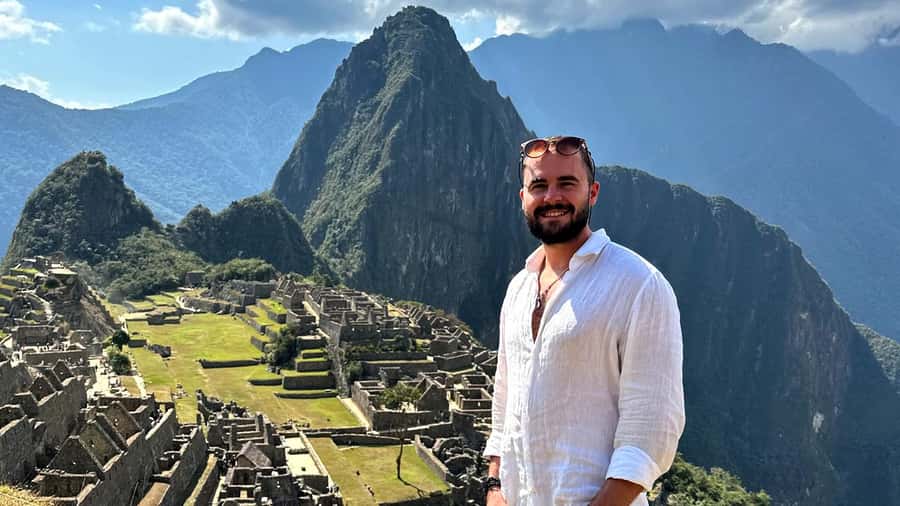
Then you’ll explore Machu Picchu on a guided tour. This is where the guide’s job becomes essential. A good explanation turns the terraces, stairways, and ceremonial structures into a story you can follow instead of just a checklist.
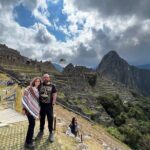
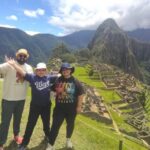
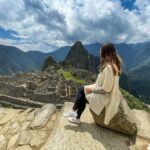
Here’s what I’d keep in mind: visibility is not guaranteed. One guide-led experience shared that a 7:00 am entry in late December didn’t bring the most favorable views. Still, the overall experience stayed memorable. That’s the honest reality at Machu Picchu: it’s impressive even if the weather is moody.
Your guide will be bilingual (Spanish or English), and names like Uriel and others have been specifically praised for making the information clear and engaging.
Aguas Calientes overnight and your post-tour time
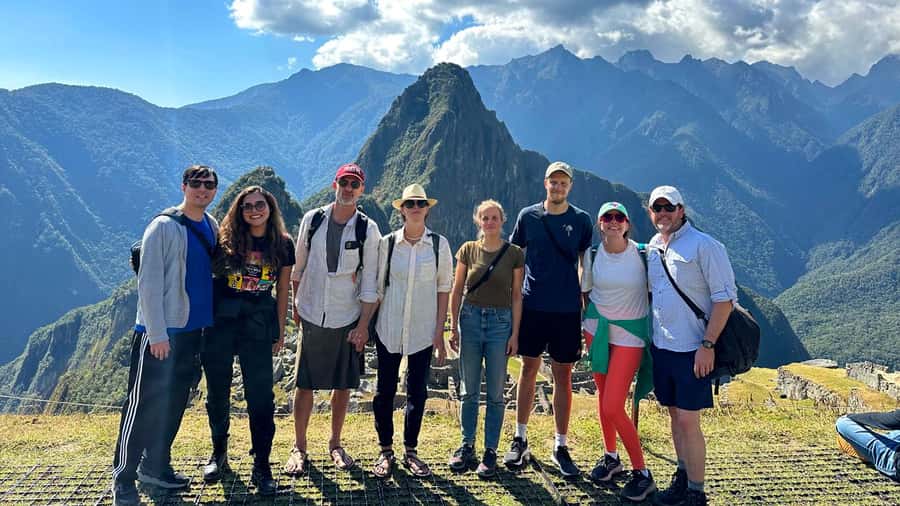
After arriving in Aguas Calientes, you’ll stay overnight. If your package includes accommodation, you’ll select a standard or superior option. Either way, the overnight is a major part of why this trip feels doable: you’re not sprinting back to Cusco the same day after the ruins.
After your Machu Picchu tour, you’ll have time for lunch in Aguas Calientes, which is included. It’s a good moment to eat something real, review photos, and take a breather.
If you like having a little breathing room, you’ll appreciate that Aguas Calientes gives you some time to slow down. It’s not a perfect “relax and do nothing” resort vibe, but you do get a chance to be off the move for a bit.
Price and value: what $370 covers and what you’ll pay separately
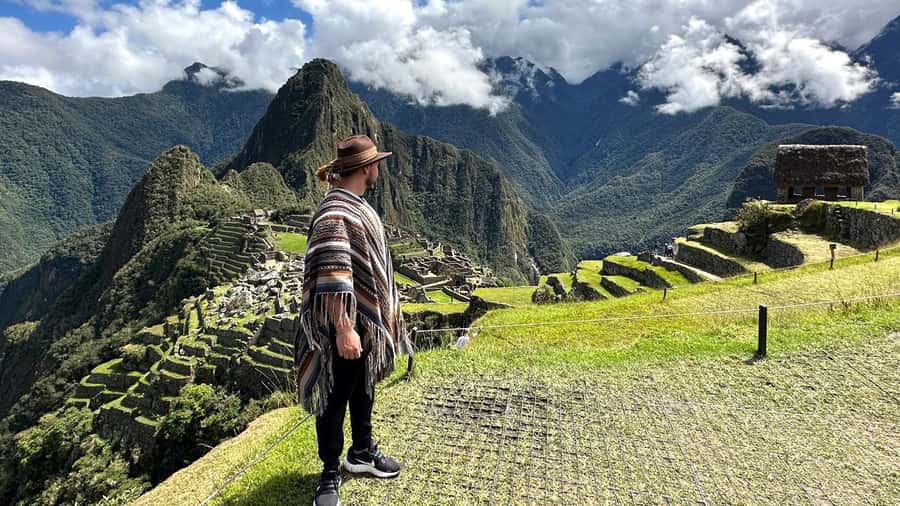
At $370 per person for two days, you’re paying for more than admission tickets. The included package covers the structure: hotel pickup and drop-off, Sacred Valley and Machu Picchu guided tours (Spanish/English), roundtrip train tickets based on your chosen category, a roundtrip bus ticket (Aguas Calientes to Machu Picchu), and the Machu Picchu entrance ticket.
You also get 24-hour assistance, which is a big deal on routes that involve multiple transfers. If something slips, you want a company that can help you adjust without you hunting for answers.
Lunch in Aguas Calientes is included, while lunch in the Sacred Valley is not. Drinks are not included either.
Two extra costs you should budget for:
- Pisac entrance (about $22)
- Ollantaytambo entrance (about $22)
When is the price a good deal? When you value peace of mind and time-saving organization. When is it less perfect? If you’re the type who enjoys ticket-hunting and schedule-tuning on your own, you might spend less by booking entry tickets and transport separately. But that’s a trade: less convenience, more effort.
What to pack, group size, and the pace reality
This tour is limited to 15 participants, which is a sweet spot for guided archaeology days. Big groups can turn into shuffle lines. Small groups help you actually hear the guide.
You’ll be picked up from your accommodation in Cusco’s historic center. You should be ready in the lobby about 15 minutes before the scheduled pickup time. The exact pickup times depend on the departure of your confirmed train, so the provider will share your pickup time a couple of days before.
Bring a passport or ID card. And don’t bring large luggage. The tour specifically notes that luggage or large bags are not allowed.
Should you book this Cusco-to-Machu Picchu plan?
Book it if you want:
- A guided Sacred Valley + Machu Picchu route without trekking logistics
- A small-group experience (up to 15) with bilingual guides
- The convenience of train and bus included, plus Machu Picchu entry
Skip it or reconsider if:
- You’re chasing the lowest possible cost and don’t mind coordinating entrances and transport yourself
- You know you’ll struggle with a timed morning start at Machu Picchu (views can be weather-dependent even with early entries)
FAQ
What’s included in the trip price?
The package includes hotel pickup and drop-off, Sacred Valley and Machu Picchu guided tours (Spanish/English), roundtrip train tickets based on your chosen category, roundtrip bus tickets (Aguas Calientes to Machu Picchu), the Machu Picchu entrance ticket, a certified guide, lunch in Aguas Calientes, and 24-hour assistance. Accommodation is included only if you select that option.
Are Pisac and Ollantaytambo entrance tickets included?
No. Entrance tickets to Pisac and Ollantaytambo cost extra (approximately $22 each).
Is Machu Picchu entrance included?
Yes. The entrance ticket to Machu Picchu is included.
Do I get to choose between train types?
Yes. You can choose between the Tourist Train and the Panoramic Train for the roundtrip train portions.
Where do I stay during the trip?
You stay overnight in Aguas Calientes. Accommodation is included if you choose the option, and it depends on your selected category (standard or superior).
What language will the guides speak?
The tours run with live guides who speak Spanish and English.
What should I bring, and what isn’t allowed?
Bring your passport or ID card. The tour notes that luggage or large bags are not allowed.
Can I cancel and get a refund?
The activity is non-refundable. Also, due to new provisions around Machu Picchu entrances, the portion related to the entrance ticket cannot be refunded if your reservation is canceled.
What if I need help during the trip?
You get 24-hour assistance, and the experience includes guided movement between Cusco, the Sacred Valley sites, the train, Aguas Calientes, and Machu Picchu.