REVIEW · CUSCO
Sacred Valley Private Tour, Moray & Salt Mines Incluided
Book on Viator →Operated by Oldstone Adventures · Bookable on Viator
Seven in the morning and history is already moving. This private Sacred Valley tour is built for your schedule, with hotel pickup and private transportation so you can hit the Inca sites without losing hours to slow group logistics. I also love the flexibility: a dedicated driver-guide can adjust pacing and even reorder stops so you spend time actually looking, not waiting.
One thing to plan for: the big headline price ($125) does not include site entry, and you’ll need extra cash in Peruvian soles for the salt mines and tourist tickets—plus lunch is on you.
In This Review
- Key things I’d prioritize
- A Private Sacred Valley Day With Included Pickup and Transportation
- The 7:00 AM Start and How the Day Stays Under Control
- Chinchero’s Textile Dye Demonstration and Inca Citadel Stop
- Salinas de Maras Salt Ponds: Working Salt Harvest With Inca Roots
- Moray’s Microclimates: An Inca Agricultural Experiment Center
- Ollantaytambo’s Megalithic Stones and the Sun Temple
- Pisac and Urubamba Lunch Time: How to Use the 1-Hour Window
- Tickets, Cash in Soles, and What to Budget Beyond $125
- Comfort, Altitude, and Why the Guide’s Pace Matters
- When the Tour Feels Tailored: Flexibility Done Right
- Should You Book This Private Sacred Valley Tour?
- FAQ
- What time does the Sacred Valley tour start?
- How long is the tour?
- Is hotel pickup and drop-off included?
- Are admission tickets included in the price?
- Which stops are included in the tour?
- Is lunch included?
- What is the minimum number of people needed for the private tour?
- What happens if weather is poor?
Key things I’d prioritize
- Private transport with hotel pickup/drop-off so you start at 7:00 am without hassles
- Dedicated guide and driver who can shift the plan to fit your group
- Chinchero, Moray, Maras, Ollantaytambo, and Pisac in one focused 10-hour loop
- Moray’s microclimates and the salt pans’ working history give you variety beyond ruins
- Good pacing beats long lines, especially if your group wants more time at each stop
A Private Sacred Valley Day With Included Pickup and Transportation
If you want the Sacred Valley highlights without the typical day getting swallowed by transit and crowds, this private format is the point. You get hotel pickup and drop-off, plus private transportation and a professional driver-guide. That bundle matters because Sacred Valley sites are scattered, and timing is everything when you’re aiming to see multiple places in one go.
At $125 per person for a roughly 10-hour day, the value comes from what’s included: you’re paying for the day’s movement and the guidance, not just admissions. The trade-off is you’ll still budget for tickets, lunch, and tips, which brings your total up once you’re in Peru. Think of the price as paying for a “smooth day,” then tickets as “the cost of entry” once you arrive.
You can also read our reviews of more private tours in Cusco
The 7:00 AM Start and How the Day Stays Under Control
This tour kicks off at 7:00 am, and that early start is practical. In the comments, the most satisfying theme is how the guide helps you avoid the worst waiting—by building the day so you get to sites when you can still walk around, look closely, and ask questions.
Because it’s private, you don’t have to fight for time with a big bus schedule. You can slow down at the places that grab you, and speed up at the parts that feel less important to you. In real-world terms, that often means a better photo rhythm, fewer rushed explanations, and more breathing room if you’re dealing with altitude or just want a calm pace.
Chinchero’s Textile Dye Demonstration and Inca Citadel Stop
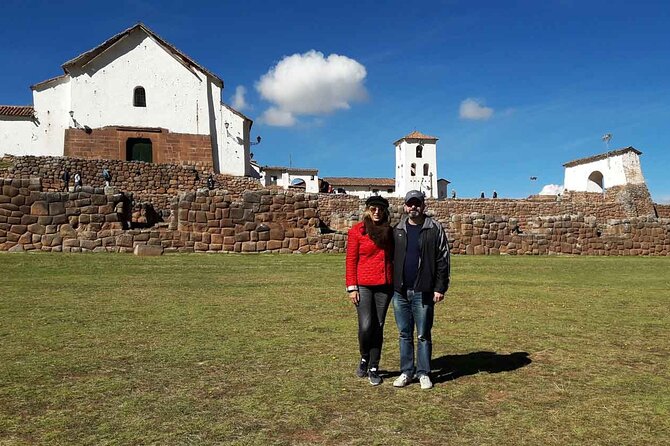
Chinchero is a strong first landing pad for two reasons: it has craft work you can see in action, and it has Inca stone-and-terrace remains you can walk through right after.
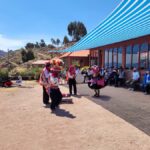
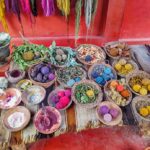
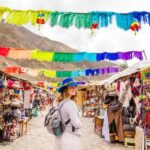
You’ll head to Chinchero about 45 minutes from Cusco, where you’ll spend time at a textile center. The dyeing demonstration is centered on natural colors made with plants and some minerals, using alpaca wool—an approach tied to Inca-era methods. If you like understanding how objects were made (not just seeing a finished product), this part helps you connect culture to everyday materials.
Then you move to the Inca citadel of Chinchero, where you’ll see palaces, temples, and agricultural terraces. This is one of those stops where private pacing helps: you can move at a comfortable speed, ask questions, and look longer at the terrace patterns instead of rushing through.
A consideration: this is a shorter stop (the textile center time is about 50 minutes), so if you’re the type who could spend hours with hands-on crafts, you may want to use your guide to focus on what you care about most.
Salinas de Maras Salt Ponds: Working Salt Harvest With Inca Roots
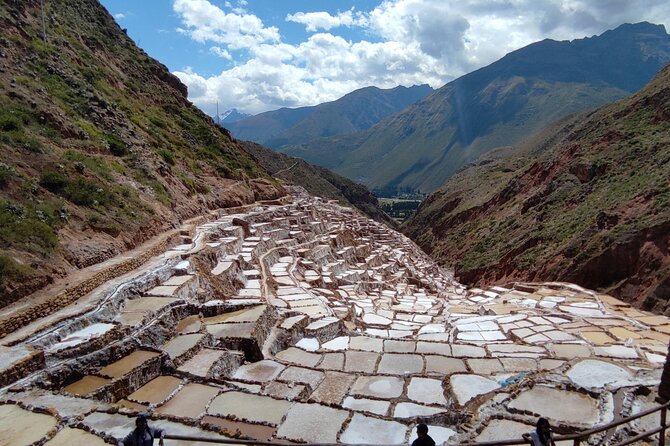
After Chinchero, you’ll travel about 25 minutes to Salinas de Maras. This is the famous salt mines area with around 3,000 salt pools, and the focus here isn’t just photos—it’s watching how salt is harvested in a way people trace back to Inca times.
Expect around 30 minutes on site. That’s enough time to see the layout, notice how the pools sit in tiers, and understand the basic flow of salt collection from a visual standpoint. It also gives you a nice break from heavy walking across major ruins because the pools create a natural “look around” path.
The main drawback isn’t the site—it’s the practical stuff. The salt mines ticket isn’t included, and you’ll want S/20 soles per person ready. Also, bring shoes with decent grip; the ground in salt-pool areas can be uneven and slippy depending on the day.
Moray’s Microclimates: An Inca Agricultural Experiment Center
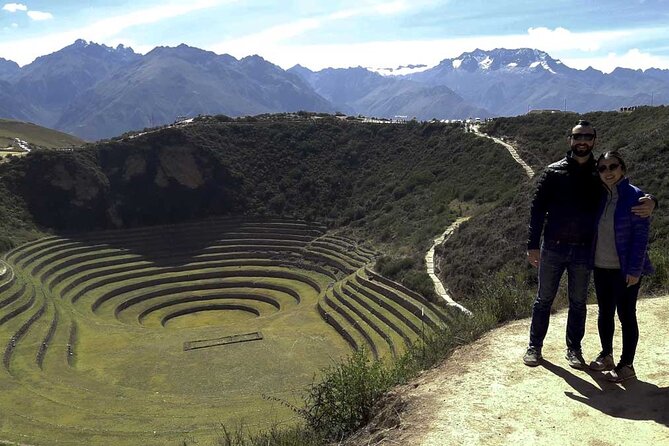
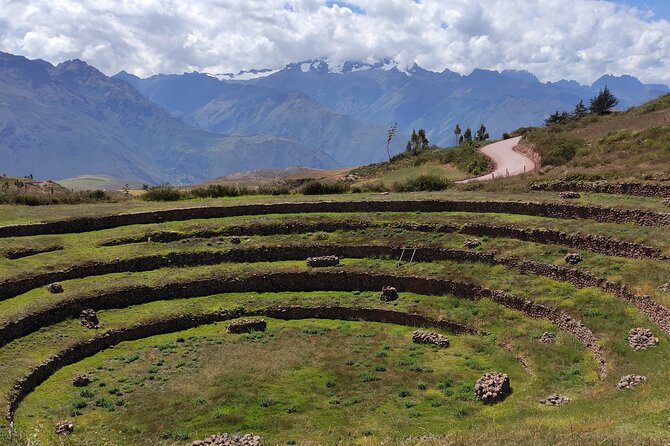
Next comes Moray, reached after about the same day’s rhythm of short drives between sites. You’ll spend about 30 minutes here, and Moray stands out because it’s described as an agricultural experimentation center from Inca times.
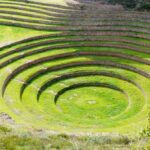
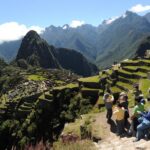
What makes Moray feel different from a typical ruin stop is the idea of microclimates. Each platform is known for shifting conditions from the upper part down to the lower part. Even if you don’t go deep on the science side, the visual form of the terraces helps you understand why this was an “experiment” place: you could test how growing conditions changed across levels.
A practical note: Moray is often windy and exposed compared to more built-up areas, so dress for cool air and sudden weather changes. The tour itself is weather dependent, so a cloudy or rainy day can affect what you comfortably enjoy.
Ollantaytambo’s Megalithic Stones and the Sun Temple
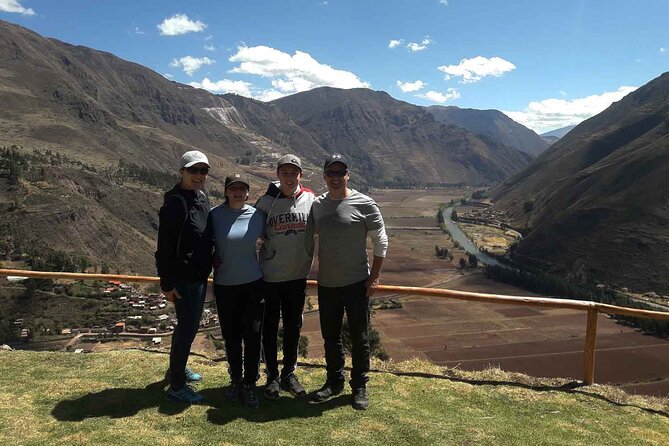
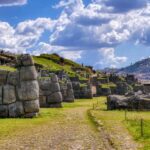
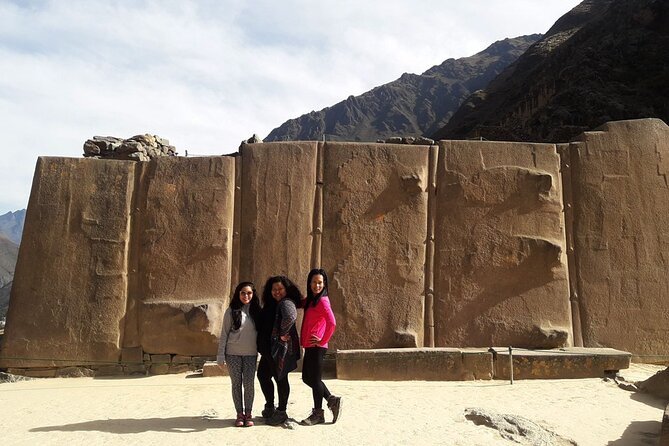
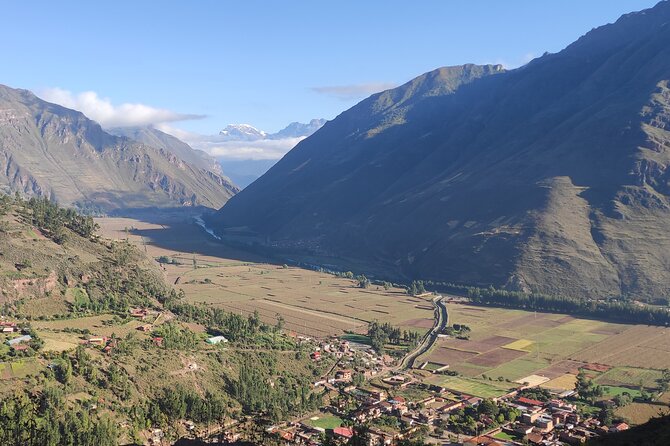
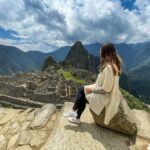
From Moray, it’s about 45 minutes to Ollantaytambo, and this is where the day gets impressive in a very literal way. Ollantaytambo is known for megalithic construction—lithic blocks estimated between 80 and 100 tons—and you’ll see that heavy-stone engineering up close.
You’ll also get time for the astronomical temple dedicated to the Sun God. This matters because it adds a second theme to the day. Earlier stops lean toward agriculture and production (textiles and salt), while Ollantaytambo brings in astronomy and stone design, tied to Inca belief.
You’ll have about 1 hour at this stop. That’s usually a good amount for private pacing: enough time to look around, then circle back to the parts you care about without the pressure of a bus group rolling in behind you.
A small consideration: stone sites can mean steps and uneven ground. If your group includes anyone with mobility limits or balance issues, bring it up to your guide early so pacing and routes can be adjusted.
Pisac and Urubamba Lunch Time: How to Use the 1-Hour Window
The final major archaeological stop is Pisac, and the timing here is the part you’ll want to manage. On the way, you’ll stop in Urubamba for about 45 minutes for lunch, then continue to the archaeological park in Pisac for about 1 hour.
This structure is useful if you want food without letting lunch swallow the day. It gives you enough time to refuel and then still reach Pisac with energy left to explore terraces, temples, and palaces.
A realistic drawback: because lunch isn’t included and the stop is tight, you’ll want to choose a place quickly once you’re there. If you’re picky about food or need a specific diet, consider eating earlier in the morning before the tour starts, or plan to communicate preferences to your guide right away.
For most people, this ending stop feels like a payoff: you’ve already seen agriculture and stonework patterns at Chinchero and Moray, and Pisac brings those ideas together with more terraces and architectural spaces to walk through.
Tickets, Cash in Soles, and What to Budget Beyond $125
Here’s the budget math you actually need for the day:
- Salt mines ticket: S/20 soles per person (not included)
- Tourist tickets: S/70 soles per person (not included)
- Lunch: not included
- Tips: not included
So while the headline price is $125, your spending during the tour can jump once you reach the ticket points. I recommend coming with enough cash in soles for everyone in your group so there’s no scramble.
And yes, a real-life example from the day-to-day: one guest shared that if cash runs low, their guide helped by covering entry fees temporarily and guided them to an ATM to repay. That’s the kind of practical, human problem-solving you hope for in a foreign country—still, you shouldn’t plan on it. Bring what you need.
Comfort, Altitude, and Why the Guide’s Pace Matters
This tour is about a full day, outdoors, in Peru’s altitude zone. The included private car helps, but what makes the day comfortable is how the guide manages time and pace.
In the feedback, the most reassuring details aren’t just about facts and history. They’re about the guide being patient, checking in on comfort, and adjusting the tour pace for family members—one review specifically noted help with altitude concerns for a 65-year-old mother. That’s a big deal if you want a day that feels manageable rather than exhausting.
Also, private transportation can be a comfort upgrade. One guest called out a spacious, comfortable car and emphasized a safe driver—small details that add up when you’re doing multiple stops.
When the Tour Feels Tailored: Flexibility Done Right
Private tours can be either rigid or truly responsive. This one leans responsive, based on what people experienced firsthand.
Guests mentioned guide flexibility in a few concrete ways:
- Adjusting the plan based on their needs
- Changing the order of stops when helpful
- Spending more time exploring instead of getting stuck in long lines
- Answering questions in clear English
Two guide names came up often: Alfredo and Alfonso. Multiple reviews highlight Alfredo specifically for planning skill and calm professionalism, including one story where he even returned a misplaced hat the next day. That’s not just nice service—it signals a system where someone is actually paying attention to details.
If you’re the kind of traveler who hates feeling like you’re on a conveyor belt, this is where the tour earns its place.
Should You Book This Private Sacred Valley Tour?
Book it if you want a single-day Sacred Valley experience with private transportation, a dedicated guide, and the ability to adjust pacing. It’s a strong fit for couples, families, and small groups who value comfort and time on site over strict checklists.
Consider another option if you’re on a super tight budget and don’t want to handle extra cash for S/20 and S/70 tickets plus lunch. Also, because the tour requires good weather, have a backup date in your head when conditions look questionable.
If your goal is to see key Sacred Valley sites in a way that feels organized but not rushed, this one is a good match—and the guide flexibility is the difference between a day that’s merely “done” and a day that actually feels worth it.
FAQ
What time does the Sacred Valley tour start?
It starts at 7:00 am with hotel pickup.
How long is the tour?
The duration is about 10 hours.
Is hotel pickup and drop-off included?
Yes, hotel pickup and drop-off are included.
Are admission tickets included in the price?
No. The salt mines ticket is S/20 soles per person, and tourist tickets are S/70 soles per person.
Which stops are included in the tour?
You’ll visit Chinchero, Salinas de Maras (salt mines), Moray, Ollantaytambo, and Pisac (including a lunch stop in Urubamba).
Is lunch included?
Lunch is not included.
What is the minimum number of people needed for the private tour?
The tour requires a minimum of 2 people.
What happens if weather is poor?
The tour requires good weather. If it’s canceled due to poor weather, you’ll be offered a different date or a full refund.