REVIEW · CUSCO
From Cusco: 4-Day Salkantay Trek with Meals & Equipment
Book on GetYourGuide →Operated by Exploor Trip E.R.L · Bookable on GetYourGuide
Four days can feel like a lifetime. This Salkantay Trek from the Cusco region is a classic high-altitude hike that ends with early-entry Machu Picchu, but without the usual crowds you see on the most famous routes.
I like two things a lot. First, the trek hits big wow-moments like Humantay Lagoon and the dramatic Salkantay Mountain views from the top day. Second, the trip handles the practical stuff: an official English-speaking guide, meals every day (with vegetarian or special menus available), dining setup in camp, and pack animals for tents, food, and kitchen gear.
One drawback to plan around is ticket and timing risk around Machu Picchu and the train back. If your operator doesn’t send or confirm entries and train reservations far enough ahead, you can lose precious time after a long hike, and some key transport legs may also cost extra.
In This Review
- Key Takeaways Before You Go
- Salkantay vs the Crowded Machu Picchu Route
- Day-by-Day: From Mollepata to Soraypampa and Humantay Lagoon
- The Pass Day That Tests You: Salkantay Pass, Huayracmachay Lunch, and Chaullay
- Santa Teresa Valley to Aguas Calientes: La Playa, Hydroelectric, and the Rails Walk
- Machu Picchu Morning: Early Entry, Optional Bus, and Your Train Back to Cusco
- Price and Logistics: Is $410 Good Value?
- Equipment and Comfort: Domes, Mats, and Sleeping Choices
- Small-Group Trekking: Why It’s Great When It Works
- Who This Trek Suits Best (and Who Should Rethink It)
- Should You Book This 4-Day Salkantay Trek?
- FAQ
- What time is pickup in Cusco?
- Is the first day breakfast included?
- How many people are in each tent?
- Are meals included during the trek?
- Do I need to pay extra for Lake Humantay?
- How high do you go on the trek?
- What kind of sleeping setup is provided?
- Do I need walking sticks?
- What’s included at Machu Picchu?
- What train times are available from Aguas Calientes?
Key Takeaways Before You Go
- Humantay Lagoon on Day 1 gives you a memorable altitude-side stop while your legs are still fresh.
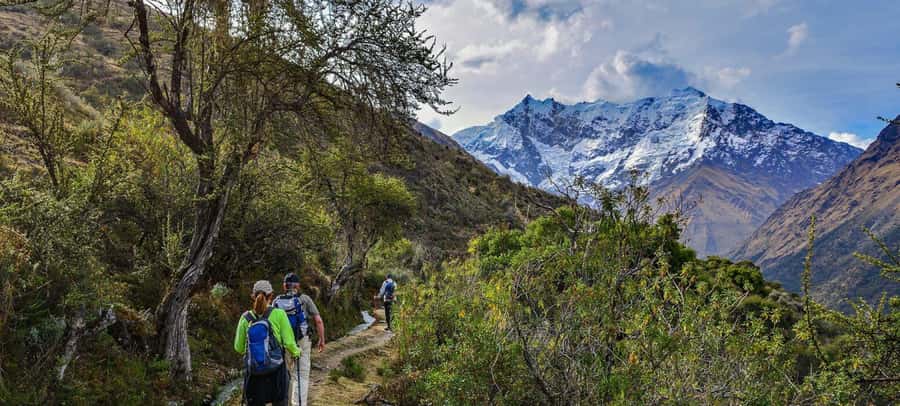
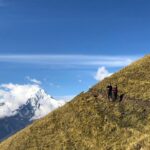
- The Salkantay Pass day is the real test: long uphill time, then a payoff with snow-capped views.
- Meals + camp setup mean you hike with less baggage and more energy for the climbs.
- Aguas Calientes overnight buys you an early Machu Picchu start aimed at avoiding the worst lines.
- Confirm ticketing early so your Machu Picchu entry and train timing don’t get scrambled.
- Extra transport costs can appear on the “last-mile” legs, especially near the Machu Picchu area.
Salkantay vs the Crowded Machu Picchu Route
Salkantay is one of the biggest reasons people choose this trek at all: it’s widely considered one of the best hikes in the world, and it’s often less crowded than the most popular Machu Picchu treks. Translation: you still get a famous ending, but you spend more of your walking day with mountains, trails, and space around you.
You also get a route that feels more “in the region” and less like a conveyor belt. The trek’s rhythm—camp-to-camp walking, plus a major peak day—makes the final arrival at Machu Picchu feel earned rather than sudden. If you’re the type who likes seeing the Andes up close (instead of just dropping in for photos), Salkantay fits.
Just remember: this isn’t a casual stroll. Day 2 is the hardest, and you’re working at serious altitude for much of the route. If you build your pace and take breaks, you’ll have a much smoother experience.
You can also read our reviews of more hiking tours in Cusco

Day-by-Day: From Mollepata to Soraypampa and Humantay Lagoon
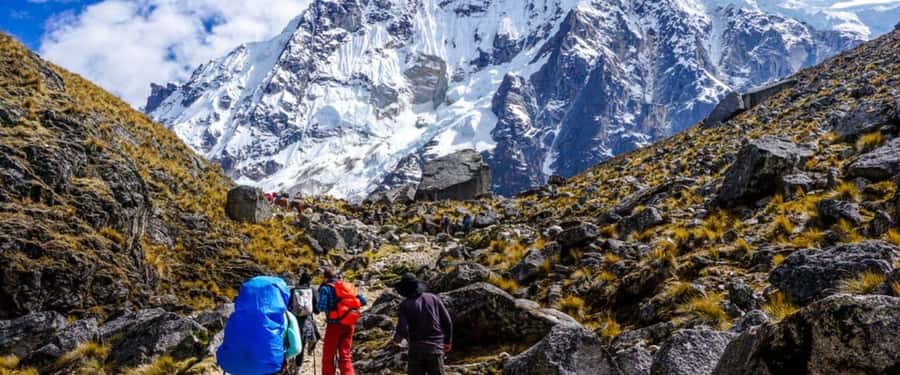
Your trip starts in Cusco very early—pickup from about 4:45 AM to 5:30 AM. Then you ride by bus toward Mollepata, with roughly two hours of travel before stopping for breakfast and last-minute supplies (breakfast there isn’t included). It’s a good setup: you get time to use the bathroom, stretch, and set your packs before the walking begins.
Around 9:30 AM, you start hiking toward Soraypampa (3,900 m), with about 4 hours at a regular pace. This part matters because it eases you into altitude before the big push later. You arrive for lunch at the first camp and then shift into sightseeing mode.
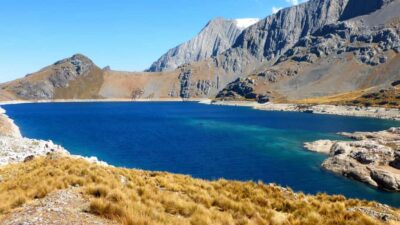
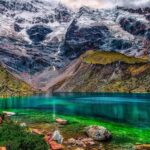
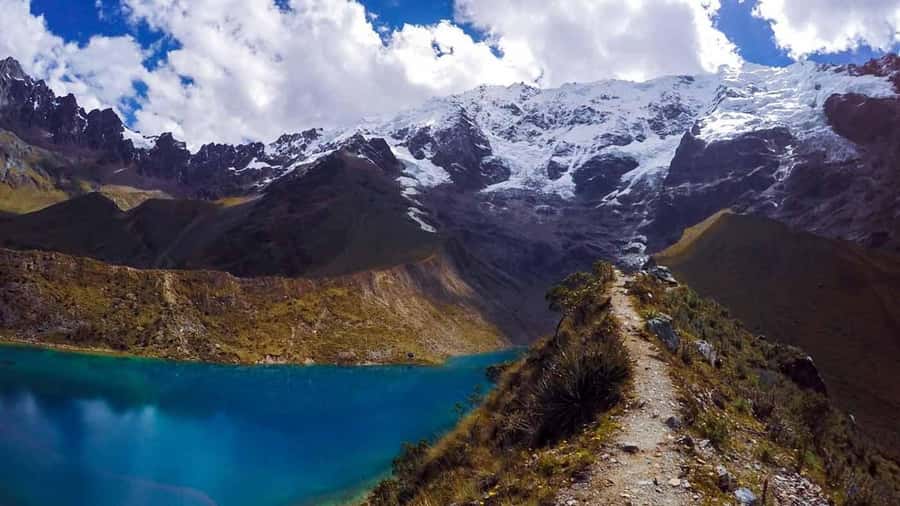
In the afternoon, you visit Humantay Lagoon. Even with the altitude, this stop is one of the most iconic parts of the Salkantay experience: you’re seeing a high-Andes lake framed by serious peaks, and it feels like the trek is showing you what you came for. Then dinner in camp keeps things simple—fuel up and get ready for an early wake-up.
A practical note: this day includes an included meal plan, but the breakfast during the Mollepata stop is not included. If you’re sensitive to getting enough calories early, plan your breakfast carefully.
The Pass Day That Tests You: Salkantay Pass, Huayracmachay Lunch, and Chaullay
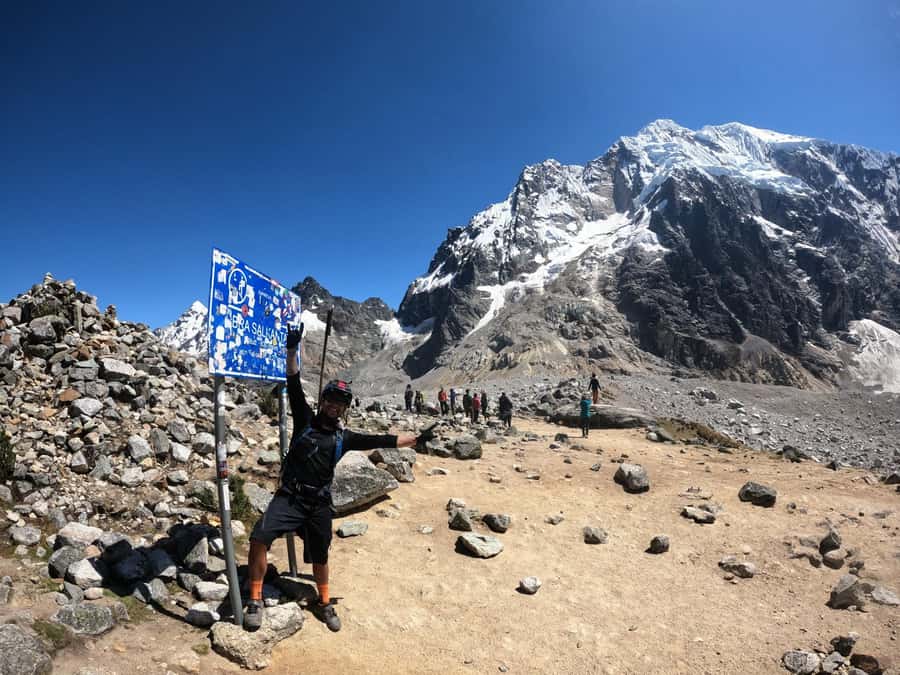
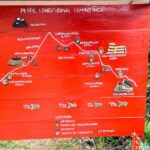
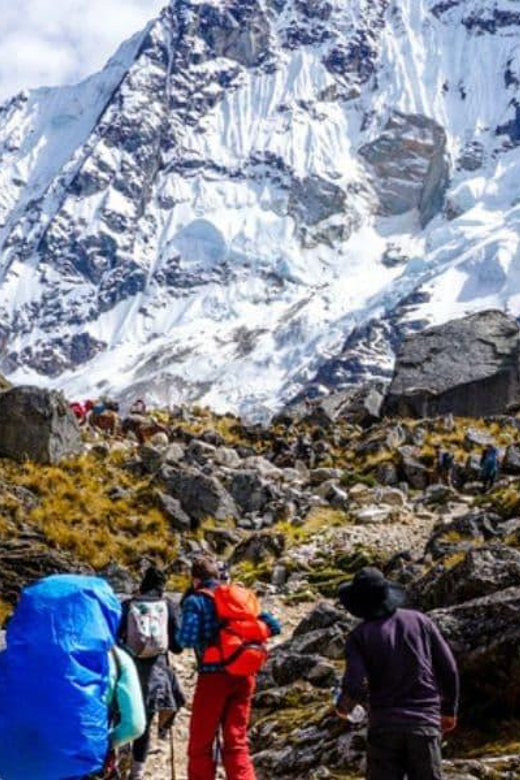
Day 2 is the summit day. After a breakfast around 5:00 AM, you start walking about 6:00 AM. Then the climb begins: roughly 6 kilometers uphill, through mountain scenery, toward the trek’s highest point.
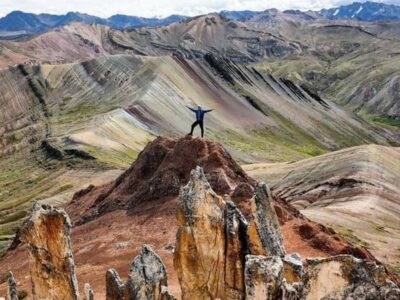
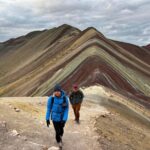
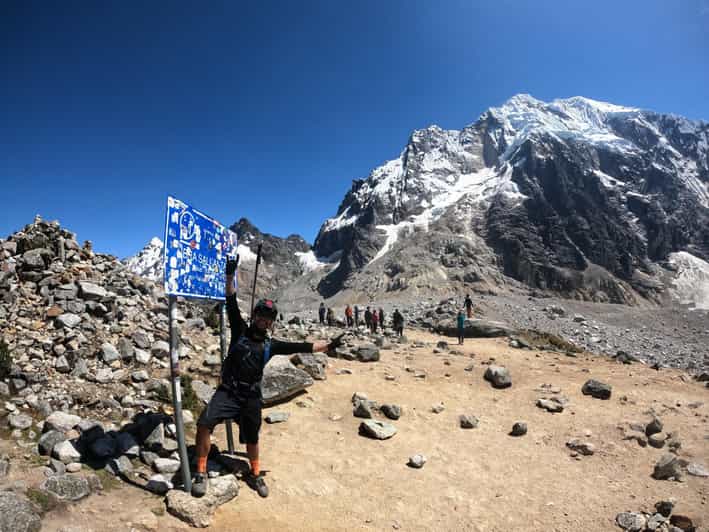
The goal is the Salkantay Pass, reaching about 6,264 m (and it’s known as the second-highest mountain in the Cusco region). That number is real, not marketing. The elevation is why you feel the difference in your breathing and why pace is everything. If you go fast, you’ll pay for it later.
Expect a strong downhill after reaching the top. You’ll descend for about two hours, around 1:00 PM, and then stop for lunch in Huayracmachay. After that, you continue walking downhill for about 3 hours to reach Chaullay (2,900 m), where you sleep in indigenous huts.
This is a clever part of the itinerary: you go high, then you come down enough to make the next day and the rest of the trip more manageable. You also get a change of scenery when you hit Chaullay. It’s not just altitude; it’s a different rhythm and a different kind of “camp night.”
Dinner happens again in camp around 6:00 PM, and that timing helps you recover. The day is hard, but it’s structured to keep you fed and moving in a way that doesn’t leave you guessing.
Santa Teresa Valley to Aguas Calientes: La Playa, Hydroelectric, and the Rails Walk
Day 3 starts with a 6:00 AM wake-up and a walk toward the small town of La Playa through the Santa Teresa Valley. The big idea here is getting you from high trekking country into the approach zone for the Machu Picchu finish.
You get lunch at La Playa, and then you transfer toward the hydroelectric plant for about 1.5 hours. From there, the route becomes iconic in a different way: you walk about 10 kilometers (roughly 3 hours) along the railroad track into Aguas Calientes for the overnight stay.
This day is where your mind shifts from trekking mode to logistics mode. You’re still hiking, but it feels more like a steady corridor to the finish. Aguas Calientes itself becomes your base, and the overnight hostel included in the price matters because it positions you for the early Machu Picchu entry the next day.
Important practical caution: the day’s transport costs can show up as extras depending on what’s covered under your package. You may also encounter additional bus options (the trip data lists buses for 10 or 20 extra soles on the day when gear is moved to Aguas Calientes). If you want a smoother finish day, build in a little flexibility and cash on hand.
Machu Picchu Morning: Early Entry, Optional Bus, and Your Train Back to Cusco
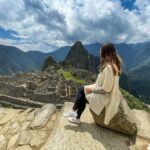
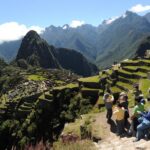
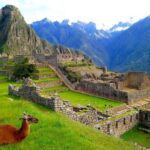
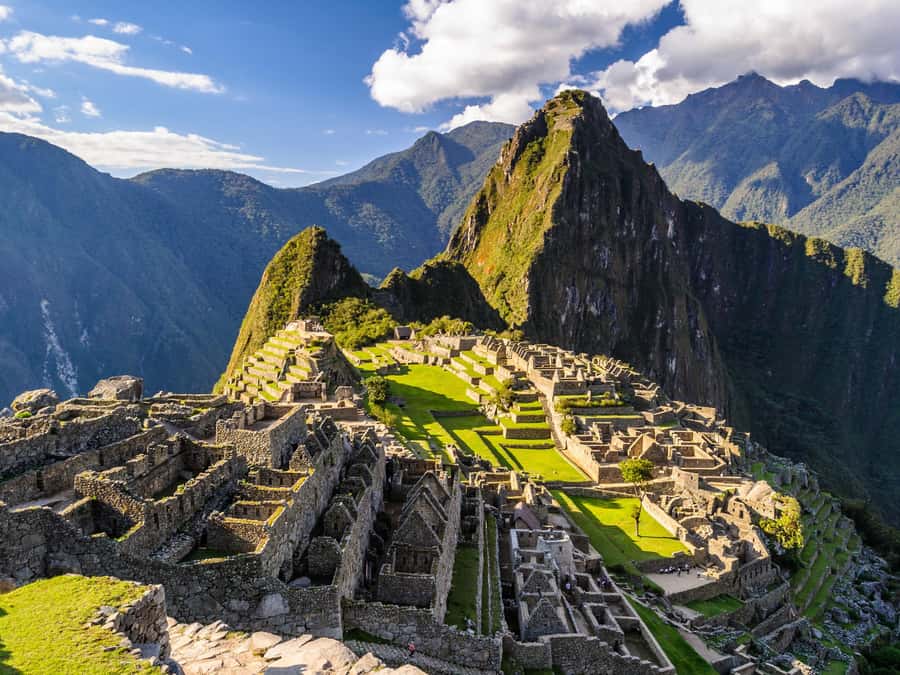
Day 4 is the payoff. You’ll wake early in Aguas Calientes to catch Machu Picchu in soft morning light and beat the largest crowds. Entry control runs from 6:00 AM to 3:00 PM, so your timing needs to be tight.
From there, you walk up to Machu Picchu, with an optional bus trip for $12 if you’d rather skip the steep climb. Inside, you get a 2-hour guided tour of the “Royal Citadel” area of the Incas. A guided explanation helps a lot here. Machu Picchu can feel like a photo spot first; a guide turns it into a real place with logic and layout.
After the guided visit, you take the train from Aguas Calientes to Ollantaytambo. Train times listed are 4:22 PM or 6:20 PM, depending on availability. Then a group minivan returns you to Cusco, dropping you at Plaza San Francisco.
This is where ticketing accuracy really matters. If the entry window or train schedule is wrong, you can lose the one thing you’re rushing for: time at the site. I strongly recommend verifying that Machu Picchu entry and train timing are confirmed well before you start the trek.
You can also read our reviews of more tours and experiences in Cusco

Price and Logistics: Is $410 Good Value?
At $410 per person, this trek looks like solid value on paper because a lot of the heavy lifting is included. You’re getting meals (three breakfasts, three lunches, three dinners, plus daily snacks and tea service, with first-day breakfast not included), a professional official English-speaking guide, camp dining setup, and equipment support like dome tents and mats.
You also get major “front door” items included: Machu Picchu entrance, the train ticket from Aguas Calientes to Ollantaytambo, and the one-night accommodation in Aguas Calientes. That’s not small. When you try to assemble these parts yourself, it’s usually the schedule and ticketing friction that costs you time.
Where costs can creep up:
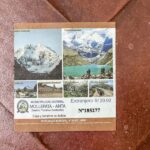
- Lake Humantay access is listed as 20 soles (and Lake Salkantay access also 20 soles is mentioned).
- The optional Machu Picchu bus is listed as $12.
- Some transport legs are listed as not included, including PEN 30.00 for transportation from Playa Sahuayaco to Hidroelectrica.
- Gear rentals can add up: walking sticks are listed at $20 a pair for the whole trek, and a sleeping bag (rated for -10ºC comfort) is listed as $20 for the entire trip if you need one.
So is it worth it? If the schedule and ticketing are handled correctly, yes—because the included meals, guide, and core transport pieces reduce the most stressful parts of planning. If not, the cost doesn’t change, but the hassle can.
Equipment and Comfort: Domes, Mats, and Sleeping Choices
Camp is set up for you. The trip uses dome tents (up to 4 people in each) and mentions cabins for 2 people—so your sleeping arrangement can be a mix depending on how the group is allocated. You’ll have 1 mat per person, a dining tent with tables and chairs, plus a kitchen setup.
The route also uses pack animals to move tents, food, and kitchen utensils for days 1 to 4. There’s also a limit on personal equipment carried by pack animals: up to 5 kg per person for days 1 to 3. That’s important. It means you shouldn’t plan on packing a suitcase. Bring what you need for those cold, high-altitude nights and keep the rest light.
Sleeping gear: a sleeping bag is not included in the base price list. If you rent one, the provided option is for -10ºC comfort (0ºF), cleaned after each use with a maximum use count listed (the trip data mentions up to 30 trips). If you tend to get cold easily, plan ahead and either bring your own or rent this one.
Also, expect cold nights at altitude. The itinerary drops down to 2,900 m by Day 2 night, but you still sleep in a different thermal world than sea level. A warm base layer, socks you trust, and a hat help.
Small-Group Trekking: Why It’s Great When It Works
This trek is small group, limited to 15 participants. Small numbers matter on a mountain hike. You’re less likely to get stretched out badly, and the guide can handle adjustments without feeling like a traffic controller for a busload of people.
The guide side is also strong on paper: there’s a professional and official English-speaking tour guide, plus pre-departure briefing and a 24-hour customer service number you can use during your visit. And food support is real: chef and kitchen team, hot dinners, and daily tea service (except the last day).
Where it can go wrong is not the hiking itself—it’s the final-day ticket pieces and the exact timing of transfers. The route has a chain of reservations and transport segments (Machu Picchu entry and train timing are the big ones). If those aren’t handled smoothly, you feel it immediately on Day 4 because you’re climbing into the site during a set window.
My practical advice: treat confirmation as part of your preparation. Before you start hiking, you want to know that Machu Picchu entry and your train back are already locked to your dates and times, not left floating.
Who This Trek Suits Best (and Who Should Rethink It)
This is ideal for you if:
- You want less crowded access to the Machu Picchu region through a world-class Andes trek.
- You want a guided, supported experience with meals and camp infrastructure.
- You’re physically able to handle a long, hard climb on the highest day and then manage downhill walking without rage-quitting.
It might not be your best match if:
- You want a hike with zero planning friction. This experience depends on entry and train timing, and some transport legs and park access fees may be extra.
- You’re extremely time-sensitive on Day 4. The schedule is structured to protect Machu Picchu morning time, then move you toward your listed train departure.
If you’re a first-time trekker, you can still do it—just don’t treat this like a gentle hike. Go slow on the pass day. That single choice can change how the rest of your trek feels.
Should You Book This 4-Day Salkantay Trek?
I’d book if you want the Salkantay experience with strong on-trail support—meals, guide, camp setup, and the Machu Picchu finish—and you’re willing to do one smart step: verify your Machu Picchu entry and train timing before you begin the hike. That one habit protects you from the most expensive kind of stress: getting stuck after you’ve already walked all day.
Skip or choose a different operator if you’re the type who hates uncertainty around reservations, or if you can’t manage extra costs like the Humantay entrance fee, optional bus, or potentially un-included transport legs.
If everything is confirmed and your expectations are realistic about altitude and daily hiking, this trek can deliver exactly what you came for: dramatic Andean days, a memorable pass crossing, and a Machu Picchu morning that still feels human.
FAQ
What time is pickup in Cusco?
Pickup is listed as starting between about 4:45 AM and 5:30 AM for the transfer to Mollepata.
Is the first day breakfast included?
No. Breakfast during the Mollepata stop is not included.
How many people are in each tent?
The trip lists dome tents with 4 people per dome, and cabins for 2 people.
Are meals included during the trek?
Yes. The package includes 3 breakfasts, 3 lunches, and 3 dinners, plus daily morning snack and daily tea service (the last day’s tea service timing is excluded per the included description). Vegetarian or special menus are available at no additional cost.
Do I need to pay extra for Lake Humantay?
Yes. Entrance to Lake Salkantay and Humantay is listed at 20 soles.
How high do you go on the trek?
The highest point is the Salkantay Pass, reaching about 6,264 meters.
What kind of sleeping setup is provided?
You get 1 mat per person. A sleeping bag is not included in the base list, but you can rent one (rated for -10ºC comfort) for $20 for the entire trip.
Do I need walking sticks?
Walking sticks are listed as not included. They can be rented for $20 a pair for the entire trip.
What’s included at Machu Picchu?
You get entrance to Machu Picchu and a 2-hour guided tour. An optional bus to the site is listed at $12.
What train times are available from Aguas Calientes?
Train departure options listed are 4:22 PM or 6:20 PM (subject to availability), traveling to Ollantaytambo, followed by a minivan back to Cusco.