REVIEW · CUSCO
The 10 Tastings of Cusco With Locals: Private Food Tour
Book on Viator →Operated by Withlocals · Bookable on Viator
Cusco tastes better with a local at your side. This private food tour is built around 10 tastings plus real city landmarks, so you’re not just eating in a vacuum. I like how the guide keeps it personal (you can ask questions and set your comfort level), and I also like that you get Cusco’s famous sights worked into the walk. One thing to think about: a few people felt the value was off when the number of tastings or time didn’t match what they expected.
You meet at C. Sta. Clara 317, Cusco, and there’s no hotel pickup, so plan to arrive ready to walk. It’s about 3 hours at a moderate pace, so take it easy if you’re still adjusting to altitude.
In This Review
- Key highlights you’ll feel fast
- Walking from Santa Clara into Cusco’s food world
- San Pedro Mercado: juice, corn, and local everyday life
- Arco de Santa Clara: potatoes as a local superpower
- Tambomachay snack stop: quick bites between the sights
- Qorikancha area: ceviche with pisco sour, then fried pork with mint
- La Merced Church break: baroque architecture with a breather
- Iglesia de la Compañía de Jesús: oldest coffee shop energy and local sweets
- More Qorikancha and final walking cues: temple context and city landmarks
- Vegetarian alternatives: what to plan for before you start
- Price and value: what $90.11 gets you, and what can go wrong
- Who this tour suits best
- Practical tips before you meet at C. Sta. Clara 317
- Should you book this Cusco private food tour?
- FAQ
- How long is the private tour?
- How many tastings are included?
- Is the tour private?
- Are vegetarian alternatives available?
- Is hotel pickup included?
- Where does the tour start?
- Is there a suggested fitness level?
- Are any admission tickets required?
- Can the tour accommodate dietary restrictions?
- What is the cancellation window?
Key highlights you’ll feel fast
- Private, only you and your guide: no crowd herding, no rushing to the next table
- 10 food and drink tastings with vegetarian alternatives
- Markets plus landmarks: San Pedro energy, plus Qorikancha and major churches
- Guide help when you need it: some guides have even helped with practical stuff like SIM cards
- Tailored options: guides adapt when you don’t eat or drink certain things
- Old Cusco flavor trail: fruit juices, ceviche, pisco sour, local coffee, and more
Walking from Santa Clara into Cusco’s food world
This tour starts in a classic Cusco mood: you begin near the UNESCO-listed National College of Sciences and Arts, then spend a few minutes admiring the 16th-century Santa Clara convent. Even before the first bite, it puts you in the right frame of mind. Cusco isn’t flat and linear. It’s layered—Inca-era bones under Spanish-era streets—so it helps to see key landmarks right away.
The rest of the tour keeps that same idea: food stops are not just quick detours. They’re threaded between sights, so you’re building a mental map while your stomach does the sightseeing.
You also get a useful rhythm for Cusco’s altitude. Instead of a long, steep march with no breaks, you get short walks paired with snacks. For many visitors, that’s the difference between enjoying Cusco in your first day and getting grumpy from exertion.
You can also read our reviews of more food & drink experiences in Cusco
San Pedro Mercado: juice, corn, and local everyday life
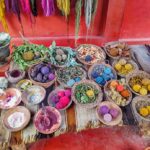
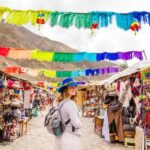
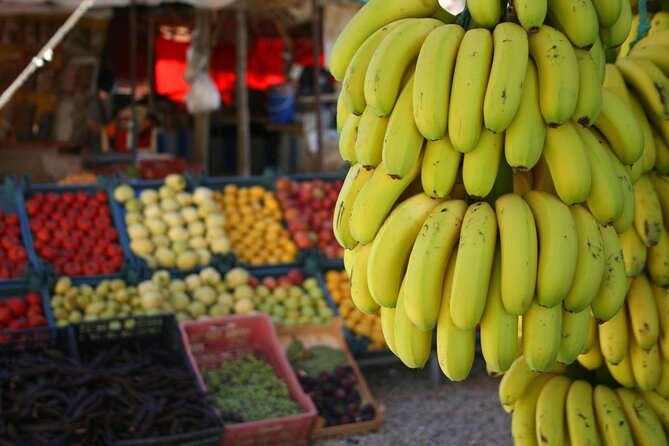
The first real stop is Mercado Central de San Pedro, one of those places where locals come to do the normal stuff: buy, chat, sip, and snack. You’ll mingle as you taste freshly squeezed fruit juice and sample a big portion of corn with cheese—exactly the kind of detail that’s hard to find on your own without a guide who knows which stalls actually serve tasty, authentic food.
What I like about this start is that it’s grounded. You’re not starting with a polished restaurant menu. You’re stepping into how Cusco eats on regular days. That matters, because the best food stories in Peru come from everyday habits, not only from tourist highlights.
Practical tip: markets can be loud and busy. If you’re camera-happy, keep moving with your guide so you’re not blocking anyone’s path while you stop to photograph every display.
Arco de Santa Clara: potatoes as a local superpower
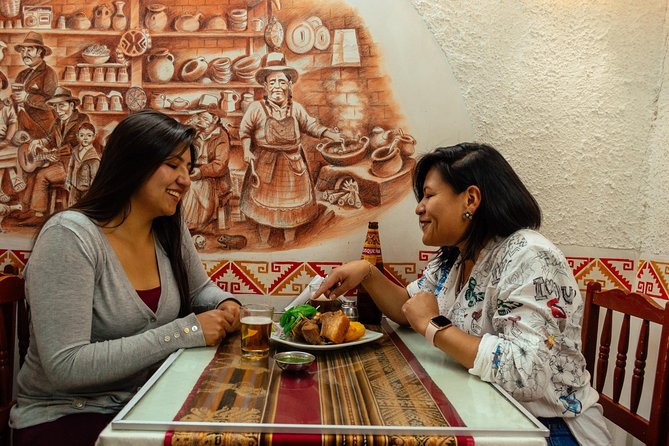
Next up is Arco de Santa Clara. The area is known for its potato culture, and it’s a fitting theme for Cusco. Peru grows a staggering range of potatoes, and here you get a taste of that idea without needing a formal lecture. The guide points you toward one delicious way locals think about potatoes right at the Arco area, turning a stone arch into something edible.
Even if you’re not a “potato person,” this stop helps you understand why Cusco food is so different from what you’d expect elsewhere. In the Andes, potatoes aren’t a side dish. They’re a foundation.
Tambomachay snack stop: quick bites between the sights
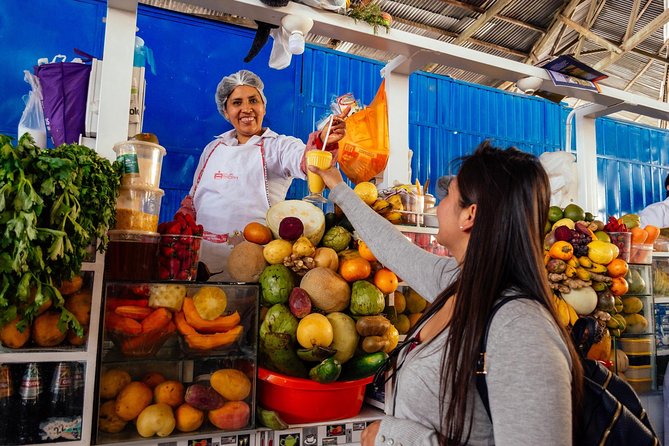
Tambomachay is where the tour picks up snack momentum. You’ll grab a quick bite that’s described as resembling empanadas—handy when you want something filling but not heavy. This is also a nice reset stop. The route is still walkable, but you’re not just drifting through attractions. You’re fueling up in short bursts.
If you’ve ever done a food tour where you’re hungry halfway through, this style helps. It’s paced so you’re likely to stay comfortable for the full 3 hours.
Qorikancha area: ceviche with pisco sour, then fried pork with mint
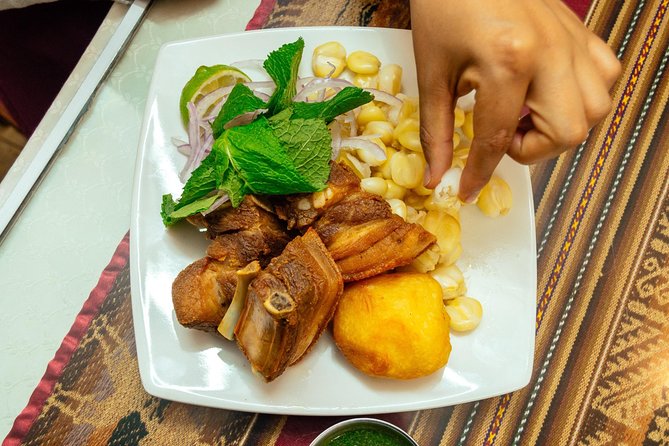
The Qorikancha stops are the heart of the sightseeing. Qorikancha (also spelled Coricancha) was the most important temple in the Inca Empire, and you’ll see it in the same area where the tour brings you to eat.
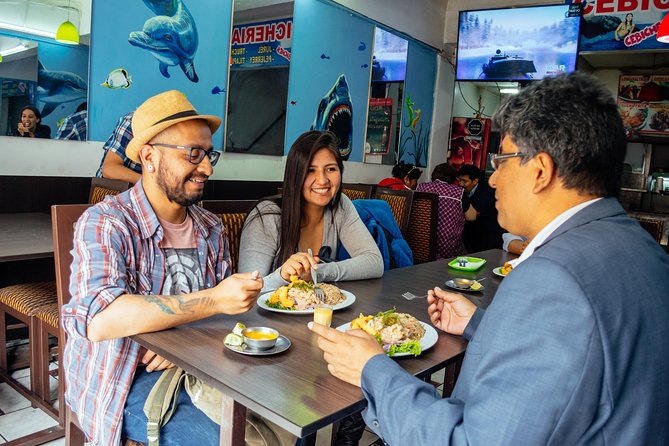
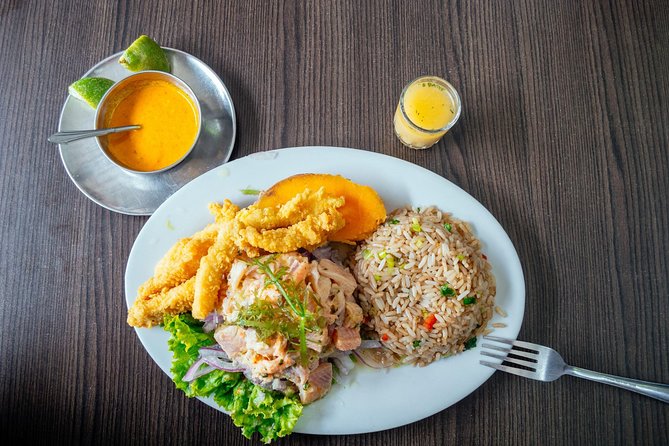
First, you’ll taste ceviche next to the Qorikancha complex. The flavors are described as citrusy and spiced with chili, and it comes with the classic pairing of a pisco sour. This is the moment where the tour goes beyond “cute snacks.” Ceviche is a real Peruvian ritual, and having it here makes the whole stop feel like Cusco, not just a stop on a route.
Then you’ll return in the Qorikancha zone for another bite: fried pork served on a baguette with onions and mint. It’s one of those combinations that sounds simple, but the balance is what you’ll remember. If you like pork and you enjoy contrasting flavors, this is a great place to be open-minded.
About alcohol: pisco sour is part of the described tastings here. If you don’t drink, the tour notes that alternatives can be offered for dietary restrictions. In at least one case, the tour was tailored for someone who doesn’t drink alcohol, so ask your guide early what swaps are possible.
You can also read our reviews of more tours and experiences in Cusco
La Merced Church break: baroque architecture with a breather
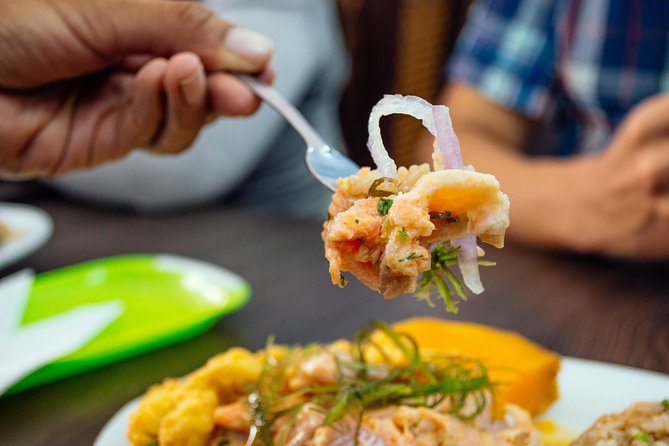
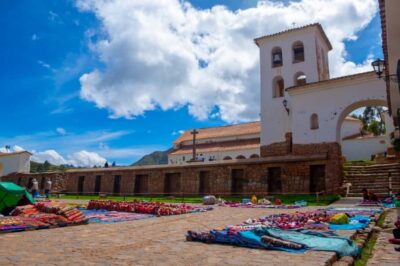
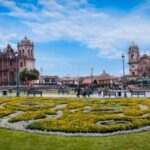
Between food moments, you’ll take a break to gaze at the baroque-style La Merced church. This stop matters because it slows everything down for a minute. Cusco streets can feel like a nonstop flow, especially around landmarks. A short architectural pause helps you reset your eyes and legs.
It’s also a reminder that this tour isn’t only about plates. It’s about understanding the city’s layering—Inca, colonial, and modern Cusco all living side by side.
Iglesia de la Compañía de Jesús: oldest coffee shop energy and local sweets
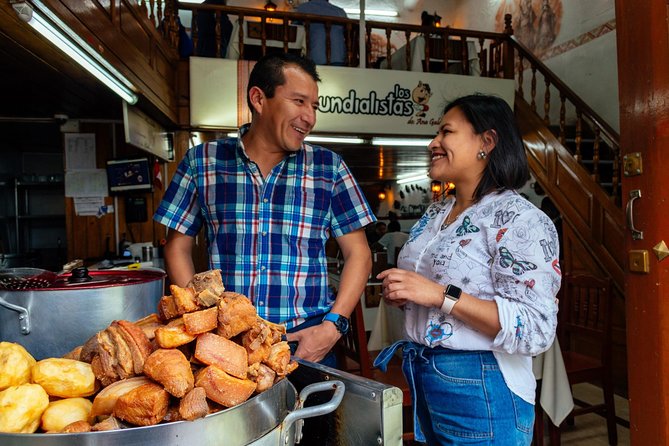
You’ll then move to Iglesia de la Compañía de Jesús, where you’ll enjoy a tasty brew inside Cusco’s oldest coffee shop. Next to the church area, there’s also a local pastry stop.
This is a smart mid-tour choice. Coffee and pastry is a nice bridge between savory tastings and the final portion of the route. If you’ve been eating fruit juices and street bites, coffee gives you a warmer, calmer finish.
Also, if you’re the type who asks lots of questions, this is the kind of stop where a guide can talk. One guide experience described excellent English and very patient answers about life in Peru—exactly the kind of conversation that turns a snack stop into a personal learning moment.
More Qorikancha and final walking cues: temple context and city landmarks
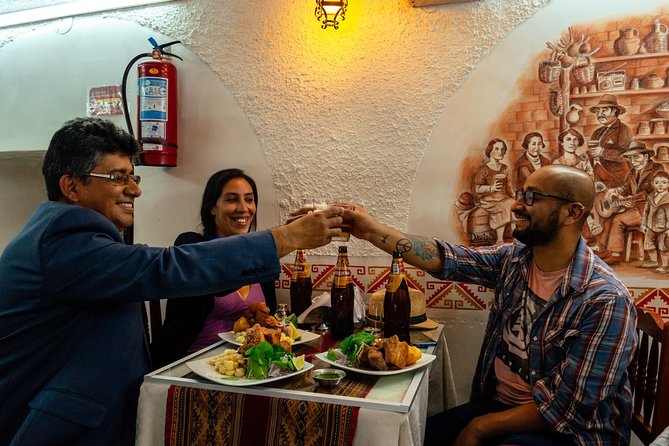
After the main food moments, the tour continues around the Qorikancha area again, reinforcing why the temple was so central in the Inca world. Then you’ll get a final landmark taste of education and architecture with Colegio Nacional de Ciencias, described as a school in Cusco.
This last stretch is less about a single big meal and more about tying the story together. By the end, you should feel like you’ve mapped out Cusco’s “why” as well as its “what.”
Vegetarian alternatives: what to plan for before you start
Vegetarian alternatives are included, which is a big deal on a Cusco food tour. Still, don’t assume every tasting will be identical across diets. Ask your guide about what’s available for you at each stop, especially if you avoid meat or seafood.
If you have stricter needs—no alcohol, no dairy, allergies—bring it up at the start. The tour structure is private and your guide can adapt in real time, and at least one group specifically had food tailored to their preferences.
Price and value: what $90.11 gets you, and what can go wrong
The price is $90.11 per person for about 3 hours, and that’s not a budget snack run. The value case is the combination: private guide, market-level street tastings, multiple food bites (10 tastings are included), and major Cusco landmarks stitched into the route.
In the strongest versions of this tour, it feels like a great intro to the city. One of the best reasons to book early in your stay is practical: you learn where locals eat and how the city layout works, and that makes your later meals easier. Guides like Angelo and Fabrizio were described as fun, energetic, and proud of the local food culture, with excellent English and lots of story time.
But there are also downsides to understand before you pay. A few people felt disappointed because they counted fewer than 10 tastings or felt the tour ran short compared to expectations. That doesn’t mean the tour is always like that, but it does mean you should manage your own expectations:
- Ask whether all 10 tastings are typically served within the 3 hours.
- If you have strong likes (or dislikes), tell your guide early so the tastings don’t end up feeling too similar.
- Wear comfortable shoes so the walk doesn’t turn into a slog. If you’re tired, you notice everything less kindly—including portion sizes.
If you’re a foodie who expects a heavy sampling lineup, this tour can still work well, but it’s worth being a little picky upfront about what you’re there to get.
Who this tour suits best
This is a good fit if you want:
- A private, guided walk rather than a crowded group tour
- A food tour that also teaches you the city, not just the menu
- Vegetarian options and flexible adjustments for dietary preferences
- A strong start to your Cusco stay, especially if you’re new to the elevation and want an organized pace
It’s also a nice option for couples and friends who want conversation time. Several guides were described as charismatic and friendly, with humor and patience for questions.
You might skip this tour if:
- You only want restaurant-style portions and don’t like street-market pacing
- You’re very sensitive to short tours that feel tighter than expected
- You expect an enormous amount of food. Tastings here are just that: tastings.
Practical tips before you meet at C. Sta. Clara 317
- Start on time. The meeting point is on C. Sta. Clara 317, and there’s no hotel pickup, so arrive ready to go.
- Wear shoes you trust. You’re walking through historic streets and market areas.
- Bring small bills for any non-included items. The tour is clear that admission tickets for the listed stops are free, but food and drink not mentioned as included could be optional.
- If you don’t drink alcohol, say so right away. Pisco sour is part of the described tastings, but alternatives are offered for dietary restrictions.
- If you need help with practical stuff like SIM cards, mention it. Some guides have gone beyond food to help with that kind of need.
Should you book this Cusco private food tour?
Book it if you want a one-guide Cusco orientation through food—market bites, Qorikancha area flavor, and a walk that mixes major landmarks with real tastings. The private format and the fact that vegetarian alternatives are included make it especially worth considering.
Hold off or ask more questions if value is your top priority. A few experiences pointed out a mismatch between expected tastings and what ended up served. If you’re the kind of eater who tracks every bite, confirm how the tour usually delivers the 10 tastings within the time window.
If you’re visiting Cusco for the first time, this is the kind of tour that can make your next meals cheaper, faster, and more satisfying because you’ll know where to go.
FAQ
How long is the private tour?
It’s listed as about 3 hours.
How many tastings are included?
The tour includes 10 food and drinks tastings.
Is the tour private?
Yes. It’s a private tour, with only you and your local guide.
Are vegetarian alternatives available?
Yes. Vegetarian alternatives are included.
Is hotel pickup included?
No. Hotel pick-up and drop-off are not included. You meet at the start location and the tour ends back at the meeting point.
Where does the tour start?
The meeting point is C. Sta. Clara 317, Cusco 08002, Peru.
Is there a suggested fitness level?
You should have a moderate physical fitness level.
Are any admission tickets required?
The itinerary notes admission ticket free at the listed stops.
Can the tour accommodate dietary restrictions?
Alternatives are offered for those with dietary restrictions.
What is the cancellation window?
Free cancellation is available up to 24 hours in advance for a full refund.