REVIEW · CUSCO
Sacred Valley and Machu Picchu Tour in 2 days with Peru Vip
Book on Viator →Operated by Peru Vip - Day Tours · Bookable on Viator
In two days you go from Cusco’s bustle to Machu Picchu’s silence. What makes this plan interesting is how it handles the big moving parts for you: private transport, included entrances, and a guided route through Inca sites without the usual Peru logistics headache.
I especially like the mix of guided learning and breathing room. You get proper time at major places like Pisac and Ollantaytambo, plus moments to wander on your own and take photos without feeling rushed.
One possible drawback: you still need to plan for your Aguas Calientes hotel (Machu Picchu Pueblo), and Day 2 starts early with the 5:00 am pickup.
In This Review
- Key things to know before you go
- Solving Peru’s hardest part: getting there (and back) smoothly
- Day 1 from Cusco to Pisac: terraces, weaving, and market time
- Urubamba buffet lunch and Ollantaytambo: farming then fortresses
- The train ride to Aguas Calientes: scenic comfort, included snack
- Day 2: 5:00 am pickup, bus lines, and your Machu Picchu guide
- Ollantaytambo and the return to Cusco: plan for an afternoon finish
- What you really pay for: the value behind $491.29
- Practical tips so the days feel easier
- Who this 2-day Peru Vip tour fits best
- Should you book this Sacred Valley and Machu Picchu tour?
- FAQ
- What’s included in the tour price?
- Is Machu Picchu visit guided?
- What time does the Machu Picchu day start?
- How much free time do I get?
- Do I need to book a hotel in Aguas Calientes?
- What happens if weather affects Machu Picchu?
Key things to know before you go
- Private group experience: Only your group participates, with door-to-door pickup and drop-off.
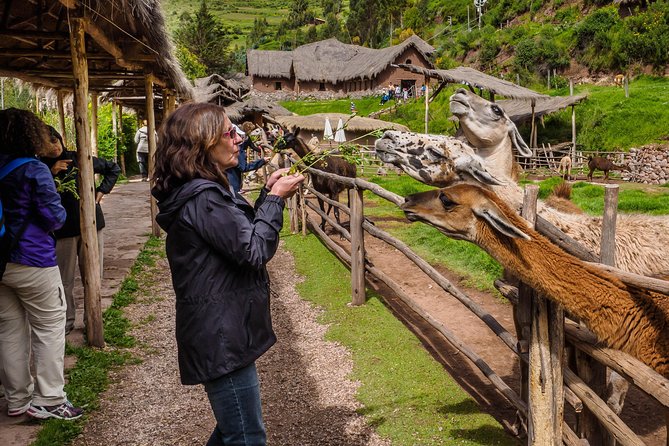
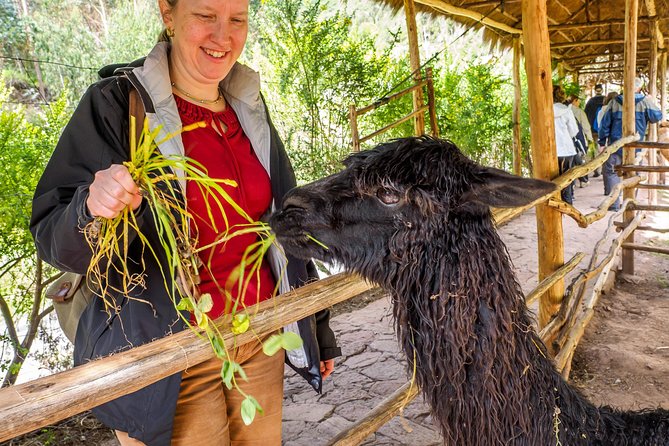
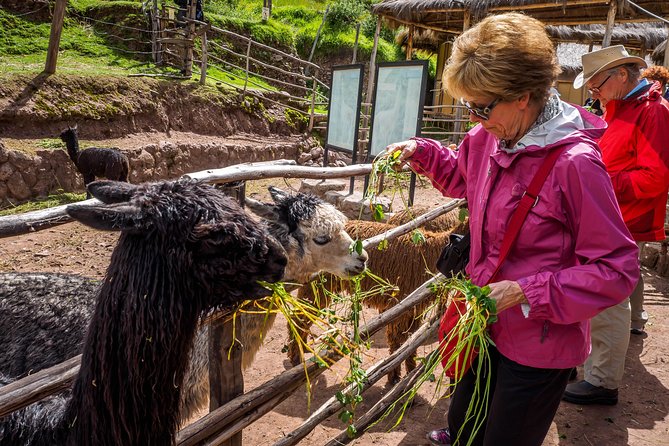
- Textiles stop with real animals: Awana Kancha includes time to learn weaving and see (and even feed) llamas, alpacas, and vicuñas.
- Classic Sacred Valley photo angles: Taray is a short stop built for those famous terrace views along the Urubamba River.
- Machu Picchu timing that can include sunrise: The early pickup is designed to help you catch sunrise in the dry season.
- Train plus buses are covered: Round-trip train tickets and Machu Picchu bus rides up and down are included.
Solving Peru’s hardest part: getting there (and back) smoothly
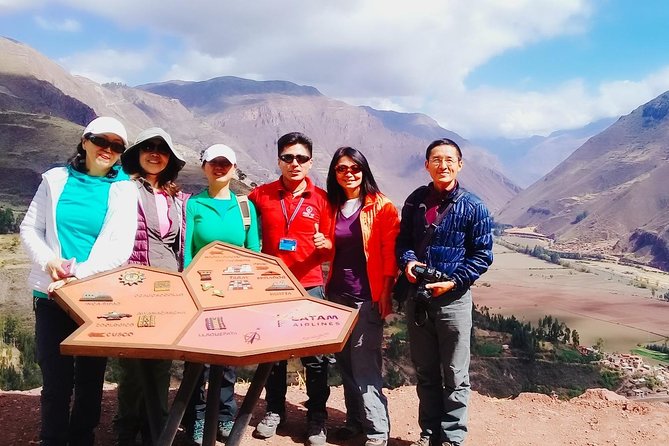
The best thing about this tour is how it reduces decision fatigue. Peru’s public transport is doable, but for a first trip to the Sacred Valley and Machu Picchu, the “what bus, what time, where do we meet” stress can eat the fun. This setup gives you pickups, tickets, and a guide so you can spend your energy on the sites themselves.
You also get a good balance of structure and freedom. The day is guided where it matters most (sites and history), but you’re not chained to a schedule with no breathing space. That matters on a trip where altitude and long travel days can make you feel tired faster than you expect.
You can also read our reviews of more tours and experiences in Cusco
Day 1 from Cusco to Pisac: terraces, weaving, and market time
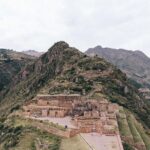
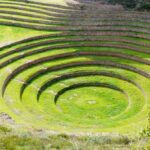
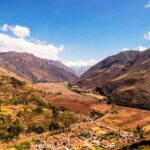
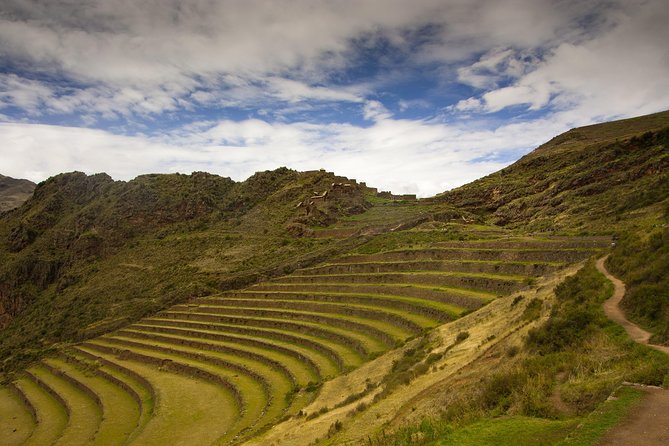
Your day starts with pickup in Cusco around 8:00 am, and then the Sacred Valley begins right away. The first big architectural moment is Pisac (often called Pisq and spelled a few ways), famous for its agricultural terraces. The terraces are so extensive that they’re considered among the largest in South America, and having a guide here helps you understand what you’re looking at instead of just snapping photos.
On the way, you stop for scenic photo breaks, which is a nice way to catch the Sacred Valley’s scale without it feeling like a bus ride straight to the next ticket line. You’ll also have time at Taray, an observation point meant for those classic terrace shots above the Urubamba River. It’s short, but it’s the kind of “best angle” stop that often saves you time later.
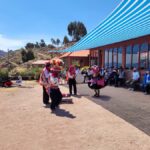
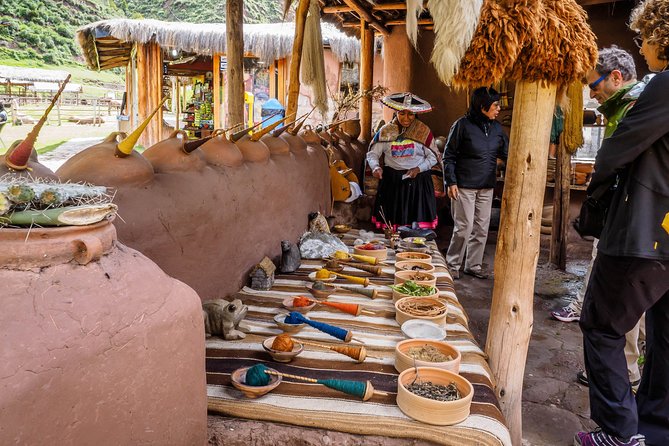
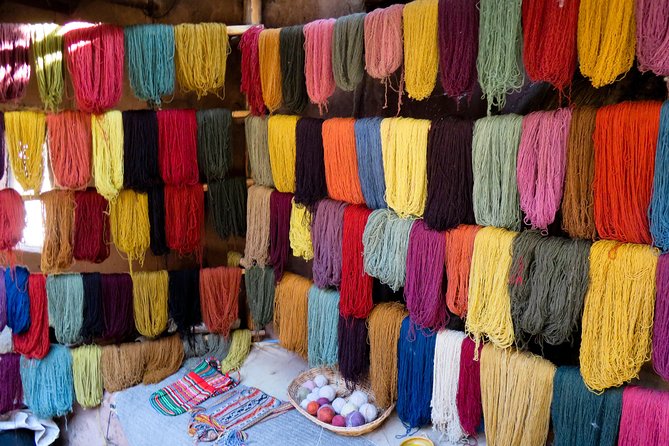
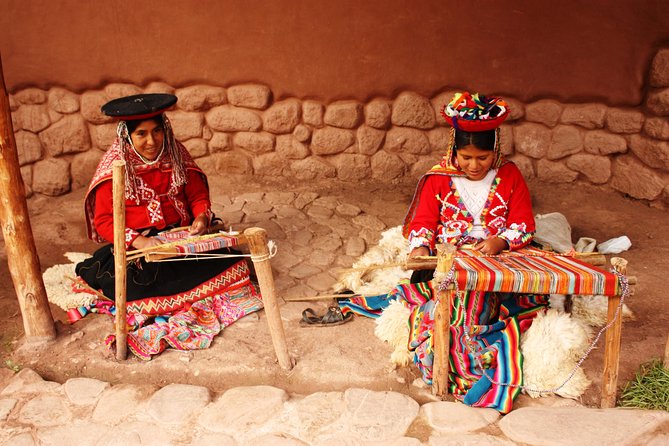
A highlight for many people is the Awana Kancha textile stop. You spend about 25 minutes learning about Andean textiles and the weaving process, and you also see llamas, alpacas, and vicuñas. If you want a quick, hands-on cultural moment (and some fun animal time), this is a good one to look forward to.
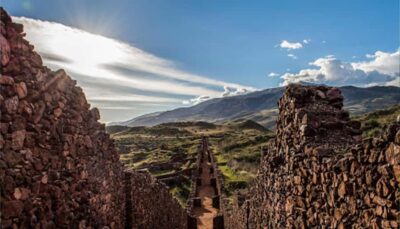
Then you get real site time at Pisac itself, with time for views over the valley plus explanation of temples, residences, altars, canals, and Inca agricultural methods. The guide time here is the difference between seeing ruins and understanding how the Incas designed the place for water, crops, and defense.
After that, the tour shifts from monuments to everyday life with a visit to the Pisac market. You get a shorter window (about 30 minutes), but it’s specifically positioned for souvenirs and direct-sales style browsing. You’ll find ceramics, jewelry, and textiles, and it’s a good chance to compare quality and pricing quickly instead of guessing later.
Urubamba buffet lunch and Ollantaytambo: farming then fortresses
By late morning, you’ll move to Urubamba, where lunch is handled for you. Expect about 1 hour at a buffet restaurant and options that include local, national, and international dishes. I like this approach on a tight timeline: you don’t have to hunt down a restaurant in an unfamiliar town, and you can eat without playing “wait, is it open?” all day.
Urubamba also gives you a sense of how the Sacred Valley works beyond ruins. You’re in the living zone of the valley—villages, fields, and the daily rhythm that makes these archaeological sites feel connected to real life, not just history books.
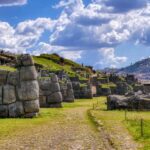
Next comes Ollantaytambo, described as one of the last Inca living cities, and it really earns that label. The stop includes the Inca fortress area and important structures like the Temple of the Sun. You’ll get around 50 minutes, which is enough time to appreciate the architecture and ask questions, but not so long that you feel mentally “wrecked” by constant facts.
Also keep in mind the tour is timed to connect you to the train. After the guided visit, you’re left near the train area in Ollantaytambo with time to walk freely before boarding. That little buffer is a quiet kindness on travel days.
The train ride to Aguas Calientes: scenic comfort, included snack
From Ollantaytambo, you take the train to Aguas Calientes (Machu Picchu Pueblo). The ride is about 1 hour 45 minutes one way, and the timing is set so you can arrive, check in to your hotel, and still have energy for Machu Picchu the next day.
One detail I appreciate: the train includes a snack (included in the tour). It’s not a miracle, but it helps you avoid the “we forgot lunch and now everyone’s cranky” moment that can happen on altitude trips.
The route follows the Wilkamayu River (often called the Sacred River), and the scenery changes as you climb toward Machu Picchu’s basin. The itinerary even calls out views of snowfalls like Verónica, which is the kind of small “wow” that makes the ride feel more like part of the journey than just transportation.
Overnight in Aguas Calientes is required for this 2-day plan. The good news is the tour covers getting you into position; the hotel itself is up to you.
Day 2: 5:00 am pickup, bus lines, and your Machu Picchu guide
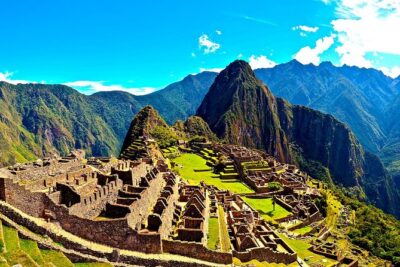
Day 2 starts early: pickup around 5:00 am in Aguas Calientes so you can line up for the bus and enter Machu Picchu with your guide. If you’re thinking about sunrise, this timing is built for it—especially in the dry season, when sunrise viewing is more realistic.
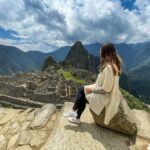
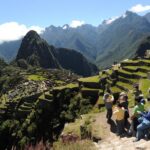
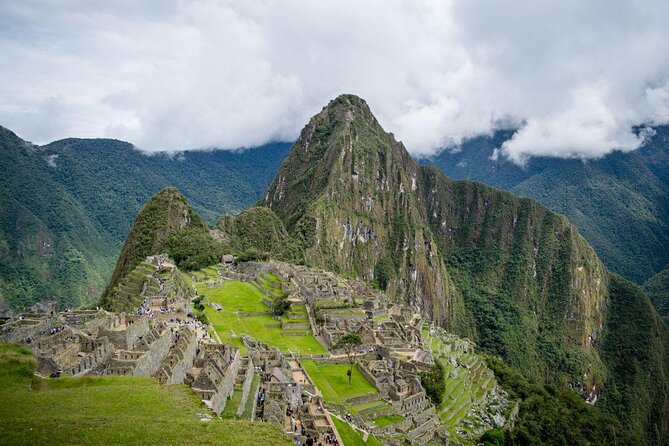
Once inside, the guided portion is about 2 to 2.5 hours. This is the heart of the experience. A good guide here matters because Machu Picchu is not just “pretty ruins.” You’re learning the layout, the logic behind the stonework, and the story that makes the site feel like it has a pulse.
After the guide finishes, you get free time to explore on your own and take pictures. I like that your second half isn’t just more talking. It’s where you can slow down, find your own vantage point, and actually process the place.
When you’re done, you ride the buses back down to Aguas Calientes. The tour includes time to walk around the town and grab lunch. The schedule also mentions souvenir time, and that can be handy because last-minute shopping can otherwise eat your energy.
There’s one detail worth confirming when you book: the materials mention buffet lunch in Machu Picchu as included, but also note that lunch in Aguas Calientes is not included in one part of the description. If lunch cost is important to you, ask the operator to clarify what meal is included on Day 2 for your exact departure.
You can also read our reviews of more tours and experiences in Cusco





Ollantaytambo and the return to Cusco: plan for an afternoon finish
After your Machu Picchu day, you return by train from Aguas Calientes to Ollantaytambo in the afternoon. The timing shown is around 3:00 to 4:00 pm, and after that you’ll be transported back to Cusco, arriving around 7:30 to 8:00 pm (depending on the exact schedule).
This is an exhausting part of the itinerary in the best way. Machu Picchu uses your attention and stamina, and then you still need the mental gear for the ride back. The tour helps by handling transfers, so you’re not negotiating public transport when you’re tired.
What you really pay for: the value behind $491.29
At $491.29 per person for about 2 days, the price is not just about “seeing two places.” It’s covering the stuff that usually costs time, stress, and money when you book everything separately.
Here’s what’s included based on the tour details:
- Hotel pickup and drop-off in Cusco and door-to-door service
- Private transportation during the 2 days
- Entrance tickets for Sacred Valley sites
- Professional guided tours for the Sacred Valley and Machu Picchu
- Buffet lunches in the Sacred Valley (and a Machu Picchu-area buffet is listed as included)
- Round-trip train tickets
- Bus tickets to go up and down at Machu Picchu
- Entrance to Machu Picchu
- Bottled water on both tours
- A farewell souvenir
What’s not included:
- Your hotel in Aguas Calientes
In other words, you’re paying to remove the biggest friction points: tickets, train coordination, and guided interpretation. That’s usually where independent plans either go wrong or become frustratingly complicated.
So is it “worth it”? If you want Machu Picchu without the logistical headaches, and you value a guide who helps you understand what you’re seeing, yes. If you’re the type who loves planning every step yourself and already knows how to handle train times and bus logistics, you might be able to build a cheaper route. But the time you save and the stress you avoid can be worth more than the difference.
Practical tips so the days feel easier
This tour runs on early starts and set connections. Here are a few practical things I’d do to make it feel smoother:
- Wear good walking shoes for Machu Picchu. Even with buses and smooth paths, you’ll still be moving on stone and steep areas.
- Bring layers. Early mornings at altitude can be cold, and weather can change fast.
- Use sunscreen and a hat, even if it’s cool. Machu Picchu day is bright and exposed.
- Keep small cash for extra snacks and souvenirs in towns like Pisac and Aguas Calientes.
- Book early if you can. The tour is often booked well in advance (you’ll see it averaged at about 153 days), which is a clue that popular timing sells out.
If you care about meal details, confirm the Day 2 lunch situation when you book. The materials list buffet lunch in Machu Picchu, but the itinerary text also mentions lunch in Aguas Calientes may not be included. A quick clarification avoids surprises.
Who this 2-day Peru Vip tour fits best
This plan fits best if you:
- Have limited time and want Machu Picchu plus Sacred Valley in one tight window
- Prefer a private group experience over crowd chaos
- Like learning with a guide, but still want free time at key moments
- Want the train and Machu Picchu transport handled for you
It’s also a strong fit for first-timers to Peru. You’ll get a structured introduction to Inca sites, and you won’t spend your trip figuring out logistics.
Should you book this Sacred Valley and Machu Picchu tour?
If your priority is a smooth, guided, two-day “best hits” route, I think this is a smart choice. It covers the expensive and tricky parts—train rides, entrance tickets, and Machu Picchu transport—and you still get room to roam during the visits.
I’d hesitate only if you already have your heart set on independent travel planning, or if you’re trying to control costs tightly and haven’t budgeted for a stay in Aguas Calientes. For most people, the included help is exactly what makes the days feel manageable.
FAQ
What’s included in the tour price?
The package includes hotel pickup and drop-off, private transportation, entrance tickets for Sacred Valley and Machu Picchu, guided tours for both days, buffet lunches during the tour, round-trip train tickets, bus tickets to go up and down at Machu Picchu, bottled water, and a farewell souvenir. Hotels in Aguas Calientes are not included.
Is Machu Picchu visit guided?
Yes. You’ll have a professional guide during the Machu Picchu visit, and the tour also includes time afterward to explore on your own for photos and slower wandering.
What time does the Machu Picchu day start?
You’re picked up in Aguas Calientes around 5:00 am to line up for the buses and enter Machu Picchu for your guided visit.
How much free time do I get?
You’ll have free time at several points, including time to contemplate Machu Picchu after the guide finishes, and free time in towns like Pisac and Aguas Calientes to walk and shop for souvenirs.
Do I need to book a hotel in Aguas Calientes?
Yes. The tour does not include hotels in Aguas Calientes (Machu Picchu Pueblo). You’ll spend the night there as part of the 2-day schedule.
What happens if weather affects Machu Picchu?
This experience requires good weather. If it’s canceled due to poor weather, you’ll be offered a different date or a full refund.