REVIEW · CUSCO
Sacred Valley Vip Cusco
Book on GetYourGuide →Operated by Uyuni Experience EIRL · Bookable on GetYourGuide
Five stops, one long Sacred Valley day. The route takes you through Inca stonework and colonial-era touches, then rolls into working salt mines, a former Inca stronghold, and a hands-on market stop.
I especially like the Chinchero mix: Inca wall constructions side-by-side with a colonial church, plus a textile center where you can see how the region’s craft traditions continue. I also love what you get in Pisac—you’re not just looking at stones; you’re browsing the indigenous market for handicrafts that feel rooted in everyday life.
One real consideration is logistics. This is a 7:00 am to around 7:00 pm day, and the most common hiccup is pickup timing; plus, the Maras salt-mines fee may not match what some online info suggests—one review specifically flagged 20 Soles versus a lower number.
In This Review
- Key Things That Make This Tour Worth Your Time
- The One-Day Sacred Valley Route That Covers Five Big Stops
- Chinchero: Inca Wall Constructions, Colonial Church, and Textile Center
- Moray’s Circular Terraces: An Inca Agricultural Site in a Bowl
- Maras Salt Mines: Over 3,000 Wells and a Practical Reality Check
- Urubamba Buffet Lunch: A Needed Reset Before More Walking
- Ollantaytambo: The Last Living Inca City Feel
- Pisac: Market on Intihuatana Hill and Then the Archaeological Park
- Group Size, Language, and How the Day Actually Flows
- Value Check: What You’re Really Paying For
- Booking Call: Should You Choose Sacred Valley Vip Cusco?
- FAQ
- What sites are included in the Sacred Valley Tour?
- How long is the tour?
- What time does the tour start and when does it end?
- Is lunch included?
- What languages are the guides?
- How large is the group?
- What are the cancellation and payment options?
Key Things That Make This Tour Worth Your Time
- Chinchero’s Inca walls plus a colonial church in the same stop
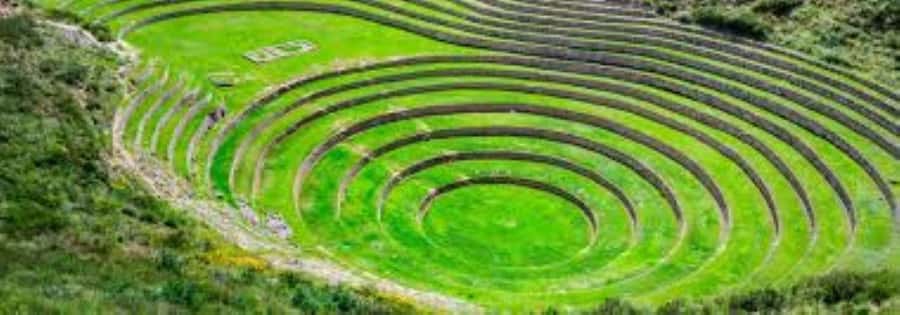
- Moray’s circular terraces—an Inca agricultural site in a very unusual layout
- Maras Salt Mines with 3,000+ salt wells you can see up close
- Ollantaytambo as The Last Living Inca City, not just ruins on a hill
- Pisac market on Intihuatana hill plus the Pisac Archaeological Park afterward
- Small group (max 10) with a live guide in English and Spanish
The One-Day Sacred Valley Route That Covers Five Big Stops
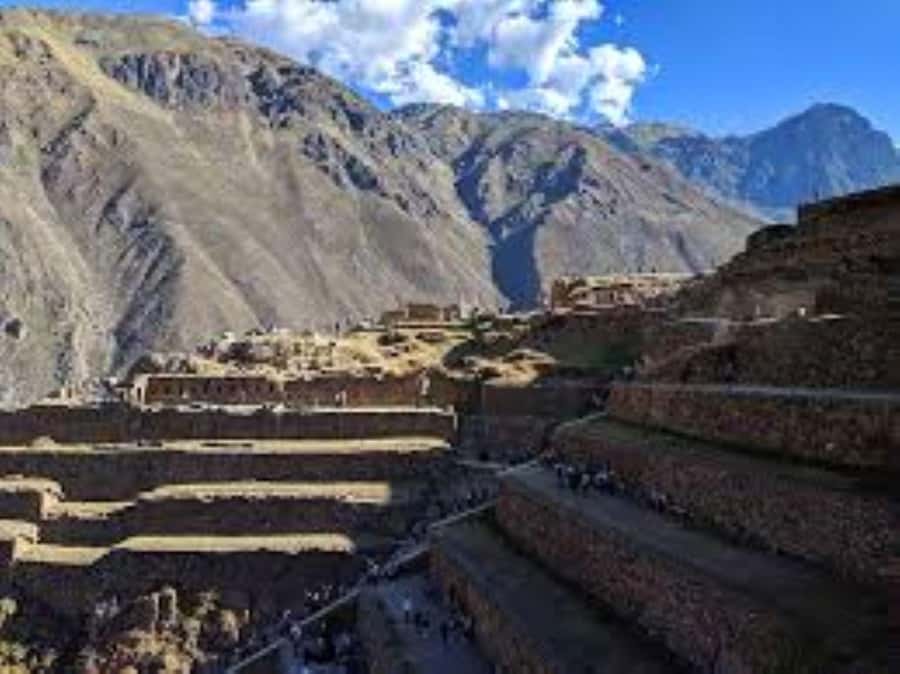
This is a straight-up full-day circuit built for people who want to hit the major Sacred Valley highlights without changing plans twice. You start at 7:00 am and you’re back in Cusco around 7:00 pm, so the day feels like a marathon of contrasts: Inca stone meets colonial-era architecture, engineered terraces meet salt production, and archaeology meets shopping.
If you like your travel days organized—pick up, drive, guided stops, lunch, then more stops—this format fits. And because the group is limited to 10 participants, you’re less likely to feel like you’re being herded through everything shoulder-to-shoulder.
The itinerary is also logically ordered. You go from Chinchero toward the Moray/Maras area, then down to Urubamba for lunch, and after that you continue to Ollantaytambo and Pisac before heading back.
You can also read our reviews of more tours and experiences in Cusco
Chinchero: Inca Wall Constructions, Colonial Church, and Textile Center
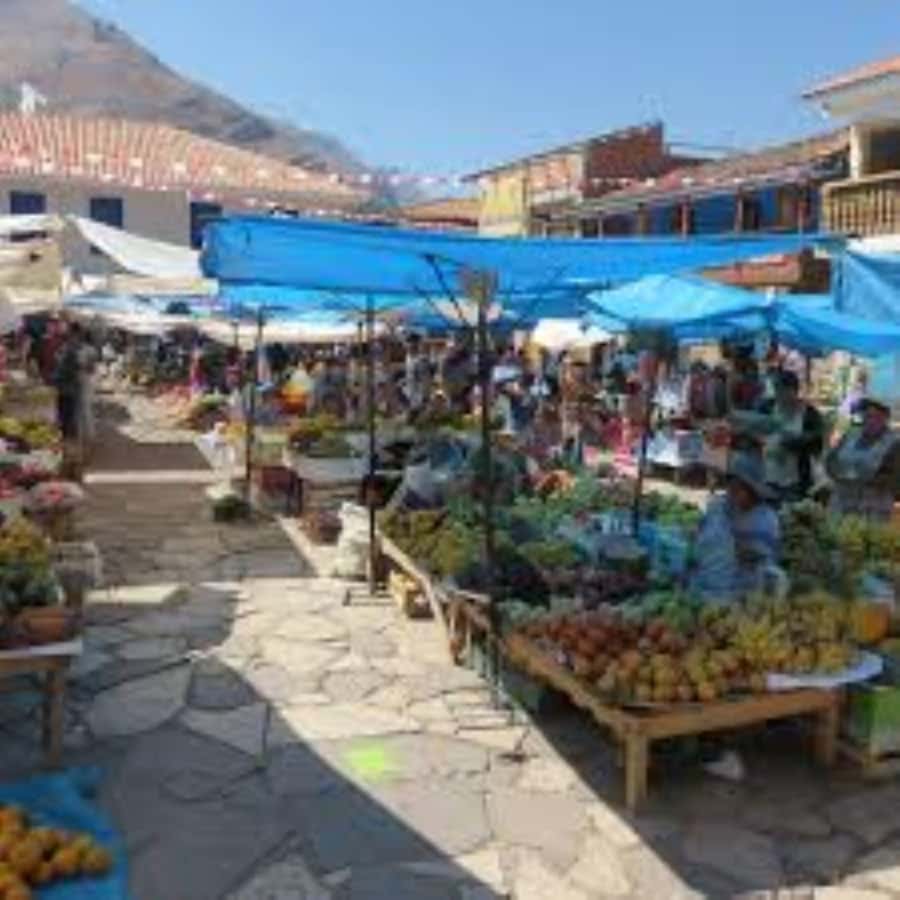
Chinchero is where the day starts to feel special fast. You’re looking at Inca wall constructions—those tight stone lines that make it obvious the Incas weren’t just building for show—and then you get a colonial church that adds a different layer of time and influence.
What I like here is the pacing of the stop. You’re not only staring at stones from a distance. You also get a textile center visit, which matters because it connects the area’s history to something still done today. Even if you don’t buy anything, it helps you understand what you’re seeing later in the day at Pisac.
Practical note: Chinchero can involve walking and uneven surfaces, so treat your shoes like they’re part of your itinerary. If you’re the type who hates “one more step,” this is a place where you’ll want to move calmly and save energy for later stops.
Moray’s Circular Terraces: An Inca Agricultural Site in a Bowl
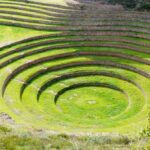
Next comes Moray, and the first thing you notice is the shape. Those circular terraces look engineered for a purpose, not just a pretty arrangement. The key point for you: this is an important agricultural site from Inca times, and the terraces reflect how serious the Incas were about using the land.
Why this stop works for most people is that it doesn’t feel like a typical “walk through ruins.” It feels like you’re looking at a functioning landscape design. The terraces guide your eyes and make it easier to understand how people might have worked the site in Inca times—especially compared with archaeology that’s mostly about imagining what used to stand where.
Drawback to plan for: Moray is one more stop in a long day. If you’re easily tired by midday, you might find yourself wanting more time here and less time somewhere else. Still, it’s one of those rare sites where the form is memorable even if you’re short on attention.
Maras Salt Mines: Over 3,000 Wells and a Practical Reality Check
Then you head down to Maras, home to the salt mines with over 3,000 salt wells. This isn’t a “museum” feel. It’s a working landscape, which is exactly why it’s so compelling. You get to see how salt production has persisted in the area, and the visit ties back to the fact that salt use here traces historically to the Incas.
Here’s the practical part I think you should take seriously: plan ahead for costs on the day. One review flagged that the salt-mines price can be 20 Soles, not a lower figure some online info might show. That doesn’t mean the tour is wrong. It means fees can differ by update, category, or how information is displayed. So do yourself a favor: expect to pay the on-site rate and don’t rely on a number you saw somewhere else.
Also, bring the mental expectation that this stop is visual and hands-on, not a quick photo stop. You’ll likely spend time looking across the wells and photographing from different angles.
Urubamba Buffet Lunch: A Needed Reset Before More Walking
Between Moray/Maras and Ollantaytambo, you get a buffet lunch in Urubamba. This is more than a meal break. It’s a reset point that keeps the day from turning into constant motion.
I like buffet lunch stops on long tours because they give you some control. You can eat at a pace that matches how you’re feeling, and you can top up before the next archaeology stop. If you’re someone who gets hangry while traveling (and who doesn’t?), this is a big deal for the overall experience.
Just don’t treat lunch as a long sit-down. You’re still on a schedule, and you’ll want to eat enough to keep going without losing track of the time.


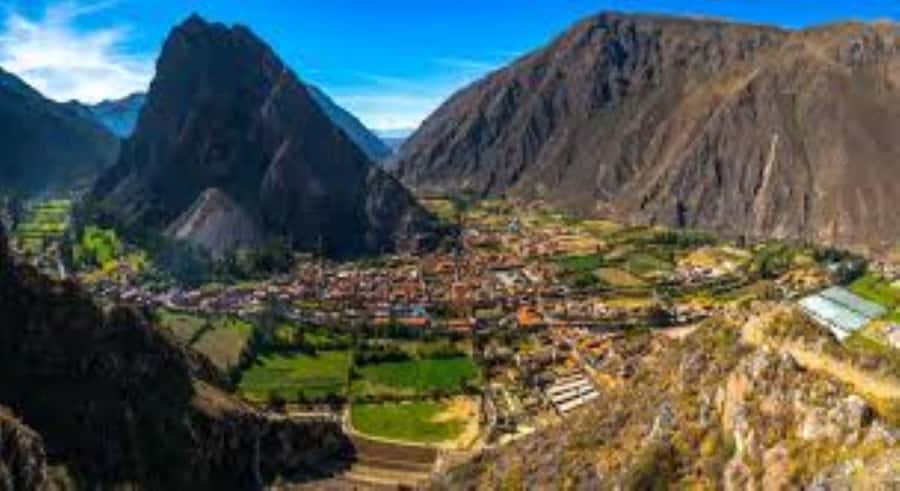
Ollantaytambo: The Last Living Inca City Feel
After lunch, the day continues to Ollantaytambo, known as The Last Living Inca City. What that label means in real travel terms is that you’re not only walking through history; you’re seeing a place where people lived and where the layout still matters.
This stop often clicks for people because you can feel the Inca planning. Even when you’re only seeing part of the original urban design, the stonework and the structure give you a sense of why this place held such importance.
In a full-day route like this, Ollantaytambo also acts like a hinge. It’s where the day shifts from “individual stops with a theme” into “a broader sense of how Inca life was organized in the Sacred Valley.” If you want one moment where the day feels most coherent, this is a strong candidate.
Pisac: Market on Intihuatana Hill and Then the Archaeological Park
Finally, you arrive at Pisac, and the stop splits into two parts that work well together. First is the town setting on the slopes of Intihuatana hill, where you can explore the indigenous market. This is where you’ll have a chance to shop for handicrafts—the kind of purchases where it helps to talk with vendors and see the work up close.
What I like about doing Pisac this way is that you’re not only consuming history. You’re also seeing how local culture shows up in commerce and daily life. If you’re the type who wants a souvenir that feels more than generic, this market stop is your best chance.
After that, you visit the Archaeological Park of Pisac, featuring finely crafted Inca stone buildings. This is where the day closes the loop. You’ve spent time with the living culture side first, then you shift back into architecture and stone.
One planning note: this is where you’ll want to be ready for walking. You’ll likely move between market areas and then through the archaeological sections, and the full-day timing means your legs will notice everything.
Group Size, Language, and How the Day Actually Flows
This tour is guided with a live guide in Spanish and English, and the group is limited to 10 participants. That combination usually makes for a better experience than big-bus tours because you can ask questions and you’re less likely to get lost in the shuffle.
The day is also tightly stitched together. You’re starting at 7:00 am and returning around 7:00 pm, which means long stretches of driving and short bursts of guided time at each place. If you prefer slow travel, you might find the pace intense. If you like structure and hate missing key stops, the pace is exactly the point.
Also: this is a “one full day” style of tour. That means you’re banking on seeing all five locations in a single outing, rather than spreading them across multiple days. For many people, that’s the most efficient way to experience the Sacred Valley without locking up days away from Cusco.
Value Check: What You’re Really Paying For
I can’t quote a total price here because it isn’t provided in the tour details you shared, but I can tell you what drives value.
First, you’re paying for a setup that strings together five major Sacred Valley sites: Chinchero, Moray, Maras Salt Mines, Ollantaytambo, and Pisac. That’s a lot of logistics handled for you—transport, sequencing, and guided interpretation.
Second, lunch is included as a Urubamba buffet, which matters when you’re trying to keep costs predictable on an all-day schedule. Third, the group stays small, and that affects the quality of your time at the stops, especially at market areas where you’ll want space to look and chat.
The best value tends to come when you truly want a checklist day. If you only care about one or two sites, this may be more tour than you need. But if your goal is to see the full Sacred Valley mix—Inca engineering, salt production, urban history, and handicrafts—this format is built for you.
Booking Call: Should You Choose Sacred Valley Vip Cusco?
I’d book it if:
- You want one day to cover all five Sacred Valley stops without juggling multiple tours.
- You like guided context in English or Spanish while you move between sites.
- You care about seeing both the archaeology and the human side of the region, especially with the Pisac market.
I might skip or rethink it if:
- You’re very sensitive to long day pacing and would rather slow down at fewer places.
- You don’t want to handle day-of variables, like the Maras salt-mines fee possibly being higher than what you might expect from online numbers.
- Pickup timing is a big stress trigger for you—so plan to confirm details clearly with the provider before morning.
If you’re up for a full, active day that hits the Sacred Valley highlights in a tight route, this tour is a solid choice. Just go in knowing you’re signing up for momentum, not wandering.
FAQ
What sites are included in the Sacred Valley Tour?
The tour includes Chinchero, Moray, Maras Salt Mines, Ollantaytambo, and Pisac.
How long is the tour?
The tour duration is 12 hours.
What time does the tour start and when does it end?
It starts at 7:00 am and returns to Cusco at around 7:00 pm.
Is lunch included?
Yes. You stop for a buffet lunch in Urubamba.
What languages are the guides?
The live tour guide is available in Spanish and English.
How large is the group?
The tour is a small group limited to 10 participants.
What are the cancellation and payment options?
You can cancel up to 24 hours in advance for a full refund, and you can reserve now and pay later to keep travel plans flexible.