REVIEW · CUSCO
Sacred Valley VIP Private Tour
Book on Viator →Operated by Viagens Machu Picchu · Bookable on Viator
7am pickup is early, but the Sacred Valley moves fast. This VIP private tour strings together Maras, Moray, Salinas de Maras, Urubamba lunch, Ollantaytambo, and Pisac in one long, guided day with private transportation and ticketed archaeology stops when they apply. I love how the stops connect like an Inca lesson—Moray’s microclimates and the community salt wells at Salinas make more sense when a guide explains the why. I also love the built-in buffer of a buffet lunch in Urubamba, plus complimentary bottled water so you’re not spending the day hunting for basics. The main drawback is simple: it’s about an 11-hour day, with plenty of time in the vehicle and steady walking at archaeological sites.
You’ll start at 7:00 am with pickup timed around breakfast at your hotel, and you’ll be with a certified guide in Spanish, English, or Portuguese. In the best examples of this tour, guides such as Franklin, Fred, Fredy, and Herman show up by name, and the driving gets praised for being kind and attentive.
In This Review
- The Sacred Valley highlights that matter
- Price and what you actually get for $247
- The day’s rhythm: 7:00 am start and a long, logical route
- Maras: where the day begins and what to notice first
- Moray: the 20-minute Inca agricultural lab
- Salinas de Maras salt wells: why 3,000+ matters
- Urubamba lunch: a real break in the Sacred Valley
- Ollantaytambo: the Inca city layout you can still feel
- Pisac: the partridge clue in a 2-hour visit
- Back to Cusco: what you’ll carry home
- Who should book this private Sacred Valley tour (and who should skip)
- Should you book the Sacred Valley VIP Private Tour?
- FAQ
- What time does the Sacred Valley VIP Private Tour start?
- What’s included in the price?
- Which stops have tickets included or marked free?
- Is this tour private?
- What about meals and drinks besides the lunch?
- Is free cancellation available?
The Sacred Valley highlights that matter
- Maras to Moray with context: you learn how the Incas tested crops using different microclimates
- Salinas de Maras salt wells up close: over 3,000 mineral-origin wells worked by the local community
- Urubamba buffet lunch: a real midday break in the heart of the Sacred Valley
- Ollantaytambo’s original Inca town layout: a living sense of how the Incas planned space
- Pisac with a clue in the name: Pisaq connects to Quechua for partridge, and the site’s shapes invite noticing
Price and what you actually get for $247
At $247 per person for an 11-hour private tour, the value is less about one big-ticket attraction and more about how much is handled for you. You’re paying for private transportation, a certified professional guide, entrance coverage for the archaeological centers on the route, a buffet lunch, and complimentary bottled water.
Here’s the practical way to think about it: if you tried to piece this together yourself, you’d likely spend time coordinating rides, lining up tickets for multiple sites, and hoping you land on the right order to avoid wasting daylight. This tour is built as a single circuit out of Cusco: Maras and Moray first, then Salinas, lunch in Urubamba, and two major archaeological stops (Ollantaytambo and Pisac) before returning to Cusco.
A small note on value: the day includes several stops marked ticket-free on the itinerary. That means you’re not paying extra on the side every time the route changes. You still want to confirm what’s covered for your exact dates, but the structure is designed to keep costs predictable.
Also keep timing in your planning. This tour is commonly booked about 49 days in advance, which is a polite way of saying popular dates can disappear.
You can also read our reviews of more private tours in Cusco

The day’s rhythm: 7:00 am start and a long, logical route
Your day starts at 7:00 am, and the route is built for momentum. After pickup (timed after breakfast at your hotel), you head about 1 hour 30 minutes northwest of Cusco, passing through Poroy and Chinchero on the way to Maras.
Then the pace changes into “stop-and-focus” mode. Moray is a shorter visit—about 20 minutes—and Salinas is longer—about 2 hours—so you get quick context first, then time to really look around Salt Valley. After lunch, you spend about 2 hours at Ollantaytambo and 2 hours at Pisac, then you return to Cusco with about 2 hours on the ride back.
What to consider: because this is a full-day plan, you’re trading extra free time for a full set of highlights. If you love wandering slowly, this might feel like a packed schedule. If you like your sightseeing with a plan and a guide in the driver’s seat, this route is exactly the point.
Maras: where the day begins and what to notice first
Maras is the gateway into the Sacred Valley story. After that morning drive, you’ll arrive and spend about 1 hour there. Even though the itinerary lists admission as free for this stop, the value is still in orientation: you’re building a mental map of the region before you hit the more technical sites.
This is also a moment to pay attention to the human side of the valley. Maras isn’t only ruins and viewpoints; it’s a town setting that helps you understand why later stops, especially Salinas de Maras, matter to people living nearby. The guide’s job here is to connect the dots—what you see now sets up what you’ll learn next at Moray and the salt wells.
A practical tip: since you’re only there about an hour, don’t treat this as your full exploration time. Use it as your warm-up and let the next stops be the deeper look.
Moray: the 20-minute Inca agricultural lab
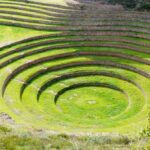
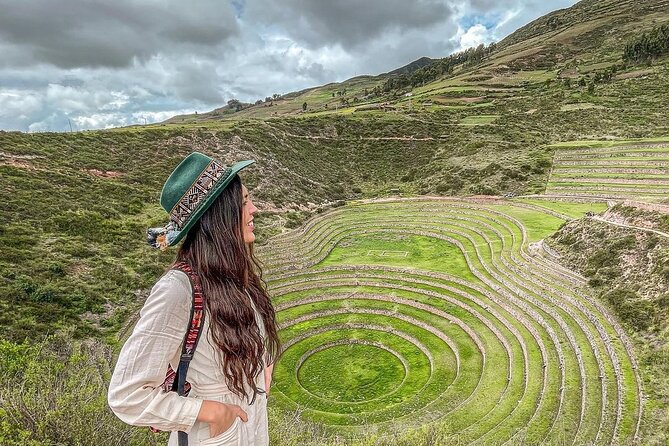
Moray is about 7 kilometers from Maras, and it’s one of the most interesting stops on the itinerary because it’s science disguised as architecture. You’ll spend about 20 minutes here, and admission is marked included.
Moray was used by the Incas as an agricultural laboratory to adapt crops to different microclimates. That’s the key idea. Instead of assuming one climate fits all, the Incas used a natural variation in conditions to test what could grow where. When a guide explains the concept, the site becomes more than “cool ruins.” It turns into a system for experimentation—like an early, outdoor research garden.
The drawback is time. 20 minutes is enough for the main story, but it’s not enough if you want to linger at every angle. If you’re the type who reads every stone like a book, you’ll wish for more time. If you like getting the big idea fast and moving on, Moray lands well.
Salinas de Maras salt wells: why 3,000+ matters
After Moray, you go to Salinas de Maras, the stop many people remember most. This is where the day shifts from theory to everyday production.
You’ll spend about 2 hours here, with admission marked included. The standout feature is the salt wells: more than 3,000 mineral-origin wells worked by the community. The salt isn’t treated as a local curiosity either. It’s described as one of the most coveted and exotic products, served in popular restaurants around the world.
What I like about Salinas is how it teaches you to notice scale and labor. You’re not only looking at a pretty grid of shallow wells. You’re seeing a long-standing resource system, tied to community work. With a guide, you get the context for why the site is valued beyond scenery.
A practical consideration: because you’re there for a longer stretch, you’ll feel the day more. Bring your patience. Take breaks where you can. The payoff is in walking the area slowly enough to see the pattern and then stepping back to take it all in.
You can also read our reviews of more tours and experiences in Cusco
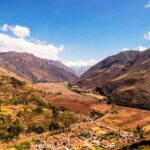
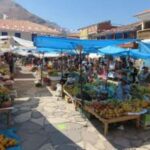
Urubamba lunch: a real break in the Sacred Valley
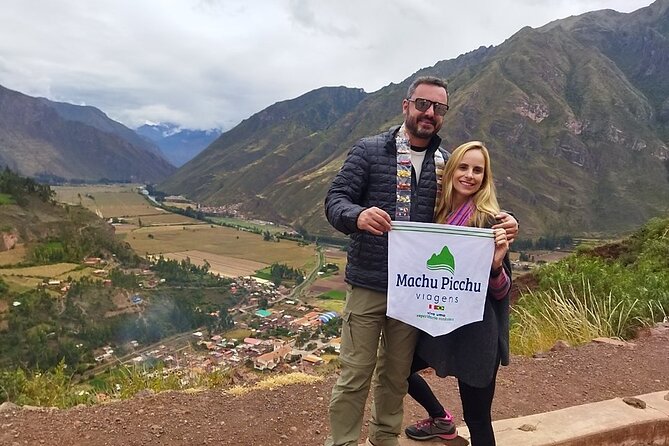
Urubamba is the heart of the Sacred Valley on this route, and lunch is the reset button. You’ll have about 1 hour here, with a buffet lunch served in one of the best restaurants in the area. Entrance is listed as free for this stop, and bottled water is included.
This part matters more than you might think. After Moray and before Salinas, your brain is primed for information. After Salinas and before Ollantaytambo, your legs are primed for walking. Lunch gives you a gap to refuel without turning the day into a scramble.
One detail worth knowing: Don Angel is specifically named as a typical lunch spot in the information you were given. If that’s what your day includes, great. If not, you still get the intended idea—an actual sit-down meal rather than a quick snack.
Ollantaytambo: the Inca city layout you can still feel
Then comes Ollantaytambo, and this is where the tour leans hardest into “Inca living space,” not just “archaeological viewing.”
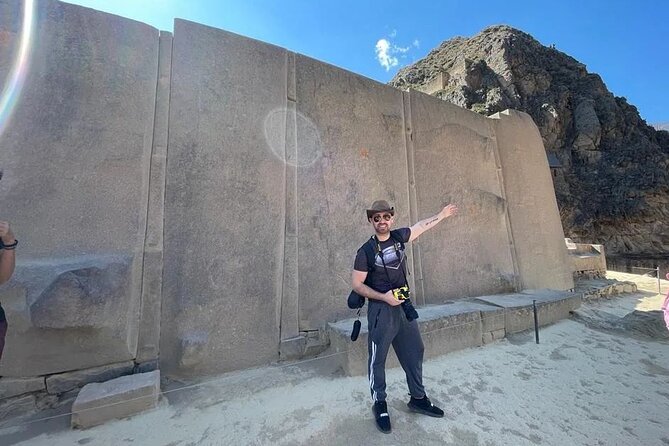
You’ll spend about 2 hours here. Admission is listed as free on the itinerary. The big attraction is that Ollantaytambo is the only place on this route described as still keeping the original urban design from Inca times.
That matters because it changes how you experience the site. Instead of imagining how an Inca city might have looked, you see elements of its layout still shaping movement and sightlines. Your guide will explain why it was important as a military, religious, and political center during the Inca era.
Also, there’s a social element built in: you’ll have a chance to interact with local culture. Even if that interaction is brief, it’s a reminder that you’re not only visiting a museum. You’re in a place where people still live with the imprint of the past.
Potential drawback: if you’re not interested in structure and planning, Ollantaytambo can feel like “more ruins.” The fix is to lean into the guide’s explanation and match what you see with why it mattered.
Pisac: the partridge clue in a 2-hour visit
Pisac is next, with about 2 hours here. Admission is listed as free on the itinerary, and this stop centers on the archaeological center known for its traditional essence and deep-rooted art.
The name is part of the story. Pisaq comes from Quechua, linked to pisaq’a, a word meaning partridge, a common bird in the area. The itinerary notes the site’s shapes could be seen as partridge-like, which is exactly the kind of detail a guide can help you notice without forcing you into academic mode.
Pisac is a good follow-up after Ollantaytambo because you get a change in feel: less about the town layout and more about how the place communicates through form and craft. With two hours, you should have time to walk at a comfortable pace and still hear the key explanations before the day runs out.
Back to Cusco: what you’ll carry home
After Pisac, you return to Cusco. The ride back is listed as about 2 hours, and the itinerary marks admission free for the Cusco return time.
By the end of the day, your best souvenir won’t be one perfect photo. It’ll be the connections: how Incas used microclimates at Moray, how salt production created value at Salinas de Maras, and how Ollantaytambo’s layout reflects Inca planning. With a strong guide, the day turns into a set of cause-and-effect ideas rather than a checklist.
The name “VIP” here makes sense too. Private transportation means fewer delays, and the guide’s attention stays on your group instead of being split across strangers.
Who should book this private Sacred Valley tour (and who should skip)
This tour fits you best if:
- You want a private day with a guide in the language you choose (Spanish, English, or Portuguese)
- You prefer a planned route over piecing things together yourself
- You like learning how sites worked, not only where to stand for photos
You might want to choose something else if:
- You don’t want a long day. With about 11 hours total, it’s not a quick hit.
- You want lots of unscheduled time. This itinerary is structured, so your wiggle room is limited.
- You’re trying to minimize walking at archaeological sites. The schedule includes two longer ruin visits.
Should you book the Sacred Valley VIP Private Tour?
If your goal is to see the Sacred Valley without the stress of routing, tickets, and timing, this one is a strong choice. For $247 per person, you get the essentials handled: private transport, a certified guide, key entrance coverage, buffet lunch, and bottled water, plus a route that teaches you the logic behind what you’re seeing.
Book it if you like structured exploration with a guide and you can handle a full-day schedule. Pass if you’re chasing a slow, low-effort day.
If you want the best odds of a smooth experience, book ahead since it’s often reserved about 49 days in advance.
FAQ
What time does the Sacred Valley VIP Private Tour start?
The tour starts at 7:00 am, with pickup arranged after breakfast at your hotel.
What’s included in the price?
Included are private transportation, entrance to the archaeological centers to visit, a certified professional guide (Spanish, English, or Portuguese), a buffet lunch, and complimentary bottled water.
Which stops have tickets included or marked free?
Maras and several other stops are listed as ticket free on the itinerary. Moray and Salinas de Maras are listed with admission tickets included.
Is this tour private?
Yes. It’s a private tour/activity, and only your group participates.
What about meals and drinks besides the lunch?
Only meals and drinks specifically mentioned are included. Anything else beyond the buffet lunch would be on you.
Is free cancellation available?
Yes. You can cancel up to 24 hours in advance for a full refund based on the experience’s local time.