REVIEW · CUSCO
Sacred Valley with Peru Vip : Pisac, Ollantaytambo and Chinchero
Book on Viator →Operated by Peru Vip - Day Tours · Bookable on Viator
One day, three Inca power centers. This private Sacred Valley outing from Cusco strings together camelids, major Inca sites, and a church-and-ruins contrast at Chinchero, all with hotel pickup and a guide.
I especially like the all-in-one convenience: transport, entry tickets, oxygen support, and a buffet lunch are handled so you can focus on the sites. I also like how the schedule gives you real time on the ground, including photo-ready pauses at the bigger stops.
The main drawback to plan for is some uneven walking and a few strenuous stretches at Inca ruins above town levels, so comfortable shoes and a slower pace help a lot.
In This Review
- Key highlights worth your attention
- Sacred Valley in one day: Pisac, Ollantaytambo, Chinchero
- Awana Kancha Camelid Reserve: llamas, alpacas, vicuñas in a reserve setting
- Pisac Archaeological Park: stonework, terraces, and Inca control
- Ollantaytambo: the living Inca town, canals, and the fortress above
- Chinchero: polyhedral walls, the 12-niche Inca face, and three shrines
- How the private guide keeps the day moving (and the altitude in mind)
- Lunch and comfort in the Sacred Valley
- Price and value: what you get for $299
- Who this tour suits best and who should think twice
- Should you book Sacred Valley with Peru Vip?
- FAQ
- What is the duration of this Sacred Valley tour?
- Which places will I visit?
- Is lunch included?
- Is this a private tour?
- What is included in the price?
- Is there any walking that could feel strenuous?
- Can I cancel if the weather is poor?
Key highlights worth your attention
- Awana Kancha camelid reserve gives you a chance to see llamas, alpacas, and vicuñas in a reserve setting.
- Pisac’s Inca stonework shows how tightly fitted blocks were used, with terraces and fortified-city logic.
- Ollantaytambo’s preserved town layout includes streets, houses, and canals that still feel lived-in.
- Royal Hall and Temple of the Sun plus a fortress view make Ollantaytambo one of the most rewarding stops.
- Chinchero’s 12 niches in the eastern Inca wall is the kind of detail you’ll remember.
- A guide-led day with added support includes an oxygen balloon, first aid kit, and a full lunch plan.
Sacred Valley in one day: Pisac, Ollantaytambo, Chinchero
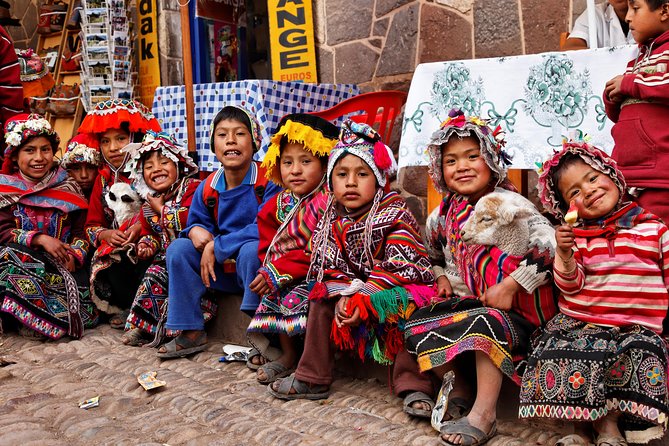
This is a 9.5-hour private day trip designed for doing the Sacred Valley highlights without the stress of coordinating buses, buying tickets, or searching for meeting points. You get hotel pickup in Cusco, private transport, and a professional guide for the language you need.
You’ll visit four main stops, each with about one-hour windows at the archaeological sites (and a shorter camel reserve stop). The pacing matters here because you’re moving between altitude and viewpoints, and your guide can adjust how long you linger based on how you feel.
If you’ve only got a single full day outside Cusco, this route is a sensible use of time. It hits the big names—Pisac, Ollantaytambo, and Chinchero—while adding a first stop that sets a calmer tone with the camelids.
You can also read our reviews of more tours and experiences in Cusco
Awana Kancha Camelid Reserve: llamas, alpacas, vicuñas in a reserve setting
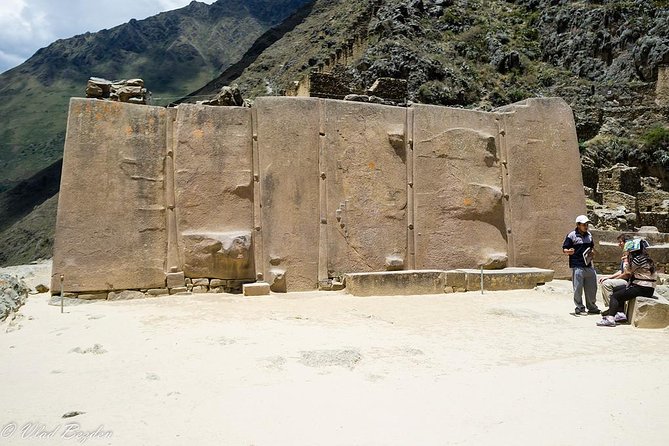
Before the archaeology, you’ll step into Awana Kancha, a South American camel reserve. This is the right kind of break from ruins because it’s grounded in everyday animal life rather than stone and elevation.
You typically spend about 30 minutes here, with admission included. You’ll see llamas, alpacas, and vicuñas, and you get a chance to observe them in a reserve environment instead of just seeing them briefly along a road or market.
What I like about starting with the camelids is the mental reset. After this, the Inca sites feel less like a checklist and more like a story about how people adapted to Andean life.
Pisac Archaeological Park: stonework, terraces, and Inca control
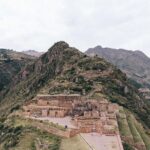
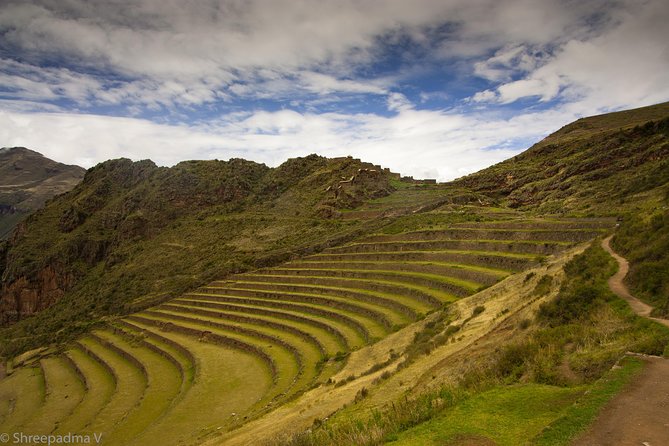
Pisac is a fortified Inca complex perched above the town area, and it’s easy to see why the Inca chose this position for security and control. The site sits at about 2,972 meters and the layout reflects a mix of urban and religious purposes.
At the main Pisac visit (about 1 hour), you’ll walk through stone structures built with carefully cut blocks designed to fit tightly together without mortar. You’ll also notice how the terrain shapes the terraces and defensive logic of the place.
A fun detail to keep in mind is the name angle. There isn’t a single agreed translation, but it’s often connected to Quechua associations—one idea ties it to a bird-like form, which is reflected in how the land and design interact.
The practical consideration at Pisac is that the ground can be uneven and the altitude can make even short climbs feel longer. Go slow, drink water, and let your guide set the tempo—this is exactly where that “pace adjustment” approach pays off.
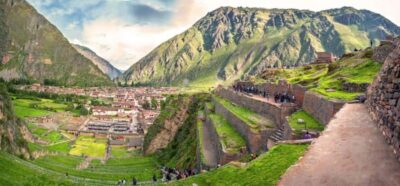
Ollantaytambo: the living Inca town, canals, and the fortress above
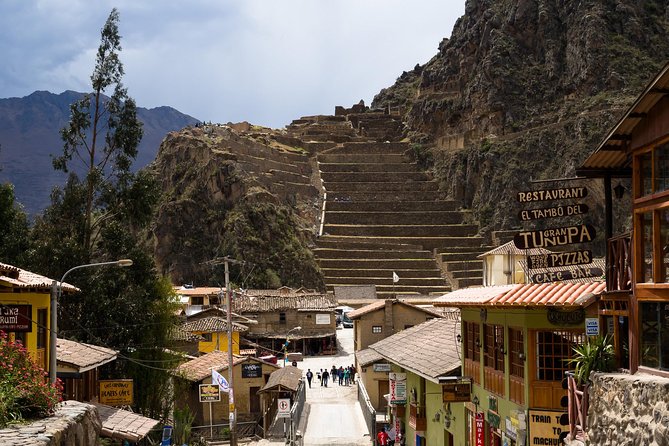
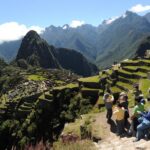
Ollantaytambo feels different from many ruin stops because it preserves an Inca town layout. You’re not just looking at isolated monuments—you’re seeing houses, streets, and canals designed for daily life.
This stop is also packed with named highlights, including the Temple of the Sun, the Mañaracay (Royal Hall), the Incahuatana, and the Princess Baths. Even if you’re not chasing every label, it’s worth letting your guide point out how each feature fits the broader layout.
Then there’s the fortress zone higher up. You’ll reach terrace-like stonework built for defense, with views into the valley and a sense of why protection mattered against groups coming from jungle regions. Ollantaytambo’s upper area can involve a more active walk, so wear shoes with grip and don’t rush.
A detail I appreciate here: the site includes a notably well-preserved residential area, described as 15 blocks of mansions built on carved stone walls. That kind of density makes the archaeology feel more “real” and less like scattered ruins.
Chinchero: polyhedral walls, the 12-niche Inca face, and three shrines
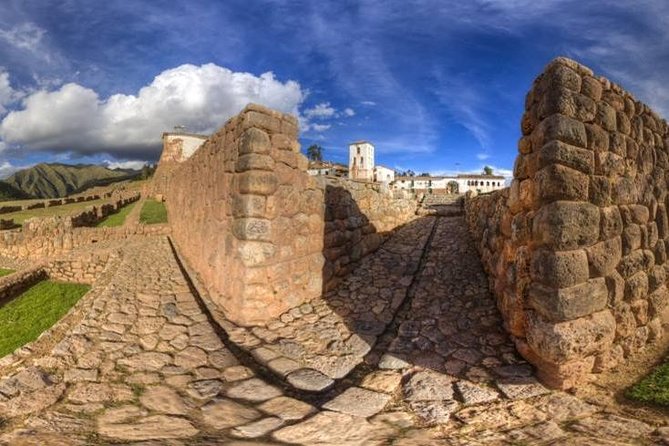
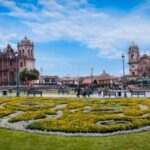
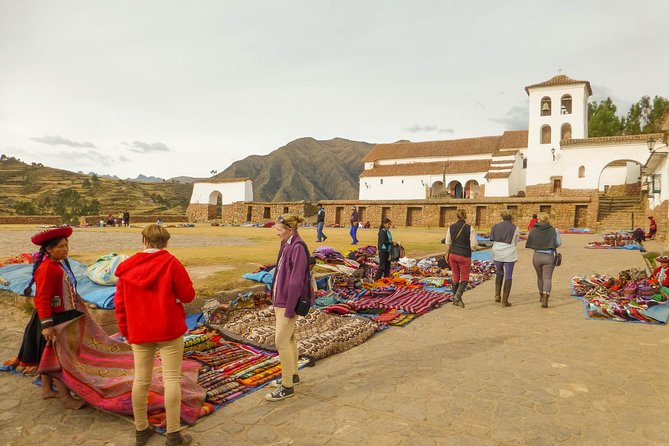
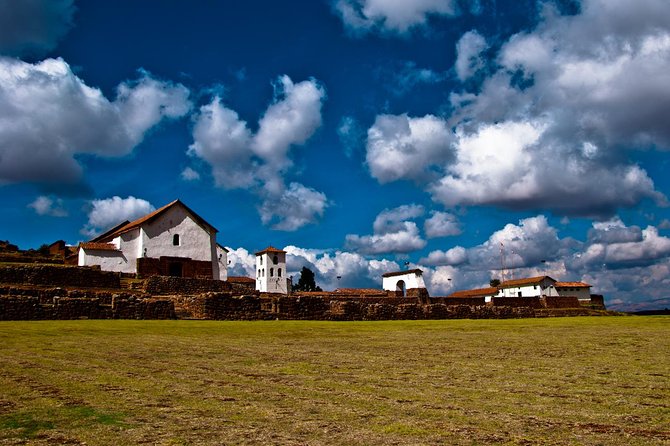
Chinchero is the stop where you see Inca-era engineering braided into later religious space. The main urban center is associated with where the church sits today, and the nearby walls show the old stone approach—massive walls formed from assembled polyhedrons that act as retaining structures.
Your Chinchero visit is about 1 hour, and the most memorable feature for many people is the main square. On the eastern side, you’ll see an Inca wall with 12 niches, each described as about 2 meters high and 1.5 meters wide.
This wall does more than look impressive. It also works as containment to a second square acting like an atrium in front of the church, which helps explain how the Inca space was re-used, reshaped, and layered.
You’ll also spot three shrines in the area—Titiqaqa, Pumaqaqa, and Chincana—formed by large limestone outcrops carved into seats, stairways, cupboards, and canals. Terraces follow the terrain, so the site feels like engineering adapted to slopes rather than forcing flatness.
The consideration here is time and energy. Chinchero isn’t always as physically demanding as the higher fortress zones in Ollantaytambo, but it still rewards a steady pace and attention to small architectural details.

How the private guide keeps the day moving (and the altitude in mind)
The guide is a big reason this day feels smooth. In the hands of guides like Willie, Wilbur, or Wilbert, the focus tends to be on clear explanations and practical pacing, with photo time built into the route.
You might also get storytelling that repeats a key historical overview throughout the day. If you’re the type who likes variety, you can steer the conversation by asking the guide to focus on one theme at a time—fortifications, agriculture, or religion—so each stop feels distinct.
One especially useful thing: the tour includes an oxygen balloon and a first aid kit. That doesn’t mean you’ll need it, but it’s reassuring to know you have support if altitude hits harder than expected.
Also, since this is private, you’re not trapped behind a crowd moving at a different pace. If you want extra minutes to frame a shot or scan the terraces for stonework patterns, this setup is built to accommodate that better than a group bus.
Lunch and comfort in the Sacred Valley
Lunch is included as a buffet at a restaurant described as one of the best in the Sacred Valley. After hours of walking and viewpoint time, having food handled is a real quality-of-life upgrade, especially when you’re dealing with altitude.
It’s smart to eat like a traveler, not like a tourist. Go easy on heavy meals, drink water, and save room for another snack if your guide suggests it. Since the day is long, stomach comfort helps keep you moving without rushing.
You’ll also be in private transport between stops, which matters in the Sacred Valley where roads and elevation can make public transit less predictable. The result is a day that feels organized rather than chaotic.
Price and value: what you get for $299

At $299 per person, the value is easiest to see when you look at what’s included. You’re paying for hotel pickup in Cusco, private transport, a professional guide, admission tickets for Pisac, Ollantaytambo, and Chinchero, and admission to the camel reserve.
On top of that, there’s a buffet lunch, ongoing assistance during the day, and practical extras like the oxygen balloon and first aid kit. If you tried to recreate this on your own, the costs add up quickly: tickets, a guide, and reliable transport are rarely cheap when you piece them together.
Private also changes the equation. You’re not sharing a car with strangers or waiting for slow walkers ahead of you. That can be the difference between feeling rushed and actually enjoying the details—especially at sites where you’ll want to stop more than once.
The only “cost” in the day is your stamina. Budget your physical energy, not just your money.
Who this tour suits best and who should think twice
This tour is a good match if you want one well-structured day that covers the classic Sacred Valley stops: Pisac, Ollantaytambo, and Chinchero, plus a camel reserve warm-up. It’s also ideal if you dislike logistics—this route handles transport, tickets, and lunch.
It’s especially worth it if you like guides who can help you see what you’re looking at: how Inca planning works in fortified spaces, how town layout connects to daily life, and how stone niches and carved shrines carry meaning.
You might want to think twice if you know you struggle with uneven ground or if you’re sensitive to altitude. Some parts include strenuous walking, and even when the stops are time-limited, the terrain can still feel challenging.
If you decide to go, you’ll make it easier on yourself by choosing supportive shoes, going slow at each stop, and using the guide to set realistic pacing.
Should you book Sacred Valley with Peru Vip?
Book this tour if you want a private, ticketed, guide-led Sacred Valley day that doesn’t waste time. I’d also book it if you value practical support—oxygen, first aid, and a plan for lunch—because those small comforts add up at altitude.
Skip it only if you’re aiming for a fully relaxed stroll day. This is still a day of ruins, viewpoints, and some tougher walking, so set expectations and protect your energy.
If you’re the type who likes details—stone fitting, named architectural features, and specific architectural measurements—this route rewards attention. And if you just want the big Inca highlights handled smoothly, this is built for exactly that.
FAQ
What is the duration of this Sacred Valley tour?
It runs for about 9 hours and 30 minutes.
Which places will I visit?
You’ll visit Awana Kancha camel reserve, Pisac, Ollantaytambo, and Chinchero.
Is lunch included?
Yes. A buffet lunch at a restaurant in the Sacred Valley is included.
Is this a private tour?
Yes. It’s a private tour/activity, and only your group participates.
What is included in the price?
Hotel pickup, private transport, guide, admission tickets for Pisac, Ollantaytambo, and Chinchero, admission to the camel reserve, a buffet lunch, permanent assistance and transfers, first aid kit, and an oxygen balloon.
Is there any walking that could feel strenuous?
Some stops include strenuous hikes or walking, so comfortable shoes and a slower pace help.
Can I cancel if the weather is poor?
You can cancel for a full refund up to 24 hours in advance. The experience requires good weather, and if it’s canceled due to poor weather, you’ll be offered a different date or a full refund.