REVIEW · CUSCO
Sacred Valley (VIP) – Full Day Trip
Book on Viator →Operated by Peru Amazon Trips · Bookable on Viator
One day can feel like a whole week. This VIP-style Sacred Valley route strings together Inca agriculture, stone towns, and the salt pools, with Cusco hotel pickup included to get you out the door fast. It’s also not a free-for-all: you’ll need a Partial Tourist Ticket and you should carry extra cash for site admissions, plus expect a long, step-heavy day.
I love the human part of this tour: a bilingual English-Spanish guide who keeps the story clear while you hop between altitudes and ruins. The Urubamba buffet is another win, and yes, there’s a vegan option when lunch time hits (which it will, whether your legs are ready or not).
In This Review
- Key Points You’ll Care About
- Price and Logistics: What This Day Really Costs
- Cusco Morning Pickup: From Altitude to Action
- Chinchero: Mud-Brick Village Views and the Sunday Market Factor
- Moray’s Circular Terraces: A Crop Lab Built for Microclimates
- Maras Salt Mines: Salt Pools, Photo Angles, and Tiobamba’s Church
- Ollantaytambo: The Water Temple, Fortress Walls, and the Valley Feel
- Pisac: Partridge Meaning, Intihuatana, and the Sun-June Solstice Link
- Urubamba Buffet Lunch: Vegan Option and a Much-Needed Reset
- Bilingual Guides and Real-Time Timing: How the Day Stays Moving
- Pace, Shopping Pitches, and How to Protect Your Mood
- Who This VIP Sacred Valley Day Is Best For
- Should You Book the Sacred Valley VIP Full-Day Trip?
- FAQ
- FAQ
- What’s the duration of this Sacred Valley VIP day trip?
- Is hotel pickup included?
- Do I need a ticket in addition to the tour price?
- Are there additional fees at the sites?
- What’s included in the tour?
- Is lunch included, and can I get vegan food?
- How many people are in the group?
- Which stops are included during the day?
- Is the tour cancellation free?
- How far in advance do people usually book?
Key Points You’ll Care About
- Hotel pickup is included (from Cusco hotels), not private residences
- Plan for the Partial Tourist Ticket and extra cash on top of the tour price
- Moray and the salt mines are the main paid-up stops, so bring small bills/soles
- Urubamba buffet lunch includes a vegan option
- Expect a fast pace: great for seeing a lot, tougher if you hate stairs
- Group size stays smallish (max 19), which helps with timing and photo stops
Price and Logistics: What This Day Really Costs
On paper, the tour price is $55 per person and the day runs about 12 hours. In real life, you also need to budget for two common add-ons:
- Partial Tourist Ticket: 70 soles per person
- Salt mines of Maras (the famous salt pools): 20 soles per person
There’s also a practical tip in the fine print: bring extra cash for admissions in Maras and Moray. Some sites may be covered by the tourist ticket, but the safest move is to carry spare cash so you are not stuck waiting while others pay.
Value-wise, this route is priced for people who want a “big hits” day. You’re paying for transportation, a guide, and the convenience of bundling multiple Sacred Valley highlights into one run. If you already have the tickets and don’t mind DIY travel between stops, it could be cheaper to go on your own. But for many people—especially if you’re short on time—this is a straightforward way to see a lot without spending the day planning.
One more logistics note: pickup is included from Cusco hotels, but not from private residences. If you’re staying somewhere that isn’t clearly a hotel, confirm the pickup rules before you go.
You can also read our reviews of more tours and experiences in Cusco
Cusco Morning Pickup: From Altitude to Action
The day starts with pickup from your Cusco hotel and then it’s straight into the Sacred Valley circuit. You’ll be switching elevations and changing your pace a lot—calm photo stops to quick walks—so I recommend you treat the morning like a warm-up, not a leisurely stroll.
Also, pack for comfort over style. The tour is built around walking and steps at multiple sites. Even if you’re used to cities, these ruins add stairs, uneven ground, and short-but-steep climbs.
Bring cash for the on-site fees, wear sturdy shoes, and keep a light layer handy. Higher Andean areas can feel chilly once you’re moving away from Cusco’s bustle.
Chinchero: Mud-Brick Village Views and the Sunday Market Factor
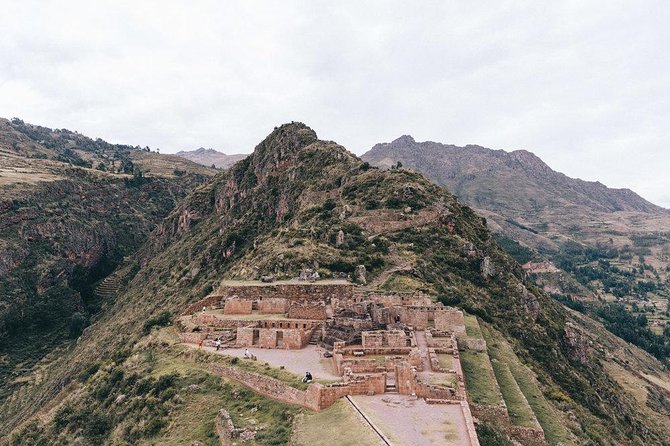
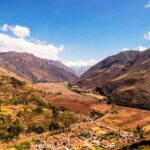
Chinchero sits high on the Anta plains at about 3,765 m, around 30 km from Cusco. The views alone are worth it. From here you can look out over the Sacred Valley with dramatic mountain silhouettes on the horizon, including Salkantay in the mix.
This stop is less about a massive ruin and more about atmosphere:
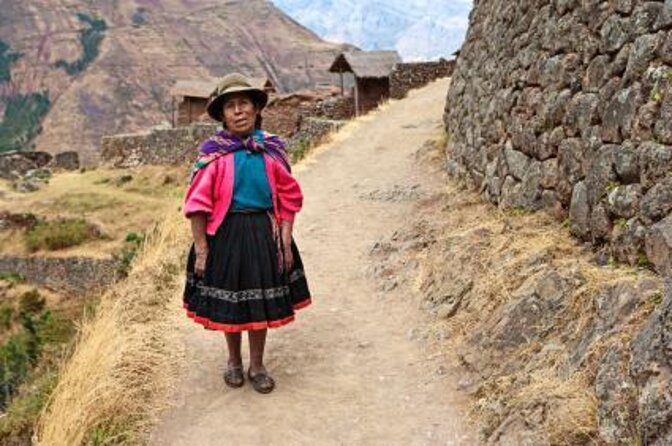
- You’ll see an Andean village of mud-brick (adobe) houses where local life still looks traditional.
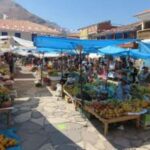
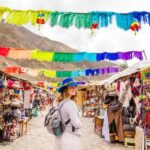
- There’s a major Sunday market reputation, and compared with the bigger, more tourist-shaped markets elsewhere, this one tends to feel more local.
The Inca-era footprint shows up in the main plaza area, where you’ll find a massive stone wall with trapezoidal niches. You also get the story of Chinchero being tied to Inca agricultural terraces and an earlier role in the region.
How to enjoy it most: slow down for photos of the mountain views, then do a careful walk around the plaza features. This is one of those stops where rushing means you miss the charm.
Moray’s Circular Terraces: A Crop Lab Built for Microclimates
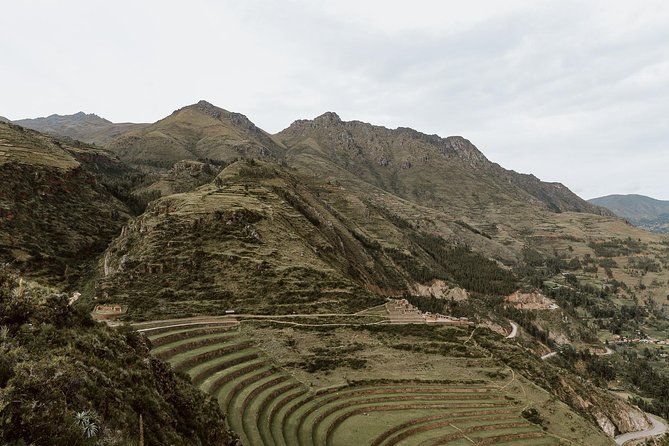
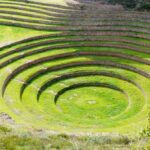
Moray is about 4.5 miles from Maras and around 39 miles from Cusco. The standout feature is the circular terrace system—retaining walls stacked down into a bowl-shaped set of levels, dropping as much as 330 feet deep.
What makes Moray interesting isn’t just the shapes. It’s the idea of controlled growing conditions. The terraces create microclimates, so the Incas could experiment with different crops and conditions in one area. It’s practical science disguised as archaeology.
This stop works well if you like:
- patterns and engineered irrigation
- agricultural history
- architecture that makes sense in the landscape
Potential downside: Moray is visually cool, but it’s not a long walk through a huge complex. It’s easy to feel like you’re there for a quick “wow” moment—so be ready to use that time wisely for angles and photos.
Maras Salt Mines: Salt Pools, Photo Angles, and Tiobamba’s Church
Maras is famous for its salt mines, often called the salt pools. The access area sits in the rural community of Pichingoto. Even if you’ve seen photos online, the real thing is still striking because the salt channels and pools create an organized patchwork over the hillside.
This is a photography stop you’ll likely love:
- You get wide views across multiple levels of pools.
- The sun and shadows can change fast, especially in the mountains.
- There’s also a trail link in the area connecting toward nearby villages.
You’ll also hear about the Sanctuary of Tiobamaba, a colonial church built of adobe that includes wall paintings, such as The Last Supper. It’s a very different vibe than the Inca ruins, which helps break up the day.
What to know before you go: this is the stop where the salt mine entrance fee is typically charged separately (20 soles per person). Bring cash and plan to pay without stress.
You can also read our reviews of more tours and experiences in Cusco

Ollantaytambo: The Water Temple, Fortress Walls, and the Valley Feel
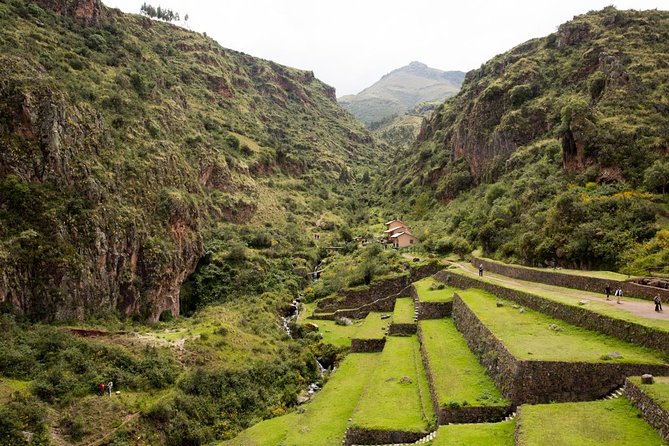
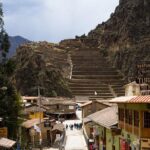
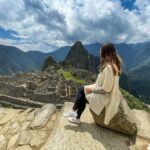
Ollantaytambo is at about 9,160 feet in the Urubamba province. It feels more “alive” than some other ruins because it sits inside a real valley community rather than being purely a monument.
The big hits here include:
- A ceremonial temple tied to worship of water, with terraces you climb via a steep stairway.
- A fortress built between two mountains, designed to guard the valley.
- The Temple of Inti (sun god), along with structures like the baths of the Ñustas (princesses) and funerary towers (Cachiccata).
There are also tiered terraces running along hillsides, and a mountain area called Pinculluna (or Tunupa) where you can spot remnants of Inca structures. The place connects architecture to defense and daily function, which is why this stop often feels like the Sacred Valley becomes real.
The practical reality: this part of the day is probably the most physical. If you don’t like steep stairs, pace yourself. If you do like a climb, it’s one of the best places to get the “I’m inside the Inca world” feeling.
Pisac: Partridge Meaning, Intihuatana, and the Sun-June Solstice Link
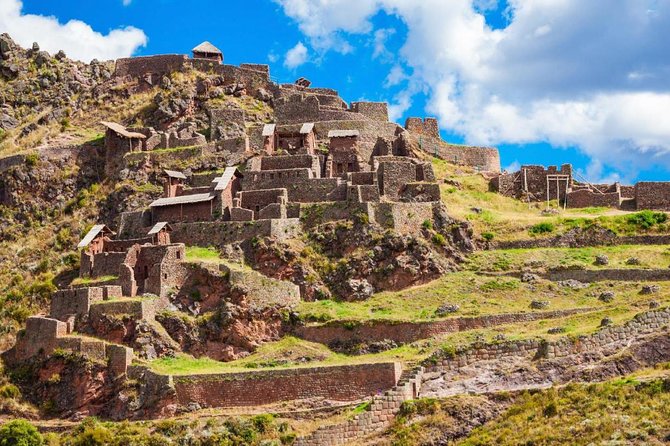
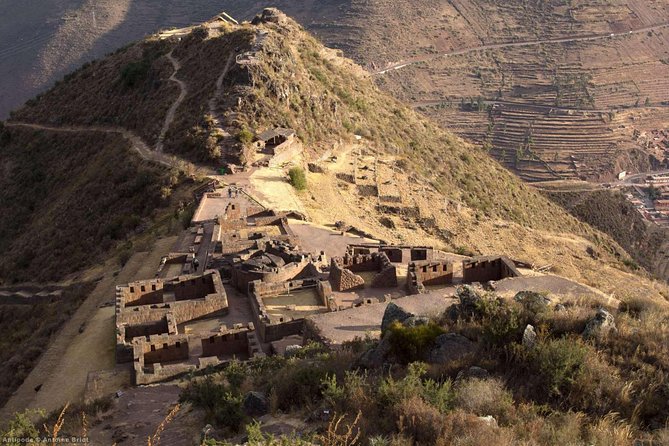
Pisac is known for its precision stonework—block walls built with balanced proportions and tight joints that make the complex feel engineered rather than accidental.
The name comes from Quechua meaning partridge, which is a fun reminder that these places weren’t designed just for tourists. The Inca-era influence here is visible across multiple connected sections: terraces, ceremonial spaces, palaces, walls, and towers.
Key features you’ll hear about:
- Intihuatana: often described as a temple and astronomical marker. Its name is tied to the idea of a sundial, and there’s a story about alignment with the rising sun during the June solstice.
- City of the Towers: towers on the mountain edges, and an idea that some of it helped with water channels that still exist.
- Ñusta Encantada (Enchanted Princess): a rocky complex associated with an Andean legend about Inca princess imagery and a bridge that had to be built in one night.
If you enjoy myths as part of place-making, Pisac is a strong stop. The architecture plus the legend helps it click. If you only want hard facts, you’ll still get a satisfying mix of stone shapes, terraces, and views.
How to get more from it: walk slowly near the Intihuatana area, then step back for valley views before you move on. The value of Pisac is how the site connects form and function.
Urubamba Buffet Lunch: Vegan Option and a Much-Needed Reset
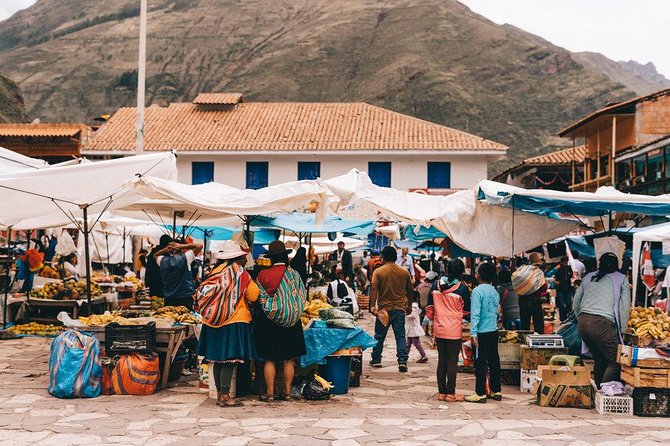
Urubamba is where you’ll hit the buffet lunch. This is the break that keeps the rest of the day possible.
The lunch is included, with a vegan option. That matters because Sacred Valley days can be long enough that skipping a proper meal turns the afternoon into a slog.
My simple strategy: eat early in the lunch window and then hydrate. Even if you feel fine, the combination of altitude and walking can catch up later.
Bilingual Guides and Real-Time Timing: How the Day Stays Moving
A strong guide is the difference between seeing ruins and understanding them. On this tour, you get a bilingual English-Spanish guide, and the tone you want is clear explanations plus timing that doesn’t leave you scrambling.
In practice, the best guides:
- keep the story short and readable at each stop
- know how long to spend for photos without dragging
- help you understand what you’re looking at before you move on
You may also get a friendly, enthusiastic guide type—some names show up repeatedly in past experiences, like Richard, Irving, Jhonnatan, and Warner. Even if your guide is different, the takeaway is that the role here is active: you’re not just chauffeured; you’re taught along the way.
Pace, Shopping Pitches, and How to Protect Your Mood
This is a busy day. Expect it to feel like a greatest-hits tour. Some people love that. Others find it rushed.
A few patterns you should mentally prepare for:
- Quick walking, steps, and short time blocks at sites.
- Extra commercial stops that can feel like a push to buy souvenirs, including product-related stops (like alpaca processing) and jewelry or shop-style stops.
Here’s the move: decide before the day starts what you’ll do if the bus swings into a shop. If you hate shopping pitches, treat it like a restroom-and-breathe moment, then move back to the group quickly. You’ll keep control of your time and energy.
Also, if you’re sensitive to noise on long drives, consider simple ear protection. Loud announcements or bus audio can get annoying after a few hours.
Who This VIP Sacred Valley Day Is Best For
This tour fits best if you want:
- a one-day snapshot of the Sacred Valley without renting a car
- multiple major stops, including Moray, Maras salt mines, Ollantaytambo, and Pisac
- a guide who explains what you’re seeing in two languages
- an included lunch with a vegan option
It’s less ideal if you:
- want slow, lingering exploration at each ruin
- hate stairs and uneven ground
- are extremely budget-sensitive once you factor in the Partial Tourist Ticket and salt mine fee
- dislike any shopping stops at all
If you’re traveling with older knees or you’d rather photograph than climb, you can still enjoy it—but go in with realistic expectations about walking and timing.
Should You Book the Sacred Valley VIP Full-Day Trip?
I’d book this day if you fit one of these situations:
- You only have one full day and you want the headline Sacred Valley sites packed in.
- You’re comfortable with a fast pace and you can handle stairs.
- You value convenience: pickup from your Cusco hotel, guided stops, and an included lunch that won’t leave you hunting for food.
I’d hesitate if:
- you’re trying to keep strict costs and can’t absorb the Partial Tourist Ticket plus salt mine fee
- you know you hate rushed schedules
- you strongly prefer quiet, non-commercial visits
For most people, the decision comes down to your style. If you like a full, efficient day and don’t mind being on the move, this is a solid way to spend it. If your ideal Peru day is slow and personal, consider a more relaxed pacing alternative.
FAQ
FAQ
What’s the duration of this Sacred Valley VIP day trip?
It runs about 12 hours.
Is hotel pickup included?
Yes. Pickup is included from Cusco hotels, but not from private residences.
Do I need a ticket in addition to the tour price?
Yes. You’ll need a Partial Tourist Ticket (70 soles per person).
Are there additional fees at the sites?
Yes. There’s an entrance fee for the salt mines of Maras (20 soles per person), and you should bring extra cash for admissions related to Maras and Moray.
What’s included in the tour?
Included items are Cusco hotel transfer, a bilingual guide (English and Spanish), a buffet lunch in Urubamba (with a vegan option), and a guided tour.
Is lunch included, and can I get vegan food?
Lunch is included as a buffet in Urubamba, and there is a vegan option.
How many people are in the group?
The maximum group size is 19 travelers.
Which stops are included during the day?
The day includes Chinchero, Moray, Maras (salt mines area), Ollantaytambo, and Pisac.
Is the tour cancellation free?
Yes, cancellation is free if you cancel at least 24 hours in advance for a full refund.
How far in advance do people usually book?
On average, it’s booked about 48 days in advance.