REVIEW · CUSCO
Cusco: 4-Day Lares Trek to Machu Picchu with Panoramic Train
Book on GetYourGuide →Operated by TreXperience · Bookable on GetYourGuide
Hot springs and Machu Picchu in four days. Lares Hot Springs feels like a reward, and the Condor Pass views are the kind you remember for years. The catch: altitude and cold nights can slow you down, especially if you’re not used to high elevations.
What makes this trip especially interesting is the mix of everyday rural life plus big-ticket sights. You meet weaving communities and learn how local women-run cooperatives keep traditional skills alive, then you end up watching sunrise spill over Machu Picchu. Guides like Manolo and Filio get praised for keeping things moving at your pace and handling the group well, even when the group is small.
I also like that you’re not just sightseeing. You get time in places like Cancha Cancha to meet local families and practice a few Quechua phrases, and you visit living Inca town life in Ollantaytambo. Just be ready for early starts, real hiking, and the fact that you’ll need warm gear for camping nights.
In This Review
- Key things that make this Lares trek worth it
- Lares to Machu Picchu: a route with villages, not just peaks
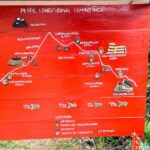
- Day 1 Calca markets, Ancashmarca, and Lares hot springs at 3,900 m
- Day 2 Condor Pass at 4,750 m and Cancha Cancha village life
- Day 3 Sacred Valley downhill hike, Salineras de Maras, and Ollantaytambo
- Sunrise Machu Picchu, a guided walk, and the Vistadome panorama back
- Value for $690: what you’re really paying for
- Pacing, altitude, and what to pack (besides the obvious)
- Food, guides, and cultural stops that don’t feel staged
- Who this Lares trek suits best
- Should you book this 4-day Lares trek with Vistadome?
- FAQ
- Is this tour refundable?
- What languages do the guides speak?
- What is included for food during the trek?
- Do I need to bring a sleeping bag and trekking poles?
- How is Machu Picchu handled on the last day?
- Is this trek suitable for everyone with mobility or heart issues?
Key things that make this Lares trek worth it
- Lares Hot Springs at altitude: natural soak time with mountain views after a full day of travel and hiking.
- Condor Pass viewpoint: a high point at 4,750 m with sweeping panoramas and turquoise lagoons.
- Community moments: weaving education, meeting families in Cancha Cancha, and school visits with a chance to donate supplies.
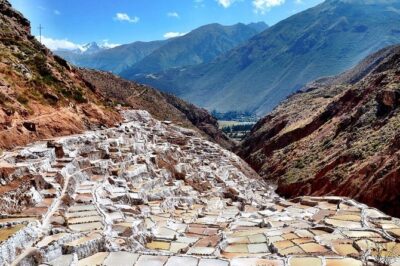
- Maras salt mines: traditional salt harvesting at Maras, a visually striking stop in the Sacred Valley route.
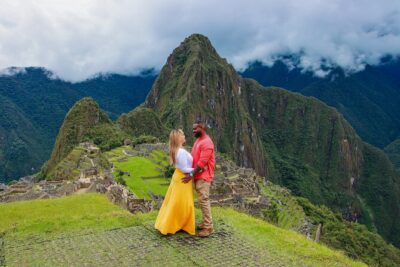
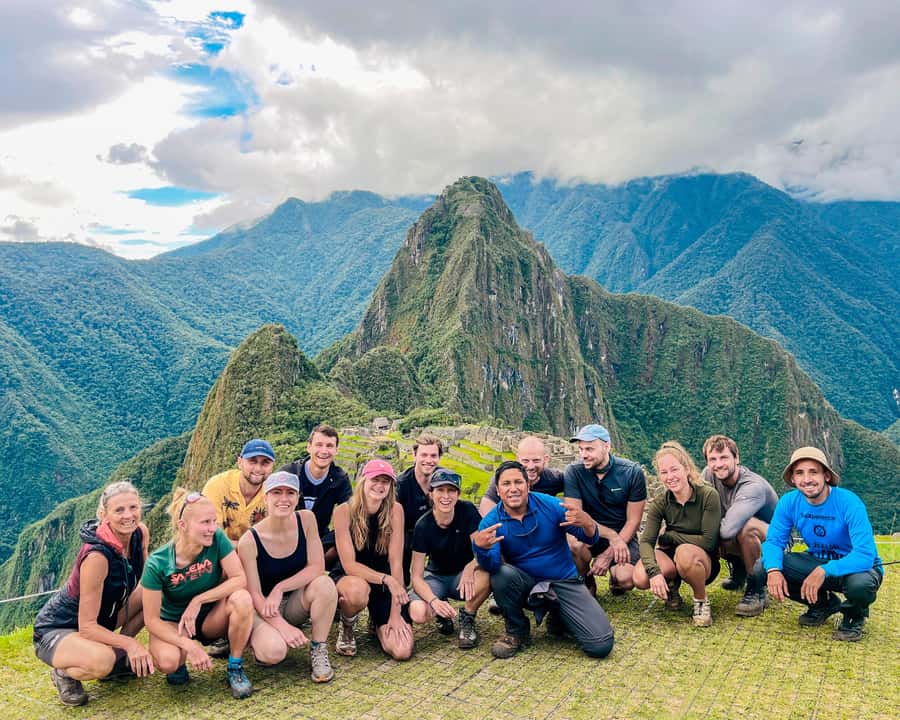
- Sunrise Machu Picchu: bus timing designed to get you there near sunrise, plus a guided walking tour.
- Panoramic Vistadome return: scenery-focused train ride after the citadel, back toward Ollantaytambo.
Lares to Machu Picchu: a route with villages, not just peaks
This trek is built around a classic Andean rhythm: climb, camp, soak, meet people, then climb again. It trades the crowds of some well-known routes for smaller community stops and multiple chances to slow down and look around.
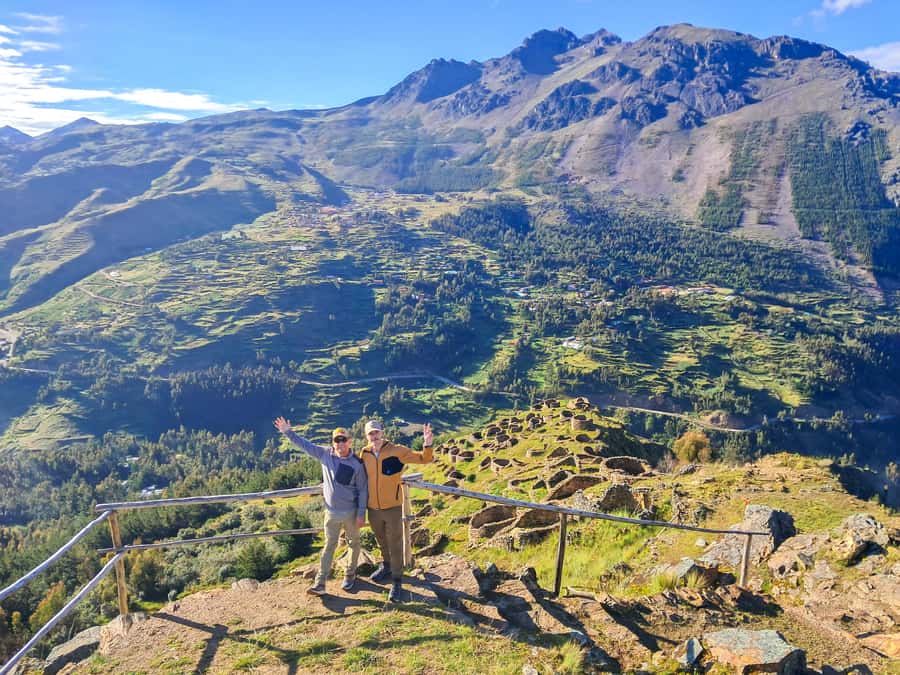
The big value for me is balance. You get the big icon—Machu Picchu—but the “how you get there” is the point too. Along the way, you pass alpaca-dotted valleys, potato fields, and small towns where life continues the same way whether tourists show up or not.
And because it’s only four days, it’s a strong option if you want the whole story without committing to a longer trek. Just remember: “four days” doesn’t mean “easy.” Altitude is real here.
You can also read our reviews of more hiking tours in Cusco

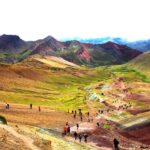
Day 1 Calca markets, Ancashmarca, and Lares hot springs at 3,900 m
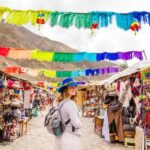
Your day starts early with a pickup from Cusco (or the Sacred Valley area). Then you ease into the region with a stop in Calca’s market area, which is a practical way to see local daily life before you hit the trail.
Next comes Ancashmarca, an ancient Inca site. It’s the kind of stop that helps you switch from city brain to Inca-world brain fast. After that, you climb toward a high plateau where you can spot the rare Puyas de Raimondi—not a sight you just stumble into on a casual walk.
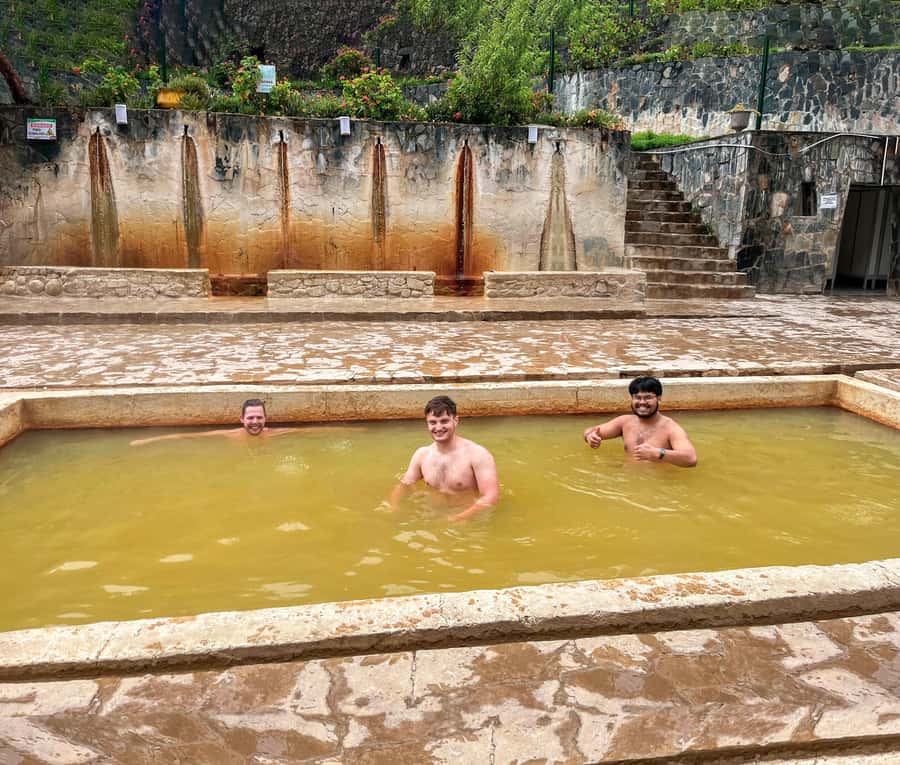
Then you get your first payoff: driving into Lares for the natural hot springs. After hiking and altitude-building, soaking in hot water with mountain scenery is a very human way to reset.
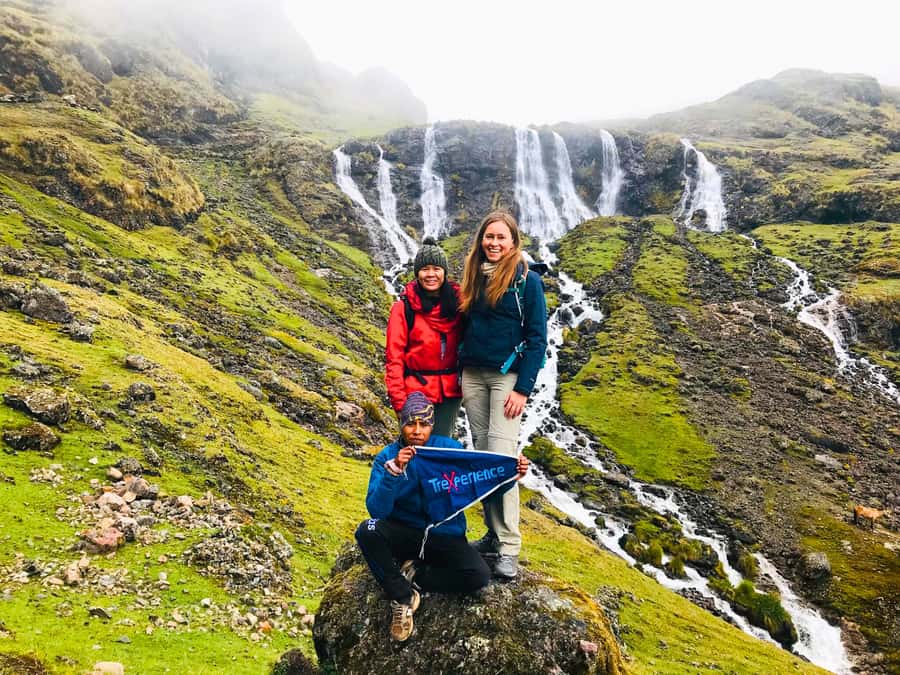
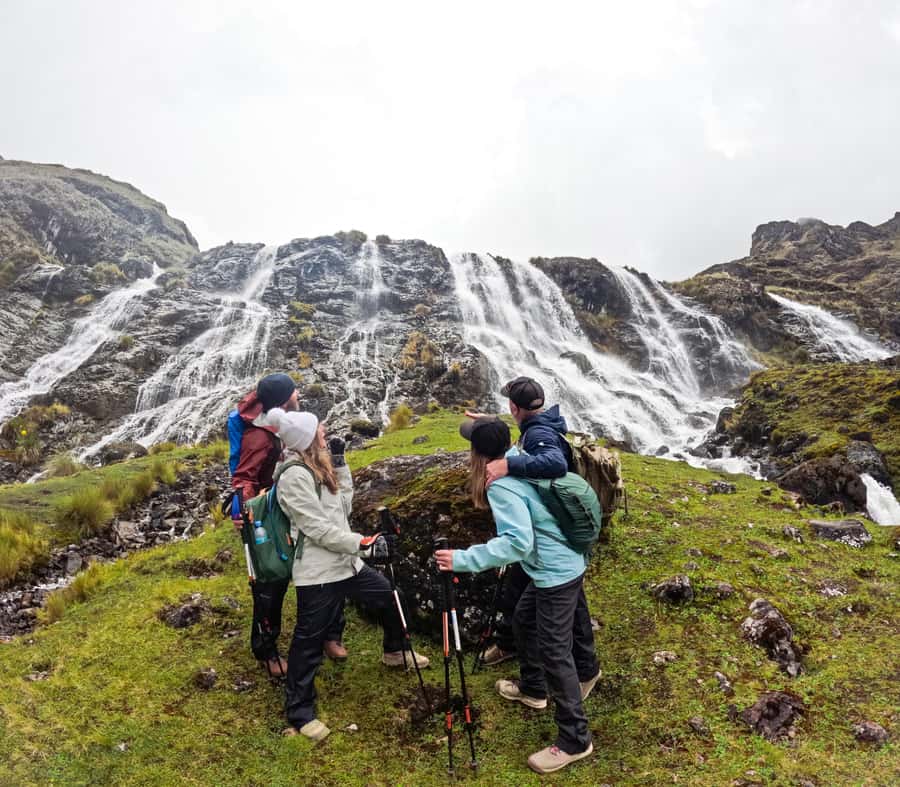
From there, you start the afternoon hike into alpaca valleys and potato fields, eating lunch around the way (a fresh lunch stop at Kiswarani). You’ll follow a waterfall route, and then settle at the Blue Lagoon campsite around 3,900 m. The “small” details matter here: coca tea, dinner, and stargazing at night can turn a basic campsite into a memorable evening—if you’re dressed for the cold.
Consideration: this is your first night at high elevation, so plan on feeling it. Warm layers aren’t optional.
Day 2 Condor Pass at 4,750 m and Cancha Cancha village life
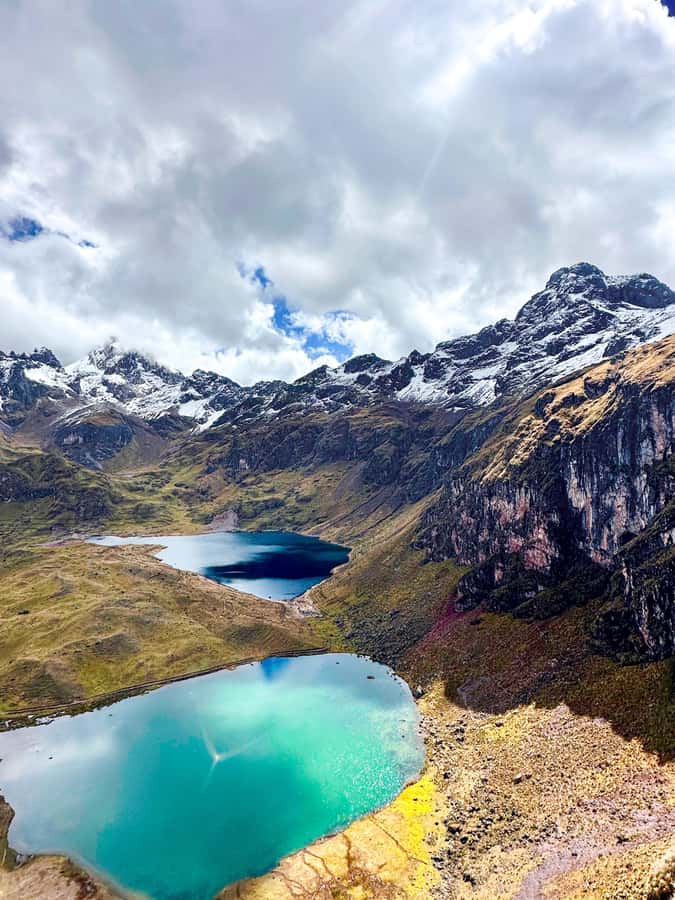
Day two starts at camp with coca tea or coffee, then breakfast before you begin another climb. This day is about steady effort and rewarding sightlines: valleys, lakes, and wildlife, plus the feeling that you’re walking through a living map of the Andes.
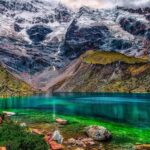
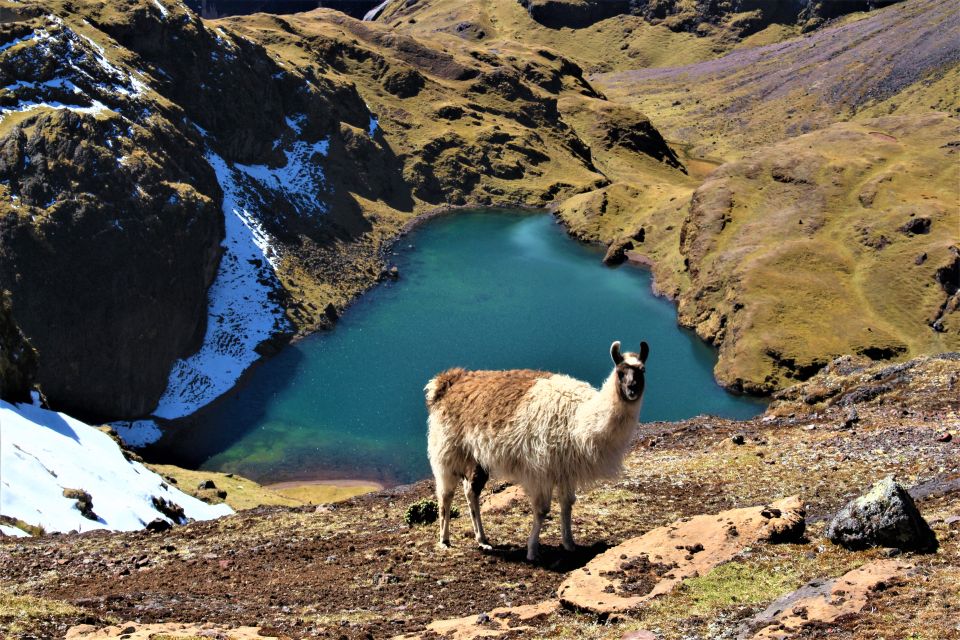
Your main goal is Condor Pass at 4,750 m. When you reach it, you get sweeping views of snowy peaks and turquoise lagoons. There’s also a traditional offering ceremony at the pass, which adds context to what you’re seeing and why people treat these places with respect.
After the pass, you descend. You’ll stop for a hot lunch in Acopata, then keep walking through valleys that include llamas and alpacas. This is a good day for slow-down pacing. One of the reasons the guide names Manolo and Filio come up in feedback is that the guides are known for keeping pace realistic for the group—so you’re not forced into an uncomfortable march.
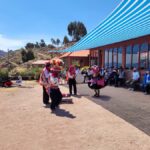
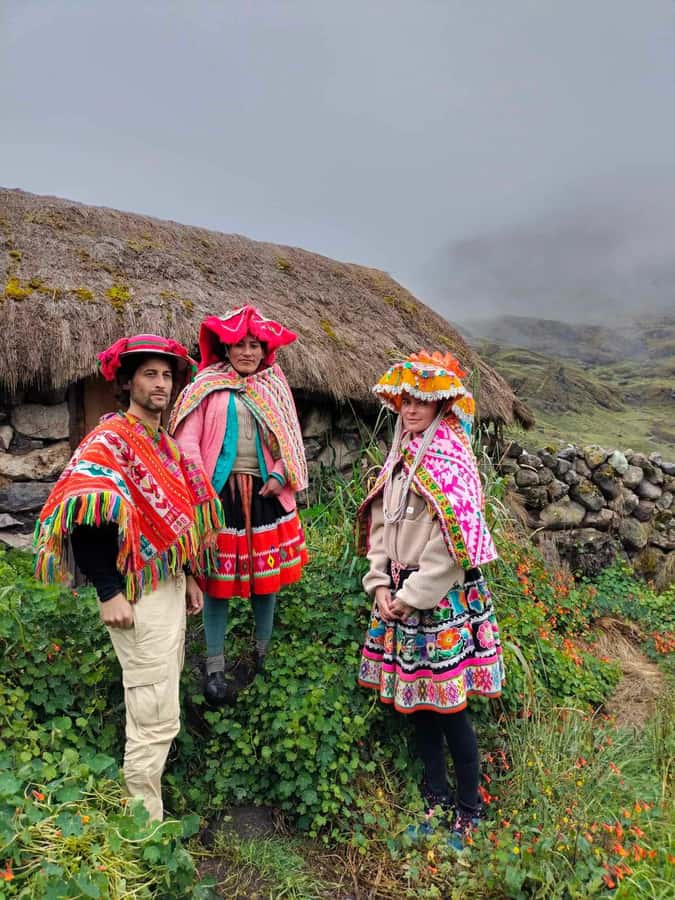
You finish the day at Canchacancha (3,750 m). Here’s the community piece I really like: meeting local families, getting a chance to learn a few Quechua phrases, and spending the evening with mountain views. It’s not just a photo stop. You’re there long enough to notice people are doing normal things—cooking, talking, living.
Consideration: the altitude climb is the day’s hardest part. Bring a steady rhythm. If you push too hard on day two, you’ll feel it later.
Day 3 Sacred Valley downhill hike, Salineras de Maras, and Ollantaytambo
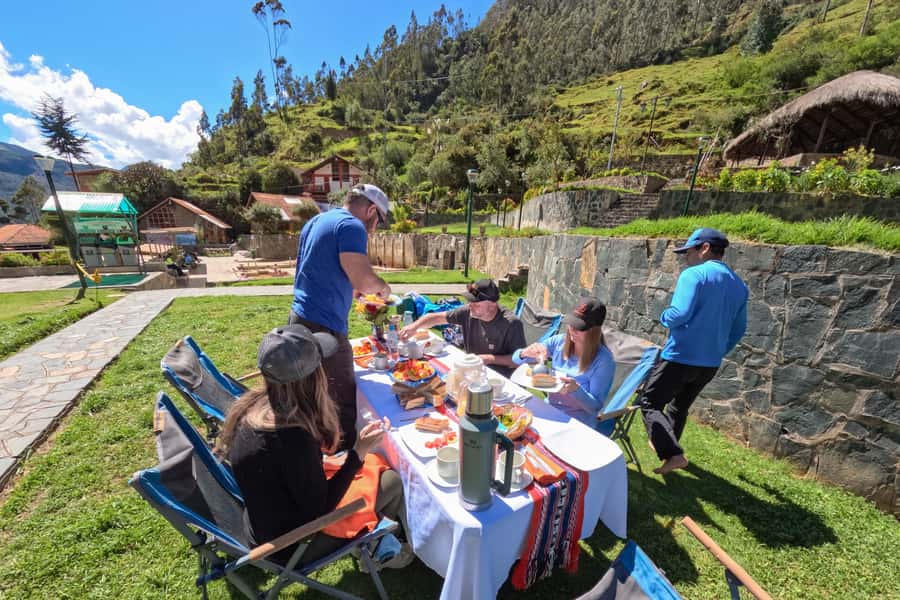
Day three begins with breakfast and mountain views, then more time in Cancha Cancha. This part matters because it shifts you from “walking through places” to “being in places.” You explore homes and visit the school, and the trip gives you an opportunity to donate supplies if you have them (or if the group is organizing that).
Then you get the big change of scenery: a scenic four-hour downhill walk into the Sacred Valley, dropping from high Andean terrain toward lower elevations. You’ll notice the agriculture change as you go—potatoes shifting to corn and avocado crops. That downhill segment is a relief physically, but it’s still hiking, so your legs will work.
You’ll reach Huaran (2,700 m) for a picnic lunch. After lunch, you say goodbye to your muleteers and trekking chef. That handoff is a small but meaningful moment. It’s where you realize you’ve been supported the whole time, even if you didn’t notice every detail during the hike.
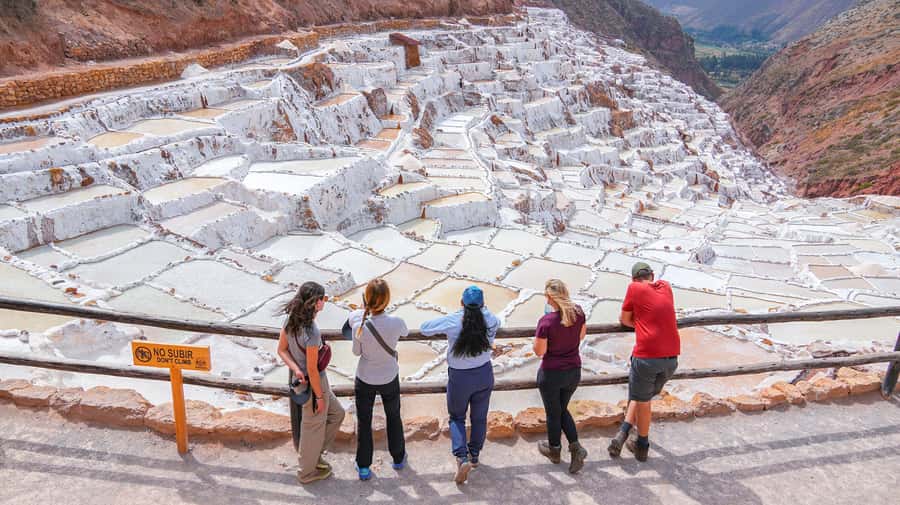
From there, you travel by private van to the Salineras de Maras salt mines. The salt harvesting there is traditional and visually striking, with small channels filling with saltwater. Then you continue on to Ollantaytambo, described as the last living Inca town—one of those stops where you can feel the Inca plan still shaping the streets and daily life.
You’ll have dinner, then head to the train station and board to Aguas Calientes. Your night is in a comfortable 3-star hotel, which is a big quality-of-life upgrade after camping nights.
Consideration: day three is part hiking, part driving, part train. You’ll feel it most if you try to pack energy for everything. Treat the pacing as a plan, not a test.
Sunrise Machu Picchu, a guided walk, and the Vistadome panorama back
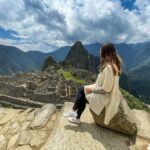
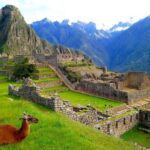
On the final day, you start early with breakfast, then take the bus to Machu Picchu. The goal is to arrive around sunrise, which gives you that soft light for the big views and helps you avoid the harsh midday glare.
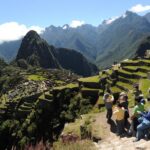
Once you’re at the citadel, you pause at iconic viewpoints for panoramic photos. Then your guide takes you on a 2–3 hour walking tour focused on key landmarks. This is where you want a guide who explains what you’re looking at beyond simple location lists. That guided time is also a practical way to cover more ground without wasting your energy trying to figure out everything on your own.
After the Machu Picchu portion, you return to Aguas Calientes for lunch and some leisure time. Then comes the treat: boarding the Vistadome train back toward Ollantaytambo. This is a scenery-focused ride, and it’s a nice way to end the trip without your hiking boots doing overtime.
Finally, you transfer privately back to Cusco by evening, so you’re not left hunting for connections on your last day.
Consideration: Machu Picchu sunrise means early. If you hate being up before the sun, this part won’t change your mind—but it will likely change your photos.
You can also read our reviews of more tours and experiences in Cusco
Value for $690: what you’re really paying for
At $690 per person, you’re not just paying for entry tickets. You’re paying for the whole support system that makes a trek like this doable.
Here’s what adds real value:
- Camping with meals: you get two nights of scenic camping, plus 4 breakfasts, 3 lunches, and 3 dinners, prepared by trekking chefs.
- Horses and muleteers: food and equipment aren’t carried by you, which matters a lot on multi-day trips.
- Entrance fees: Machu Picchu, Maras Salt Mines, and Lares Hot Springs are included.
- Transport and timing: hotel pickup/drop-off, bus to Machu Picchu, and the Vistadome return train.
- A real hotel night: one 3-star hotel night in Aguas Calientes when you need rest.
When I look at itineraries priced similarly, the difference is usually whether the experience is “all effort, no support” or “supported hiking with logistics handled.” This trip is clearly the second kind.
Also, dietary needs are taken seriously. One booking notes vegan meals were handled well by the chefs with advance awareness. If you have a dietary restriction, ask during booking so you don’t end up hungry at altitude.
Pacing, altitude, and what to pack (besides the obvious)
Altitude is the main reality-check here. The highest point is Condor Pass at 4,750 m, and you also camp around 3,900 m. Even if the trek feels manageable on paper, your breathing and energy can drop at elevation. One review points out that lack of oxygen and cold nights can reduce physical capacity—so treat this as a sport-skill trip, not a casual stroll.
Cold nights are common. Camping gear isn’t included (sleeping bag, air mattress). You can rent those items on request, but you’ll still want to show up ready. Warm layers are key: think thermal base layers, a real warm jacket, and socks that don’t fall apart after a day of sweat.
Bring:
- Comfortable hiking shoes and sun protection (sunglasses, sun hat, sunscreen).
- Rain gear. In the Andes, weather can switch fast.
- Insect repellent and basic toiletries.
- A passport for ticketing requirements.
- Cash for small purchases and tips if you want to reward good service.
And don’t forget the simple stuff that saves the trip: hand sanitizer or tissues, plus a camera if you’re serious about those viewpoint moments.
Important: the activity isn’t suitable for pregnant travelers, people with back problems, mobility impairments, heart problems, or wheelchair users. If any of those apply, skip it.
Food, guides, and cultural stops that don’t feel staged
A lot of treks promise local culture and then speed past it. This one builds in real contact points.
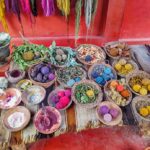
You’ll learn about Andean textile traditions through a weaving cooperative experience tied to women-run efforts. You’ll also spend time in Cancha Cancha, meeting families and visiting the school. If the group is collecting donations, you’ll have a chance to help with supplies. Those moments give you a better sense of how traditions and community infrastructure work beyond the tourist lens.
Then there’s the guide style. The feedback highlights Manolo and Filio as standout guides, with an emphasis on group handling and matching the pace to the people walking. That matters because on a trek, the best guide is the one who prevents suffering from becoming pointless suffering.
On the food side, trekking chefs cook the meals you need at altitude. Multiple elements are covered: breakfast, lunch, and dinner through the hiking days, plus hot drinks at camp. If you want vegan or other special diets, you should flag it at booking so the chefs can plan.
Who this Lares trek suits best
This is a great fit if you want:
- An Andes-focused trek with villages and community visits, not just scenic scrambling.
- A moderate, four-day duration that still includes high passes and real altitude.
- A day of comfort built in: the 3-star hotel at the end of the trekking section.
- The satisfaction of sunrise Machu Picchu plus a relaxed train ride on the Vistadome.
It’s also a solid option for families and friends if everyone can handle cold camping nights and steady walking. One review mentions a family group and calls the difficulty approachable, with the key caveat being altitude and nighttime cold.
It’s not for you if you need step-by-step mobility support or if you’re managing back, heart, or pregnancy-related limitations.
Should you book this 4-day Lares trek with Vistadome?
I’d book it if your dream trip looks like this: soak in natural hot springs, work your way up to a famous pass, learn from local textile and community life, then finish with sunrise Machu Picchu and a scenic train ride back.
I’d think twice if you know you’re sensitive to altitude or cold nights. The trek can feel harder than you expect at elevation, and camping without a sleeping bag included is a real gear consideration.
If you do book, set yourself up for success: pack warm layers, plan for early mornings, and ask about dietary needs right away. Then enjoy the rhythm. This isn’t just a shortcut to Machu Picchu. It’s the story you get on the way.
FAQ
Is this tour refundable?
No. The experience is listed as non-refundable.
What languages do the guides speak?
The guide language options are Spanish and English.
What is included for food during the trek?
You get trekking-chef meals: 4 breakfasts, 3 lunches, and 3 dinners across the four days.
Do I need to bring a sleeping bag and trekking poles?
Sleeping bag, air mattress, and trekking poles are not included. You can rent them upon request.
How is Machu Picchu handled on the last day?
You’ll have an early breakfast, then take the bus to Machu Picchu arriving around sunrise. There’s also a guided walking tour through the site for about 2–3 hours.
Is this trek suitable for everyone with mobility or heart issues?
It’s not suitable for pregnant travelers, people with back problems, mobility impairments, heart problems, or wheelchair users.