REVIEW · CUSCO
Cusco: Peruvian Cooking Class & Market Tour
Book on GetYourGuide →Operated by Peru Andes Top · Bookable on GetYourGuide
Four hours, one market, and a real taste of Cusco. This cooking class takes you through San Pedro Market for ingredients, then back to the restaurant for a Pisco Sour lesson and hands-on dishes you can actually repeat later.
I especially liked the focus on practical Cusqueña flavors, plus the way chef Ronald kept things fun and clear. You also get lunch that comes from what you make, so the class stays grounded in real eating, not just theory.
One thing to consider: if you want alcohol beyond the pisco tastings, you’ll need to pay for it separately, and the class pace moves along in a 3–4 hour window.
In This Review
- Key highlights at a glance
- San Pedro Market first: why it makes the cooking class click
- From pisco grapes to the perfect toast
- The cooking class: what you’ll make (and why you should care)
- Starters: ceviche and Chilcano soup
- Mains: lomo saltado or ají de gallina
- The chef’s role: why the teaching style matters
- The lunch payoff: eating what you cooked
- Price and value: why $65 makes sense for a 3–4 hour experience
- What to bring, what to expect, and how to enjoy it fully
- Who this is best for in Cusco
- Tips to get the most out of the market and kitchen
- Should you book the Cusco Peruvian Cooking Class & Market Tour?
- FAQ
- How long is the Cusco cooking class and market tour?
- Where does the tour start and end?
- What’s included in the price?
- What food will I learn to cook?
- Is alcohol included?
- What languages are offered?
- What should I bring, and are there any restrictions?
Key highlights at a glance
- San Pedro Market walk for about 45 minutes, built around what you’ll cook later
- Pisco grape education with a guided tasting before you start cooking
- Hands-on Cusqueña cooking with a chef who explains as you work
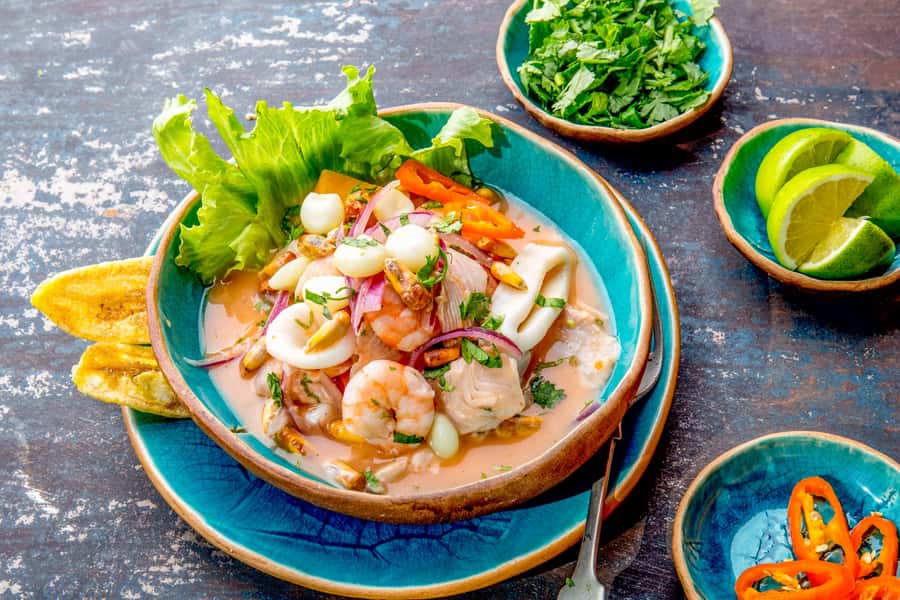
- Flexible menu choices including ceviche + soup starters and either lomo saltado or ají de gallina
- Lunch included so you eat what you just made
- Bilingual instruction in English and Spanish
San Pedro Market first: why it makes the cooking class click
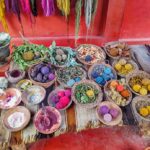
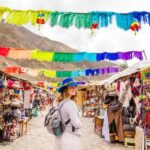
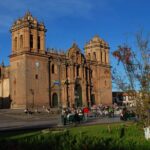
If you’re wondering why some cooking classes feel like a demo and others feel like a meal you understand, this one leans hard into the market start. You begin with an approximately 1-hour stroll through San Pedro, where the goal is simple: learn the fruits, ingredients, and building blocks that show up later in your food.
You’re not just wandering for photos. The market walk is timed to connect directly to your recipes, so when you return to the kitchen, ingredients make sense instead of feeling random. That matters in Peru, where spice blends, herbs, and produce can change the whole flavor profile.
The class is also set up as an easy, low-stress introduction to local shopping. You’ll see what people buy, how ingredients look in real life, and what stands out as part of everyday Cusco cooking.
Practical tip: wear comfortable clothes. The market part is a walking segment, and you’ll want to move easily so you can actually pay attention.
You can also read our reviews of more shopping tours in Cusco
From pisco grapes to the perfect toast
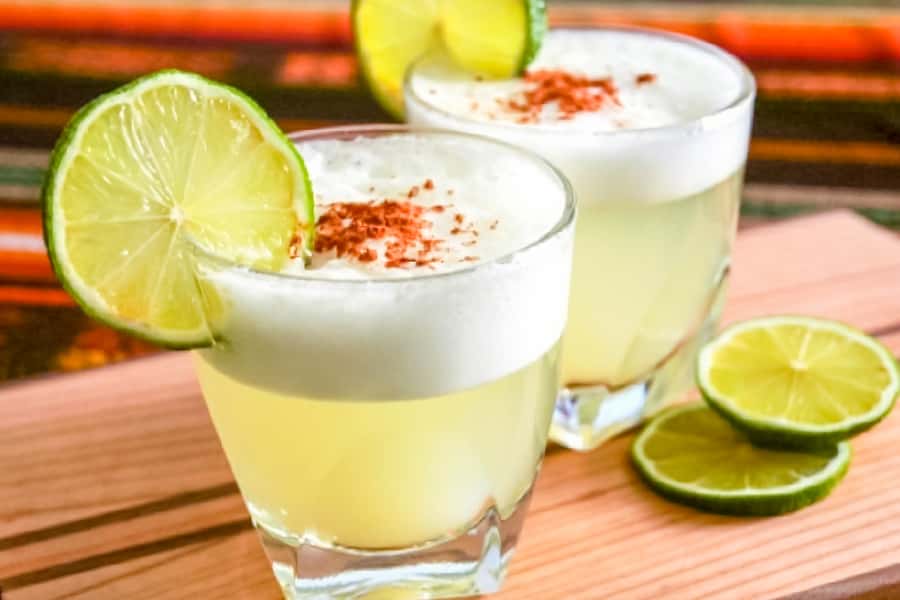
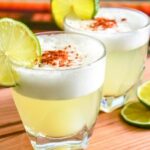
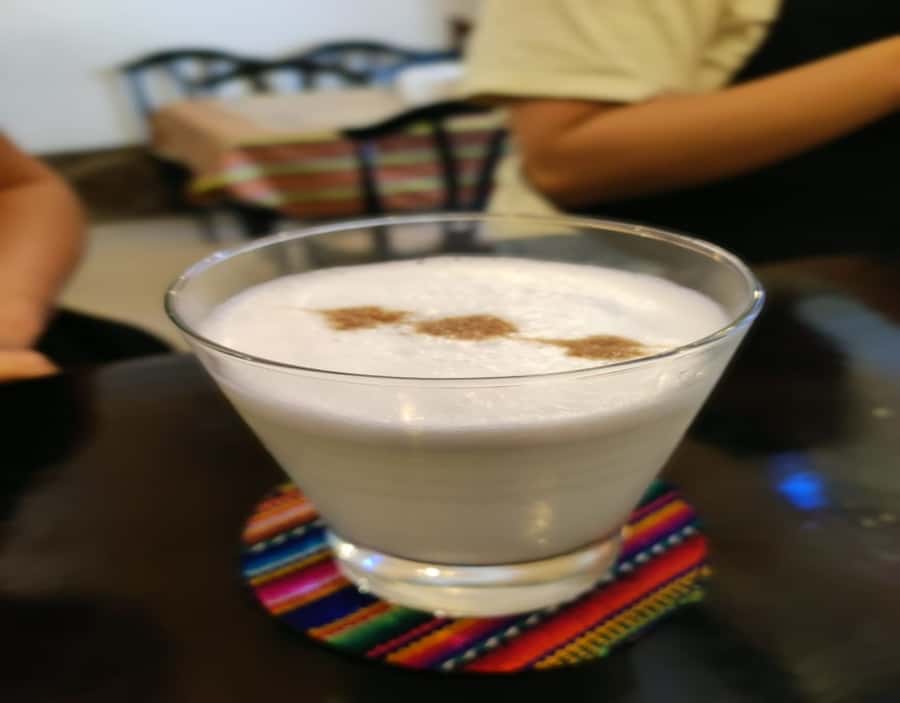
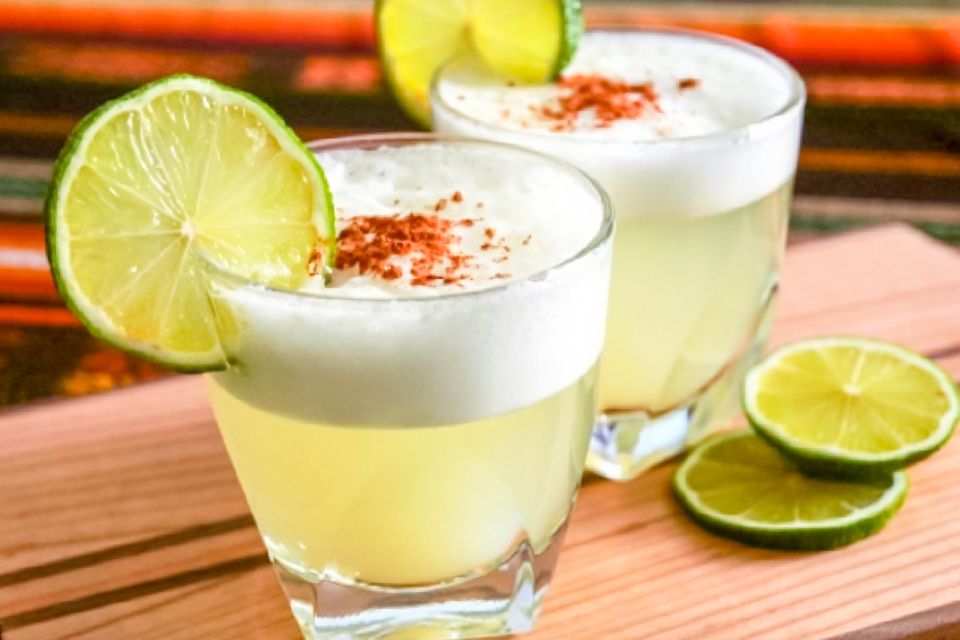
After the market, you head back to the restaurant for a lesson on Peru’s most famous drink: the Pisco Sour. You’ll get a clear explanation of pisco, then a guided tasting that starts with pisco grapes and covers different qualities.
This part is more useful than it sounds. Even if you’re not a drink expert, learning what changes the flavor helps you understand why a pisco sour tastes the way it does. It also keeps the experience grounded in ingredients, not just a named cocktail.
Then you toast, and the class shifts into hands-on mode. That transition matters. It helps you settle into the meal rhythm instead of rushing straight from shopping into cooking.
One small reality check: alcoholic drinks beyond what’s part of the class are not included and are available to purchase. So if you’re a “one drink is not enough” person, plan a little extra.
The cooking class: what you’ll make (and why you should care)
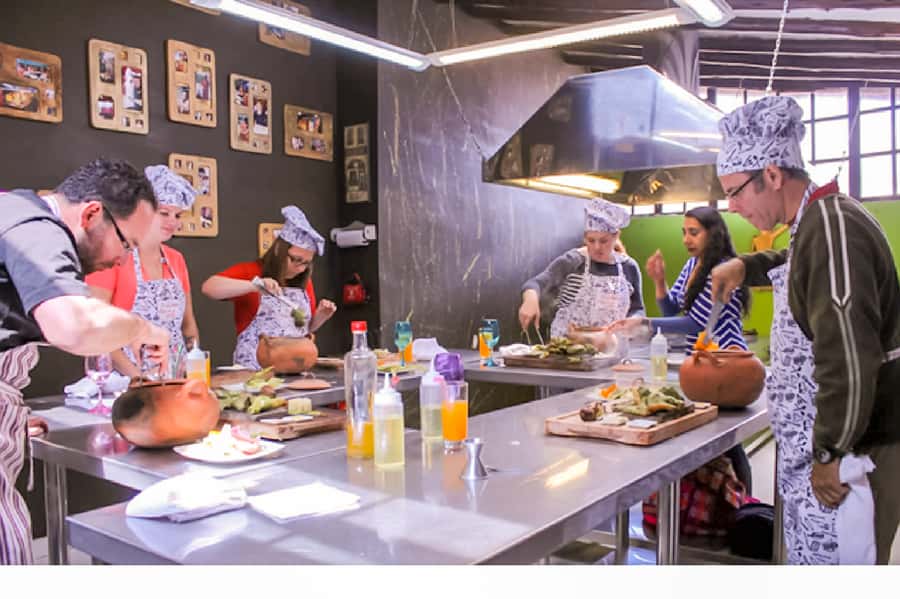
Once you’re in the kitchen, the expert chef leads the class with an emphasis on traditional Peruvian dishes. You choose from options that include an appetizer and a main course, so it’s tailored enough to keep you engaged but structured enough that the timing still works.
Starters: ceviche and Chilcano soup
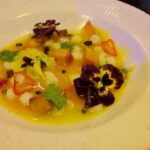
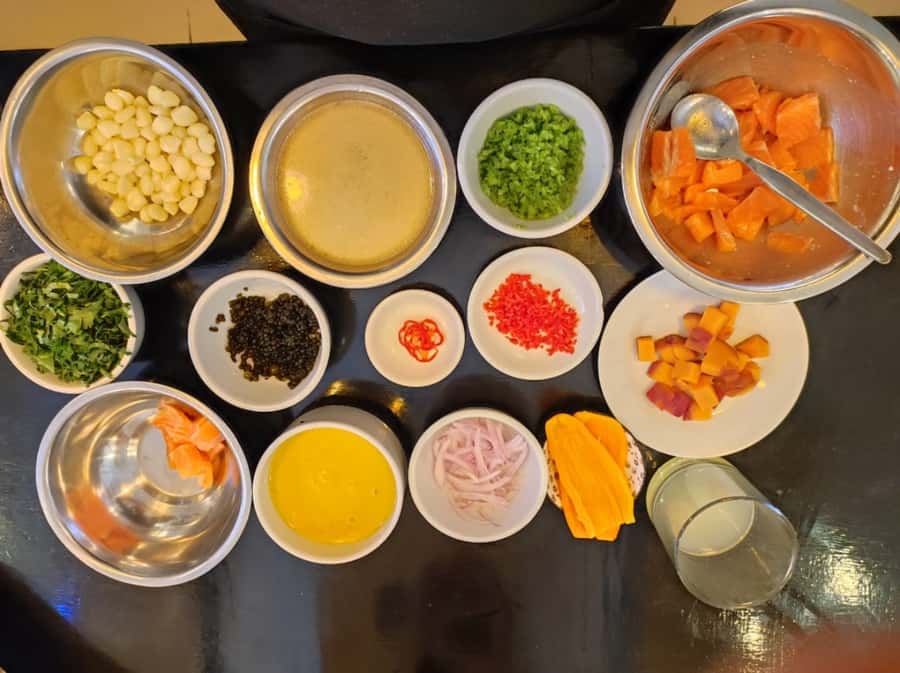
You can choose an appetizer setup that includes ceviche and Chilcano soup. Ceviche is all about balance: acidity, freshness, seasoning, and timing. Even if you’ve had ceviche before, cooking it helps you understand how each step changes the final taste.
Chilcano soup, on the other hand, is a warmer, more comforting counterpoint. It’s the kind of dish that helps you see how Peruvian flavors handle both bright and soothing profiles.
Mains: lomo saltado or ají de gallina
For the main, you choose between lomo saltado and ají de gallina.
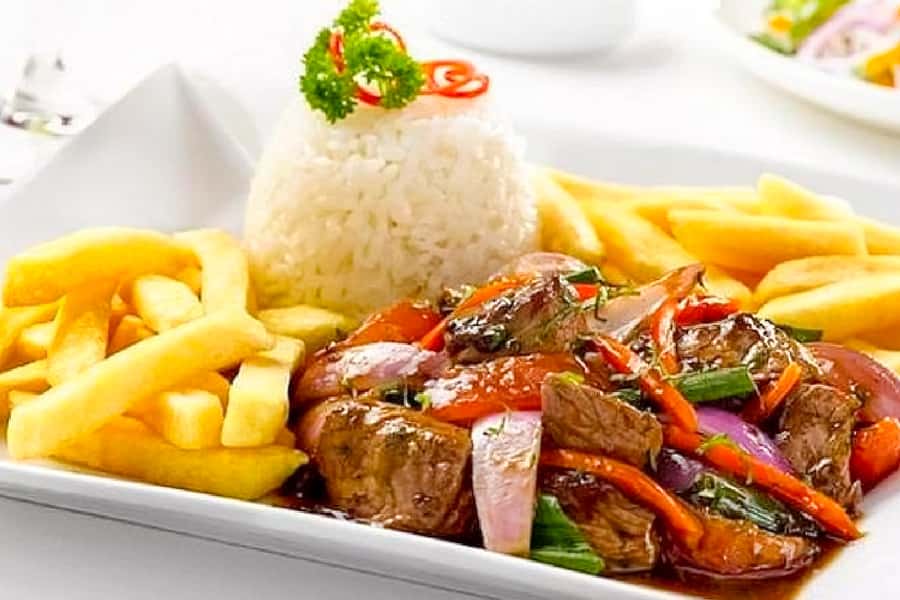
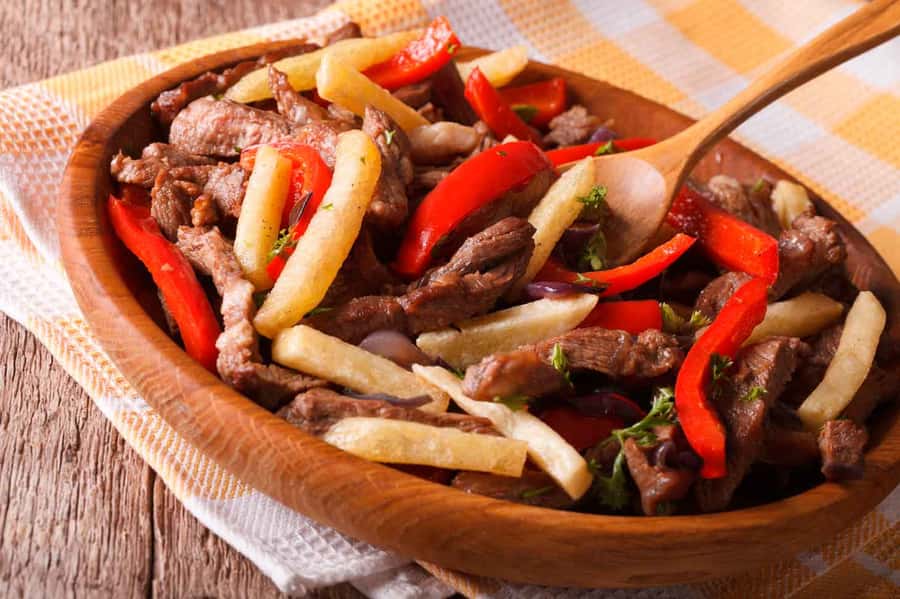
Lomo saltado is a crowd-pleaser for a reason: savory, satisfying, and built on bold flavors. Cooking it lets you connect aroma and technique to the finished dish, especially in how you handle heat and seasoning.
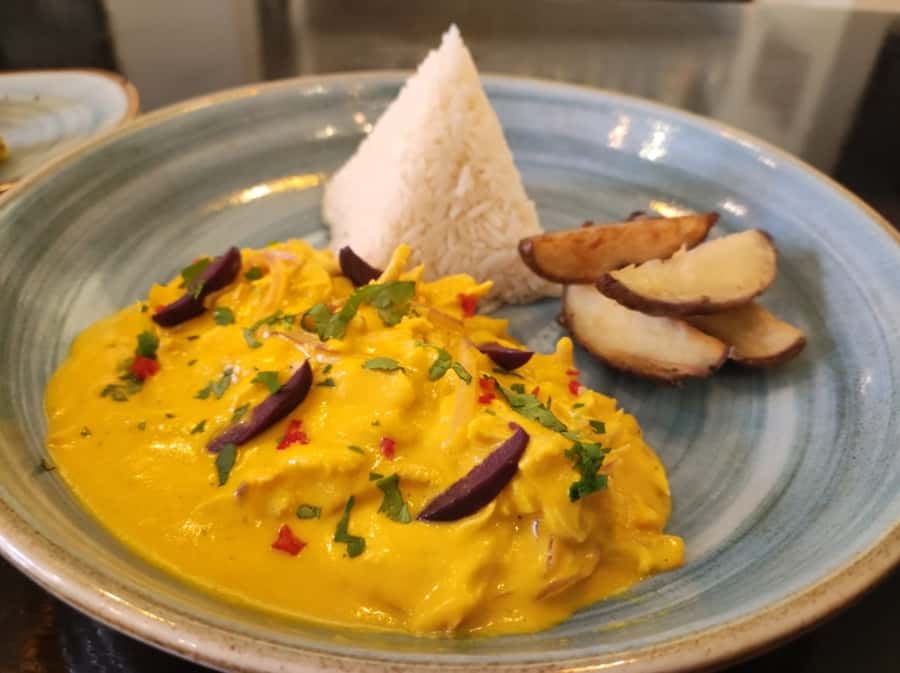
Ají de gallina is a classic Cusqueña-style experience, known for its creamy, pepper-forward character. If you’re curious about Peruvian chilies but don’t want the intimidating learning curve, this is often the easiest entry point because the dish guides you step by step.
You can also read our reviews of more tours and experiences in Cusco
The chef’s role: why the teaching style matters
From the feedback, the biggest standout is the chef’s ability to keep things relaxed and informative. One review calls out Chef Ronald as the best, and another highlights how well prepared the class felt, with lots of interesting information and fresh, delicious food.
That combination is exactly what you want. A good cooking class doesn’t just hand you a tool. It explains what you should watch for as you cook, so your results taste right and your confidence rises.
Pro tip: ask questions during cooking. If you’re unsure about a step or ingredient, this is where you get the “why,” not just the “what.”
The lunch payoff: eating what you cooked
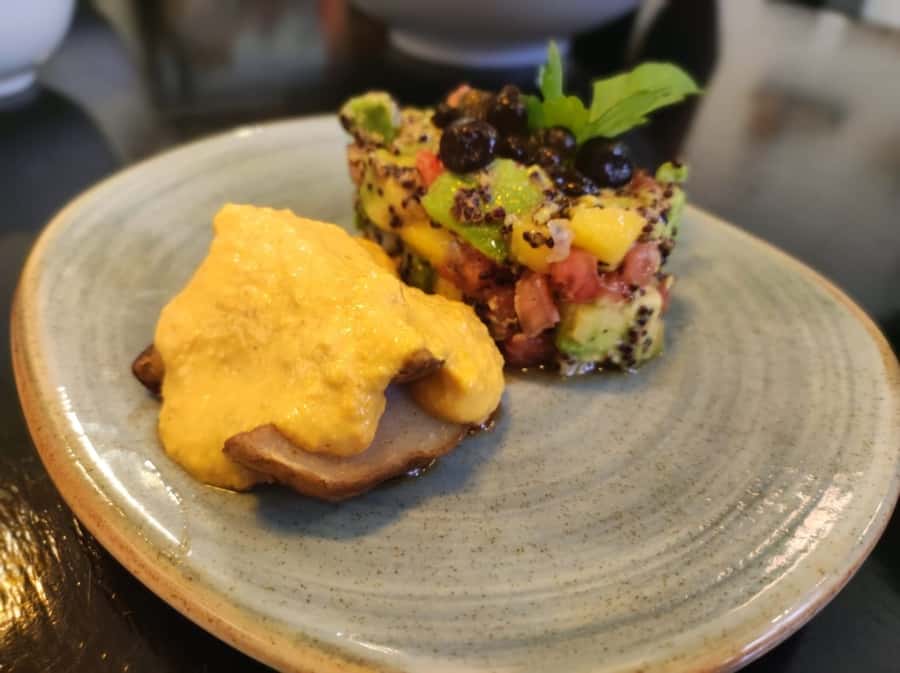
After the cooking portion, you sit down to enjoy the dishes you created. Lunch is included, and that’s a huge part of the value. You’re not paying for the privilege of standing next to a kitchen while someone else eats.
Because your meal comes from your own work, you also get a built-in feedback loop. You’ll notice what tastes better after adding a little more seasoning or adjusting a texture. Then you can take those lessons home.
If you’re worried about food quality in a tour setting, don’t be. The information you’re given is that everything ties back to fresh market ingredients, and reviews repeatedly mention that the food was fresh and delicious.
In Cusco, where altitude can mess with your appetite, a satisfying lunch also helps you recharge for whatever you do next—walking, sightseeing, or a quieter evening.
Price and value: why $65 makes sense for a 3–4 hour experience
At $65 per person, this is not a bargain-food deal. But it’s also not a pricey “just entertainment” class. What you’re paying for is a package: market time, bilingual instruction, cooking equipment, lunch, and guided pisco learning.
Break it down and it starts to look fair:
- Market ingredient guidance (about 45 minutes)
- A chef-led cooking lesson with hands-on participation
- Included lunch built from your dishes
- Pisco tasting and explanation tied to Peru’s most famous drink
If you compare it to the cost of eating out plus buying a cooking class style workshop separately, this arrangement is often cheaper than you’d expect. The key value is that you leave with both skills and a meal, all in one smooth afternoon block.
And since the total time is about 3–4 hours, it fits nicely into a Cusco itinerary without swallowing an entire day.
What to bring, what to expect, and how to enjoy it fully
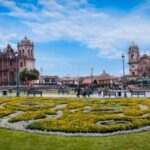
This experience is straightforward. You meet at the water fountain in the square, then the activity ends back at the meeting point. You’ll want to arrive ready to walk and cook.
Bring:
- Camera
- Comfortable clothes
Keep in mind:
- No pets
- No smoking
Wheelchair accessibility is noted, so if you have mobility needs, this format is designed to be workable. You’ll still want to check the specifics with the provider when you book, but the listing says wheelchair accessible.
Scheduling reality: the experience lasts between 3 and 4 hours, and starting times depend on availability. If you’re the kind of person who hates tight connections, aim for a little buffer before and after.
Who this is best for in Cusco
This tour is a strong fit if you want more than a restaurant meal. You’ll enjoy it if you like learning how food is built, not just tasting it once.
It’s especially good for:
- Couples and small groups who want a shared, hands-on activity
- Food lovers who are curious about Peruvian classics like ceviche, lomo saltado, and ají de gallina
- Visitors who like structured experiences that still feel relaxed
If you’re an extreme foodie who wants ultra-technical cooking skills, you might find the class more introductory than lab-level. But for most people, the balance is exactly right: market context, chef guidance, and real lunch.
Tips to get the most out of the market and kitchen
A few small moves can help you come away with more than a full stomach.
- Pay attention to the ingredients in the market walk. The chef is building your lunch from what you see there.
- During pisco tasting, listen for what changes the taste between qualities. That helps you order the right drink later.
- When choosing your dishes, pick what you’re genuinely curious about. If you’re unsure, consider trying the main that sounds most familiar or comforting.
- Ask one “why” question, not ten “how” questions. You’ll remember the reasoning later when you recreate the dish at home.
Should you book the Cusco Peruvian Cooking Class & Market Tour?
I’d book it if you want a practical Cusco food experience in half a day. The included lunch, hands-on cooking, market ingredient context, and pisco tasting together make the $65 price feel like a package deal rather than a pricey show.
Skip it only if you want a purely sightseeing-focused afternoon or you dislike cooking in a group setting. Otherwise, this is a solid way to learn traditional Cusqueña flavors with a chef who actually teaches.
If you can, reserve early for your preferred start time, and wear comfortable clothes so you can enjoy the market walk without thinking about your outfit.
FAQ
How long is the Cusco cooking class and market tour?
The experience lasts between 3 and 4 hours, and the listing notes a 4-hour duration with starting times depending on availability.
Where does the tour start and end?
You start by waiting at the water fountain in the square. The activity ends back at the same meeting point.
What’s included in the price?
Included: a bilingual cooking class, cooking equipment, lunch, and approximately 45 minutes of the San Pedro market tour.
What food will I learn to cook?
You can choose dishes for your class, including an appetizer of ceviche and Chilcano soup, and a main course of either lomo saltado or ají de gallina.
Is alcohol included?
Alcoholic drinks are not included, though you do receive an explanation and tasting of pisco grapes and you’ll participate in the Pisco Sour toast. Extra alcoholic drinks can be purchased.
What languages are offered?
The instructor provides the class in English and Spanish.
What should I bring, and are there any restrictions?
Bring a camera and comfortable clothes. Pets are not allowed and smoking is not allowed.