REVIEW · CUSCO
Cusco: Peruvian Cooking Class, Cocktails & Local Market Tour
Book on GetYourGuide →Operated by PERUVIAN CUSCO FLAVORS · Bookable on GetYourGuide
Cusco has a way of making you hungry fast. This 4-hour cooking class pairs San Pedro Market shopping with hands-on Peruvian food and cocktail time in the historic center. You start with real ingredients in hand, then you learn what makes three staples taste so right in the Andes.
I especially love how the morning/early afternoon plan connects the market to the meal you cook, so you’re not just following steps—you understand what you bought and why. I also like the cocktail + cooking flow: you mix Peruvian-style drinks before you sit down to your own creations.
One consideration: it’s a long, active stretch for a $67 experience, so wear comfortable shoes and expect to stand and move around for most of the 4 hours.
In This Review
- Key highlights worth writing on your calendar
- San Pedro Market: where your cooking starts before the stove
- From market to kitchen: how the historic-center studio works for a small group
- Your first lesson: making Peruvian cocktails before the dishes
- Cooking three Cusco-and-Peru classics: ceviche, causa limeña, quinoa tamal
- Ceviche: the bright, fresh anchor
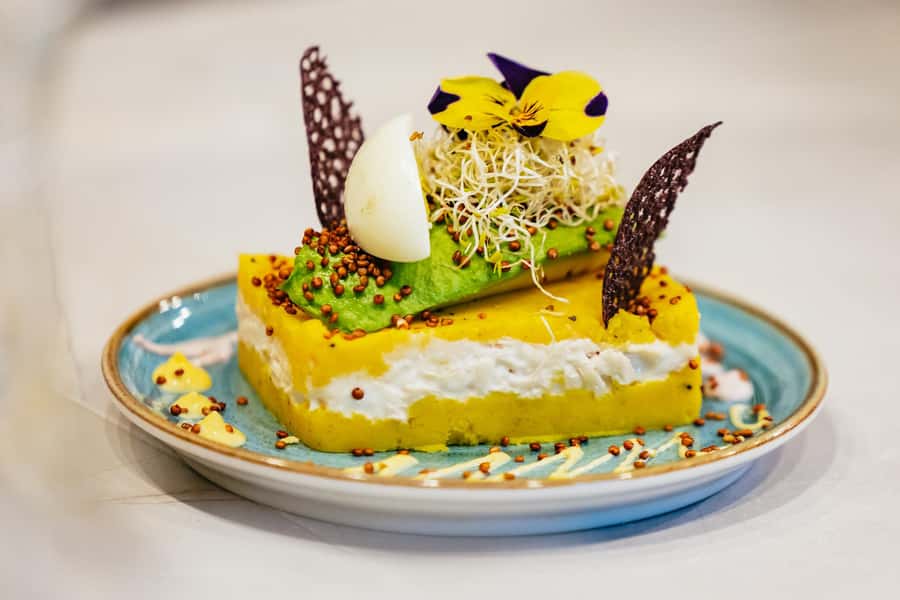
- Causa limeña: potatoes become something silky and layered
- Quinoa tamal: proof that quinoa isn’t only a side
- Eating together: why the table time matters as much as the dishes
- Dessert that finishes clean: picarones with honey and diet-friendly choices
- Dietary options: vegetarian, vegan, and gluten-free planning that actually works
- Price and value: what $67 buys you in Cusco time
- Practical tips to get the most out of your 4-hour food day
- Should you book this Cusco cooking class?
- FAQ
- Where do I meet for the tour?
- How long is the experience?
- What is included in the price?
- What dishes will I learn to make?
- Are the cocktails alcoholic?
- Is there a vegetarian, vegan, or gluten-free option?
- Is the class in English?
- What group size is it?
- What should I bring?
- Is it suitable for kids?
- What’s the cancellation policy?
- Is Reserve Now Pay Later available?
Key highlights worth writing on your calendar
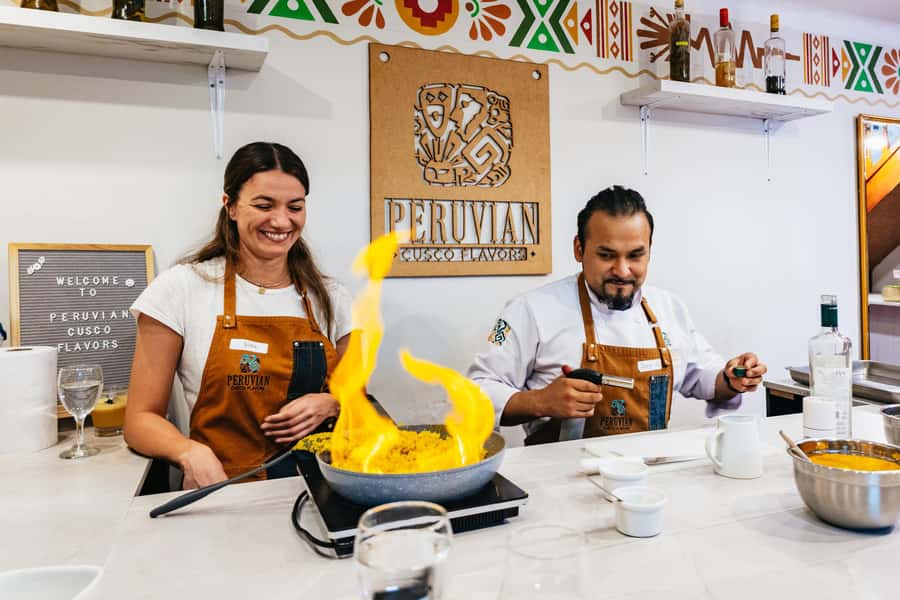
- San Pedro Market first: see and sample key local foods like quinoa, potatoes, cheeses, bread, and cacao
- Small group (up to 10): easier hands-on attention while you cook
- Two pisco cocktails included: plus non-alcoholic options if you prefer
- Three classic dishes you make: cebiche, causa limeña, and quinoa tamal
- Picarones with honey for dessert: with gluten-free and sugar-free options available
San Pedro Market: where your cooking starts before the stove
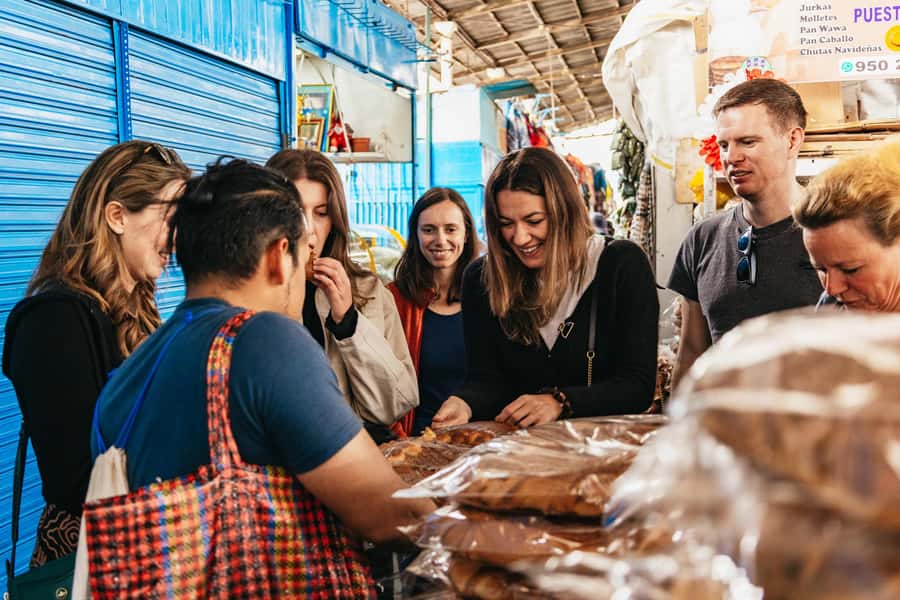
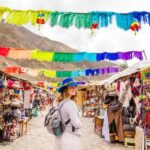
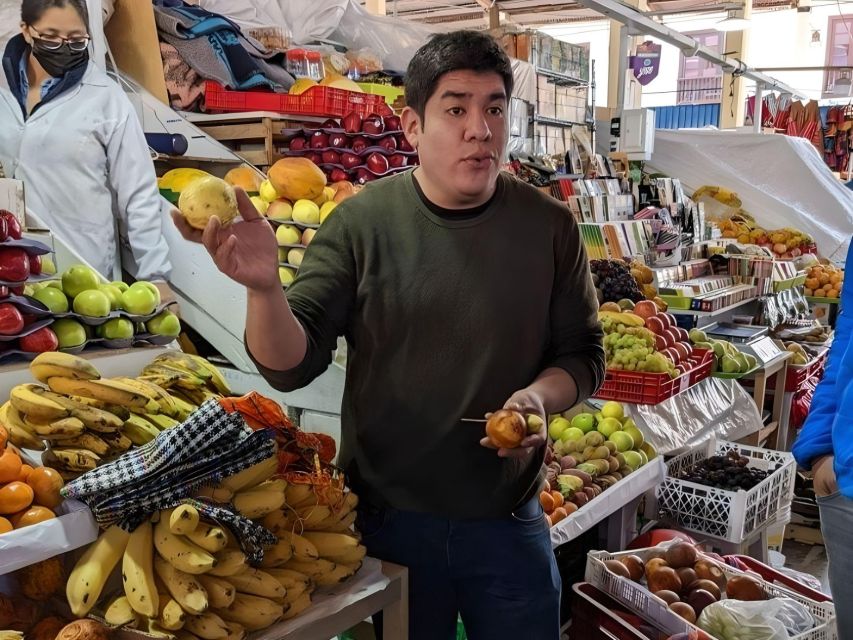
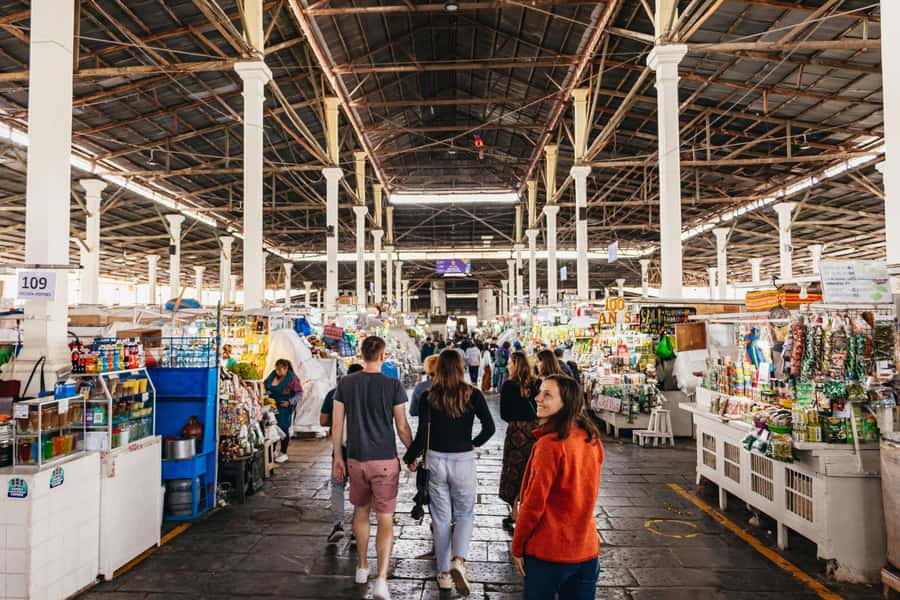
Your day begins at Door Number 1 at San Pedro Market, and that matters. This isn’t a quick photo stop. It’s a short, guided stroll through one of Cusco’s older markets, where you get a feel for what Peru actually eats day to day.
You’ll pass stalls filled with ingredients that become the backbone of the dishes: exotic fruits, local cheeses, bread and chocolate/cacao, quinoa, potatoes, and more. Even if you only recognize half the items, that’s the point. Market time trains your eyes to spot flavors and textures—things you can’t learn from a recipe card.
A practical note: this part is active. You’ll want comfortable clothes and shoes that work on uneven ground. Also, market sampling along the way can easily build your appetite, so plan to arrive ready to eat.
If San Pedro Market happens to be closed for cleaning on the day you go, the team may still take you to a local food market so you don’t miss the ingredient shopping vibe. It’s one more reason this class works well even when Cusco is running on its own clock.
You can also read our reviews of more shopping tours in Cusco
From market to kitchen: how the historic-center studio works for a small group
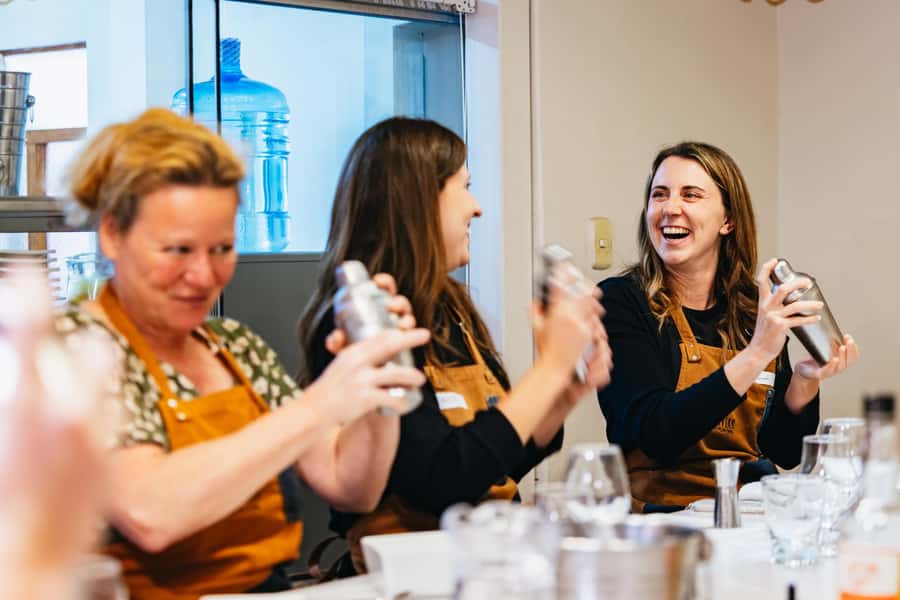
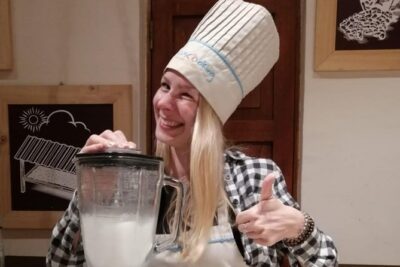
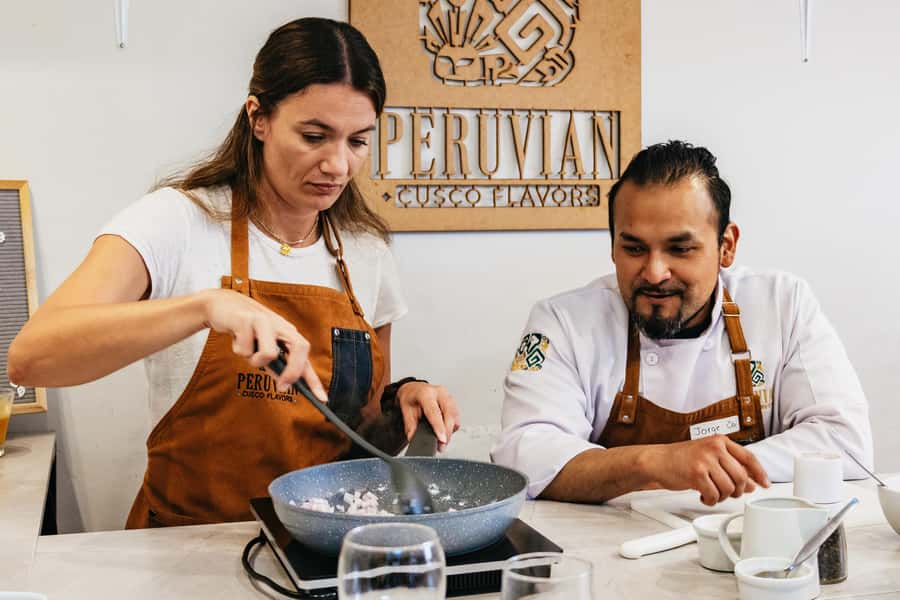
After the market, you take a short walk to the cooking studio in Cusco’s historic center. The layout shifts from walking and browsing to something more structured: you get set up, tie your apron, and get into kitchen rhythm.
The small size—up to 10 participants—isn’t just marketing math. It’s what makes the instruction feel personal. You’re not shouting over a crowd. You can ask questions while the chef moves through the steps with everyone.
Also, the class is led by a professional chef (the experience highlights Chef Jesus), and the teaching style shows up consistently: you’re guided step by step, and the focus isn’t only on technique, but on what the ingredients and methods mean in Peruvian cooking.
If you like cooking but get impatient with complicated tutorials, this format helps. The vibe is more “you can do this” than “watch this master do it.”
Your first lesson: making Peruvian cocktails before the dishes
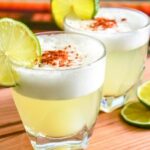
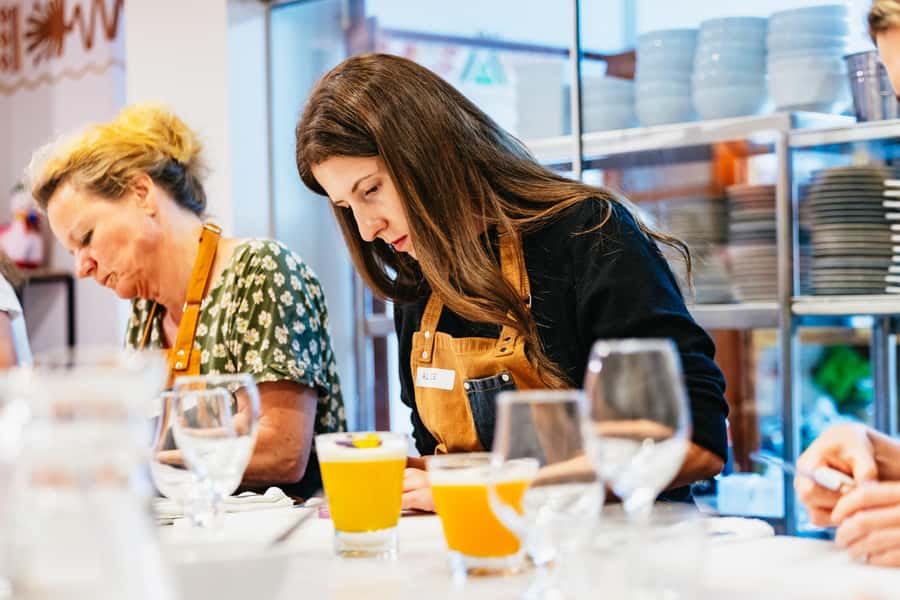
One of the smartest parts of the schedule is that the cocktail-making comes early. You start by crafting a Peruvian cocktail, then later you’ll top off the experience with two pisco cocktails. Importantly, non-alcoholic recipes are available, so you don’t have to sit out if you’d rather keep it zero-proof.
This ordering does two things for you:
- It slows down the class at the start so you can get comfortable with the kitchen process.
- It gives you a taste of the flavor style early—bright, citrusy, and balanced—so the savory dishes make more sense when you’re cooking them.
You’ll also be working with a group, so it’s a good social buffer. You learn, you taste, and then you shift into cooking without that feeling of “I’m behind.”
Tip: if you’re doing this during the middle of a busy day, check your energy first. You’re sampling and then mixing, so it’s not a low-key activity.
Cooking three Cusco-and-Peru classics: ceviche, causa limeña, quinoa tamal
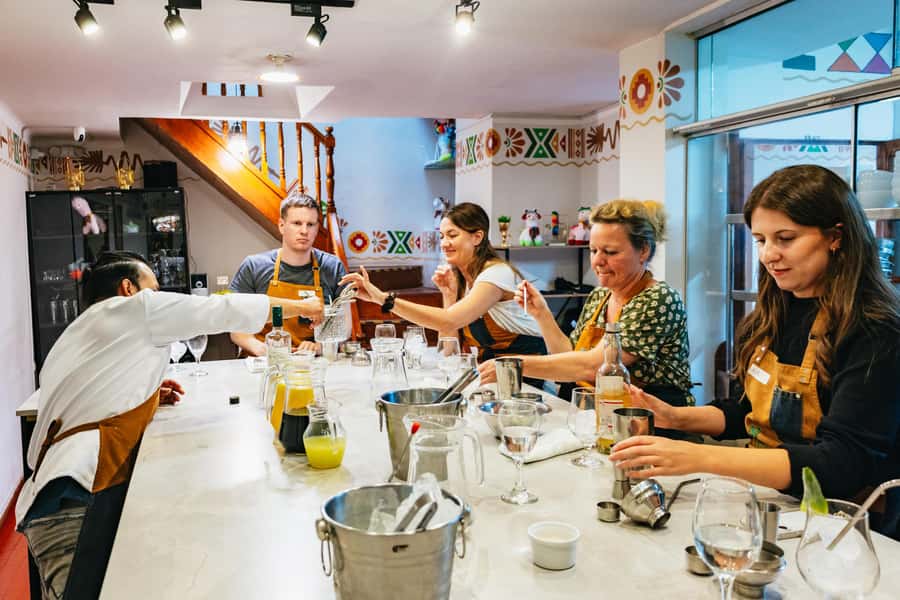
Here’s the core of the class: the chef teaches you how to prepare three beloved Peruvian recipes—cebiche (ceviche), causa limeña, and quinoa tamal—and you eat what you make.
Let’s talk about why these three work so well together, even if you’re new to Peruvian food.
Ceviche: the bright, fresh anchor
You’ll learn the basics behind ceviche—how the flavors come together and why acidity and seasoning are so important. The real value isn’t just that you’ll eat ceviche; it’s that you’ll understand the logic of balancing freshness and kick.
You can also read our reviews of more tours and experiences in Cusco
Causa limeña: potatoes become something silky and layered
Causa limeña is a great “wow” dish for beginners because it’s built from simple ideas: potato base, flavoring, and a layered presentation. You’ll get hands-on practice and end up with something that looks like it belongs on a plate at a Peruvian restaurant.
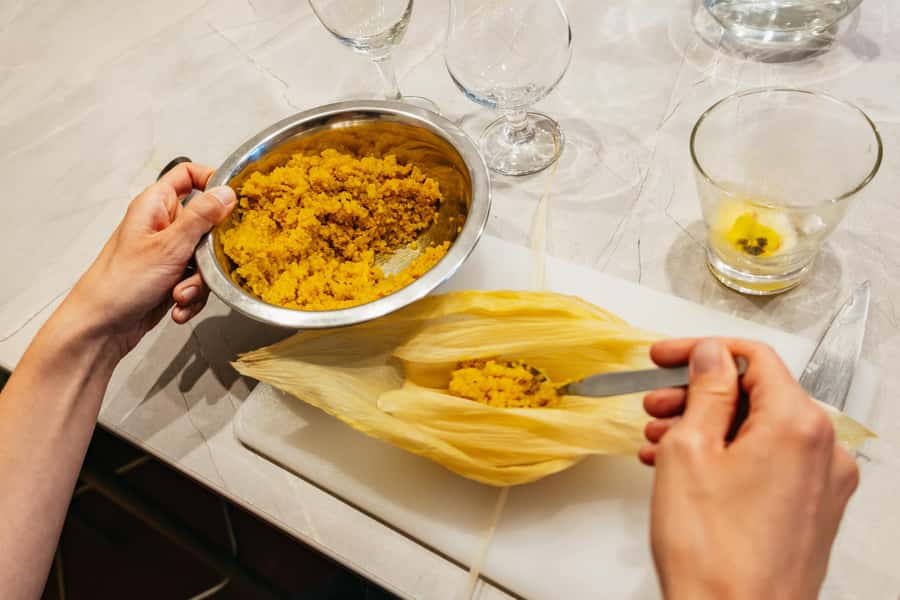
Quinoa tamal: proof that quinoa isn’t only a side
Quinoa tamal is where you see quinoa take center stage. Instead of just reading about it, you’ll work through the preparation and come away understanding how quinoa can be hearty and satisfying, not only trendy.
A key benefit across all three: the chef explains steps step by step, so you can follow even if you don’t cook at home. Some people find that the class has a mix of cooking and assembling, and that can actually be a win. You spend time learning flavors and build order, not fighting every technique from scratch.
Also, the class includes ingredients and guidance, so you don’t have to guess what you’re supposed to do next.
Eating together: why the table time matters as much as the dishes
Once the cooking is done, you sit down and savor your mouthwatering creation as a group. This isn’t only about filling your stomach. It’s where the class becomes memorable.
You get to trade stories with your cooking companions, compare what worked for your plate, and ask questions you were too focused to ask during chopping and mixing. And because you’re all cooking the same three dishes, the conversation stays easy.
You’ll also have water provided, which sounds basic but really helps during an active food day.
One honest expectation: you’ll likely eat a lot. Between market sampling, cocktail-making, three dishes, and dessert, come ready for a full meal. If you show up barely hungry, you’ll end up wishing you’d brought more appetite.
Dessert that finishes clean: picarones with honey and diet-friendly choices
The day ends sweet with picarones with honey. It’s a classic Peru dessert, and having it at the end feels right after savory ceviche, creamy causa, and filling quinoa tamal.
What I like for practical travelers: the class offers sugar-free and gluten-free options for the picarones. Add that to the wider dietary support (see below), and you’ll feel less nervous about asking for modifications.
It also makes this feel like a complete experience rather than a cooking session that drops you off right after you finish the plates.
Dietary options: vegetarian, vegan, and gluten-free planning that actually works
This class is set up with real menu options:
- Vegetarian options available
- Vegan menu available
- Gluten-free menu available
That means you can enjoy the experience without turning it into a constant “what can I eat?” problem. In practical terms, you’ll still participate fully—learning the flavors and building your own dishes—rather than sitting out or getting a sad substitute.
If you’re bringing a group with different dietary needs, this is a standout type of activity in Cusco. The small group format helps too, since the chef can adapt within your specific class rather than managing a separate crowd.
And if you don’t want alcohol, you can do it with non-alcoholic pisco cocktail recipes so you still get the full tasting arc.
Price and value: what $67 buys you in Cusco time
At $67 per person for 4 hours, you’re paying for more than a “cook dinner” activity.
You’re buying:
- Market tour time (including ingredient seeing and sampling)
- A professional chef guiding you through the meal
- All ingredients
- Two included cocktails
- Three dishes you make
- Dessert tasting (picarones)
- Water
So what’s the value math? You’re not just paying for labor. You’re paying for convenience plus instruction plus ingredients plus drinks plus a sit-down meal. If you’d otherwise spend money on a market tour, cooking class instruction, and separate dining, the cost starts to make sense for a single afternoon block.
Is it cheap? Not exactly. But in Cusco, where value is often about whether an activity actually gives you something more than photos, this one delivers: you leave knowing how to create flavors you can’t easily copy from a simple travel meal.
Practical tips to get the most out of your 4-hour food day
Here’s how to make this class smoother from the moment you arrive.
Wear comfortable shoes
You’re moving from San Pedro Market to the studio, and you’ll be on your feet in the kitchen.
Dress for a full afternoon
This is 4 hours, and it includes walking, tasting, cooking, and eating. Don’t treat it like a quick stop between things.
Tell the team your dietary needs clearly
Vegetarian, vegan, and gluten-free options exist, and you’ll get the best results if you communicate early.
Come hungry enough
With market sampling plus three dishes plus dessert, you’ll want a solid appetite.
Plan for English instruction
The live tour guide and class are in English, so if that’s your comfort zone, you’re set.
Should you book this Cusco cooking class?
I’d book it if you want a hands-on Cusco food experience that starts with ingredients at San Pedro Market and ends with a full meal you made yourself. It’s a strong pick for couples, friends, and anyone who likes practical learning—especially if you care about dietary options like vegan, vegetarian, and gluten-free.
Skip it only if you’re looking for a lightweight, purely observational activity, or if you don’t want to spend 4 hours on your feet in a small-group kitchen setting. Also, it’s listed as not suitable for children under 10, so plan accordingly.
If your goal is to understand Peruvian cuisine with your hands and your taste buds—this is a very efficient way to do it in Cusco.
FAQ
Where do I meet for the tour?
You meet at Door Number 1 at San Pedro Market.
How long is the experience?
The cooking class, market tour, and tastings take about 4 hours.
What is included in the price?
The price includes a professional chef, the cooking class, the market tour, ingredients, 2 cocktails, 3 dishes, picarones tasting, and water.
What dishes will I learn to make?
You’ll learn three recipes: cebiche, causa limeña, and quinoa tamal.
Are the cocktails alcoholic?
Two pisco cocktails are included, and non-alcoholic recipes are available.
Is there a vegetarian, vegan, or gluten-free option?
Yes. Vegetarian options are available, a vegan menu is available, and there is a gluten free menu available.
Is the class in English?
Yes. The tour and cooking class are available in English only.
What group size is it?
It’s a small group, limited to 10 participants.
What should I bring?
Wear comfortable shoes and comfortable clothes.
Is it suitable for kids?
It is not suitable for children under 10 years.
What’s the cancellation policy?
You can cancel up to 24 hours in advance for a full refund.
Is Reserve Now Pay Later available?
Yes. You can reserve now and pay later, keeping your travel plans flexible.