REVIEW · CUSCO
Pisac Indian Market and Ollantaytambo Fortress with Lunch
Book on Viator →Operated by VIPAC Travel · Bookable on Viator
One day, two Inca powerhouses. This full-day Sacred Valley trip ties together Pisac market life and the Temple of the Sun at Ollantaytambo, with a bilingual guide and lunch built into the flow.
I really like how this day is organized for real sightseeing time: you get bilingual guiding (and I’ve seen names like Adriel, Carla, Luis, and Frank pop up) plus a buffet lunch at a restaurant setting people describe as clean and pretty.
The one thing to double-check is your ticket setup: there are different purchase options, and if you don’t choose tickets-included you may need to pay for Ollantaytambo entry on the spot.
In This Review
- Key things that make this tour worth your day
- Why this Sacred Valley day trip works (even with a packed schedule)
- Pisac pickup, then straight into market life
- Pisac Market: textiles, barter roots, and the Sunday mass twist
- Shopping tips that actually help
- Lunch in the Sacred Valley: eat early in your head, even if timing drifts
- What to know about the meal setup
- Ollantaytambo Fortress and the Temple of the Sun: what you’re really seeing
- Admission ticket: check your option before you go
- The “hike” reality (and how to prep)
- Getting the most out of the guide (and how names hint at the style)
- The market-to-ruins contrast: why this pairing makes sense
- Logistics that can make or break your experience
- Group size and timing
- What’s included vs not included
- Order of stops
- What to pack for a comfortable Sacred Valley day
- Who this tour is best for (and who might want a different plan)
- Should you book Pisac Market and Ollantaytambo with Lunch?
- FAQ
- What time does the tour start?
- How long is the tour?
- Is lunch included?
- Do I need an admission ticket for Ollantaytambo?
- What does the guide provide?
- Is hotel pickup and drop-off included?
- Is there a maximum group size?
- What should I avoid buying during the tour?
Key things that make this tour worth your day
- Pisac market + local trade culture: barter-style roots, handmade textiles, and real community stalls.
- Sunday option has extra flavor: a mass in Quechua and Spanish, with pututo instruments.
- A guide who keeps it moving: strong commentary in English/Spanish, plus help staying on schedule.
- Temple of the Sun is a fortress, not just ruins: huge stones tied to defense in the Incan civil war.
- Small group size (max 15): easier logistics, less chaos at stops and photo points.
- Buffet lunch included: a practical break before you tackle Ollantaytambo.
Why this Sacred Valley day trip works (even with a packed schedule)
This tour is a classic Cusco base move: you leave the city in the morning, hit two of the Sacred Valley’s most memorable stops, and get back the same day. It’s a good fit if you want Inca history plus everyday market culture, without planning a bus, figuring out tickets, or coordinating transfers.
The other big win is pacing. You spend real time in Pisac—shopping and wandering—then you get a proper lunch break, then you move to Ollantaytambo for the main archaeological highlight. With a maximum of 15 people, the day usually feels more “guided tour” than “big bus shuffle.”
One practical note: the drive time is part of the package. If you’re prone to motion sickness, plan for it. If you’re fine with roads and altitude, you’ll probably enjoy how the valley scenery changes as you go.
You can also read our reviews of more shopping tours in Cusco

Pisac pickup, then straight into market life
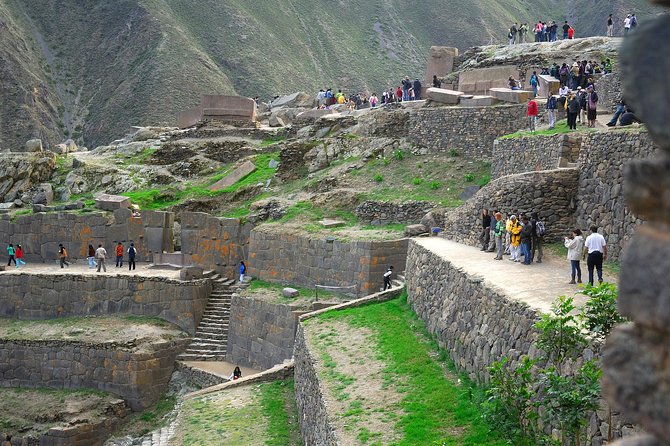
Your day starts with morning pickup from your Cusco hotel or lodging. Pickup time is sent one day before, and the tour starts at 8:00 am. Expect a full workday: the listing says about 10 hours, give or take with road and timing.
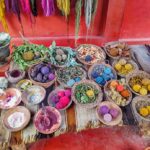
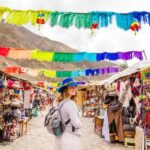
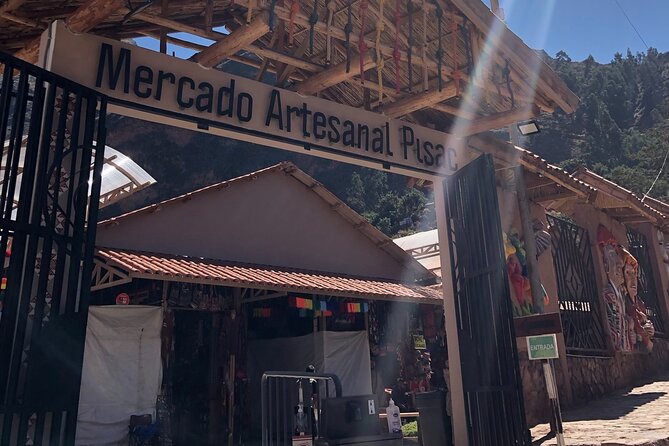
From there, you head to Pisac, where the atmosphere is built around exchange and crafts. Pisac was once a key trading post, and that tradition still shows in the market. This is where you’ll see what people actually make and sell, not just tourist souvenirs lined up like museum replicas.
I like that the tour doesn’t treat Pisac as a quick photo stop. You get time to browse, talk to sellers, and look closely at textiles and handmade products. If you’ve ever wanted an excuse to practice your Spanish bargaining skills, this is the place.
Pisac Market: textiles, barter roots, and the Sunday mass twist
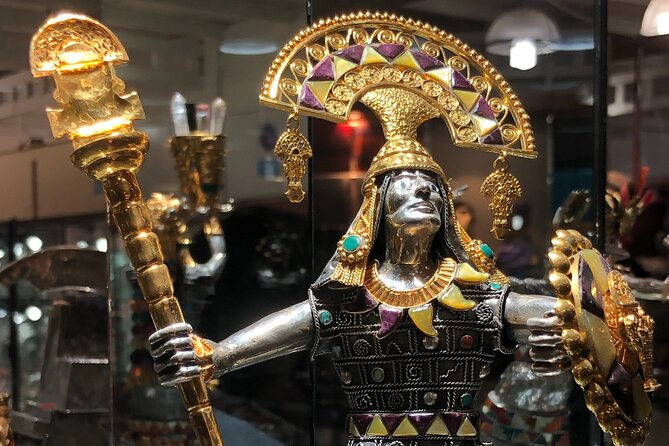
Pisac’s market is the cultural heart of the morning. You’ll find handcrafted textiles and souvenirs made by local community members. It’s also a smart stop if you’re trying to understand Sacred Valley life beyond ruins—this is where the modern economy still echoes older Inca exchange systems.
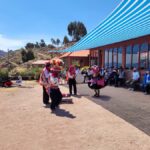
Here’s a detail that can make your day feel more special: if you visit on a Sunday, you may catch a mass held in both Quechua and Spanish. People in the town—described as mayors and their attendants—attend, and you might hear pututo instruments, a traditional musical instrument. It’s not a staged performance for tourists; it’s a real community event, and that difference matters.
Shopping tips that actually help
Markets can be fun, but they can also turn chaotic fast. I’d go in with a plan:
- Decide what you want first: scarves, socks, alpaca items, or small gifts.
- Use the guide for pricing context. One traveler specifically noted the value of haggling (they mentioned aiming at 30–40% off).
- Don’t be afraid to say no. Some stops may include short shop demos or product pitches, and you’ll get a smoother day if you treat them as optional.
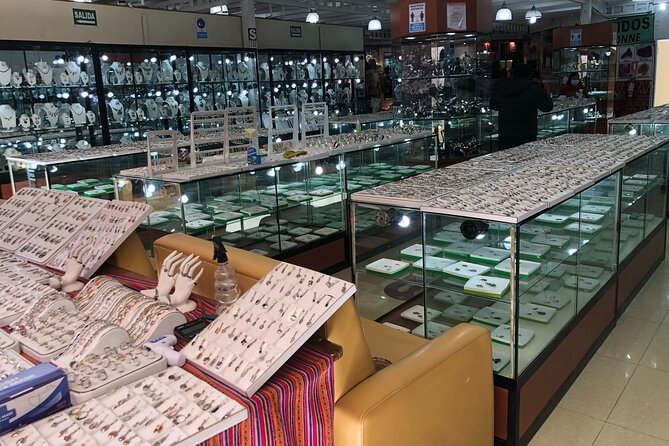
Also, keep an eye on quality. One person recommended being aware of fakes or low-quality products in the markets. If you’re shopping for alpaca, ask questions and compare textures and thickness—don’t buy on vibes alone.
Lunch in the Sacred Valley: eat early in your head, even if timing drifts
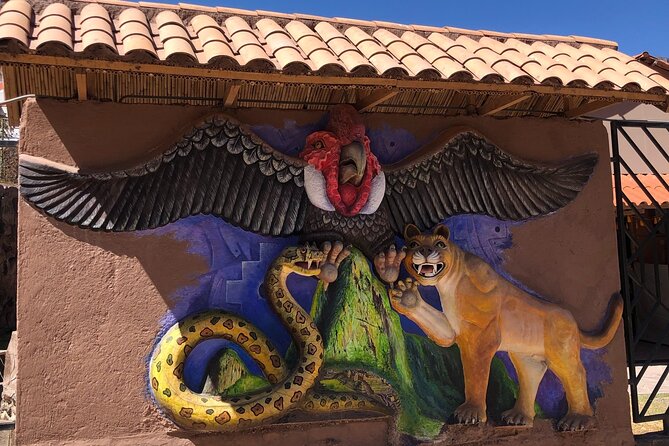
Lunch is included and served at a buffet. The location is often described as pretty—some people mention gardens and a restaurant setting that feels clean and comfortable. That matters because you’re about to switch from market walking to archaeological climbing, and you want the meal to reset you.
Now the small caution: tour days can run tight. One traveler said they didn’t get lunch until around 3:00. That’s not the plan you want if you’re sensitive to long gaps between meals. My advice: eat a real breakfast in Cusco, and if you have snacks you like, keep them in your daypack for peace of mind.
You can also read our reviews of more tours and experiences in Cusco

What to know about the meal setup
The tour includes a buffet lunch, but it doesn’t include alcohol or soda/pop. If you’re the type who needs a soft drink with food, bring your preference or plan to buy it. If you drink water slowly, bring a refillable bottle and treat the water like part of your itinerary.
Ollantaytambo Fortress and the Temple of the Sun: what you’re really seeing
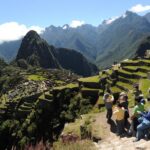
After lunch, you head to Ollantaytambo, where the fortress ruins are built from massive stones. The big visual here is the Temple of the Sun area, famous for the way the stonework dominates the space—and for its military use in the Incan civil war.
This is not just a pretty ruin. The stones are described as about 12 feet (3.5 meters) tall, and they were part of the defensive barrier system during conflict. Standing there, it becomes easier to picture how Inca engineering wasn’t only about ceremonies; it was also about survival.
Admission ticket: check your option before you go
Ollantaytambo entrance is included if you choose the tickets-included option. There are two purchase options on the booking side, so don’t assume. If you choose the option without tickets included, you’ll likely pay for entry yourself at the site.
One traveler even pointed out that fees can sometimes get confusing, so I’d recommend checking your confirmation details for what’s covered. Saves time, saves stress.
The “hike” reality (and how to prep)
Ollantaytambo can involve a bit of walking and climbing. It’s not described as extreme hiking, but one person called it intense because they weren’t expecting the upward movement. Another person also warned their group got a short hike that wasn’t strongly emphasized.
So here’s the practical move: wear shoes with solid grip. Bring a hair tie if you have long hair (wind can turn your head into a snack for your own hair). And if you’re sensitive to strenuous effort, go slowly—take breaks and let the views do the work, not your lungs.
Getting the most out of the guide (and how names hint at the style)
This tour includes a bilingual guide (English and Spanish). The guide’s job isn’t only to explain facts—it’s to keep you oriented, manage the group pace, and help you understand what matters at each site.
From the guide names associated with strong experiences—Adriel, Carla, Luis, Alex, Frank, Julio, Angel, Manuel—one pattern shows up: the best days are the ones where the guide answers questions in a real way and keeps everyone together. One person praised how their guide was punctual and gave plenty of exploration time at stops. Another mentioned the guide checking on a guest who wasn’t feeling well. That’s the kind of “small but important” service you want on a full-day outing.
If you’re the type who asks lots of questions, this is a good match. Some guides apparently share personal stories and connect the ruins to daily life in the valley—agriculture, community work, and how people see the sites today.
The market-to-ruins contrast: why this pairing makes sense
Pisac and Ollantaytambo can feel like two different worlds, and that’s the point. Pisac lets you experience how textiles and trade still shape daily life. Ollantaytambo lets you see Inca architecture in a way that’s tied to power, control, and defense.
That contrast is what keeps the day from turning into one long history lecture. The morning has texture—stalls, colors, bargaining. The afternoon becomes structure—stone steps, geometry, and the scale of the fortification walls.
And because you’re in a small group, you’re more likely to get a guide who can balance both sides: enough history to make the ruins click, enough time to feel like Pisac is more than a stop sign.
Logistics that can make or break your experience
A few practical pieces matter more on this tour than you might expect.
Group size and timing
With a max group of 15, the day tends to be smoother than bigger bus tours. Still, you’re moving through popular areas, so you’ll want to:
- show up on time at each stop,
- keep your water handy,
- and be ready for road delays.
What’s included vs not included
Included:
- Bilingual guide (Spanish/English)
- Buffet lunch
- Round-trip hotel transfers
- Ollantaytambo archaeological site admission if you select the tickets-included option
Not included:
- Alcoholic beverages
- Soda/pop
If you like to drink with meals, budget for it. If you want something specific to eat or drink between stops, plan to buy it or bring snacks.
Order of stops
The standard flow is Cusco → Pisac → lunch → Ollantaytambo → return to Cusco. But routes can still shift based on timing on the day. If you’re worried about getting hungry during ruins, eat breakfast and carry a snack just in case.
What to pack for a comfortable Sacred Valley day
This is a long day with walking plus some climbing at Ollantaytambo. You don’t need to overthink it, but a little prep pays off.
Bring:
- Comfortable walking shoes with grip
- A light layer (mornings and ruins can feel cooler than you expect)
- Water (the day is about 10 hours)
- A small snack for peace of mind
- Hand sanitizer or tissues (one traveler specifically advised having your own)
- A hair tie if you have long hair
If you’re shopping, bring a small daypack that can handle buying and carrying. Also, keep some cash handy in case you need to pay for anything not included with your booking option.
Who this tour is best for (and who might want a different plan)
You’ll probably love this tour if:
- you want Sacred Valley highlights without planning logistics,
- you enjoy market culture as much as ruins,
- you like a structured day with a bilingual guide,
- and you want a small-group experience (max 15).
You might think twice if:
- you’re expecting a super relaxed, no-walking day,
- you hate haggling situations (even though you can just browse),
- or you’re very strict about timing for meals—because full-day tours can run long.
If you’re doing Machu Picchu around the same trip, this day pairs nicely as a “warm-up” for Inca sites. It also gives you a different kind of experience: daily life and commerce in the morning, stone fortress scale in the afternoon.
Should you book Pisac Market and Ollantaytambo with Lunch?
If your goal is a high-value Sacred Valley day that combines local market life with a major Inca fortress site, this is an easy yes. The price is reasonable for a guided full-day plan with lunch and transfers, and the small group size helps the day feel personal.
My main “only you can decide” question is tickets. Before you go, confirm whether your booking includes Ollantaytambo entrance. If it does, you can relax. If it doesn’t, you’ll want a little extra cash ready so you’re not stuck solving it mid-day.
One more smart decision: wear good shoes and plan for some stairs at Ollantaytambo. Do that, and you’ll spend the day looking up at massive stones instead of worrying about your feet.
FAQ
What time does the tour start?
The tour starts at 8:00 am, with a morning pickup from your Cusco hotel or lodging.
How long is the tour?
It runs about 10 hours, approximately.
Is lunch included?
Yes. A buffet lunch is included in the price.
Do I need an admission ticket for Ollantaytambo?
It depends on which booking option you choose. The entrance ticket to Ollantaytambo is included only if you select the tickets-included option.
What does the guide provide?
You get a bilingual guide (Spanish and English) during the tour.
Is hotel pickup and drop-off included?
Yes. Round-trip hotel transfers are included, and the pickup time is sent one day before the tour.
Is there a maximum group size?
Yes, the tour has a maximum of 15 travelers.
What should I avoid buying during the tour?
Alcoholic beverages and soda/pop are not included, so you’ll need to pay for those separately.