REVIEW · CUSCO
Cusco City Sightseeing, San Pedro Market, Cathedral and Qorikancha Temple
Book on Viator →Operated by VIPAC Travel · Bookable on Viator
Cusco hits fast, and so does this tour. In about half an afternoon, you stack up key Inca-and-colonial sights, starting with a viewpoint look over the city and finishing in the main square. I especially like the small group size (max 15) and how it keeps the pace from feeling like a conveyor belt.
Two more things I like: you get a bilingual guide in live Spanish/English, and the route ties sights together instead of treating them like random stops. One consideration: because it’s a shared tour, your English time may depend on who else is in the group, and the schedule can feel a bit tight if you want long hangs inside each site.
If you’re new to Cusco, plan for altitude the way the locals do: keep it gentle, sip tea or soup if needed, and bring a little cash for bathrooms (some places charge 1–2 Sol). That said, this is one of the most efficient ways to get your bearings fast and still learn the why behind what you’re seeing.
In This Review
- Key highlights worth your attention
- A 3.5-hour Cusco sampler: what you actually cover
- San Cristóbal Plaza to San Blas: first views, then carved wood and quiet churches
- Hatun Rumiyoc Street and the Twelve-Angled Stone: Inca precision in plain sight
- San Pedro Market Central de San Pedro: real food, real smells, real Cusco
- Qorikancha: the Temple of the Sun, built into later walls
- Cusco Cathedral at Plaza de Armas: colonial art after the Inca core
- Small-group pacing and bilingual guidance: what makes it feel easy
- Transport, altitude, and practical tips that keep the day pleasant
- Price and value: does $59 buy you more than a DIY walk?
- Who should book this Cusco highlights tour
- Should you book this Cusco City Sightseeing tour?
- FAQ
- What time does the tour start?
- How long is the tour?
- Where does the tour begin?
- Is the tour in English and Spanish?
- How many people are in the group?
- Are entrance tickets included?
- Does the tour include hotel pickup and drop-off?
- How much does the tour cost?
- Is there free cancellation?
Key highlights worth your attention
- San Cristóbal viewpoint start: you get the big-picture Cusco view right away, before the Old Town gets busy.
- San Pedro Market time with a plan: a focused walk through everyday food and produce, not just a quick photo stop.
- Qorikancha (Sun Temple): see how Inca stonework survived and now supports later construction.
- Plaza de Armas and Cusco Cathedral: colonial art and carved wood that you can’t really replicate by self-guided wandering.
- Tight route, small-group energy: built for efficiency, with enough time to ask questions and take photos.
A 3.5-hour Cusco sampler: what you actually cover
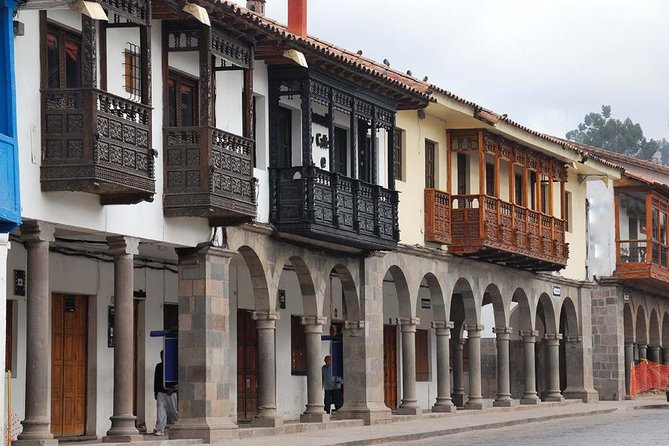
This is a highlights tour designed for people who want results, not a day-long marathon. You start in central Cusco, then bounce through the Old Town’s most important storylines: Inca power, Spanish-era religion, and the everyday market life that keeps the city fed and moving.
The big idea is that Cusco is layered. You’re not only looking at monuments; you’re following the shift in how power was displayed. Inca stone and gold legend meet colonial churches and carved interiors, and then you end at the central Plaza de Armas where Cusco’s history still affects what people do today.
Group size helps a lot. With up to 15 people, the tour feels relaxed enough to stop for questions, and the guide can respond instead of just reading a script while everyone stares at the ground.
You can also read our reviews of more city tours in Cusco
San Cristóbal Plaza to San Blas: first views, then carved wood and quiet churches
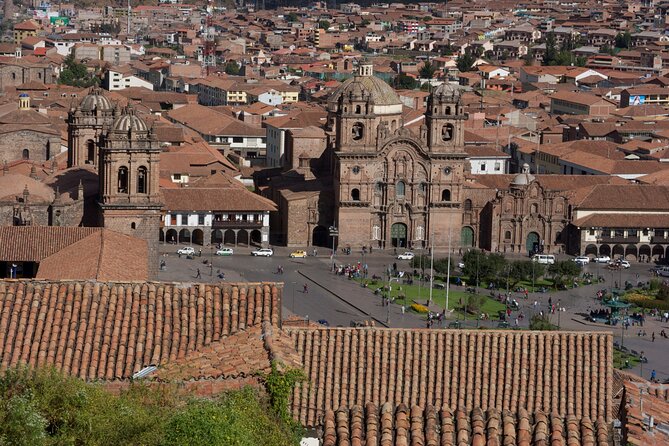
Most afternoons in Cusco start with a mission: get your bearings before you burn out. This tour does that with a start near San Cristóbal Plaza, where you get sweeping views over the city. It’s a useful warm-up. Once you’ve seen where the neighborhoods and hills sit, the Old Town feels less like a maze.
From there, you head toward the artisan area of San Blas. You’ll visit its church and spend time admiring the carved woodwork inside. This kind of stop matters because Cusco isn’t only dramatic exterior stones. It’s also details—wood, paint, and the way colonial builders worked in a city already shaped by Inca engineering.
Practical note: churches can be dim and cool, which is a nice break if you’re still fighting altitude. But wear shoes you trust. Cusco’s Old Town streets can be uneven, and you’ll do a mix of walking and short vehicle hops.
Hatun Rumiyoc Street and the Twelve-Angled Stone: Inca precision in plain sight
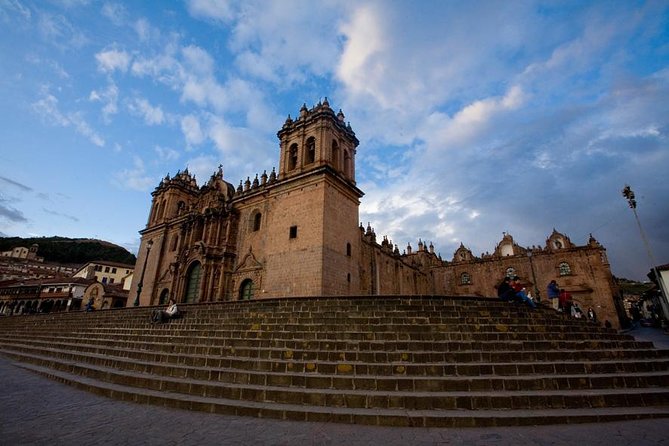
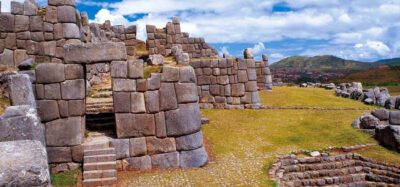
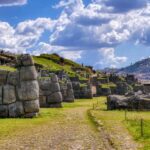
A key moment on the route is Hatun Rumiyoc Street and the famous twelve-angled stone. This is one of those details that helps you understand why people still talk about Inca engineering with a mix of awe and math.
The stone is famous because it shows Inca masons created angles that fit tightly without the kind of mortar you might expect. Even if you’re not a construction nerd, standing there gives you a visual lesson: Inca architecture often looks simple until you realize how exact the work was.
This stop also gives the tour a nice rhythm shift. After churches and viewpoint energy, you get something more direct and punchy—just you, the stone, and a good chance to ask what makes it special.
San Pedro Market Central de San Pedro: real food, real smells, real Cusco
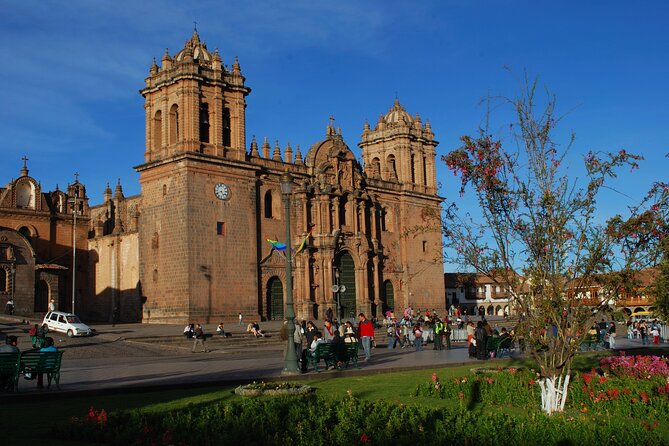
If you only did viewpoints and temples, you’d get a Cusco that feels like a museum. The San Pedro Market stop is what prevents that.
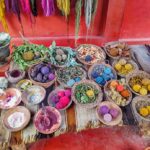
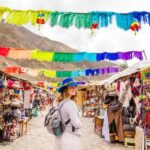
You’ll spend time at the Mercado Central de San Pedro (often called the old market of San Pedro). This is where daily life shows up: produce laid out with colors and textures you don’t see in tourist shops, plus local staples like potatoes and corn varieties. You’ll also find regional breads and cheeses, and some crafts mixed in.
What I like about adding a market to a history tour is that it grounds the stories. Inca and Spanish rulers might have fought over temples and prestige, but people still needed food—every day, every season. The market walk helps you connect the city’s big past to its ordinary routines now.
A tip I picked up from practical traveler advice: carry a little cash. Bathrooms at some places can cost around 1–2 Sol, and free options are limited.
Also, go a little hungry. Even if you do not plan to buy much, it’s easier to enjoy the scents and small conversations when your stomach isn’t doing negotiations.
Qorikancha: the Temple of the Sun, built into later walls
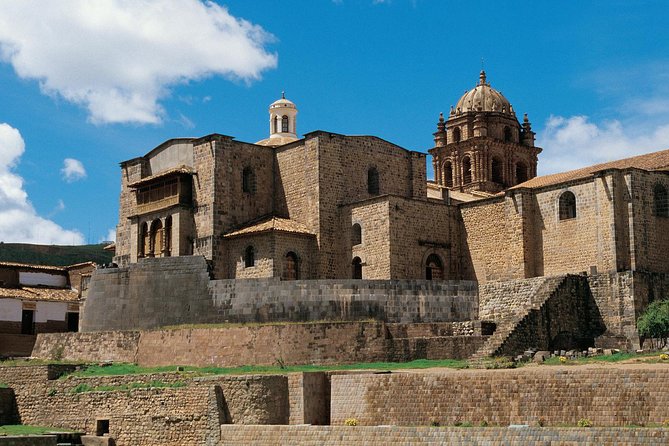
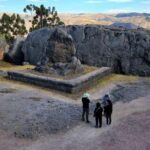
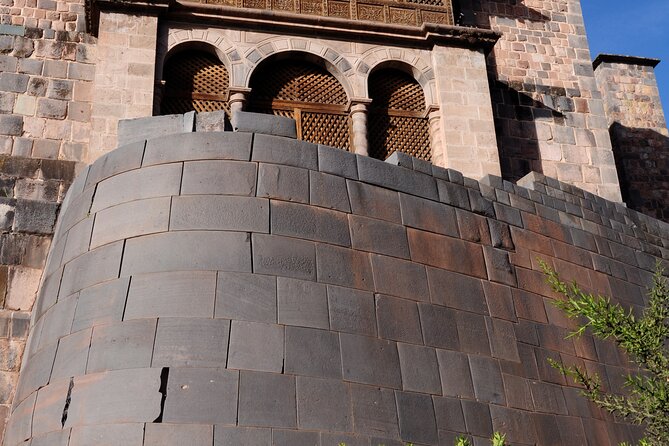
Then you hit the real anchor of the Inca storyline: Qorikancha, originally tied to the Inti (Sun) and known as Intikancha or Intiwasi.
What makes this site so compelling is not only what remains, but what survived indirectly. You’re shown how much of the original temple was damaged after conflict with the Spanish conquistadors, and how parts of the stonework ended up forming the foundations for later construction—especially the Santo Domingo church and convent built over it.
Translation for your brain: you’re looking at a layered structure where the present sits on top of the Inca past. That’s why the visit works. You can’t fully understand Qorikancha just by seeing the top layer.
Expect the visit to feel structured. People tend to want to wander, but Qorikancha doesn’t reward random pacing as much as it rewards a guided sense of what you’re looking at. A good guide keeps you focused on the right features.
In a couple of guide-led experiences I heard about, Qorikancha stood out because it tied the architecture directly to meaning—what the Sun symbolized and why the Spanish overlay mattered.
You can also read our reviews of more shopping tours in Cusco


Cusco Cathedral at Plaza de Armas: colonial art after the Inca core
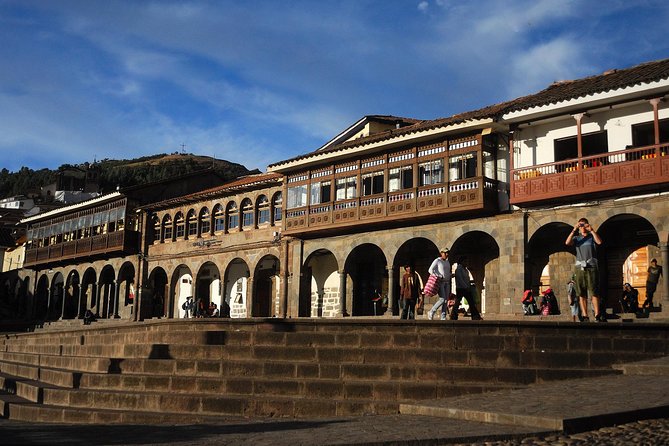
Finishing in Plaza de Armas is a smart move. This is Cusco’s center of gravity—where tours funnel, but also where locals come to sit, meet, and watch life happen.
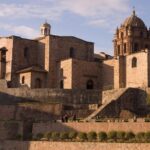
You’ll visit Cusco Cathedral, located on the Plaza de Armas. Construction took place between 1560 and 1654, and that timeline is one of the quickest ways to understand what you’re seeing. This is Spanish-era religion in a city that already had deep sacred architecture traditions.
Inside, you’ll have time to see colonial paintings and the cathedral’s woodwork. It’s not just a church stop. It’s a reminder that after the conquest, the Spanish didn’t erase Cusco—they rewired it, using new symbols on top of older territory.
If you’re tempted to treat the Cathedral like a checklist item, don’t. Take a few minutes to slow down at the interior details. Cusco’s best stops often reward the extra minute.
Small-group pacing and bilingual guidance: what makes it feel easy
The tour runs with a maximum of 15 people, and that matters in Cusco. You avoid the heavy crowd crush at the most popular places, and you’re more likely to actually have a conversation with your guide instead of just hearing narration while you shuffle.
From reviews, guides are a big part of the experience. Different names came up—Henry, José María, Robin, Marcelo, Manuel, and Gabriel—and the common theme was clarity and good timing. People liked guides who timed stops well, so you weren’t late to the next place and you still got enough attention at each site.
One caution, though, based on real feedback: even with bilingual service, English coverage can vary with the group mix. If you’re traveling solo and English is a must, consider asking directly how language is handled in shared groups. If your group leans Spanish-heavy, you may still get translation, but it may feel more like short swaps than a full English narration.
That said, when the guide is on, the tour works. It becomes less about seeing places and more about understanding how Cusco became what it is.
Transport, altitude, and practical tips that keep the day pleasant
Cusco is high. This tour is built as an afternoon plan, which helps, but you should still take altitude seriously.
One piece of advice that came through strongly from a review was to acclimatize before you stack sightseeing. The suggestion was straightforward: give yourself a day to adjust, drink tea or soup, and go light on heavy foods like red meat. If needed, stop by a local pharmacy for altitude medications. That advice isn’t dramatic—it’s practical insurance.
Also bring small bills or Sol coins for bathrooms and snacks. Some sites may charge 1–2 Sol for restrooms, and free options can be rare.
On transport: hotel pickup and drop-off are included, but some hotels are in areas where vehicles can’t access. That doesn’t mean the tour won’t work—it just means you might walk a short distance to meet the group’s vehicle.
If you get car-to-foot transitions, that’s normal here. Cusco’s streets are not always friendly to long walking slogs at altitude, and the van hops help you keep energy.
Price and value: does $59 buy you more than a DIY walk?
At $59 per person, you’re paying for three things: a guide, key site entries, and convenience.
Here’s how the value stacks up:
- Guide in live bilingual Spanish/English: You’re not only looking. You’re getting interpretation—why Qorikancha matters, what Hatun Rumiyoc reveals, and how the Cathedral’s dates connect to what you see.
- Entrances included for Qorikancha and the Cathedral: These are two of the most time-sensitive stops. Without tickets handled, you can waste precious minutes.
- Hotel pickup and drop-off: In Cusco, saving even 30–45 minutes changes the day.
Is it cheaper than doing it all on your own? Sure, if you already know the routes and you’re comfortable navigating. But most people don’t lose money on a DIY plan—they lose time, and time at altitude is a real cost.
This is also the kind of tour where efficiency is part of the price. One reason people rate it well is that it hits multiple big sights in one afternoon, then still leaves you space to browse on your own after.
The main reason you might feel it’s not worth it is if you want lots of time inside each site or you’re very sensitive to pacing. A few comments mentioned the tour felt shorter than expected, or that the timing required rushing at the end. If you’re the type who likes slow church-studying and long market wandering, budget your expectations.
Who should book this Cusco highlights tour
Book it if you:
- Want a first-day or second-day overview of Cusco’s Inca-to-colonial storylines.
- Like organized sightseeing with a guide who can answer questions and help you connect dots fast.
- Prefer small-group energy over big-bus crowds.
- Want a market stop that adds real local texture, not just a quick look.
Skip it (or pair it with extra time on your own) if you:
- Need very long inside visits at churches/temples.
- Are extremely language-specific and want fully English narration regardless of group mix.
- Are trying to recover from altitude issues and need a slower day.
Should you book this Cusco City Sightseeing tour?
If this is your first time in Cusco and you want a smart, efficient afternoon plan, I think it’s an easy yes. You’ll see the viewpoint, hit the San Pedro Market for daily life, learn why Qorikancha still matters, and finish at the Plaza de Armas for the Cathedral’s colonial art.
Just go in with the right mindset: this is a highlights tour, not a slow gallery crawl. If you want long hangs, plan one extra half-day where you return to your favorite stop on your own—maybe the Cathedral interiors, maybe the market.
And if you’re arriving from sea level, treat acclimatization as your first attraction. Your knees, lungs, and head will thank you.
FAQ
What time does the tour start?
It starts at 2:00 pm.
How long is the tour?
The duration is about 3 hours 30 minutes.
Where does the tour begin?
You meet at San Cristóbal Plaza.
Is the tour in English and Spanish?
Yes. The guide provides live bilingual service in Spanish and English.
How many people are in the group?
The tour has a maximum of 15 travelers.
Are entrance tickets included?
Yes. Admission tickets are included for the Cusco Cathedral and the Qorikancha Temple.
Does the tour include hotel pickup and drop-off?
Yes, hotel pickup and drop-off are included from select hotels, though some hotels may be in areas where vehicle access is not allowed.
How much does the tour cost?
The price is $59.00 per person.
Is there free cancellation?
Yes, you can cancel for a full refund if you cancel up to 24 hours in advance of the experience start time.