REVIEW · CUSCO
Cusco: Open-Top Bus City Tour
Book on GetYourGuide →Operated by Inka Altitude · Bookable on GetYourGuide
Cusco clicks fast on an open-top bus. This is a smart, low-effort way to get oriented in Cusco, with a professional guide pointing out what you’re seeing as the city unfolds from higher ground and through traditional streets. I especially love the open-top panoramas, and I also like how the ancient sites get explained in a fast, manageable route.
One thing to keep in mind: rain can change the comfort, and the time can run longer than the posted 150 minutes on some departures. If you’re the type who hates surprises, plan your day with a little flexibility.
In This Review
- Key Highlights I’d Prioritize
- Why This Open-Top Bus Tour Works in Cusco
- Getting Started at the Inka Altitude Meeting Point
- San Cristobal Temple, Colcampata Wall, and Plaza de Armas Views
- The Archaeology Segment: Sacsayhuaman, Q’enqo, Puca Pucara (From the Bus)
- The White Christ Statue Stop: Your Best View of Cusco
- Real-World Tour Flow: Photo Moments, a Ceremony Stop, and Shopping
- Price and Timing: Is $12 Good Value?
- Rain-Ready: How to Stay Comfortable on a Wet Cusco Day
- What to Expect From the Bus and Guide Setup
- Who Should Book This Cusco City Tour?
- Should You Book This Cusco Open-Top Bus City Tour?
- FAQ
- How long is the Cusco open-top bus city tour?
- How much does the tour cost?
- What’s included and what isn’t included?
- Where do I meet the guide?
- Does the bus stop inside Sacsayhuaman, Q’enqo, or Puca Pucara?
- What should I bring and are drones allowed?
Key Highlights I’d Prioritize
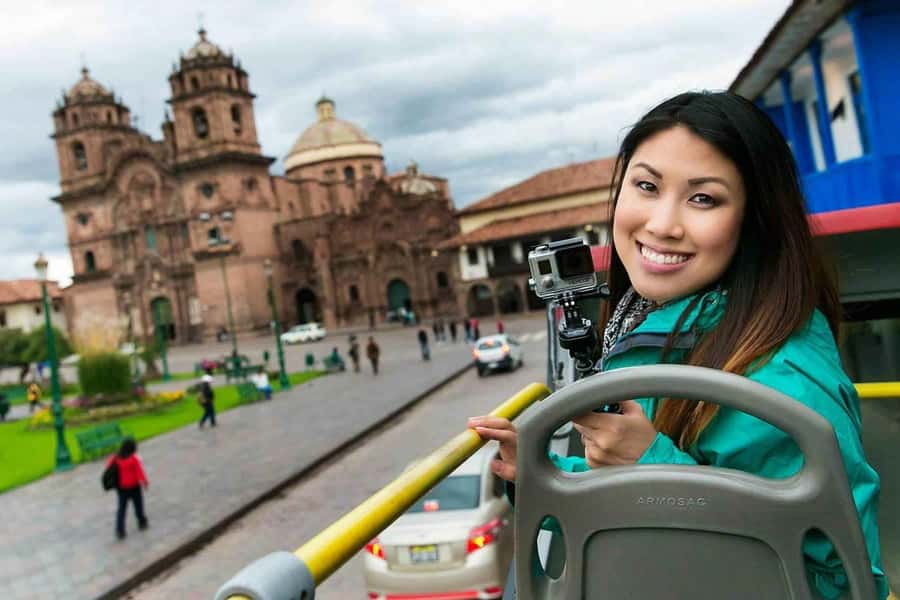
- Open-top double-decker views for quick photo angles without a ton of walking
- San Cristobal Temple + Colcampata Inca wall as your warm-up toward Plaza de Armas viewpoints
- Big-name Inca sites shown from above (without entering them) so you can decide what to visit next
- Christ statue stop with sweeping views over Cusco and the surrounding area
- Short, real-life stops that may include photo moments, a spiritual shaman ceremony, and shopping stops
- Rain-ready option: if it’s wet, you can stay seated from the ground floor of the bus
Why This Open-Top Bus Tour Works in Cusco
Cusco is a city where directions can feel like a puzzle, especially on a first day. This tour solves that problem with a simple formula: board a bus, ride through central streets and squares, and stop at the highest-feeling viewpoint—without you having to navigate traffic, parking, or timing.
The biggest win for me is how much you get from a short window. A 2.5-hour guided loop at a very approachable price means you can spend your energy on enjoying views, learning the names, and deciding what you’ll want to explore in more depth later.
Also, the guide approach matters. This is a live tour in English and Spanish. Even if you don’t catch every word, the route makes sense visually: temple walls, plaza angles, and then the “wow” moment at the Christ statue above the city.
You can also read our reviews of more city tours in Cusco
Getting Started at the Inka Altitude Meeting Point
Your tour starts at the Inka Altitude office door. The coordinates are -13.5178338, -71.9808803.
Practical tip: arrive a few minutes early. Cusco schedules can be busy, and one tricky thing you’ll want to avoid is showing up exactly on time and then needing to scramble to find the correct bus and guide. In at least some departures, people have been directed to another spot to catch the bus, so give yourself a buffer.
When you meet up, you’ll board an open-top double-decker bus with a guide onboard. The vibe is easy and tour-focused: you’re not signing up for a trek; you’re signing up for a guided orientation ride.
San Cristobal Temple, Colcampata Wall, and Plaza de Armas Views
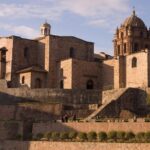
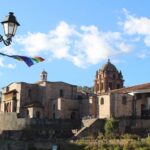
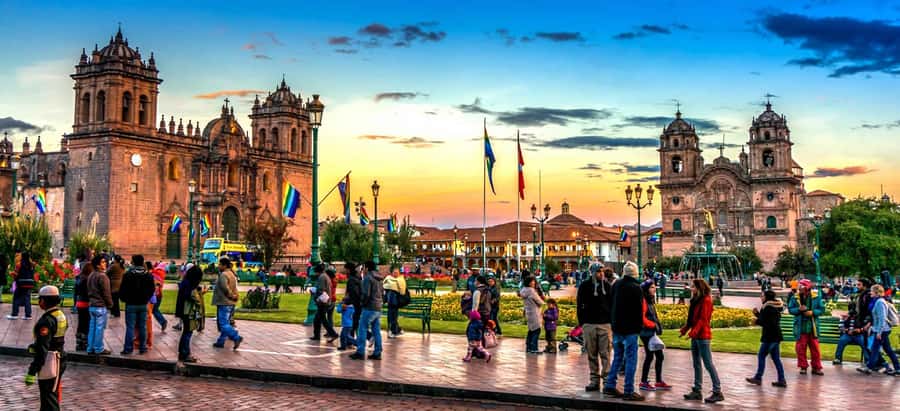
Before you even reach the big “archaeology-from-above” segment, you get a meaningful warm-up. The bus passes San Cristobal Temple and the Colcampata Inca wall. This is where the city starts to make sense: Inca-era lines and structures tucked into a modern street grid.
Why this matters: Cusco’s center can look confusing at street level. From the bus, you’re positioned to see how the old walls relate to the plazas and the main sightseeing corridor. If you’re planning future visits, this early orientation helps you know what you’re looking at when you stand in Plaza de Armas later.
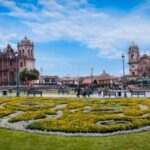
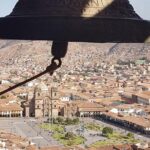
This part of the route also includes panoramic views of Plaza de Armas, which is the visual anchor of Cusco. Even if you’re not a detail-spotter, getting a first elevated look at the plaza helps you understand where everything sits relative to the surrounding hills.
The Archaeology Segment: Sacsayhuaman, Q’enqo, Puca Pucara (From the Bus)
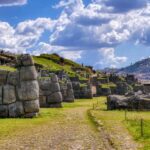
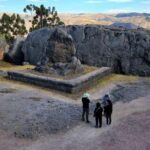
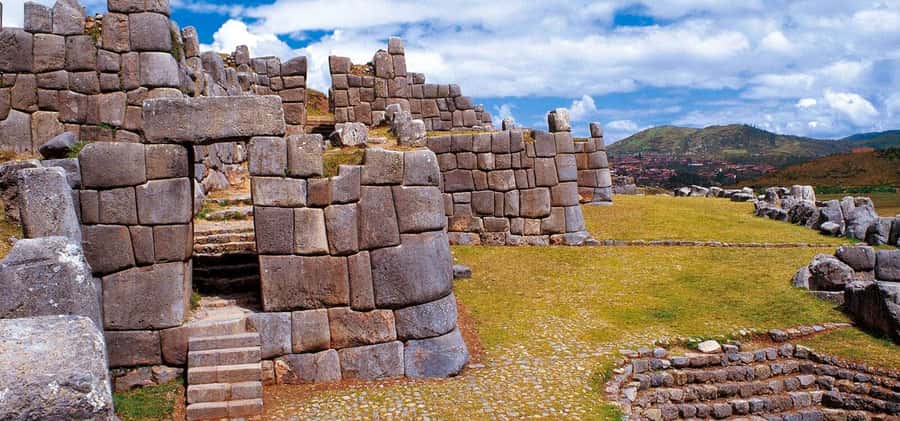
Next comes the “big names” stretch: the bus gives you a panoramic overview of Sacsayhuaman, Q’enqo, and Puca Pucara.
Important detail: the bus will not stop at or enter these sites. That means you won’t get the full on-site experience you’d expect from a dedicated guided visit where you go inside or walk around the ruins for a longer time.
So what do you actually get here?
- You get the context and the geography: where these sites sit in relation to Cusco.
- You get the names and guided explanations that can help you interpret what you’ll see later if you choose to revisit.
- You get an efficient overview that keeps the tour moving.
Who this works for: if you want to learn quickly, take photos, and map your day, this is great. Who might feel disappointed: if your dream day is long ruins walks and deep interpretation inside the archaeological areas, you’ll want a different tour option after this bus ride.
The White Christ Statue Stop: Your Best View of Cusco
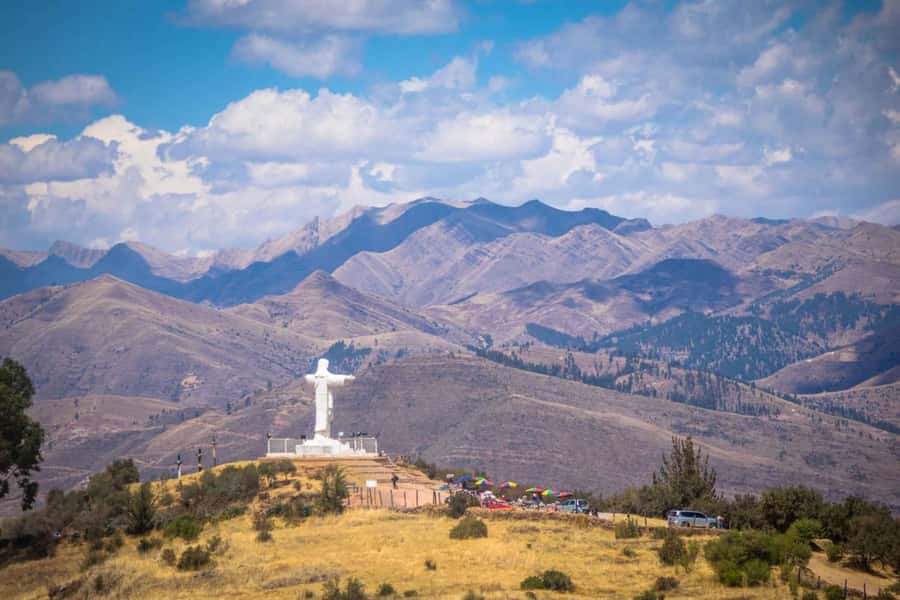
The highlight stop is at the white Statue of Christ, perched above the city.
This is the moment the tour earns its “worth it” rating. From up there, Cusco spreads out in a way that street-level photos can’t replicate. You get sweeping views of Cusco and the surrounding area, which helps you understand the city’s shape and the way the neighborhoods layer across the hills.
It’s also a great place to reset your bearings. After driving through the urban center and getting the panoramic archaeology overview, the statue viewpoint becomes the final piece of the puzzle.
In real-life timing, you’ll want to treat this stop like a photo-and-view window rather than a long sightseeing session. Dress for the altitude-like chill that can come with elevated viewpoints, especially if weather looks moody.
Real-World Tour Flow: Photo Moments, a Ceremony Stop, and Shopping
This tour is built around driving viewpoints, but some departures add extra short stops that can affect your enjoyment.
Here’s what you should be ready for:
- Photo opportunities where someone else may take your picture, followed by encouragement to purchase photos later.
- A short stop tied to a local shaman/spiritual ceremony, often conducted with more Spanish than English.
- A souvenir stop, where goods can be pricey.
If you’re the kind of traveler who enjoys cultural moments—even brief ones—this can make the tour feel more alive. If you’d rather keep things strictly sightseeing and avoid sales pressure, you may find these added stops less satisfying.
The guide language also matters here. On at least some departures, English may be limited compared to Spanish. If you don’t speak much Spanish, you’ll still benefit from the visuals and the guide’s overall flow, but you may miss some details during ceremony-related segments.
My advice: go in with an easy mindset. Treat shopping and photo prompts as optional. You’re on a sightseeing tour, not a shopping mission.
Price and Timing: Is $12 Good Value?
At $12 per person, this is priced like a “get oriented now” tool. And for many travelers, that’s exactly what it becomes—because you’re buying:
- transportation,
- a live guide, and
- a structured route with elevated viewpoints.
You’re not paying for long site entry or extended ruin walks. You’re paying for efficiency and clarity.
That said, pay attention to timing expectations. The tour duration is listed as 150 minutes, but in practice, some departures have run longer (including one case where it stretched to about 5 hours). Weather and the rhythm of stops can influence this.
If your day includes a later ticketed activity (like a museum entry or a separate guided tour), give yourself a cushion. Cusco day plans work best when you don’t schedule every minute.
Rain-Ready: How to Stay Comfortable on a Wet Cusco Day
Cusco weather can turn fast. The tour runs rain or shine.
The practical good news: if it’s raining, you can still enjoy the tour from the ground floor of the bus. That keeps you out of the worst of the weather while still letting you see out the windows.
What to bring:
- Rain gear
- Comfortable clothes
Also plan for the fact that you’ll likely spend a fair amount of time seated. If rain keeps things gray, your best photos may come from window angles during driving segments and from the Christ statue stop when skies briefly clear.
Quick mindset check: the tour won’t be “ruined” by rain. It changes the experience from open-top sightseeing to window-and-viewpoint sightseeing. Either way, you get the guided route.
What to Expect From the Bus and Guide Setup
This is a transport-and-guide experience, not a self-guided hop-on hop-off situation. The tour includes:
- transportation (the bus ride),
- a live tour guide.
The guide is available in English and Spanish, though language balance may vary by departure.
Other practical notes:
- Drones aren’t allowed.
- The tour is not suitable for people with mobility impairments.
If you’re traveling with any mobility needs, don’t assume you can “make it work” on this format. It’s clearly marked as not suitable, so consider an alternative tour style that matches accessibility needs better.
Who Should Book This Cusco City Tour?
Book this if you want:
- a short guided overview of Cusco’s main viewpoints,
- a chance to learn names like Sacsayhuaman, Q’enqo, and Puca Pucara without committing to a long ruins day,
- the best-effort orientation boost you can get early in your trip,
- panoramic city views at the white Christ statue.
Skip or rethink if you:
- need a tour that enters the archaeological sites (this bus doesn’t stop inside them),
- strongly dislike guided stops that include photo pitches or shopping,
- need an accessibility-friendly format.
Also, this is a great “first-day stabilizer.” When you know where Plaza de Armas sits relative to the hills, planning later becomes easier.
Should You Book This Cusco Open-Top Bus City Tour?
Yes, if your goal is quick orientation plus big viewpoint payoff for a low price. The value comes from the guide + transportation + elevated panoramas in a short time window, and the Christ statue stop is worth the effort.
No, if you’re chasing a long, hands-on ruins experience. This is more like a guided preview from above, not a deep archaeological walkthrough.
If you book, go with the right expectations: bring rain gear, keep your schedule flexible (150 minutes can stretch), and remember the tour’s strongest strength is giving you a fast map of Cusco’s layout and its biggest names.
FAQ
How long is the Cusco open-top bus city tour?
The tour duration is listed as 150 minutes.
How much does the tour cost?
The price is $12 per person.
What’s included and what isn’t included?
Transportation and a tour guide are included. Food and drinks are not included.
Where do I meet the guide?
Meet at the Inka Altitude office door, at coordinates -13.5178338, -71.9808803.
Does the bus stop inside Sacsayhuaman, Q’enqo, or Puca Pucara?
No. The bus will not stop at or enter Sacsayhuaman, Q’enqo, and Puca Pucara.
What should I bring and are drones allowed?
Bring rain gear and comfortable clothes. Drones are not allowed.