REVIEW · CUSCO
Qampa Climbing 2 Days in Ausangate
Book on Viator →Operated by Vidal Expeditions · Bookable on Viator
A 2:30 a.m. start, then real Andean climbing. Qampa (Nevado Qampa) is one of the easier Cusco mountains to reach, but it still throws you a glacier hike and sometimes a small technical rock section depending on season. The payoff is huge: views reaching toward Salkantay over 200 km away.
What I really liked is how the trip handles the hard parts for you. You get high-mountain guidance, plus the team provides climbing gear and instructions, and keeps things moving in a small group of up to six. I also love that you’re not surviving on trail-snacks alone—meals are taken seriously, and the camp setup is done so you can focus on climbing instead of logistics.
The main consideration is altitude and early mornings. You’ll start the second day around 2:30 a.m., you’ll climb in cold, and the summit sits around 5,520 m, with steps involved—so this is not a casual walk.
In This Review
- Key takeaways before you go
- Qampa is beginner-friendly, but it is not a stroll
- Cusco to Pacchanta: the day that acclimatizes you fast
- Azulccocha lunch: where the views make the altitude feel worthwhile
- Base camp night at 4,680 m: tents, food, and real rest
- The 2:30 a.m. glacier push to Qampa’s summit
- Summit time and the return
- Pacchanta hot springs and the bus back to Cusco
- What you’re paying for: $380 with real climbing support
- Fitness level: “moderate” doesn’t mean “easy”
- Weather and season: why the route can change slightly
- Guides and group size: small teams feel safer on snow
- Should you book Qampa Climbing 2 Days in Ausangate?
- FAQ
- What is the price of the Qampa climbing tour?
- How long is the tour?
- Do they offer pickup in Cusco?
- Where does the tour start and end?
- What is the meeting point for the tour?
- What fitness level do you need?
- Do you need mountaineering experience?
- What is the highest altitude on the itinerary?
- Are meals included?
- Is water included?
- Can you soak in hot springs?
- What is the cancellation window for a full refund?
Key takeaways before you go
- Beginner-friendly, with real glacier climbing (plus occasional seasonal rock moves).
- Small groups of max 6 so you get attention when it matters.
- Base camp is set up for you with tents (and sleeping gear noted in the trip experience).
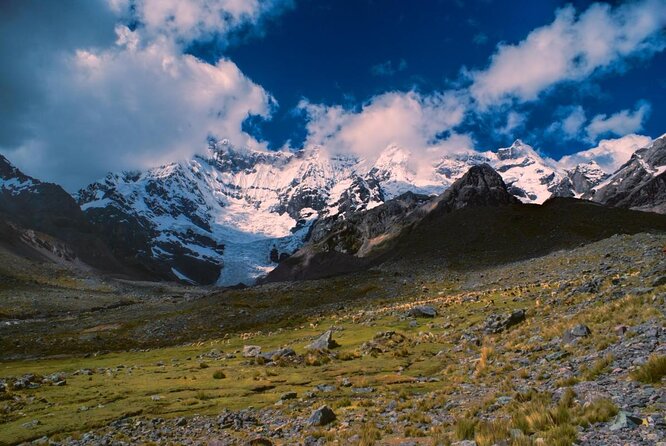
- Summit is around 5,520 m with serious panoramic views.
- Hot springs at Pacchanta are an option after the hike back.
- Transport and most meals are included, but water is not in the listing.
Qampa is beginner-friendly, but it is not a stroll
Qampa is often described as the easiest and most popular mountain option out of Cusco, and that tracks. You don’t need formal mountaineering experience to go for it, and the route is paced for people who are fit enough to work at altitude.
That said, this is still a high-mountain day. You’ll be hiking toward the glacier and then doing a climb for about two hours to reach the summit, with steps. In some seasons, there may also be a small rock-climbing passage. So think of it as guided high-altitude effort, not a light hike with a view.
You can also read our reviews of more tours and experiences in Cusco
Cusco to Pacchanta: the day that acclimatizes you fast
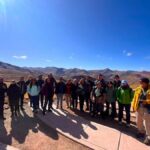
You’ll get picked up in Cusco at 6:00 a.m., which is early, but it keeps the whole plan realistic. After about 2.5 hours of driving, the group stops in Tinki for around 30 minutes. It’s a simple window to grab a bite, stretch your legs, and buy anything you forgot that you’ll regret later.
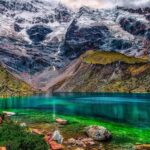
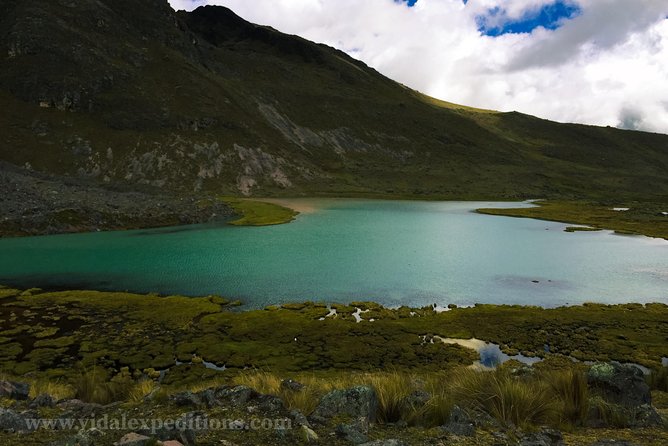
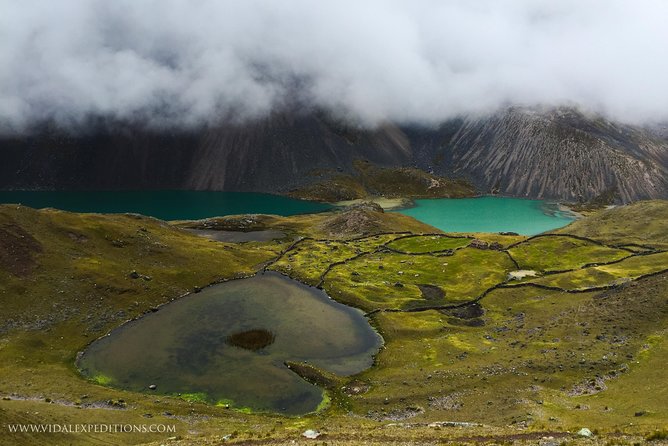
Then you continue to Pacchanta village at 4,060 m. Yes, you’re already high before you start. The first hike is about two hours to Azulccocha, and the goal there is both progress and acclimatization—gentle effort, big air, and snowcapped scenery right in front of you.
Why this matters for you: starting high and walking steadily helps your body adjust better than if you tried to jump straight into technical climbing. It also sets expectations. You’ll be out of breath sometimes, but it won’t feel like a surprise attack.
Azulccocha lunch: where the views make the altitude feel worthwhile
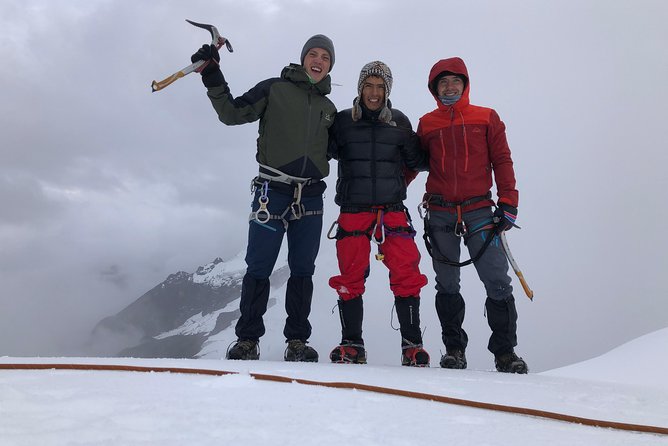
At Azulccocha, you stop for lunch with views of the surrounding snowcapped peaks. This isn’t just a fuel stop. It’s your reset before the second leg of the hike.
After lunch, the trail continues to your base camp at about 4,680 m. This stretch is where you’ll feel the day’s altitude build—your legs work, and your breathing gets louder—but your day still stays structured.
If you’re wondering what kind of walking this is, the itinerary suggests continuous trekking with a clear progression rather than long technical segments on Day 1. That’s good news if you want to earn the summit without exhausting yourself before you even reach camp.
Base camp night at 4,680 m: tents, food, and real rest
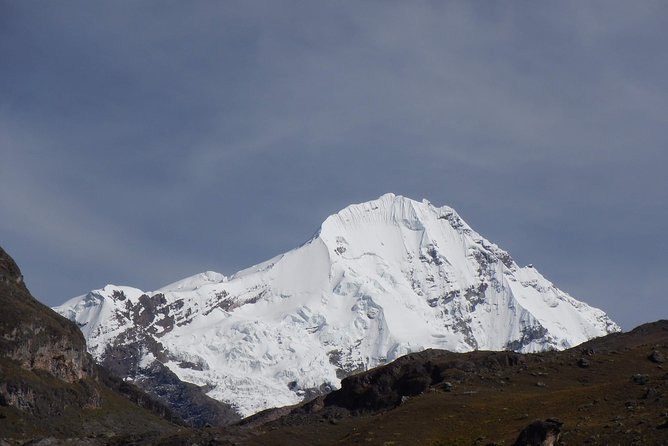
When you arrive at base camp, the tents are already set up. Several people also note that sleeping gear is handled for you, which is a huge relief when temperatures drop at altitude and you’re not in the mood to play camp-maker.
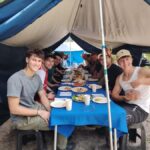
Dinner comes after you settle in, and the operation is set up so you can actually rest. In the experience shared, meals are treated as a highlight—people describe the cooking as excellent and the food as a real point of comfort at the end of a cold day.
There’s also a detail worth knowing if you like to pack heavy: extra duffel bags can be carried by horses. That means you can bring the items you’ll want for warmth and comfort without turning it into a backpack-pulling contest.
Potential downside: the altitude does the work for you, even when the hiking isn’t the hardest part. If you’re the type who needs perfect sleep to feel human, you might still wake up tired. It’s normal.
The 2:30 a.m. glacier push to Qampa’s summit
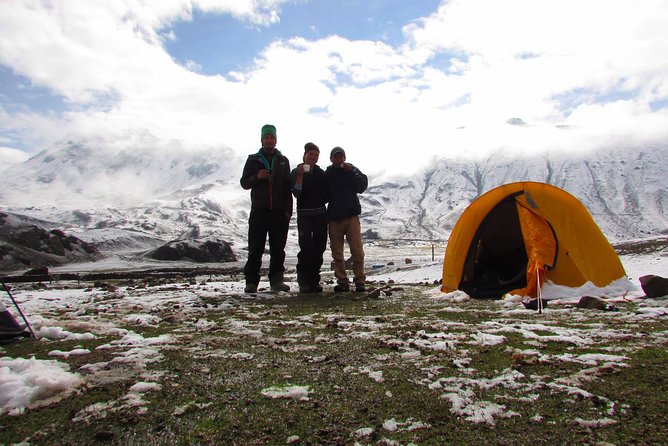
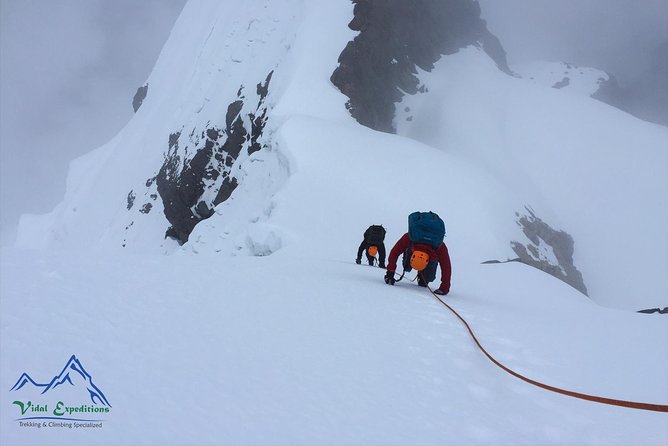
Day 2 starts before dawn, with wake-up around 2:30 a.m. You’ll have a super early breakfast and then move toward the moraine. This is the stage where the trip shifts from hiking mode into climbing mode.
Next comes the glacier. You’ll climb with your gear and high-mountain guidance. The itinerary describes around two hours of climbing from the glacier start to the summit of Qampa at about 5,520 m, and it notes there are steps along the way.
This is where a great guide really matters. In the experiences shared, guides such as Flavio, Angel, Sergio, Chino, and Julian are repeatedly linked with leading first-timers safely to the summit. The common thread is clear: you’re not left to guess. You get instruction and pacing, and you’re guided through the climbing process.
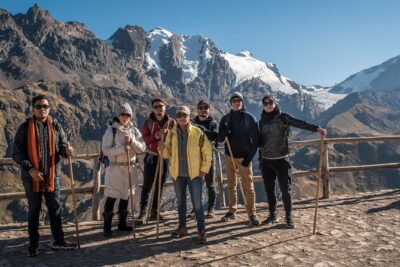
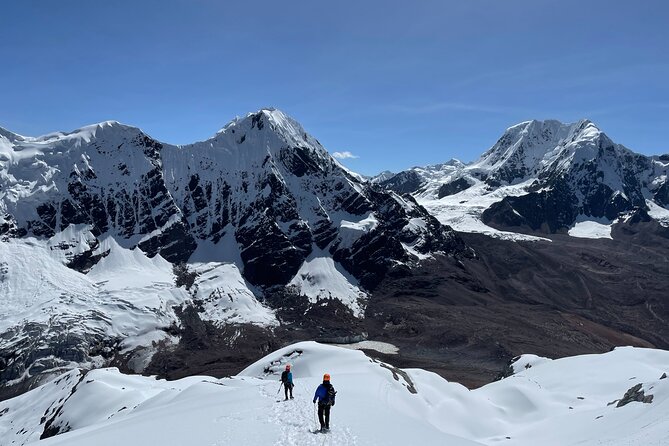
When you reach the top, expect panoramic views that stretch toward Salkantay. The tour notes that the panorama can reach over 200 km to the northwest. Even if you’ve seen mountain photos before, this is one of those moments where distance makes the world feel extra big.
Summit time and the return
After resting on top, you descend to base camp for lunch, then hike back down toward Pacchanta. The descent is usually physically demanding in a different way—your quads do the complaining—but it’s also mentally easier because you’re moving away from the hardest technical part of the day.
Pacchanta hot springs and the bus back to Cusco
Once you hike back to Pacchanta, there’s an option to soak in the hot springs. The best part is that the view includes Ausangate Mountain, so it’s not just a random pool stop. It’s a “you earned this” moment after climbing something high and snowy.
In the afternoon, you take the bus back to Cusco. So even though it feels like an expedition, you’re not stuck for days. You get the mountains, the effort, and then a return to real life.
Small practical note: the hot spring option is just that—an option. Cold weather and timing can affect whether it happens smoothly, so don’t build your entire emotional arc around it.
What you’re paying for: $380 with real climbing support
The price is $380 per person for this 2-day Qampa experience. That’s not cheap in Cusco terms, but you are paying for a high-altitude operation: transport from Cusco, high-mountain leadership, camp setup, and multiple meals.
Here’s the value breakdown based on what’s listed:
- Meals included: Dinner and Breakfast, plus Lunch (2).
- Pickup offered from your Cusco hotel at 6:00 a.m.
- Gear and instructions provided by the high mountain guide.
- The trip runs with a maximum of 6 travelers, which is a big deal for safety and attention.
What’s not included:
- Water (tips also aren’t included).
- Tips are not included, so you should plan for that if you’re the tipping type.
One review note that can matter for you: one person says the first-day breakfast might be paid by your own. The listing shows breakfast included, so this looks like something that can vary with timing and how the early stop is handled. My advice: bring a little cash and don’t assume you’ll be fully covered for that earliest morning bite.
Bottom line on value: if you want glacier climbing support without turning your trip into a gear-buying project, this price starts to make sense fast.
Fitness level: “moderate” doesn’t mean “easy”
The tour says you should have a moderate physical fitness level. In practice, that means you can handle steep-ish walking at altitude, you’re comfortable exerting yourself for a couple hours, and you don’t quit when you’re winded.
Also, the schedule matters:
- Day 1: early pickup, long driving, then trekking at high elevation.
- Day 2: 2:30 a.m. wake-up, then glacier climbing with steps, then descent.
If you struggle with altitude headaches, nausea, or you’ve had serious issues in the past, you’ll want to think carefully before booking. This is a “can you function at 5,500 m” kind of test, even with a good guide.
Weather and season: why the route can change slightly
The route description notes that besides the glacier hike, there can be a small rock climbing pass depending on season. That’s an honest heads-up. Snow and ice conditions shift year to year, and guides adapt.
So even if the itinerary is structured, the actual climbing style can vary. Expect the guide to make a call based on safety and conditions, not based on whether you want a scenic stroll or a harder technical section.
If you’re going in shoulder season, keep that in mind and pack your patience. The mountain is in charge.
Guides and group size: small teams feel safer on snow
One of the strongest signals from the experiences shared is the quality of the guiding team. High-mountain guides are there not just to show you the way, but to manage pace, teach the climbing process, and help you feel safe when you’re on steps above a glacier.
And with a maximum of 6 travelers, you tend to get more personal attention. In glacier environments, that matters. If someone needs a slower pace or an extra check, the group can actually handle it.
In the names that come up—Hector, Flavio, Vinerson, Angel, Sergio, Chino, Julian, Raul, and Carlos—you can see a pattern: experienced leadership and hands-on coaching for people who are new to multi-day mountain efforts.
Should you book Qampa Climbing 2 Days in Ausangate?
Yes—if you want a guided first multi-day climb with real altitude and glacier movement, this is a strong option. It’s designed for people without mountaineering experience, and the inclusion of gear support, camp setup, and meals takes a lot of stress out of the trip.
Skip it (or talk to a medical professional first) if altitude reliably knocks you down, or if you’re not comfortable with a very early start and a summit near 5,520 m.
If your dream in Peru is to do the Andes for real—snow, ice, and a view that reaches toward Salkantay—this two-day Qampa climb is a smart, high-value way to make it happen.
FAQ
What is the price of the Qampa climbing tour?
The price listed is $380.00 per person.
How long is the tour?
It’s a 2-day experience, approximately.
Do they offer pickup in Cusco?
Yes. Pickup is offered, and the tour guide collects you from your Cusco hotel at 6:00 a.m.
Where does the tour start and end?
It starts in Cusco, Peru and ends back at the meeting point.
What is the meeting point for the tour?
Ticket redemption is listed at VIDAL EXPEDITIONS PERU, Urb, Santiago, Cusco 08007, Peru.
What fitness level do you need?
You should have a moderate physical fitness level.
Do you need mountaineering experience?
The mountain is described as climbable without mountaineering experience, though you will still do a glacier hike and sometimes a small rock climbing pass depending on season.
What is the highest altitude on the itinerary?
The summit of Qampa Mountain is listed around 5,520 meters.
Are meals included?
Yes. The listing includes dinner, breakfast, and lunch (2).
Is water included?
Water is listed as not included. Tips are also not included.
Can you soak in hot springs?
Yes, there is an option to soak in the hot spring with a view of Ausangate Mountain after hiking back to Pacchanta.
What is the cancellation window for a full refund?
Free cancellation is available up to 24 hours in advance for a full refund. Within 24 hours, there is no refund.