REVIEW · URUBAMBA
4 days/3 nights: Inka Jungle Trek to Machu Picchu
Book on GetYourGuide →Operated by Libertrek Peru Travel Agency · Bookable on GetYourGuide
Few places mix jungle hikes and Machu Picchu magic like this. This Inka Jungle Trek strings together high passes, Inca roads, and nature time, then caps it with an early visit to Machu Picchu. I especially love the bike descent and the way the route keeps switching terrain, from mountain air to humid river valleys. One thing to think through: the river rafting option on day 1 depends on conditions, and if it is canceled you won’t get a refund.
What makes the trip feel worth it is the combo of logistics and hands-on guidance. With a small group (up to 15) and guide Gustavo (often mentioned by name), you get real context for what you’re walking past, not just route instructions. Still, this is an active trek—so if you hate carrying a daypack for long stretches, plan carefully.
In This Review
- Key highlights you should care about
- Cusco to the jungle on day 1: Malaga Pass, Huamanmarca, and optional rafting
- Day 2: Santa María to Santa Teresa via the Urubamba, Inca road remnants, and Cocalmayo hot springs
- Day 3: Cola de Mono zip line and the walk to Hidroeléctrica, then along train tracks to Aguas Calientes
- Day 4: Sunrise Machu Picchu with a guide-led route to Inti Watana, Condor Temple, and Sacred Rock
- Price and value: what $420 really covers (and where the tradeoffs show up)
- Physical level, packing smarter, and safety reality checks
- Who this Inka Jungle Trek suits best (and who should reconsider)
- Should you book the Inka Jungle Trek to Machu Picchu?
- FAQ
- What is the duration of the Inka Jungle Trek to Machu Picchu?
- What does the $420 per person price include?
- Is rafting included?
- What about the hot springs on day 2?
- Do you get Machu Picchu tickets included?
- Is Wayna Picchu included?
- Is transportation up and down to Machu Picchu included?
- How big is the group?
- What languages are the guides?
- What should I bring for the trek?
- Can I cancel for a full refund?
Key highlights you should care about
- Malaga Pass bike descent: fast, fun, and a great way to drop from the Andes into the jungle zone.
- Inca road + local plant knowledge: you walk a preserved stretch and learn how locals use fruit and medicinal plants.
- Cocalmayo hot springs: a real reset day, reached after a long riverside walk.
- Cola de Mono zip line: optional on day 3, but included in the activity set.
- Train-tracks walk into Aguas Calientes: a different rhythm than a standard trek and very scenic.
- Early-entry Machu Picchu circuit: sunrise timing plus a guide-led visit to key points like Inti Watana.
Cusco to the jungle on day 1: Malaga Pass, Huamanmarca, and optional rafting
Your day starts early in Cusco, with a hotel pickup at 06:30. Then you’ll ride in private transport toward the Malaga Pass, with about 4 hours of road time before you reach San Luis, where the adventure portion begins. This first transfer matters because it does two things at once: it saves you from wasting energy on long drives, and it positions you to start the trek with momentum instead of stress.
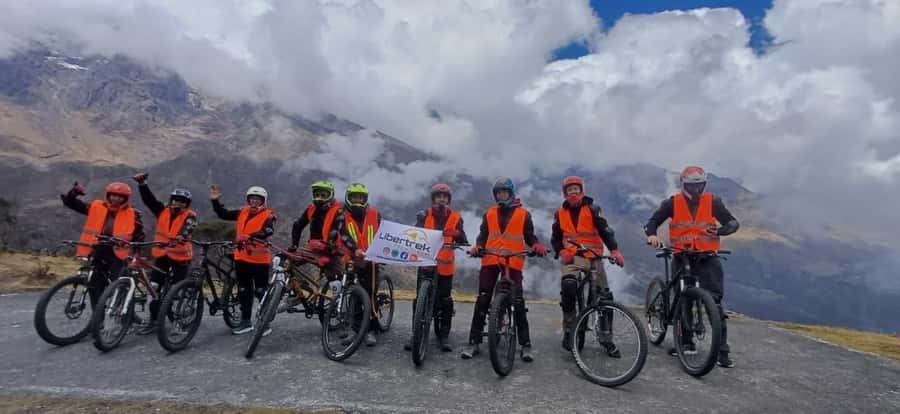
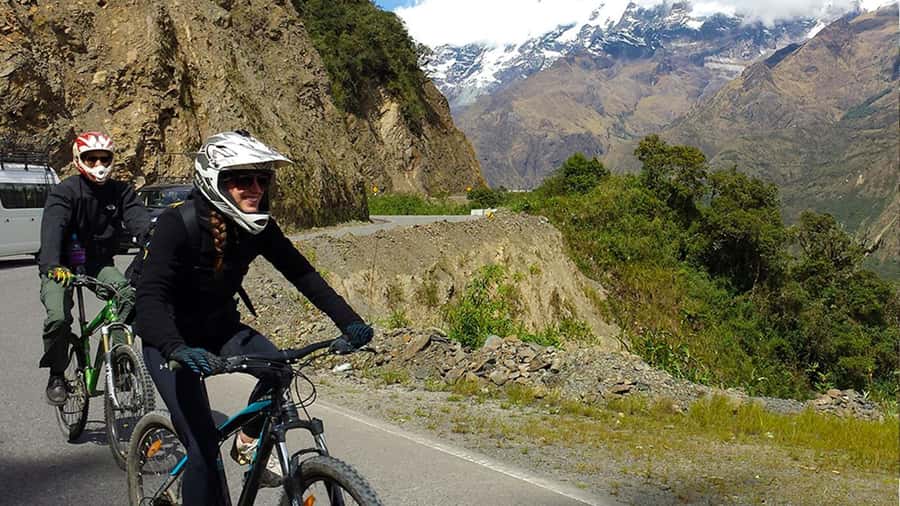
Next comes the star move of day 1: a long downhill bicycle descent. You’ll spend roughly 3 to 4 hours biking as the terrain changes fast around you. It’s not just a thrill ride; it’s also a practical way to experience the transition from Andean highlands to the greener Urubamba valley atmosphere. You’ll also pass by the archaeological center of Huamanmarca, which gives the day an Inca connection before you fully shift into jungle-country.
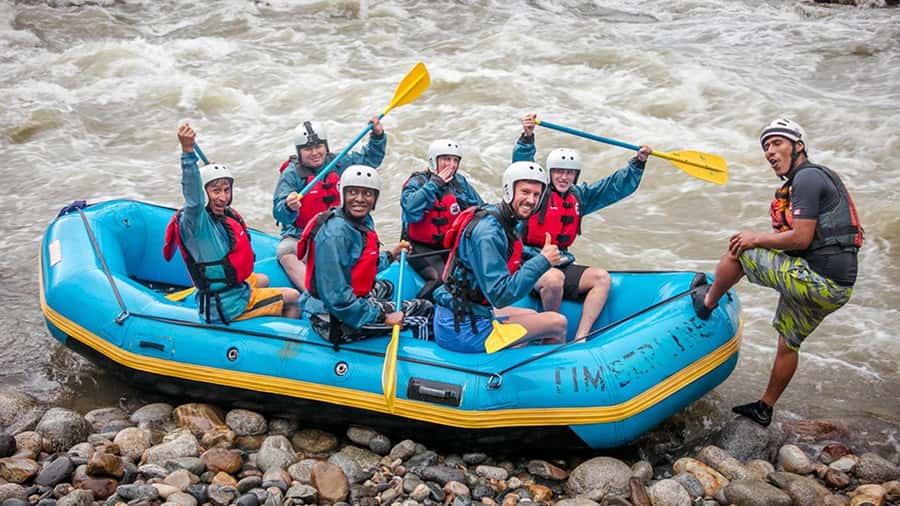
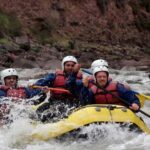
Then you finish at Santa María for the night. If you’re looking for “extra adrenaline,” there’s an optional rafting slot scheduled for mid-afternoon (around 15:00). The rafting is on the Urubamba River (also referred to as the Vilcanota area), with rapids rated between Class III and IV. The catch is weather: between Jan 1 and Mar 31, if the river is high that day, rafting doesn’t happen and there’s no refund. Plan your mindset for that. Even if rafting is canceled, day 1 still has a full itinerary built around the bike descent and the archaeological stop.
What I like about the pacing here: you get activity early, then you land in Santa María without needing to rush through a second major hike the same day. It feels like the trek “sets up the legs” without breaking you before day 2.
You can also read our reviews of more hiking tours in Urubamba
Day 2: Santa María to Santa Teresa via the Urubamba, Inca road remnants, and Cocalmayo hot springs
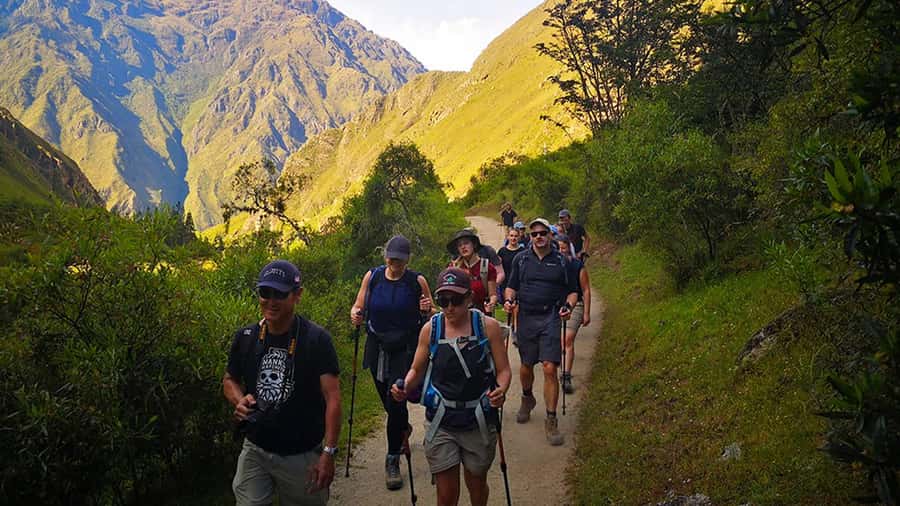
Day 2 is the long one. After an early breakfast, you start walking along the banks of the Urubamba River for about 7 to 8 hours. The route involves steady ups and downs, so you’re working your body while also staying surrounded by river-and-mountain scenery. This is the day where the trek earns its name: it’s not just scenery drifting past from a bus window—you’re actually moving through it.
One of the most meaningful parts is that you walk along a preserved stretch of ancient Inca road. Roads like this are tricky to experience on a normal tour, because they tend to be “view only.” Here, you get the physical sense of how people traveled—how they moved between elevations and how the path fits the land.
You’ll also be watching for details like fruit and medicinal plants. The tour includes time where you can observe the kinds of plants locals use to treat illnesses, plus wildlife along the way. If you like birdlife, keep your eyes open—there’s specific mention of parrots and other birds. That kind of detail is why this trek feels different from a standard “hike to a view.”
By the afternoon, you cross the Urubamba River via Oroya and continue to reach the Cocalmayo hot springs in Santa Teresa. The hot springs stop is genuinely valuable on day 2 because it breaks the rhythm. After hours of moving, soaking does more than relax your muscles; it resets you for day 3’s walking and the transfer toward Machu Picchu.
Then you sleep in Santa Teresa. If you’re trying to decide what to pack, day 2 is where swimwear and a towel stop being optional “nice to have” items and become part of the experience.
Day 3: Cola de Mono zip line and the walk to Hidroeléctrica, then along train tracks to Aguas Calientes
Day 3 starts with the option of a zip line at Cola de Mono (included as part of the activity set). Whether you do it or not, the important thing is that the trek doesn’t feel like one long sameness stretch of walking. It adds a more playful break before the final push toward Machu Picchu.
After breakfast, you begin the walk to Hidroeléctrica. The route goes through a narrow canyon where the air feels pleasantly different—cooler, quieter, and more “contained” than the open riverside sections. This part is useful mentally too: after a day of varied jungle-edge hiking, the canyon gives you a steady corridor of focus.
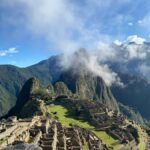
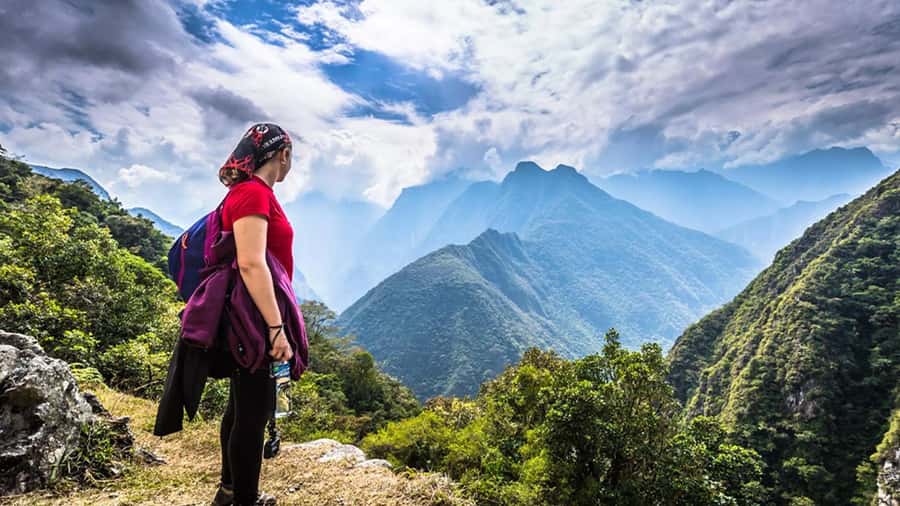
Eventually, you reach an area where you’ll be able to see the mountain of Machu Picchu. That moment matters because it turns a few days of effort into an actual destination you can visually confirm. Next, you have lunch at Hidroeléctrica, then the final phase of the day is a walk along train tracks for about 3 hours until you arrive in Aguas Calientes.
This train-track walk is one of those things that sounds odd until you do it with guided context. It keeps you close to the real rail corridor that powers Machu Picchu access, and you get to feel the scale of what’s been built around this site. You’ll end the day with a hotel night in Aguas Calientes.
My practical advice: day 3 is when you’ll want a smart approach to what you carry. Some hikes on routes like this can punish heavy loads, especially if you didn’t get a clear briefing about packing a small daypack. Even if the exact system varies, keep your daily essentials minimal and easy to access.
Day 4: Sunrise Machu Picchu with a guide-led route to Inti Watana, Condor Temple, and Sacred Rock
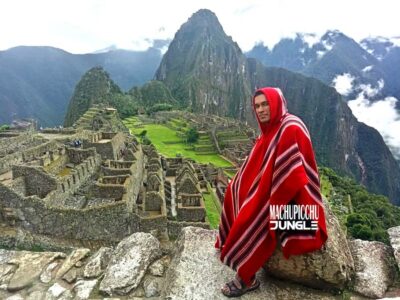
Day 4 is the reason you’re here. After breakfast, you walk from Aguas Calientes up to Machu Picchu with the goal of being among the first groups inside. That early timing is tied to sunrise. If you care about photos, the soft morning light is a big deal, and it also tends to make the site feel less rushed.
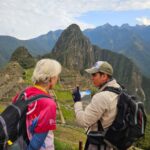
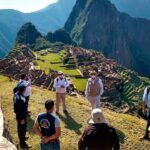
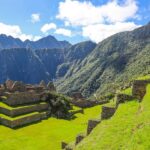
Once inside, you’ll get a guided tour focused on the most important points, including Inti Watana, the Temple of the Condor, the Sacred Rock, and others. The big value of a guide here is not just what you’re seeing—it’s how they connect the structures to the way the Incas understood land, movement, and astronomy. Names and specifics help you remember the places instead of just passing through them.
After the guided portion, you’ll head back down to Aguas Calientes to board the tourist train. The train is included from Aguas Calientes to Ollantaytambo, and then there’s transportation back to Cusco (to your hotel). From there, the tour includes private transfer onward to the Cusco airport.
Price and value: what $420 really covers (and where the tradeoffs show up)
At $420 per person for 4 days, this trek prices itself as a package: you’re not just buying a hike. You’re paying for a chain of hard-to-coordinate pieces, including private transport into the starting zone, a qualified adventure guide, Machu Picchu entrance, the included train ride, most meals, and the “activity layer” (bicycle descent, zip line, and potentially rafting).
Here’s why that matters for your wallet and your sanity:
- You don’t need to piece together transport from Cusco to the drop-off point.
- You don’t need to manage the route with a “figure it out later” mindset.
- The guide is there during the walking parts where context makes the difference.
The tradeoffs are real, and they’re not hidden:
- Some activities depend on conditions. Rafting can be canceled if water levels are high (and in that case, there’s no refund).
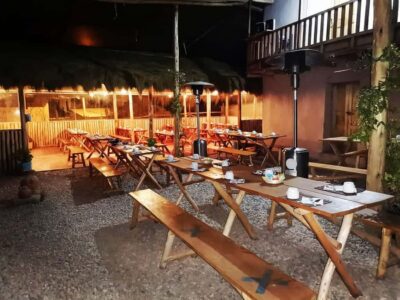
- You’re sleeping in hostels during the trek nights. That’s normal for adventure treks, but it does mean room quality can vary.
- Not every comfort item is included. For example, hot springs entrance in Santa Teresa is listed as not included, and you’ll likely want to factor in optional upgrades like Wayna Picchu and bus tickets up and down.
I also like the “small group up to 15” approach because it usually keeps the experience from turning into a cattle-line. You can ask questions, and the guide can actually notice if someone is struggling.
Physical level, packing smarter, and safety reality checks
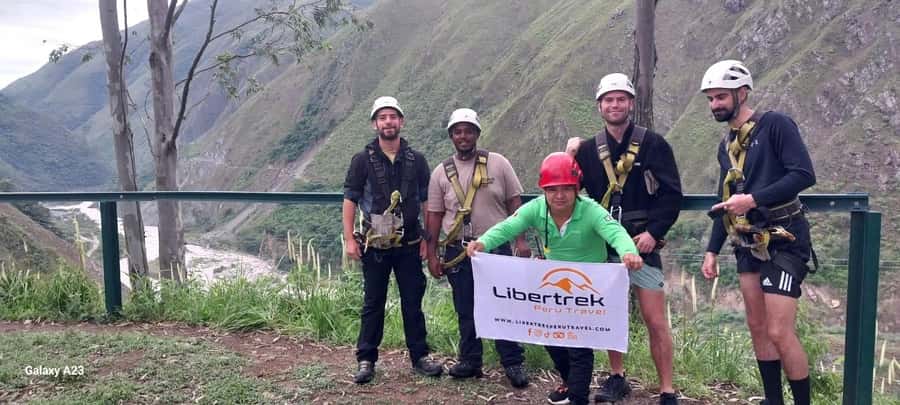
This is a physically active itinerary. Day 2’s 7 to 8 hours of walking is the clearest marker. Day 1 adds long downhill biking time, and day 3 includes several hours of walking plus the train-track segment. You’ll want sturdy hiking shoes and clothing that can handle heat and humidity, plus quick-dry items if you get wet.
Packing is where you can make or break the experience. Bring the essentials listed by the tour—especially insect repellent, sunscreen, hiking pants, and swimwear + towel for the hot springs opportunity. And be strict with your daypack size. If your pack is heavy, it will show up in your knees on day 2 or day 3.
Safety-wise, I’d go into this with two attitudes:
- Respect the pace and let the guide set your rhythm.
- Assume the remote parts of the route won’t be easy to reach quickly by phone.
One caution I’ve picked up from the same trek style is that guidance and support can vary based on how the group moves and how quickly someone needs help. If you have a knee issue or you’re prone to injuries, talk to the guide before you start day 3 and ask how they handle medical situations on the trail.
Who this Inka Jungle Trek suits best (and who should reconsider)
You’ll likely love this if you want:
- A trek that mixes nature walks with at least two bigger activities (bike descent and zip line).
- An Inca connection you can feel by walking portions of an ancient Inca road.
- A Machu Picchu visit with sunrise timing and a guided route through key structures.
You might reconsider if you:
- Get stressed by carrying a daypack for hours.
- Have limited tolerance for long walking days.
- Want the most hotel-like comfort, since you’ll be in trek hostels.
This trek sits in a sweet spot for people who want Machu Picchu without doing the most basic, single-day style. It’s more work, yes—but it tends to leave you with a story that starts long before Machu Picchu comes into view.
Should you book the Inka Jungle Trek to Machu Picchu?
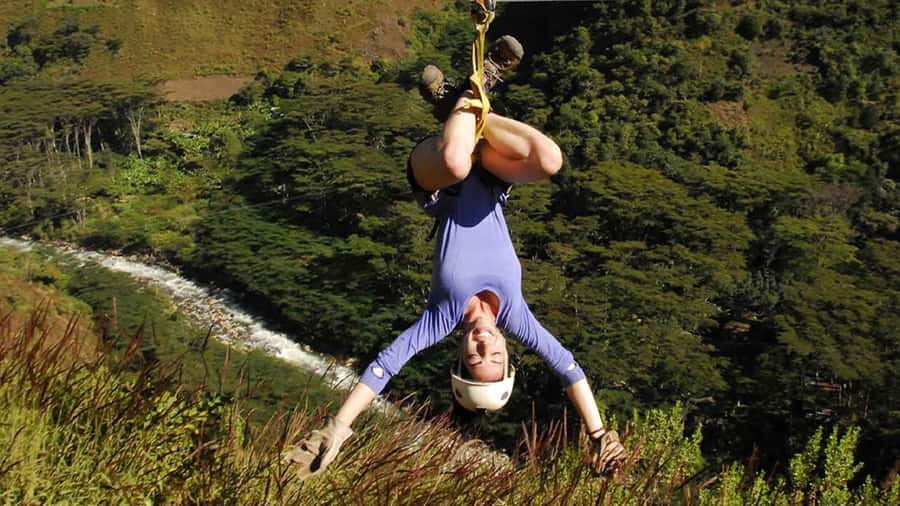
I think you should book if you’re excited by the idea of arriving at Machu Picchu after a real route through jungle-edge Peru—biking downhill, walking ancient Inca road remnants, and finishing with a guided sunrise circuit. The value is strongest for travelers who want the whole package handled and appreciate a small-group feel with an adventure-focused guide.
You might hold off if you’re traveling during the January to March window and you really care about rafting. Rafting can be canceled if conditions aren’t right, and there’s no refund for that specific activity. Also, if room quality matters a lot to you, ask questions about the hostel standard for your specific dates before you commit.
If you want Machu Picchu plus a hands-on route there, this trek is a solid choice.
FAQ
What is the duration of the Inka Jungle Trek to Machu Picchu?
The tour runs 4 days / 3 nights.
What does the $420 per person price include?
It includes private transport for the journey to the starting area, a qualified adventure guide, Machu Picchu entrance, the train from Aguas Calientes to Ollantaytambo, transport back to Cusco, accommodation each night, and meals (3 breakfasts/3 lunches/3 dinners), plus activities like biking equipment, zip line, and rafting (where applicable).
Is rafting included?
Rafting is an optional activity on day 1 and is subject to weather conditions between January 1st and March 31st. If river levels are high, rafting will not take place and there is no refund.
What about the hot springs on day 2?
Hot springs entrance in Santa Teresa is listed as not included.
Do you get Machu Picchu tickets included?
Yes, entrance to Machu Picchu is included.
Is Wayna Picchu included?
No. Wayna Picchu entrance is optional and costs USD 65.
Is transportation up and down to Machu Picchu included?
Bus tickets up and down to Machu Picchu are optional and cost USD 24.
How big is the group?
The group is limited to 15 participants.
What languages are the guides?
The tour provides a live guide in English and Spanish.
What should I bring for the trek?
Bring a passport, comfortable and hiking shoes, sunglasses and a hat, sunscreen, insect repellent, swimwear and a towel, a camera, cash, hiking pants, comfortable clothes, and any personal medication.
Can I cancel for a full refund?
Yes. There is free cancellation up to 24 hours in advance for a full refund.