REVIEW · URUBAMBA
Salkantay Trek 4Days/3Nights Domes
Book on GetYourGuide →Operated by Exploor Trip E.R.L · Bookable on GetYourGuide
The Salkantay trek hits hard, fast, and high. If you want wild Andean scenery plus the payoff of Machu Picchu without doing the full Inca Trail, this 4-day / 3-night route is a strong contender. It mixes glacier views, big altitude days, and real camping-style nights with logistics that aim to keep you moving.
I like the way this itinerary stays focused on the walking, especially the day when you crest the Salkantay Pass at 6,264m and then drop into the next camp. I also appreciate that Machu Picchu includes a guided 2-hour tour and an early arrival strategy from Aguas Calientes.
My main caution is simple: double-check your Machu Picchu entry and guide arrangement and confirm who will lead you on the final day. The trip structure is solid on paper, but small-group operations can sometimes mix schedules, and you do not want surprises on a day that runs on tight entry windows.
In This Review
- Key things I’d plan around
- Why Salkantay in 4 days feels like a different Peru trip
- Day 1: Cusco to Soraypampa and the Humantay Lagoon climb
- Day 2: The Salkantay Pass (6,264m) and the descent to Chaullay
- Day 3: Santa Teresa valley to La Playa, then train tracks to Aguas Calientes
- Day 4: Machu Picchu early entry, guided circuit, and optional peaks
- Domes, huts, meals, and what “included” really means on this trek
- Price and logistics: is $450 a smart value?
- Who should book this trek (and who might want a different fit)
- My booking checklist before you pay (seriously useful)
- Should you book the Salkantay Trek 4 Days / 3 Nights Domes?
- FAQ
- What are the dates and duration for the Salkantay Trek on this option?
- Where does the trek start and how do you get to the trailhead?
- What type of lodging do you use during the trek?
- Is Machu Picchu entrance included, and do you get a guide?
- Are vegetarian meals available?
- Is a sleeping bag included?
Key things I’d plan around
- Salkantay Pass altitude day: the highest, hardest climbing day comes early in the trek.
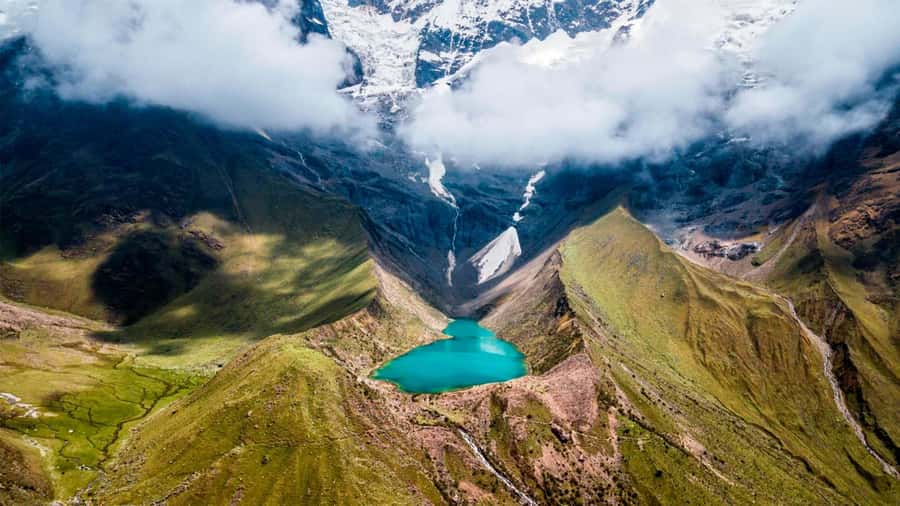
- Humantay Lagoon visit: a 3-hour round trip hike from camp to reach the glacial lake.
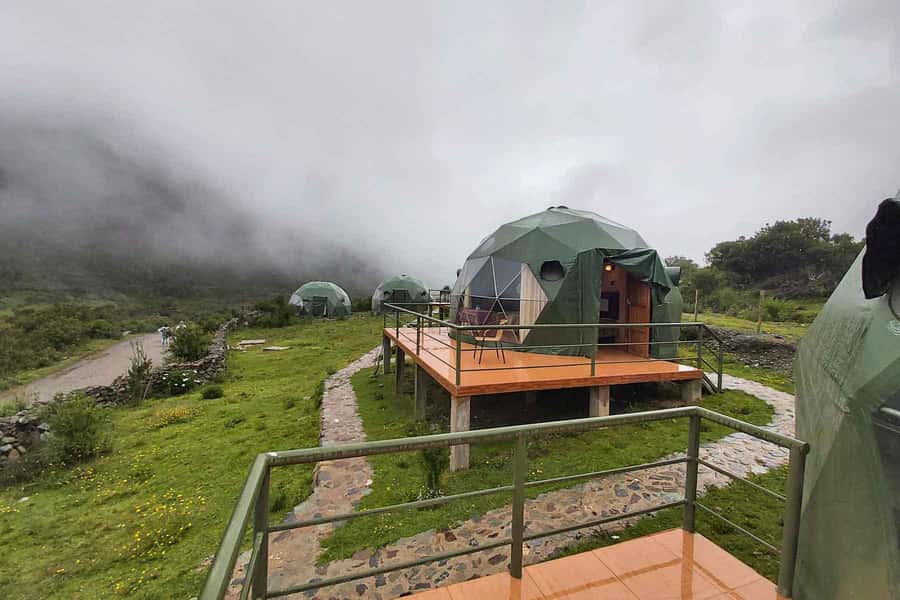
- Dome-camp setup: you’re not sleeping on bare ground, and meals are supported by a kitchen team.
- Aguas Calientes by train-track walk: you trade jungle valley trails for a classic long walk before town.
- Machu Picchu morning timing: you’re aiming to be among the first in, with a guided tour.
- Packing limits matter: up to 5 kg of personal gear is moved for you days 1 to 3.
Why Salkantay in 4 days feels like a different Peru trip
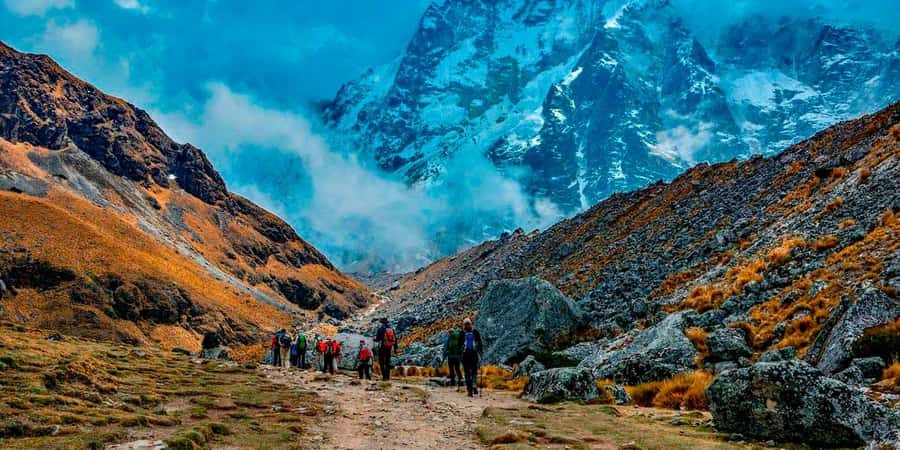
The Salkantay Trek is for people who want dramatic high-Andes hiking, not just a couple of scenic walks. You start from Cusco early, then spend the next days climbing, descending, and changing environments—cold glacial views, then warmer valley trekking, then finally the misty feel of Aguas Calientes.
What makes this specific version appealing is the blend of comfort and challenge. You get dome-style camps with tables/chairs in a dining tent and a real chef and kitchen team. Then you add the big-ticket finale: Machu Picchu with an included entrance and a guided circuit.
That balance is the real value here: you’re paying for days of support—guiding, food service, pack animals, and the final transport web—while still doing the physical work yourself.
You can also read our reviews of more hiking tours in Urubamba
Day 1: Cusco to Soraypampa and the Humantay Lagoon climb
You’ll meet in Cusco between 4:45 and 5:30 a.m. This early start is not optional; it’s how you get to the trail without losing daylight. From Cusco you take transport to Mollepata (about 2 hours), stop for breakfast there (not included), then continue toward Cahllacancha.
At Cahllacancha, you meet the support team. This is where you feel how the trek is organized: pack animals take luggage, tents, and kitchen items so you can hike with a lighter personal load. Around 9:30 a.m., you begin walking toward Soraypampa (3,900m).
The day’s walk is described as about 4 hours with a constant pace. When you arrive, lunch is on the agenda, followed by the signature add-on: Humantay Lagoon. The hike is around 3 hours round trip from camp up to 4,200m. It’s not a long scramble on the page, but you’ll feel the altitude, and you’ll want to move steadily.
You’ll end Day 1 with hot dinner. For me, that matters on Salkantay because the first day sets your rhythm. If you go out too fast, your body will remind you on Day 2.
Day 2: The Salkantay Pass (6,264m) and the descent to Chaullay
Day 2 is the payoff day and the pain day. You’ll be woken up with coca tea, then you get breakfast and start climbing around 5:00 a.m. Early starts help because weather can shift fast at high altitude.
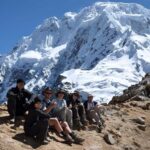
The itinerary calls out a climb of 6 kilometers uphill through rocky mountains to the high point of the trek. That’s where you look out at the snow-capped peaks of Salkantay (6,264m). The detail that helps you understand the difficulty is that you’re climbing to the pass and then descending again the same day.
After roughly 2 hours descent, you stop for lunch in Huayracmachay around 1:00 p.m. Then you keep going toward Chaullay, with an additional descent of about 3 hours to reach the camp at around 2,900m.
This is also the night of sleeping in indigenous huts. It’s not “glamping,” but it’s a different feel than the dome camps. I like that the trek doesn’t keep everything the same; you taste the region as you change elevation.
Dinner is scheduled for about 6:00 p.m. If you’ve ever hiked high Andean days, you know that timing matters. You’ll likely be tired enough that food and an early night genuinely help.
Day 3: Santa Teresa valley to La Playa, then train tracks to Aguas Calientes
Day 3 shifts the feel. You start around 6:00 a.m. walking toward La Playa through the Santa Teresa valley. The walk is about 6 hours, and the route is described as moving into a newer, greener landscape.
You pass Colpapampa, called the eyebrow of the cloud forest. That label tells you the point: expect a more humid-feeling zone and a different mix of plants and light compared to the earlier high, rocky days.
After lunch at La Playa, you transfer to the hydroelectric plant (about 1.5 hours). Then comes the long, famous slog: walking about 10 kilometers along the train tracks for roughly 3 hours to Aguas Calientes.
This is a practical day. The distance is manageable if your legs are still functioning, but it’s not the kind of walking you do to enjoy a leisurely stroll. I’d mentally frame it as a “get to town and recover” day.
You stay overnight in Aguas Calientes Hostel. That hotel night is your bridge to Machu Picchu, and it’s worth taking the sleep seriously. You’ll wake up early again.
Day 4: Machu Picchu early entry, guided circuit, and optional peaks
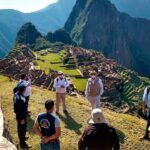
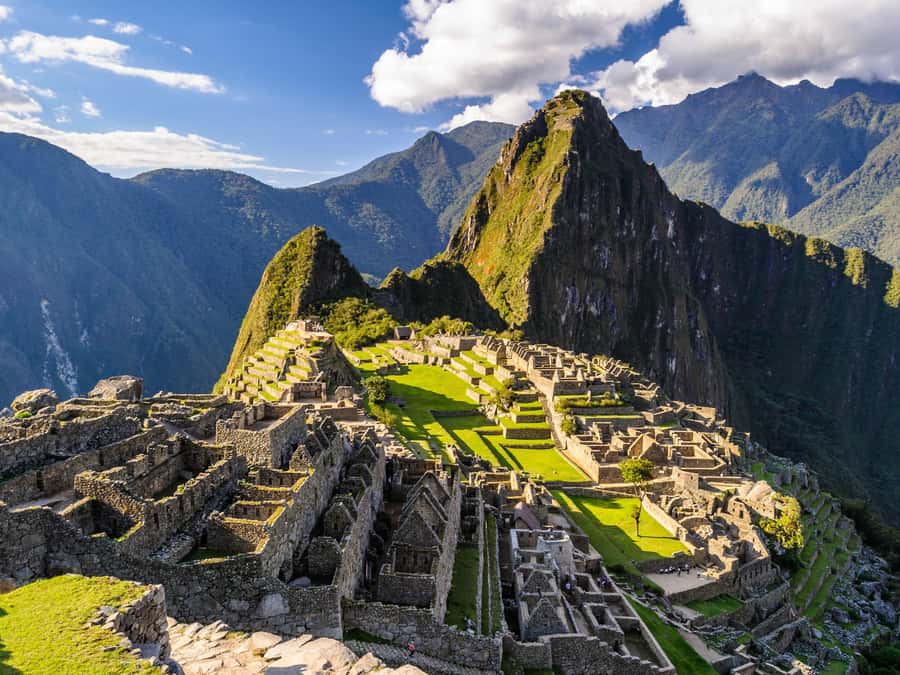
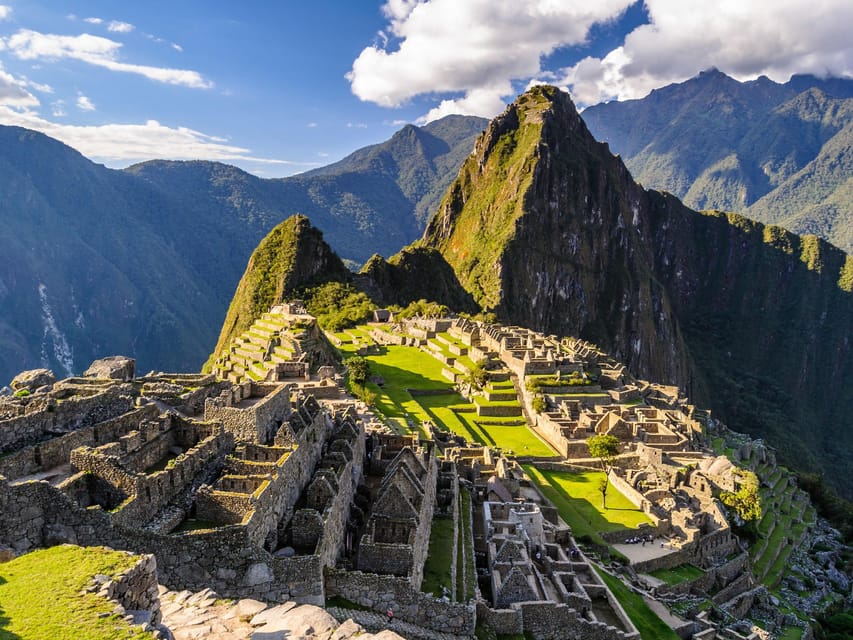
On Machu Picchu day, the plan is all about timing. You’ll wake up early in Aguas Calientes so you can be at Machu Picchu early and enjoy the quieter morning light.
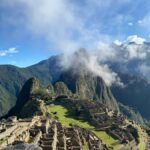
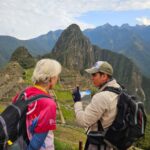
The entrance point opens from 6:00 a.m. to 3:00 p.m. You take an optional bus to the site, then get a 2-hour guided tour. That guided time is one of the best parts of the package because it helps you understand what you’re seeing without you needing to decode every stone on your own.
After the tour, you have options: you can climb Huayna Picchu or Machu Picchu Mountain if you have the required tickets in advance. Each climb takes about 3 hours between ascent and descent.
Then you head back to Aguas Calientes and catch the train to Ollantaytambo at either 4:22 p.m. or 6:20 p.m. (depending on availability). A group minivan brings you back to Plaza San Francisco in Cusco.
One important caution I’d follow: confirm your Machu Picchu admission is actually covered in your final paperwork and that your guide plan for Day 4 is clear. On a trek with tight timing, you don’t want to start the day scrambling for tickets or hunting for the right person to meet.
Domes, huts, meals, and what “included” really means on this trek
This trek uses a mix of accommodations and support styles:
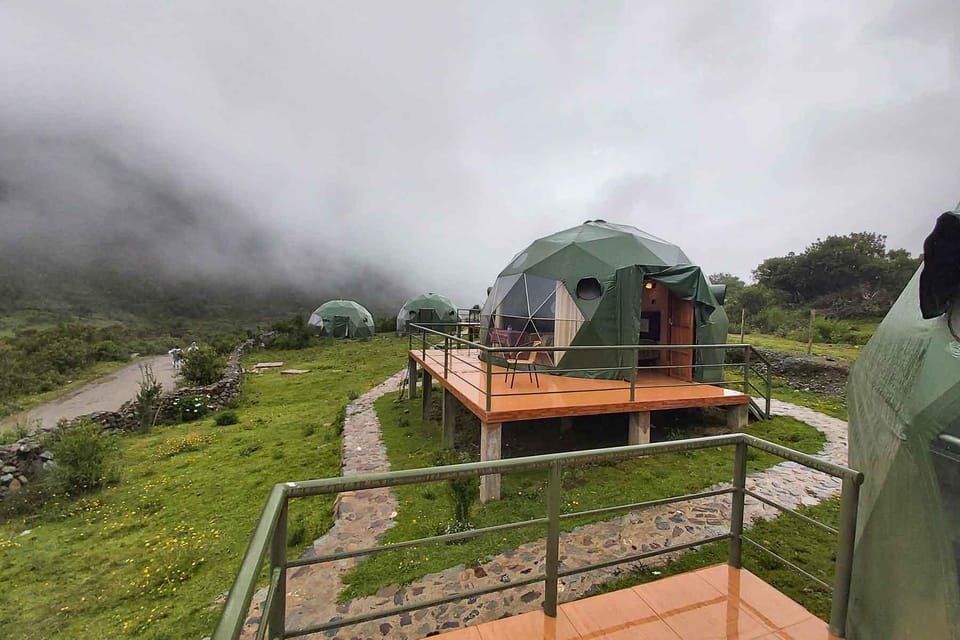
- Dome camps with 4 people per dome, and cabins for 2 (as described).
- A dining tent with tables and chairs.
- Kitchen support with a chef and kitchen team.
- One mat per person and a provided sleeping setup approach via optional sleeping bags.
You also get biodegradable hand soaps and biodegradable dishwashing detergents. That tells me the camp setup is meant to be more organized than the bare-minimum survival version.
Food is included, with vegetarian and special menus available at no extra cost. Drinking water is not bundled, and you can buy it or bring filters. I like this approach because it’s flexible, but it does mean you need to plan for hydration rather than assuming everything is provided.
Packing limits are a big deal. Your personal equipment can be transported on pack animals up to a maximum of 5 kg per person on Days 1 to 3. Tents, food, and kitchen tools are also carried for you Days 1 to 4.
So you should pack like a hiker, not like a hotel guest. If you bring a giant backpack, you might feel it on the hardest day. If you keep your essentials tight, the support system does what it’s supposed to do.
Price and logistics: is $450 a smart value?
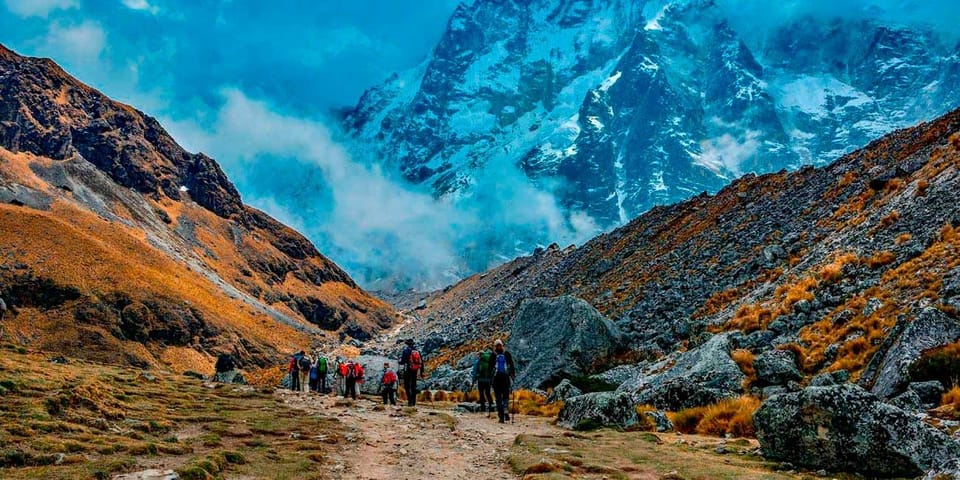
At $450 per person, this trek looks like mid-range pricing when you consider what’s in the package: professional guide support, dome camp logistics, a kitchen team, pack animals, an Aguas Calientes hostel night, and the big end payoff with Machu Picchu entrance and a train ticket back to Ollantaytambo.
Where value can slip is not the walking—it’s the precision of the final-day details. Your schedule depends on entry windows, train departures, and your group’s ability to move smoothly. If anything is unclear—language, meeting points, or which guide is with which portion of the group—you’ll feel it at the worst possible time.
Also note a language mismatch in the provided details. The included section says an official English-speaking tour guide, while the activity details list Spanish. If language is important to you, email ahead and confirm what language your group guide will actually speak each day.
My rule for a trip like this: assume the trek logistics are correct when they’re clearly stated, and verify everything that affects Machu Picchu timing—because that’s where problems cost you the most.
Who should book this trek (and who might want a different fit)
This trek fits best if you:
- Want a classic high-Andes hiking adventure with Salkantay Pass on the itinerary.
- Can handle early mornings and altitude (you go to 3,900m, 4,200m, up to 6,264m, then down).
- Prefer structured support: guide, kitchen, and pack animals.
- Are excited about pairing a multi-day hike with a guided Machu Picchu morning.
You might think twice if you:
- Hate tight schedules. Day 1 and Day 4 both start extremely early.
- Have mobility concerns that make long descents harder to manage.
- Need perfect clarity on guides and tickets, unless you’re comfortable doing a quick confirmation before you depart.
My booking checklist before you pay (seriously useful)
Before you commit, I’d send a short message to the operator and ask these direct questions:
- Is Machu Picchu entrance definitively included in my ticket, and will it be issued under my name (or handled by the guide)?
- Who will be the guide on Day 4, and what language will they use?
- Are domes and cabins confirmed for my group size and allocation?
- What’s my exact meeting time in Cusco for the first day transport pickup?
- How do you handle the train selection back to Ollantaytambo if availability changes?
- If I need a sleeping bag, can I rent it and is the included comfort temperature clearly communicated?
These questions are simple, and they prevent the kind of last-day chaos that can ruin your Machu Picchu morning. It’s also the fastest way to see how organized the operation is in practice, not just in the written plan.
Should you book the Salkantay Trek 4 Days / 3 Nights Domes?
If your dream Peru trip includes high-altitude hiking plus Machu Picchu with guided time, this route is a strong match. You’re getting a structured trek with dome camps, a kitchen team, pack animals, and a logical build-up to the hardest day and the Machu Picchu payoff.
But don’t book on autopilot. I recommend you confirm the details that affect the final day—especially Machu Picchu entry and who leads your group—and double-check the guide language expectation. If those boxes are clear, this can be a memorable, high-value adventure that feels very much like Peru at its most dramatic.
FAQ
What are the dates and duration for the Salkantay Trek on this option?
This experience runs for 4 days and 3 nights. You’ll check availability for the specific starting times.
Where does the trek start and how do you get to the trailhead?
You meet at your hotel in Cusco between 4:45 and 5:30 a.m., then take transport to Mollepata. From there you continue toward Cahllacancha before starting the walk toward Soraypampa.
What type of lodging do you use during the trek?
You sleep in domes (4 people per dome) and cabins (2 people per cabin) during the trek. On Day 2/overnight at Chaullay, you spend the night in indigenous huts. On the final hiking-to-town day, you stay in Aguas Calientes Hostel.
Is Machu Picchu entrance included, and do you get a guide?
The package includes entrance to Machu Picchu and includes a 2-hour guided tour. There are also optional climbs (Huayna Picchu or Machu Picchu Mountain) that require tickets in advance.
Are vegetarian meals available?
Yes. Vegetarian or special menus are available at no additional cost.
Is a sleeping bag included?
A sleeping bag is not included by default. The sleeping bag rental is described as -10°C comfort and costs $20 USD for the entire trip if you choose to rent one.