REVIEW · URUBAMBA
Super Sacred Valley
Book on GetYourGuide →Operated by Exploor Trip E.R.L · Bookable on GetYourGuide
One-day Sacred Valley, tighter than you think. This tour strings together major Inca sites with market time and salt mines, all in a long Cusco-to-Cusco day. You’re picked up around 7:00 am, then you bounce through Chinchero, Moray, Maras, Urubamba, Ollantaytambo, and Pisac before returning around 7:00 pm.
What I like most is the guide setup and the range of stops. With a professional English/Spanish-speaking guide and the chance to ask questions at each site, you get context for what you’re seeing, not just photos. I also love the visit to Maras Salt Mines, where you’ll see more than 3,000 salt wells in one place.
One thing to watch: the day can feel rushed if you’re sensitive to shopping pauses and bus comfort. Entrance tickets for Chinchero, Moray, Ollantaytambo, and Pisac cost extra, and there’s also participation at a textile center plus market time—great if you want crafts, less great if you want straight archaeology. On top of that, the group ride may use a small bus, so legroom can be tight.
In This Review
- Key points to know before you go
- One day, five big Sacred Valley stops: what the schedule really means
- Chinchero: Inca walls, a colonial church, and that textiles participation
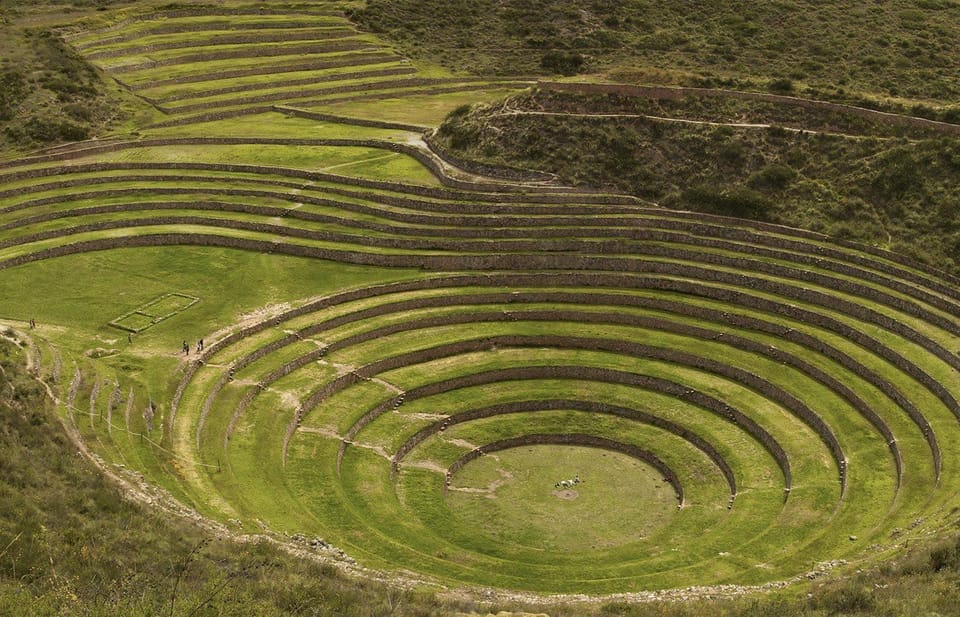
- Moray’s circular terraces: farming tech you can still read
- Maras Salt Mines: walking among 3,000+ salt wells
- Urubamba buffet lunch: the reset you actually need
- Ollantaytambo: the last living Inca city
- Pisac: Intihuatana hill, the indigenous market, and Inca stonework
- What you get for $50: guide, transport, lunch, and the extra tickets
- Guide quality can make or break the day (and you have examples)
- Small-bus pace and the shopping question
- Who should book Super Sacred Valley
- Should you book this one-day Sacred Valley tour?
- FAQ
- What’s the duration of Super Sacred Valley?
- How much does it cost?
- What sites does the tour visit?
- Is lunch included?
- Are entrance tickets included?
- What’s included in the tour price besides the sites?
- What languages are available for the guide?
- What’s the pickup and drop-off timing?
- Is there free cancellation?
Key points to know before you go
- A full-day route (about 7:00 am to 7:00 pm) that hits the biggest names of the Sacred Valley
- Chinchero mix of Inca walls, a colonial church, and textiles—not just one type of stop
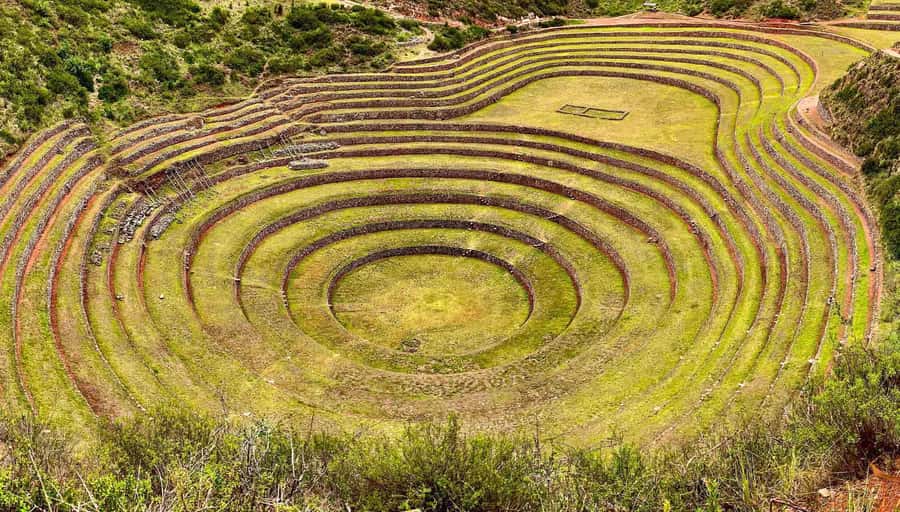
- Moray’s circular terraces show how the Incas used farming and microclimates
- Maras Salt Mines with 3,000+ wells tied to Inca salt use for consumption
- Ollantaytambo and Pisac together balance big archaeology with market shopping time
One day, five big Sacred Valley stops: what the schedule really means
This is a classic “greatest hits” Sacred Valley day, built for people who can’t (or don’t want to) spend two days on the route. Your mornings are spent out on sites, and your afternoons keep moving: Urubamba for lunch, then Ollantaytambo, then Pisac before heading back to Cusco.
The value here is simple: you get a lot of geography and a lot of Inca-era meaning in one long itinerary. But the tradeoff is pacing. Even if each stop is well organized, your time at each place is still limited by the need to connect several locations and make the return trip to Cusco by evening.
If you like a tight plan—early start, efficient route, and plenty to see—you’ll probably find this works well. If you need slow wandering time and want to linger without any “next stop” energy, you might feel the squeeze.
You can also read our reviews of more tours and experiences in Urubamba.
Chinchero: Inca walls, a colonial church, and that textiles participation
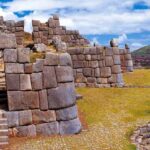
Chinchero is where the tour starts layering history. You’ll visit the archaeological center area with Inca wall constructions, and you’ll also see a colonial church that keeps a lot of history tied to the region.
Then the itinerary includes a small participation at a textile center. In practice, that means you’ll get some hands-on or guided textile time instead of only looking from the sidelines. This can be a good use of time if you want a human connection to how people in the area make and sell textiles today.
The potential downside is that textile demonstrations and sales-adjacent spaces can feel like an add-on if your priority is archaeological study only. If that’s you, go in with the right mindset: treat it as cultural context, not as a full workshop.
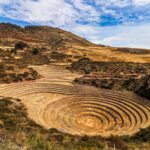
Moray’s circular terraces: farming tech you can still read
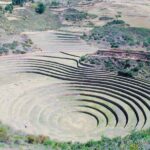
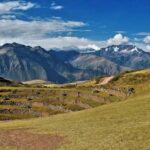
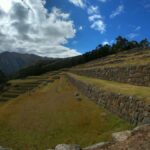
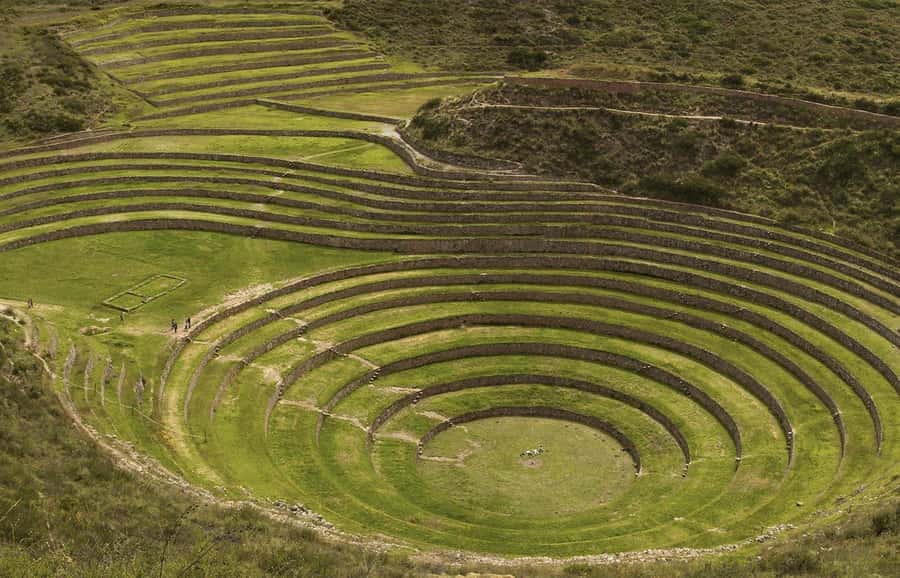
Next up is Moray, famous for its circular farming terraces. The tour positions Moray as especially important during the Inca era, mainly for agriculture. The idea isn’t just that it looks unusual—it’s that the design let the Incas experiment with growing conditions.
Those circular terraces matter because they hint at a practical knowledge system. You can stand there and see how earthwork shapes temperature and exposure, and it becomes easier to understand why agriculture was not just background life for the Incas—it was central planning.
In a day tour like this, Moray is often one of the more satisfying stops because it’s both visually distinctive and conceptually meaningful. You’ll likely come away thinking: this was engineered, not accidental.
Maras Salt Mines: walking among 3,000+ salt wells
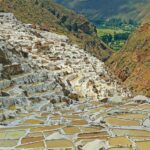
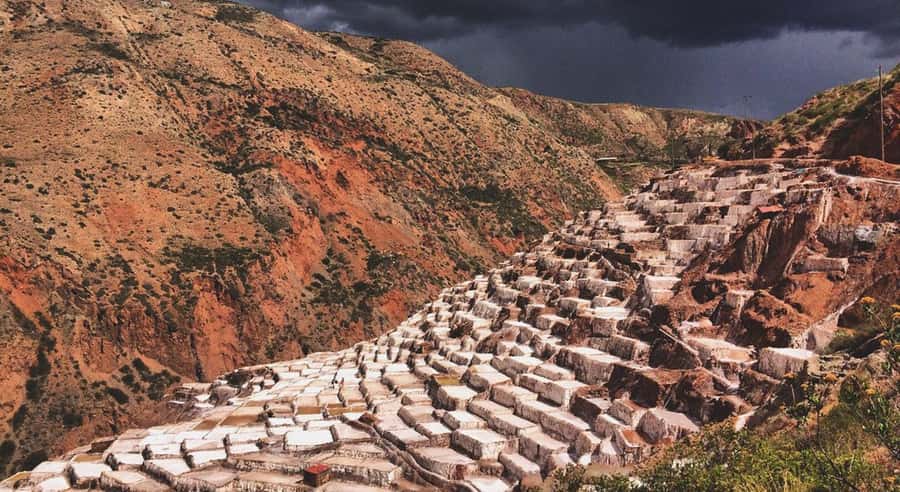
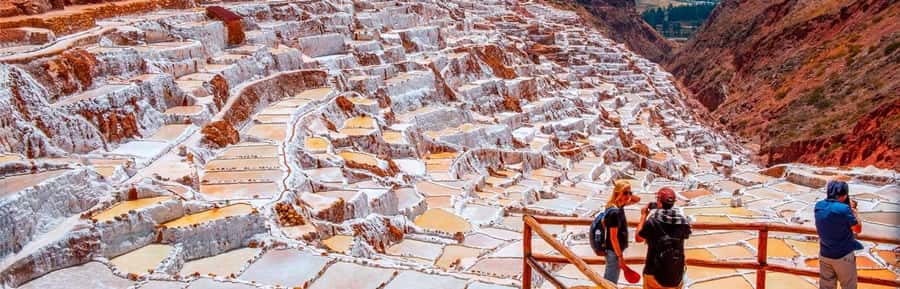
Then you descend to the Maras Salt Mines, a place known as much for the view and terrain as for the activity. Here you’ll visit more than 3,000 salt wells—many small pools carved into the hillside.
What makes this stop more than a photo moment is the purpose behind the salt. The tour notes that this salt was used by the Incas for consumption, and it helps you connect a landscape you’re walking through to food and daily life.
One practical note: Maras is an active walk-through experience. If you like moving at a steady pace and you’re okay with uneven ground and changing light, it’s an easy stop to enjoy. If you prefer flat, seated site-viewing, this part may feel more physical than the other stops.
Urubamba buffet lunch: the reset you actually need
Between archaeology stops, you’ll reach Urubamba for a buffet lunch. In a day packed with site time, this meal break is not a luxury—it’s your recovery period. It gives you a chance to refuel before the afternoon push to Ollantaytambo and Pisac.
The itinerary doesn’t just mention lunch; it places it after Moray and before Ollantaytambo, which matters. The drive segments can be long, and the lunch stop helps keep energy from dropping too hard.
It’s also the kind of moment where having a guide can make a difference. If you ask quick questions before you leave the table, you’ll get more out of the next site instead of trying to reconstruct context on the fly.


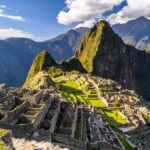
Ollantaytambo: the last living Inca city
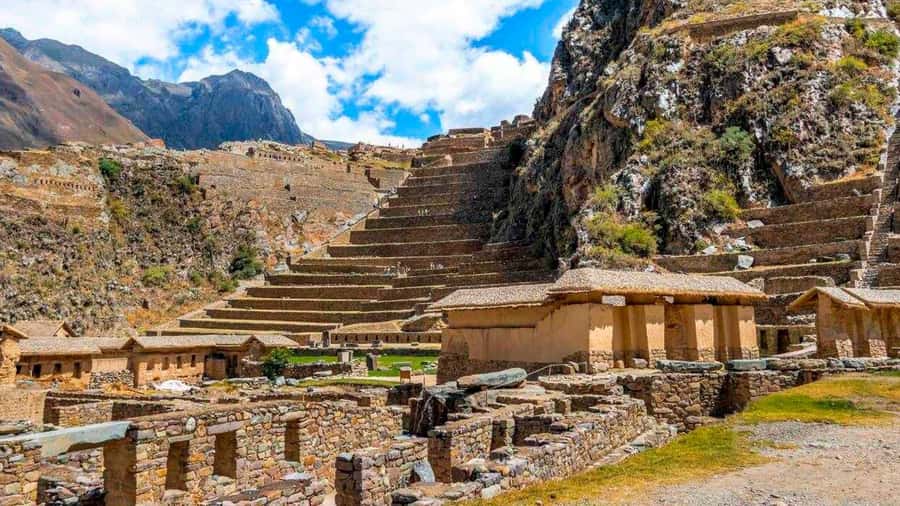
Ollantaytambo is the “big moment” stop, known as The Last Living Inca City. The tour takes you to the archaeological visit here after lunch, which makes sense: it’s one of the sites that tends to reward your full attention.
Ollantaytambo has a strong sense of continuity—Inca-era stonework and planning, still tied to how the area looks and feels. Even if you’ve seen other Inca sites before, this one often hits differently because the connection between settlement and ruins feels tighter.
Time-wise, you’ll want to go in ready to focus. This stop is not just a stroll; it’s built from stone details and layout. If you’re the kind of person who likes taking a few minutes to orient yourself before moving on, this is where that habit pays off.
Pisac: Intihuatana hill, the indigenous market, and Inca stonework
After Ollantaytambo, the tour heads to Pisac, on the slopes of the Intihuatana hill, described as the place where the sun is moored. That framing helps you understand why Pisac is both a community space and an archaeological space, not just ruins.
First, you’ll enter the indigenous market of Pisac, which the itinerary calls out as one of the best places to buy crafts. This is where shopping can become either fun or frustrating, depending on your style. If you like browsing and chatting, it’s a real cultural moment. If you only want archaeology, treat the market as a quick stop and be clear with yourself about what you want to spend time on.
Then you visit the Archaeological Park of Pisac, where you’ll see Inca archaeological sites and polished-stone buildings made with careful assembly. This is where the tour balances commerce and culture with the serious stonework you came for.
What you get for $50: guide, transport, lunch, and the extra tickets
On price, the tour lists $50 per person for the overall experience. What you’re getting at that level is solid: hotel pickup, round-trip transportation, a buffet lunch, and a professional English/Spanish-speaking guide. You also get emergency readiness with a first aid kit and an oxygen bottle.
The catch is tickets. Entrance fees are not included for Chinchero, Moray, Ollantaytambo, and Pisac, and there’s also a separate tourist ticket for the Maras Salt Mines. So you should plan on paying site entry on top of the $50.
As value goes, this tour is strongest if you want to pack multiple sites into one day and you appreciate interpretation from the guide. It’s weaker if you’re the type who would rather pay only for a couple of stops and spend the rest of the day free.
Guide quality can make or break the day (and you have examples)
A big part of why this itinerary works is the guide. In one case, the guide name Emil came up with strong praise for explaining the sites and Inca civilization clearly.
What’s also useful is that the guide reportedly handled mixed comprehension needs by repeating explanations in both English and Spanish. If you’re traveling with limited Spanish—or if your group needs extra clarity—this kind of flexibility can be a real quality boost.
If you care about meaning over just seeing stones, choose this tour with that in mind: the value isn’t only the route. It’s the ability to understand why each place mattered.
Small-bus pace and the shopping question
This is where you should be honest with yourself before booking.
The itinerary includes time at Chinchero with textiles participation and time in Pisac with a market. That can be great for culture and crafts, but it also means the day may include stops that feel less strictly archaeological. One concern that showed up was about tour-trap style boutiques and very short artisan demonstrations that didn’t add much beyond browsing.
And transport can matter on a long day. There’s also feedback that the bus used can be small (around 17 seats), with limited legroom compared to other tours.
My practical advice: if shopping stops aren’t your thing, go in with a plan. Decide ahead of time what you will do—browse only for a set amount of time, or focus on the market area and skip the sales-y demos. And if you’re tall or you hate cramped seating, consider that in your decision.
Who should book Super Sacred Valley
This tour fits best if:
- You want a one-day overview of the Sacred Valley’s major stops
- You like having a guide connect the dots between archaeology and daily Inca life
- You’re okay with a long day and a few non-archaeology moments like textiles and markets
It may be less ideal if:
- You strongly dislike shopping pauses or sales-adjacent demos
- You need extra space on transport and don’t want a small bus ride
- You prefer slow, deep time at fewer sites
Should you book this one-day Sacred Valley tour?
If your priority is hitting the major Sacred Valley highlights—Moray’s terraces, Maras Salt Mines with 3,000+ wells, plus Ollantaytambo and Pisac—and you want that in a single day with lunch and a guide, this is a strong option.
Book it with two cautions in mind: entrance tickets are extra, and the day includes at least some time that can feel like market or textile culture rather than pure archaeology. If you’re fine with that mix, you’ll likely end the day feeling you got your money’s worth in variety and context.
FAQ
What’s the duration of Super Sacred Valley?
The tour runs for 1 day, with pickup around 7:00 am and return to Cusco around 7:00 pm.
How much does it cost?
The listed price is $50 per person.
What sites does the tour visit?
You’ll visit Chinchero, Moray, Maras Salt Mines, Ollantaytambo, and Pisac.
Is lunch included?
Yes. A buffet lunch is included in the tour.
Are entrance tickets included?
No. Tourist tickets for Chinchero, Moray, Ollantaytambo, and Pisac cost PEN 70.00, and the Maras Salt Mines ticket costs PEN 10.00.
What’s included in the tour price besides the sites?
Included are hotel pickup, round-trip transportation, a professional English/Spanish-speaking tour guide, and emergency supplies (first aid kit and oxygen bottle).
What languages are available for the guide?
The tour includes a professional guide speaking English and Spanish.
What’s the pickup and drop-off timing?
Pickup is at about 7:00 am, and you return to Cusco around 7:00 pm.
Is there free cancellation?
Yes. The tour offers free cancellation up to 24 hours in advance for a full refund.