REVIEW · CUSCO
From Cusco: Uros Excursion to Uros Island – Taquile + Lunch.
Book on GetYourGuide →Operated by Viajeros a Peru · Bookable on GetYourGuide
Lake Titicaca turns up fast on this trip.
This one-day tour is built around Uros and Taquile Island, with daytime boat time, a guided visit, and a traditional lunch that breaks up the long travel. You’ll get big views over the lake and a real look at life shaped by the water and the totora reeds. One thing to weigh early: the schedule is intense, with overnight buses eating most of your “1 day.”
What I like most is the mix of experiences: a guided stop on the Uros Islands plus a hands-on-feeling visit to Taquile, where you can explore the village and see weaving culture up close. I also appreciate that lunch is included on Taquile, so you’re not scrambling for food with limited time.
The main drawback is fatigue and crowding risk. The plan moves fast, and Taquile includes a challenging 1-hour uphill walk, while the whole Cusco–Puno–Cusco flow can feel like a marathon if you’re hoping for a relaxed day on the water.
In This Review
- Key points before you go
- Cusco-to-Puno in one stretch: the timing that makes or breaks it
- The overnight buses: comfort can be good, but it’s still long
- Uros Islands: totora life, guided learning, and a key reality check
- Taquile Island: the 1-hour uphill walk you can’t ignore
- Typical lunch on Taquile: included, local, and timed well
- Puno’s afternoon break: use it, don’t waste it
- Small group size: what the limit means in real life
- Price and value: is $150 a fair deal?
- Who should book this Uros + Taquile day tour
- Should you book this tour?
- FAQ
- What is the duration of the tour?
- Where does the tour start in Cusco, and what time is pickup?
- How long is the travel time between Cusco and Puno?
- Is lunch included?
- Is a Totora boat ride included?
- What languages will the guide speak?
- What is the cancellation policy?
- Is there a small group limit?
Key points before you go
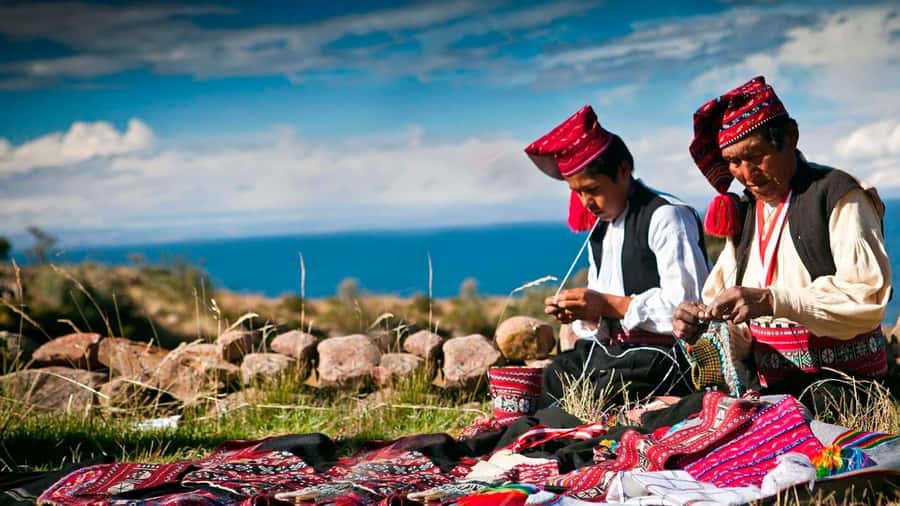
- Totora know-how on Uros: you’ll learn how reeds are used for boats, homes, and more
- Taquile’s village walk: expect a steep climb before you reach the community
- Lunch is included: you’re fed on Taquile without needing extra hunting
- Big lake views from the boat: Uros and Titicaca scenery is a main event
- Overnight bus logistics: comfortable sleep helps, but it still takes a toll
Cusco-to-Puno in one stretch: the timing that makes or breaks it
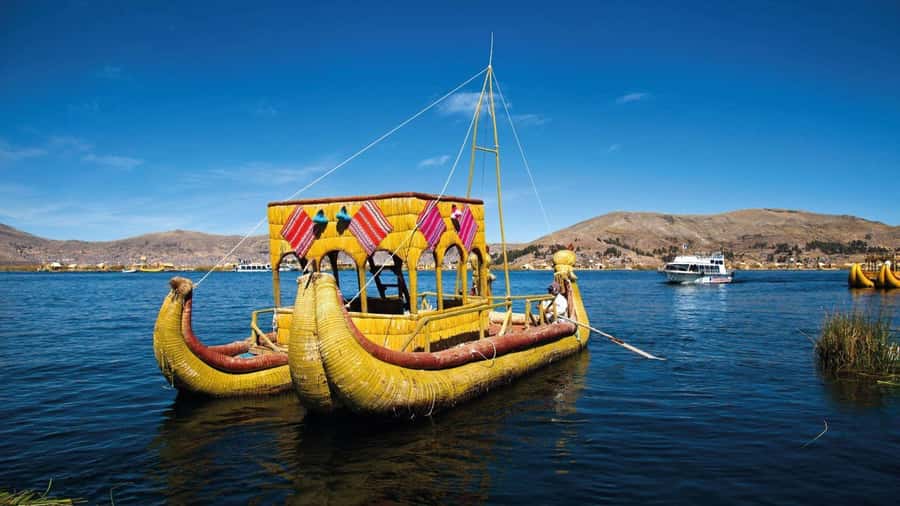
This tour starts late in Cusco—pickup from your hotel at 9:00 PM—then you head to the bus terminal for the overnight ride. The bus leaves at 10:00 PM and arrives in Puno at 5:30 AM. That means your Titicaca day begins long before sunrise, and you’ll start the water portion after a morning breakfast stop in Puno.
Then the pace stays steady all the way to the evening. After visiting Uros and Taquile, the return to Puno is planned for around 5:00 PM (via normal boat). You get a free afternoon to walk around Puno, and then you’re back on the bus at 9:00 PM, arriving back in Cusco at 5:30 AM the next day.
For many people, that’s exactly the appeal: you squeeze a Titicaca day into a tight schedule. But if you’re sensitive to travel days, you should assume this is less “one leisurely day” and more “two overnight transit blocks plus a daytime tour.”
You can also read our reviews of more tours and experiences in Cusco

The overnight buses: comfort can be good, but it’s still long
The tour includes tourist-class bus tickets for both legs: Cusco → Puno and Puno → Cusco. One practical upside is that night buses are often easier than daytime travel when you need to cross distance quickly, and in at least one case, the sleep setup felt unexpectedly comfortable.
Still, even with a solid bus experience, you’re looking at roughly 32 hours from the first pickup to your return arrival (9:00 PM to 5:30 AM the following night, plus the return timing). That’s a lot of time on a bus, no matter how comfy the seats are.
If you book this, pack like it’s a long-haul flight day:
- Bring something for warmth (buses and early mornings can feel cooler)
- Have snacks and water ready for the gaps not clearly covered in the plan
- Keep your day pack small—you’ll be moving between hotel pickup, terminals, port areas, boat steps, and back again
Uros Islands: totora life, guided learning, and a key reality check
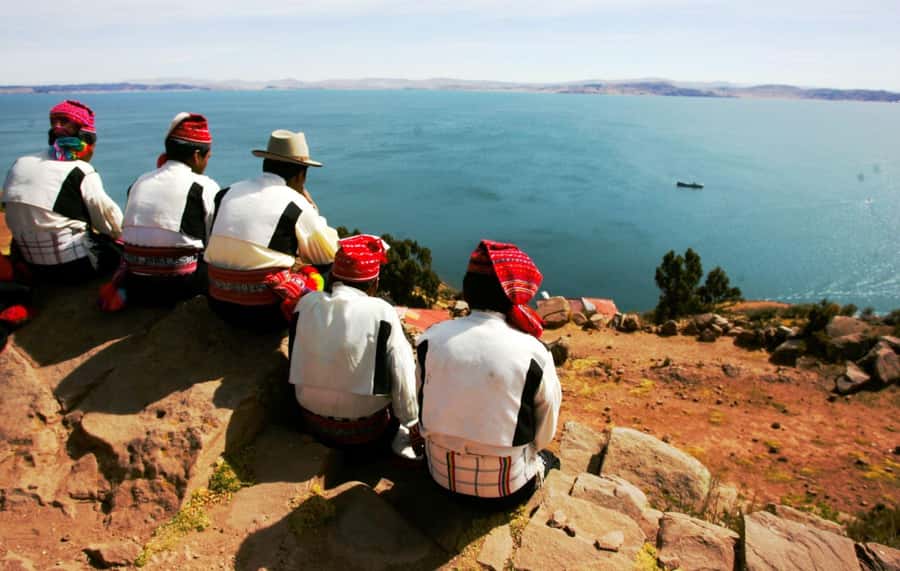
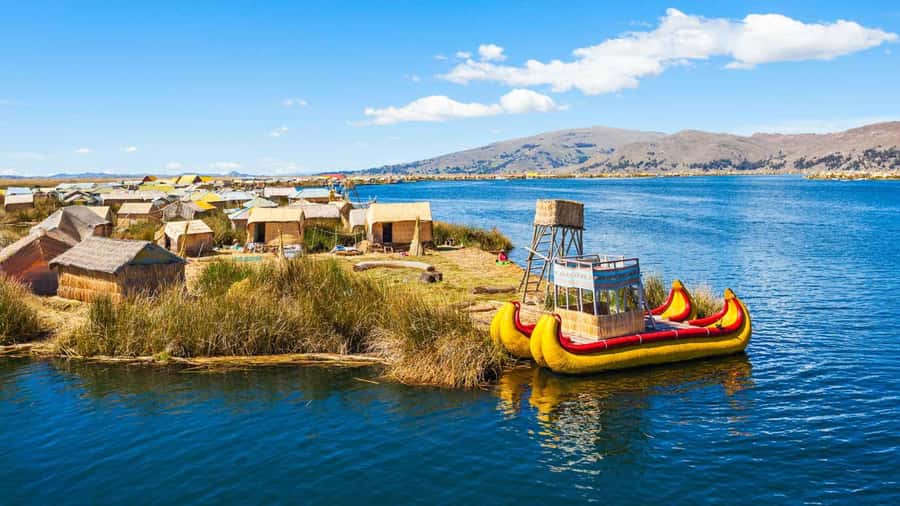
Your first major stop is the Uros Islands on Lake Titicaca. You’ll board from the port in Puno and sail out for a guided tour on the islands.
Here’s what makes Uros important on this route: the island communities built their living spaces using totora reeds—the same material used for boats/rafts, fuel, and even food for human consumption. In other words, you’re not only looking at a craft display. You’re seeing a whole way of making life from what the lake grows.
Now for the reality check. Uros is popular, and popularity changes the feel of a place. If you’re the kind of traveler who expects daily life that looks untouched by visitors, go in with softer expectations. A guided island visit can feel more like interpretation than a fully off-grid day in someone’s routine. That doesn’t make it worthless—it just changes what you should focus on.
What to do instead of overthinking it:
- Treat it like a lesson about water resources and engineering
- Ask your guide to explain what totora provides and why it matters
- Use the boat time for the real payoff: those wide Titicaca views can be the standout moment
Taquile Island: the 1-hour uphill walk you can’t ignore
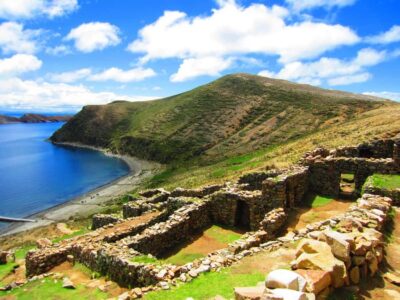
After Uros, the tour continues to Taquile Island, where you’ll take a 1-hour walk to reach the village. The climb is described as significant—think “workout,” not “nice stroll,” especially if you’re not used to altitude or steep grades.
This is where you’ll feel the difference between a tour that looks simple on paper and a tour that actually lands on your body schedule. If you’re short on stamina, you’ll likely be happiest if you:
- Pace yourself early on the hike
- Keep water handy (even if the tour includes lunch later)
- Plan for sore legs after—this isn’t a walk you should treat like a quick viewpoint stop
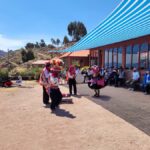
Once you reach the village area, you’ll observe daily life and customs, then have free time to explore and meet inhabitants. A highlight is how weaving culture is shown—visitors often connect with this because it’s tangible and explainable, not just scenery from a distance.
Your Taquile day is a blend: effort (the climb) plus reward (village time and community interaction). If you can handle the walk, Taquile tends to feel more real and less “set-up for tourists” than the first stop.
Typical lunch on Taquile: included, local, and timed well
A traditional lunch in a local restaurant is included on Taquile. That timing matters. You’ll reach the village area after the walk, and lunch gives you a reset before your free time exploring.
One practical tip: because this is a small-group day trip with limited schedule slack, I’d treat lunch as your anchor meal. If you have dietary restrictions, the tour data doesn’t spell out alternatives beyond the included lunch, so bring realistic expectations and consider communicating needs early.
Also, keep it simple with what you bring to the table—no big shopping stops, no extra sit-down cafes, and no time to “wander until you find food.” The day runs on the boat’s clock.


Puno’s afternoon break: use it, don’t waste it
After Taquile, you return to Puno and arrive around 5:00 PM. That gives you an afternoon to explore the city center at your own pace.
This window is short, so aim for “good enough and close” over “tourist checklist.” A practical strategy:
- Walk where you can without needing a lot of planning
- Grab a drink/snack if you skipped anything earlier
- Keep an eye on the pickup time for the bus back to Cusco (the evening transfer is planned around 9:00 PM)
If you want to make this tour feel less exhausting, this afternoon is the one chance to control your day. Don’t spend it trapped in your room.
Small group size: what the limit means in real life
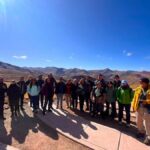
The tour is listed as a small group, limited to 15 participants. That should keep the day from feeling like a cattle line. You’ll also have a live tour guide available in English and Spanish, which is helpful when you want real explanations rather than just photo ops.
At the same time, boat routes and island visits in Titicaca can get busy simply because Uros and Taquile are popular. So even with a small group, you should expect some shared movement with other groups at ports and during transitions. The good news: the important parts here are guided and timed, so you’re less likely to lose the plot.
If you hate feeling rushed, your best move is to be mentally ready for the schedule. This isn’t a flexible “hang out all day” tour.
Price and value: is $150 a fair deal?
At $150 per person for a “1 day” tour, the value question comes down to what you’re getting for that price.
What you’re paying for:
- Overnight bus tickets both ways (Cusco → Puno, then Puno → Cusco)
- Hotel-to-terminal transfers and station transfers around the journey
- A normal boat tour covering Uros and Taquile
- A traditional lunch on Taquile
- A live guide (English/Spanish)
What you may pay extra for:
- A traditional Totora boat ride, listed as 15 soles (not included)
- Any food not mentioned in the included items (your itinerary has breakfast time, but the included list only explicitly names lunch)
So is $150 worth it? For many travelers, yes—especially if you:
- Don’t want to coordinate buses and boat logistics on your own
- Want a guided explanation during the island stops
- Have limited time and can handle overnight transit
But if your goal is a slower, more “stay and breathe” Titicaca experience, $150 can feel expensive compared with doing the journey at a more comfortable rhythm (for example, spending extra time in Puno to break up the bus fatigue). This specific schedule is efficient, not gentle.
Who should book this Uros + Taquile day tour

This tour fits best if you:
- Have limited time in the Cusco–Puno region
- Want both Uros and Taquile in one go
- Are okay with an early morning start and overnight bus travel
- Don’t mind a steep 1-hour walk to reach Taquile village
- Like the idea of learning how people use totora reeds and then spending time with the weaving culture on Taquile
You might want to skip it (or choose a different format) if you:
- Want to avoid long overnight rides and prefer staying in one place for a couple days
- Have mobility limits or dislike steep climbs
- Are strongly focused on whether a tradition looks exactly the way it did before tourism influence (Uros in particular can feel like a curated introduction)
Should you book this tour?
Book it if your priority is a fast, structured Titicaca taste: boat time, island culture, included lunch, and a guided visit—without doing logistics yourself. It’s a solid way to see why Lake Titicaca matters.
Don’t book it if you’re hoping for a relaxed day or you’d rather save your energy for viewpoints and slow strolling. This route has a built-in “push” factor: overnight buses plus a serious uphill walk.
If you do book, plan for the effort. Bring layers for the early hours, pack for a long transit day, and treat Taquile’s climb as the workout portion—then reward yourself with the village time.
FAQ
What is the duration of the tour?
The tour is listed as 1 day.
Where does the tour start in Cusco, and what time is pickup?
Pickup is from your hotel in Cusco at 9:00 PM (please wait 10 minutes before pickup time in the hotel lobby).
How long is the travel time between Cusco and Puno?
The bus departs Cusco at 10:00 PM and arrives in Puno at 5:30 AM the next day. The return bus departs Puno at 10:00 PM and arrives in Cusco at 5:30 AM the next day.
Is lunch included?
Yes. You’ll have a traditional lunch in Taquile included in the tour.
Is a Totora boat ride included?
No. An additional traditional Totora boat ride is listed as 15 soles and is not included.
What languages will the guide speak?
The tour includes a live guide in English and Spanish.
What is the cancellation policy?
You can cancel up to 24 hours in advance for a full refund.
Is there a small group limit?
Yes. The tour is listed as a small group limited to 15 participants.