REVIEW · CUSCO
4-Day Lares Trek to Machu Picchu from Cusco
Book on Viator →Operated by Bamba Travel · Bookable on Viator
Lares to Machu Picchu starts in cold mountain air. This 4-day trek ties together high passes, small communities, and an early visit to Machu Picchu, guided by an experienced bilingual local guide. It’s the kind of route where the walking feels like part of the story, not just the setup.
On the trail, I really like the camp meals. You get Peruvian cooking done fresh by your chef, and there’s a vegetarian option available for every meal when you request it ahead of time.
The only real catch is the schedule and altitude: you’ll climb toward points around 4,400m, and you’ll catch the 05:30 bus on Day 4.
In This Review
- Key things worth knowing before you go
- Cusco prep: the 6 PM briefing that keeps Day 1 from feeling chaotic
- Getting from Cusco to Lares Town on a 6:00 am timeline
- Day 1 to Wakawasi: the first high pass mood and meeting the community
- Day 2 over Ipsayccocha Pass: your biggest altitude moment
- Day 3: switching from trail to train—Aguas Calientes as your reset
- Day 4: sunrise-style Machu Picchu, a 2-hour guided walk, then your own exploring
- Meals, camping setup, and the weight plan that makes this trek doable
- Price and value: what $847 really covers (and what it doesn’t)
- Who this trek suits best (and who should think twice)
- Packing smart: the small stuff that saves your trip
- Should you book the 4-Day Lares Trek to Machu Picchu?
- FAQ
- What is included in the trek price?
- How big is the group?
- Do you offer vegetarian meals?
- Do I need to bring a sleeping bag?
- Is hot springs time included?
- What sleeping arrangements are provided during the trek?
- Is there a hotel in Aguas Calientes?
- What time do you go to Machu Picchu?
- How long is the guided visit at Machu Picchu?
- Are Huayna Picchu tickets included?
- Can I change or cancel after booking?
Key things worth knowing before you go
- Small-group size: Max 15, average around 4, so you’re not fighting for attention on steep sections or at the ruins.
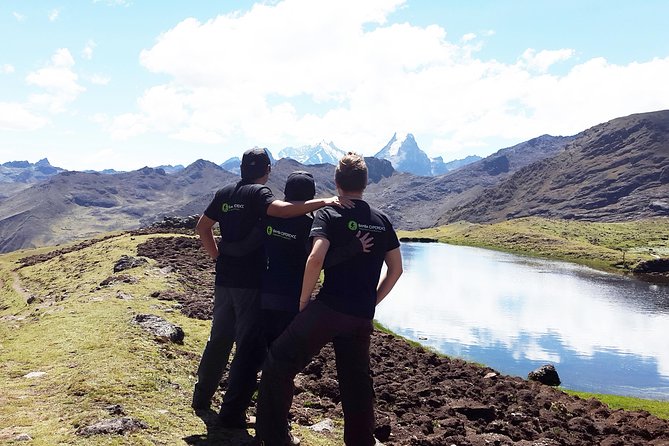
- Real local feel in Lares: You camp in high Andean communities, with opportunities to meet families living day-to-day with the mountains.
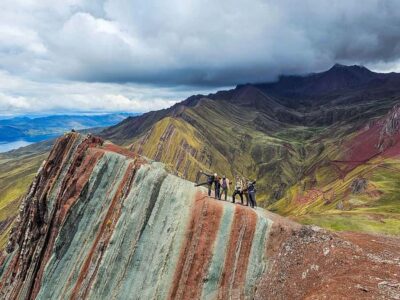
- Ipsayccocha Pass at about 4,400m: The second day’s big altitude moment is the one to respect.
- Horse support for first days: Horses carry cooking and camping gear plus a planned load (you still carry essentials, but weight is managed).
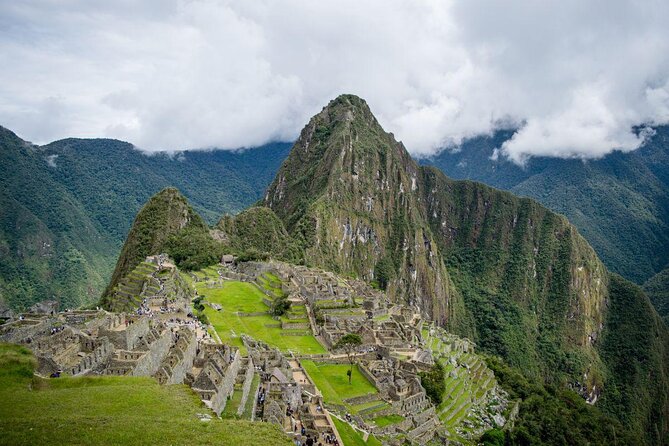
- Machu Picchu with a guide plus free time: You get a structured 2-hour guided walk, then you explore and photograph at your pace.
- Huayna Picchu optional hike: It’s inside the park area, requires advance booking, and has a limited daily number of passes.
Cusco prep: the 6 PM briefing that keeps Day 1 from feeling chaotic
This trek starts with more than just a morning pick-up. You’ll have a mandatory pre-departure briefing in Cusco the evening before at 6:00 PM, at Bamba Experience on Calle Matara 242 (second floor). Bring your passport details (as required for the booking) and have your packing plan ready. That briefing matters because the trek runs on tight timing—especially with train and bus connections tied to Machu Picchu.
You’re also told clearly what’s included and what’s on you. That sounds basic, but in real life it prevents the classic problem: someone arrives missing a key layer, then the whole group feels the slowdown. Even if you’ve hiked before, the mountain in this part of Peru punishes sloppy packing.
You can also read our reviews of more hiking tours in Cusco

Getting from Cusco to Lares Town on a 6:00 am timeline
Your Day 1 starts with accommodation pick-up around 6:00 am, then a transfer by van/bus to Lares Town (about 2,900m). Once you arrive, you can add hot springs time in Lares town for an extra fee (10 soles). It’s optional, but it’s a smart way to take the edge off before your first real climb.
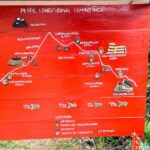
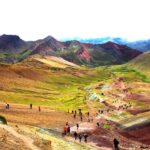
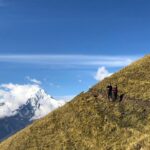
Then comes the hike: you’ll walk for roughly 6 hours and cover about 14 km, ascending in zigzags with views that can include glaciers and local wildlife. This is one of the reasons I like the Lares direction over a purely “bus-to-ruins” day. You get mountain sightlines while you’re still fresh, not only when you’re already tired.
Day 1 to Wakawasi: the first high pass mood and meeting the community
The first day’s climb takes you from Lares Town toward Wakawasi (around 3,850m). You’re not just hiking through scenery—you’re moving alongside Andean communities and farmland. The route description is built for gradual acclimation: your body works, but you’re not thrown into the highest point immediately.
At the end of the day, you sleep in a campsite at the Wakawasi community. This part is more than “a place to pitch a tent.” It’s where the trek becomes a human experience. You’ll have a chance to meet local families living in harmony with the natural rhythms of the Andes—no fancy script, just real life near the path.
What to watch for: At around 3,800m, cold hits fast in the evening. Even if the sun feels strong during the day, you’ll want warm layers and a plan for chilly nights. If you tend to run cold, treat warmth as part of your trekking gear, not a bonus.
Day 2 over Ipsayccocha Pass: your biggest altitude moment
Day 2 is the long one. You start with about 4 hours of uphill trekking to Ipsayccocha Pass (around 4,400m). After that high point, you descend roughly 40 minutes to lunch by a lake, then you keep walking for another 3 hours to reach Patacancha (about 3,800m), where you camp.
This is the day where pacing matters most. Even if you feel strong at sea level, altitude changes how fast your body can work. Think steady and controlled rather than “quick and hard.” The pass is the headline, but the real win is finishing with enough energy to enjoy camp.
Patacancha is camp life with animals and crops. You’ll be surrounded by llamas and alpacas, plus native crop plantations. If you like your travel grounded—actual agriculture, actual animals, and not only viewpoints—this is one of the best moments of the whole trip.
Possible drawback to plan for: Day 2 runs about 8 hours total and includes the toughest altitude point. If you’re not used to long days on mountain trails, this is where you’ll feel it. Bring trekking poles if you can; they make the descent kinder to your knees.
Day 3: switching from trail to train—Aguas Calientes as your reset
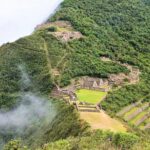
By Day 3 you’re moving from high trekking into the Machu Picchu “arrival phase.” Starting from Patacancha (around 3,800m), you hike about 4 hours toward Ollantaytambo, then you have lunch there and take the train to Aguas Calientes.
That train ride is genuinely useful. You’re not just getting transport; you’re getting a body reset after days of sustained effort. In Aguas Calientes, you’ll stay in a 3-star hotel for one night. There’s time to wander through town: internet cafes, cafés with board games and cards, shops, and places to relax.
Your guide meets you and gives next-day instructions. Since you won’t have a guide during train and bus segments, this is the handoff that helps you move confidently. You’ll want to be clear on your bus timing for Machu Picchu and how to get from your hotel area to the bus pickup.
What I like about this pacing: It prevents the “we finish hiking and instantly sprint to the ruins” stress. You get a night where you can warm up, sleep, and show up to Machu Picchu with a calmer mind.
You can also read our reviews of more tours and experiences in Cusco

Day 4: sunrise-style Machu Picchu, a 2-hour guided walk, then your own exploring
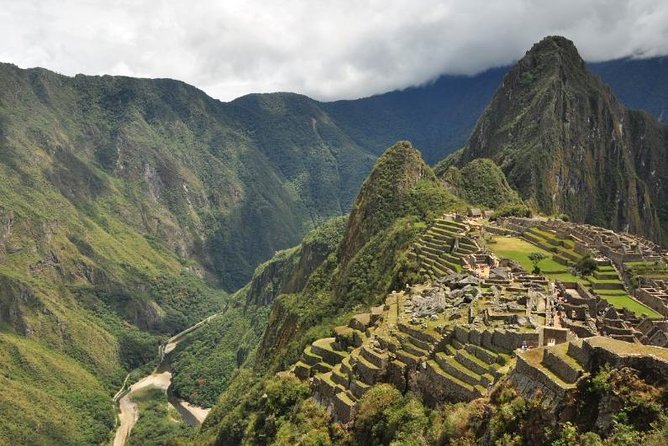
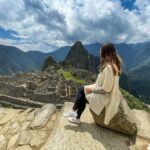
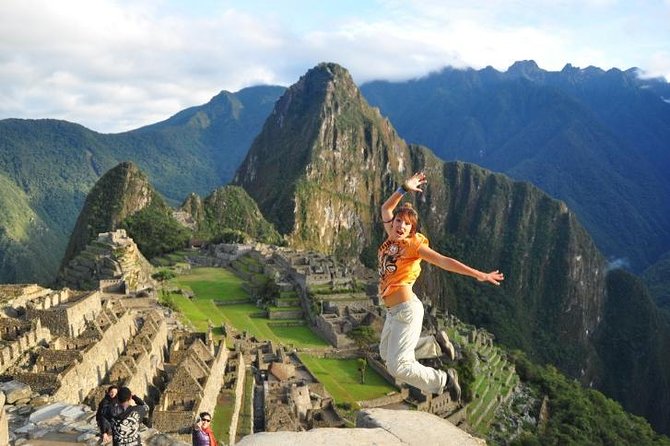
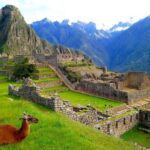
Day 4 begins early. You’ll catch one of the first buses from Aguas Calientes to Machu Picchu, departing around 05:30, with about a 25-minute ride. The goal is timing the entrance for mist lifting in early morning light. Even if weather changes, arriving early generally means you get the ruins with fewer crowd crushes.
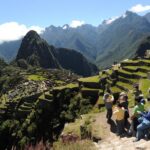
You’ll have a guided walking tour of about 2 hours through the most important sections, with historical context and route direction. Then you get free time to explore on your own, take pictures, and linger where something grabs your attention.
There’s also an optional hike: Huayna Picchu Peak, which is inside the Machu Picchu archaeological area. It takes about 45–60 minutes up and can be muddy. You must have the right ticket in advance: 400 passes total per day (200 at 7:00 am and 200 at 10:00 am). If you want this option, plan ahead and request the extra ticket early enough to secure one.
After the morning, you’ll ride the bus back down to Aguas Calientes. You can visit the local marketplace near the train station for shopping until you hear the train whistle signaling your return to Ollantaytambo. From there, you’ll take a bus back to Cusco, arriving around 08:00 pm and being dropped off at Plaza San Francisco.
Practical note: Don’t plan an elaborate evening right after you arrive in Cusco. You’ll be tired from early hours and altitude, plus it’s a long travel day even without hiking.
Meals, camping setup, and the weight plan that makes this trek doable
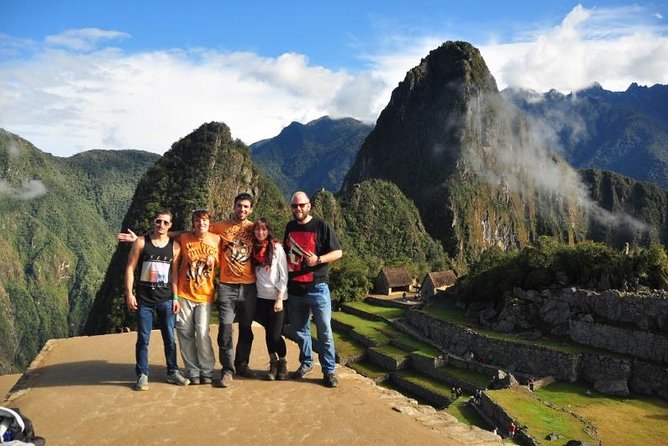
This trek includes meals (breakfast on Day 2–Day 4, lunch and dinner each full day on trek, plus snacks). The big value is consistency: you’re not improvising food in remote areas. Your chef prepares fresh meals on the trail with plenty of variety, and vegetarian options are available when you request them ahead of time.
Sleeping setup is also included. On Days 1 and 2, you get camping accommodation with a basic sleeping mattress and tent (with tent sharing rules for single travelers). Day 3 includes the hotel night in Aguas Calientes.
Here’s another detail that helps: horses carry gear. You don’t haul everything yourself. Horses are responsible for cooking and camping equipment, and each trekker gets a planned carried allowance for up to 7 kilos during the first 3 days, including 2.5 kilos for the sleeping bag/mattress portion and 2.5 kilos of personal items. That structure means your personal load is not just guesswork—it’s part of the design.
What you need to know: the sleeping bag is not included. You can rent one for $15 USD in Cusco. If you already own a sleeping bag for colder nights, you might not need the rental, but the trek still assumes you’ll be warm at altitude.
Price and value: what $847 really covers (and what it doesn’t)
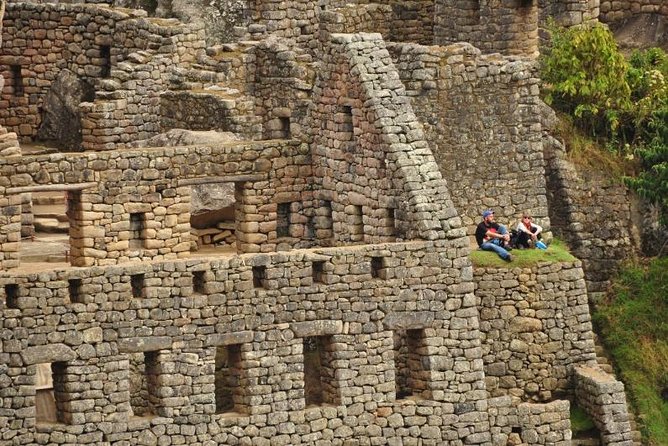
At $847 per person, this trek isn’t cheap, but it also isn’t “pay for a badge and a view.” You’re paying for:
- Guiding and logistics across trekking + Machu Picchu day
- Transport: van to Lares, train Ollantaytambo to Aguas Calientes, buses to Machu Picchu and back to Cusco
- Lodging: 1 night camping + 1 night 3-star hotel
- Meals through the trek days
- Safety support: first aid kit and an emergency oxygen bottle
What’s not included helps you budget honestly. You’re on your own for airport pickup and for guide coverage during train/bus transfers (you’ll get instructions, but no live guide riding every segment). Day 1 breakfast and Day 4 lunch aren’t included, and bottled water isn’t included. Hot springs in Lares Town costs extra (10 soles).
Also plan for extras. Tips are optional and based on service. If you want Huayna Picchu, that costs extra and needs early booking for the limited passes.
Who this trek suits best (and who should think twice)
This is a good fit if you want a serious hike with mountain villages and then a guided Machu Picchu morning. It’s small-group style (max 15, average around 4), so you’ll likely get more attention on the trek and better pacing decisions.
It’s also a strong match for people who enjoy “real travel logistics.” You’ll need to follow timing, show up early, and handle your own pace on the trail. The physical requirement is described as difficult, with lots of time at high altitude around 4,000m. If you’re not confident in your fitness, start building now with longer local walks and some uphill training.
Age minimum is 7 years, so families can join if everyone is ready for altitude and long hiking hours—but remember this is tough terrain and cold nights.
Packing smart: the small stuff that saves your trip
The trek is high altitude and weather can shift. Based on the provided packing list, focus on layers and rain protection. You’ll want:
- Warm hat and gloves, plus a sun hat
- Trekking boots and warm socks
- Rain pants and a rain poncho
- Warm base layers/thermals and a sweater
- Water bottle and a small personal first aid kit
- Hiking poles if you can (help on both up and down)
- Waterproof storage for camera gear
One more budget tip: extra snacks and drinks like water or gatorade can cost more along the route, so bring cash you’re comfortable using.
Should you book the 4-Day Lares Trek to Machu Picchu?
If you want Machu Picchu with effort behind it, not just as a day trip, this is a solid choice. The combo of small-group hiking, real community camping, chef-prepared meals, and a guided Machu Picchu morning gives you both adventure and structure. I’d book it if you can handle cold mornings, long days, and the fact that Day 2 is the biggest altitude test.
If you hate early starts, dislike long hiking days (around 6–8 hours), or aren’t confident about altitude, you may feel the schedule more than you enjoy it. In that case, consider a less intense route or one with more rest built in.
Overall, this trek feels built for people who want the Andes experience to be the main event, then get the payoff of Machu Picchu with a guide and time to explore.
FAQ
What is included in the trek price?
You get pre-departure briefing, Cusco accommodation pick-up, transport to Lares Town, camping with basic mattress and tent, a 3-star hotel night in Aguas Calientes, train Ollantaytambo to Aguas Calientes, buses between Aguas Calientes and Machu Picchu and back to Cusco, a professional bilingual guide on the trek and Machu Picchu tour, meals (with typical menus), horses to carry cooking/camping equipment plus a planned load for trekkers on Days 1–3, and safety items like a first aid kit and emergency oxygen bottle.
How big is the group?
The maximum group size is 15 people, with an average group size of about 4.
Do you offer vegetarian meals?
Yes. A vegetarian option is available if you request it in advance.
Do I need to bring a sleeping bag?
A sleeping bag is not included. You can rent one in Cusco for $15 USD for the trek.
Is hot springs time included?
Hot springs in Lares Town are not included. You can pay an extra fee of 10 soles if you want to go.
What sleeping arrangements are provided during the trek?
Camping is provided for Days 1–2 with tent sharing for single travelers, while couples typically have a tent to themselves. For Day 3 (in Aguas Calientes), single travelers share a room and couples have a private room.
Is there a hotel in Aguas Calientes?
Yes. You stay one night in a 3-star hotel in Aguas Calientes.
What time do you go to Machu Picchu?
You catch one of the first buses around 05:30, with a ride of about 25 minutes up to Machu Picchu.
How long is the guided visit at Machu Picchu?
You get a guided walking tour of about 2 hours, then free time to explore on your own.
Are Huayna Picchu tickets included?
No. Huayna Picchu is optional and costs extra. Passes are limited (400 total, split into 7:00 am and 10:00 am groups), and you must request booking at least 2 weeks in advance.
Can I change or cancel after booking?
No. The experience is non-refundable and can’t be changed for any reason.