Watching rescue animals in Cusco hits different. Cochahuasi Animal Sanctuary pairs hotel pickup with a personal guide and lets you get close to native sierra and jungle animals while you learn how the sanctuary educates and rehabilitates them. You also leave with a chance to support the work directly through alpaca-made products sold on-site.
One thing to plan around: this experience needs good weather. If conditions are bad, it may be rescheduled or you’ll get a refund, so don’t stack it as your only plan for a day when Cusco is being moody.
In This Review
- Key things to know before you go to Cochahuasi in Cusco
- Cochahuasi Animal Sanctuary: what you’ll actually see
- Getting there from Cusco without wasting your morning
- The sanctuary walk-through: animals, stories, and careful pacing
- Why the education mission is the real core
- The support model behind the scenes: alpaca products with a purpose
- Price and time: is $34 good value here?
- Logistics that matter once you’re there
- Who should book this sanctuary visit
- Should you book Cochahuasi Animal Sanctuary in Cusco?
- FAQ
- How long is the Cochahuasi Animal Sanctuary tour?
- Where does the tour start in Cusco?
- Is pickup included?
- What animals will I see?
- Is the tour offered in English?
- What group size should I expect?
- What if the weather is bad?
Key things to know before you go to Cochahuasi in Cusco
- Small group size (up to 10 people) helps the guide keep the pace human, not rushed.
- Hotel pickup and drop-off means less hassle before your 2 to 3 hour block of time starts.
- Admission is included (about 1 hour inside the sanctuary), so you’re not piecing together extra entry fees.
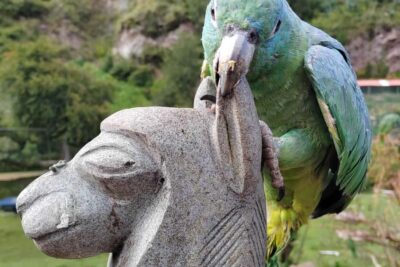
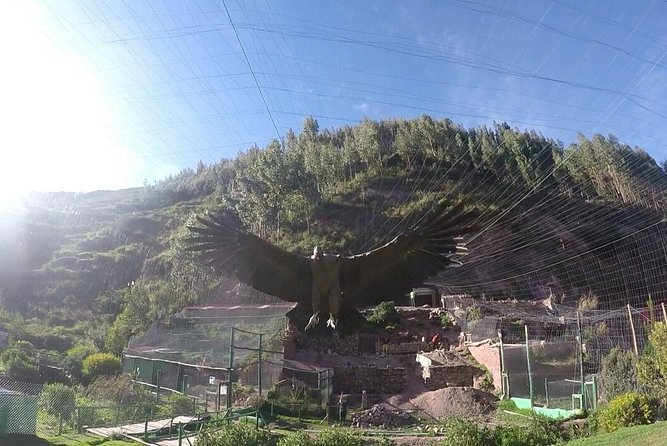
- You’ll see a wide mix of rescued native species, including monkeys, macaws, turtles, alpacas, bears, wild cats, foxes, and condors (among others).
- The sanctuary focuses on education for schools and the public, plus returning some animals to natural habitats.
- On-site alpaca product sales support the sanctuary with a split that funds the animals and nearby peasant communities.
Cochahuasi Animal Sanctuary: what you’ll actually see
Cochahuasi is built around one big idea: animals do better when they’re cared for properly, and when people learn how to treat wildlife with respect. The visit is short on paper, but it doesn’t feel like a quick roadside stop. You come for the animals, yes. But you also leave with a clearer picture of why rescues exist and what it takes to sustain them.
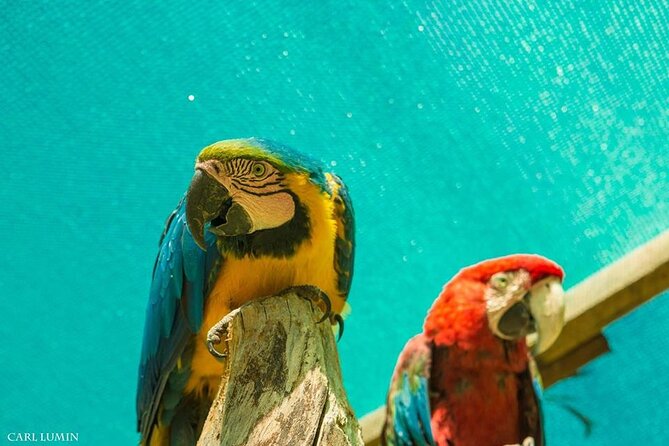
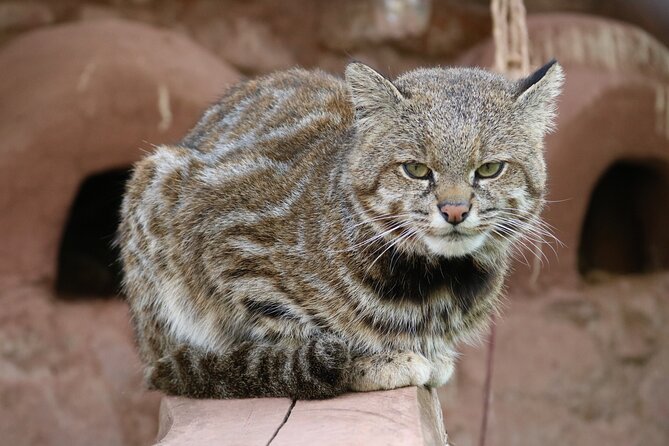
Expect to walk through areas where you can observe animals in their environments. The list of species you may encounter is specific and varied: monkeys, macaws, turtles, deer, alpacas, bears, wild cats, foxes, and condors, plus other native residents. In plain terms, this is a chance to see Peruvian wildlife you usually only meet in textbooks or far-off tours.
This isn’t a zoo-style setup meant for speed. The sanctuary’s mission shows up in the details, especially in how the guide explains each animal’s story and the overall care program.
You can also read our reviews of more tours and experiences in Cusco.
Getting there from Cusco without wasting your morning
Your day starts with pickup from your Cusco accommodation or a nearby meeting spot. There’s also a known starting point at Selina Cusco Saphi, in the city center. That matters because Cusco mornings can get chaotic fast, and it’s nice when transport is already handled.
The tour duration is about 2 to 3 hours total, with about 1 hour of admission included at the sanctuary. That time window is practical if you’re also doing Cusco sights in between meals, or if you have altitude leftovers from the day before.
This is also offered with a limit of 10 travelers max. That cap is more than a sales detail. Smaller groups make it easier for the guide to answer questions, keep the animal areas calm, and maintain a pace that doesn’t feel like herding.
The sanctuary walk-through: animals, stories, and careful pacing
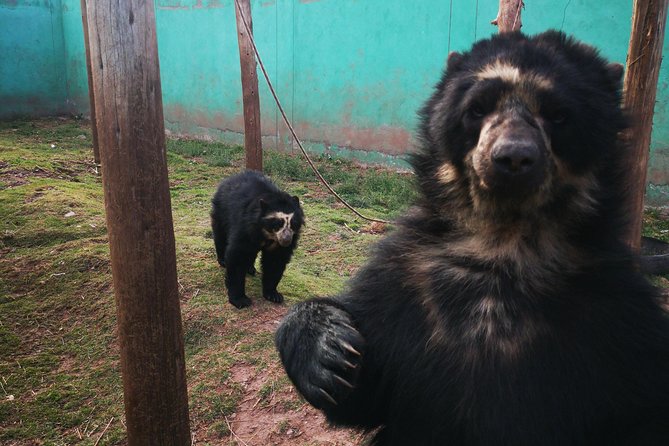
The main part of the experience takes place at Cochahuasi Animal Sanctuary. You’ll follow your guide through the animal areas while learning what each species needs and what led to its rescue. The tone here is educational, not performative. You’re meant to connect, then understand.
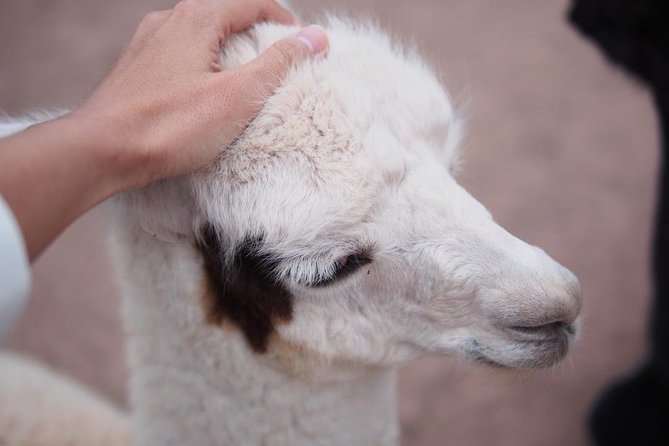
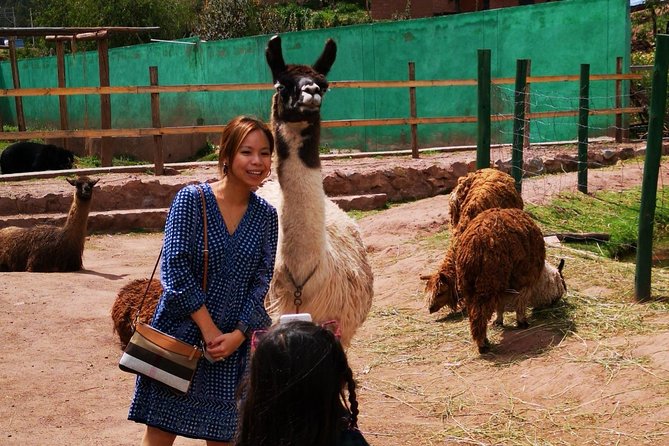
You can also get some hands-on moments depending on the day and how animals are responding. One of the highlights people talk about is feeding alpacas and birds, plus the chance to interact more closely with certain animals like a toucan. That said, animal comfort isn’t guaranteed, so treat interaction moments as a bonus, not a promise.
One unforgettable detail that pops up in people’s memories is seeing a condor overhead. If you’re the sort of person who loves those rare, big-sky sightings, keep your eyes up while you’re there. Even if your camera is ready, the real payoff is the moment itself.
If you’re lucky enough to have Albert as your guide, you may get an especially patient, in-depth walkthrough with careful explanations of each animal and its background. The key takeaway is that the guide’s job is to connect you to the sanctuary’s mission, not just point and move you along.
Why the education mission is the real core
A lot of animal experiences focus on conservation in the abstract. Cochahuasi gets more concrete than that. The sanctuary’s purpose is to educate, inviting schools and the public so children and adults learn to respect nature and animals.
You’ll hear how the sanctuary supports animal wellbeing through rescue and ongoing care. The stories often include that many animals arrived because of harmful human behavior. That context changes the way you look at the animals while you’re standing there. It’s not about cute moments only. It’s about consequences, recovery, and responsibility.
Another meaningful piece: the sanctuary’s long-term goal includes freeing some animals back to their natural habitats. That doesn’t mean every animal gets released, and you shouldn’t expect a simple happy ending. What it does mean is that the work is tied to real outcomes, not just keeping rescued animals in place.
The support model behind the scenes: alpaca products with a purpose
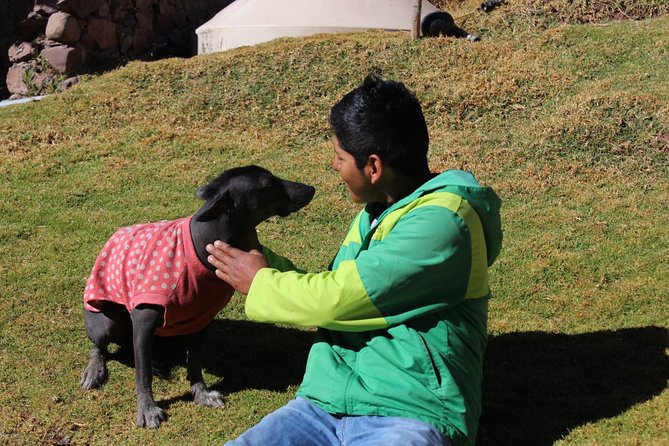
You’ll also get time after the main tour to enjoy a slower pace. Then there’s one very practical way to support the sanctuary: an on-site store where you can buy products made of alpaca. This isn’t framed as guilt shopping. It’s presented as part of the sanctuary’s sustainability plan.
Sales are split so 50% goes toward the animals and 50% goes toward peasant communities around the sanctuary. The sanctuary also notes that it doesn’t receive government support, which helps explain why they build income streams into their model.
So if you were already planning to buy alpaca items in Cusco, this is a better option than impulse buying from somewhere with unclear connections. You can feel the link between your purchase and the continued care.
Tip: if you’re shopping, treat it like any Cusco purchase—check the quality and feel the fabric. Don’t buy just because the mission is good. Buy because it’s actually worth it.
Price and time: is $34 good value here?
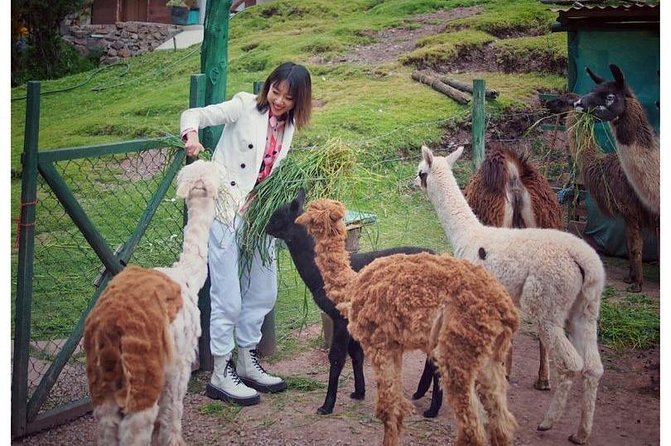
At $34 per person, this tour is in the “small budget but meaningful” category. Here’s why it’s usually worth it: you’re paying for more than a ticket. You’re paying for pickup, a personal guide, admission that includes around one hour at the sanctuary, and transportation back to your accommodation or a flexible drop near the main square.
If you compare that to the cost of piecing together private transport plus entry to a similar site, the math often starts working in your favor. And with a maximum group size of 10, you’re less likely to end up in a big, fast-moving group that can’t answer your questions.
The only real pricing consideration is timing and weather. Since the experience requires good weather, you don’t want to schedule it when the forecast is consistently bad. Otherwise, you might lose a day of planning.
Logistics that matter once you’re there
This tour includes mobile ticketing, and you should receive confirmation at booking. It runs in English, which is helpful if you’re not fluent in Spanish. Pickup is handled from your lodging or a location you can arrange ahead of time via WhatsApp contact.
You’ll also get a bit of flexibility at the end. After the sanctuary visit, participants are given free time, and drop-off can return you to your accommodation or end near the Cusco main square. That flexibility makes it easier to stitch this visit into a Cusco itinerary without feeling stuck.
One more small point: because it’s meant for a calm, educational pace, you’ll get the best experience if you arrive with time to slow down. If you’re sprinting to your next obligation, you may feel pressure and miss some of the learning.
Who should book this sanctuary visit
This is a strong fit if you:
- Want a short Cusco activity that still feels substantial
- Prefer a small group and a guide who can explain
- Like animals, but also want the story behind rescue and rehabilitation
- Appreciate experiences tied to real-world support, not just sightseeing
You might choose another option if you:
- Need a plan that ignores weather completely
- Want a purely entertaining, high-action animal show
- Don’t enjoy guided explanations and would rather wander without context
Should you book Cochahuasi Animal Sanctuary in Cusco?
For many people, yes. If you’re looking for an animal visit that feels thoughtful, guided, and connected to an actual mission, Cochahuasi checks those boxes. You’ll get hotel pickup, a personal guide experience in a small group, and a chance to see a wide variety of native species like monkeys, macaws, turtles, alpacas, bears, wild cats, foxes, and condors.
The decision mostly comes down to two things: your schedule and the weather. If you can give it a clean morning window and the forecast looks decent, it’s one of those tours that leaves you thinking about your choices after you’ve left.
If you’re also shopping for alpaca items, this visit can be a satisfying way to support the sanctuary because the store sales are tied directly to animal care and local communities.
FAQ
How long is the Cochahuasi Animal Sanctuary tour?
The total experience is about 2 to 3 hours, with admission included for about 1 hour at the sanctuary.
Where does the tour start in Cusco?
The activity can start from a pickup at your Cusco accommodation or from the meeting point at Selina Cusco Saphi, C. Saphy 601, Cusco 08002, Peru.
Is pickup included?
Yes. Pickup from your hostel or a nearby location you arrange by WhatsApp contact is offered, and drop-off is typically back to your accommodation or the main square area.
What animals will I see?
You may see monkeys, macaws, turtles, deer, alpacas, bears, wild cats, foxes, condors, and others, depending on the sanctuary residents on the day.
Is the tour offered in English?
Yes, the tour is offered in English.
What group size should I expect?
The experience has a maximum of 10 travelers.
What if the weather is bad?
This experience requires good weather. If it’s canceled due to poor weather, you’ll be offered a different date or a full refund.