REVIEW · CUSCO
Cusco : City Tour of 4 Ruins and Sun Temple
Book on GetYourGuide →Operated by PeruVibes · Bookable on GetYourGuide
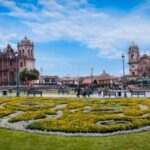
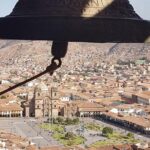
Cusco feels like it is holding its breath on the way up to the ruins. This tour is a tight, efficient route through key Inca sites around Cusco, from the Coricancha Sun Temple to massive stonework at Sacsayhuamán and the water-powered ritual grounds at Tambomachay. You also get a clear look at how Inca architecture and later Spanish colonial touches overlap in the same spaces.
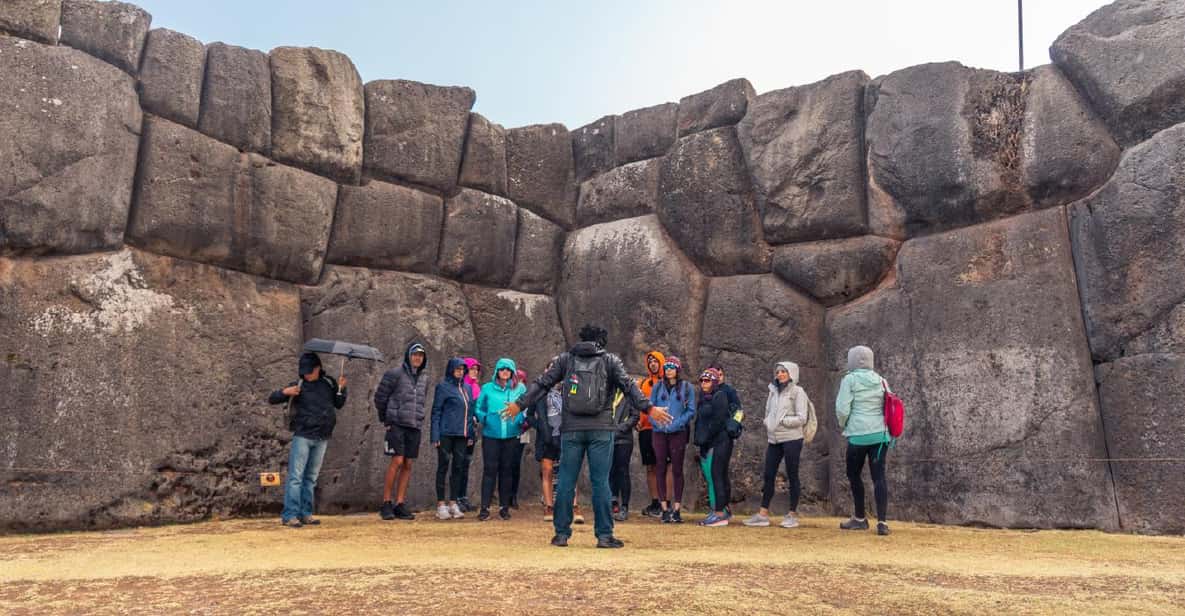
I love how the Inca fortress sites connect practical power with big views. At Sacsayhuamán and Puca Pucara, you’re not just looking at stones—you’re seeing why these places mattered for control and defense, right down to the panoramic sweep over Cusco.
One thing to weigh: the pacing and language quality can be hit-or-miss. Some departures switch between Spanish and English, and a few people felt the tour ran short at certain stops while time was also spent on shopping-style detours.
Key points at a glance
- Coricancha pairs Inca and Spanish colonial architecture in one of Cusco’s most important places
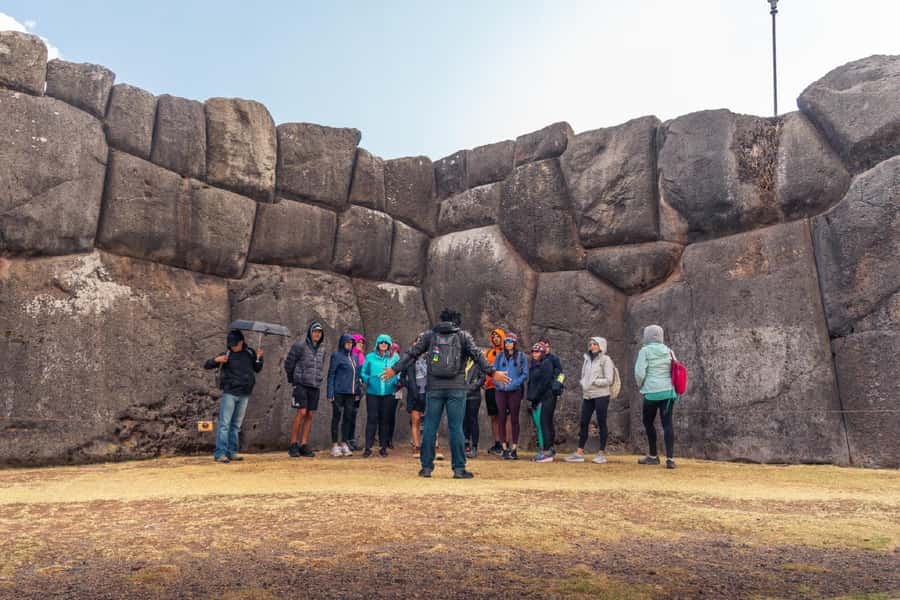
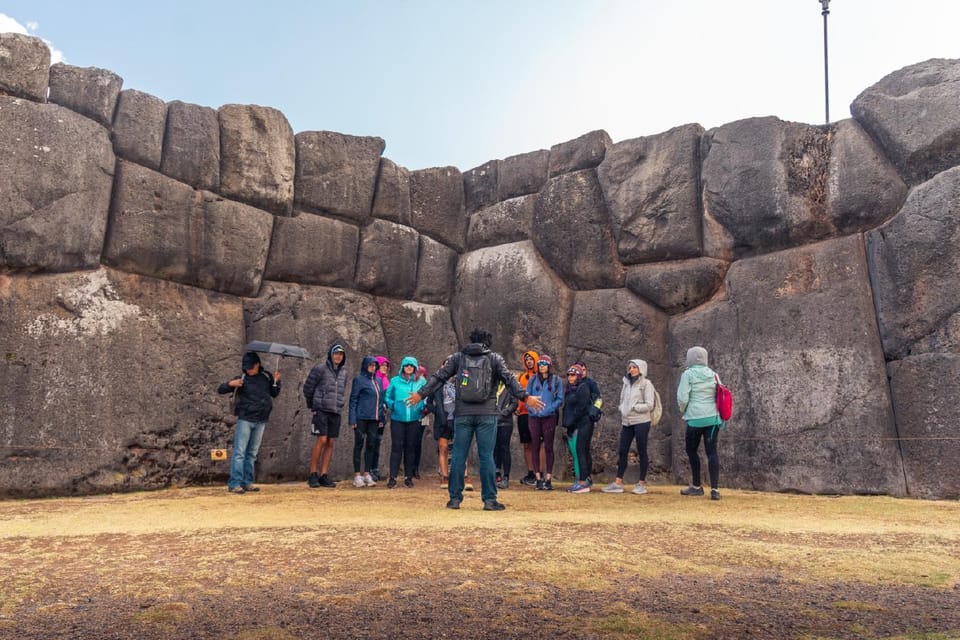
- Sacsayhuamán’s carved stone blocks and city views show why the fortress mattered
- Q’enqo’s rock mazes and water channels give you a sense of ritual design
- Tambomachay is all about water flow through stone channels tied to purification
- Puca Pucara delivers a strategic viewpoint from a quieter military fortress setting
In This Review
- Price and value: what $16 really buys you
- The two departure options, and why timing matters in Cusco
- Pickup, transport, and the pace (the part that can make or break it)
- Coricancha and the Sun Temple: where Inca and colonial walls meet
- Sacsayhuamán: the fortress of massive stones and big views
- Q’enqo: rock mazes, ceremonial design, and water channels
- Tambomachay: the ritual baths and purification water
- Puca Pucara: military fortress vibes with panoramic Cusco views
- Language and guide behavior: how to get the most out of bilingual tours
- Tickets, cash, and what to bring so the day feels easy
- Who this tour fits best (and who should skip it)
- Should you book the Cusco four-ruins and Sun Temple tour?
- FAQ
- What sites are included in this Cusco tour?
- Is pickup from my hotel included?
- How long is the tour?
- Is admission to Coricancha included?
- Do I need a tourist ticket, and what currency is used?
- Is this tour suitable for people with altitude sickness or small children?
Price and value: what $16 really buys you
At about $16 per person for roughly 5 hours, this is priced like a local-style sampler. You’re getting hotel-area pickup near the historic center of Cusco, transport between sites, and a professional bilingual guide (English/Spanish) with ongoing assistance. That alone saves you the headache of timing buses, walking distances, and figuring out site-by-site logistics on your own.
What you should budget for separately is site access. Qoricancha (Coricancha) admission is not included (noted as 15 soles), and there’s also mention of a partial tourist ticket (70 soles). The practical takeaway: bring cash in soles and plan for at least one payment at the entrance.
Is it good value? If you want a guided route that hits several major ruins without overthinking transport, yes. If you’re hoping for slow, deep explanation at every stop, you may feel the tight schedule.
The two departure options, and why timing matters in Cusco
The tour runs for about 5 hours, with pickup at two different times depending on your slot. One set of starts has you meeting around 9:00 a.m., while another starts later around 1:00 p.m. The itinerary shape stays similar: Coricancha first, then Sacsayhuamán, then Q’enqo, Tambomachay, and Puca Pucara, before returning to the pickup/meeting area or a central drop-off point (listed as Calle Plateros).
Why should you care? Cusco’s altitude and midday sun can change how you experience the walking and photo stops. Morning often feels easier for energy. Afternoon can be great for lighter crowds, but it can also mean more fatigue by the time you get to the last viewpoint.
If you get altitude symptoms, this tour is not suitable. Even if you can physically reach the sites, the combination of elevation and repeated stops can be rough.
You can also read our reviews of more city tours in Cusco
Pickup, transport, and the pace (the part that can make or break it)
Pickup is included from hotels near the historic center. The provider contacts you in advance to coordinate pickup, and the guide will call you if a meeting point is arranged in an area without coverage. That’s a small detail, but it matters. In Cusco, you don’t want to be wandering streets while your group is already rolling.
On the ground, the tour uses a mix of walking and van hops:
- Short transfers between sites
- Photo stops
- Guided segments at each archaeological complex
- Free time in some places
This is where the experience can vary. One set of feedback points to a tour that started strong but later felt rushed at Sacsayhuamán, with less time than expected. Another note complained about extra stops that looked commercial rather than strictly archaeological. And one person described the guide using the phone during moments when you expect them to be fully focused on guiding.
Still, another review highlighted a caring guide named Yako, with solid context for Inca civilization. So the best advice I can give: treat it as a guided highlights tour, not a one-stop, slow museum-style experience.
Coricancha and the Sun Temple: where Inca and colonial walls meet
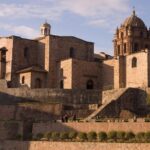
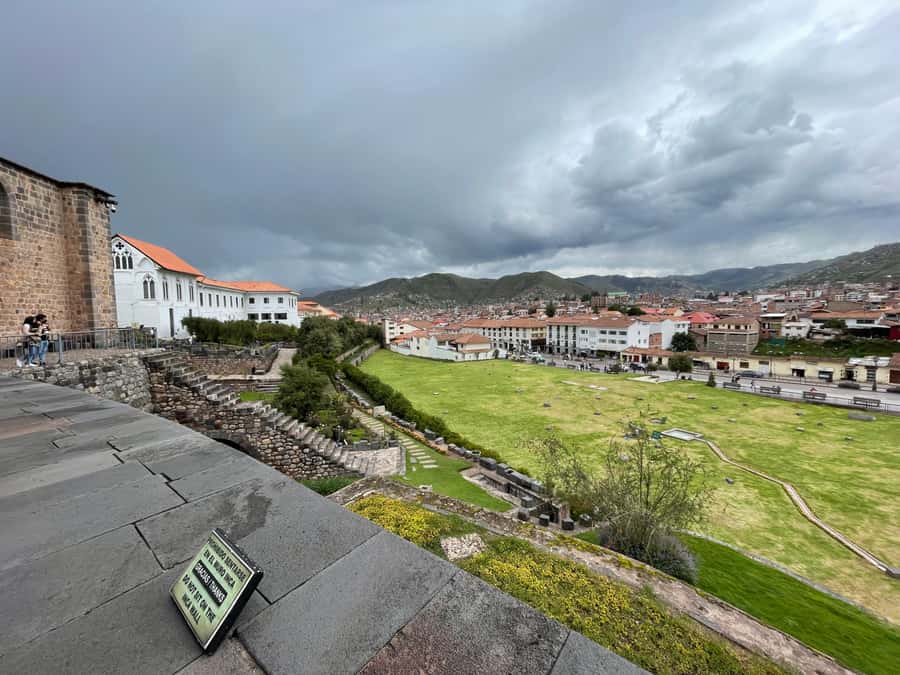
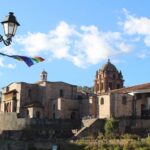
Your first major stop is Coricancha, known as the Temple of the Sun. The focus here is the layered architecture: you’ll see the blend of Inca and Spanish colonial elements in the same complex. It’s the kind of site where the stones and the structure tell you a story of continuity and change—Inca sacred space adapted under Spanish rule.
In the scheduled time, you’re typically given a guided visit plus time to take photos. Think of this as your orientation stop for the tour. You’ll set your mind to what you’re looking for: ceremonial meaning, the engineering of how spaces were laid out, and how the look and feel of the complex shifts from section to section.
Practical tip: wear sunscreen and bring a hat if you use one. Coricancha sits in the Cusco area where light can hit hard, and you’ll want your eyes on details while also staying comfortable.
Sacsayhuamán: the fortress of massive stones and big views
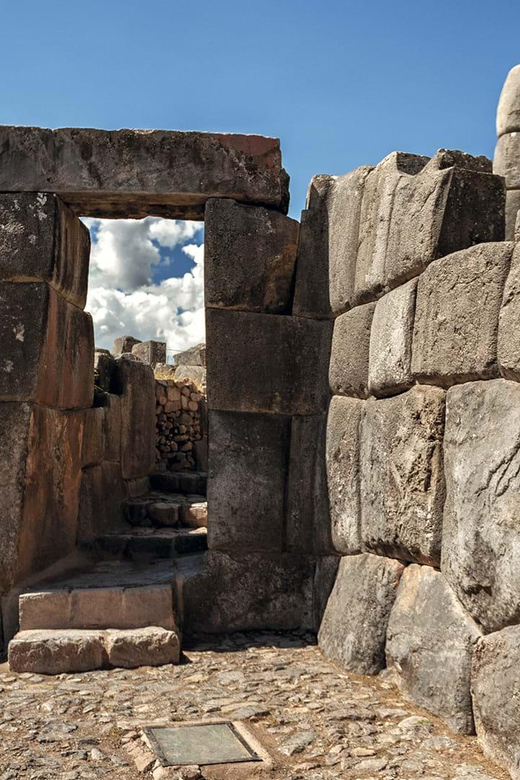
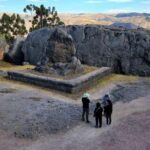
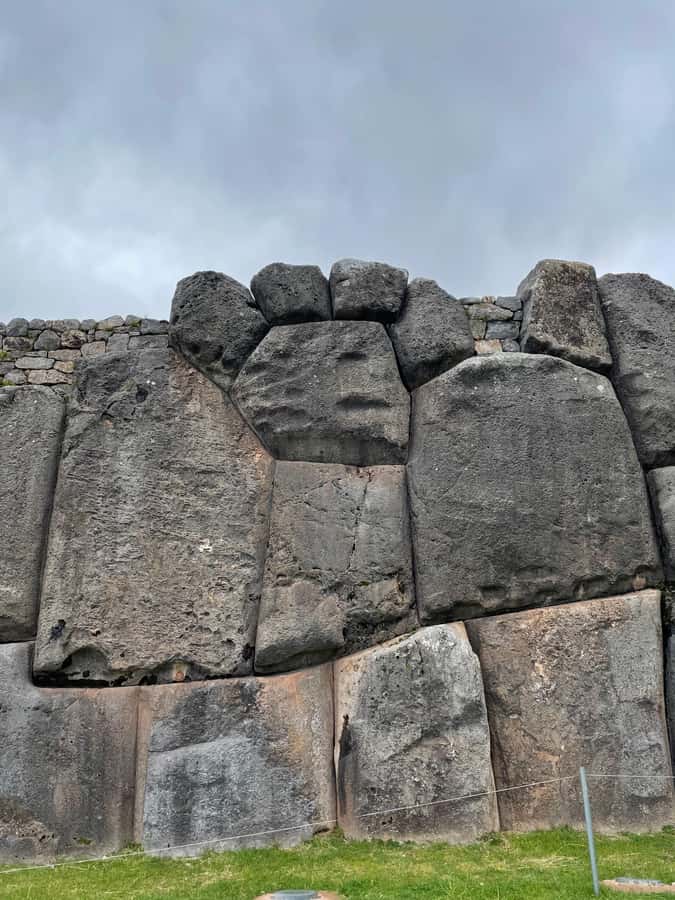
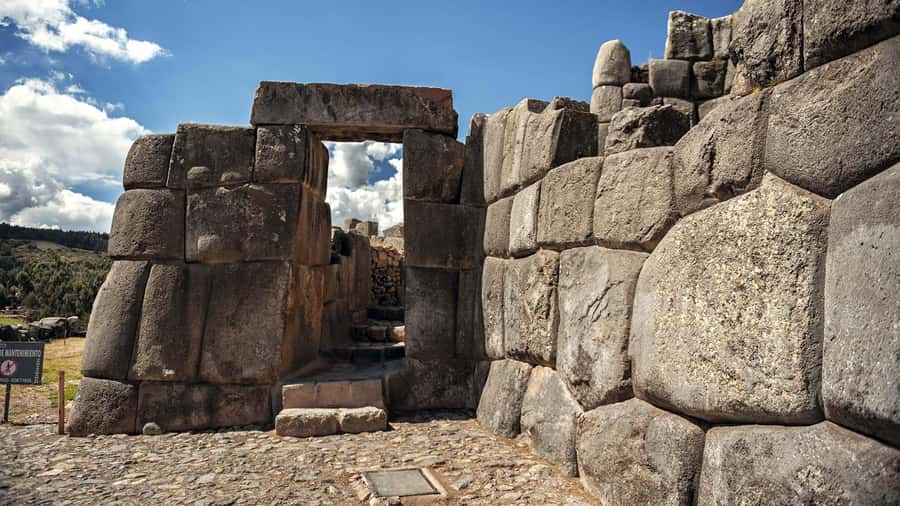
Next up is Sacsayhuamán, described as an impressive Inca fortress famous for massive carved stone blocks and panoramic views of Cusco. This is one of the best places on the route if you like the engineering side of Inca civilization—the way stones fit with precision and the way the site was placed for control.
You’ll get:
- A photo stop
- A guided visit
- Some free time
- A bit of walking
This is also where time pressure can show up. One feedback example said the visit felt far shorter than the plan, which made everything feel rushed. Another person, however, praised the tour quality and guidance at this kind of stop.
My advice: arrive with a mindset of “capture what matters fast.” If you want deeper looking, pick one or two angles—watch how the fortress lines up, then step back and take in the view.
Q’enqo: rock mazes, ceremonial design, and water channels
After Sacsayhuamán, the tour moves to Q’enqo, a ceremonial site known for carved rock structures, including rock mazes and water channels. This stop feels different from the fortress theme. Instead of defensive walls and broad sightlines, you’re looking at sculpted space meant for ritual use.
The time allocated here tends to be shorter than Tambomachay, with a guided portion and photos. That can be fine if you treat it as a “spot the features” stop:
- Look for carved rock layouts
- Notice how channels guide water
- Pay attention to what seems intentionally shaped, not just naturally formed
If you’re the type who likes turning the volume down in your head and reading the site slowly, Q’enqo is where you’ll wish you had extra minutes. Still, even in a shorter slot, you can leave with a clear impression of how Inca planners used stone for ceremonial movement.
Tambomachay: the ritual baths and purification water
The most relaxing-feeling segment on this route is Tambomachay, known for water sources and Inca ritual baths. The highlights here focus on water flowing through stone channels as part of purification rituals. If you like the “how does it work” side of sacred engineering, this is your payoff stop.
Tambomachay’s schedule typically gives you more time than Q’enqo, including:
- Photo stop
- Guided tour
- Free time
- Time to walk around a bit
What to watch for: the way the channeling directs water movement and how the site is set up so water and space work together. Even if you’re not a stone-and-water engineering expert, you can still understand the point: this wasn’t just a view stop. It was functional and symbolic.
Also, if you’re traveling in the rainy season, expect slick stones. The tour notes suggest bringing waterproof clothing or a poncho for plaza areas. On a day like that, good traction matters more than fashion.
Puca Pucara: military fortress vibes with panoramic Cusco views
The final ruin stop is Puca Pucara, described as an Inca military fortress and a strategic control point with panoramic Cusco views. This is the last chance to absorb the “Inca built for control” side of the route after the Sun Temple and the ceremony-focused Q’enqo and Tambomachay.
You’ll get a guided visit plus time to look out over Cusco. Depending on your departure slot, the time window here can vary. If your tour runs smoothly, you’ll have enough time for at least a couple of solid viewpoints and photos.
If your schedule has already felt rushed earlier, this can be the stop where you either feel grateful it exists—or wish you had slowed down at Sacsayhuamán. Either way, the views from Puca Pucara are the kind that make you look back at the whole route and connect the dots.
Language and guide behavior: how to get the most out of bilingual tours
This is worth addressing because the tour is English and Spanish, and some experiences described differences in how much detail was given in each language. In one case, the tour reportedly shifted between languages, and the English explanation felt shorter later on.
Then there’s the question of attention. One review noted the guide spending free moments on a phone call, including times between the bus and a sight. That’s not ideal if you’re relying on the guide to keep the flow coherent.
On the plus side, one person specifically praised a guide named Yako for being caring and providing appropriate knowledge about Inca civilization.
So how do you protect your experience?
- If English detail matters a lot to you, arrive asking for what you expect, early on.
- When time feels short at a site, focus on the most “interpretive” things a guide can explain: why this place was built, how the design worked, what the water or stone means.
- If shopping detours start to feel heavy, decide before the trip how you’ll handle it. Some people may be fine with quick stops; others want ruins-only time.
Tickets, cash, and what to bring so the day feels easy
The tour includes transportation and a guide, but site admissions aren’t fully included. The key notes are:
- Coricancha/Qoricancha admission: 15 soles
- Partial tourist ticket: 70 soles
- You can purchase tickets at the entrance of archaeological sites
- Payments are made in soles
Bring:
- Passport or ID card
- Comfortable shoes and ideally hiking shoes
- A camera and a charged smartphone
- Biodegradable sunscreen
- Long-sleeved shirt, breathable clothing, long pants
- Cash in soles
- Clothes that can get dirty (stone dust is real)
- If rain: waterproof layer or poncho
Not allowed: baby strollers and baby carriages, and of course no explosives. Also, this tour isn’t set up for kids under 3, babies under 1, or for people over 95.
And one more reality check: this tour is not suitable for people with altitude sickness. If you’re already struggling, don’t try to push through “because it’s only a short tour.” Cusco can be unforgiving.
Who this tour fits best (and who should skip it)
This tour is a good match if you want:
- A guided highlights route that covers multiple major Inca-era sites
- A quick grasp of the differences between fortress power, ritual design, and water purification spaces
- Central pickup and simple transport between ruins
It’s less ideal if you:
- Need long, unhurried time at each site
- Strongly prefer a single-language narration with consistent detail throughout
- Get annoyed by commercial detours or time shifts that pull focus from the ruins
- Are sensitive to altitude or have active altitude sickness
If you’re traveling solo, this can also be a nice way to see several key sites without building an entire schedule around bus timetables.
Should you book the Cusco four-ruins and Sun Temple tour?
I’d book it if you want an efficient 5-hour route that strings together Coricancha, Sacsayhuamán, Q’enqo, Tambomachay, and Puca Pucara with pickup and a bilingual guide. It’s good value for the amount of ground you cover and for the mix of what you’ll learn: stone fortresses, ceremonial layouts, and water ritual engineering.
I’d think twice if you’re very time-sensitive at Sacsayhuamán, because pacing can vary. And if you strongly want English narration at full depth for every stop, be ready to request what you need early.
If you go in with the right expectations—guided highlights, not a slow private lecture—you’ll likely leave with a clearer picture of how Cusco’s Inca sites were designed for worship, purification, and power.
FAQ
What sites are included in this Cusco tour?
It covers Coricancha (Temple of the Sun), Sacsayhuamán, Q’enqo, Tambomachay, and Puca Pucara. You return to a central meeting/drop-off point at the end.
Is pickup from my hotel included?
Yes. Pickup is included from hotels near the historic center of Cusco, and the provider contacts you in advance to coordinate the pickup.
How long is the tour?
The tour duration is listed as about 5 hours, with specific starting times depending on availability.
Is admission to Coricancha included?
No. Coricancha/Qoricancha admission is listed as 15 soles and is not included.
Do I need a tourist ticket, and what currency is used?
A partial tourist ticket (70 soles) is listed as not included. Tickets can be bought at the entrance of archaeological sites, and payments are made in soles.
Is this tour suitable for people with altitude sickness or small children?
No. It is not suitable for people with altitude sickness. It also lists restrictions for children under 3 and babies under 1, plus an upper age limit.