REVIEW · CUSCO
Cusco: City Tour | Half-Day Tour to 4 Archaeological Sites
Book on GetYourGuide →Operated by www.iziperu.com · Bookable on GetYourGuide
Cusco feels like it’s layered on purpose. In just half a day, you’ll see Inca engineering side by side with Spanish-era additions at the most important nearby sites. The tour is built around smooth hotel pickup plus a bilingual guide team, so you’re not left piecing things together on your own.
I also like how the route hits the big five ceremonial and military stops around Cusco, not just one or two. One thing to plan for: most entrances are not included, so you’ll need to budget for site tickets (especially Qoricancha) or already hold the right tourist ticket.
In This Review
- Key highlights worth your attention
- Why this half-day Cusco route works
- A realistic timing expectation
- From hotel pickup to the first stop: how the pacing feels
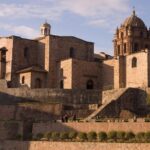
- Qoricancha (Temple of the Sun): when Inca stone meets Spanish walls
- Don’t forget the Qoricancha ticket
- Sacsayhuamán: giant blocks, Inti Raymi energy, and big-city views
- Why the timing and details matter
- Qenqo amphitheater: rocky paths and ritual meaning
- What you’ll likely enjoy most
- What to watch for
- Puca Pucara: the military fortress angle you don’t get on casual tours
- Why this stop balances the itinerary
- Tambomachay: water worship and the idea of eternal youth
- A tip for comfort and photos
- Tickets and money: what’s included vs what you pay at the sites
- Budget reality check on a $29 tour
- Guide quality: what you can expect when bilingual is done well
- If you’re short on time, aim for this tour anyway
- Weather, crowding, and the small things that change your day
- Who should book this Cusco city tour
- Should you book this Cusco City Tour to Qoricancha, Sacsayhuamán, Qenqo, Puca Pucara, and Tambomachay?
- FAQ
- What sites are included in the half-day Cusco tour?
- Is hotel pickup included?
- How long is the tour?
- What language is the guide?
- Are entrance tickets included?
- Do I need to worry about security lines?
- Is there an optional additional visit?
Key highlights worth your attention
- Hotel pickup in Cusco Centro Historico, so you start with less hassle and more time staring at stones
- Bilingual guiding (English/Spanish), with guides who explain each stop clearly and keep the group moving
- Qoricancha + Santo Domingo overlay, where Inca architecture and later construction share the same space
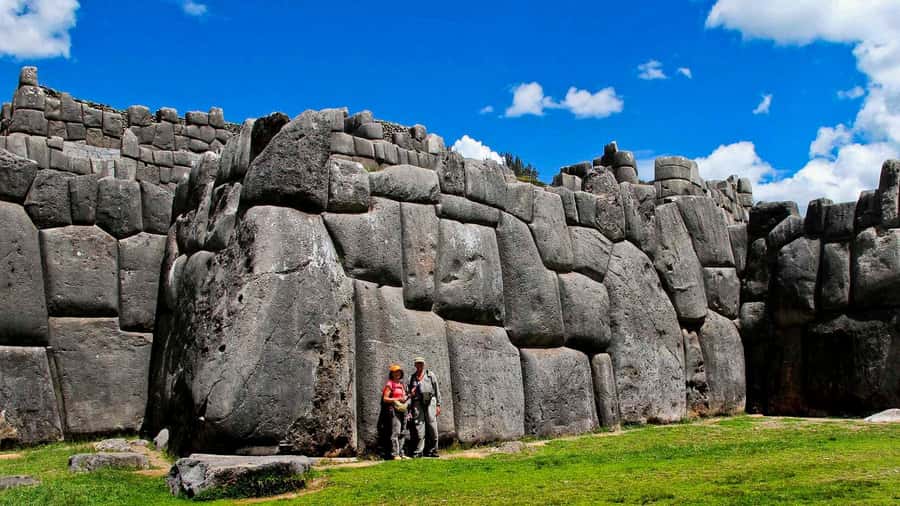
- Sacsayhuamán’s massive stone blocks, including blocks reported at about 9 m tall and 350+ tons
- Puca Pucara and Tambomachay, two sites that add military control and water worship to the mix
- Express security check, helping you lose less time before you even start sight-seeing
Why this half-day Cusco route works
If you only have a few hours in Cusco, this tour makes sense. Instead of scattering your time across random neighborhoods, you get a tight loop of major archaeological parks just outside (and inside) the imperial city area. You finish with enough evening left to eat well or wander back near the Plaza de Armas.
The bigger value isn’t just the list of stops. It’s how they connect themes. You’ll see sacred religion at Qoricancha and Qenqo, power and defense at Sacsayhuamán and Puca Pucara, and water worship at Tambomachay. That mix helps you understand Cusco as a working Inca capital, not just a museum town.
You can also read our reviews of more city tours in Cusco
A realistic timing expectation
The tour is sold as about 4 hours, but in practice it can stretch when weather changes or schedules get crowded. I’d plan your evening with a little flexibility. In particular, rain can slow foot traffic and make the last viewpoints feel colder than you expect.
Also, do expect that some parts of the route can be busy. These are popular stops, so you might wait briefly at viewpoints or deal with groups clustering around the most photogenic angles.
From hotel pickup to the first stop: how the pacing feels
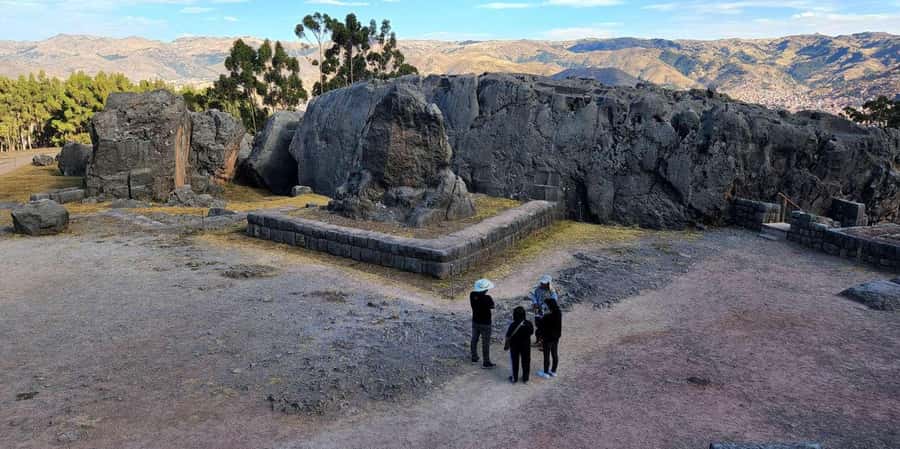
This tour includes transport and pickup from your hotel in Cusco Centro Historico. That matters in Cusco because the streets are narrow and the climb can be intense if you try to DIY everything. With pickup, you skip the awkward beginning scramble and start with a clear route.
Once you’re moving, your guide sets the rhythm. The pace is generally described as well-paced and organized, with guides giving explanations in English and Spanish. Many guides take turns so both language groups hear the story without feeling like they’re watching a rerun. Still, if your group has more Spanish speakers than English speakers (or vice versa), Q&A can feel uneven. If you have a question, ask early when you can, not at the last minute.
One more practical tip: bring a light layer even in good weather. The end of the route can feel colder, especially near open stone areas and viewpoints.
Qoricancha (Temple of the Sun): when Inca stone meets Spanish walls
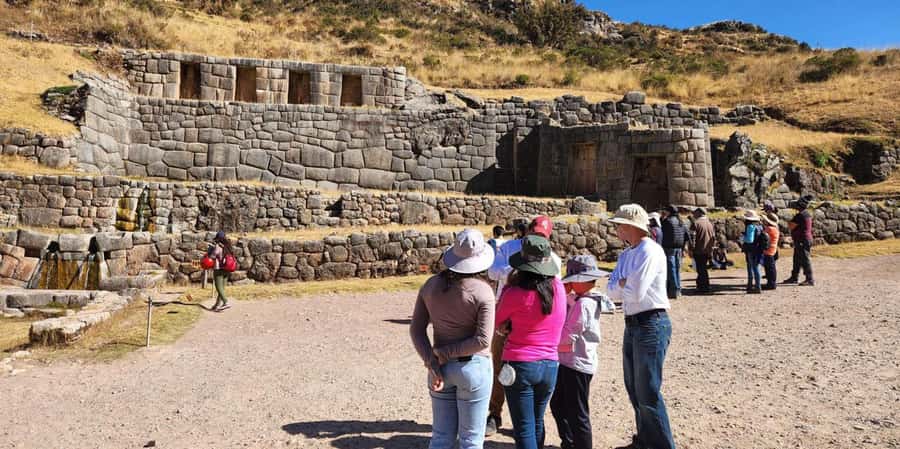
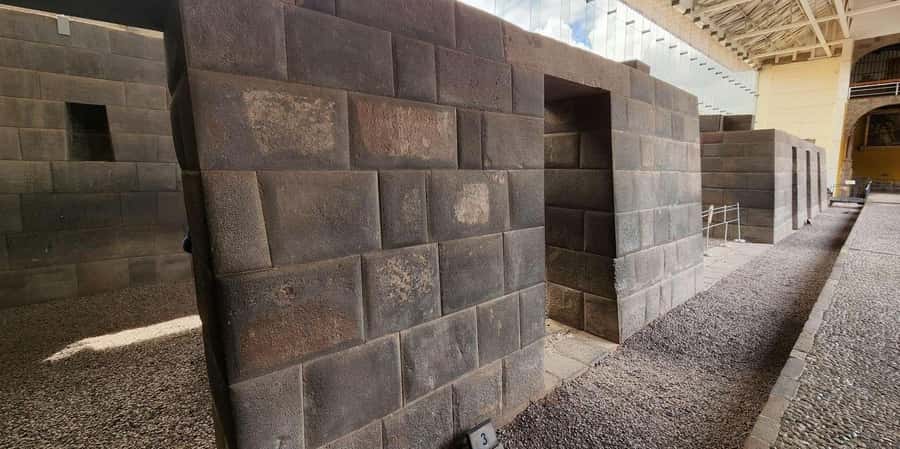
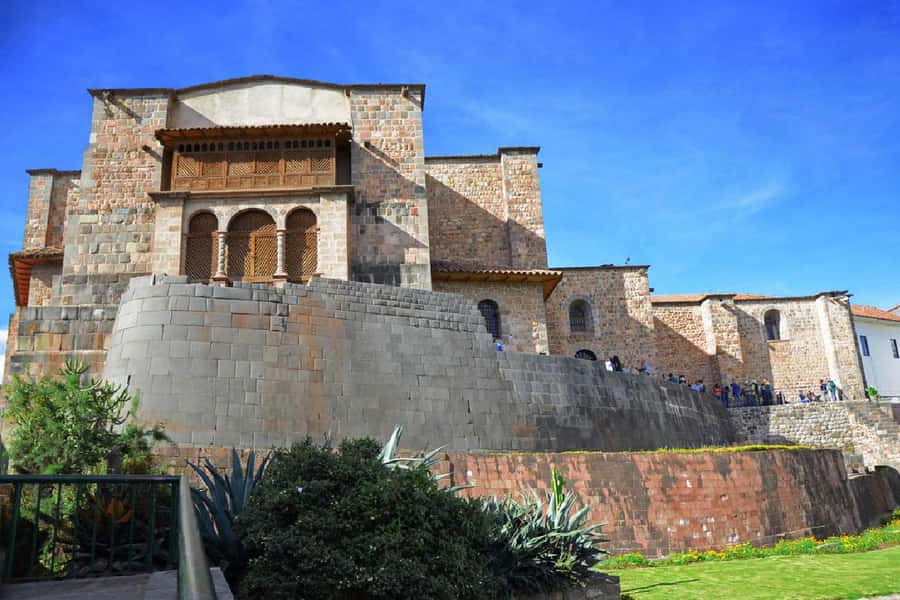
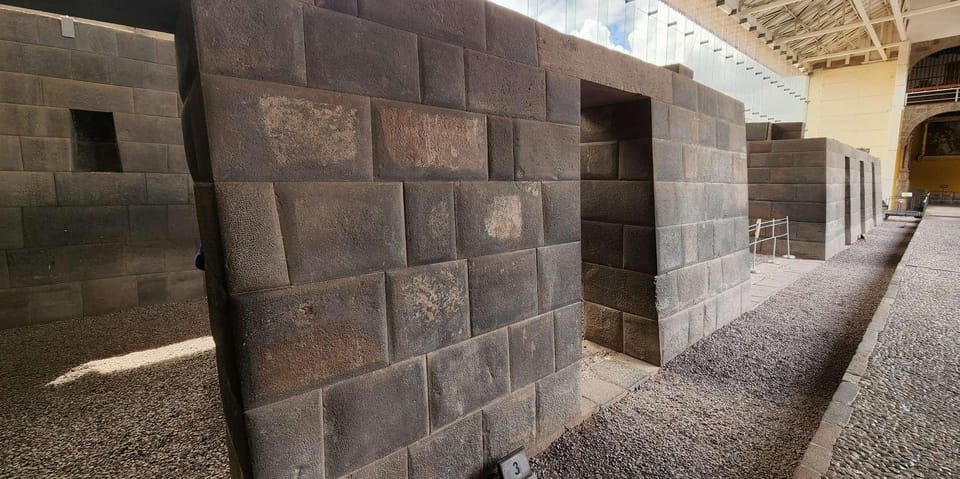
Most good Cusco tours start with Qoricancha, and this one follows that logic. You’ll visit the temple also known as Temple of Santo Domingo—a key example of how the Inca sacred space was later overbuilt.
Here’s what you’ll want to notice as you walk: the engineering. The Inca used precise stonework and careful planning, and that’s still visible beneath later additions. The guide will also point out how the site functioned in Inca times as the most important temple tied to the Sun.
Why this stop is worth paying extra attention to
- Qoricancha gives you context fast. After this, Sacsayhuamán and Qenqo feel less random and more connected.
- You’ll learn how later religious construction used the sacred prestige of the original place, instead of erasing it completely.
Don’t forget the Qoricancha ticket
The Qoricancha entrance ticket is not included. The price listed for entry here is 20 soles, so keep that in your budget. If you already purchased a tourist ticket that covers the same sites, you can show that instead.
You can also read our reviews of more tours and experiences in Cusco
Sacsayhuamán: giant blocks, Inti Raymi energy, and big-city views
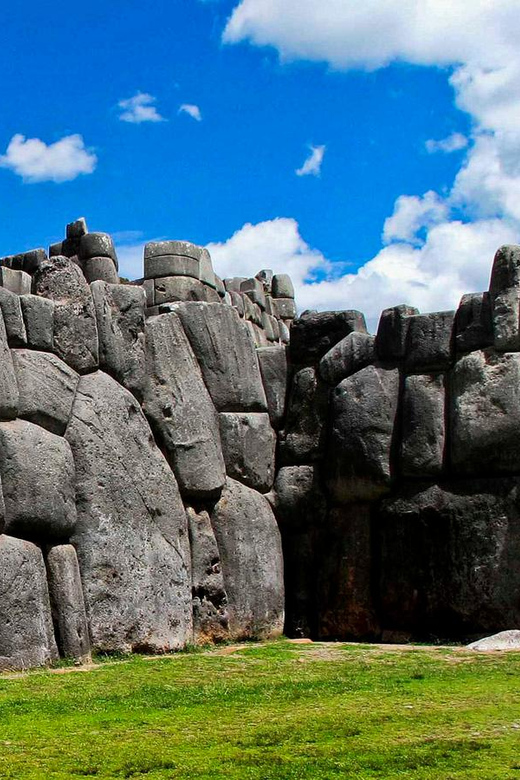
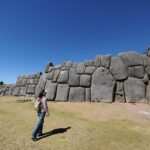
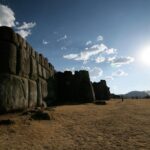
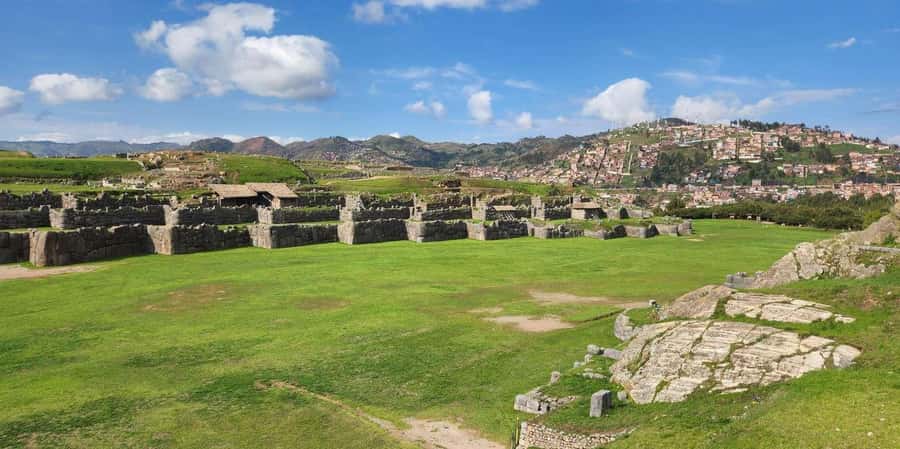
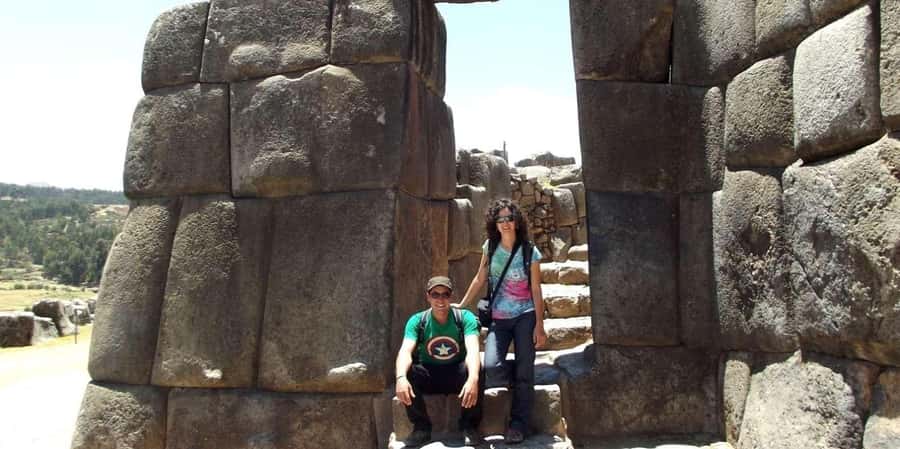
Next comes Sacsayhuamán, one of Cusco’s most striking Inca fortresses. You’ll see huge blocks of stone fitted so tightly they almost look sculpted. The size is a big part of the drama: some stones are reported at about 9 meters (30 ft) high and weighing more than 350 tons.
Even if you don’t love construction trivia, Sacsayhuamán hits a key idea: the Inca weren’t just building temples. They were shaping a capital that could control, defend, and host major ceremonies.
Why the timing and details matter
Sacsayhuamán is famous for its role in Inti Raymi on June 24. The guide’s explanation helps you see why this place was built for spectacle. You’ll also likely get views over Cusco—those views are often the reason people want to linger near the end of the visit.
Practical note: stones can be slippery and windy. Wear shoes with real grip, not just style.
Qenqo amphitheater: rocky paths and ritual meaning
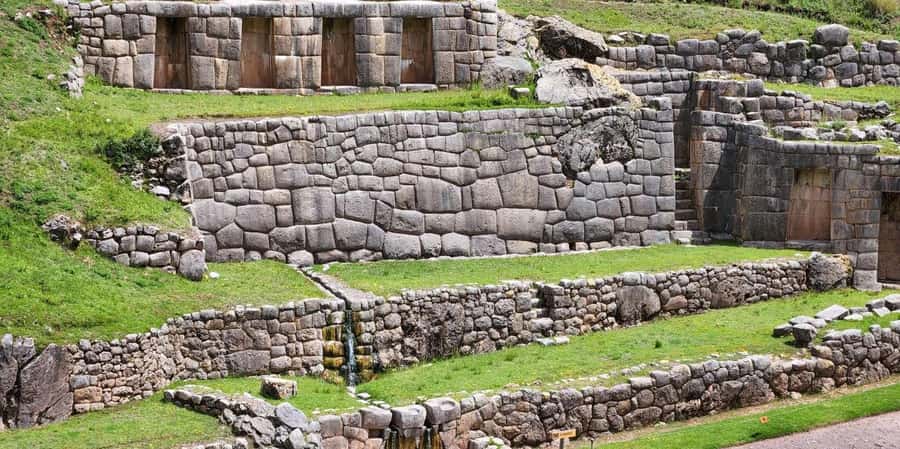
Then you’ll head to Qenqo, described as an amphitheater and ceremonial-religious center. You’ll see rocky promontories and a maze-like feel in the paths. It’s the kind of place where the setting helps you imagine how people moved during ceremonies.
The idea to understand here is sacrifice and ritual. Your guide will explain how Qenqo functioned in Inca times, including the fact that sacrifices took place there.
What you’ll likely enjoy most
- The feeling of walking through a built ritual space, not just standing beside ruins
- The way the setting looks different depending on where you’re standing, so moving a few steps can change what you notice
What to watch for
Qenqo can be busy. If you want photos without constant group traffic, take a breath, step aside from the main flow, and ask your guide when the best quiet moments usually happen.
Puca Pucara: the military fortress angle you don’t get on casual tours
Most people remember temples and temples only. This tour adds Puca Pucara, a former surveillance post and entry control point linked to the capital.
You’ll see terraces, walls, and stone steps. This is where the tour changes tone a bit: the story becomes practical and defensive, not only ceremonial.
Why this stop balances the itinerary
By the time you reach Puca Pucara, you’ve already seen sacred space (Qoricancha) and ceremonial ritual (Qenqo). Puca Pucara rounds it out by showing how power worked on the ground—watching approaches, controlling movement, and reinforcing Cusco’s importance.
If you like your archaeology with a side of “how did they run the place,” this is a strong match.
Tambomachay: water worship and the idea of eternal youth
Finally, you’ll visit Tambomachay, often described as a water temple. It’s tied to worship of water, and it’s also linked to leisure in Inca times—so it isn’t only a utilitarian water site.
The guide will explain why Tambomachay is called the place connected with the waters of eternal youth. Even if you’re not into mythic explanations, the site layout and the water-focused concept add a needed theme shift from stone defense to living water.
A tip for comfort and photos
Bring layers and consider taking a moment to sit if you need a break. Tambomachay can feel like a calmer ending compared to the louder fortress scenes. Also, if the weather turns, last stops can get chilly fast.
Tickets and money: what’s included vs what you pay at the sites
Here’s the clean breakdown you should plan around:
Included
- Hotel pickup
- Tourist transport
- Bilingual guide
- Express security check (skip the line through express security)
Not included
- Qoricancha entrance ticket: 20 soles
- Tourist Ticket: S/70 to 120 (or show proof you already purchased it)
- Optional visit: Cathedral of Cusco
Budget reality check on a $29 tour
At $29 per person, the pricing is strong because you’re paying for transport, guide time, and access to a well-set route. The “hidden” cost isn’t the guide—it’s entrances.
In practice, many people handle the cost by buying the tourist ticket package in Cusco. One handy tip from on-the-ground experience: pick up your full ticket at the office near the Centro plaza (Plaza de Armas area). If you already planned to visit other sites, that ticket can pay off quickly, especially when you’re stacking multiple archaeological parks in a short window.
If you’re only doing this half-day tour and then leaving Cusco, you’ll want to weigh entrance totals first so you don’t get surprised.
Guide quality: what you can expect when bilingual is done well
One of the best things about this tour is the way guides handle two languages. Many people end up on tours where one language group watches while the other listens. Here, the bilingual setup is built in, and you can get an explanation that actually lands.
Guides such as Luis, Maribel, Jonathan, Joel, Yenny, America, Fabrisio, Jessica, and Leo have been named with praise for clear explanations and keeping the group included.
That said, bilingual tours aren’t magic. If you’re in a mixed-language group, Q&A can be slower, and sometimes questions asked in one language aren’t repeated in the other. If you care about a specific point, ask your question in the moment to the guide while they’re explaining that segment.
If you’re short on time, aim for this tour anyway
Even with small issues like uneven Q&A, the overall structure helps. You still see the key sites without having to coordinate transportation yourself.
Weather, crowding, and the small things that change your day
Cusco weather loves a plot twist. Rain can change footing, slow movement between stops, and make the last viewpoints feel colder. Some guides have been known to adjust the plan mid-day to protect your time when conditions shift.
Crowds are also real, especially around the most famous viewpoints. That’s not a flaw of this tour—it’s simply Cusco’s popularity. The best way to handle it is to accept that you’re sharing the space, then let your guide teach you what to look for beyond the photo line.
Also, a practical word about vendors: you might notice the usual sales pressure that comes with tourist routes. If you want souvenirs or snacks, great. If you don’t, keep your attention on the sites and don’t let a pitch steal your viewing time.
Who should book this Cusco city tour
This is a smart pick if:
- You have limited time and want a structured way to see the most important sites near Cusco
- You want a guide to connect Inca sacred, military, and water-related themes
- You prefer hotel pickup and transport over figuring out logistics yourself
- You’d like bilingual explanations in English or Spanish
It might not be the best fit if:
- You’re the type who wants maximum time at one site rather than a full route of several
- You dislike any possibility of the tour running a bit long due to weather or crowd flow
- You’re already planning to visit these parks independently with your own research plan and guide
Should you book this Cusco City Tour to Qoricancha, Sacsayhuamán, Qenqo, Puca Pucara, and Tambomachay?
Yes, I’d book it if you’re arriving in Cusco and want your first hit of context fast. The biggest win is the combination: major stops, a logical theme trail, and bilingual guidance that helps you make sense of the stones without guessing.
Just go in with one expectation set: budget for entrances. With Qoricancha’s 20 soles and the tourist ticket range (S/70 to 120), you’ll want cash ready and a plan for whether you already bought a ticket package. If you do that part cleanly, this tour gives you a lot of Cusco in one half-day, with a smooth start and a satisfying set of stops to close your evening.
FAQ
What sites are included in the half-day Cusco tour?
The tour visits Qoricancha (Temple of Santo Domingo), Sacsayhuamán, Q’enqo, Puca Pucara, and Tambomachay. It also returns you to the city center near the end so you can continue your day.
Is hotel pickup included?
Yes. Pickup is included from your hotel in Cusco Centro Historico.
How long is the tour?
The duration is listed as 4 hours. Starting times depend on availability.
What language is the guide?
The guide is bilingual, offered in English and Spanish.
Are entrance tickets included?
No. Qoricancha entrance is not included (20 soles). A tourist ticket (listed as S/70 to 120) is also not included unless you already purchased one; you can show your existing ticket.
Do I need to worry about security lines?
The tour includes express security checking, which helps you skip the standard security line.
Is there an optional additional visit?
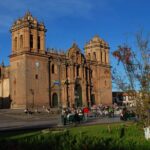
Yes. There is an optional visit to the Cathedral of Cusco, and it is not included in the base tour price.