REVIEW · CUSCO
Cusco: Half-Day City Tour
Book on GetYourGuide →Operated by Peru Andes Top · Bookable on GetYourGuide
Cusco in one half-day loop. This tour is a smart way to see Inca stone engineering up close and get bilingual guidance without spending a full day in transit. I especially like how the route strings together several key ceremonial and defensive sites so you start noticing patterns in the way the Incas built and used place. The main catch: the low base price does not cover all entrances, so you’ll want to budget for tickets (and you may lose a bit of time to a non-ruins stop).
If you choose the afternoon departure, the vibe shifts from open-air ruins to big-city sacred spaces with the Coricancha temple area and the Cusco Cathedral. Either way, you’re moving on foot between stops with plenty of viewpoints and stairs, so it’s not a slow, lounge-around tour. Also, it can be a tighter schedule than you’d expect for the number of sites, so bring your best walking shoes and a calm attitude toward crowds.
In This Review
- Key Highlights You’ll Care About
- How This 6-Hour Cusco Loop Really Works
- Qenqo Temple: Where Ceremony Lives in the Rock
- Puca Pucara: Military Ruins and Guard-Post Clues
- Tambomachay: The Baths of the Incas (and the Water Angle)
- Sacsayhuaman: Fortress-Shrine Built for Threats
- Coricancha and the Cathedral in the Afternoon Option
- Coricancha: The Inca’s Most Important Temple
- Cusco Cathedral: Built in 1560
- Price and Logistics: What $17 Covers (and What Costs Extra)
- What to Bring and How to Stay Comfortable on Uneven Ruins
- Group Pace, Guide Style, and One Potential Time Sink
- Who This Tour Fits Best
- Should You Book This Cusco Half-Day City Tour?
- FAQ
- How long is the Cusco half-day city tour?
- Where does pickup happen?
- Which sites are visited on the morning departure?
- Are the cathedral and Coricancha included?
- What extra fees should I expect to pay?
- What language is the guide?
- What should I bring, and what is not allowed?
Key Highlights You’ll Care About
- A true half-day circuit: van pickup from Centro Histórico, then multiple guided stops with built-in walking time.
- Qenqo and Puca Pucara: rock formations and ruins that show how ceremony and power were tied to geography.
- Tambomachay’s water story: the baths-of-the-Incas reputation comes from the way water sources are shaped.
- Sacsayhuaman’s limestone blocks: the massive construction is easier to grasp when you can stand right beside it.
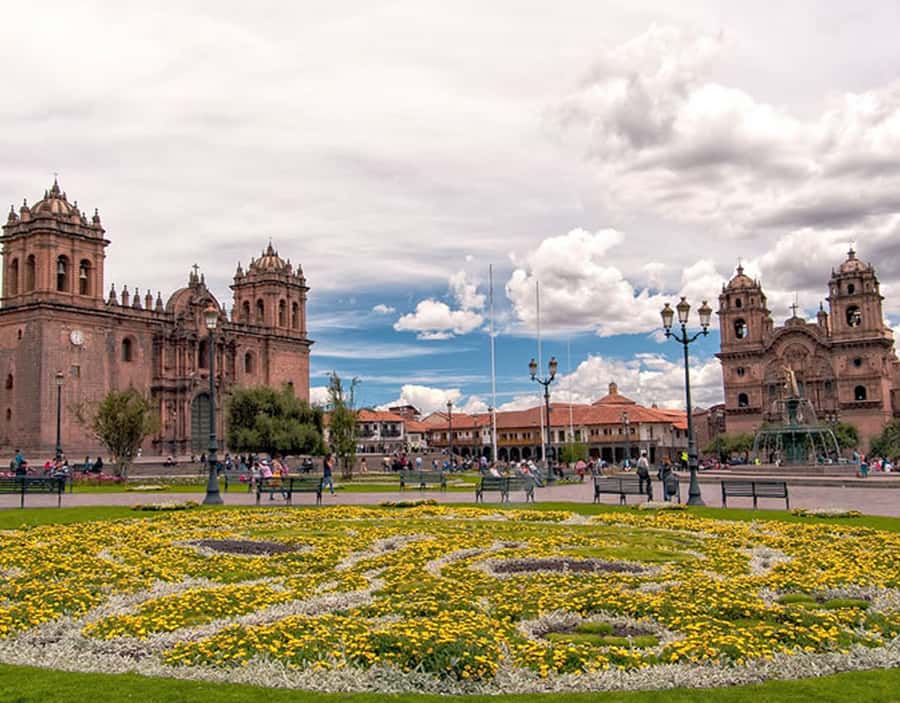
- Afternoon add-ons are worth it: Coricancha and the Cusco Cathedral bring the Inca-to-colonial contrast into focus.
- Guides can make it click: people highlight guides like Silvia, Clara, Janet, Wally, and José for energy, patience, and strong English.
How This 6-Hour Cusco Loop Really Works
This is a guided 6-hour half-day format that starts with pickup from your hotel in the historic center (Centro Histórico). From there, you’re in a van for about 40 minutes before the first archaeological complex. The pacing is “see it, learn it, move on,” with guided time carved out at each stop.
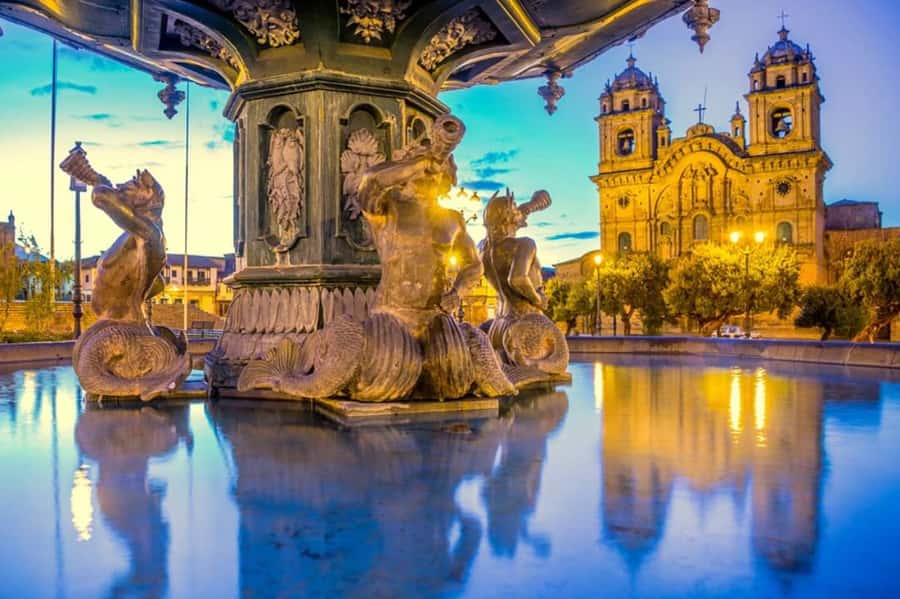
One key decision: morning vs afternoon. Morning departures focus on the four archaeological sites outside the city center (Sacsayhuaman, Qenqo, Puca Pucara, Tambomachay). Afternoon departures keep those ruins in the mix and also add the UNESCO-listed Cathedral/Basilica Cathedral and Coricancha. If you only have a half day, I’d pick based on how much you want the Inca sites versus the indoor, big-famous monuments.
Transport is handled by the operator, and the setup can involve different vehicles depending on logistics. The upside: the guide manages the flow so you aren’t stuck figuring out which van is yours. The downside: you still need to be ready to switch mental gears from walking to waiting and back again.
You can also read our reviews of more city tours in Cusco
Qenqo Temple: Where Ceremony Lives in the Rock
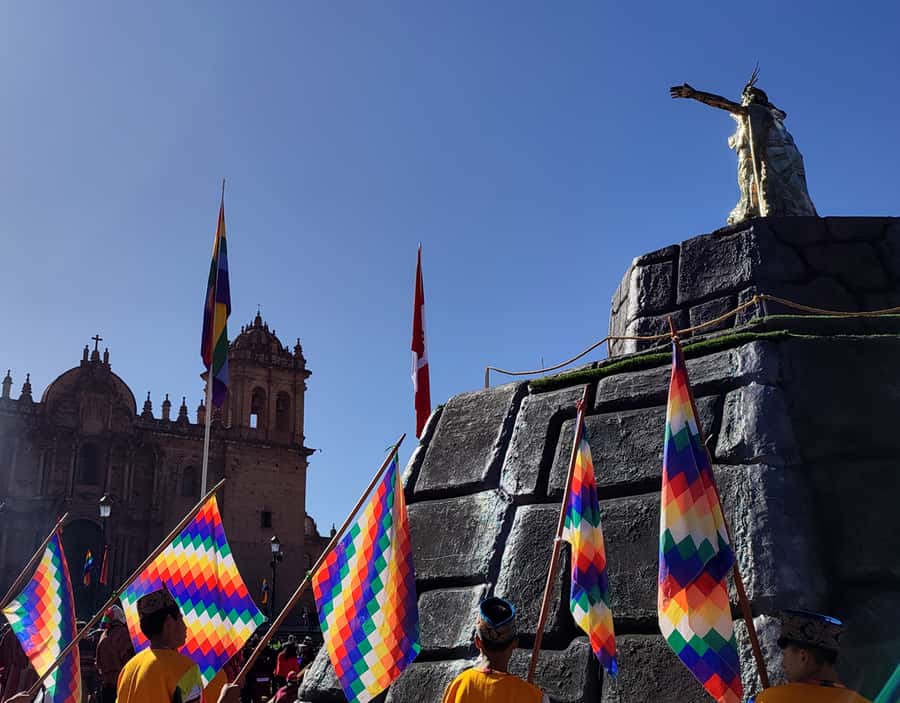
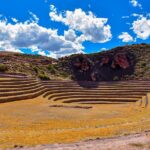
Qenqo is where the tour starts to feel distinctly Cusco. The site is built around a natural rock formation that became a ceremonial center, so you’re not just looking at man-made walls. You’re reading the land the way the Incas did—turning a dramatic shape into a place for ritual and gathering.
You’ll get about 40 minutes with a guide here, which is the right amount of time to notice the details without rushing. Expect to spend part of that time walking within the complex and part of it listening to the explanations of what the site might have been used for and why it was placed where it is.
Comfort matters at this point. You’ll likely be on uneven surfaces, and Cusco’s altitude can make quick hops feel longer than they are. Stick with comfortable shoes and slow, steady steps.
Puca Pucara: Military Ruins and Guard-Post Clues
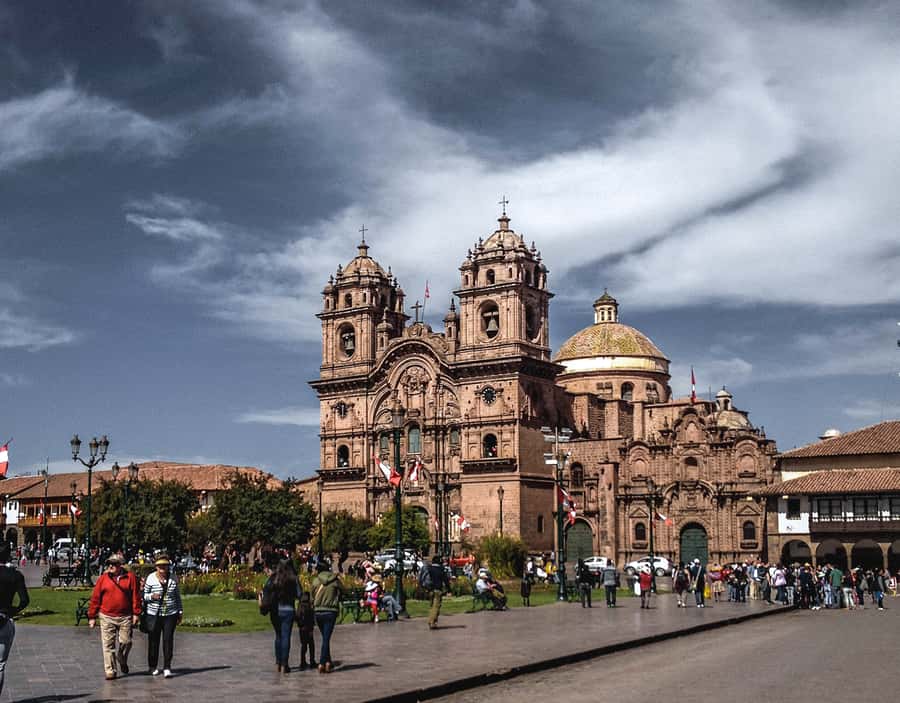
Next up is Puca Pucara, known for its military ruins. This is one of those stops that helps you see the Incas as more than builders of temples. The complex includes remains that point to guard posts and the layout of staircases, streets, houses, and courtyards—basically the skeleton of a place designed for security and organization.
You’ll also get around 40 minutes guided time. That helps because this site can feel like “ruins” at first glance, but a good guide connects what you’re seeing to a purpose: who was stationed here, how spaces were arranged, and how the architecture supported control of the area.
Practical note: this is not a stop where you can easily “power through” without paying attention. If your legs are tired, pace yourself anyway—because the interpretive part is what makes it land.
Tambomachay: The Baths of the Incas (and the Water Angle)
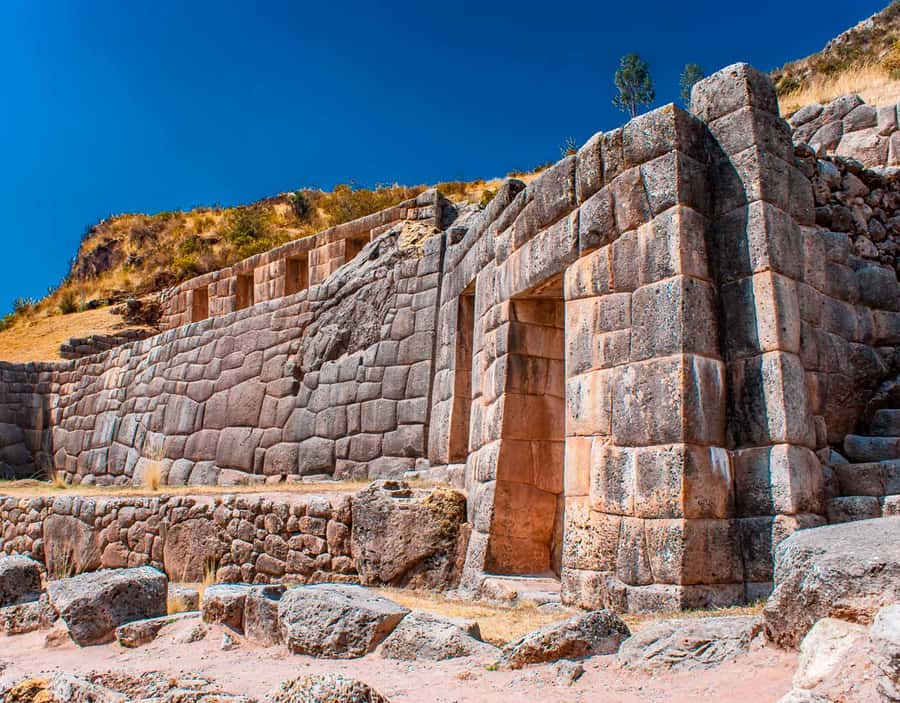
Tambomachay sits about 9 kilometers outside Cusco, and that distance matters. You’re leaving the tight center and moving into a more open, outlying feel, which makes the site’s reputation stand out even more.
This place is called the baths of the Incas because of the shape of the water source. The tour guide will also frame it as possibly connected to a cult of water and purification. Even if you land on one theory versus another, what you’ll appreciate is the logic: water wasn’t treated as a random resource. It was part of how people structured life, ritual, and wellbeing.
You’ll have about 40 minutes here. That’s enough time to understand the water-related features and still catch the views around the site. It also gives you a natural rest break from the tighter ruin complexes.
Bring a water bottle and plan for changing light. If it’s sunny, water plus sunscreen makes the difference between enjoying the stop and feeling washed out.
Sacsayhuaman: Fortress-Shrine Built for Threats
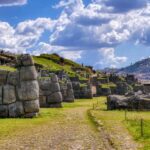
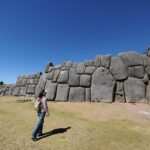
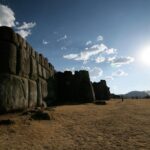
Sacsayhuaman is a big one—so plan to arrive ready to stare up. Chroniclers have associated it with a solar shrine built by the last Inca dynasties, but the tour’s focus tends to land on the engineering and defensive angle. The site was built using large limestone blocks to help protect the city from attacks coming from the east, sometimes described as the Antis direction.
Your guided time here is about 40 minutes, and I like this duration for Sacsayhuaman because it lets you do two things:
1) take in the scale, and
2) connect the scale to the explanation.
If you only spend two minutes here, it’s impressive but still hard to understand. With a guide, the blocks become a story about planning and threat response—not just archaeology.
One consideration: the route can feel packed, so if you’re hoping for slow roaming and extra photo time, you may not get it. In at least some experiences, a textile-shop stop can eat into time, and the “hang around and look longer” part doesn’t always happen as much as you’d want. If you hate rushed viewing, keep your expectations realistic and focus on the guided points.
You can also read our reviews of more tours and experiences in Cusco
Coricancha and the Cathedral in the Afternoon Option
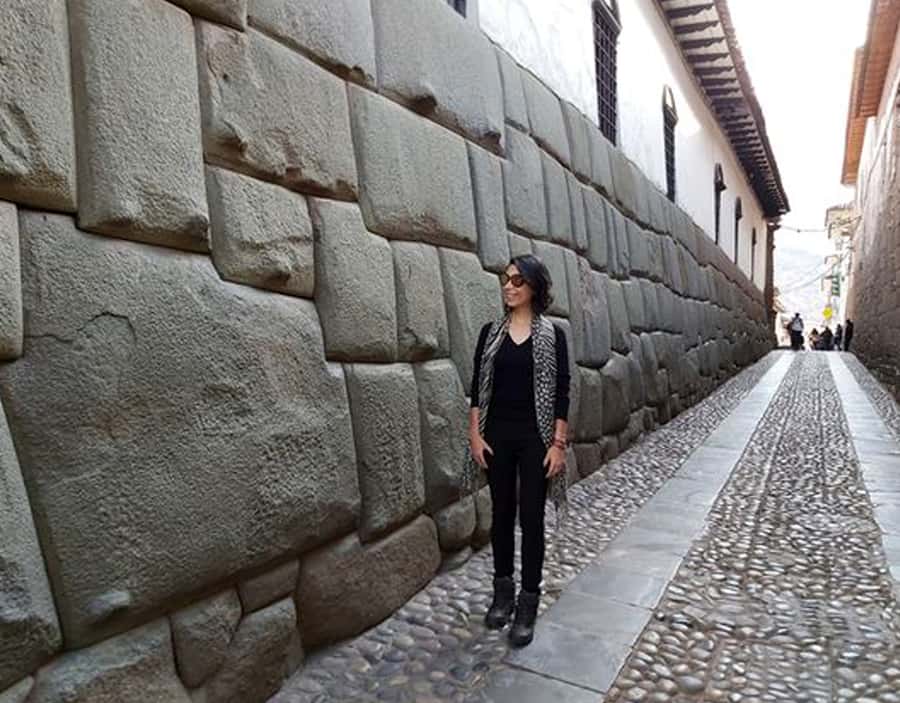
If you’re on an afternoon departure, this is where the tour earns its “half-day” brag. You shift from Inca stone outside to sacred spaces where the Inca past and colonial era overlap in the same city.
Coricancha: The Inca’s Most Important Temple
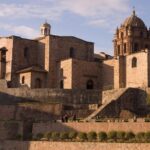
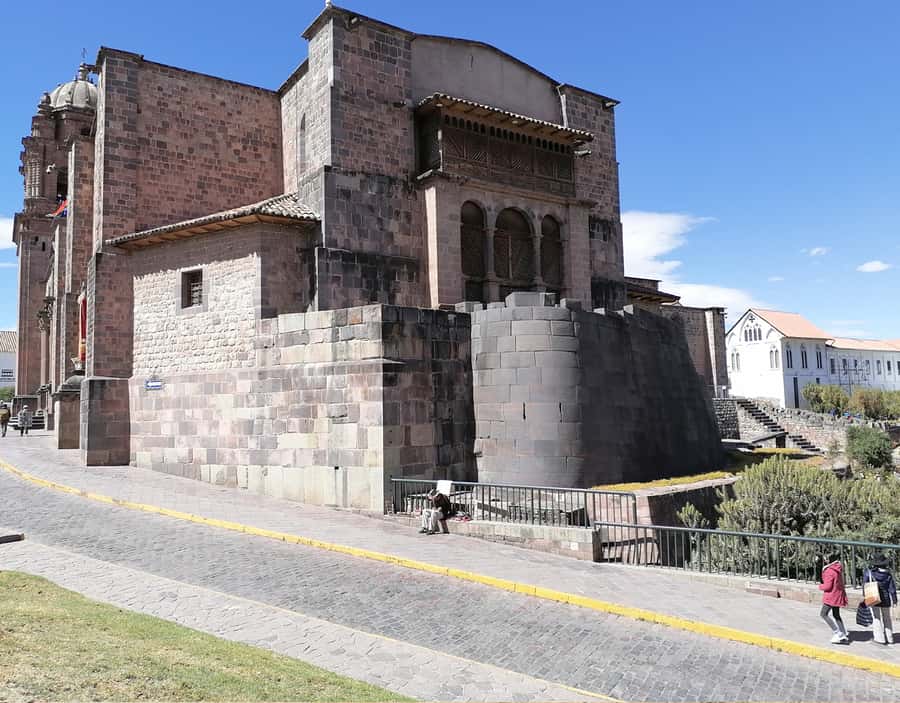
Coricancha is tied to the idea of the Incas’ most important temple of their empire, and you’ll get a guided walkthrough of the perfect architecture and stone construction. It’s UNESCO-listed, and it’s exactly the kind of place where “stand and look” turns into “I get why this mattered.”
You’ll have about 1 hour guided time here. That longer slot helps because the symbolism and construction logic take a little time to absorb.
Cusco Cathedral: Built in 1560
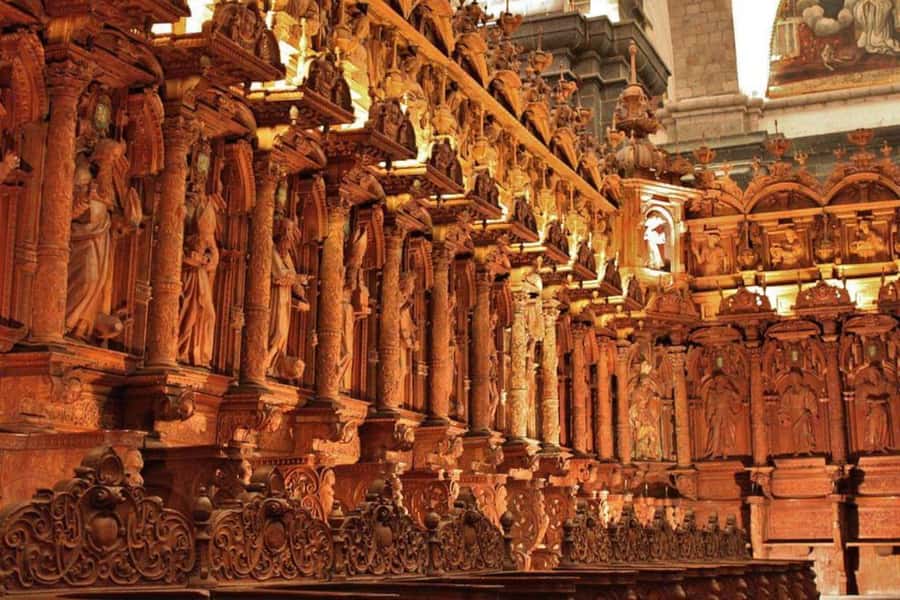
Then you head to the Basilica Cathedral (Cusco Cathedral), built in 1560. Even if you aren’t chasing religious art, the sheer fact of a 1500s cathedral sitting in the middle of Cusco’s sacred landscape gives you context for how the city layers over time.
Guided time at the cathedral is about 40 minutes. This is enough to see what’s there and learn why it’s part of Cusco’s identity today, without turning it into a long church lecture.
Price and Logistics: What $17 Covers (and What Costs Extra)
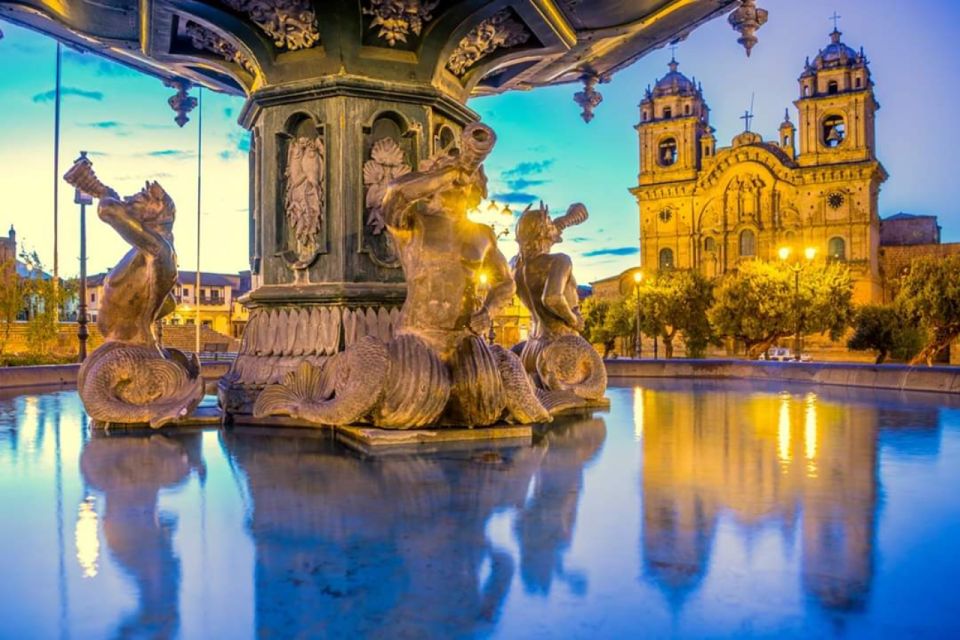
The base price is listed at $17 per person, and that’s a big part of why this tour sells. For the money, you’re getting tourist transportation plus a professional bilingual guide (Spanish/English). That’s the core value: you’re paying for access, organization, and interpretation, not just seats on a van.
But here’s the part you shouldn’t ignore: entrances are not included across the board. You should plan for:
- Cathedral entrance: 40 soles
- Coricancha entrance: 15 soles
- Tourist ticket for archaeological sites outside the city: 70 soles
So, if you’re on a morning option, you’re mostly paying for the outside-city archaeological ticket because the morning typically hits Sacsayhuaman, Qenqo, Puca Pucara, and Tambomachay. If you’re on an afternoon option, you’ll likely add cathedral and Coricancha entrances too.
Cash and documents matter. The tour notes ask for passport and cash, so don’t rely on card-only thinking. Also, bring enough money to handle last-minute ticket needs. One practical tip you’ll appreciate: if tickets aren’t already lined up, buying them at the sites can still be manageable.
Value verdict: This is a strong deal if you want guidance and you can handle the extra ticket costs. If you don’t want to think about entrances at all, factor those fees into your total budget before you commit.
What to Bring and How to Stay Comfortable on Uneven Ruins
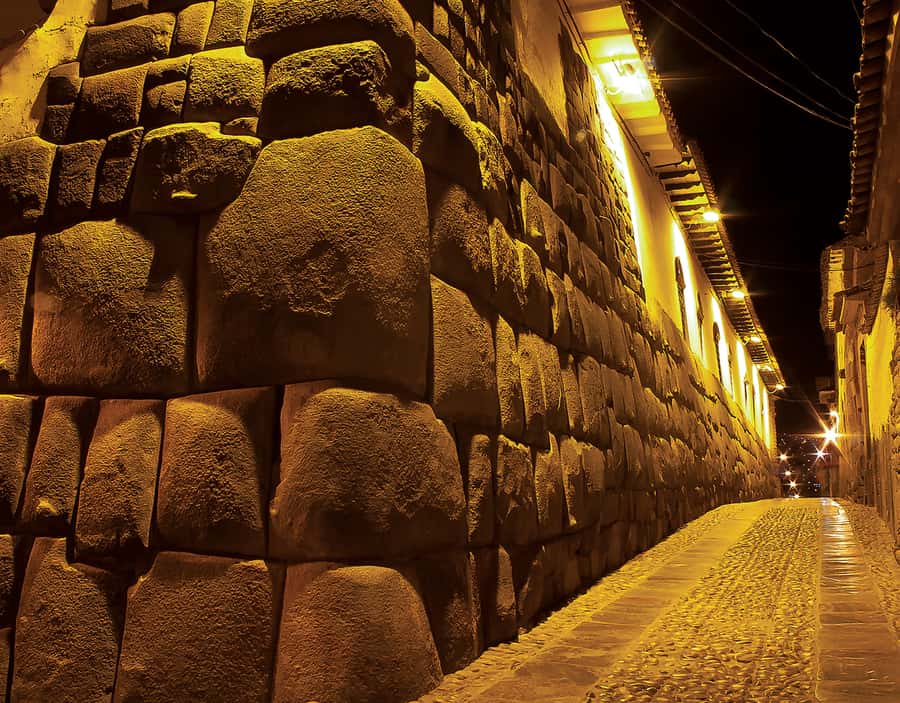
Cusco ruins tours don’t forgive poor planning. You’ll be on your feet, and weather can shift quickly. The basics listed for this tour are the same basics that make or break your day:
- Comfortable shoes
- Water
- Passport
- Cash
The tour also recommends:
- Long pants
- A sun hat
- Sunscreen with SPF 30+
- A waterproof jacket or raincoat
Also check what you can’t bring. Pets aren’t allowed, and luggage or large bags aren’t allowed. There’s no video recording allowed, so plan on using your phone camera carefully if it’s permitted by the on-site rules and the guide’s instructions.
Group Pace, Guide Style, and One Potential Time Sink
This tour is guided in English and Spanish, and that bilingual piece matters because it changes how much you actually understand. Some people highlight guides like Silvia for being patient with kids, Clara for energy and lots of detailed storytelling about Cusco and Inca life, Janet as an exceptional guide, Wally for helping people get oriented quickly, and José for English-friendly explanations. If you end up with a guide who explains the “why,” the sites become much easier to remember.
Logistically, transportation is handled through vans and can involve different vehicles. A good guide keeps it organized so you aren’t guessing, which is a nice comfort in Cusco where the streets can be confusing.
Now for the only real “watch out.” Some experiences include a textile store stop. If you don’t plan to shop, it can feel like filler. It might also reduce your time to explore Sacsayhuaman more than you want. If you’re sensitive to that, keep your priorities straight: aim to learn at each site and treat extra stops as optional extras, not the main event.
Who This Tour Fits Best
This one is ideal if:
- you have only half a day in Cusco and want several Inca-era sites in a single loop
- you like learning as you walk, not after the fact
- you want a bilingual guide without paying full-day prices
It’s also a good match if you want both the archaeological side and, on afternoon departures, the Cathedral and Coricancha contrast in one day.
If you hate tight schedules or you want lots of free time to roam without guidance, you might find the pace a bit intense. The sites are interesting, but time is limited at each stop.
Should You Book This Cusco Half-Day City Tour?
Yes, if your goal is value + expert guiding with a clear route through the most meaningful highlights around Cusco. The price is hard to beat when you consider you’re paying for a guide, transportation, and guided time at multiple sites instead of piecing it together yourself.
Book it especially if you:
- want to see Qenqo, Puca Pucara, Tambomachay, and Sacsayhuaman
- can budget for extra entrances (cathedral, Coricancha, and the outside-city archaeological ticket)
- are okay walking at a steady pace for a compressed schedule
Skip it if you strongly prefer fully independent visits, or if you dislike any non-ruins detours. For everyone else, this is a smart way to get oriented fast and still feel like you saw the real Cusco story in a few focused hours.
FAQ
How long is the Cusco half-day city tour?
The tour runs for about 6 hours, with pickup in the historic center and guided time at multiple sites.
Where does pickup happen?
Pickup is included from your hotel in Cusco’s historic center (Centro Histórico). If your hotel isn’t accessible by vehicle, you’ll be directed to the nearest meeting point.
Which sites are visited on the morning departure?
Morning tours typically include Sacsayhuaman, Qenqo, Puca Pucara, and Tambomachay. The cathedral and Coricancha are not included on morning departures.
Are the cathedral and Coricancha included?
They’re included on afternoon departures. The cathedral is the Basilica Cathedral, and Coricancha is also visited as part of the afternoon option.
What extra fees should I expect to pay?
Entrance fees are not included. You’ll need to budget for: cathedral entrance (40 soles), Coricancha entrance (15 soles), and the tourist ticket for archaeological sites outside the city (70 soles).
What language is the guide?
The tour offers a professional bilingual guide in English and Spanish.
What should I bring, and what is not allowed?
Bring comfortable shoes, water, a passport, and cash. Long pants and sun protection are recommended, plus a waterproof jacket/raincoat. Pets and luggage or large bags are not allowed, and video recording isn’t allowed.