REVIEW · CUSCO
From Cusco: Moray, Maras Salt Mines & Chinchero Weavers Half-Day
Book on Viator →Operated by Apu Ausangate Trek · Bookable on Viator
A half-day can still feel like a real adventure. This Cusco outing strings together Chinchero weaving, Moray terraces, and the Maras Salt Mines in one efficient route. You’ll start high in the Andes, learn how locals work with land and color, and end back near Plaza de Armas with just enough time to eat on your own.
Two things I really like about this tour are the hands-on craft angle and the smart pacing for the price. In Chinchero, you’re not just looking at textiles—you see how natural dyes are made and you get time in the market area with bartering and Quechua culture front and center. Then Moray and Maras turn into science and industry, with ancient-style crop testing and a working salt system that still runs.
One consideration: it’s a long day for a “half-day.” Plan on about 6 to 7 hours, with limited room for breaks, and note that Moray and the Salt Mines have entrance fees you’ll pay separately. If you’re hoping for a sit-down lunch included, you’ll need to plan snacks.
In This Review
- Key Highlights You’ll Actually Feel
- The Big Idea: Why This Route Works So Well
- Morning Pickup From Cusco: Timing and Altitude Reality
- Chinchero Weavers and the Market: Color, Craft, and Barter Energy
- Moray’s Terraced Bowl: Incan Crop Testing You Can See
- Maras Salt Mines (Salineras): Thousands of Tiny Pools, Still Working
- The Drive Experience: Guide Stories and Bilingual Explanations
- Logistics and Comfort: What to Plan for During 6–7 Hours
- Value for $15.20: The Honest Math
- Who Should Book This (and Who Might Feel Frustrated)
- Should You Book This Cusco Sacred Valley Half-Day?
- FAQ
- What time does pickup happen in Cusco?
- How long is the tour?
- What’s included in the price?
- Which entrance fees are not included?
- Where will the tour drop you back in Cusco?
- How big is the group?
- Is lunch provided?
- Do I need good weather for the tour?
- How does cancellation work?
Key Highlights You’ll Actually Feel
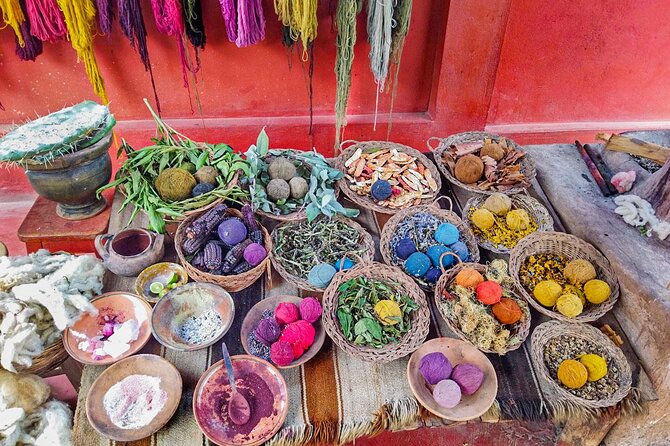
- Chinchero market + weaving demo with visible natural dye processes and real local practice of Quechua traditions
- Moray’s stepped agricultural terraces and irrigation system used as an Incan crop “experiment” across different sub-climates
- Maras Salt Mines (Salineras): thousands of small pools fed by a hot-spring source, used for centuries
- Small-group feel (maximum 16 travelers), which helps at photo stops and when asking questions
- Bilingual guide commentary (often English and Spanish), with story-rich explanations on the drive
- Return to Cusco around 3:15 pm near Plaza de Armas so you can keep your afternoon flexible
The Big Idea: Why This Route Works So Well
This tour is built around the Sacred Valley idea: agriculture, craft, and everyday work shaped by altitude. You’re not just sightseeing. You’re watching people solve problems—how to grow crops where conditions are tough, how to turn plants into color, and how to process salt without fancy modern machinery.
The best part is the variety. Chinchero gives you culture you can see and touch. Moray gives you a “wait, that’s engineered” moment. Maras gives you a landscape of tiny working pools that feels surprisingly alive even though it’s historical.
For the cost, the value is strong because the core experience is delivered by the guide and transportation. You’ll pay separately for two major sites, but even with those add-ons, it’s still a budget-friendly way to pack in three famous stops.
You can also read our reviews of more tours and experiences in Cusco

Morning Pickup From Cusco: Timing and Altitude Reality
You’ll be picked up from your hotel between 8:20 am and 8:40 am. Then you start driving toward Chinchero, which sits around 3,762 meters. That altitude matters even if you’re already in Cusco. You’ll likely feel it more if you’re used to lower elevations and you move too fast.
This tour’s strength is that it uses the morning daylight well. You arrive at each stop with enough time for explanations, photos, and a bit of walking without rushing at the very end.
Group size is capped at 16 travelers, which is smaller than many mini-bus tours you’ll see in the region. Still, comfort can vary. One common issue: when the vehicle is full, seats can feel tight. If you’re tall or you dislike cramped rides, it’s worth keeping expectations realistic.
Chinchero Weavers and the Market: Color, Craft, and Barter Energy
Chinchero is one of the most practical stops on the route because it shows culture as a living system, not a staged museum piece. You’ll spend about 1 hour here, starting with the traditional market atmosphere where people barter rather than just trade at fixed prices.
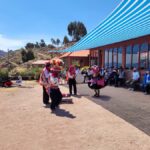
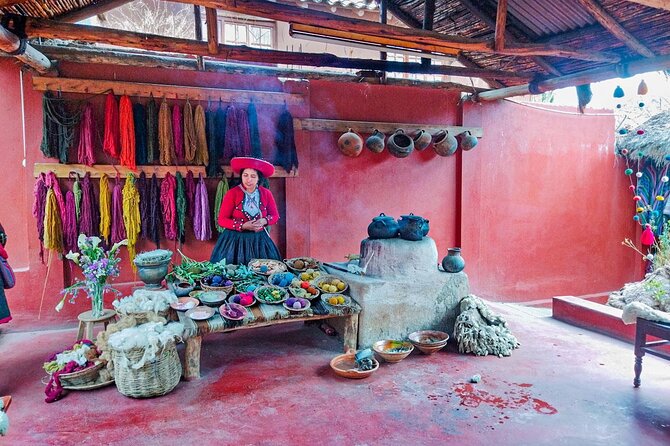
Then you’ll visit a weaving workshop area. This is where you get the good stuff: they’ll show how they obtain colors from natural plants, and you’ll see textile making tied to Quechua tradition. You may also get photo opportunities—some visitors like the chance to dress up in Andean clothing for pictures, but even without that, the visual details are strong.
A quick fair warning. This stop can feel partially oriented toward sales, especially once the weaving workshop and textile center section begins. You’ll likely see hand-made items, and you may also run into products where materials are mixed (like acrylic blended with alpaca). If you care about fiber content, ask what it is before buying.
What I like: even when you’re not shopping, the process helps you understand why these textiles matter. The dyes aren’t just color. They’re local knowledge, gathered from plants and applied with skill.
Moray’s Terraced Bowl: Incan Crop Testing You Can See
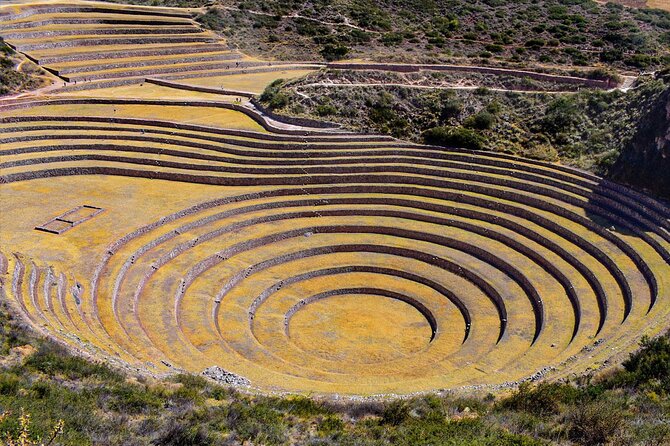
Next comes Moray at about 3,450 meters. You’ll have roughly 1 hour here, and it’s the kind of place that makes you stop walking and just stare.
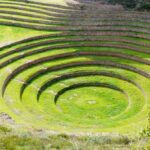
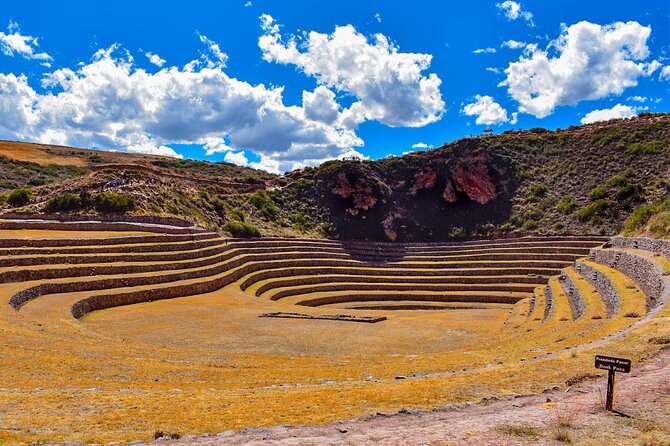
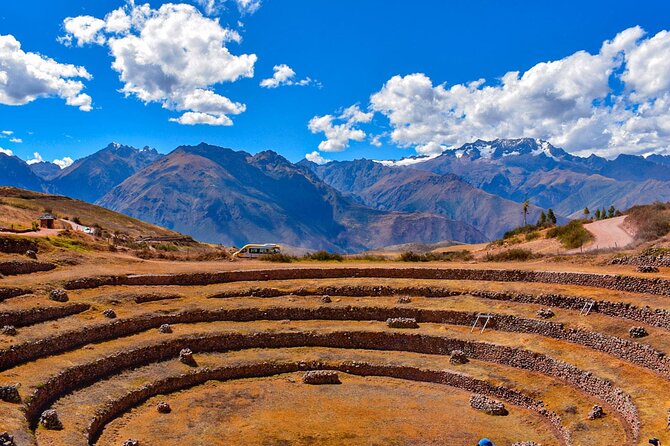
Moray looks like a giant bowl carved into the ground, with stepped terraces and a complex irrigation setup. Parts of it were further excavated by the Incas. The big idea is agricultural experimentation. It’s widely thought the terraces helped the Incas figure out optimal growing conditions across different levels of the site—essentially creating different micro-environments where crops could thrive at altitudes that might otherwise be challenging.
Why this matters for your trip: Moray turns your Sacred Valley day into an education in how the Incas controlled climate. Instead of treating altitude as a barrier, they treated it as a variable. When your guide explains how those conditions create sub-climates, the terraces stop looking like random steps and start looking like technology.
Entrance isn’t included here. You’ll pay 19 dollars (70 soles) for Moray on your own. If you’re trying to keep costs down, double-check you still want this stop. But if you’re the type who likes understanding how things work, Moray is one of the most satisfying uses of your time.
Maras Salt Mines (Salineras): Thousands of Tiny Pools, Still Working
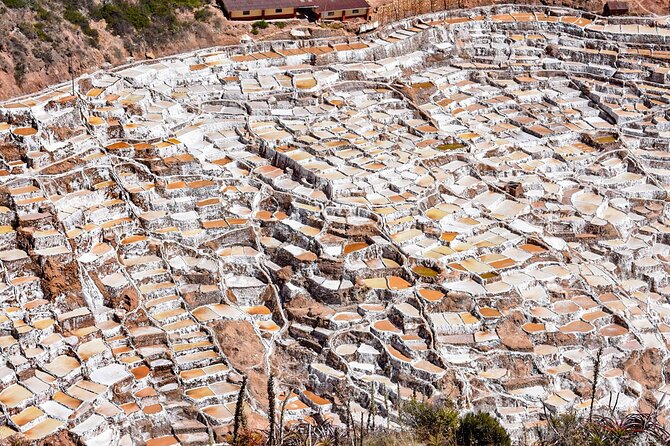
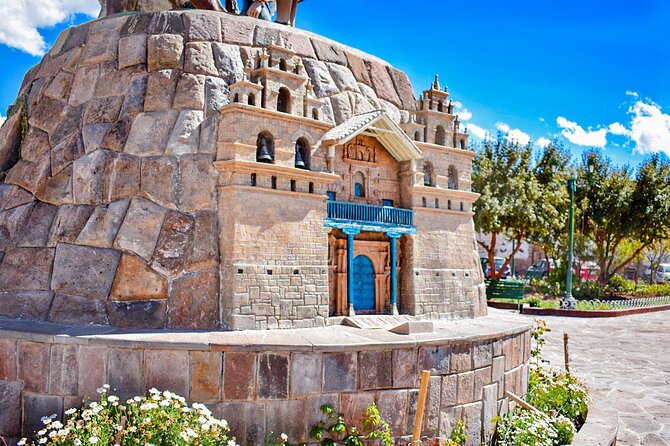
Then you head to Salt Maras (Salineras). On the way, you pass Maras Village, which still shows colonial-era architectural features made from thin stone. Even if you only glimpse it from the road, it’s a nice reminder that this region isn’t frozen in time.
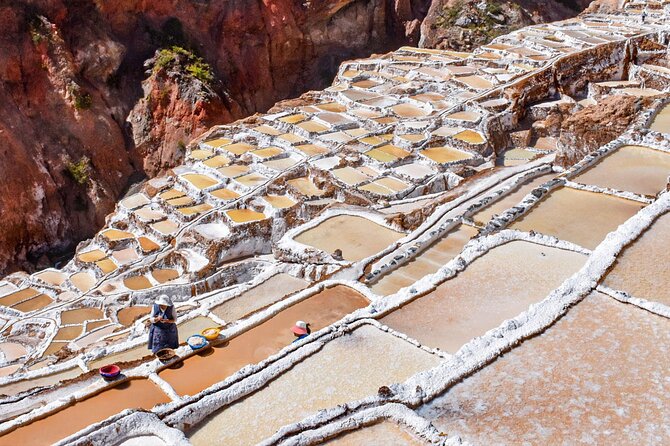
At the salt mines, you’ll see the famous setup: around 3,000 small pools. During the dry season, workers fill these pools with salt water every few days (the schedule is every three days). That water comes from a natural hot spring source. Over time, the water evaporates, leaving salt behind in each pool.
The process doesn’t end with evaporation. The salt is ground up, treated with iodine, packaged, and shipped to markets in the region. The key point is that this isn’t a purely tourist monument. It’s part of ongoing local production.
You’ll pay the entrance fee separately. Salt Mines cost 6 dollars (20 soles). For me, it’s one of those places where the entrance fee feels justified because the site is large and visually striking, with constant texture and pattern all around you.
If you like photo opportunities, this is a strong choice. The pools create natural lines and repetition, so your pictures look interesting even if your camera skills are still waking up.

The Drive Experience: Guide Stories and Bilingual Explanations
Most of the “magic” in a day like this happens in the in-between moments: the vehicle rides, the short walks, and the guide’s explanations that connect the dots.
A lot of the guides on this route are bilingual. You may hear stories and practical context in English and Spanish, including details about life in the region and how modern communities connect to ancient practices.
Some guide names mentioned for this kind of service include Felipe and Julio, and there’s also Manuel highlighted by some groups. For example, Felipe has been noted for sharing coca leaves for a quick taste and helping with photo moments at scenic viewpoints. Julio is described as providing lots of clear commentary in both languages. Those details matter because they turn the day from a checklist into a narrative.
Another plus: communication seems solid. The operation includes a team that follows up, confirms arrangements, and has handled last-minute timing issues with flexibility when needed (which can save your day if you’re running behind).
Logistics and Comfort: What to Plan for During 6–7 Hours
Even though it’s marketed as half-day, you’re out for about 6 to 7 hours. You’re covering ground, moving between three main sights, and staying on a schedule that depends on everyone being ready.
This is why I suggest you plan like this:
- Bring snacks and water. Lunch isn’t included.
- Wear layers. High altitude + car ride + sun can make your body feel like a thermostat on autopilot.
- Be ready for limited downtime. There isn’t a dedicated lunch stop on the itinerary.
One downside that comes up: the tour can feel long if you’re expecting more regular eating breaks. There’s also a group-timeline effect. When a tour group has around 15–20 people, one late person can ripple into extra stress. The fix is simple: be ready for pickup on time and keep yourself on schedule.
You return to Cusco around 3:15 pm, near Plaza de Armas. That’s a great drop-off time because you can grab a late lunch or early dinner depending on your plans, and you won’t lose your whole afternoon.
Value for $15.20: The Honest Math
The listed price is $15.20 per person, which is low for this amount of organized transport and guiding. But two big entrances are not included:
- Moray: 19 dollars (70 soles)
- Salt Mines: 6 dollars (20 soles)
So, your likely total spend is your tour price plus those site fees, while Chinchero and the Cusco pickup/wraparound are effectively included in the tour experience. You’ll also want to budget for tips and any personal purchases.
For value, here’s what you’re getting for your money:
- Pickup from your hotel
- Transportation
- A bilingual tour guide
- Guided time at Chinchero, Moray, and Salt Mines
- A structured route that returns you back to Cusco before evening
Where the price doesn’t cover everything: food. Breakfast and lunch are not included, so plan your own fuel.
If you’re a first-timer in Cusco with limited time, this is one of the best ways to see multiple “Sacred Valley” touchpoints without paying for a full-day excursion. If you already know you’ll visit Moray and Maras on your own, then the value depends on whether you want the guide and transport—or whether you prefer total independence.
Who Should Book This (and Who Might Feel Frustrated)
This tour fits best if you:
- Want an introduction to Sacred Valley culture and land-use in one day
- Like crafts and want to connect weaving to dye plants, not just buy souvenirs
- Enjoy agricultural engineering explanations, especially the logic of sub-climates at altitude
- Want a manageable group size (max 16)
You might feel less happy if you:
- Really need a built-in lunch break
- Are sensitive to cramped vehicle seating when the van is full
- Want a slow, no-schedule day rather than a tight route
The good news: the itinerary is broad enough that even if one stop isn’t your favorite, the other two likely will land.
Should You Book This Cusco Sacred Valley Half-Day?
If you want three iconic Sacred Valley sights without committing to an all-day trip, I think this is a smart booking. Chinchero adds living culture and hands-on process (natural dyes). Moray gives you that “ancient minds were serious about science” moment. Maras Salt Mines then deliver a visually striking, still-working production site.
Book it if you’re willing to pay the separate entrances, bring your own snacks, and accept that the schedule is efficient rather than leisurely. Skip it only if you’re hunting for a long lunch pause or you know you’ll hate a tight timeline.
One more practical note: this experience needs good weather. If conditions are poor, the operator may offer a different date or a refund. So if you’re planning tight flights, keep a little flexibility if you can.
FAQ
What time does pickup happen in Cusco?
Pickup is scheduled between 8:20 am and 8:40 am from your hotel.
How long is the tour?
It runs about 6 to 7 hours.
What’s included in the price?
Pickup from your hotel, transportation, and a bilingual tour guide are included.
Which entrance fees are not included?
Moray entrance costs 19 dollars or 70 soles, and Salt Mines entrance costs 6 dollars or 20 soles. Entrance for the other covered parts (like Chinchero and the Cusco portions) is marked as free in the schedule.
Where will the tour drop you back in Cusco?
You return around 3:15 pm near Plaza de Armas, and hotel drop-off is not included.
How big is the group?
The maximum group size is 16 travelers.
Is lunch provided?
No. Breakfast and lunch are not included, so plan your own food and snacks.
Do I need good weather for the tour?
Yes. The experience requires good weather. If it’s canceled due to poor weather, you’ll be offered a different date or a full refund.
How does cancellation work?
You can cancel up to 24 hours in advance for a full refund.