REVIEW · CUSCO
4-Day Lares Trek to Machu Picchu
Book on Viator →Operated by Inkayni Peru Tours · Bookable on Viator
Lares is Machu Picchu, minus the crush. This 4-day trek follows the rugged Lares route through high Andean passes, small Quechua communities, and quiet ruins, then finishes with a Machu Picchu morning aimed at fewer crowds.
I especially like that you get a real local feel—visits to Inca-era sites like Pumahuanca, plus time with an Andean family in the villages. I also love the pacing: you earn the view, you soak in the Aguas Calientes hot springs, then you get both a guided Machu Picchu tour and solo time to wander.
One thing to weigh: this is serious high-altitude hiking, with passes around 14,000 feet (4,400m), and you’ll need a strong fitness base (and good trekking socks).
In This Review
- Key Highlights You’ll Feel Immediately
- Why the Lares Trek Feels Different From the Usual Machu Picchu Route
- Price and What You Actually Get for $656.42
- Your 4-Day Flow: From Cusco Heights to Machu Picchu Morning
- Day 1: Cusco to Pumahuanca and Your First Big Ascent
- Day 2: The High Pass Day to Cuncani, With Yanacocha Lake
- Day 3: A Real Village Connection and a Soak at Lares Hot Springs
- Day 4: Morning Bus to Machu Picchu and a Guided Tour With Solo Time
- Ollantaytambo and the Inca Agricultural Mindset
- Aguas Calientes: Train Ride Energy and a Hot Springs Pause
- The Machu Picchu Experience: Guided Meaning + Time to Be Human
- Altitude, Packing, and How to Set Yourself Up for Success
- Who This Trek Is Best For (and Who Should Rethink It)
- What Stood Out in Reviews: Guide Support Makes a Difference
- Should You Book the 4-Day Lares Trek to Machu Picchu?
- FAQ
- What time does the trek start in Cusco?
- Are meals and camping gear included?
- Is the hike really at high altitude?
- Do you include hotel stay and the journey to Machu Picchu?
- Is a guided tour included at Machu Picchu?
- What’s included and not included in the price?
Key Highlights You’ll Feel Immediately
- Lares route, fewer people: you skip the busiest feel of the classic routes for quieter scenery and villages
- A guide who supports at altitude: one standout review calls out Edgar’s encouragement when someone struggled at higher elevations
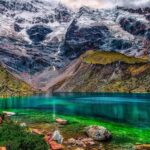
- Yanacocha Black Water Lake: a memorable lake stop that reflects the sky in dark, mirror-like water
- Ollantaytambo option: an Inca fortress stop for agricultural terraces that still show how seriously the Incas farmed
- Hot springs in Aguas Calientes: train you through, then you can relax before the big Machu Picchu morning
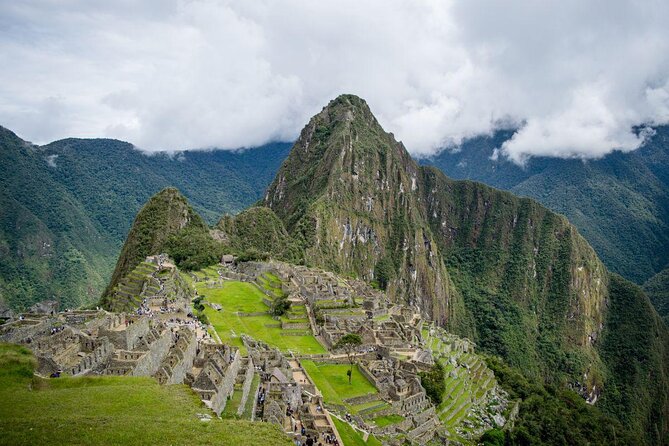
- Machu Picchu twice in one day: guided tour for context, then time to explore on your own
Why the Lares Trek Feels Different From the Usual Machu Picchu Route
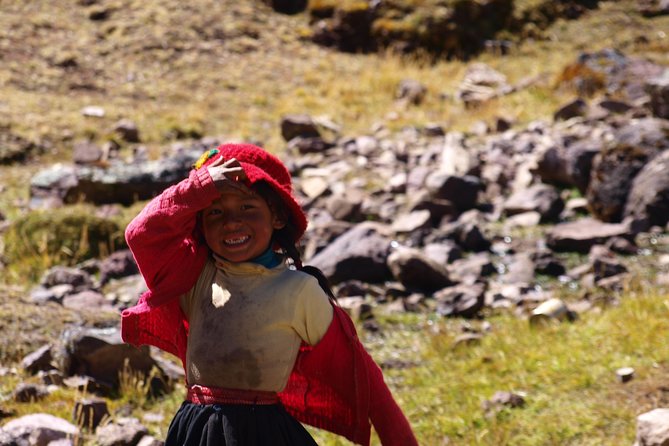
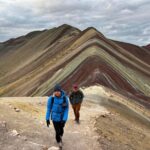
If you care about seeing Peru beyond the postcard lines, the Lares route is a strong bet. You’ll spend your days moving through remote valleys, crossing high passes, and meeting people in mountain communities where life isn’t built around tourists.
Machu Picchu is still the finish line, of course. But here it feels earned rather than purchased. By the time you reach the citadel, you’ve already built the story in your head: cold air, stone paths, lake reflections, and a slow shift from village life to Inca engineering.
The other difference is tempo. This trek is paced for real hiking time across four days, not a rushed “photo sprint.” You’ll feel it on your legs—in the best way.
You can also read our reviews of more hiking tours in Cusco

Price and What You Actually Get for $656.42
At $656.42 per person, the value comes from what’s bundled rather than from what’s missing. This includes a professional bilingual guide, an assistant guide for groups of 9+, a chef, mules to carry camp and cooking gear, a hotel in Aguas Calientes on Day 3, entrance fees, and transfers (private transport from Cusco to the trail start, then train and bus back).
You also get the practical stuff that makes a difference on a trek: tent setup (with Thermarest-style inflatable mattresses), a first aid kit, and even an oxygen bottle. Meals are included for most of the trip too—breakfast is included for 3 mornings, plus 3 lunches and 3 dinners.
The main things not included are also clear. You’ll need to arrange a sleeping bag rental if you don’t already have one, and the add-on climb to Huayna Picchu or Machu Picchu Mountain is not included (you’d need tickets in advance). TIPS and travel insurance aren’t included either, and you’re told to plan for travel insurance strongly.
Your 4-Day Flow: From Cusco Heights to Machu Picchu Morning
This is built as a classic “Cusco to trek start, trek, then rail to the citadel” sequence. You’ll meet early—start time is 5:00am—and your day begins with transport and altitude acclimation time before the first long hike.
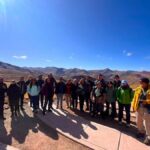
One more detail that matters: the group size is capped at 15 travelers. That tends to keep the experience friendlier and easier for your guide to manage, especially when people are adjusting to altitude.
Day 1: Cusco to Pumahuanca and Your First Big Ascent
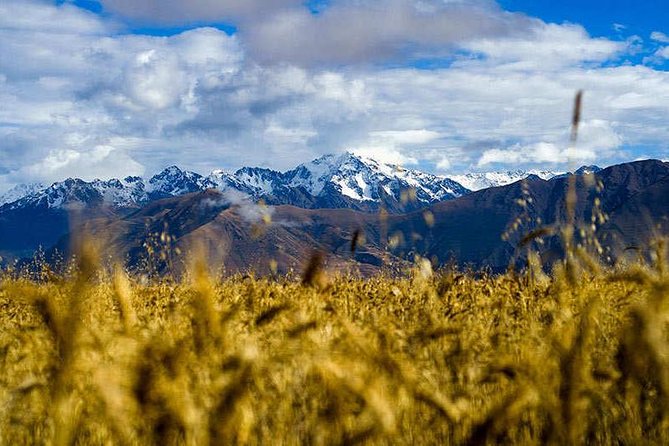
You start with early pickup from your Cusco hotel, then a private transport drive through the Sacred Valley—snow-capped peaks, Andean villages, and that feeling that you’re moving toward the mountains rather than just into them.
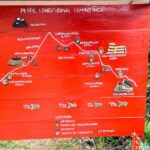
Once you reach Pumahuanca (2,950 masl / 9,678 ft.), the trek begins with a gradual ascent. Your hike is about 14 km (8.7 mi) and gains 1,150 m (3,773 ft.), taking around 7 hours. It’s enough work to wake up your legs, but also long enough to settle into the rhythm.
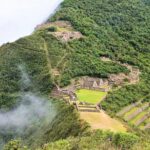
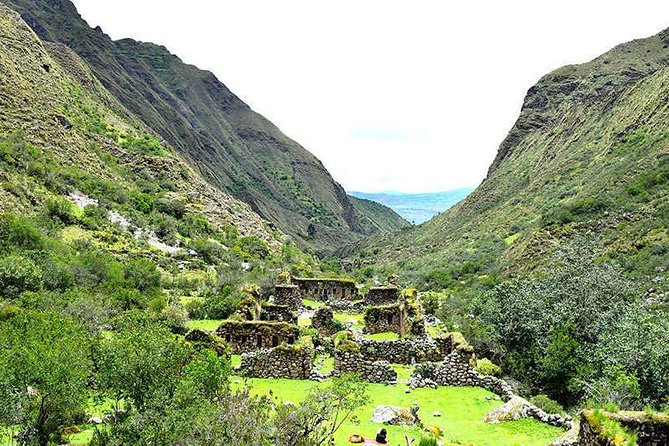
A key stop is the Inca site of Pumahuanca. Your guide explains the region’s history along with what you can look for in the natural world (flora and birdlife). This is where the trek starts feeling educational, not just scenic.
One practical note: the tour includes water, but it says the first 4 hours of the trek aren’t covered—so plan on carrying your own water at the beginning.
Day 2: The High Pass Day to Cuncani, With Yanacocha Lake
Day 2 is the “most breathtaking” day, and it’s also the day with less forgiving effort. You hike about 13 km (8 mi) from your campsite at Puyoc down toward Cuncani (3,900 masl / 12,795 ft.), and most of the journey is gentle downhill.
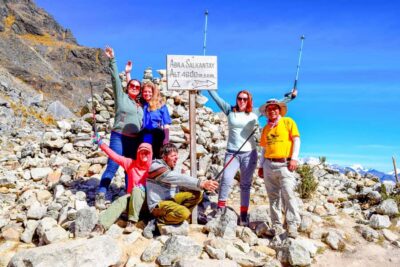
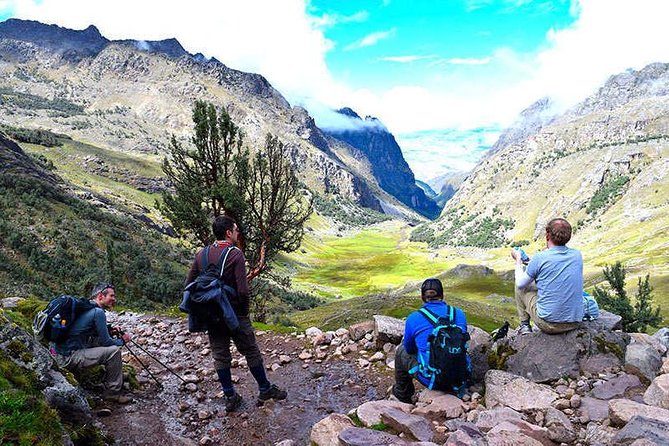
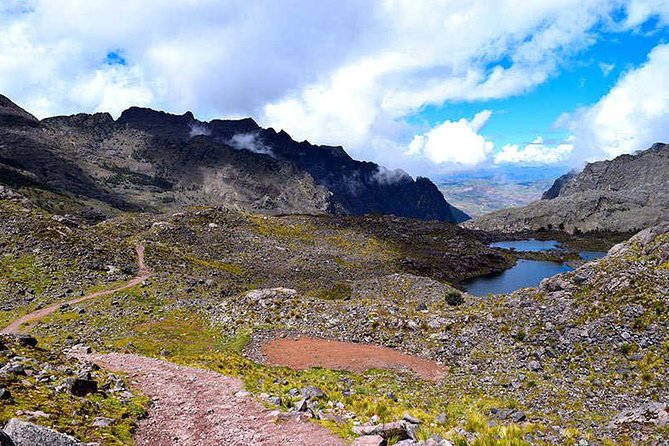
But first comes the climb: you’ll spend roughly 2 hours to reach the highest pass of the trek. This is where you’ll want to keep your pace steady and your breathing calm. From there, the descent opens up the wide views—snow-capped peaks and remote valleys.
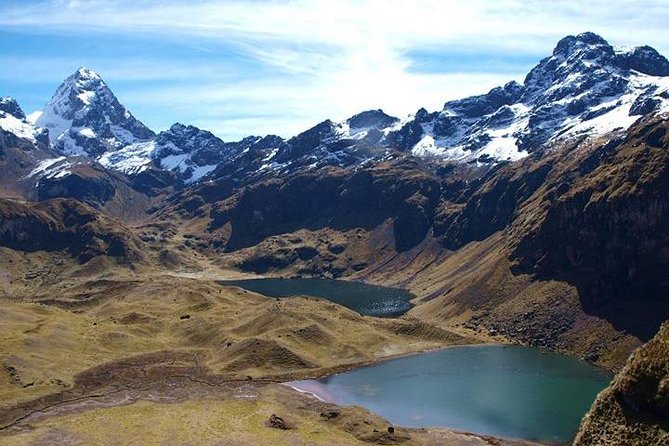
Then you get a highlight stop: Yanacocha (Black Water Lake). The description is vivid for a reason—its dark, mirror-like surface can make the mountains feel even bigger and closer.
This day also offers a cultural shift. You’ll move through a section that feels different from Day 1, with new angles on local life and a clearer sense of how the Lares route connects high points and community valleys.
You can also read our reviews of more tours and experiences in Cusco


Day 3: A Real Village Connection and a Soak at Lares Hot Springs
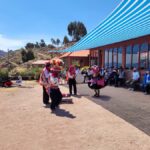
Day 3 is where the trip becomes personal. After an early wake-up, you visit a local home in the Cuncani area. You meet an Andean family who shares traditions, and it’s the kind of interaction that can change how you look at what you’re hiking through.
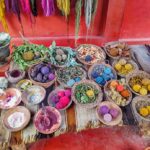
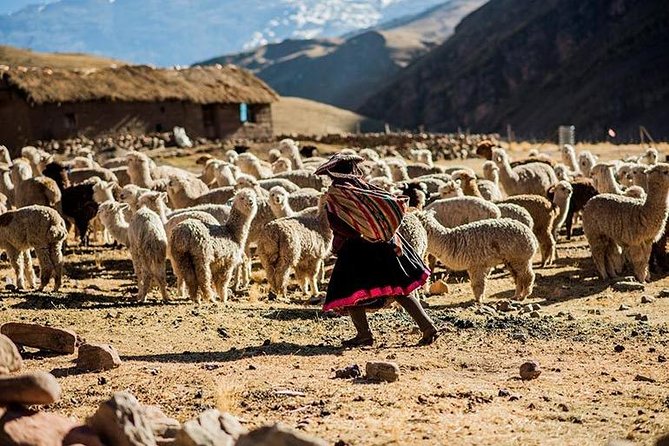
There’s also a practical shopping moment. You’ll have a chance to offer small gifts and browse handwoven alpaca textiles, known for quality and craftsmanship. This is one of those experiences where you don’t need to overthink it: you show respect, you learn, and you move on with a better understanding.
After that, you hike from Cuncani (3,900 masl / 12,795 ft.) down about 6 km (3.7 mi) toward the Lares hot springs (3,150 masl / 10,334 ft.). The route passes quinoa and tarwi fields, and you’ll likely see animals too as you go.
The hot springs themselves are the reward moment on Day 3. The provided plan doesn’t promise a spa fantasy, but soaking after a steep day can feel like a reset button. If you’re mentally ready for the longer day ahead, this is where your body starts catching up.
Day 4: Morning Bus to Machu Picchu and a Guided Tour With Solo Time
You start early with breakfast, then board a morning bus to Machu Picchu. At 2,430 meters (7,972 feet), the place is its own kind of altitude—you’ll feel it even if you’ve already been climbing.
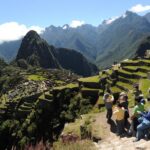
Your guide leads you through an in-depth tour, with attention on what you’re looking at: temples, ceremonial areas, terraces, and storage structures. This matters because Machu Picchu can look like a pile of stone until someone explains why each section exists.
After the guided portion, you return to Aguas Calientes. And if you booked extra tickets, you can add a climb to Huayna Picchu or Machu Picchu Mountain for a wide, dramatic perspective of the surrounding peaks. Just remember: entrance to those add-ons isn’t included, so it’s a separate planning step.
Ollantaytambo and the Inca Agricultural Mindset
One of the great things about arriving for Machu Picchu via the Lares route is that you’re not only thinking about the citadel. You also get chances to see Inca thinking in motion.
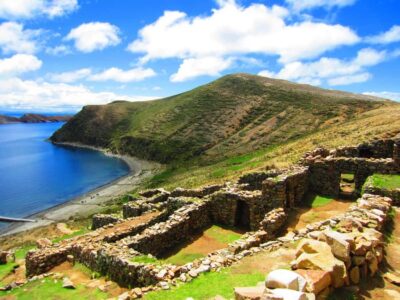
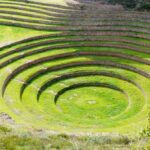
The itinerary includes a chance to visit Ollantaytambo, known for its Inca fortress feel and especially for the agricultural terraces. These terraces aren’t just pretty. They’re evidence of how the Incas shaped water, soil, and farming into a system that could survive in the Andes.
Even if your personal schedule doesn’t feel like it gives you a long deep-dive here, a stop like this reframes Machu Picchu. You start seeing it as part of a broader Inca landscape of labor, engineering, and food.
Aguas Calientes: Train Ride Energy and a Hot Springs Pause
You’ll travel by train to Aguas Calientes, then use bus transport up to Machu Picchu on Day 4. That mix of rail and bus is common, but what helps here is the time you get afterward.
You’ll stay in a hotel in Aguas Calientes on Day 3, which gives you a more normal place to sleep before the big morning. And because the plan includes the hot springs piece earlier, your last evening can be about recovery—not scrambling for comfort.
This part is also where you’ll enjoy the scenery from a slower vantage point. You’re not hiking it now; you’re watching the Andes slide past in a way that feels like a breather between effort and awe.
The Machu Picchu Experience: Guided Meaning + Time to Be Human
Machu Picchu is famous for a reason, but what makes this tour feel satisfying is the two-part structure: guided tour plus your own time.
The guided portion helps you avoid the common problem of staring at stone and hoping your brain guesses the story. With the guide walking you through terraces, temples, ceremonial spaces, and storage structures, you’ll understand what you’re seeing and why it mattered to people who built it.
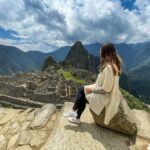
Then you get solo time. This is where you can step away from the group, take your photos without feeling timed, and linger at the angles that feel right to you. It’s also where you can just stand there and let the scale land.
If you’re the type who likes both context and freedom, this combo is a strong fit.
Altitude, Packing, and How to Set Yourself Up for Success
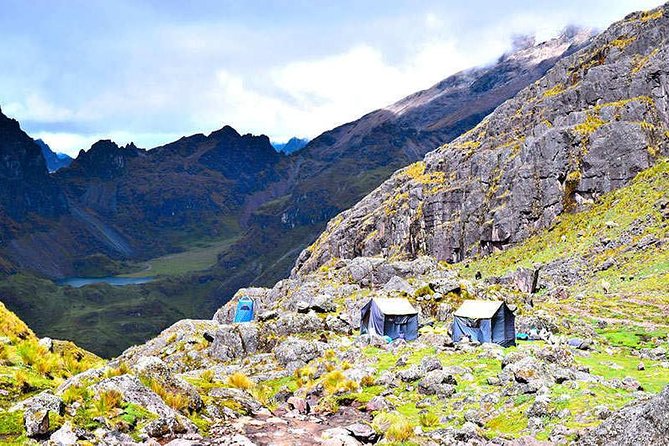
Let’s talk about the one part you can’t ignore: height. This trek crosses passes nearly 14,000 feet (4,400m), and you start around Cusco at 3,399 masl / 11,152 ft. That’s not a “maybe you’ll feel it” altitude range.
The tour is built with safety support: an oxygen bottle and first aid kit are included. Still, your best protection is preparation and a calm hiking style—slow steps, consistent breathing, and enough rest.
What to bring is spelled out, and it’s worth following. You’ll want walking boots, a waterproof jacket or rain poncho, a warm jacket, hat and gloves, sunscreen with factor 35 or higher, insect repellent, and a torch with spare batteries. Bring personal medication, toiletries, and hand sanitizer too.
One extra gear note: the plan includes camping gear like tents and inflatable mattresses, but you may need to rent a sleeping bag. If you hate last-minute decisions, figure that out before you arrive.
And water planning matters. Since water isn’t included for the first 4 hours on the trek, don’t assume you can just start empty.
Who This Trek Is Best For (and Who Should Rethink It)
This is best for hikers who want a genuine mountain trek and don’t mind a little suffering on the way. You’re expected to have a strong physical fitness level, and it’s listed with a minimum age of 6 years—but altitude and daily hiking are the real filters, not age.
You’ll likely love it if you:
- want less-crowded routes and quieter Andean villages
- enjoy a mix of nature and archaeology (not just one or the other)
- like guided context but still want time to explore alone
- appreciate practical support like mules for gear and a chef-led food setup
If you’re dealing with major mobility limitations or you know altitude hits you hard, talk to a medical professional first. This route is high, and it deserves respect.
What Stood Out in Reviews: Guide Support Makes a Difference
One review highlight calls out Edgar as a fantastic guide who made the Lares Trek feel like a once-in-a-lifetime trip. The key detail is support at altitude: even when someone had trouble walking higher up, Edgar encouraged them and helped them push through.
That kind of guiding isn’t just sweet. It changes outcomes. When you’re breathing hard and your legs are tired, the difference between quitting and finishing can be communication, pacing, and encouragement.
The overall rating is 4.9 with 97% recommended, which lines up with the way this trip is structured: capped group size, bilingual guiding, and a plan that covers the essentials from meals to camp.
Should You Book the 4-Day Lares Trek to Machu Picchu?
I’d book it if your goal is Machu Picchu with a conscience and a story. You’ll get quiet high-altitude hiking, real village contact, and archaeological stops that make the final citadel feel connected—not isolated.
It’s also a good choice if you want logistics handled. With transport from Cusco, mules for gear, camping setup, a hotel in Aguas Calientes, and a guided Machu Picchu tour, you can focus on the trek instead of turning it into a project.
Two final reality checks before you commit: make sure you’re comfortable with altitude hiking, and plan ahead for optional tickets like Huayna Picchu or Machu Picchu Mountain if you want that extra view.
If that sounds like your kind of trip, the Lares route is a smart way to see Peru with fewer crowds and more meaning.
FAQ
What time does the trek start in Cusco?
The tour lists a start time of 5:00am. You also get an early pickup from your Cusco hotel to transport you to the trail start.
Are meals and camping gear included?
Yes. The trek includes 3 lunches, 3 dinners, and 3 breakfasts, plus a dining tent for meals and camping setup. You’ll have a tent and an inflatable sleeping mattress included, and you may be able to hire a sleeping bag.
Is the hike really at high altitude?
Yes. The itinerary describes high passes reaching nearly 14,000 feet (4,400m). Your route also starts at high elevation near Cusco and includes camps and hikes above 3,000 meters throughout.
Do you include hotel stay and the journey to Machu Picchu?
You’ll have a hotel in Aguas Calientes on Day 3, plus a scenic train ride and bus access to Machu Picchu in the morning. Day 4 includes the bus up and then return to Aguas Calientes.
Is a guided tour included at Machu Picchu?
Yes. There’s a guided tour at the Historic Sanctuary of Machu Picchu, and you also have time to explore on your own afterward. Optional extra climbs are available if you have tickets.
What’s included and not included in the price?
Included: guide (bilingual), assistant for larger groups, chef, mules for camp and cooking gear plus 7kg of your personal items, entrance fees, meals, hotel in Aguas Calientes, and key transfers. Not included: sleeping bag, Huayna Picchu/Machu Picchu Mountain entrance, tips, and travel insurance (recommended).