REVIEW · CUSCO
4 Days Inca Trail To Machu Picchu
Book on Viator →Operated by MachuPicchu Journey · Bookable on Viator
Four days to earn Machu Picchu views. This 4-day Inca Trail starts with a 4:20 am pickup from Cusco to km 82 and ends at guided Machu Picchu with ticketed entry plus time to explore.
I love the built-in rhythm: three nights camping with breakfast, lunch, and dinner handled for you. I also like that Machu Picchu comes with a 2.5-hour guided tour, plus free time afterward, and included train and bus connections back toward Cusco.
One consideration: this hike is real work, especially Day 2 when you climb to about 13,779 ft at Warmiwañiusca. Camps are basic, and the tour does not include a sleeping bag, so plan for moderate fitness and cold, simple camping gear.
In This Review
- Key things to know before you go
- Why this 4-day Inca Trail ends exactly where you want: Machu Picchu
- Day-by-day walking: from km 82 to Huayllabamba camp
- Day 2: Warmiwañiusca and the climb that makes the trail feel earned
- Day 3: Runcurakay, Chaquicocha, and Phuyupatamarca above the clouds
- Day 4: Inti Punku to Machu Picchu, then Aguas Calientes and the ride home
- Camps, tents, and meals: what’s included and what you should plan for
- Price and logistics: whether $725.20 feels fair for the whole package
- Who should book this Inca Trail trek, and who should rethink it
- Practical prep that matches this specific itinerary
- Should you book the 4-day Inca Trail to Machu Picchu with this setup?
- FAQ
- How early do you get picked up in Cusco?
- What do I need for the checkpoint before the hike?
- What sleeping setup is included?
- Are meals included during the trek?
- How hard is the hike?
- Is Machu Picchu entry and a guide included?
- What transportation is included after the hike?
- Can I rent walking sticks?
- Is tipping required?
- Can I cancel for a full refund?
Key things to know before you go
- 4:20 am Cusco pickup to km 82 to start the Inca Trail early and beat the day’s chaos
- Passport check at the checkpoint before the trail begins
- Three nights in a tent with a foam mattress, while you handle your own sleeping bag
- Warmiwañiusca (Dead Woman Pass) is the big Day 2 climb
- Inti Punku (Sun Gate) leads into Machu Picchu, then you get guided time plus photos
- Small group size (max 15) helps keep the pace organized
Why this 4-day Inca Trail ends exactly where you want: Machu Picchu
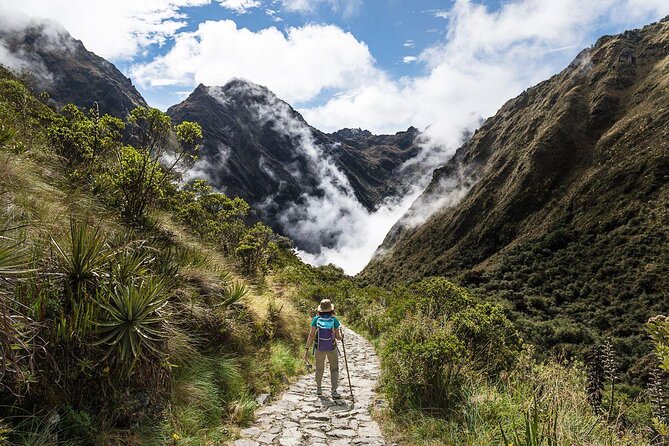
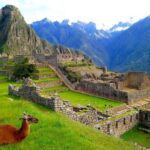
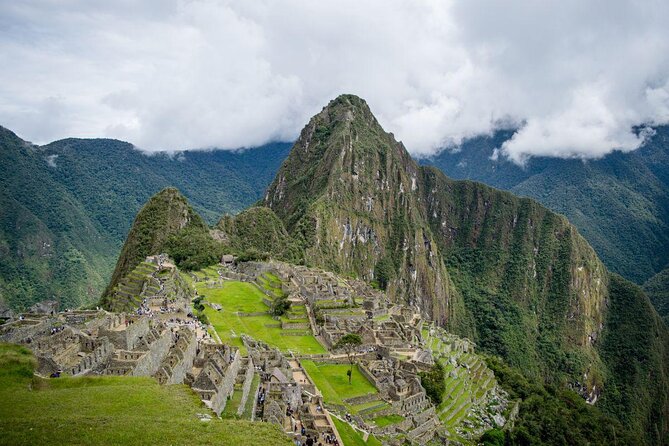
If you’ve ever imagined the Inca Trail as a straight shot to Machu Picchu, this plan delivers the full arc. You’re not just walking between ruins. You’re moving through Inca waypoints day by day, sleeping at trail camps, then entering Machu Picchu via Inti Punku (Sun Gate) and getting a guided morning before you’re left to take your own photos.
What makes it feel like good value is that it bundles the big-ticket pieces: Inca Trail and Machu Picchu entrance tickets, a guided Machu Picchu experience, and the round-trip transport on the back end. You also get meals built into the days (snacks plus breakfast, lunch, and dinner), so you’re not scrambling for food after every climb.
The key question for you is comfort expectations. This is an adventure trip with basic camps and early starts, not a hotel package. If you’re good with that, you’ll love how smoothly the whole thing runs.
You can also read our reviews of more tours and experiences in Cusco

Day-by-day walking: from km 82 to Huayllabamba camp
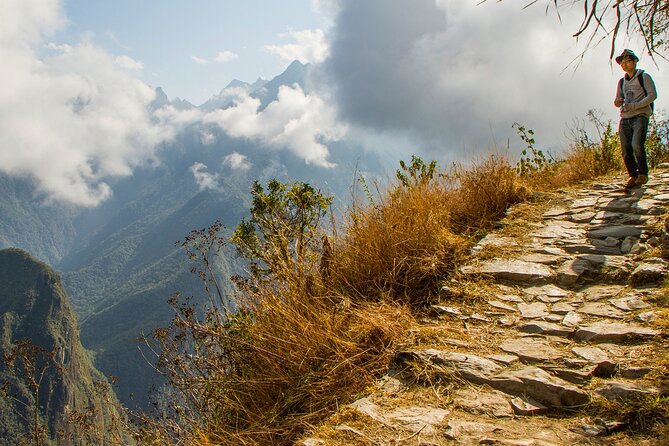
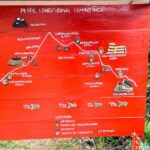
Day 1 starts early. You’ll get picked up from your Cusco hotel at around 4:20 am, then ride toward km 82. At the checkpoint, you’ll show your passport. Then the trail phase begins with a walk of about 2 hours to Patallacta.
Patallacta is where the day loosens up. You meet your partners and porters and have lunch. After lunch, you keep walking until you reach Huayllabamba camp, where dinner is served and you sleep in your tent for the night.
Why this day matters: it sets the pace and helps you settle into the rhythm before the hard climbing. It’s also your first real taste of the trail’s rhythm—walking, resting, eating, and repeating—handled for you rather than requiring constant logistical decisions.
Possible snag: early pickup plus a passport check means you should be ready to move fast in the morning. If you hate mornings, pretend you like them.
Day 2: Warmiwañiusca and the climb that makes the trail feel earned
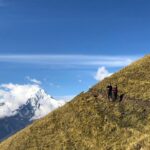
Day 2 is the heavy day. After breakfast, you head toward the highest point of the Inca Trail, about 13,779 ft. You’ll spend roughly three hours walking before reaching Warmiwañiusca, also known as Dead Woman Pass.
This is one of those places where your legs do the talking. Once you crest the pass, you get lunch and then begin descending toward Pacaymayo, where you have dinner and sleep at camp.
What I like about how this is structured: you get the challenge in the middle of the day, not stretched into endless hours of grind. Lunch after the pass gives you a moment to regroup before the descent.
What to watch for: altitude and stairs make the second day feel harder than the distance alone suggests. The tour is clearly aimed at people with at least moderate physical fitness, and Day 2 is where that shows.
Day 3: Runcurakay, Chaquicocha, and Phuyupatamarca above the clouds
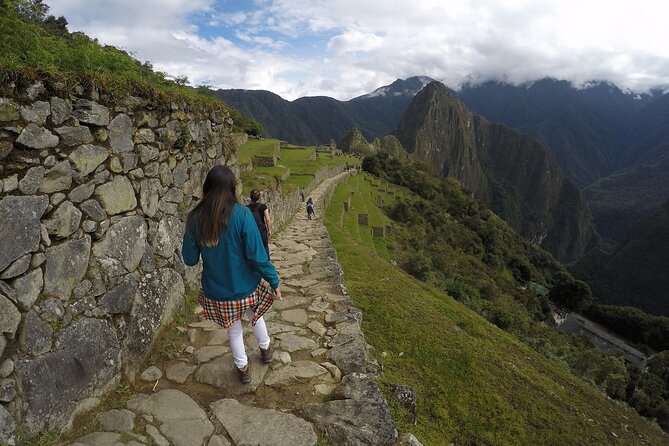
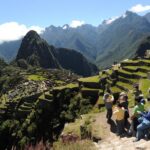
Day 3 keeps things active but adds variety. You’ll start with breakfast and then walk for about 15 kilometers. Along the way, you pass Runcurakay and Chaquicocha.
Lunch is at Chaquicocha, then you continue toward Phuyupatamarca, which means city above the clouds. The name alone hints at the kind of feeling you can get here—open air, big views, and that sense of being higher than you expected.
Finally, you reach Wiñaywayna, where you have dinner and overnight at the camp.
Why this day is a favorite for many hikers: it tends to feel more interesting than purely exhausting. You’re not just climbing. You’re moving through Inca sites and landscapes while your body finds a steadier tempo than Day 2’s big push.
Practical note: this is still a long walking day. Even if you feel better than Day 2, you’ll want to treat Day 3 as serious effort, not a recovery stroll.
Day 4: Inti Punku to Machu Picchu, then Aguas Calientes and the ride home
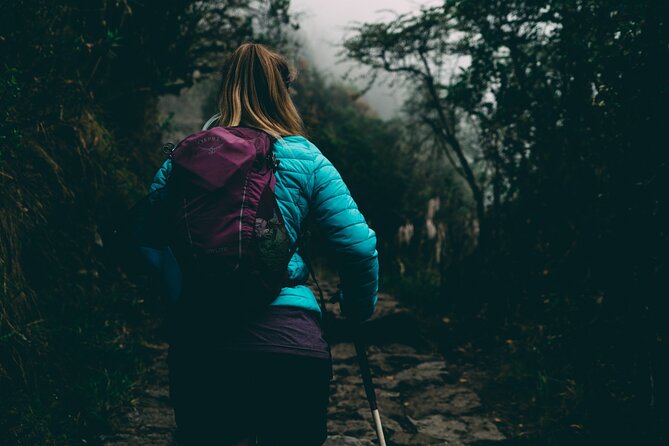
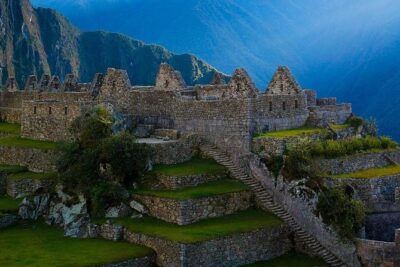
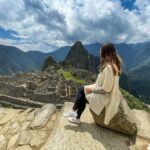
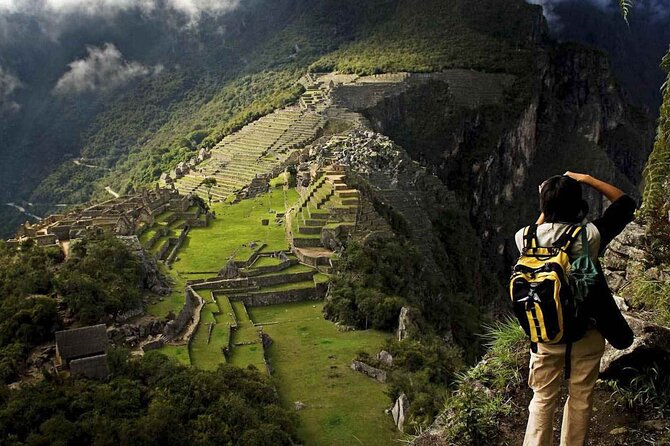
Day 4 is the payoff day. You start by walking through Inti Punku (Sun Gate), which is the entrance approach to Machu Picchu. Then you go down to Machu Picchu (listed at about 7,970 ft).
At the citadel, you show your entry ticket and join a guided tour lasting about 2 hours 30 minutes. After that, you get free time to explore on your own and take photos.
Then there’s another guided segment tied to the broader area: a tour of the Historic Sanctuary of Machu Picchu lasting about 3 hours, followed by more time for photos and exploring at your own pace.
After Machu Picchu, you head to Aguas Calientes for lunch. Then you board the train back to Ollantaytambo, where a representative from Chullos Travel Peru meets you with a sign and takes you onward by mobility to return to Cusco and your hotel.
What makes Day 4 feel well-paced is the mix: guided context first (so you understand what you’re seeing), then personal time (so you can linger where you want). You’re also not left guessing how to get back to Cusco after the hike.
Camps, tents, and meals: what’s included and what you should plan for
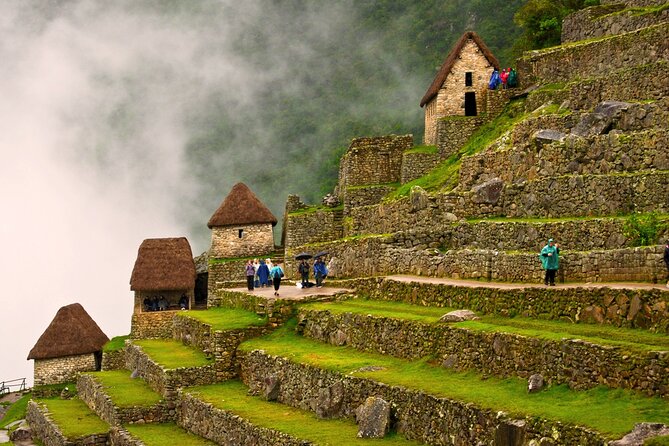
The tour includes a tent and basics for sleeping: one tent for 2 travelers and a foam mattress per person. That’s a solid setup, but it’s not the same as a bed. The tour does not include a sleeping bag, and walking sticks can be rented from the organizers if you want them.
Expect camps to be functional rather than fancy. You can plan for basic bathrooms and showers at camp, and limited or no electricity. That matters because it changes what you pack and how you treat comfort. You’ll be happier if you treat this like camping, not hotel life.
Meals are one of the most praised parts of this trip experience. You get:
- Snacks (3 times)
- Breakfast (3 times)
- Lunch (4 times)
- Dinner (3 times)
There’s also a clear theme in the feedback around food quality and portion size. One chef named Dante is specifically mentioned for preparing four-course, restaurant-quality meals for lunch and dinner. I can’t promise every chef will serve exactly the same format, but the takeaway is consistent: your food is taken seriously.
Value check: if you’ve had hikes where meals are just fuel, this feels more like proper sit-down meals built into the schedule.
Price and logistics: whether $725.20 feels fair for the whole package
At $725.20 per person, you’re paying for more than walking. You’re paying for:
- Inca Trail and Machu Picchu entrance tickets (subject to availability)
- A guided Machu Picchu experience plus guided sanctuary time
- Three nights of camping setup (tent + foam mattress)
- Meals across the hike (breakfast, lunch, dinner, plus snacks)
- Transfers on the back end: train Ollantaytambo to Aguas Calientes and bus Aguas Calientes to Machu Picchu
- Hotel pickup in Cusco on Day 1 and the return toward Cusco at the end
That combination is what makes the price feel realistic. If you priced these elements separately—trail access, Machu Picchu entry, guide time, and the transport between towns—you’d likely end up spending similar money without the clean structure.
Also keep in mind timing. This is commonly booked about 99 days in advance on average. If you want specific schedule preferences, don’t wait until the last minute.
One more point: group size is capped at 15 travelers. Smaller groups can mean less crowding in the moments that matter, like explanations and moving in sync.
Who should book this Inca Trail trek, and who should rethink it
This tour is a good fit if you want:
- A guided Machu Picchu day, not just an entry ticket
- A structured 4-day plan with meals and camping handled
- A real trek that’s challenging but planned, including the big Day 2 climb
It’s also a good fit for you if you like the idea of learning what you’re seeing as you walk—then having time to enjoy it independently.
You might want to rethink this if:
- You’re not comfortable with basic camping and limited electricity
- You don’t want to manage missing comforts like a sleeping bag
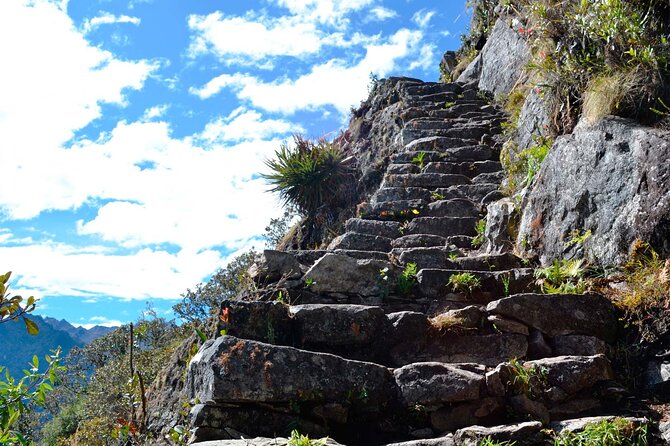
- You struggle with steep stair climbing and altitude days, especially Day 2 at Warmiwañiusca
The tour calls for moderate physical fitness, and the itinerary makes it clear that moderation still means work.
Practical prep that matches this specific itinerary
Because this trip has fixed checkpoints and specific inclusions, your prep should match it:
- Bring your passport for the checkpoint at km 82.
- If you’re sensitive to cold nights, plan to get a sleeping bag (it can be rented from the organizers).
- Consider renting walking sticks if you want extra support for steep or long sections.
- Pack for early movement. Day 1 starts around 4:20 am, and Day 4 is all about getting into Machu Picchu the right way.
Also, tipping is optional. Tips for the guide, porters, and chef are listed as 100% optional, so you don’t have to feel pressured to calculate it on the fly.
Should you book the 4-day Inca Trail to Machu Picchu with this setup?
If you want the classic route with tent camping, included meals, and guided Machu Picchu, this is a strong match. The biggest reasons to book are simple: the trail ends with guided context at Machu Picchu, you’re not responsible for meals during the trek, and you get practical transfers that take the stress out of the hardest logistics.
Skip it if your idea of a perfect trip is comfortable beds, lots of electricity, and a light walking schedule. This is demanding enough to earn your reward, and the camps are basic enough that you’ll notice.
If you’re ready for early mornings, honest hiking effort, and a well-run finish at Machu Picchu, you’re exactly the type of person who’ll appreciate what this package does well.
FAQ
How early do you get picked up in Cusco?
You are picked up from your Cusco hotel around 4:20 am on Day 1, before traveling to km 82.
What do I need for the checkpoint before the hike?
At the checkpoint near km 82, you must show your passport.
What sleeping setup is included?
The tour provides a tent for 2 travelers and a foam mattress per person. A sleeping bag is not included (it can be rented from the organizers).
Are meals included during the trek?
Yes. Meals included are snacks (3 times), breakfast (3 times), lunch (4 times), and dinner (3 times). Meals not specifically listed are not included.
How hard is the hike?
You should have moderate physical fitness. Day 2 is described as the hardest portion, including a climb to Warmiwañiusca at about 13,779 ft.
Is Machu Picchu entry and a guide included?
Yes. The tour includes Machu Picchu entrance tickets and a guided tour (about 2 hours 30 minutes) plus another guided tour of the Historic Sanctuary of Machu Picchu.
What transportation is included after the hike?
Included transport covers a train from Ollantaytambo to Aguas Calientes and a bus from Aguas Calientes to Machu Picchu (round-trip options are listed). On Day 4, you take the train back to Ollantaytambo and then transfer toward Cusco by mobility with a representative.
Can I rent walking sticks?
Walking sticks are not included, but they can be rented from the organizers.
Is tipping required?
Tipping for the guide, porters, and chef is listed as 100% optional.
Can I cancel for a full refund?
Yes. You can cancel up to 24 hours in advance for a full refund. Less than 24 hours before the start time is not refundable.