REVIEW · CUSCO
“Aventura Inca: 4 Días en la Ciudad Perdida”
Book on Viator →Operated by Rap Travel Peru · Bookable on Viator
Some trips feel like a checklist; this one feels like a route through history. Aventura Inca strings together Cusco, the Sacred Valley, and Machu Picchu with the kind of tight timing that actually works in the Andes. You’ll move in comfortable chunks, with guided stops and time built in to breathe and explore.
I especially like the Cusco city tour lineup: Cathedral, Koricancha, Sacsayhuamán, and Qenqo. Another big plus is the Machu Picchu day structure—you get a 2.5-hour guided tour plus free time afterward for photos and wandering at your pace.
The main drawback to weigh is the schedule intensity. You’ll be riding buses and trains, and the tour asks for moderate physical fitness in a high-altitude environment.
In This Review
- Key highlights (the stuff you’ll feel most)
- Cusco First: getting your bearings before the long day
- Cusco City Tour: Cathedral, Koricancha, Sacsayhuamán, and Qenqo in one flow
- Sacred Valley Day: Pisac market energy, Urubamba lunch, and Ollantaytambo history
- Pisac Market: colors, crafts, and local food smells
- Urubamba lunch: a buffet stop that keeps the day on track
- Ollantaytambo: ruins tied to resistance
- Machu Picchu Day: timed entry, a guided 2.5-hour walk, then your own exploring
- The guided portion: learn the key structures and meanings
- Free time: time for photos, slow walks, and your own route
- Lunch and Aguas Calientes market time
- Train Logistics: how the included rail segment affects your day
- Price and value: what $951 really covers and what you should double-check
- Service quality: why the guides and staff matter on a high-stakes day
- Who should book this tour (and who should consider other options)
- Should you book Aventura Inca: 4 Días en la Ciudad Perdida?
- FAQ
- How long is Aventura Inca: 4 Días en la Ciudad Perdida?
- Where does the tour start and end?
- Is airport pickup included?
- What Machu Picchu items are included?
- Do you get a guided tour at Machu Picchu?
- What meals are included?
- Is train transport included?
- How big are the groups?
- What happens if weather disrupts the experience?
Key highlights (the stuff you’ll feel most)
- Cusco hits the big names fast: Cathedral, Koricancha, Sacsayhuamán, and Qenqo in one guided sweep
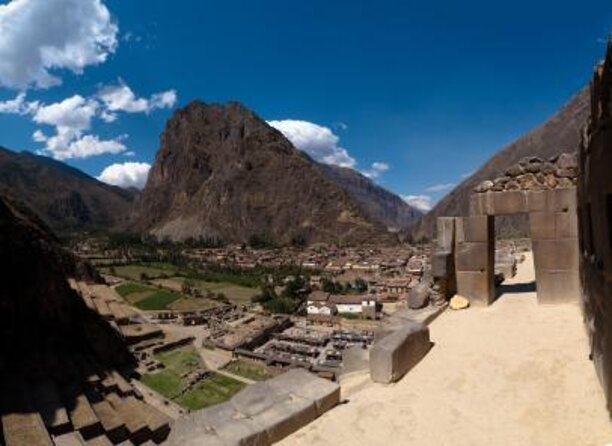
- Sacred Valley day is built around stops with meaning: Pisac market, Urubamba lunch, and Ollantaytambo ruins
- Machu Picchu entrance is handled with pre-arranged tickets and a professional guide
- You get bus logistics + time: CONSETTUR bus up/down and then your own exploration window
- Max group size is 15, so you’re not lost in a crowd
- Train is included between the hot waters area and Ollantaytambo (listed with Expedition/Voyager or business class in the details)
Cusco First: getting your bearings before the long day
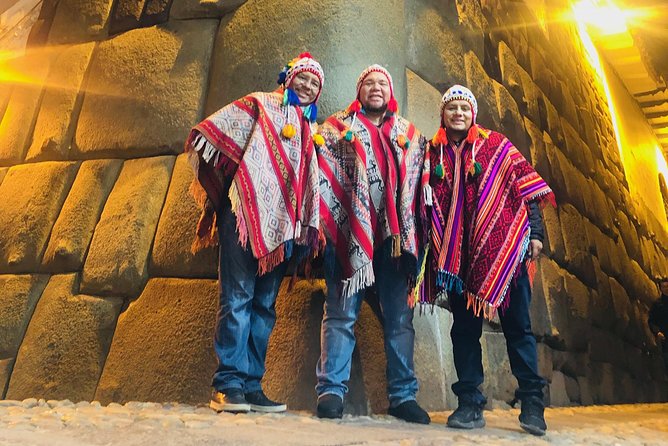
Cusco can feel like you’re stepping onto a layer cake of Inca stone and Spanish churches. This tour starts with airport transfer and then gives you a little breathing room before the main city tour kicks in. That matters because Machu Picchu days are intense, and you’ll want a clear head.
On the first day, the city tour begins around mid-afternoon (2:00 PM). You’ll visit major sites with guided context, so you’re not just looking at rocks and guessing what you’re seeing. Even if you’ve read about Cusco already, this kind of sequence helps it click in real space.
You can also read our reviews of more tours and experiences in Cusco.

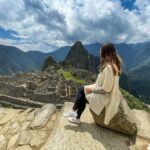
Cusco City Tour: Cathedral, Koricancha, Sacsayhuamán, and Qenqo in one flow
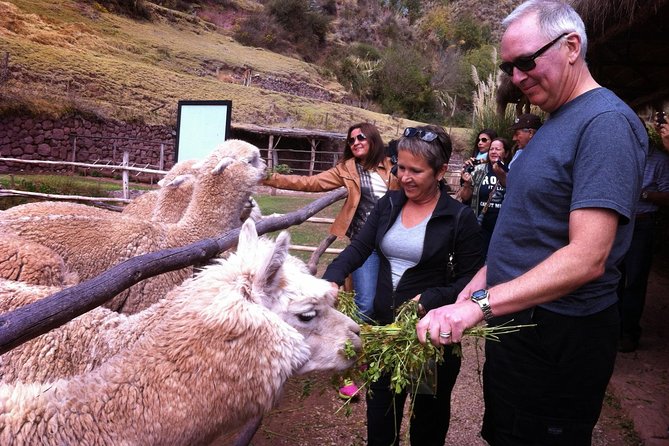
This is the best kind of Cusco intro: a mix of colonial and Inca sacred space, laid out so you can compare styles side by side.
Cusco Cathedral is your colonial anchor. It’s the city’s main church, known for impressive colonial architecture and more than 500 paintings. The visit works well if you like art and church history, because you’ll notice how strongly the Spanish era left its mark.
Koricancha (Temple of the Sun) is the Inca counterweight. It’s famous for gold-clad walls in its original design, and the site gives you a sense of how central the sun and rituals were to Inca life. Even when parts are changed over time, the core “this was sacred” feeling comes through.
Then you climb into the Inca defensive and ceremonial zones. Sacsayhuamán sits outside Cusco and is built on three enormous stone platforms. You’ll be looking at engineering first—how they moved and fitted massive blocks without modern machinery.
Finally, Qenqo adds an unusual shape to your mental map. You’ll see canals and passageways, plus a large rock carved into a puma form. If you enjoy symbolism, this is the stop that makes you look twice and wonder what the designers intended.
Practical note: Cusco walking can feel heavier than expected at altitude. Wear shoes you trust and keep water handy. Short stops and good guiding help, but you still want to be realistic about the pace.
Sacred Valley Day: Pisac market energy, Urubamba lunch, and Ollantaytambo history
The second day shifts from city monuments to daily life and Inca-era power. After breakfast and a morning pickup, you head into the Sacred Valley with a planned rhythm.
Pisac Market: colors, crafts, and local food smells
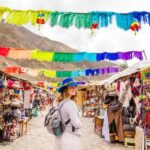
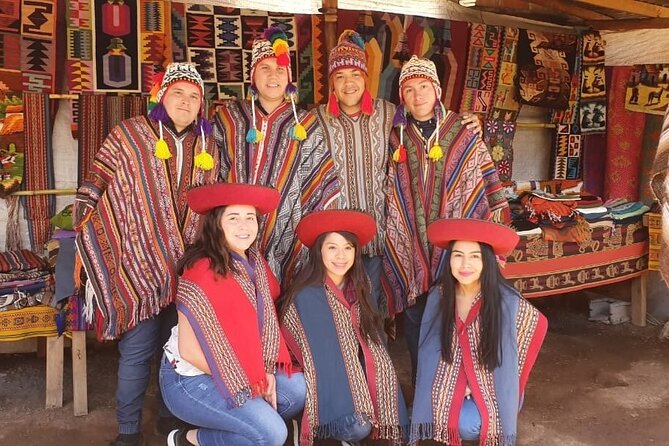
Pisac is your first stop, and it’s known as the gateway to the Sacred Valley. The big draw here is the artisan market—colors, traditions, and the kind of local food aromas that make you hungry even before lunch plans.
If you like souvenirs that feel tied to place (not mass-produced), this is the moment. You’ll have time to browse and soak in the atmosphere, and it’s a nice break from pure sightseeing.
One caution: markets are lively, so keep an eye on your stuff and don’t assume the tempo is slow and relaxed. Go in with a calm plan: wander first, then decide what you really want.
Urubamba lunch: a buffet stop that keeps the day on track
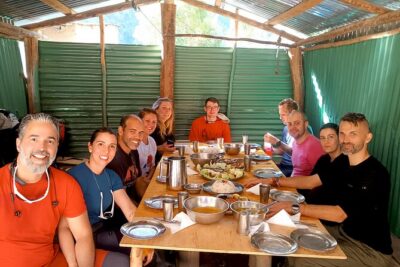
Lunch is served at Tunupa Restaurant in Urubamba. It’s described as a buffet with typical dishes, novo-Andean cuisine, and regional favorites.
This kind of lunch inclusion is worth it. In Peru, finding a place that fits timing, dietary needs, and tour schedules can be tricky. A pre-booked stop keeps the day moving and reduces decision fatigue.
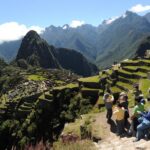
Ollantaytambo: ruins tied to resistance
Next comes Ollantaytambo, with ruins and a very specific story: resistance during the Spanish conquest. The site is associated with Manco Inca defeating the Spanish conquistadors, which makes the visit feel more than scenic.
This stop often hits best if you like context. You’ll see the strength of the place—how it looks built for defense and control—and you’ll understand why the Inca era valued these centers.
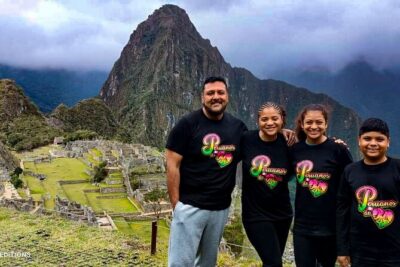
Machu Picchu Day: timed entry, a guided 2.5-hour walk, then your own exploring
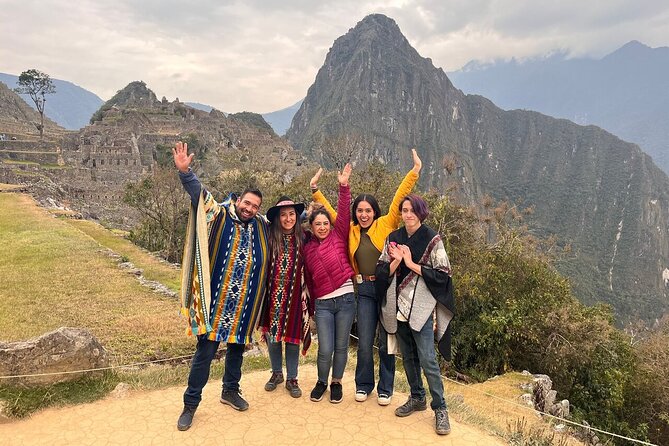
Machu Picchu is the obvious highlight. What’s less obvious is how the day is set up to reduce stress. You’ll head to Aguas Calientes for breakfast, then take a bus to the sanctuary area (about 30 minutes). From there, your Machu Picchu admission is pre-arranged, which saves time on the ground.
The guided portion: learn the key structures and meanings
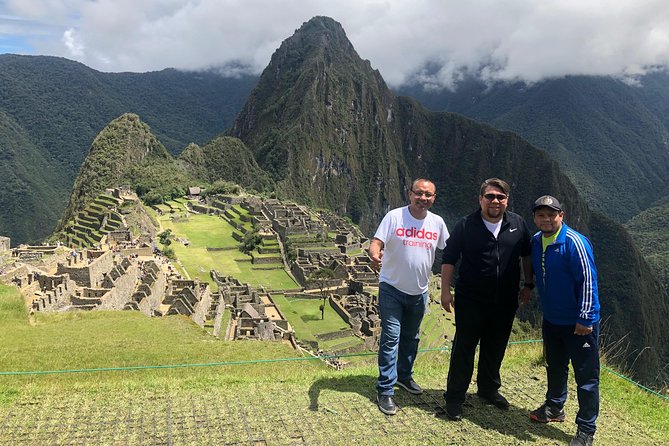
You’ll have a 2.5-hour guided tour of Machu Picchu with a professional guide. The focus is on main temples, towers, and the Intiwatana, described as an Inca sundial. That’s a smart way to start—your guide gives you the “what am I looking at” layer.
If you care about photography, you’ll appreciate this too. Knowing where landmarks sit helps you position yourself faster, instead of spending your limited time guessing.
Free time: time for photos, slow walks, and your own route
After the guided section, you get free time to continue exploring independently. This is crucial. Machu Picchu is crowded, and a guided tour can sometimes feel like you’re moving at a set pace. Your solo window lets you step aside, linger near views, and take photos when the light hits right.
If crowds thin for a moment, you’ll want to be ready to shift with them. Bring patience, and wear layers because weather can change even when it looks fine in town.
Lunch and Aguas Calientes market time
Lunch is included as a buffet at El Apu Inti or Indio Feliz. Then you’ll have free time to visit the artisan market in Aguas Calientes.
This is a good flow: you recover after Machu Picchu, then you get a last chance for browsing before the train ride back.
Train Logistics: how the included rail segment affects your day
This tour includes train service between the hot waters area and Ollantaytambo. The details show some variation: the inclusions mention EXPEDITION/VOGAGER, while the day-of description references Inka Rail business class to Ollantaytambo.
That matters because train class can affect comfort. If you’re paying attention to comfort, confirm which train type you’ll receive for your departure date.
You’ll also have schedule choices on the Machu Picchu day: boarding is listed for 2:36 PM or 7:00 PM. That means your return timing can shift. If you’re the kind of person who hates rushing, choose the later option if it fits your overall travel plans.
Price and value: what $951 really covers and what you should double-check
At $951 per person, you’re paying for a tightly packaged route: transfers, entrance fees, guided tours, a bus to the Machu Picchu sanctuary, train transport, and multiple meals.
Here’s why this number can make sense if you hate logistical stress:
- Machu Picchu admission and the CONSETTUR bus up and down are included, which removes two common pain points.
- The Sacred Valley and Cusco city tours are guided and structured, so you’re not trying to stitch together drivers and tickets on your own.
- Meals are built in (lunch and breakfasts), which reduces decision-making in a tight time window.
One value check for you: the inclusions list includes breakfast (3) and lunch, but it doesn’t clearly list lodging in the provided details. Some tour experiences by this provider do include lodging, based on past service comments, but you should verify what your exact package covers before you finalize.
Also, because the train details show a mismatch between Expedition/Voyager and business class wording, confirm the specific service for your date. It’s one email to a human, and it can prevent an unpleasant surprise.
Service quality: why the guides and staff matter on a high-stakes day
Machu Picchu is not the place to feel confused. You want clear instructions, calm coordination, and people who show up on time. The service pattern in the feedback you provided lines up with that need.
Guides are repeatedly praised by name, including Carlos, plus José Ángel and Marcos. The notes emphasize thorough explanations, a friendly approach, and people who help you feel safe and supported.
This tour also limits group size to max 15 travelers. In practice, smaller groups usually mean fewer waiting games and a better chance your guide can answer questions without the whole day dragging.
If you’re traveling with kids, the operator’s service is described as flexible and patient in other experiences. That’s not a guarantee for every family situation, but it signals the company pays attention to real traveler needs.
Who should book this tour (and who should consider other options)
This is a strong match if you want:
- A guided Cusco intro plus Sacred Valley stops without hunting down transportation
- A Machu Picchu day that handles tickets and entry logistics
- An itinerary with enough structure to stay on schedule, but with free time for your own wandering
You should consider other options if you:
- Struggle with altitude or don’t handle frequent walking well. The tour calls for moderate physical fitness, and Machu Picchu involves climbs and uneven ground.
- Hate fixed timing. You’ll move as a group with planned departure and return, including bus and train segments.
If you’re a solo traveler, you’ll likely enjoy the group coordination and the smaller size. If you’re a couple, this can work well too because the stops are famous, but the schedule is efficient rather than chaotic.
Should you book Aventura Inca: 4 Días en la Ciudad Perdida?
I’d book this tour if you want Machu Picchu to feel organized from start to finish. The combination of pre-arranged Machu Picchu tickets, included buses, a timed guided walk, and built-in meals is exactly what you want when you only have a few days.
Before you say yes, do two quick checks:
- Confirm whether your exact package includes lodging (the provided inclusions mention breakfasts and meals, not clearly hotels).
- Confirm the train type you’ll get on your return (the details reference both Expedition/Voyager and business class).
If those items match what you expect, this is a solid value for a fast, well-run Cusco-to-Machu Picchu route.
FAQ
How long is Aventura Inca: 4 Días en la Ciudad Perdida?
It runs for 4 days (approx.).
Where does the tour start and end?
It starts at Velasco Astete, Cusco 08006, Peru and ends back at the meeting point.
Is airport pickup included?
Yes. The experience includes transfer from the Cusco airport to your hotel, and there is also pickup at your hotel for the Sacred Valley day.
What Machu Picchu items are included?
You get admission to the Machu Picchu Historic Sanctuary and bus up and down CONSETTUR to reach the sanctuary area.
Do you get a guided tour at Machu Picchu?
Yes. You’ll have a guided tour of about 2.5 hours, plus free time to explore on your own afterward.
What meals are included?
Lunch and breakfasts are included (breakfast is listed for 3 mornings, plus lunch on the days noted).
Is train transport included?
Yes. The included details list a tourist train segment between Ollantaytambo and the hot waters, and the Machu Picchu day description also references boarding the Inka Rail business class train to Ollantaytambo.
How big are the groups?
The maximum group size is 15 travelers.
What happens if weather disrupts the experience?
The experience requires good weather. If it’s canceled due to poor weather, you’ll be offered a different date or a full refund.