REVIEW · CUSCO
2 Days Tour to Sacred Valley and Machupicchu
Book on Viator →Operated by Cholos & Chullos Travel · Bookable on Viator
Machu Picchu in two fast days. This tour strings together the Sacred Valley’s Inca agriculture stops (Chinchero, Moray, and the salt mines at Maras) and then delivers a guided visit to Machu Picchu with train service between Ollantaytambo and Aguas Calientes. It is a tight schedule, but it is built to get you from site to site without planning headaches.
Two things I really like: first, you get real time at each anchor site with admission tickets included, including a 1-hour look at Chinchero and a 2.5-hour guided tour at Machu Picchu. Second, the trip feels organized around how the day actually works, with a buffet lunch in Urubamba on Day 1 and an overnight hotel in Aguas Calientes so Day 2 is mostly about Machu Picchu and the ride back.
The main consideration is the pace. You start extremely early, and on Day 2 you’re using a bus up to the site, then you’re back down for lunch on your own before catching the 14:55 train. If you dislike early mornings or need long free afternoons to reset, this route may feel like a sprint.
In This Review
- Key things to know before you go
- Entering Cusco’s Sacred Valley route at sunrise
- Chinchero’s church, market, and Inca terraces in one stop
- Moray’s Inca greenhouses and Maras Salt Mines, both with ticket time
- Urubamba buffet lunch and Ollantaytambo’s living Inca town
- Machu Picchu by bus and a private 2.5-hour guided tour
- What the $529 price covers, and why it can feel fair
- Guides and hosts: Carlos, Mayumi, and the “kept us moving” vibe
- Who should book this Sacred Valley + Machu Picchu plan
- My booking checklist: decide in 2 minutes
- FAQ
- FAQ
- What does this tour include?
- How long is the tour?
- How much does it cost?
- Where do we meet?
- What time does the tour start?
- Is this a private tour?
- Are admission tickets included?
- What meals are included?
- Do we stay overnight during the tour?
- What train do we take back on Day 2?
- What is the cancellation window for a full refund?
Key things to know before you go
- Chinchero first thing: market + Inca architecture + terraces, with ticket time already built in
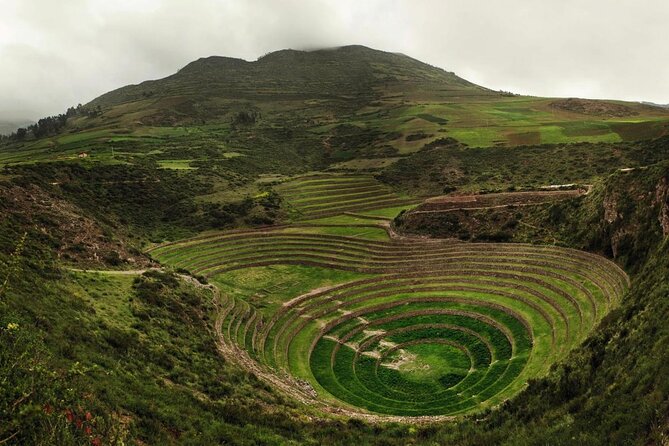
- Moray plus Salineras de Maras: the Inca crop experiment bowl paired with salt mining that still matters today
- Ollantaytambo guided stop: a guided walk through the village and the major Inca ruins
- Overnight in Aguas Calientes: you wake up closer to Machu Picchu instead of trying to rush there the same morning
- Private 2.5-hour Machu Picchu tour: guided focus on main streets and how to read the site before your own exploring
- Support that gets named: in feedback, hosts and guides like Carlos and Mayumi are repeatedly praised for being attentive and fixing issues quickly
Entering Cusco’s Sacred Valley route at sunrise
Your day begins in Cusco at Av. El Sol 580. The itinerary references a group pick-up around 6:30 am, while the listed start time shows 7:00 am at the same meeting spot—so plan to be ready early either way. This matters because the drive time between Cusco and the Sacred Valley stops adds up, and the tour is clearly designed to maximize daylight.
Because this is a private tour/activity for your group, you won’t be sharing your day with a random crowd in the same way as the big group buses. That often makes it easier to ask questions, keep up with walking pace, and adjust timing if someone needs a bathroom break or a slower moment.
What you should bring for a smooth start is the boring stuff that saves energy: a light layer, sun protection, and comfortable shoes. Even if you’re only doing a couple hours at each place, the ground can be uneven and the sun in the Sacred Valley can hit hard.
You can also read our reviews of more tours and experiences in Cusco
Chinchero’s church, market, and Inca terraces in one stop
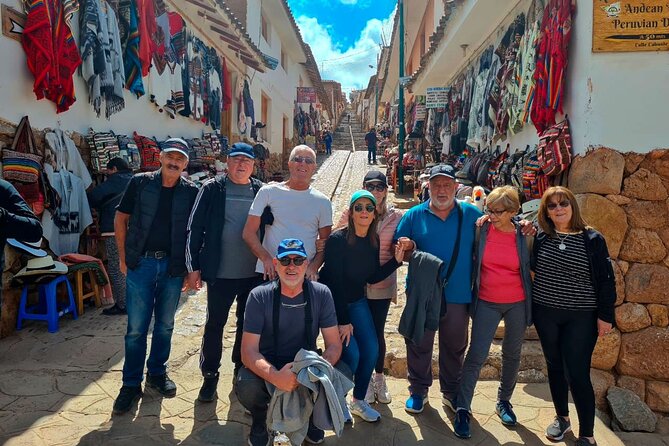
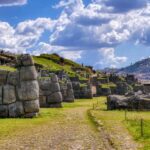
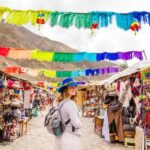
Chinchero is where the tour kicks off its “people + place” feeling. You start with a traditional market and an archaeological center, and you spend about 1 hour exploring the Inca citadel area. Admission is included, and the time budget is clear.
What makes Chinchero a smart first stop is the mix:
- Inca architecture visible within a colonial-era setting
- Active farming areas you can actually picture the Incas working
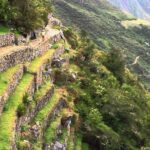
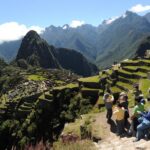
- Terraces that show how Inca agriculture shaped the hillsides
This is also a good place for your first orientation. Before Moray and salt mines start to look like science projects, Chinchero helps you understand the big idea: the Incas were not just building monuments; they were engineering food production around Andean terrain.
Possible drawback: Chinchero is early and popular, so if you dislike markets or prefer quieter ruins, you may want to enjoy the archaeology portion first and treat the market as optional browsing. Either way, it’s worth seeing because the terraces here are your bridge to what comes next at Moray.
Moray’s Inca greenhouses and Maras Salt Mines, both with ticket time
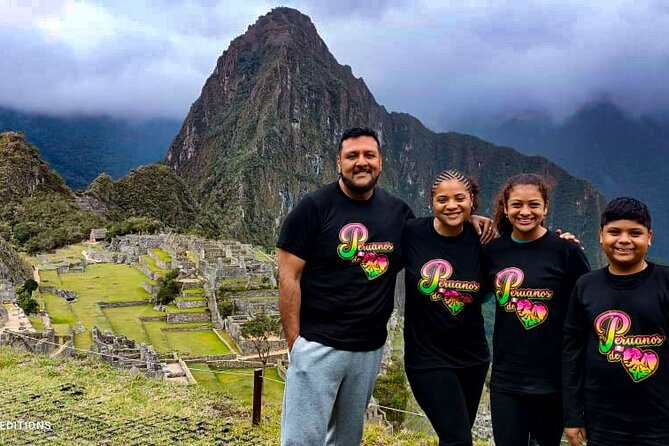
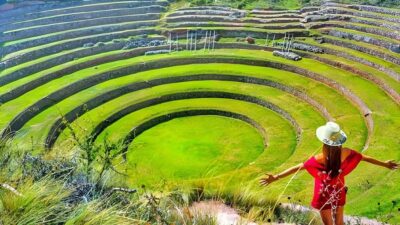
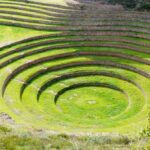
After Chinchero, you head to Moray, known for its Inca greenhouse concept. This site is built around an enormous basin with ecological terraces carved into it. The key idea is the microclimates: the deeper sections create different growing conditions, so the Incas could test which crops worked best where.
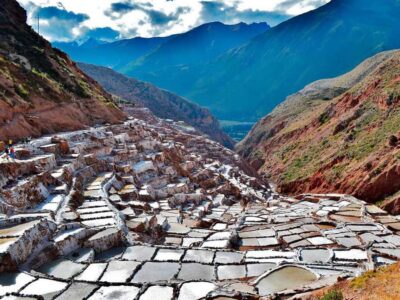
And then the tour adds another layer by visiting the Salineras de Maras salt mines. The information provided emphasizes that these mines mattered through the PRE INKA – INKA – COLONIAL eras and still matter today for local salt extraction. That time-spanning continuity is one of the reasons this pairing works so well: Moray shows planning and experimentation, and Maras shows a long-running resource that people still harvest.
You’ll have about 1 hour 15 minutes here, with admission tickets included. Expect some uneven ground and a bit of walking between viewpoints; the experience is visual, but it’s not a sit-down stop.
One practical tip: if you’re sensitive to sun or wind, plan to keep water and a hat handy. These high-ground sites can feel exposed, and you’ll likely appreciate a quick pause when you find shade.
Urubamba buffet lunch and Ollantaytambo’s living Inca town
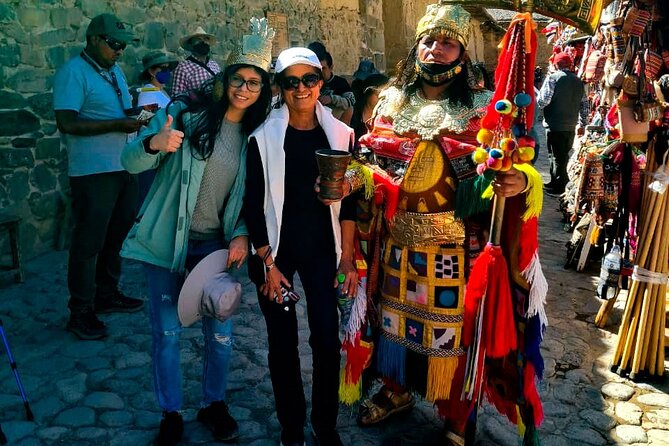
Next, the tour moves you toward Urubamba, where you stop for a delicious buffet lunch. A buffet is often criticized on tours, but here it also functions as strategy: it keeps the schedule moving so you’re not stuck hunting for food while everyone else boards transport. If you eat early, you’ll also feel better about the later travel to Aguas Calientes.
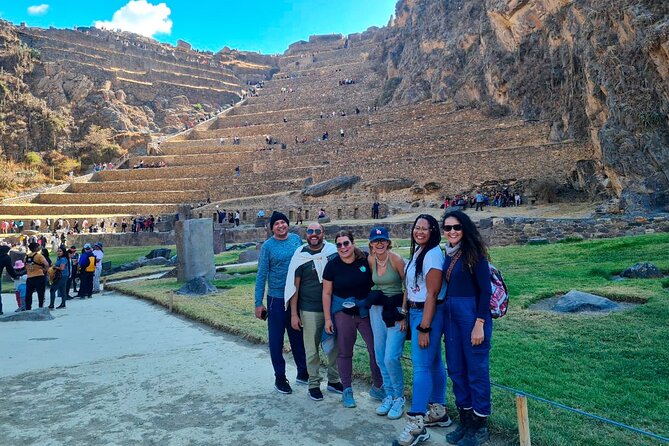
After lunch, the highlight becomes Ollantaytambo. You’ll arrive at the archaeological park and explore the ancient and bustling Inca village plus the major Inca ruins. The guided portion is scheduled for about 1 hour, and admission is included.
Ollantaytambo is the kind of site where the ruins don’t feel like they were dropped into the landscape. The village character helps you understand how Inca towns were built for everyday life: stonework, paths, and structures connected to where people lived and moved.
Then comes the travel transition that makes Day 1 complete: you take the train to Aguas Calientes and spend the night in a hotel there. This overnight is not a throwaway detail. It’s what allows Day 2 to focus on Machu Picchu rather than forcing you to fight logistics in the dark.
Possible drawback: the day is long. Between driving, a guided stop, lunch, and then the train, you won’t have much time to linger. If you love slow travel, treat Aguas Calientes as your decompression window.
Machu Picchu by bus and a private 2.5-hour guided tour
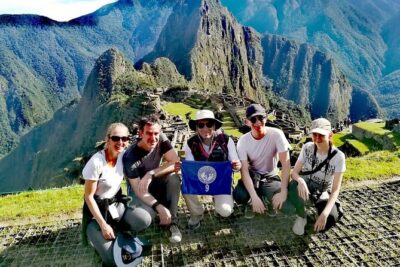
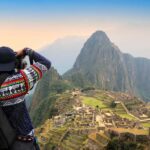
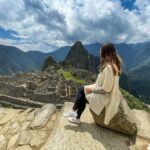
Day 2 is your big ticket moment. You’ll take the bus to Machu Picchu and arrive for a guided tour lasting about 2.5 hours. Admission is included, and your guide leads you through ruins and the main streets so you get the overall layout instead of just random photos.
This is where a guide really matters. Machu Picchu is famous, but it can also feel confusing if you’re trying to interpret everything on your own. A good guided walk helps you connect key areas so that when you explore independently, you’re not guessing what you’re looking at.
After the guided portion, you’ll have time on your own to explore the plazas of the spiritual center and you can climb the intricately carved stone stairs to the top. That mix—guided structure, then independent wandering—is a strong format. It gives you both orientation and freedom.
From there, you descend back to Aguas Calientes, and you have lunch on your own. When you’re done eating, the itinerary calls for boarding the 14:55 train for the return journey to the Ollantaytambo train station. From Ollantaytambo, you get into private transportation for the direct return to Cusco, ending back at the meeting point.
Practical reality check: this day runs on specific timing. So if you’re the type who wants to control every minute, you’ll need to accept that Machu Picchu timing comes from the schedule, not from whim. If clouds roll in, visibility can change—so bring patience and enjoy the site even on a more muted day.
What the $529 price covers, and why it can feel fair
At $529 per person, this isn’t a cheap sampler tour. But it’s also not priced like you’ll do most of the work yourself. Based on what’s included in the itinerary, you’re paying for a bundle of logistics that would otherwise take your time and planning:
- Admission tickets included at each main stop (Chinchero, Moray/Maras, Ollantaytambo, and Machu Picchu)
- Buffet lunch in Urubamba on Day 1
- Train service between Ollantaytambo and Aguas Calientes, plus the return
- A hotel overnight in Aguas Calientes
- Private transportation for key legs, including return to Cusco city
When you add those pieces up, the cost starts to look like you’re paying to remove stress during the hardest part: Sacred Valley travel and the Machu Picchu day. If you’ve ever tried to stitch these elements together yourself, you know how quickly time and small coordination problems multiply.
Where value can shift for you is simple:
- If you want guided context at Machu Picchu and don’t want to manage train timing, the price can feel like a good trade.
- If you already know exactly how to handle your trains, admissions, and hotel, you might compare costs and decide if this level of guidance is worth it. But that comparison needs time, not just math.
Guides and hosts: Carlos, Mayumi, and the “kept us moving” vibe
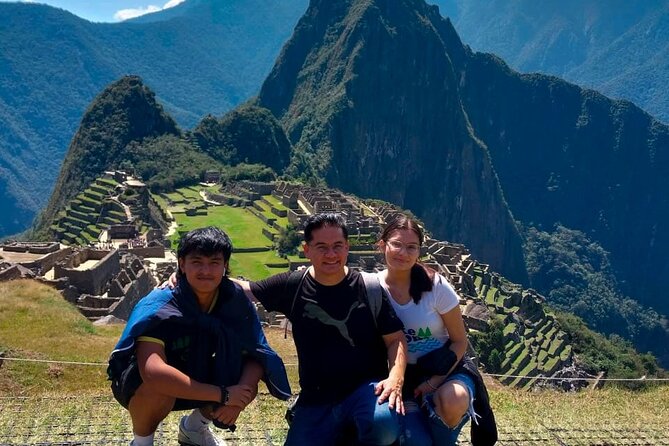
The strongest pattern in the feedback is not just that people liked the sights—it’s that the team made the schedule feel manageable. Names show up again and again. Carlos and Mayumi are repeatedly credited with attentive support, organization, and helping with transfers. Another guide name—Carlos Rios—is mentioned in connection with an easy, group-aware style, plus staying on top of timing and questions.
That kind of support is exactly what you want on a route like this. It’s not only about “being friendly.” On tours with tight timing, what you really need is someone who understands when to tighten the schedule and when to give you a breather without breaking the plan.
If you’re worried about getting stuck in logistics or confusion, this is one of the reasons I’d consider booking: the human side seems to be strong, not just the transportation and tickets.
Who should book this Sacred Valley + Machu Picchu plan
This tour fits best if you want a first-timer-friendly structure. You’ll hit major Sacred Valley anchors—Chinchero, Moray, Salineras de Maras, and Ollantaytambo—and then you’ll get a guided Machu Picchu visit with time afterward to explore on your own.
It also makes sense if you:
- Prefer a private group setup where timing is managed for you
- Want admission tickets and key meals already handled
- Don’t want to coordinate trains and overnight stays on your own
It may be a less ideal fit if you:
- Hate early mornings
- Need a lot of unplanned free time
- Want full control over every stop length and transport beat
My booking checklist: decide in 2 minutes
If you want the simplest yes/no, here’s how I’d judge it.
Book it if:
- You like the idea of two days that cover both Sacred Valley and Machu Picchu without building a spreadsheet for logistics.
- You value a private guided Machu Picchu experience and a clear return train plan (including the 14:55 departure).
- You’re okay with lunch not being included on Day 2 because you’ll still get a hotel night and a guided structure.
Skip it or switch plans if:
- You need a very relaxed pace.
- You’re the type who gets stressed when a schedule is fixed to train times.
If you fall in the middle, ask yourself what would cost you more: paying for guidance, or spending your vacation time figuring out connections. For most people, that’s the deciding factor—and this tour is built around making those connections painless.
FAQ
FAQ
What does this tour include?
It includes visits to Chinchero, Moray and the Salineras de Maras salt mines, Ollantaytambo, and a guided tour of Machu Picchu. It also includes the train between Ollantaytambo and Aguas Calientes, an overnight hotel in Aguas Calientes, and private transportation for the return to Cusco.
How long is the tour?
The duration is listed as 2 days (approx.).
How much does it cost?
The price is $529.00 per person.
Where do we meet?
The meeting point is Av. El Sol 580, Cusco 08002, Peru. The activity also ends back at the meeting point.
What time does the tour start?
The start time is listed as 7:00 am, with the itinerary referencing group pick-up at about 6:30 am near the same meeting point.
Is this a private tour?
Yes. It is listed as a private tour/activity, and only your group participates.
Are admission tickets included?
Yes. Admission tickets are included for Chinchero, Moray and Salineras de Maras, Ollantaytambo, and Machu Picchu.
What meals are included?
On Day 1, there is a buffet lunch in Urubamba. On Day 2, lunch is on your own in Aguas Calientes.
Do we stay overnight during the tour?
Yes. You spend the night in a hotel in Aguas Calientes.
What train do we take back on Day 2?
On Day 2 you board the 14:55 train for the return journey from Aguas Calientes to Ollantaytambo, then take private transportation back to Cusco.
What is the cancellation window for a full refund?
You can cancel up to 3 days in advance of the experience for a full refund (based on local time).