REVIEW · CUSCO
2-Day Sacred Valley & Machu Picchu Tour by Train from Cusco
Book on Viator →Operated by Cosmo Expeditions · Bookable on Viator
Two days can change your whole perspective. This train-forward Sacred Valley and Machu Picchu plan strings together the major sights with guides, key tickets, and a hotel night that keeps the second day calmer.
I especially like that you get Cusco hotel pickup and drop-off plus a guided run through the Sacred Valley highlights (Chinchero weaving, Moray, Maras Salt Mines, and Ollantaytambo). I also love that the itinerary uses a clear rail schedule with an included Aguas Calientes overnight, so you’re not trying to cram Machu Picchu into a single exhausting day.
One thing to consider: a couple of entry fees are not included (Sacred Valley PEN80 per person, plus Maras Salt Mines PEN10 cash). Also, the Machu Picchu circuit you enter is based on availability, which can affect how much walking/stairs you’ll do.
In This Review
- Key things I’d clock before you go
- Two Days From Cusco: Why This Train Plan Feels Easier
- Price and Value: What $599 Includes (and What You Still Pay On Your Own)
- Day 1 in Cusco to Aguas Calientes: A Big Sight Day Done With a Plan
- Cusco Orientation Moments: Markets and Archaeology Without the Guesswork
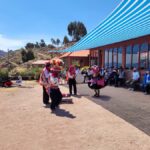
- Chinchero Weaving Center: Alpacas, Hand-Dyed Textiles, Real Craft
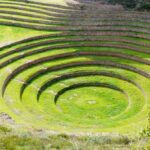
- Moray: The Inca Agricultural Experiment You Can Actually Visualize
- Salinas de Maras Salt Mines: Iconic Photos, Ongoing Use
- Lunch at Tunupa: A Buffet That Helps You Travel Without Constant Stops
- Ollantaytambo: Ruins With Fortified Energy, Then the Train Handoff
- Arrive Aguas Calientes: Sleep in the Right Place
- Day 2 Machu Picchu: Bus Up, Guided Walk, Then Your Own Time
- Ticket Circuits and What They Mean for Your Feet
- Lunch on Your Own and the Trip Back Down
- Train, Guide Team, and Small-Group Size: The Practical Perks
- What to Watch For: The One-Day Tradeoff and Extra Fees
- 1) A packed Day 1 means you need stamina
- 2) Extra entrance fees and optional hikes
- Who This Tour Fits Best (and who should consider alternatives)
- Should You Book This Train-Based Sacred Valley and Machu Picchu Tour?
- FAQ
- Where does the tour start in Cusco?
- How large is the group?
- What train class is included?
- What’s included in the price?
- What costs extra that I should budget for?
- Is lunch included on both days?
- What time do you return to Cusco?
- Is Machu Picchu entrance included, and do I get a specific circuit?
- What’s the cancellation window?
Key things I’d clock before you go
- Small-group size (max 9) keeps the pace human and questions easy to answer
- Included hotel night in Aguas Calientes (3-star) gives you time to reset before Machu Picchu
- Sacred Valley highlights in one day: Chinchero weaving, Moray, Maras, and Ollantaytambo
- Train support with Expedition or Voyager class options reduces decision stress
- Machu Picchu ticket is included, circuit depends on availability so you’ll want comfy shoes
Two Days From Cusco: Why This Train Plan Feels Easier
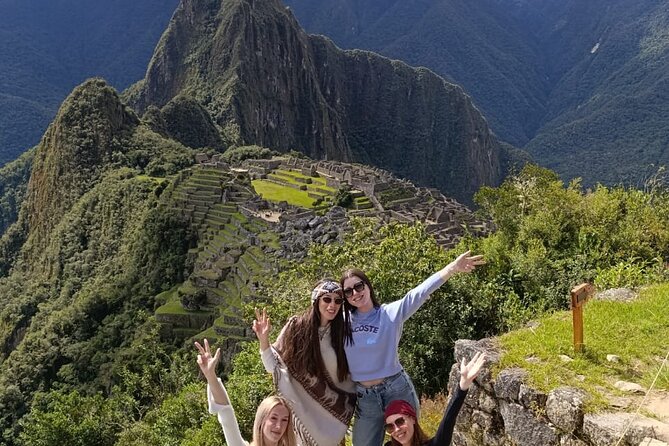
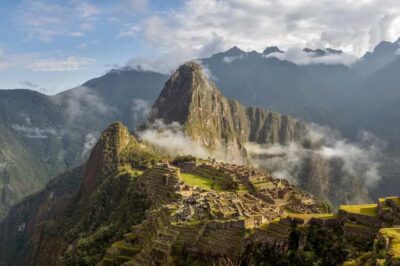
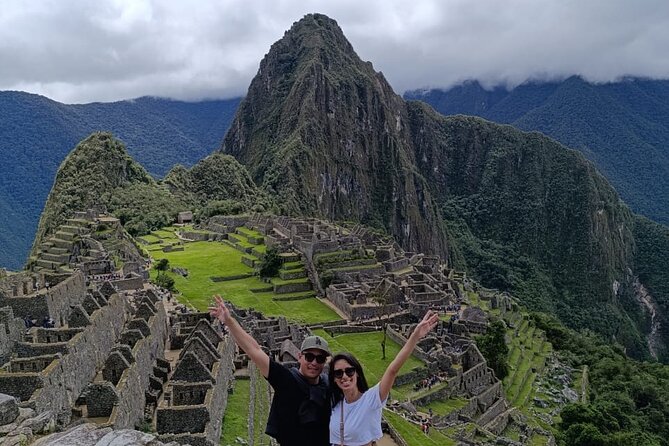
Machu Picchu is one of those places where timing matters. Buses, trains, timed entry, and getting back down afterward can turn into a whole puzzle if you’re DIY. This tour takes that puzzle and turns it into a route with people already positioned to help at the right moments.
What makes it work so well is the structure: you start in Cusco, hit the most famous Sacred Valley stops the first day, ride the train onward, sleep in Aguas Calientes, and then do Machu Picchu the next morning with a guided walk plus time to explore. You’ll still do plenty of walking, but you won’t be spending your day worrying about what comes next.
Also worth noting: this experience is built for a small group of up to 9, and the guides are described as professional English-speaking. That matters at Machu Picchu, where the details you miss on your own can be exactly what makes the ruins click.
You can also read our reviews of more tours and experiences in Cusco


Price and Value: What $599 Includes (and What You Still Pay On Your Own)
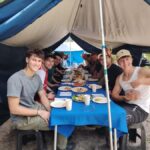
At $599 per person, you’re not just paying for a seat on a train. You’re paying for the whole “day-to-day glue”: pickup, transfers, a hotel night, meals, and the big entry-ticket pieces.
Included at this price:
- Breakfast and lunch (with the Tunupa buffet lunch on Day 1)
- 1-night stay in Aguas Calientes (3-star)
- Professional English-speaking guide
- Guided visits to Chinchero, Moray, Maras Salt Mines, and Ollantaytambo
- Machu Picchu entrance ticket (based on circuit availability)
- Round-trip train & bus routing between Ollantaytambo, Machu Picchu, and Aguas Calientes (Expedition or Voyager class)
- Hotel pick-up and drop-off in Cusco
- Small-group experience (max 9)
Not included extras you should budget:
- Sacred Valley entrance fee: PEN80 per person
- Maras Salt Mines entrance: PEN10 cash
- Optional Wayna Picchu hike: USD 40 (on request)
- Dinner and personal expenses
- Tips (optional)
So is it a good deal? For many people, yes—because you’re bundling in the hard-to-organize parts (tickets, sequencing, and the rail schedule). If you’d otherwise book trains, hotel, and guided passes separately, the convenience usually costs real money in time and stress. Still, do plan for those extra entrance fees and cash needs.
Day 1 in Cusco to Aguas Calientes: A Big Sight Day Done With a Plan
Day 1 starts early—pickup around 7:45 AM after breakfast, at Plaza Regocijo in Cusco. The first morning has a classic Sacred Valley rhythm: drive out, stop for major ruins and cultural visits, then finish by meeting your rail schedule.
If you like structure, you’ll enjoy this. If you prefer slow travel, you might find it full. The key is understanding the tradeoff: you’re seeing a lot because you’re doing it in one concentrated day, while Day 2 focuses on Machu Picchu itself.
Cusco Orientation Moments: Markets and Archaeology Without the Guesswork
The day begins with time to explore Cusco and then head into the Sacred Valley. You’ll get that sense of place fast—views, local artisan shopping, and archaeological stops. It’s a good start because it sets context before you start seeing Inca agricultural engineering and fortress-style ruins.
A small practical note: an early start means you’ll want to go in hydrated and ready for a long day of moving between sites.
Chinchero Weaving Center: Alpacas, Hand-Dyed Textiles, Real Craft
Next is Chinchero, with about an hour there after a scenic drive from Cusco. This stop centers on a local family that preserves weaving traditions—plus alpacas and llamas that make the whole thing way more fun than a museum visit.
Why I like this stop for visitors:
- It gives you a human scale to what you’re seeing in the region.
- You learn how artisans use natural ingredients for the dyeing and the handwork behind the fabric.
- It’s interactive. You can feed and take photos with the animals (a highlight if you’re traveling with kids or just love animals).
The main consideration is time. When a place is this culturally engaging, shopping can stretch the day. That isn’t a problem if you accept that the guide will keep you moving toward trains and the next stop.


Moray: The Inca Agricultural Experiment You Can Actually Visualize
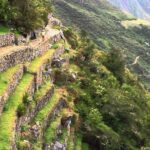
At Moray, you’ll spend roughly an hour at the terraced site, with your guide explaining it as an Inca agricultural laboratory—different terraces creating different climatic zones. Stand there and you can see how the design could work: the site is built for testing, not just display.
Moray’s entrance is not included (listed as not included), so expect an extra fee. The payoff is that you’re not just looking at ruins. You’re looking at engineering thinking—how people adapted farming to microclimates.
Salinas de Maras Salt Mines: Iconic Photos, Ongoing Use
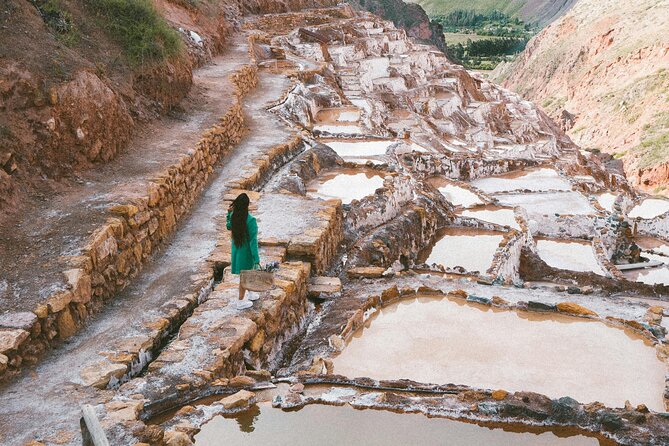
Then comes Salinas de Maras, famous for its thousands of salt ponds that still operate today. It’s one of the Sacred Valley photo stops where the scenery really does match the hype.
You’ll get guide help with that iconic picture moment, then continue toward lunch.
Practical detail: Maras Salt Mines has an entrance fee listed as PEN10 cash. Bring small bills/coins if you can.
Lunch at Tunupa: A Buffet That Helps You Travel Without Constant Stops
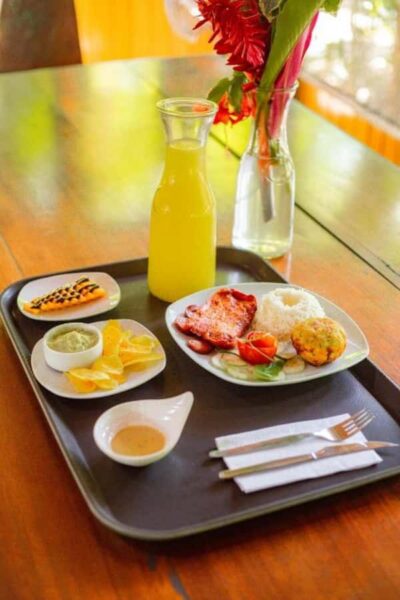
Lunch is included at Restaurante Tunupa, described as a buffet with over 50 Peruvian dishes and vegetarian options. This is a smart inclusion on a high-movement day: you get a solid meal without leaving your group behind to hunt for food.
Also, the setting is part of the vibe—this isn’t just a grab-and-go cafeteria style lunch. If you’re the kind of person who gets cranky when lunch is late, this solves that.
Ollantaytambo: Ruins With Fortified Energy, Then the Train Handoff
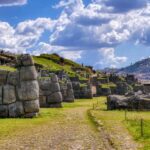
Ollantaytambo is the final Sacred Valley stop on Day 1. You’ll explore terraces and ruins and learn how the location guarded the road toward Machu Picchu—then you’ll be escorted to the train station.
Important: the timing matters here. The plan is designed around your rail schedule, so you’ll want to stay with your guide during the station transition. In practice, this is where a smooth team really shows.
You board a scenic train ride through mountainous terrain with a duration of about 1 hour 45 minutes, heading toward the gateway town, Aguas Calientes.
Arrive Aguas Calientes: Sleep in the Right Place
By around 6:10 PM, you arrive in Aguas Calientes. Your team meets you at the train station exit and helps escort you to your hotel. After check-in, the evening is yours to explore on your own (at your own expense).
This part is more valuable than it sounds. A lot of Machu Picchu itineraries fail because you’re too tired to enjoy the evening and too rushed in the morning. Here, you’re set up to rest.
Day 2 Machu Picchu: Bus Up, Guided Walk, Then Your Own Time
Day 2 is focused. Breakfast at your hotel first, then the group heads to the bus station for the ride up to Machu Picchu’s main gate.
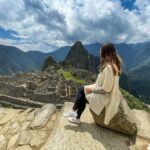
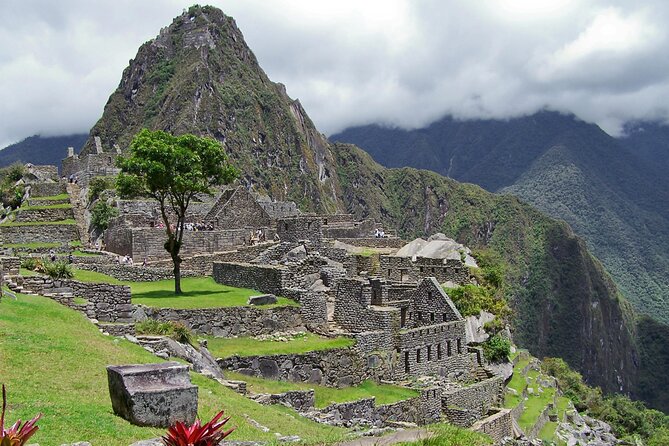
From there, you get a guided tour that moves through ancient streets, city squares, and stone staircases. The guide’s job is to connect what you’re seeing to what those spaces meant—so you don’t just take photos, you understand the layout.
Ticket Circuits and What They Mean for Your Feet
Machu Picchu entrance is included, but your circuit is based on availability. In plain terms: some circuits are easier, others involve more climbing steps. If you have any mobility concerns, you’ll want to communicate that early so the team can advise you on what to expect.
The good news: the itinerary still includes time for you to explore after the guided portion. That free time is where the ruins become yours—whether you want more photos, slower sightseeing, or just to sit and take it all in.
Lunch on Your Own and the Trip Back Down
After your Machu Picchu visit, you take the bus back to Aguas Calientes. Lunch is available there but not included.
Then at the indicated time (listed as 2:00 PM), you head to the train back to Ollantaytambo. After arrival, transport takes you back to Cusco. The estimated arrival in Cusco is 6:00 PM, which keeps you from feeling like you got stranded in a tourist town all day.
Train, Guide Team, and Small-Group Size: The Practical Perks
A lot of Machu Picchu tours advertise the ruins, but what matters is how the day actually runs. Here’s what you can expect from this setup:
- Round-trip transfers in Cusco: You don’t have to coordinate taxis while you’re figuring out meeting points.
- Small group (max 9): You get more attention and fewer logistical headaches.
- Professional English-speaking guide: You can ask real questions and not just follow a script.
- Built-in transitions: From pickup to station handoff to bus to Machu Picchu and back down, the route is managed.
In the feedback around this tour, people highlight feeling safe and cared for, plus the guides being proactive when plans need adjustment. Names that show up include Dennis (team leadership), Ruben (guiding), Luis (driver), and guides such as Julio Cesar and Edward. You may not meet all of them, but it gives you an idea of a consistent team structure behind the scenes.
There are also examples of the team going extra-mile on support—like adding an extra guide when someone had mobility needs, and helping with circuit choice. If that’s your situation, tell them what you need; this is the kind of itinerary where that communication pays off.
What to Watch For: The One-Day Tradeoff and Extra Fees
Two things can affect your comfort level.
1) A packed Day 1 means you need stamina
You’ll visit multiple sites in one day, including Moray and Maras, plus the train transition to Aguas Calientes. If you’re not used to walking at altitude or you get tired quickly, you might feel the day more than you expected.
2) Extra entrance fees and optional hikes
Plan for:
- Sacred Valley PEN80 per person
- Maras Salt Mines PEN10 cash
- Optional Wayna Picchu hike at USD 40
Wayna Picchu is optional, but it’s popular. If you want it, request it early so the team can confirm details on their end.
Who This Tour Fits Best (and who should consider alternatives)
This is a strong match if you:
- Want Machu Picchu without wrestling trains, timing, and ticket logistics
- Like guided context, but still want time to explore on your own
- Prefer a small group (max 9) over large bus tours
- Care about comfort details like a real hotel night in Aguas Calientes
It might be less ideal if you:
- Want a slow travel pace with long breaks between stops
- Don’t want to pay additional site fees on top of the base price
- Have limited mobility and want a fully flat walking route (circuits and walking steps can vary)
Should You Book This Train-Based Sacred Valley and Machu Picchu Tour?
If your goal is a smooth two-day run from Cusco to Machu Picchu—without spending your vacation managing logistics—this tour makes a lot of sense. The value is in the bundling: meals, hotel, train timing, guided Sacred Valley stops, and the Machu Picchu entrance ticket.
I’d book it if you’re comfortable with a long Day 1 and you’re okay planning for the extra entrance fees. If you’re deciding between “cheap DIY” and “pay for the structure,” this one leans toward the practical side. You’ll spend more, but you’ll lose less time figuring things out—and that’s often what you want when Machu Picchu is the centerpiece.
FAQ
Where does the tour start in Cusco?
The tour starts at Plaza Regocijo (Plaza Regocijo F2M9+5X2, Cusco 08002, Peru) with a start time of 7:45 AM.
How large is the group?
The experience is limited to a maximum of 9 travelers.
What train class is included?
The round-trip train & bus routing between Ollantaytambo, Machu Picchu, and Aguas Calientes is listed as Expedition or Voyager class.
What’s included in the price?
Breakfast and lunch, a 1-night stay in Aguas Calientes (3-star), a professional English-speaking guide, guided visits to Chinchero, Moray, Maras Salt Mines, and Ollantaytambo, Machu Picchu entrance ticket (based on circuit availability), round-trip train & bus routing, and Cusco hotel pickup and drop-off.
What costs extra that I should budget for?
Sacred Valley entrance fee (PEN80 per person) is not included, and Maras Salt Mines entrance is PEN10 cash. Wayna Picchu hike is optional and costs USD 40 on request. Dinner and personal expenses are also not included.
Is lunch included on both days?
Lunch on Day 1 is included at Restaurante Tunupa. Lunch on Day 2 (in Aguas Calientes) is not included.
What time do you return to Cusco?
The estimated arrival time in Cusco is 6:00 PM on Day 2.
Is Machu Picchu entrance included, and do I get a specific circuit?
Machu Picchu entrance is included, but the circuit is based on availability.
What’s the cancellation window?
You can cancel up to 24 hours in advance of the experience start time for a full refund.