REVIEW · CUSCO
Cusco: 5-Day Salkantay Ultimate Trek to Machu Picchu
Book on GetYourGuide →Operated by Inkayni Peru Tours · Bookable on GetYourGuide
One pass, two worlds. You’ll cross the dramatic Salkantay Pass, then finish at Machu Picchu with a guide who helps you actually understand what you’re seeing.
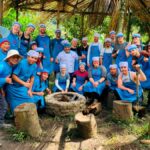
I like that this trek keeps you well cared for: a professional English-speaking tour guide, a professional cook, and strong support on the trail. I also like the added cultural stop in Lucmabamba, where you spend time with a family and learn about their local coffee farm.
The main thing to consider is that this route is tough and high. Day 2 climbs to the Salkantay Pass (4,630 m), and the tour isn’t suitable if you’ve had trouble with altitude or you have back issues.
In This Review
- Key things that make this Salkantay trek worth your time
- Price and what you really get for $669
- The route in plain language: why this trek feels different
- Day 1: Soraypampa to Humantay Lake and your first big altitude taste
- Day 2: The Salkantay Pass high point, then the drop into lush jungle
- Day 3: Cloud forest descent to Playa Sahuayaco, then Lucmabamba
- Day 4: Llactapata ruins first view of Machu Picchu, then to Aguas Calientes
- Day 5: Bus to Machu Picchu, guided citadel tour, and optional peaks
- What’s included (and what that means for your day-to-day comfort)
- What’s not included: the common budget traps
- How hard is it, really, and who should take it
- What to bring (so you’re not miserable on Day 1)
- Group size, timing, and how you’ll move through the route
- Should you book it? My practical take
- FAQ
- How many people are in the group?
- What type of lodging do I get during the trek?
- Is Machu Picchu entrance included?
- Do I need a sleeping bag?
- Can I rent trekking poles?
- Are meals fully included?
- Do I pay extra for Huayna Picchu?
- Is water provided every day?
- Is the tour refundable?
Key things that make this Salkantay trek worth your time
- Salkantay Pass panoramas: you get one of the biggest high-mountain payoff days on the route
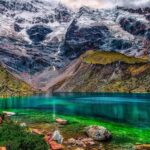
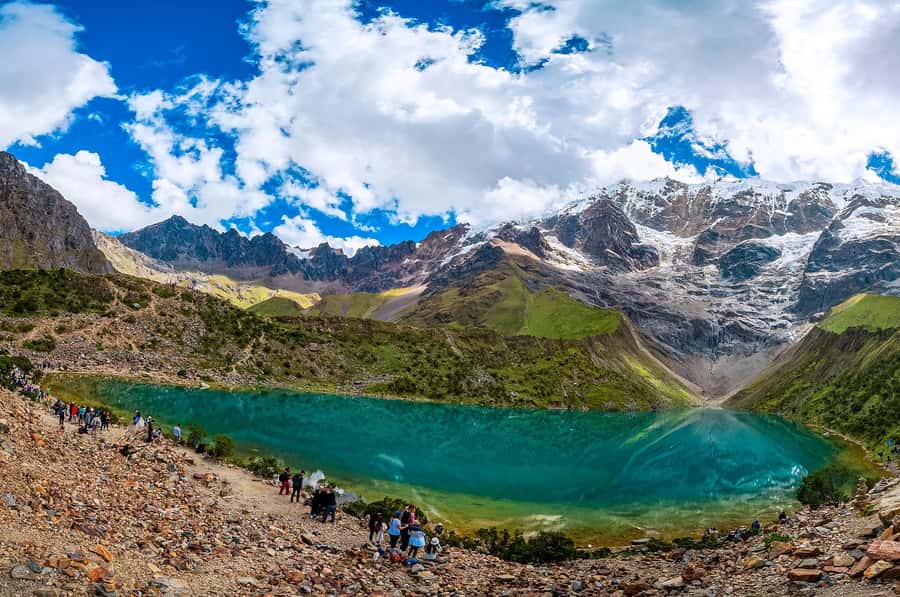
- Humantay Lake hike: turquoise glacial water with huge Andes views overhead
- Cloud forest descent: mist, waterfalls, and lots of life as you drop toward lower elevations
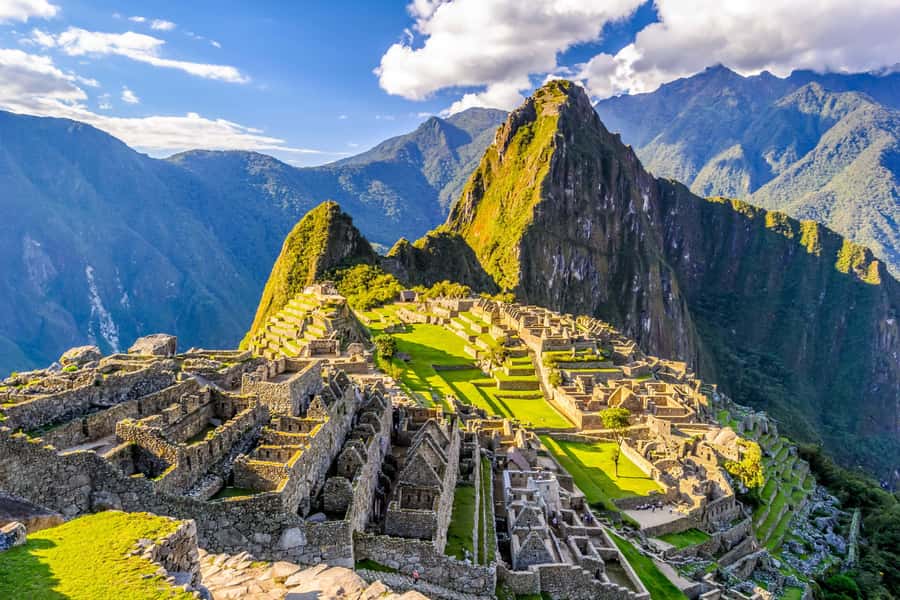
- Llactapata first view of Machu Picchu: you approach from an angle most people miss
- Real support on the move: horses carry gear and you only manage a limited personal load (7 kg)
Price and what you really get for $669
At $669 per person for 5 days, this trek is priced like a guided, all-in experience rather than a DIY hike. You’re paying for the big pieces: a professional guide, a professional cook, trail logistics, meals for most of the days, and the end payoff with Machu Picchu entrance plus bus service.
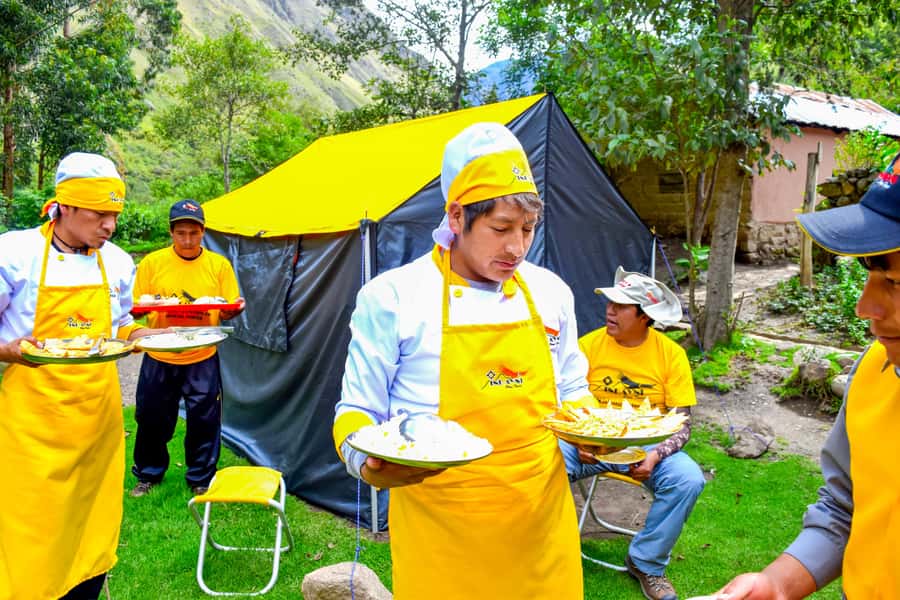
Where the value shows up is in the systems that remove headaches. Horses carry equipment and you only carry up to 7 kg of personal items, which matters on a steep, high-altitude route. You also get structured meals (4 breakfasts, 4 lunches, 4 snacks, 4 dinners) and camping support like dining tents and foam mattresses.
The price isn’t perfect if you’re trying to budget extremely tightly, because a few useful extras are not included, like a sleeping bag rental, and optional peak hikes at Machu Picchu (Huayna Picchu costs extra).
You can also read our reviews of more hiking tours in Cusco

The route in plain language: why this trek feels different
This isn’t just a hike from point A to point B. It’s a change-of-world trek.
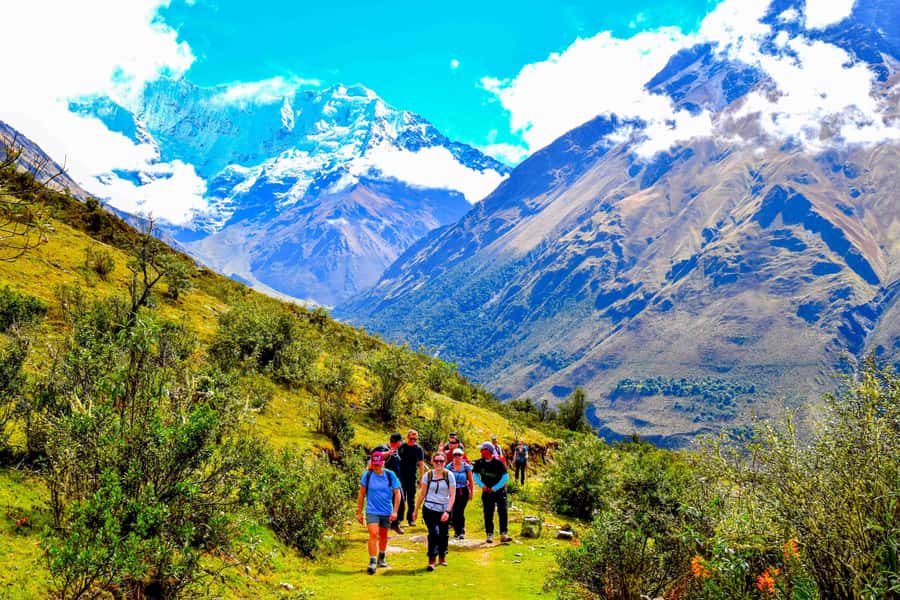
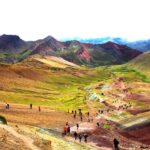
You start high in the Andes, go up to the Salkantay Pass, then you drop into a high-altitude jungle feel with cloud forest. That “up, then down” rhythm keeps the scenery shifting: snow-capped peaks early, then misty slopes with waterfalls and fruit-laden trees, then terraces and Inca-adjacent ruins before you hit Machu Picchu.
That mix is a big part of why the experience gets high marks for being scenic and worth the effort. It’s physically hard, but it doesn’t feel repetitive.
Day 1: Soraypampa to Humantay Lake and your first big altitude taste
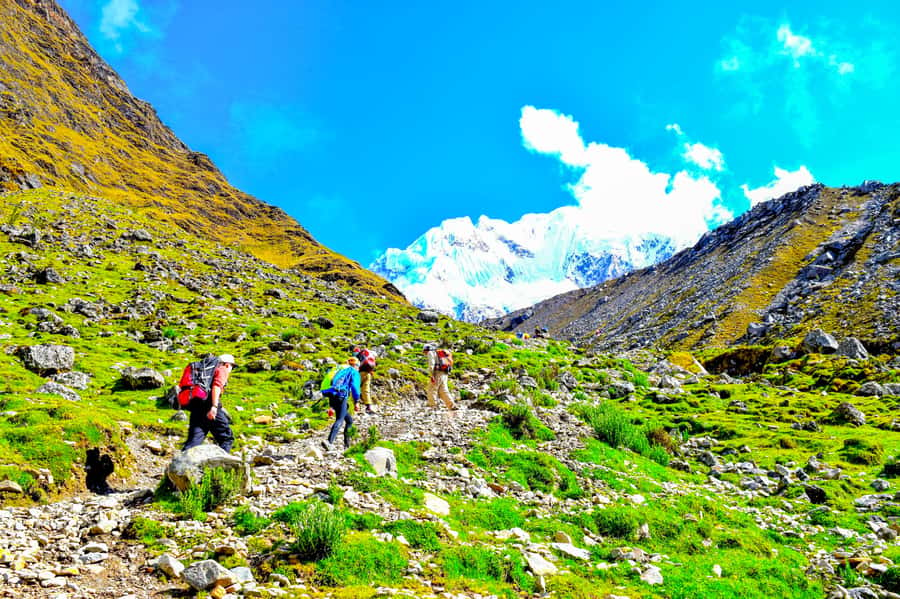
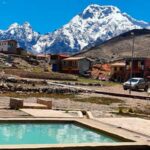
Day 1 starts with a hike toward Soraypampa (3,800 m / 12,467 ft). As you gain altitude, the Salkantay and Humantay mountains dominate the skyline, and the air feels crisp fast. This is the day to take it slow and steady, because you’re already at serious elevation early.
At midday, you’ll stop for a classic Peruvian lunch with fresh local ingredients. Then you continue toward Humantay Lake (4,200 m / 13,780 ft), a turquoise glacial lagoon that mirrors the peaks above.
After time at the lake, you head back to camp for dinner and a starry mountain night. The “wake up tea every morning” detail is small, but it helps morale when mornings start cold.
Practical note: the included water does not cover the first 4 hours of the trek, so you’ll need to bring your own water at the start.
Day 2: The Salkantay Pass high point, then the drop into lush jungle
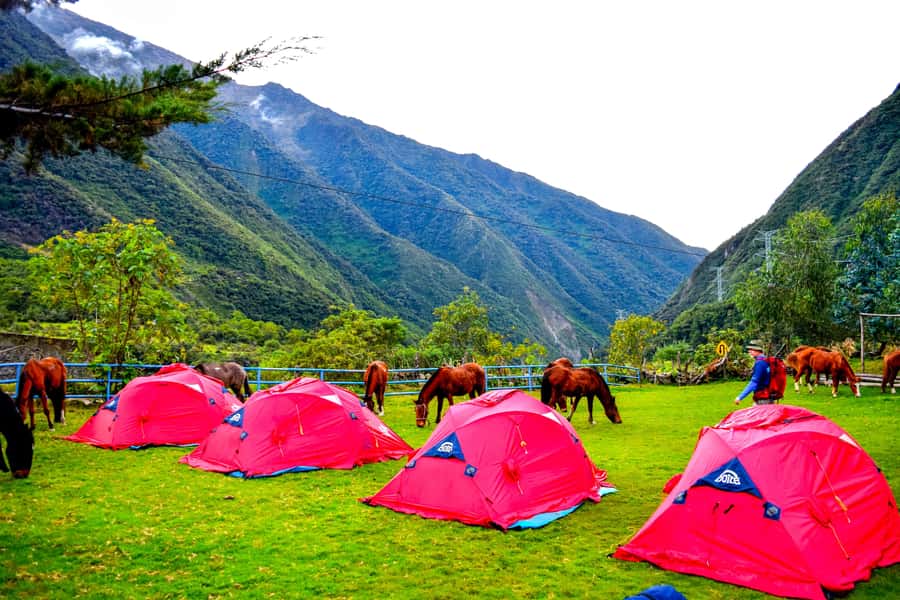
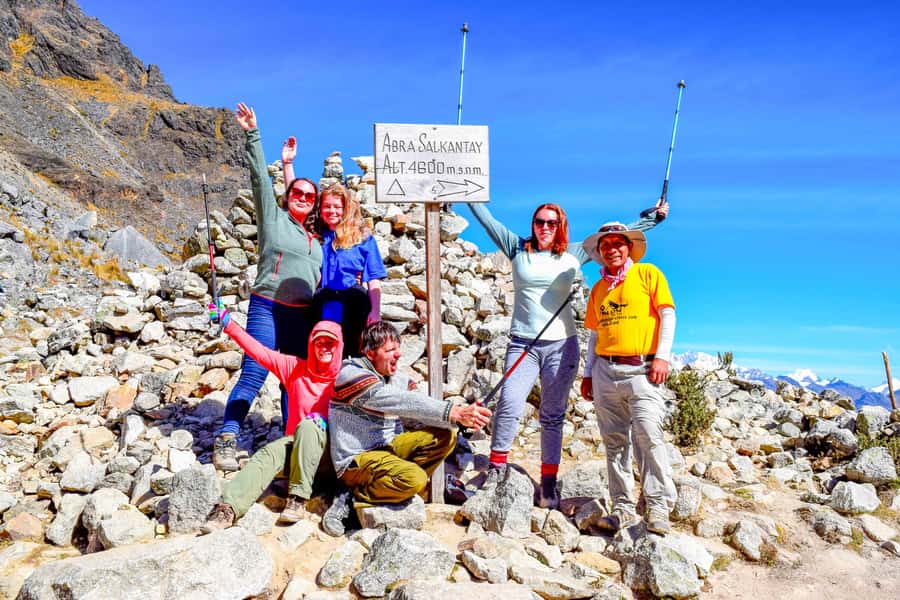
Day 2 is the heavy day. After breakfast, you climb toward the Salkantay Pass (4,630 m / 15,190 ft), the trek’s highest and most challenging point.
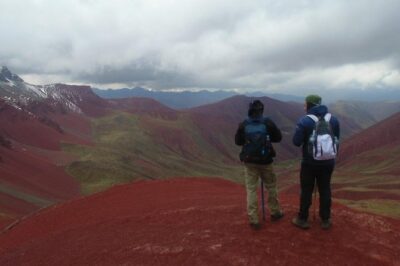
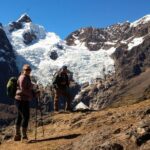
This is where altitude becomes more than a number. You may feel slowed down by thin air, so pace matters. The payoff is the kind of panorama you can’t rush: snow-capped peaks, jagged ridges, and deep valleys stretching far beyond the trail.
Then comes the best kind of relief: you descend into a lush high-altitude jungle. That contrast between icy heights and greener vegetation is a real mental reset after the pass.
You’ll end at camp for another rest day, with the sound of nature around you and the sense that you’ve earned the next section.
Day 3: Cloud forest descent to Playa Sahuayaco, then Lucmabamba
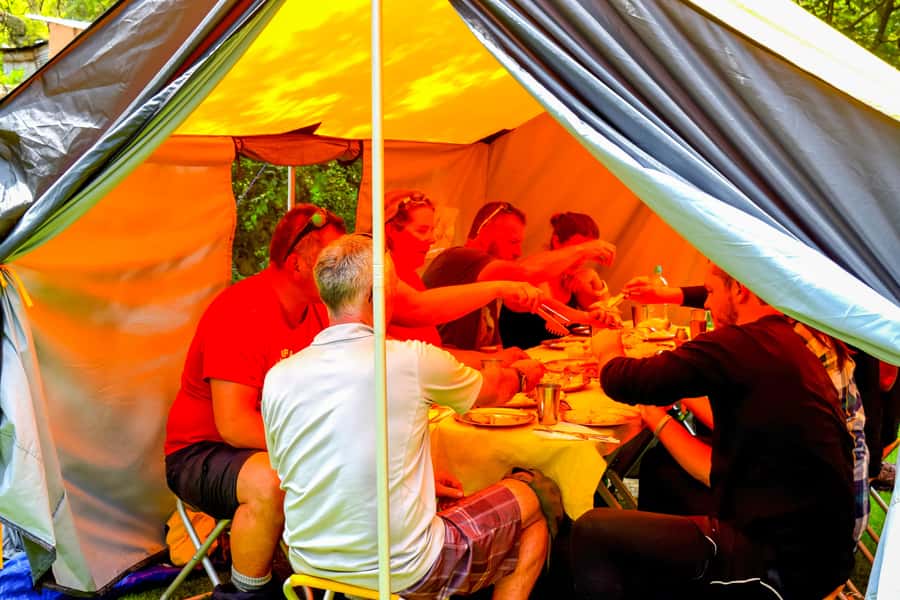
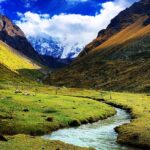
You wake up to the jungle rhythm and start a descent into cloud forest. The trail winds through misty areas, passing cascading waterfalls, fruit-laden trees, and plenty of exotic flora and fauna.
After about five hours, you reach Playa Sahuayaco (2,200 m / 7,218 ft). That lower elevation helps, but it also means conditions can shift quickly—expect damp patches, mist, and muddy sections depending on the day.
In the afternoon, you continue to Lucmabamba (2,000 m / 6,562 ft). This is your final campsite and also the starting point of an ancient Inca Trail leading toward Llactapata ruins.
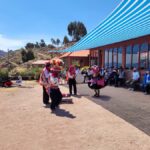
This is also where the cultural element fits in. The highlight here is time connected to a family in Lucmabamba and learning about their local coffee farm. It’s one of the best ways to balance the physical effort with something human-scale and memorable.
You can also read our reviews of more tours and experiences in Cusco
Day 4: Llactapata ruins first view of Machu Picchu, then to Aguas Calientes
Day 4 has two key phases: a short uphill push to Llactapata, then a longer descent toward town.
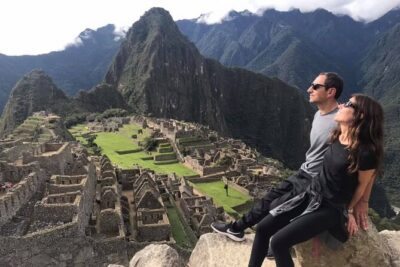
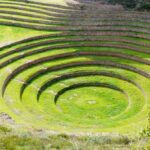
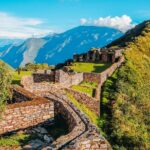
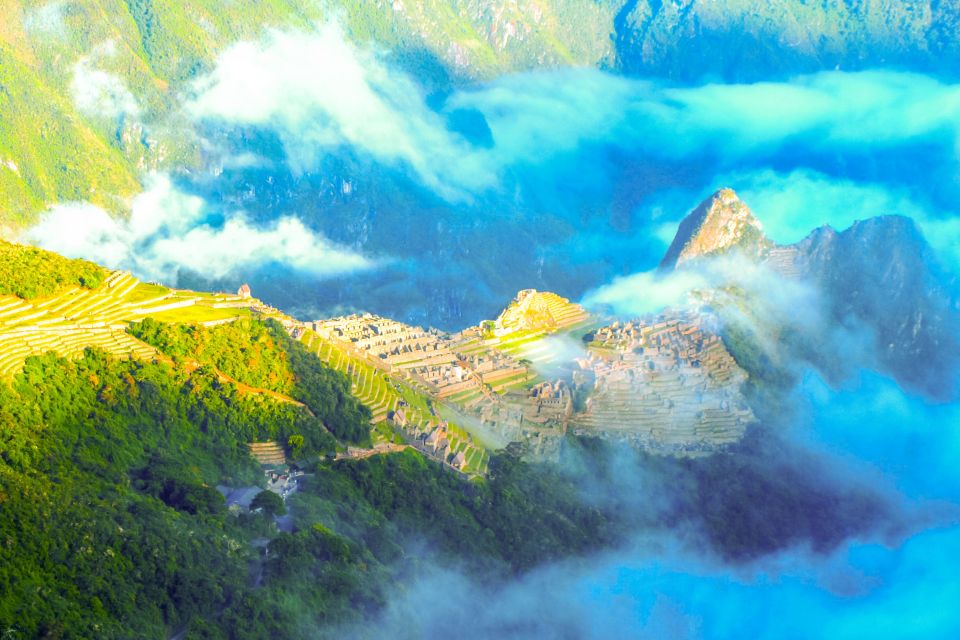
After breakfast, you hike about 2 hours uphill along an original Inca trail to Llactapata ruins (2,840 m / 9,318 ft). Llactapata is less visited than Machu Picchu, and that matters. You get a stunning first view of Machu Picchu from this angle, which gives you context before you ever enter the citadel.
After exploring Llactapata, you descend through cloud forest to the Hydroelectric Station (1,890 m / 6,200 ft) over about 1.5 hours of trekking. From there, you travel to Aguas Calientes (2,040 m / 6,693 ft), where you get a hotel stay for your final night.
This hotel night is a simple but important reset. Camping is part of the adventure, but by Day 4 your body will appreciate a bed and a warm base.
Day 5: Bus to Machu Picchu, guided citadel tour, and optional peaks
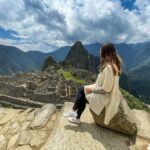
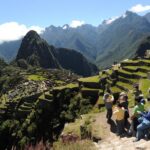
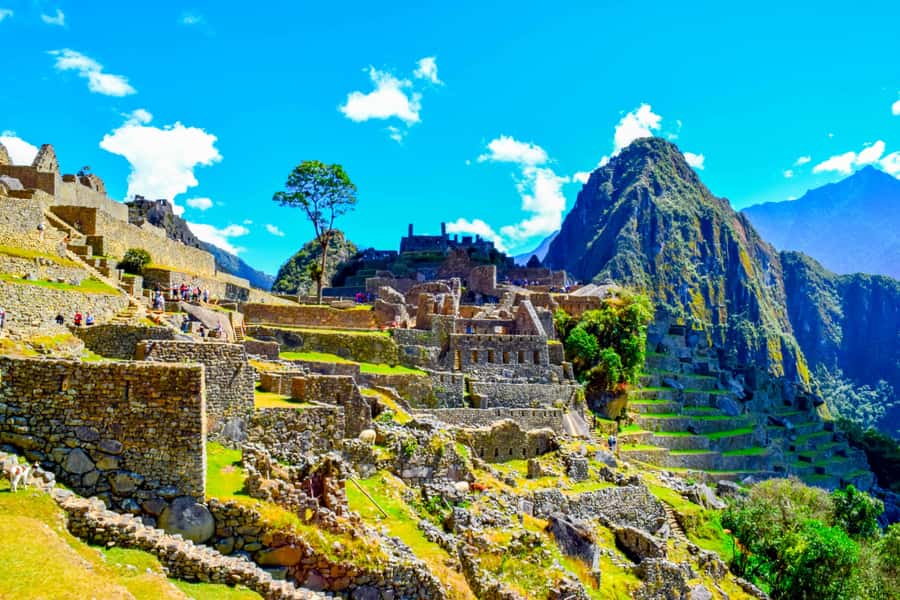
You start early with breakfast, then take a morning bus up to Machu Picchu (2,430 m / 7,972 ft). Once you arrive, your guide leads a detailed tour focused on the site’s key areas.
Expect an explanation of the major structures, including temples, ceremonial areas, terraces, and storage buildings. If you want Machu Picchu to feel more than a postcard, this is where it happens. The guide helps you connect the layout to how the site was used and organized.
After the guided circuit, you return to Aguas Calientes for a short rest and lunch. In the afternoon, you take the train to Ollantaytambo, and then a van brings you back to Cusco.
Optional add-on: you can hike Huayna Picchu (extra US$85) or Machu Picchu Mountain after your citadel visit, for bigger viewpoints if your legs still have energy.
What’s included (and what that means for your day-to-day comfort)
This trek includes the stuff that reduces decision fatigue.
You get a professional English-speaking tour guide, plus an assistant guide for groups of 9+. You also get a professional cook, a dining tent with tables and chairs, and 4 man tents for every 2 trekkers, plus double thickness foam sleeping mattresses. There’s also a first aid kit and an oxygen bottle, which is good to have on a high route.
You’ll also get:
- Hotel in Aguas Calientes
- Entrance to Machu Picchu
- Bus service up to Machu Picchu
- Wake up tea delivered to your tent each morning
- Transport pickup from your Cusco hotel
Horses carry equipment and up to 7 kg of your personal items. That’s a big practical detail. It means you can pack for comfort and essentials without trying to haul everything yourself up steep grades.
What’s not included: the common budget traps
A few things are on you:
- Sleeping bag (you can hire one)
- Trekking poles (you can hire them)
- Breakfast on Day 1, and lunch and dinner on Day 5
- Huayna Picchu entrance (US$85)
- Travel insurance (highly recommended)
Also, plan around water. Since water is included except for the first 4 hours of the trek, you’ll want to start Day 1 ready.
If you skip insurance, remember this is a high-altitude, multi-day trek. A plan for medical issues matters more here than in a city day trip.
How hard is it, really, and who should take it
This is a challenge trek. Day 2 reaches 4,630 m, and the route includes steep climbs and long days. The tour is not suitable if you have back problems, if you have altitude sickness, or if you’re over 70.
If you’re generally healthy and train a bit, you’ll probably handle it, but don’t treat the itinerary like a walk in the park. You’ll want good pacing, solid layers, and realistic expectations about breath control at altitude.
If you’ve never done hikes at high elevations, this is where you take altitude seriously. Even with an oxygen bottle on hand and a guided pace, you still have to meet the mountain halfway.
What to bring (so you’re not miserable on Day 1)
The list is simple, but it’s the right stuff:
- Passport or ID card (important for activities)
- Sun hat
- Sunscreen
- Rain gear
- Comfortable clothes
Because conditions can change, pack for cold mornings and wet stretches. And keep your load light since horses handle equipment and you’re limited to 7 kg of personal items.
Also, note what’s not allowed: pets, weapons or sharp objects, and alcohol and drugs. It’s a controlled trek, not a party.
Group size, timing, and how you’ll move through the route
This is a small group trek with a maximum of 10 people per group and it’s described as a private group. Minimum participation is 2 people, so departures depend on that.
You’ll get a pre-departure briefing in the Cusco office before you start, and you’ll meet your guide and group there. This is also where you receive duffle bags that travel with you on horseback.
The tour runs in a 5-day schedule, and the briefing is typically 1 to 2 days before your departure date.
Should you book it? My practical take
Book this trek if you want the full Peru payoff: high-mountain climbing, cloud forest scenery, and a Machu Picchu finish with real guidance, not just wandering around. I also think it’s a strong fit if you like structure—meals, tents, guides, transport, and organized access—so you spend energy on the trail instead of logistics.
Skip it if altitude is a known issue for you, if your back doesn’t handle uneven, steep terrain, or if you’re looking for something easy. This route earns its difficulty honestly.
If you’re ready to work for views, and you want Machu Picchu explained in a way that clicks, this is a solid choice for value at $669, with a lot included that normally costs extra when you try to DIY the route.
FAQ
How many people are in the group?
The trek is a small group with a maximum of 10 people per group. It also notes assistant guide support for groups of 9+.
What type of lodging do I get during the trek?
You’ll camp during the trekking days, with tents and foam sleeping mattresses provided. You also get a hotel in Aguas Calientes before your Machu Picchu day.
Is Machu Picchu entrance included?
Yes. Entrance to Machu Picchu is included, and you also get bus service to Machu Picchu in the morning.
Do I need a sleeping bag?
A sleeping bag is not included, but you can hire one.
Can I rent trekking poles?
Yes. Trekking poles are not included, but you can hire them.
Are meals fully included?
Meals are included for most days: 4 breakfasts, 4 lunches, 4 afternoon snacks, and 4 dinners. Breakfast on Day 1 and lunch and dinner on Day 5 are not included.
Do I pay extra for Huayna Picchu?
Yes. Huayna Picchu costs US$85 and is not included.
Is water provided every day?
Water is included but not during the first 4 hours of the trek, when you need to bring your own.
Is the tour refundable?
It offers free cancellation up to 24 hours in advance for a full refund.